Finishing and Polishing: Goals & Benefits

🎯 GOALS…

  1. To obtain : ✔ Desired anatomy ✔ Proper occlusion ✔ Reduction of roughness, depth of gouges & scratches
  2. Polished surface should be smooth enough to be well tolerated by oral soft tissues and to resist bacterial adhesion & excessive plaque accumulation.
  3. When plaque deposits exist on restorative material surfaces, they should be easily removable by brushing & flossing.

BENEFITS

  1. BETTER GINGIVAL HEALTH:- A well contoured & polished restoration resists the accumulation of food debris and pathogenic bacteria. ✔ Food glides more freely over occlusal & embrasure surfaces during mastication.
  2. CHEWING EFFICIENCY:- Strength is improved especially in surfaces where more occlusal forces are applied.
  3. PATIENT COMFORT:- Patient can detect a surface roughness change of less than 1um ✔ Smooth restoration surfaces minimize wear rates on opposing & adjacent teeth.
  4. ESTHETICS:- Finishing and polishing aid in esthetics.
  5. TARNISH & CORROSION:- It can be reduced in metallic restoration.
  6. HYGIENE:- Smoother surfaces have less retention areas & are easier to maintain in a hygienic state when preventive oral care is practiced ( dental floss & toothbrush bristles )

REFERENCE:- STURDEVANTS – CONS. DENTISTRY

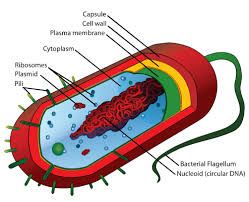
BACTERIAL CELL WALL

The cell wall is a tough and rigid structure surrounding the bacterium like a shell. It weighs about 20-25% of the dry weight of the cell.

FUNCTIONS:

1.Shape

2. Protection against osmotic damage

3.Rigidity

4.Cell division

5.Possesses target site for antibiotics, lysozymes and bacteriophages. Carries bacterial antigens that are important in virulence and immunity.

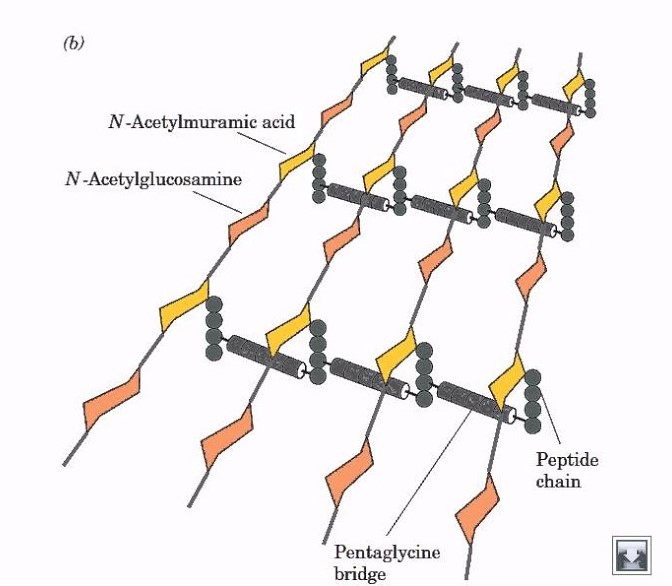
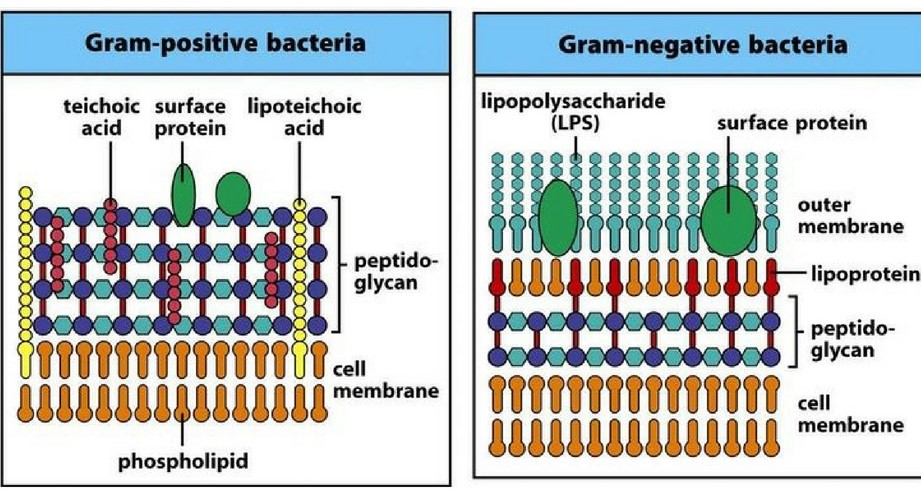
The rigid part of the cell wall is a peptidoglycan which is a mucopeptide (murein) composed of N-acetyl muramic acid and N-acetyl glucosamine molecules alternating in chains, cross-linked by peptide sub-units.

DIFFERENCES BETWEEN GRAM POSITIVE AND GRAM NEGATIVE CELL WALL

CHARACTERGRAM POSITIVEGRAM NEGATIVE
Thickness20-80nm10nm
Periplasmic spaceAbsentPresent
Lipids and GlycoproteinsFew(0.3%)Many(58%)
Teichoic acidPresentAbsent
Peptidoglycan<15%10-20%
Gram’s reactionVioletPink
Outer membraneAbsentPresent
LipopolysaccharidesAbsentPresent

DEMONSTRATION OF CELL WALL

1.Plasmolysis

2,Microdissection

3.Differential staining

4.Reaction with specific antibody

5.Electron microscopy

BACTERIA WITH DEFECTIVE CELL WALL

  1. MYCOBACTERIA: Naturally occurring bacteria without cell walls. They don’t require hypertonic environment for maintenance and are stable in culture medium.
  2. L-FORMS: Kleineberger-Nobel, while studying Streptobacillus moniliformis in the Lister Institute, London, observed abnormal forms of bacteria and named them L-forms after Lister Institute. L-forms developed either spontaneously or in the presence of penicillin or other agents that interfere with synthesis of cell wall.
  3. PROTOPLASTS: Derived from gram positive bacteria. Produced artificially lysozyme in a hypertonic medium.
  4. SPHEROPLASTS: Derived from gram negative bacteria. Produced in the presence of penicillin. They differ from protoplast in that some cell wall material is retained.

PLEOMORPHISM AND INVOLUTION FORMS

Certain species of bacteria exhibit great variation in shape and size of individual cells are called pleomorphic bacteria.

Some bacteria show swollen and aberrant forms in ageing laboratory cultures and are known as involution forms.

Defective cell wall synthesis is responsible for development of these two forms 🙂

SOURCE: MICROBIOLOGY – C.P BAVEJA

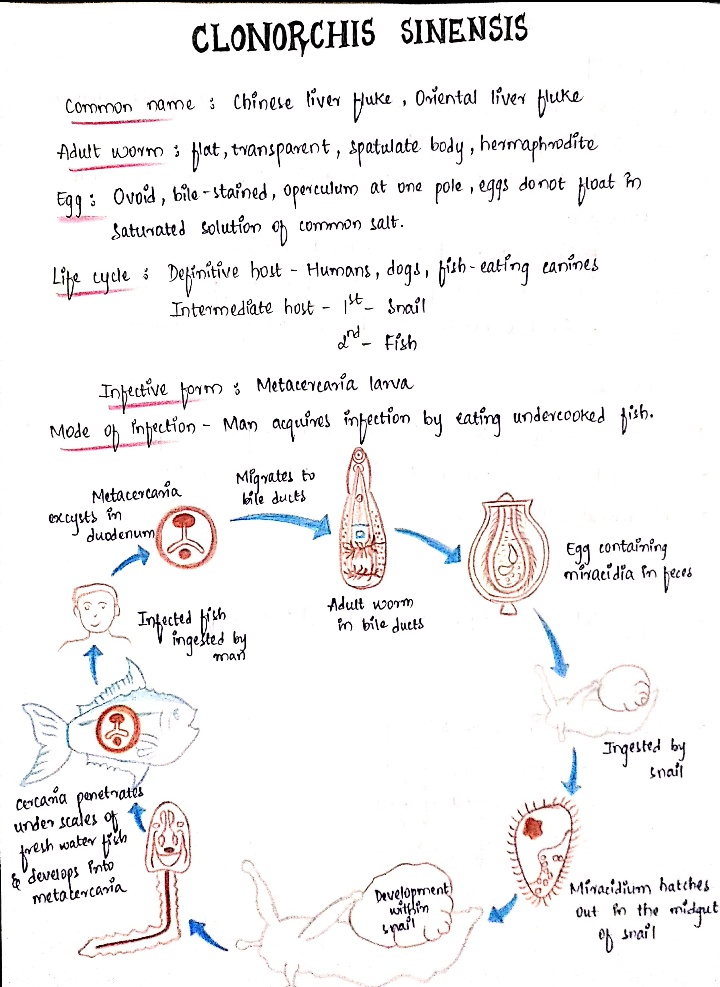
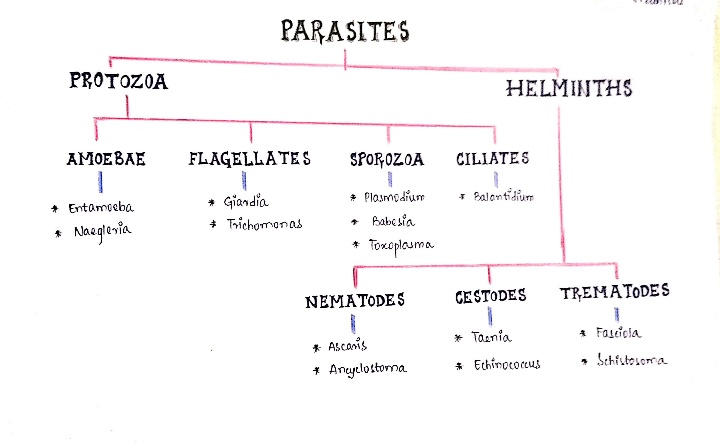
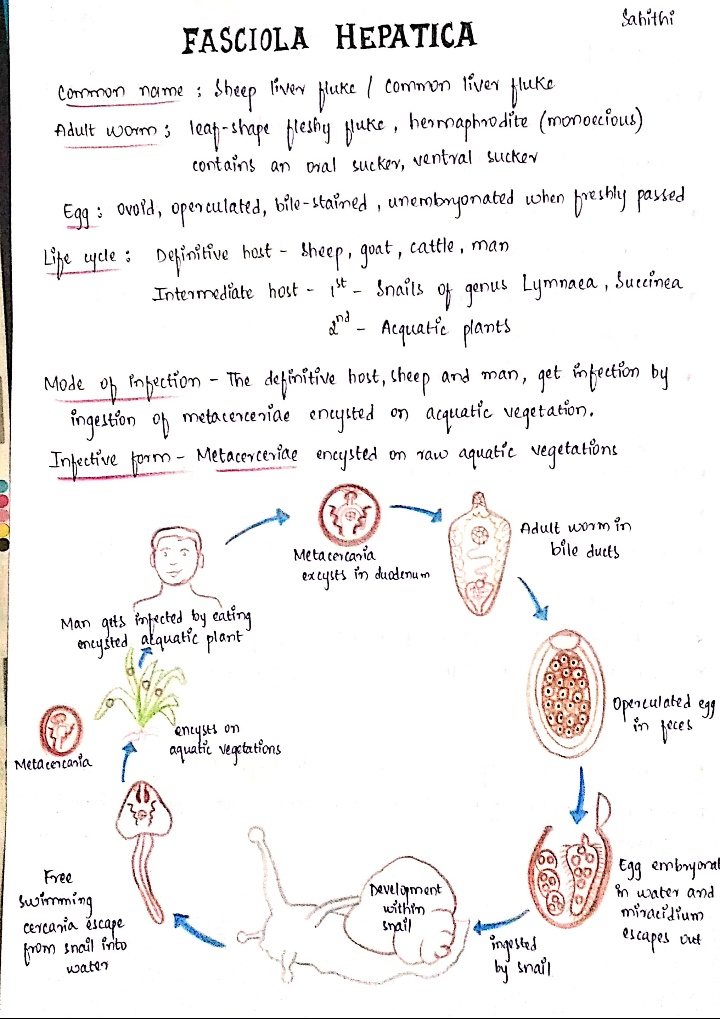
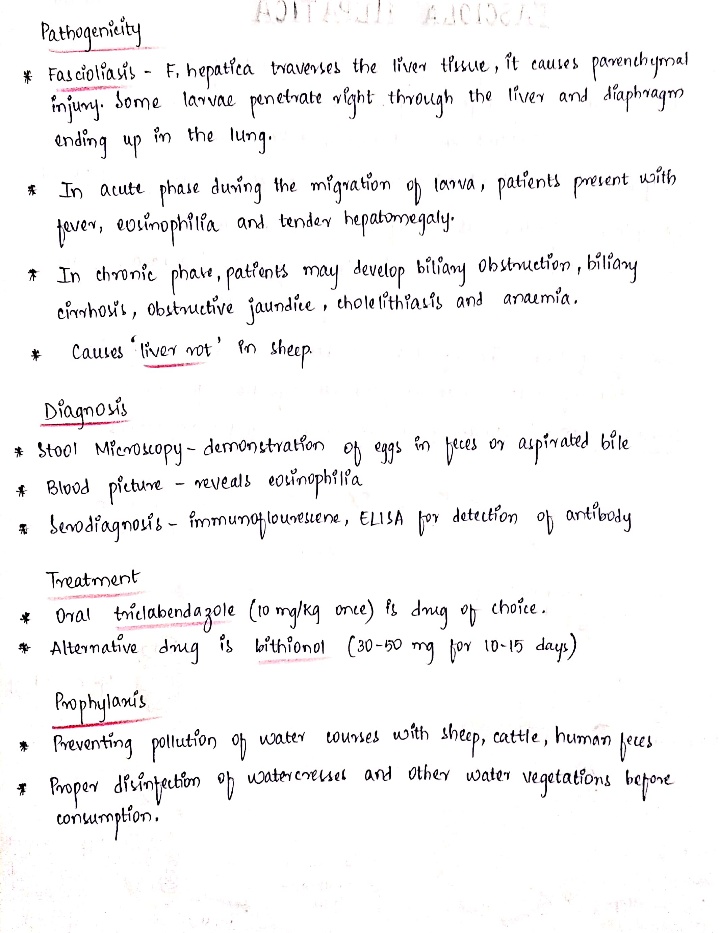
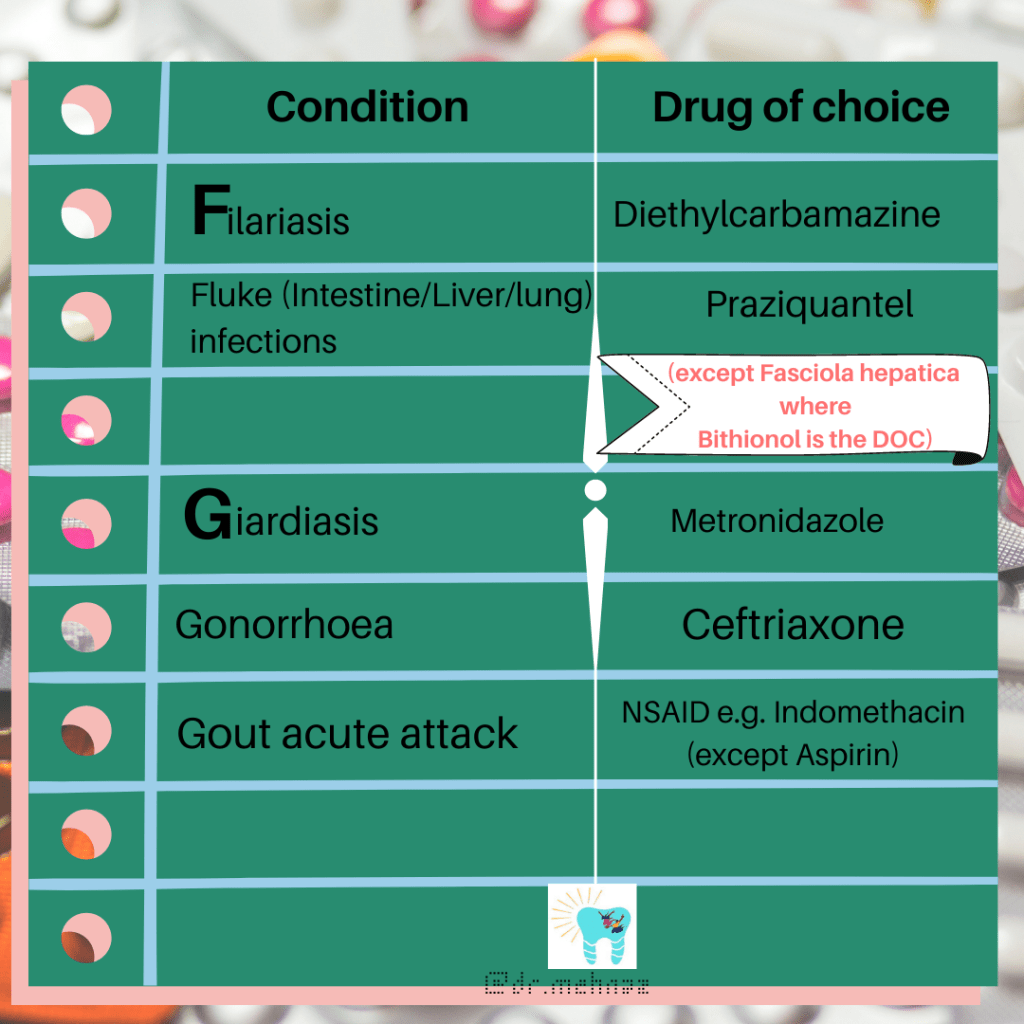
Fasciola hepatica

Reference : Paniker’s textbook of microbiology

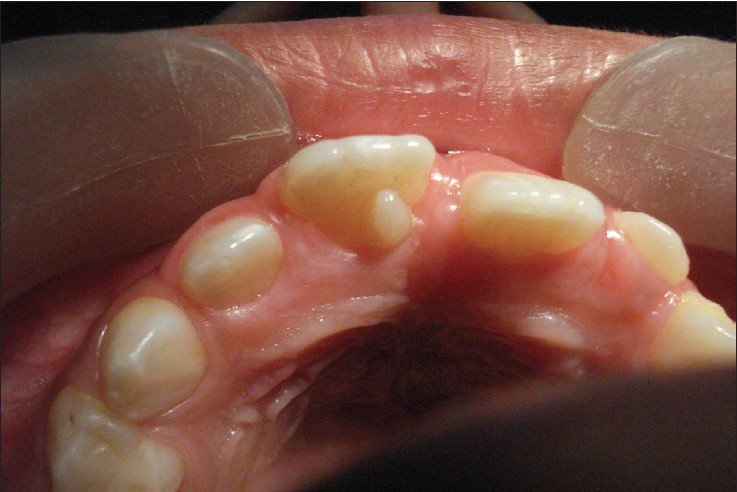
Dilaceration

Since dilacerated teeth frequently present difficult problems during endodontic therapy and at the time of extraction if the operator is unaware of the condition, the need for preoperative radiographs before any such procedures are carried out is self-evident.

Source- textbook of oral pathology Shafers and Google images