Selection of NSAID

Mild/Moderate Pain• Paracetemol
• Low dose Ibuprofen
Post op. or short lasting pain• Ketorolac, diclofenac
Musculoskeletal pain• Paracetemol
• Ibuprofen, naproxen, ketoprofen
RA,AS,Acute gout, Acute Rh. fever• Naproxen, piroxicam
• Indomethacin, high dose aspirin
GI irritation• Paracetemol
• Cox-2 inhibitors
H/O HS reaction to NSAIDs• Paracetemol/
• Cox-2 inhibitors
Paediatric pt.• Paracetemol, Ibuprofen & naproxen
Pregnancy• Paracetemol
Selection of NSAID

Dentowesome 2020|@drmehnaz 🖊

ANALGESICS AND ANTI-INFLAMMATORY DRUGS(NSAID’s) IN DENTISTRY

💊Analgesic is a drug that selectively relieves pain by acting in the CNS or on the peripheral pain mechanisms without significantly altering consciousness.

💊They are divided into 2 groups:

  1. Opiod/Narcotic/Morphine like
  2. Non-opiod/Non-Narcotic/antipyretic (Aspirin like drugs)

The antipyretic analgesics & NSAID’s are more commonly employed for dental pain because tissue injury and inflammation due to abscess, caries, tooth extraction etc. is major cause of acute dental pain.

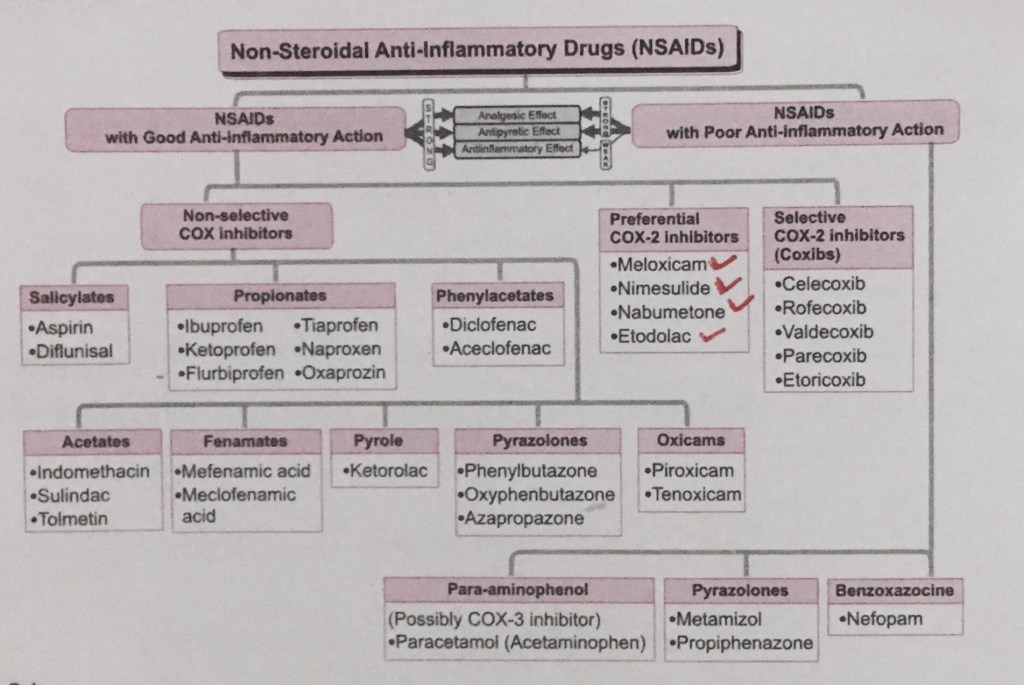
🔆 CLASSIFICATION:

Image: 1
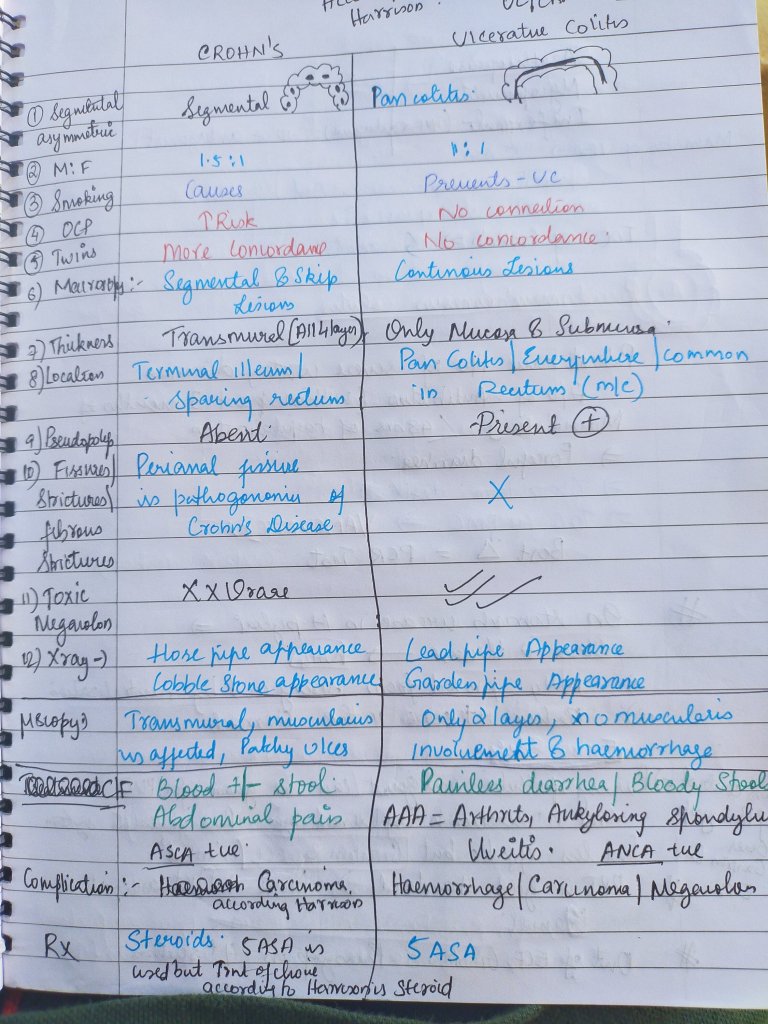
Image: 2

🔆 ANALGESIC/NSAID’s IN DENTISTRY:

  • The antipyretic analgesics used mainly for dental pain is Paracetemol.
  • Paracetemol (Acetaminophen) is most frequently used to relieve toothache in Pregnancy. It has week anti-inflammtory effect & causes no teratogenesis in the developing fetus.
  • Pain during invasive dental procedures is alloyed by a local anesthesic before & after is treated with NSAID’s.

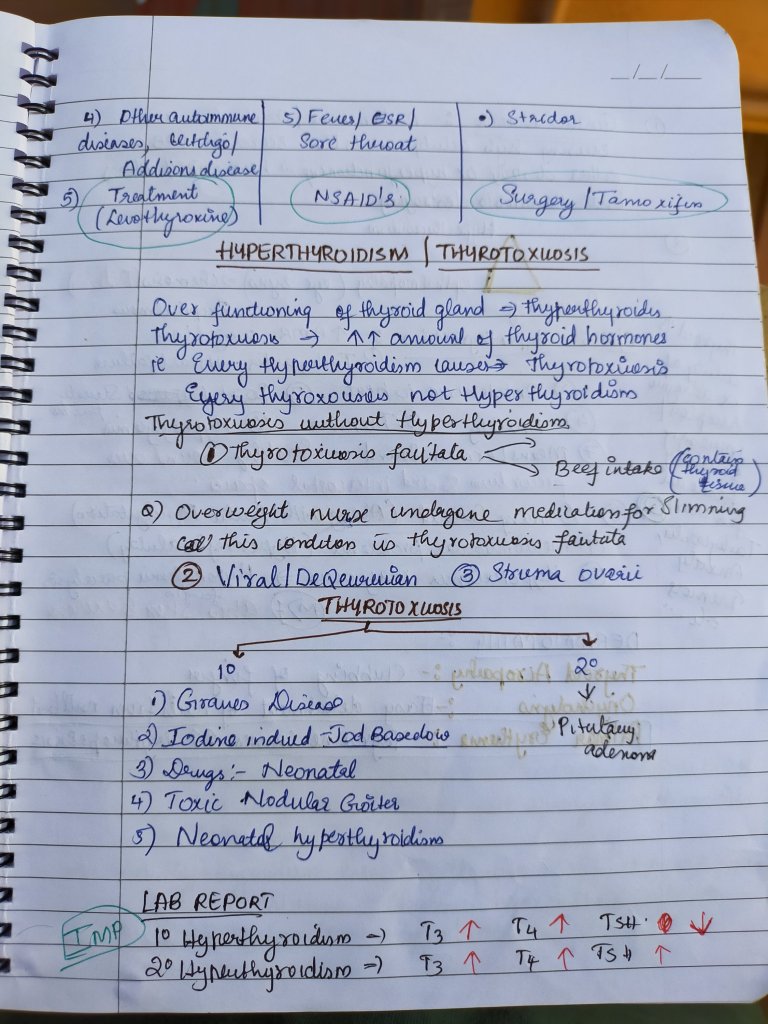
💊 NSAID’s use during Pregnancy: (The devastating effects to the infant) 👇🏻

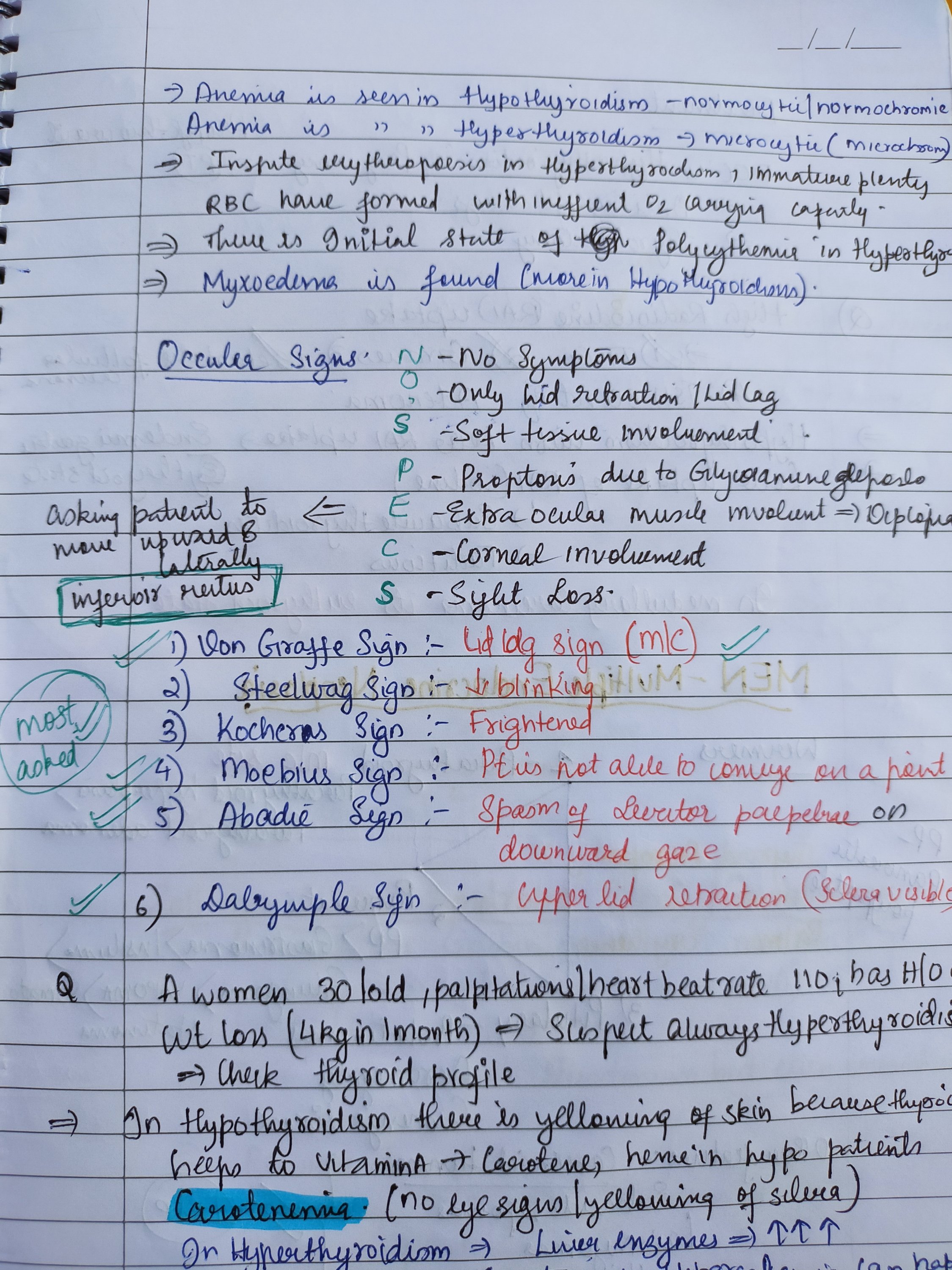
Image: 3

🔆Use of OPIOIDS in Dental Pain:

  • Less used than analgesics
  • Mostly codeine is used for dental patients because other opioids cause dullness & short lasting pain.
  • Other alternative Opioid Analgesics used are – Tramadol, Pentazocine.

💊MORPHINE – Depressant actions‼️

🔻Adverse effects:
  1. Sedation, mental clouding, lethargy, nausea, vomitting, diarrhoea.
  2. Respiratory depression, blurring of vision.
  3. Allergic conditions, rashes, urticaria, itching, swelling.
  4. May develop tolerance & dependance.
🔻Contraindications:
  1. Urinary retention – infants & elderly
  2. Asthma patients
  3. Hypotensive states
  4. Hypovolaemic states

💊NSAID’s :

  1. Analgesic, antipyretic, anti-inflammatory effect.
  2. Effectively relieves inflammatory tissue, injury related pain, signs of inflammation like pain, tenderness, swelling are suspected.
  3. Cellular metabolism is increased & due to increased Glucose utilization there is decrease in blood sugar.
  4. Has teratolytic & mild-antiseptic properties
  5. Irritates gastric mucosa
  6. Interferes with platelet aggregation & bleeding time prolonged.
🔻Adverse effects:
  • Nausea, vomiting, diarrhoea, blood loss in stools.
  • Haemolysis in G6PD deficient patients.
  • Nephrotoxicity & hepatotoxicity in long term use.
  • Allergic reactions – rashes, urticaria, photosensitivity.
  • Pregnancy & Infancy – Refer Image 3
🔻Contraindications:
  • Nursing and pregnancy
  • Serious bleeding
  • Allergy/Asthma/Angioedema
  • Impaired renal function
  • Drug (anticoagulant)

Dr. Mehnaz Memon🖊


References:

  1. Flowcharts: Classification of Drugs with DOC by Vikas Seth (Third Edition)
  2. KD TripathiEssentials of Medical Pharmacology 7th Edition; Internet

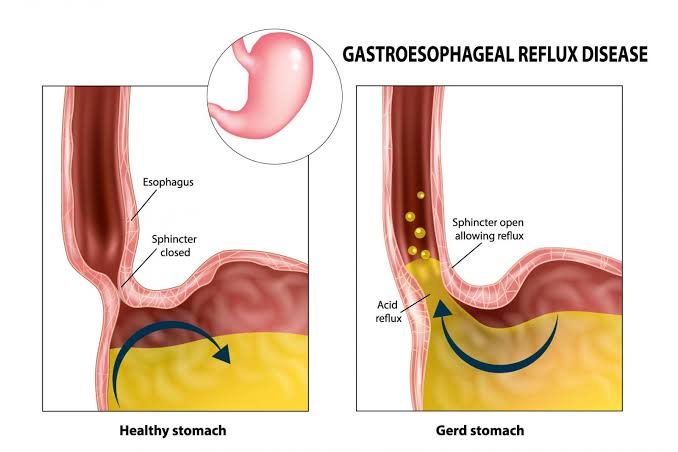
Gastroesophageal reflux disease (GERD)

  • GERD is a digestive disorder that affects the ring of muscle between your Esophagus and stomach. This ring is called the lower esophageal sphincter.
  • Causes : in normal digestion, your LES opens to allow food into our stomach. Then it closes to stop food and acidic stomach juices from flowing back into your esophagus. GERD happens when the LES is weak or relaxes when it shouldn’t. This let’s the stomach’s contents flow up into the Esophagus.
  • Some doctors believe a hiatal hernia may weaken the LES and raise your chances of gastrophageal reflux. Hiatal hernia happens when the upper part of your stomach moves up into the chest through a small opening in the diaphragm.
  • Several other things can make it more likely that you’ll have GERD : being obese, pregnancy, delayed emptying of stomach (gastroparesis), diseases of connective tissue such as rheumatoid arthritis or lupus.
  • Symptoms : most common is heartburn, the burning or pain of heartburn can last as long as 2 hours. Besides pain, you may also have nausea, bad breath, trouble breathing, wearing away of tooth enamel, a lump in your throat.
  • Treatment – antacids : they neutralize acid in the Esophagus and stomach and stop heartburn.
  • H2 blockers – cimetidine, famotidine
  • Proton pump inhibitors – dexlansoprazole, esomoprazole, Omeprazole, pantoprazole
  • Prokinetics – they elp to empty the stomach faster – include domperidone, metoclopramide
  • GERD complications – esophageal ulcer, esophageal stricture, Barrett’s Esophagus, lung problems such as chest congestion or aspiration, asthma, bronchitis or even pneumonia.

Source : Robbins and Cotran’s book of pathology

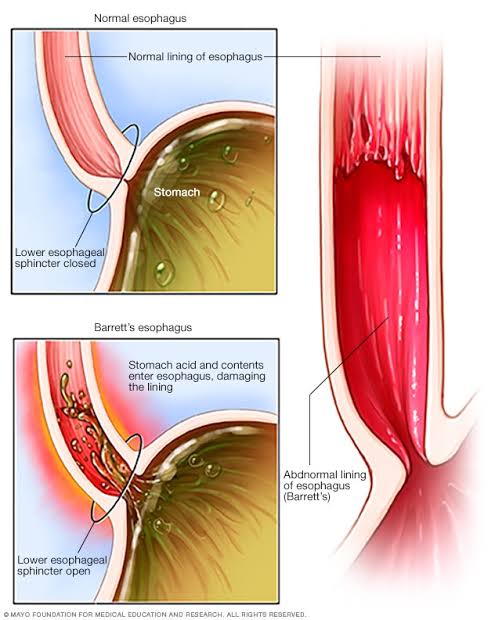
Barrett’s Esophagus

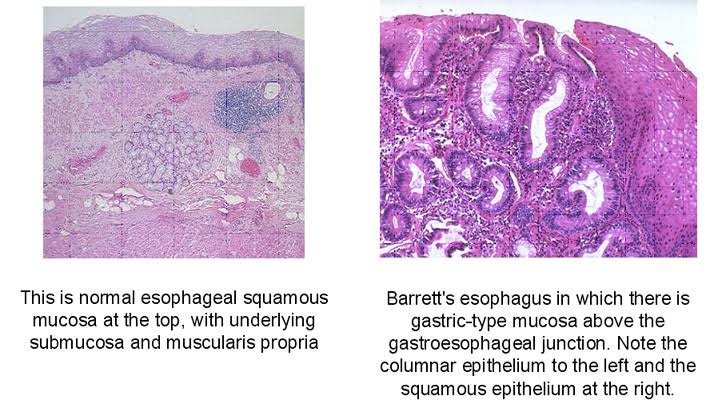
  • Barrett’s Esophagus is a complication of GERD that is characterized by intestinal metaplasia within the esophageal squamous mucosa.
  • The greatest concern in Barrett Esophagus is that it confers an increased risk of esophageal adenocarcinoma.
  • Morphology – Barrett Esophagus can be recognised as one or several tongues or patches of red, velvety mucosa extending upward from the gastroesophageal junction
  • This metaplastic mucosa alternates with residual smooth, pale squamous mucosa and interferes with light brown columnar mucosa distally.
  • Goblet cells, which have distinct mucous vacoules that stain pale blue by H&E and impart the shape of a wine goblet to the remaining cytoplasm, define intestinal metaplasia and are necessary for diagnosis of Barrett Esophagus.
  • Clinical features – Barrett Esophagus can only be identified through endoscopy and biopsy, which are usually prompted by GERD symptoms

Treatment – endoscopic resection, which uses an endoscope to remove damaged cells to aid in the detection of dysplasia and cancer.

Radiofrequency ablation, which uses heat to remove abnormal Esophagus tissue.

Dentophysics (Part – 1)

After qualifying intermediate, we enthusiastically dream about our dental subjects but land up in the same boring physics of dental materials. Let us know why is it important to understand various properties…

Mechanical properties :

Stress – the force per unit area acting on millions of atoms or molecules in a given plane of material. Stress is the internal resistance of a material to an external load applied on that material.

  • Residual stress is caused within the material during the manufacturing process. Eg – during welding
  • Structural stress is produced in the structure during function. Eg – in abutments of fixed partial dentures
  • Pressure stress is induced in vessels containing pressurized materials. Eg – in dentures during processing under pressure and heat
  • Flow stress is produced when force of liquid strikes against the wall acting as load. Eg – molten metal alloy striking the walls of the mould during casting
  • Thermal stress is produced by material which is subjected to internal stress due to different temperatures causing varying expansions in the material. Eg – materials that undergo thermal stress such as inlay wax, soldering and welding alloys.
  • Fatigue stress is produced due to cyclic rotation of a material. Eg – rotatory instruments undergo rotational or cyclic fatigue.

Strain – it is defined as the change in length per unit original length and it may be elastic or plastic or a combination of both. Elastic strain is reversible i.e it disappears when force is removed. Plastic strain represents permanent deformation of the material which never recovers when the force is removed.

Young’s modulus : it is the stiffness of a material that is calculated as the ratio of the elastic stress to elastic strain i.e a stiff material will have a high modulus of elasticity while a flexible material will have a low modulus of elasticity.

Eg – principle of elastic recovery – burnishing of an open metal margin, where a dental abrasive stone is rotated against the metal margin to close the marginal gap as a result of elastic and plastic strain

Eg – impression material

The impression materials should have a low modulus of elasticity to enable it to be removed from the undercut areas in mouth. Modulus of elasticity should not be too low that the material cannot withstand tearing.

Hooke’s law : within the limits of elasticity the strain produced by a stress is proportional to the stress

Dentin is capable of sustainable significant plastic deformation under a compressive load before it fractures. Enamel – more stiffer and brittle than dentin. But dentin is more flexible and tougher.

Flexibility – defined as the flexural strain that occurs when the material is stressed to.its proportional limit. Materials used to fabricate dental appliances and restoratiots, a high value for the elastic limit is a necessary requirement. This is because the structure is expected to return to it’s origi al shape after it has been stressed and the force removed.

There are instances where a large strain or deformation may be needed with a moderate or slight stress such as in an orthodontic appliance. Here a spring is often bent a considerable distance under the influence of a small stress. In yhis case, the structure is said to possess the property of flexibility.

Resilience – the amount of energy absorbed within a unit volume of a structure when it is stressed to its proportional limit. When a dental restoration is deformed during mastication, it absorbs energy. If induced stress is not greater than proportional limit, the restoration is not permanently deformed i.e only elastic energy is stored in it. So restorative material should exhibit a moderately high elastic modulus and relatively low resilience.

Proportional limit – defined as the magnitude of elastic stress above which plastic deformation occurs. Below the proportional limit, there is no permanent deformation in a structure. Materials like cobalt/chromium alloy which has high proportional limit is widely used for the fabrication of connectors because they can withstand high stresses without permanent deformation.

Yield strength – defined as the stress at which a test specimen exhibits a specific amount of plastic strain. It is a property often used to describe the stress at which the material begins to function in a plastic manner. In the process of shaping an orthodontic appliance or adjusting the clasp of a removable partial denture it is necessary to apply a stress into the structure in excess of yield strength of the material is to be permanently bent or adapted.

Flexural strength – defined as the force per unit area at the instant of fracture in a test specimen subjected to flexural loading. Also known as modulus of rupture. Most prosthesis and restoration fractures develop progressively over many stress cycles after initiation of a crack from a critical flaw and subsequently by propagation of the crack until a sudden, unexpected fracture occurs.

Conclusion – while designing a dental appliance or a restorative material, it should have adequate mechanical properties to withstand the stress and strain caused by the forces of mastication. All the methods must be employed to minimize stress concentration so that the restorative material or the appliance is in harmony with the different types of forces occuring in the oral cavity.

Source : Phillip’s and Craig’s restorative dental materials