MUHAD NOORMAN P, final year, Team dentowesome


Reference: DAVIDSONS INTERNAL MEDICINE 20TH ED
MUHAD NOORMAN P, final year, Team dentowesome
Reference: DAVIDSONS INTERNAL MEDICINE 20TH ED
Muhad Noorman p, Team dentowesome, final year

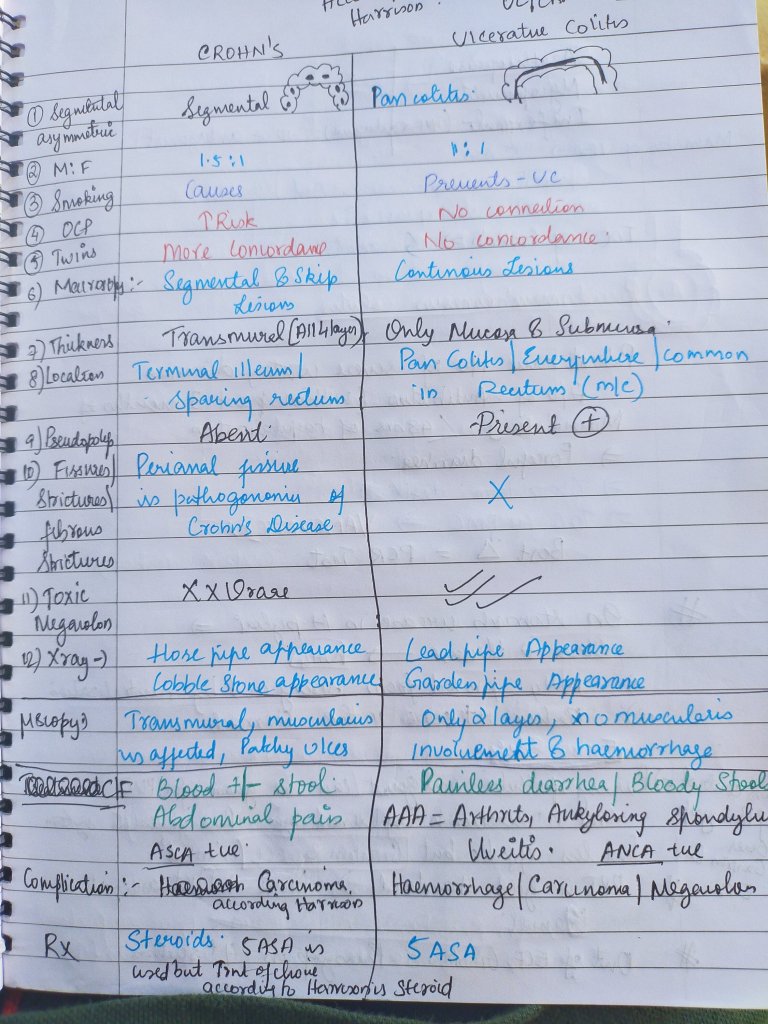
Reference: DAVIDSON INTERNAL MEDICINE 20 TH ED
Muhad Noorman, Team dentowesome, final year


Reference, Textbook of surgery for Dental students , SRB, INTERNET
Muhad Noorman, Team dentowesome, Final year

Hyperthyroidism and Thyrotoxicosis
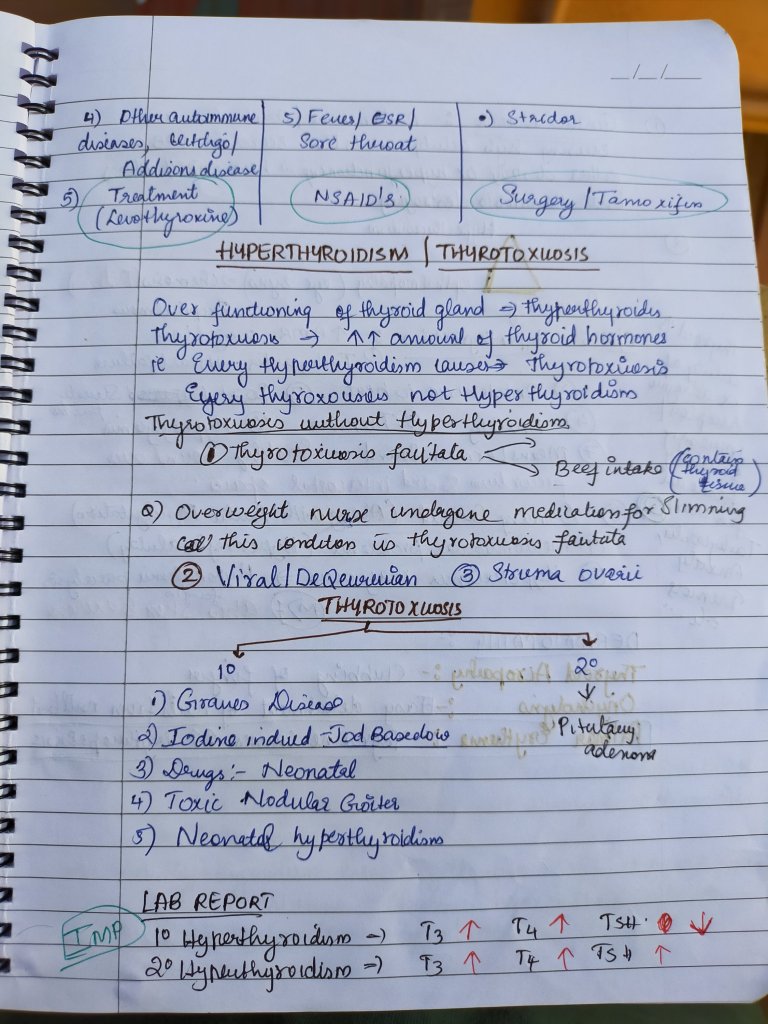
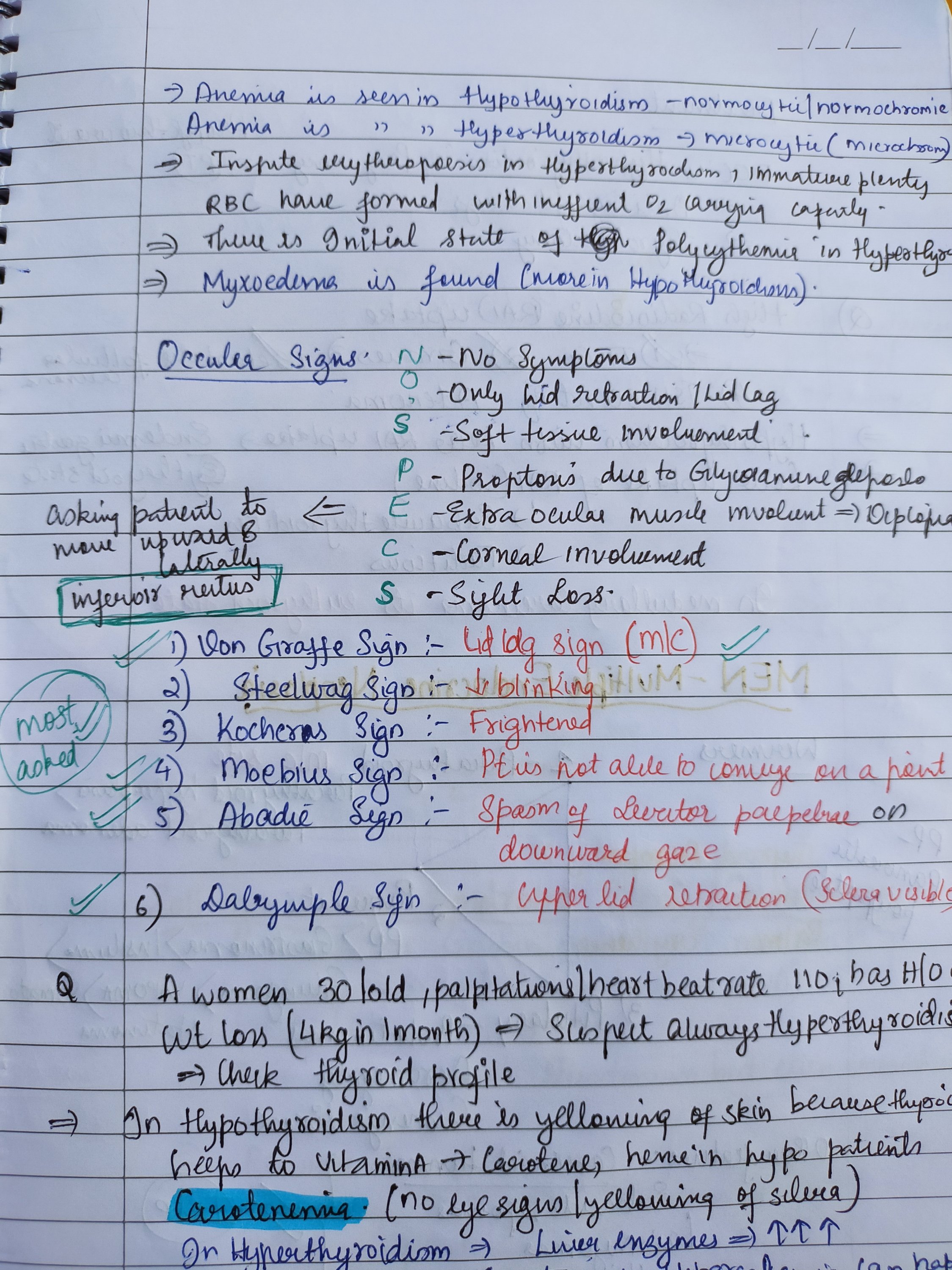

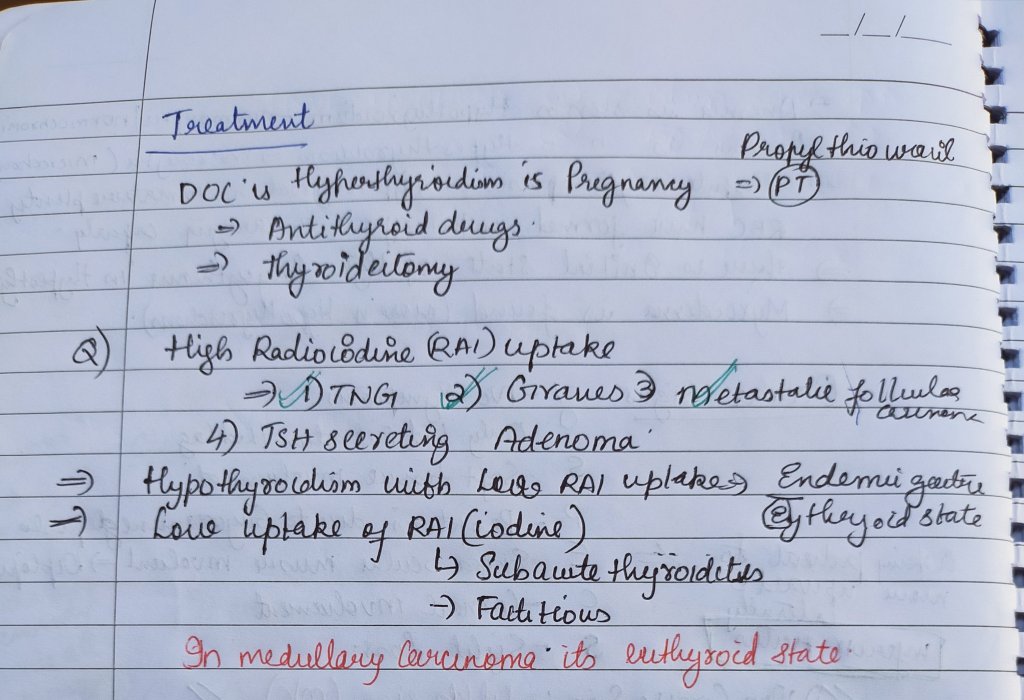
Reference, :- TEXTBOOK OF CLINICAL MEDICINE, SN CHUG
Davidson internal medicine
Muhad Noorman, Team dentowesome, Final year

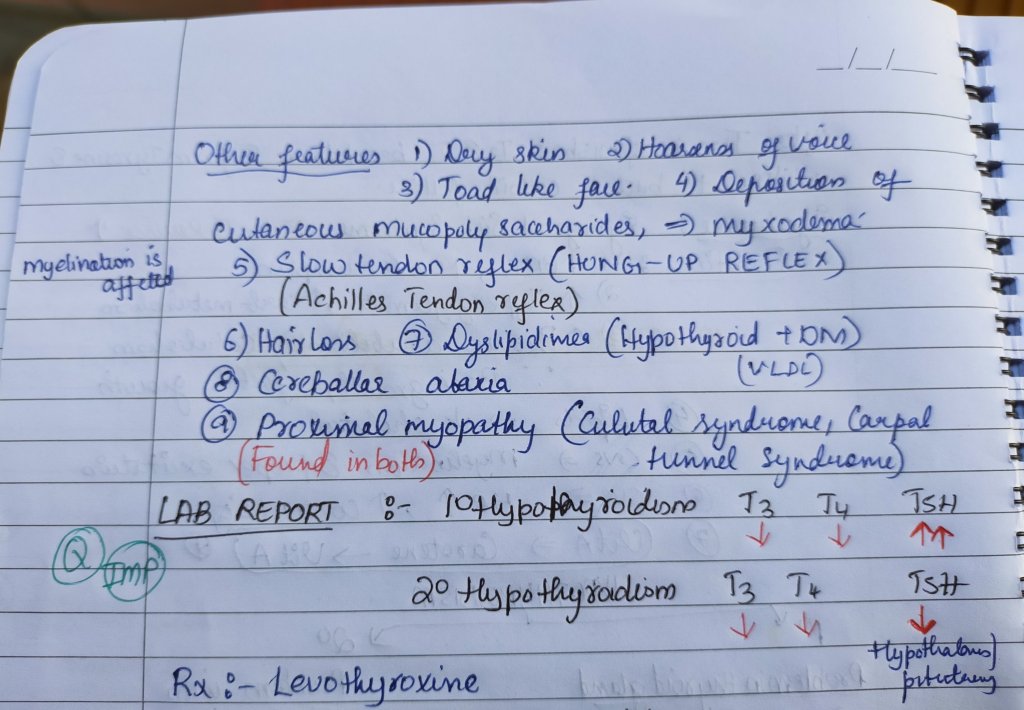
Reference: Clinical Medicine for Dental students, SN CHUG
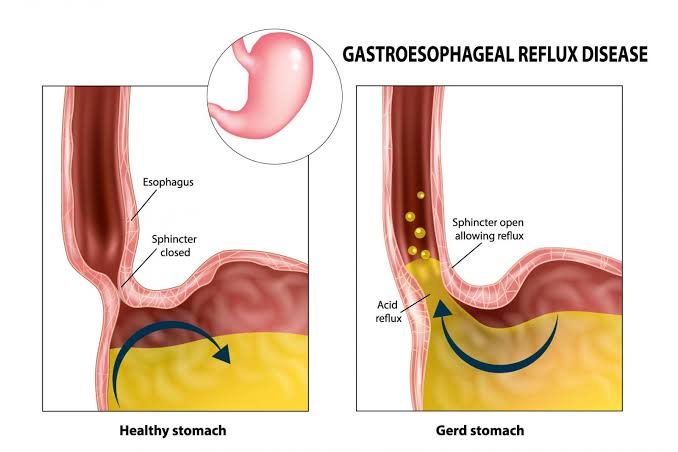
Source : Robbins and Cotran’s book of pathology
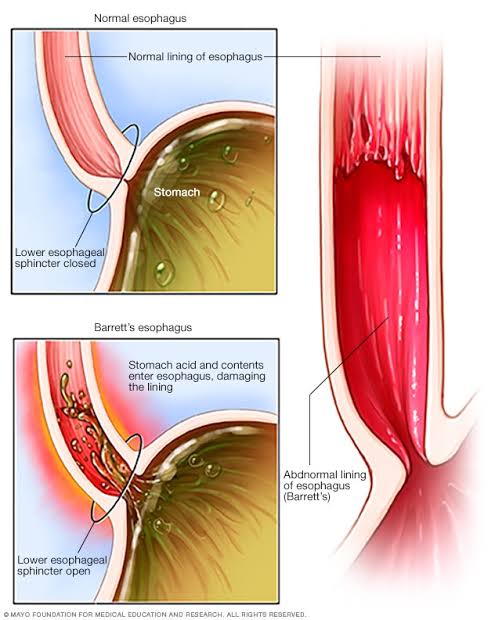
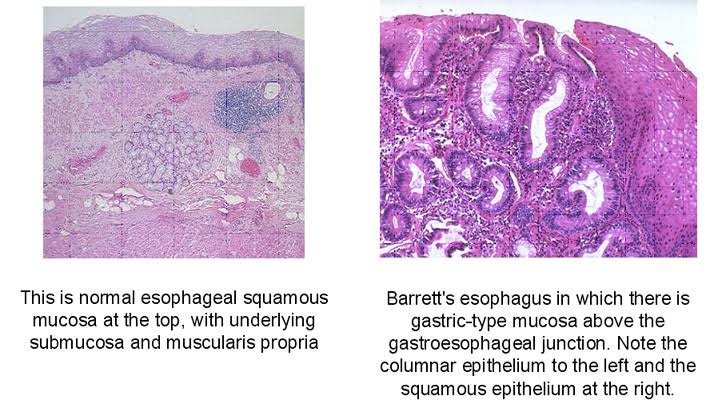
Treatment – endoscopic resection, which uses an endoscope to remove damaged cells to aid in the detection of dysplasia and cancer.
Radiofrequency ablation, which uses heat to remove abnormal Esophagus tissue.
After qualifying intermediate, we enthusiastically dream about our dental subjects but land up in the same boring physics of dental materials. Let us know why is it important to understand various properties…
Mechanical properties :
Stress – the force per unit area acting on millions of atoms or molecules in a given plane of material. Stress is the internal resistance of a material to an external load applied on that material.
Strain – it is defined as the change in length per unit original length and it may be elastic or plastic or a combination of both. Elastic strain is reversible i.e it disappears when force is removed. Plastic strain represents permanent deformation of the material which never recovers when the force is removed.
Young’s modulus : it is the stiffness of a material that is calculated as the ratio of the elastic stress to elastic strain i.e a stiff material will have a high modulus of elasticity while a flexible material will have a low modulus of elasticity.
Eg – principle of elastic recovery – burnishing of an open metal margin, where a dental abrasive stone is rotated against the metal margin to close the marginal gap as a result of elastic and plastic strain
Eg – impression material
The impression materials should have a low modulus of elasticity to enable it to be removed from the undercut areas in mouth. Modulus of elasticity should not be too low that the material cannot withstand tearing.
Hooke’s law : within the limits of elasticity the strain produced by a stress is proportional to the stress
Dentin is capable of sustainable significant plastic deformation under a compressive load before it fractures. Enamel – more stiffer and brittle than dentin. But dentin is more flexible and tougher.
Flexibility – defined as the flexural strain that occurs when the material is stressed to.its proportional limit. Materials used to fabricate dental appliances and restoratiots, a high value for the elastic limit is a necessary requirement. This is because the structure is expected to return to it’s origi al shape after it has been stressed and the force removed.
There are instances where a large strain or deformation may be needed with a moderate or slight stress such as in an orthodontic appliance. Here a spring is often bent a considerable distance under the influence of a small stress. In yhis case, the structure is said to possess the property of flexibility.
Resilience – the amount of energy absorbed within a unit volume of a structure when it is stressed to its proportional limit. When a dental restoration is deformed during mastication, it absorbs energy. If induced stress is not greater than proportional limit, the restoration is not permanently deformed i.e only elastic energy is stored in it. So restorative material should exhibit a moderately high elastic modulus and relatively low resilience.
Proportional limit – defined as the magnitude of elastic stress above which plastic deformation occurs. Below the proportional limit, there is no permanent deformation in a structure. Materials like cobalt/chromium alloy which has high proportional limit is widely used for the fabrication of connectors because they can withstand high stresses without permanent deformation.
Yield strength – defined as the stress at which a test specimen exhibits a specific amount of plastic strain. It is a property often used to describe the stress at which the material begins to function in a plastic manner. In the process of shaping an orthodontic appliance or adjusting the clasp of a removable partial denture it is necessary to apply a stress into the structure in excess of yield strength of the material is to be permanently bent or adapted.
Flexural strength – defined as the force per unit area at the instant of fracture in a test specimen subjected to flexural loading. Also known as modulus of rupture. Most prosthesis and restoration fractures develop progressively over many stress cycles after initiation of a crack from a critical flaw and subsequently by propagation of the crack until a sudden, unexpected fracture occurs.
Conclusion – while designing a dental appliance or a restorative material, it should have adequate mechanical properties to withstand the stress and strain caused by the forces of mastication. All the methods must be employed to minimize stress concentration so that the restorative material or the appliance is in harmony with the different types of forces occuring in the oral cavity.
Source : Phillip’s and Craig’s restorative dental materials
How is AI currently used in dentistry?
In dentistry, AI is being used for different applications. First, AI is currently being used for voice commands, such as with DEXvoice by Simplifeye and DEXIS (software platforms).
Phrases such as “Alexa, show me the bitewings of number 19” will soon be uttered in dental practices around the country.
Through machine learning, MMG Fusion’s chairfill ( software designed to help dental practices fill holes in the schedule) retrieves data from a dentist’s record and analyzes it. Chairfill can find the most profitable dentistry not yet provided, communicate with patients directly, and even book patients appointments. It does all of this without human involvement.
Scientists are already using AI in caries detection. One company utilising AI in this way is Dentistry.ai. Its algorithm is designed to take a large data set of radiographs and recognise patterns within that data. As a result, it hepls practitioners more accurately to identify carious lesions.
The founders of Dentistry.ai predict that AI will be tightly woven into the fabric of how dentistry is done.
The primary llimitationsto AI are insufficient data and inaccurate data. This means that clinicians today should focus on collecting the data now to be able to use it fully in the future. If we can do that, we can continue to provide greater care to our patients.
Source : journal of dental economics
Advancement in technology led to its usage in various fields and it helped build new devices that were not possible 10 or 20 years ago and made most of the jobs easier.
Such advancements include application of nanotechnology in dentistry, also known as nanodentistry, allows for treatment possibilities in restorative dentistry, orthodontics and periodontics.
Within restorative dentistry, nanorobots can be used in cavity preparation, restoration, and even dentition renaturalization.
Due to their size, nanobots work at the atomic, cellular, and molecular level to perform major tasks and help dentists in managing complicated cases at the microscopic level with ease and precision.
Bottom-up Approaches :
Local Nanoanaesthesia –
A colloidal suspension containing millions of anesthetic dental nanorobots would be used to induce local anaesthesia. Deposited on the gingival tissue, the nanorobots would reach the dentin and move toward the pulp via dentin tubules guided by a nanocomputer under the control of dentist. On reaching pulp, the analgesic robots may close down all sensation in tooth. When the treatment procedure is done, the nanorobots may be ordered to re-establish all sensations and to exit from the tooth

Tooth repositioning :
All the periodontal tissues, namely the gingiva, periodontal ligament, cementum and alveolar bone, may be directed by orthodontic nanorobots leading to Swift and pain-free corrective movements
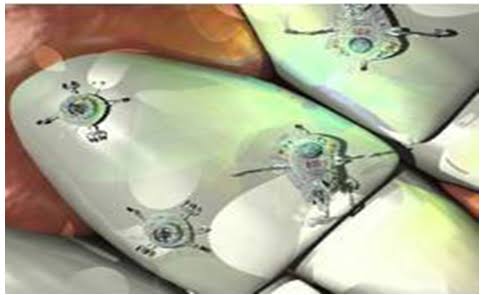
Nanorobotic dentifrice (Dentifrobots):
Toothpastes or mouthwashes could contain the dentifrobots which would then survey all gingival surfaces regularly.
Dental durability and cosmetics :
Nanostructured composites can be included with sapphire 12 or diamond to reduce their brittleness which are used to enhance the toughness and appearance of teeth.
Diagnosis of oral cancer :

Dental nanomaterials – anodentistry as top-down approach :
Nanocomposites :
Nanosolution (nanoadhesives) :
Impression materials :
Traditional vinylpolysiloxanes have incorporated Nanofillers which produce a distinctive material with improved flow, enhanced hydrophilic properties and superior detail precision.
Nano-composite denture teeth :
Dentifrices :
These are mainly made of nanosized hydroxyapatite molecules. They will result in protective shell on tooth surface and may even repair damaged areas. Microbrite dentifrice has microhydrin which breaks down the organic food particles
Prosthetic implants :
Nanotechnology would aid in the development of surfaces with definite topography and chemical composition leading to predicable tissue integration. Tissue differentiation into definite lineage will accurately determine the nature of peri implant tissues. Eg- nanotite, nano-coatef implant
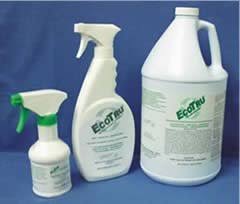
Nano sterilizing solution :
A new sterilizing solution following nanoemulsion concept has been developed by Gandly Enterprises Inc Florida. Nanosized oil droplets attack and destroy the pathogens. Eg – eco tru disinfectant
Dentition replacement therapy (major tooth repair) :
Nanotechnology may utilize genetic engineering, tissue engineering and tissue regeneration initially, followed by growing whole new teeth in vitro and their iinstallation
Nanotechnology will bring enormous changes in the field of dentistry when few challenges such as precise manufacture of nanoscale parts, financing and tactical concerns, social issues have overcome.
Source : journal of international oral health

