Ensure correct brand is used as there are different formulations with different bioavailabilities. Complex interactions. Always check with existing drugs.
Mode of Action: blocks K efflux (Class III antidysrhythmic); also has Na channel blocking (class I), beta blocking (class II), and Ca channel blocking (class IV) properties.
DOSE: : Pulseless VF/VT: 300mg IV rapid push followed by 150mg IV rapid push if necessary at next pulse check.
Stable wide complex tachycardias: 150mg IV over 10 minutes, followed by infusion of 1mg/min x 6hours, then 0.5 mg/min thereafter.
▪Dependence after 4-6 weeks with a withdrawal syndrome.
▪Long acting metabolites e.g. with Diazepam can give hangover effects.
Interactions:
▪Effects are reversed by Flumazenil but risk of rebound seizure.
▪Caution with other sedative medications.
▪p450 enzyme inhibitors can increase diazepam levels - See BNF/Datasheet.
▪Caution with IM olanzapine.
Dose:
》Anxiety/Sedation : Diazepam 2 mg tds up to 30 mg per day in divided doses.
》Seizures: Diazepam 5-10 mg slow iv (Diazemuls is less irritating). Up to 20 mg may be used with skill and facilities for managing of any respiratory depression.
》Seizures : A PR Diazepam formulation can be used with doses of 2.5 mg/5 mg/10 mg/20 mg as required. Useful when IV access not available or in children.
Aneurysm is one of the most common words we see in our pathology books. Every year in India, around 76,000-200,000 cases of cerebral aneurysms are reported to have occurred. An estimated 6.5 million people in the United States have an unruptured brain aneurysm, or 1 in 50 people. The Centre for Disease Control and Prevention (CDC) states that aortic aneurysms contribute to over 25,000 deaths each year in United States. Let’s see what the word actually means and it’s related causes.
The word “aneurysm” comes from the Greek word “aneurysma” meaning “a widening”.
An aneurysm refers to a weakening of an artery wall that creates a bulge, or distension of the artery.
Types of aneurysms :
Aneurysms are classified by their location in the body. The arteries of the brain and the heart are the two most common sites of a serious aneurysm.
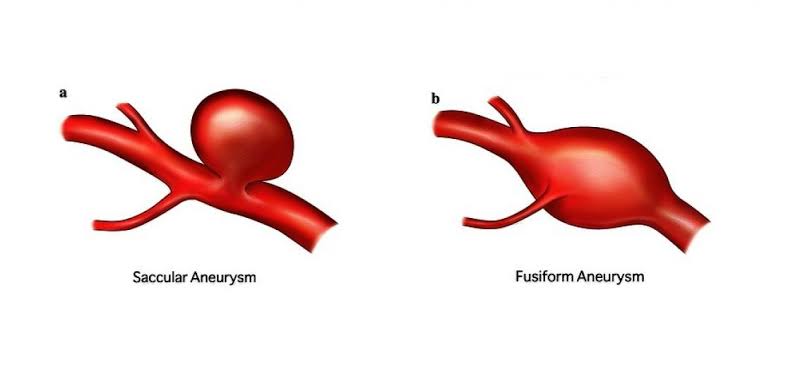
The bulge can take two main shapes:
Fusiform aneurysms bulge all sides of a blood vessel
Saccular aneurysms bulge only on one side
Aortic aneurysm : the aorta is the large artery that begins at the left ventricle of the heart and passes through the chest and abdominal cavities. The most common aneurysm of the aorta is an abdominal aortic aneurysm (AAA). Less commonly, a thoracic aortic aneurysm (TAA) can affect the part of aorta running through the chest.
Cerebral aneurysm : aneurysms of the arteries that supply the brain with blood are known as intracranial aneurysms. Ruptured cerebral aneurysms are the most common cause of a type of stroke known as “subarachnoid hemorrhage”.
Peripheral aneurysm : an aneurysm can also occur in a peripheral artery. Peripheral arteries are less likely to rupture than aortic aneurysms. Types of peripheral aneurysm include:
Popliteal aneurysm : this happens behind the knee. It is the most common peripheral aneurysm
Splenic artery aneurysm : this type of aneurysm occurs near the spleen
Mesenteric artery aneurysm : this affects the artery that transports blood to intestines
Femoral artery aneurysm : the femoral artery is in the groin
Carotid artery aneurysm : this occurs in the neck
Visceral aneurysm : this is the bulge of arteries that supply blood to the bowel or kidneys
Cause of aneurysm : aortic dissection is one identifiable cause of an aortic aneurysm. The arterial wall has three layers. Blood can burst through a tear in the weakened wall of the artery, splitting these layers. It can then fill the cavity surrounding the heart. Dissection leads to compression. Compression prevents blood from returning to the heart. This is also known as a pericardial tamponade.
Risk factors : smoking tobacco, hypertension or high blood pressure, poor diet, inactive lifestyle, obesity
Symptoms : most aneurysms are clinically silent. Symptoms donot usually occur unless an aneurysm ruptures. Rapidly growing abdominal aneurysms are sometimes associated with symptoms. Some people with abdominal aneurysms report abdominal pain, lower back pain, or a pulsating sensation in the abdomen. Similarly, thoracic aneurysms can affect nearby nerves and other blood vessels causing swallowing and breathing difficulties, and pain in the jaw, chest and upper back.
Complications : thromboembolism, severe chest or back pain, angina, a sudden extreme headache
Diagnosis : an MRI scan can identify an aneurysm that has not yet ruptured. CT scans are usually preferred for ruptured aneurysms
Treatment : aruptured aneurysm needs emergency surgery. Without immediate repair, patients have a low chance of survival.
A large or growing aortic aneurysm is more likely to need surgery. There are two options for surgery
Open surgery to fit a synthetic or stent graft
Endovascular stent graft surgery
In the Endovascular surgery, the surgeon accesses the blood vessels through a small incision near the hip. Stent graft surgery inserts an endovascular graft through this incision through a catheter. The graft is then positioned in the aorta to seal off the aneurysm.
In the open AAA repair, a large incision is made in the abdomen to expose the aorta. A graft can then be applied to repair the aneurysm.
Not always clear whether it is hyperplasia or hypertrophyCan only be confirmed by determined by biopsy which is not always doneGingival enlargement is preferred terminology.
Causes
Vincent’s angina, ScurvySodium Valproate, Nifedipine, CiclosporinAcute Myeloid leukaemia (M5) – may regress after treatmentPregnancy, Oral contraceptive pill.
Clinical
May be bleeding enlarged gumsAnaemia – ? AMLKnown epilepsy.
Management
Specialist review of medications as appropriateGood dental care.
Stomatitis is inflammation of the mouth. Cheilitis is inflammation of the lip. Angular stomatitis in the painful ‘split’ at the corner of the mouth ‘labial commissure’
About
Commonly seen in edentulous elderlyCan be secondary candidal infection
Aetiology
MalnutritionElderly – poorly fitting denturesB12/6 or Folate or Iron deficiencySeborrhoeic dermatitis
Clinical
Fissuring of the skin and even ulceration at the corners of the mouthOften painful with evident redness and symptoms
Differential Diagnosis
Oral cancer if persisting, atypical symptoms
Investigations
FBC, ESR, B12, Folate, Ferritin for Megaloblastic anaemia (B12/folate deficiency)
Management
Assessment for new dentures and wearing them will possibly help.Vioform-hydrocortisone cream (hydrocortisone 1%, clioquinol 3%) will reduce inflammation and treat staphylococcal or Candida infection.
Reference: Burket’s Oral Medicine by Michael Glick.


 Dentowesome