Chronic Obstructive Pulmonary Disease

Overview

  • COPD is characterized by chronic, progressive, irreversible air flow obstruction
    – Leads to high lung volumes (functional residual capacity, residual volume, and total lung capacity).
  • As a result of airway obstruction, the ratio of Forced Expiratory Reserve Volume in 1 second to Forced Vital Capacity is reduced
  • COPD includes Chronic bronchitis, small airway disease, and emphysema.
  • Asthma-COPD overlap syndrome: Symptoms of airway hyper-reactivity and airway obstruction.
  • COPD can lead to V/Q mismatch, hypoxemia, pulmonary hypertension, and right heart failure (cor pulmonale).
  • It is estimated that approximately 16 million people in the US have diagnosed COPD, and many are undiagnosed;.
  • COPD is a leading cause of death worldwide.
  • Previously thought of as a man’s disease, we now see high rates of COPD in both men and women; patients are typically over 65 years of age and are current or former smokers.
  • Key risk factors are smoking, air pollution (including indoor pollution, such as the smoke from burning organic fuels for heating), and, genetics.
    – Alpha-1 antitrypsin deficiency is a known genetic cause of emphysema; this defect allows excess elastase in the lungs, which degrades alveoli.
  • COPD is not curable
  • Treatments are meant to relieve symptoms and slow progression; in addition to quitting smoking and limiting exposure to second hand smoke, patients may be prescribed bronchodilators, steroids, respiratory therapy, or supplemental oxygen. Prevention of respiratory infections via flu and pneumococcal vaccines are also important, as they prevent COPD exacerbations.
  • Surgery may be appropriate for some patients.

Signs & Symptoms

COPD is the result of air trapping in the lungs; two key causes of air trapping are:
– Reduced elastic recoil in the lung parenchyma (which occurs in emphysema).
– Increased airway resistance (which occurs in chronic bronchitis and small airway disease, aka, SAD).

  • Be aware that most patients have a combination of these disorders, which is why signs and symptoms often overlap – thus, the familiar concept of “pink puffers” vs. “blue bloaters” is an oversimplification.
  • Decreased breath sounds, which some describe as “distant” sounds.
  • Cough, sputum production, wheezing, and dyspnea.*
  • Rhonchi; recall that rhonchi are low-pitched rattling sounds produced by airway secretions.
  • Patients who are having difficulty breathing may adopt specific behaviors, such as pursed-lip breathing or tripod position:
    – Pursed-lip breathing slows down the breathing and increases airway pressure; incidentally, learning how to do pursed-lip breathing is also a component of respiratory therapy.
    – In the tripod position, patients brace their upper against their legs or the arms of a chair; this position helps to take some of the work out of breathing.
    – Cyanosis of the lips and nail beds, which are signs of hypoxia.
  • Specific morphological changes may also be apparent; these are due to high lung volumes and hyperinflation of the chest.
    – Chronic hyperinflation leads to flattening of the diaphragmand shortening of its muscle fibers, which renders it less mechanically capable.
    – Thus, accessory respiratory muscles must do more work (including the scalenes, sternocleidomastoid, trapezius, abdominal muscles). It may be possible to palpate these hypertrophied muscles.
    – Many patients develop a “barrel-shaped” chest, in which the anterior-posterior diameter of the chest becomes larger.
    – Hoover’s respiratory sign is a pronounced inward movement around the costal margin during inspiration.
  • Weight loss and muscle wasting, especially of the lower extremities.
  • Peripheral edema
    – Edema is a potential manifestation of the systemic effects of COPD, which can include right heart failure and/or reduced renal flow.
  • Be aware that COPD is associated with various cardiac, renal, and metabolic co-morbidities.
  • Markers of systemic inflammation are often elevated.
  • Exacerbations are defined as acute bouts of worse symptoms that require changes in treatment.
    – Exacerbations are often due to bacterial or viral infections, or exposure to air pollution.

Pathologic Changes

  • Smoking leads to pulmonary dysfunction via multiple mechanisms:
    – Increased mucus production, impaired ciliary clearance, oxidative stress, and inflammatory cell recruitment.
  • We draw the lower respiratory system, so that we can show how different portions are affected by these mechanisms, and we label the bronchi and bronchioles of the conducting zone, and the respiratory bronchioles and alveoli of the respiratory zone.

Chronic Bronchitis affects the bronchi, which are the larger airways of the lungs.
– Clinically defined as a chronic cough with sputum production that lasts for three or more months in two consecutive years.

  • We show the histopathology of chronic bronchitis, from outermost to innermost:
    – For context, show some hyaline cartilage
    – Mucosa is characterized by hypertrophy and hyperplasia of mucous glands
    – Smooth muscle is also hypertrophied
    – Submucosa is infiltrated by inflammatory cells (specifically, CD8+ T-cells, neutrophils, and macrophages)
    – Respiratory epithelium has excessive goblet cells and possible squamous cell metaplasia
    – Respiratory cilia are impaired
    – The mucus, which is normally thin and runny, becomes abundant and viscous, thanks to mucus gland hyperplasia.
  • Cumulatively, these changes produce a thicker bronchial wall, with limited ability to clear debris; thus, airway obstruction can occur.

Small Airway Disease affects the bronchioles.

  • Small changes in bronchiole airflow have influence over total airflow, so this is where the most significant airway obstruction occurs.
  • Small airway disease is characterized by mucus plugging, inflammation, and airway remodeling, which comprises fibrosis and thickening; together, these factors narrow the bronchiole lumen.
  • Variation in V/Q can result from airway obstruction that leaves some alveoli under-ventilated and other alveoli holding trapped air.

Emphysema affects the respiratory bronchioles and alveoli.

  • Inflammatory cells, which are recruited in response to cigarette smoke and other irritants, secrete elastase, which is an enzyme that breaks down alveolar walls.
    – Alpha-1 antitrypsin is a protective protein that inhibits elastase, which is why individuals with alpha-1 antitrypsin deficiency are more susceptible to emphysema.
  • Oxidative stress from smoking damages pulmonary collagen and elastin.
  • Elastase and oxidative damage break down the walls of the respiratory bronchioles and alveoli.
  • Thus, there is less elastic recoil; thus, there is a reduction in the driving force to expel air during expiration.
  • There is also loss of structural support, so the alveoli and alveolar ducts are prone to collapse and trap air.
  • With the loss of respiratory zone structures, there is less surface area for gas exchange.*
  • Because of variation in the disease process, emphysema is associated with variation in V/Q.

Acute Respiratory Distress Syndrome

Overview

  • Acute respiratory distress syndrome (ARDS) occurs when the alveoli fill with fluid, which impairs gas exchange.
  • Characterized by acute dyspnea, hypoxemia, and pulmonary infiltrates.
  • Can lead to reduced lung compliance, increased pulmonary dead space, increased risk of pneumothorax, and pulmonary hypertension.
  • ARDS has a mortality rate of approximately 40%.
  • Treatment for acute respiratory distress syndrome requires treatment of the underlying causes.
  • Mechanical ventilation restores airflow, but beware of potential complications, including: volutrauma (overdistention of the alveoli), alectectrauma (alveolar strain from repeated opening and closing), and, biotrauma (from migration of pro-inflammatory molecules and pathogens).
  • Treatment includes fluid management measures, such as diuretics, to reduce left atrial filling pressure; some also recommend the use of neuromuscular blockades.
  • Newborn respiratory distress syndrome (aka, infant respiratory distress syndrome, respiratory distress syndrome of the newborn) occurs when there is inadequate production of surfactant by premature lungs, leading to alveolar collapse; thus, treatment includes administration of synthetic surfactant and oxygen support. The risk of neonatal respiratory distress correlates with the degree of prematurity.

Pathophysiology: 3 stages
Exudative Phase: The initial response to injury, and occurs within the first 7 days after exposure.

  • Inflammation damages the capillary endothelium and alveolar epithelium, and increases the permeability of these layers. We show neutrophils and their pro-inflammatory cytokines, but be aware that other cells of the innate immune system also play a role in barrier injury.
  • Protein-rich fluid, activated neutrophils, and other pro-inflammatory mediators and cellular debris pass through the barrier and fill the alveolus.
  • These infiltrating proinflammatory mediators damage the epithelial lining of the alveolus, leaving the basement membrane “denuded.”
  • Furthermore, due to the loss of alveolar epithelial cells, surfactant production and fluid resorption is inhibited,which compounds fluid retention.
  • Hyaline membranes from along the denuded basement membranes; these are formed by accumulating cellular debris and fibrin.
  • The coagulation cascade is triggered by capillary endothelial damage, which leads to the formation of microthrombi in the vessels.
  • As a result of these pathological processes, gas exchange is inhibited, dead space is increased, pulmonary hypertension occurs, and lung compliance decreases.

Proliferative Phase: barrier repair and fluid resorption and occurs days 7-21 after exposure to pulmonary injury.

  • The alveolar epithelium and capillary endothelium barriers are re-established.
  • Thus, surfactant production and fluid reabsorption resume
    – Epithelium sodium channels and aquaporins are inserted in the alveolar epithelium, and move fluids to the interstitium.
  • Macrophages and lymphocytes remove apoptotic and inflammatory mediators, thus reducing further harm to the epithelia.
  • As part of the healing and rebuilding process, fibroblasts and other interstitial cells proliferate to form a provisional extracellular matrix, which will eventually be removed by matrix metalloproteinases.
  • However, in some individuals, pro-inflammatory and fibrotic forces overwhelm the healing and clearance process.

Fibrotic Phase: Fibrosis

  • Extensive epithelial damage trigger over-proliferation and differentiation of fibroblasts and deposition of collagen, which leads to tissue fibrosis and destruction of the microvasculature.
  • Thus, pulmonary dysfunction continues.

Causes of ARDS

  • Direct and indirect causes of lung injury lead to acute respiratory distress.
  • The most common causes are pneumonia (direct) and sepsis(indirect)
    – Account for more than half of all ARDS cases.
  • Additional Direct Causes:
    – Aspiration of gastric contents
    – Pulmonary contusion
    – Near drowning
    – Vaping.
    Be aware that lung injury caused by vaping is sometimes called “EVALI” – “E-cigarette or Vaping Associated Lung Injury”, and is particularly associated with vaping fluids containing Vitamin E acetate (Vitamin E acetate is used in THC vaping products).
  • Additional Indirect Causes:
    – Trauma
    – Repeated blood transfusion
    – Pancreatitis
    – Drug reactions or overdoses (ex: various narcotics, aspirin, tricyclic antidepressants).

Berlin Definition of ARDS
Establishes diagnostic criteria
  • Onset of signs and symptoms must be *within the last 7 days of known clinical insult, with new or worsening symptoms during the last week.
  • Chest X-ray or CT will show bilateral opacities consistent with pulmonary edema.
  • Respiratory failure cannot be otherwise fully explained by cardiac failure or fluid overload.
  • Presence of acute hypoxemia.
    – Based on the ratio of the partial pressure of arterial oxygen (PaO2) to the fraction of inspired oxygen (FiO2) (assessed while the patient is on a ventilator with a positive-end expiratory pressure (PEEP) of 5 or greater cm H2O).
    – Hypoxemia severity can be categorized as mild (201-300 mmHg); moderate (101-200 mmHg), or severe (100 mmHg or less).

Hemoglobin Allosteric Effects

DEFINITIONS

Bohr effect

  • Low pH enhances hemoglobin oxygen dissociation

2, 3 Bisphosphoglycerate (BPG)

  • Molecule localized in red blood cells
  • Decreases hemoglobin’s oxygen affinity

DISSOCIATION CURVE

  • % oxygen saturation vs. oxygen partial pressure (torr)
  • Cooperative binding produces sigmoidal binding curve

Bohr Effect

  • Decrease in blood pH shifts curve to the right
  • Hemoglobin requires greater pO2 in peripheral tissues to reach 50% saturation
  • Lowering pH decreases hemoglobin’s oxygen affinity

2,3 BPG

  • Hemoglobin without 2,3 BPG: shifts curve to the left (hyperbolic like myoglobin)
  • Adding 2,3 BPG: shifts curve back to the right.

BOHR EFFECT

Beta subunit

  • Aspartate (-) and histidine (+)

T-form: histidine pKa = 8.0 (side chains close to each other)

  • T-form favored when blood pH –> has a high affinity for H+

R-form: histidine pKa drops to 7.1 (side chains move apart)

  • Histidine loses H+
  • R-form favored when blood pH is high and H+ concentration is low

Carbon dioxide

  • CO2 + H2O –> H2CO3 (carbonic acid) –> HCO3- (bicarbonate) + H+ (reversible)
  • Carbonic anhydrase catalyzes carbonic acid formation
  • Carbonic acid spontaneously loses proton to form bicarbonate
  • Bicarbonate = blood buffer
  • Increase in CO2 –> lowers blood pH –> favors T-form hemoglobin

Carbaminohemoglobin: CO2 binds N-terminal amino acids in hemoglobin

2,3 BPG

  • Has strong negative charge: binds central cavity in hemoglobin
  • Stabilizes the T-form (only binds T-form)

CARBON MONOXIDE

  • Binds iron center with 220 times the affinity of O2 (irreversible)
  • Permanently increases oxygen affinity of remaining heme groups for oxygen
  • Decreases oxygen release in peripheral tissues

CLINICAL CORRELATION

Acetazolamide

  • Carbonic anhydrase inhibitor used to treat altitude sickness
  • Increases bicarbonate excretion by kidneys
  • Makes blood more acidic, promotes oxygen release in peripheral tissues

High altitude conditions

  • Individuals adapted to high altitude produce more 2,3 BPG
  • Favors T-form hemoglobin and O2 release: more efficient O2 delivery

Tobacco smoke

  • Smokers have elevated blood CO: hinders O2 delivery
  • Can produce tissue hypoxia

NEET MDS – How to prepare for Oral Pathology & Medicine?

In NEET MDS Preparation process, your Oral pathology knowledge needs to be sound. Without knowledge in oral pathology, a lot of your final year may not make sense. A lot of overlaps exist between oral pathology, oral medicine, periodontics, and endodontics. In this article, we bring you the standard books to refer & most important topics which cater under the topic Oral Pathology & Medicine along with few preparation tips.

Given below are the list of Questions MERITERS experts will answer that are essential for an effective and efficient preparation:

  1. What is the subject wise Weightage?
  2. Which Books to refer?
  3. How much Time should be allocated to the subject?
  4. How much Time should be allocated to each Topic?
  5. How many times should the subject be Revised?
  6. What is the Ideal time to Start the subject?
  7. What are the Important Topics for NEET MDS?
  8. Types of Questions asked?

What is the subject wise Weightage?

20-22/240 Questions (9%)

Standard books to refer:

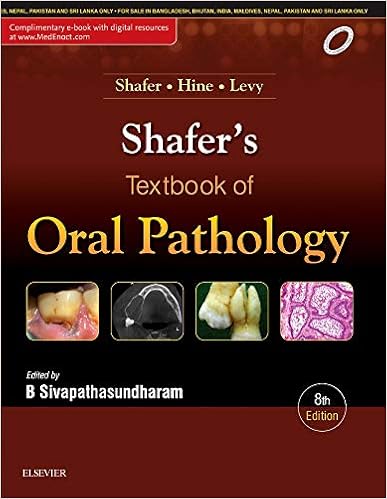
Shafer’s Textbook of Oral Pathology

Author : B Sivapathasundharam

INR 1,750 Buy on Amazon
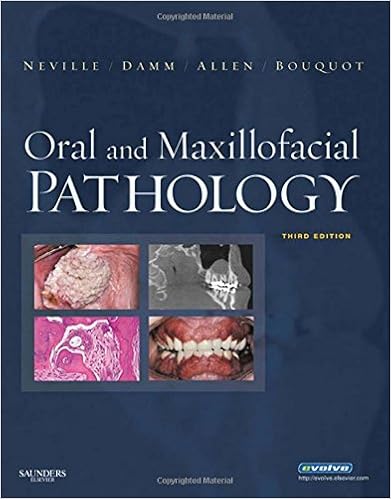
Oral and Maxillofacial Pathology, 3e (Neville, Oral and Maxillofacial Pathology)

Author : Brad W. Neville DDS, Douglas D. Damm DDS, Carl M. Allen DDS MSD, Jerry Bouquot DDS MSD 

INR 1,995 Buy on Amazon
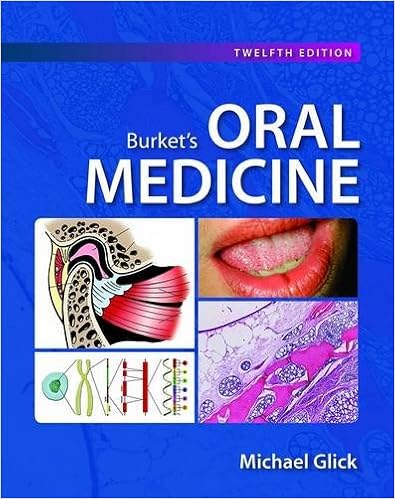
Burket’s Oral Medicine 

Author : Michael Glick

INR 1,753 Buy on Amazon

How much Time should be allocated for the Subject?

  • Theory reading – 4 Days
  • MCQ Practice- 20 Days

How much Time should be allocated to each Topic?

  • Theory reading – 4-5 Hours
  • MCQ Practice-  8-10 Hours

How many Times should the subject be Revised?

  • 8-10 times revision is required

What is the Ideal time to Start the subject?

  • Mid way in the preparation 
  • After completing 7-10 subjects

Oral Pathology & Medicine – Important Topics

UNITMOST IMPORTANT TOPICS
Developmental DisturbancesDevelopmental disturbances of TeethDevelopmental disturbances sizeShape Developmental disturbances of FaceDevelopmental disturbances of TongueTongueDevelopmental disturbances of FaceDevelopmmental disturbances of Jaw
Benign And Malignant Tumours Of Oral CavityGeneral considerationPrecancerous lesions and conditions Basal cell carcinoma Squamous cell carcinoma TNM staging Treatment modalities Verrucous carcinoma Hemangioma KAPOSI ‘s sarcoma Nevi Melanoma Neoplasm of Muscles, Nerve tissue Multiple myeloma Connective tissue tuomours of Jaw Burkitt’s lymphoma 
Diseases Of Salivary GlandsMucocele and Ranula Mickulz’s disease and Sjogren syndrome Pleomorphic adenoma Warthin’s tumor Cylindroma Oncocytic adenoma 
Dental CariesTheories of dental caries Etiologies of dental caries Stephan’s curve Classification of dental caries Histopathological zones of Dentine Histopathology od dental caries (Enamel caries)
Pulp And Periapical InfectionsClassification of periapical infection Cellulitis Ludwig’s angina Osteomyelitis 
Physical And Chemical InjuriesPhysical And Chemical InjuriesPigmentationsRegressive alterations of teethMucocele Other physical and Chemical Injuries.
Diseases Of Bones & jointsOsteogenesis imperfectaOsteopetrosis Achondroplasia Osteoporosis CherubismFibrous dysplasia Paget’s disease Cleidocranial dysplasia CGCGSyndromes associated with bone Osteosarcoma 
Diseases Of Nerves & MusclesTrigeminal Neuralgia Glossopharyngela neuralgia Bells palsy Syndromes associated with nerve pathology Disease of  Muscular or connective tissue origin
Skin And Vesiculobullous LesionsSkin lesions Ectodermal dysplasia Lichen planus Erythema multiforme Classification of vesiculobullous lesions 5Psoriasis Miscellaneous
Bacterial InfectionsSinus Botryomycosis Sarcoidosis Syphilis Actinomycosis Leprosy
Viral InfectionsHerpes Simplex Virus Herpes Zoster Cox sackie virus Paramyxovirus Apthous ulcers
Mycotic InfectionsCandidiasis Histoplasmosis Mucormycosis Phycomycosis
Oral Aspects Of Metabolic DiseasesVitamin D deficiency HyperparathyroidismHyperpituitarism Hand Schullar christian disease Hypophosphatasia Amyloidoisosi and other disease
Tongue DisordersTongue Disorders
PigmentationPigmentation
Diseases Of BloodHemophilia Von Willebrand’s diseaseTypes of anaemia Aplastic anaemia Thrombocytopenic purpura Leukemia Miscellaneous
MiscellaneousMiscellaneous

What Type of Questions were asked in NEET?

1. Single best answer

  • Case Based
  • Fact Based (Memory)
  • Concept based
  • Numerical/Value Based

2. Image based questions

3. True or false type questions

Please watch the above featured video for more detailed explanation about this article.

We hope this blog will assist you in preparing this subject meticulously for MDS entrance exams.
Prepare judiciously..


SOURCE: MERITERS!!
Author Note: Kriti Naja Jain

Hello everyone 🤗,
MY SELF KRITI NAJA JAIN 🙂

I’m privileged to join this wonderful platform where I interact with so many beautiful, hardworking and ambitious souls. Here, the atmosphere is friendly, the ambience motivating. Students like me are able to make humble contributions by writing articles which means a lot to us.

I’m a 3rd year undergraduate student pursuing BDS from Teerthankar Mahaveer Dental College and Research Center. Since childhood, I was fascinated with the white coat that epitomises dentists. I belong to a family of successful doctors who are serving mankind with all their heart. The way society appreciates their work, even giving them the position next to God inspires me to follow their path and earn that precious respect.

It amazes me how scientists, physicians and inventors must think, be inspired to do something different, and how unique their work ethic must be. This motivates me, and I wish to do my best in achieving even a small percentage of what these legends have done for mankind.

I find politics, religion, current affairs and Indian history fascinating. In my free time I sketch. But my primary interest lies in science and, of course, the most incredible creation of nature: the human body.

Dentistry is a combination of art and science which I realized after entering the field. This is different from the general stereotype about dentistry in our society. I want to change this perspective and show the world that dentists are as important as other doctors.

“Writing is a struggle against silence.” With these words, I’d like to thank you for taking out time to read my words. Hope you will like my articles and provide me with honest feedback.