Core idea
Bioprogressive therapy was developed to correct the limitations of conventional edgewise treatment, especially anchorage loss, unwanted incisor flaring, occlusal plane dumping, and overreliance on heavy mechanics. Ricketts emphasizes that treatment should be built around biologic force levels, cortical bone considerations, and prefabricated appliance components rather than endless chairside wire bending.
Historical progression
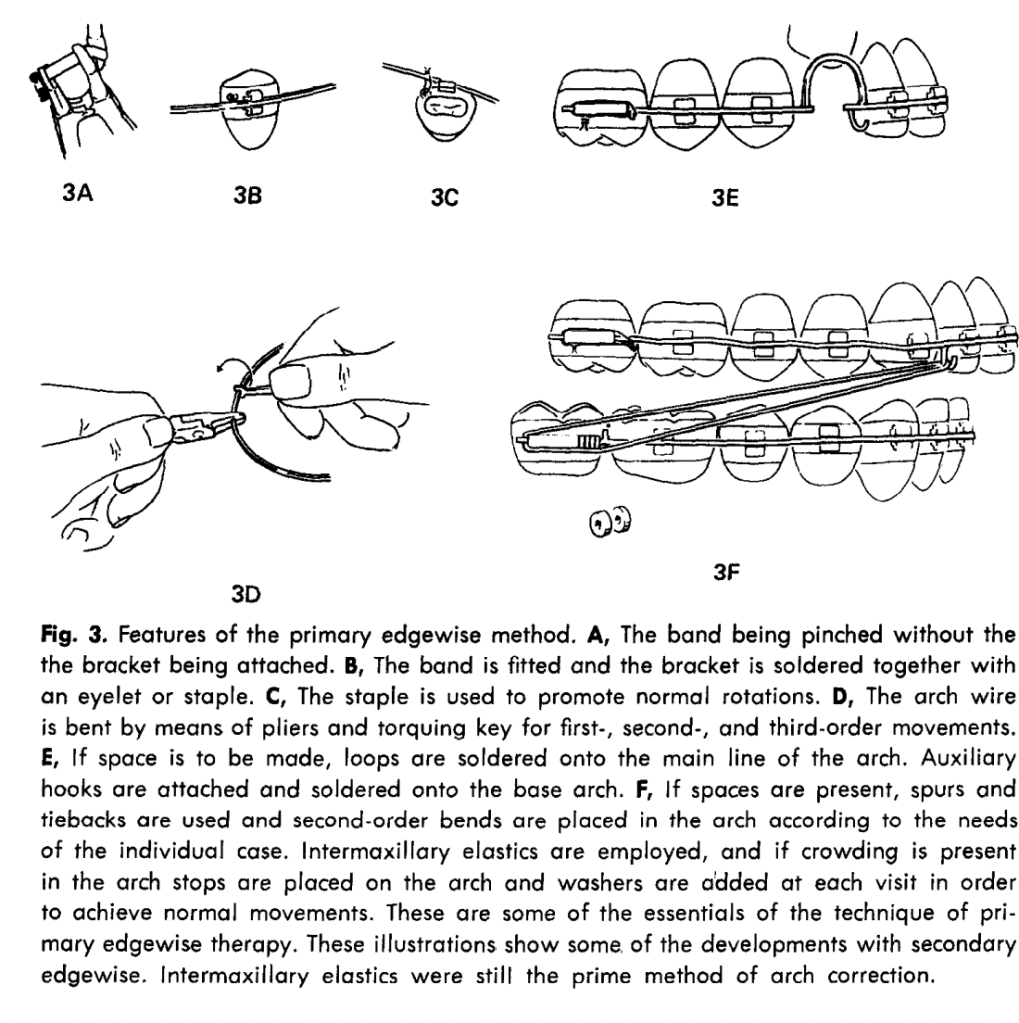
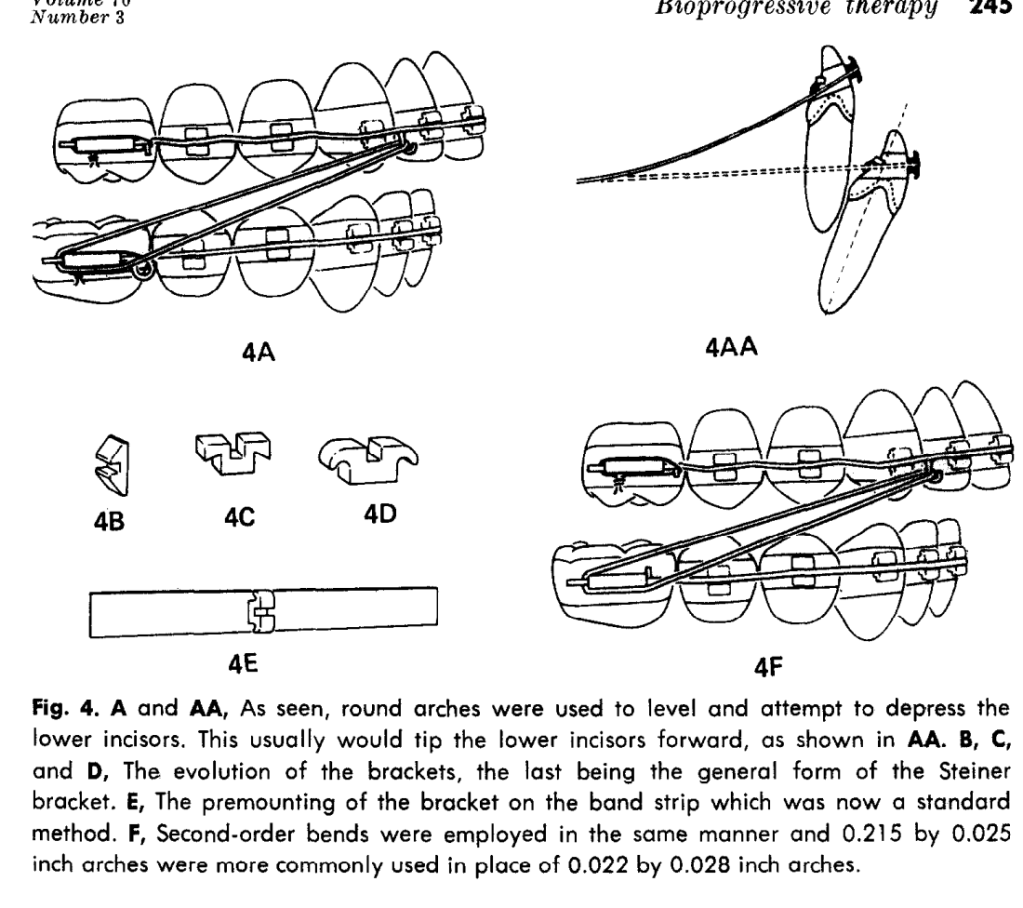
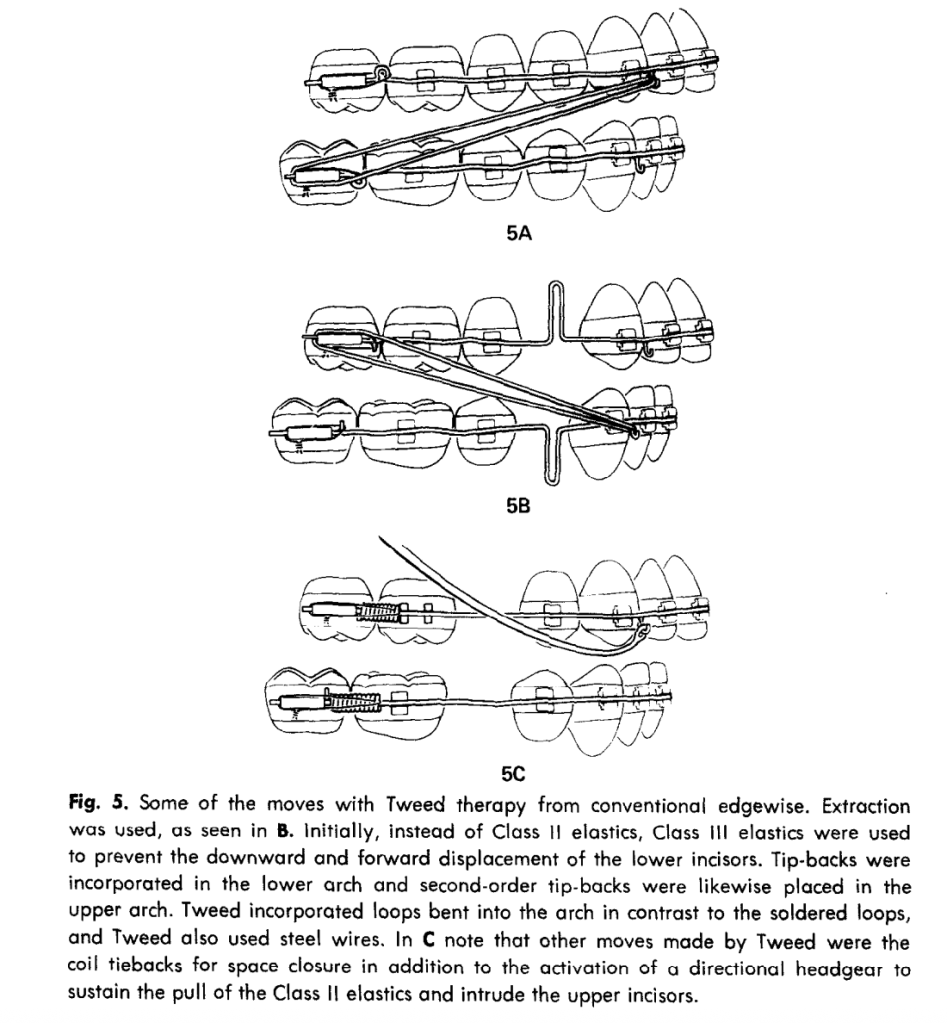
Why bioprogressive emerged
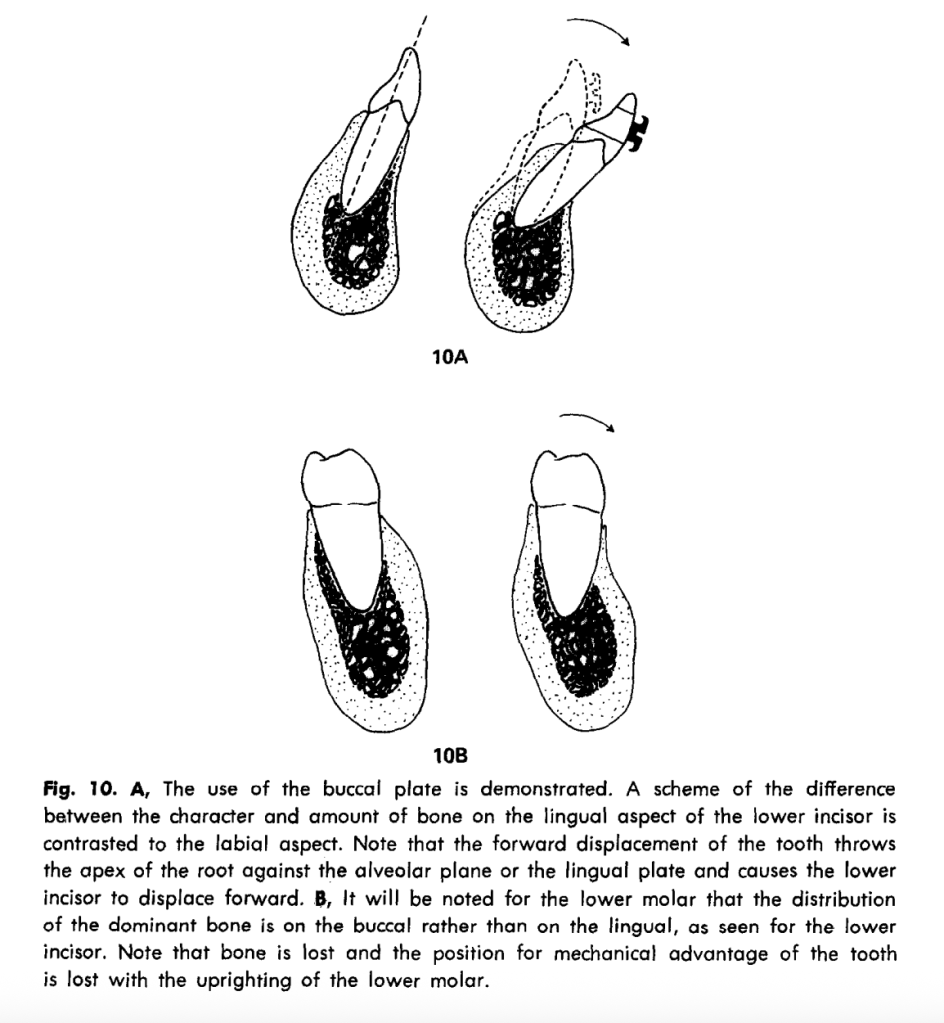
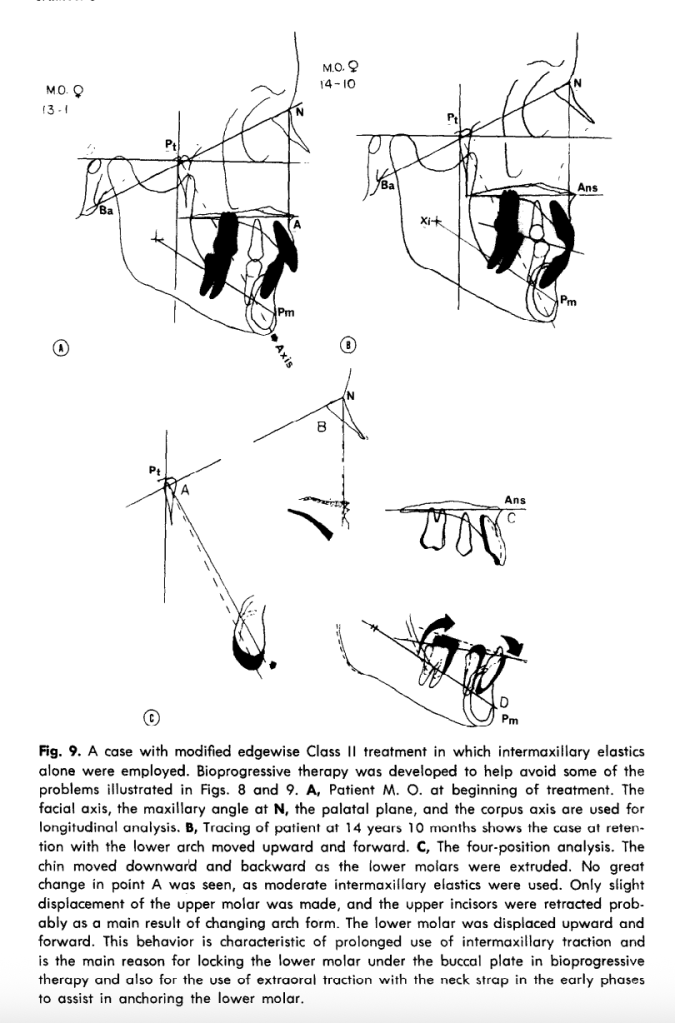
The author’s main criticism of older systems is that round-wire leveling and heavy intermaxillary mechanics often caused unwanted tooth movement, especially forward tipping of lower incisors and extrusion of molars. He links these problems to cortical bone resistance and shows that orthodontic movement is not just about moving teeth through cancellous bone; the compact bone plates matter greatly
Force and biology
Appliance logic
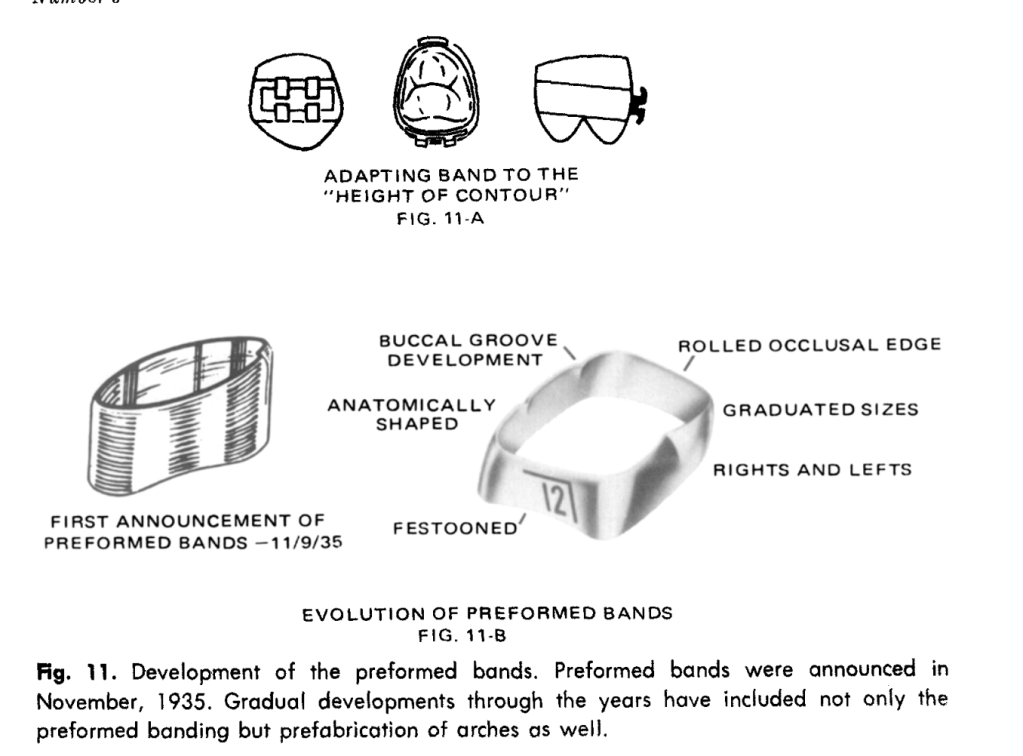
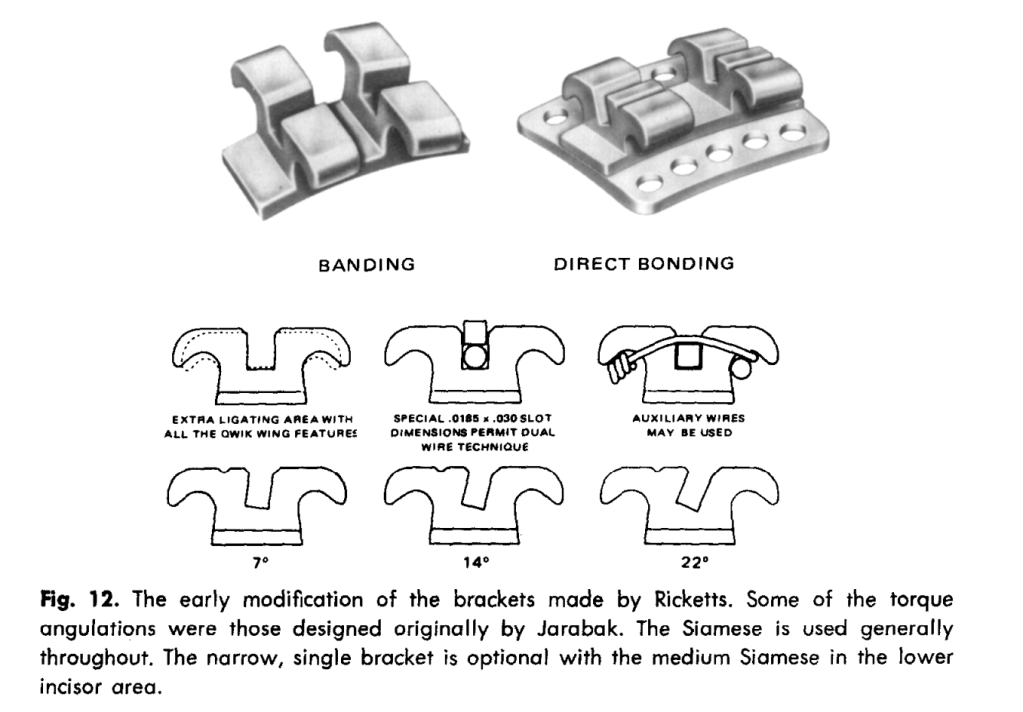
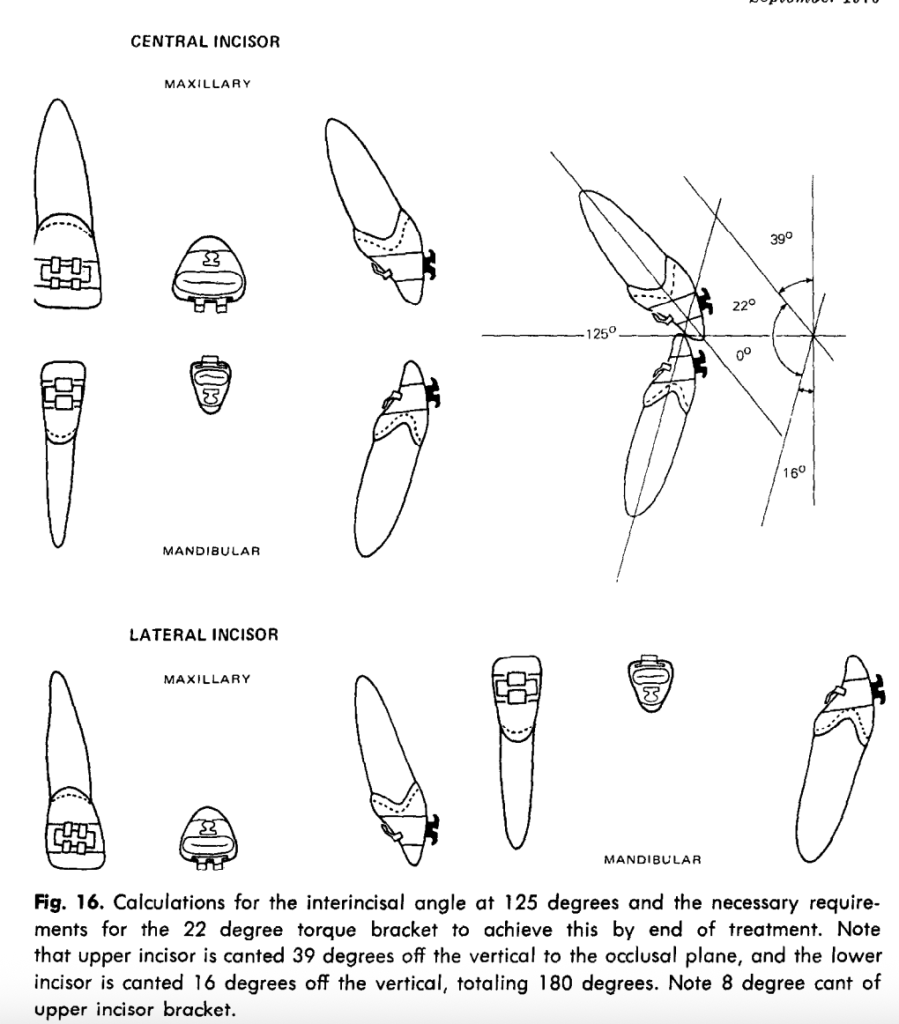
Bioprogressive therapy uses a prefabricated system with bands, brackets, and arch forms designed in advance, reducing chairside bending and standardizing control. Ricketts’ philosophy is that the appliance should do more of the work, while the clinician still retains control through selective adjustments and overtreatment where needed.
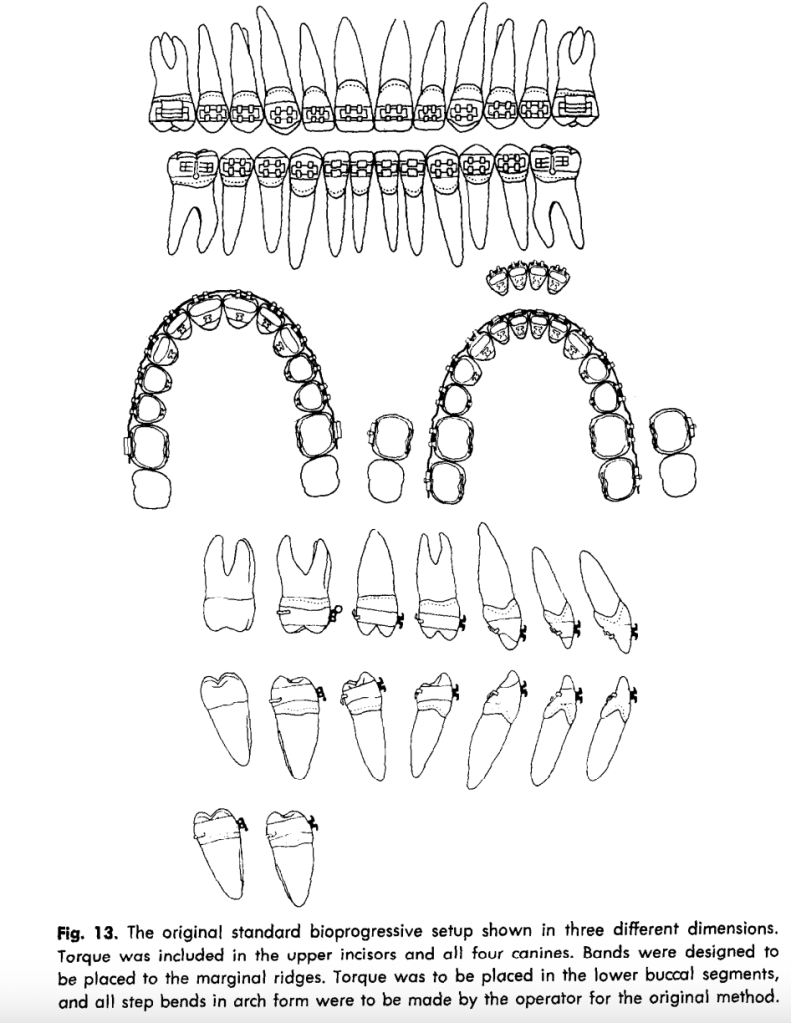
Three bioprogressive setups
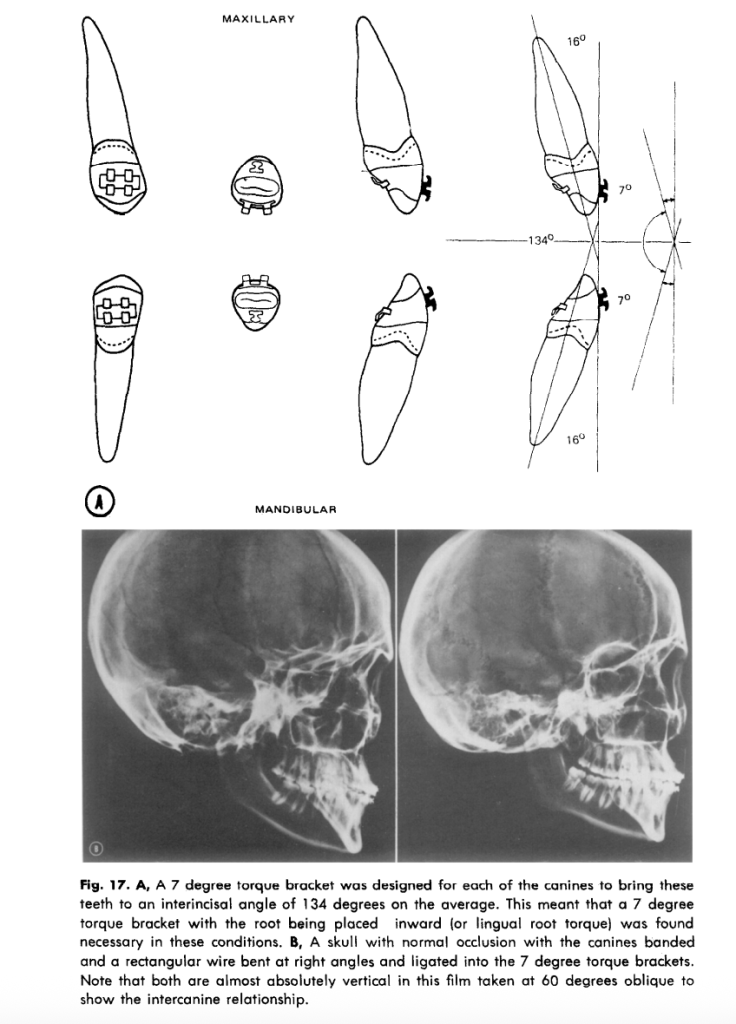
Bracket prescriptions
Rotation and step control
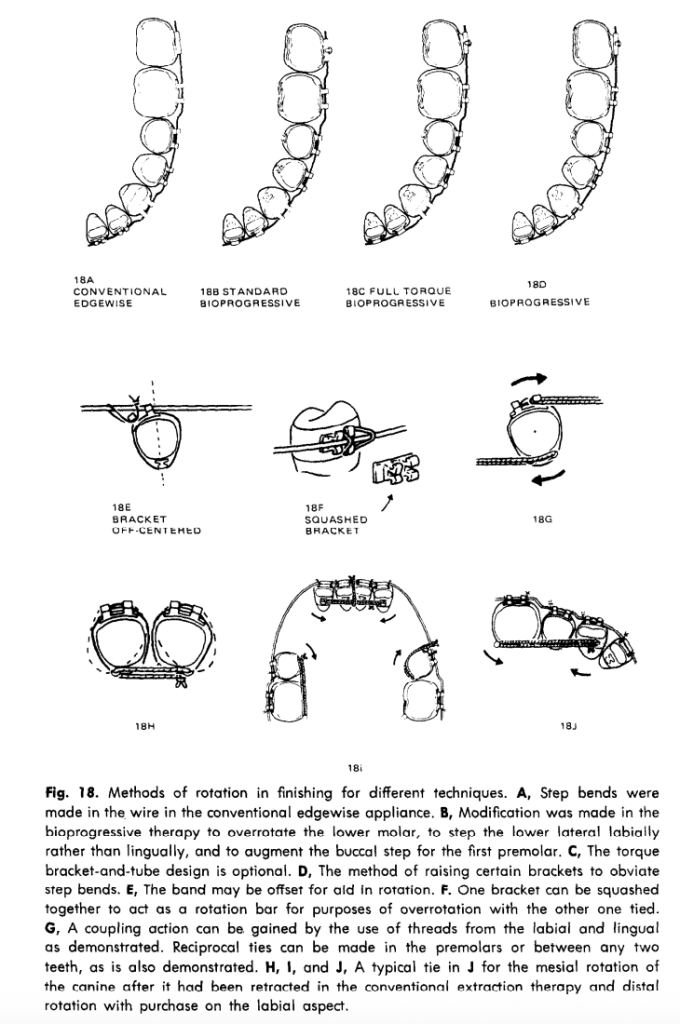
Ricketts treats rotation as an essential part of first-order control and provides multiple methods to overcorrect or maintain rotation without excessive archwire complexity. These include off-centering the band, squashing a bracket, reciprocal ties, and lingual cleats, showing that the system is flexible rather than purely “straight wire.”
Second molars and anchorage
Second molars are not automatically banded in every case, especially upper second molars, because they may erupt into better function later and can complicate treatment if included too early. Lower second molars, however, are usually important for anchorage and proper arch development, and the system is designed to accommodate them without full rebanding.
Viva-style one-liners
- Bioprogressive therapy is a biologically oriented evolution of edgewise mechanics.
- Its philosophy is light force, preformed components, and anchorage preservation.
- Ricketts strongly emphasizes cortical bone and regional tooth behavior.
- The system reduces chairside bending by using standardized bands, brackets, and arches.
- Standard, full-torque, and triple-control are the three major setups described in Part I


