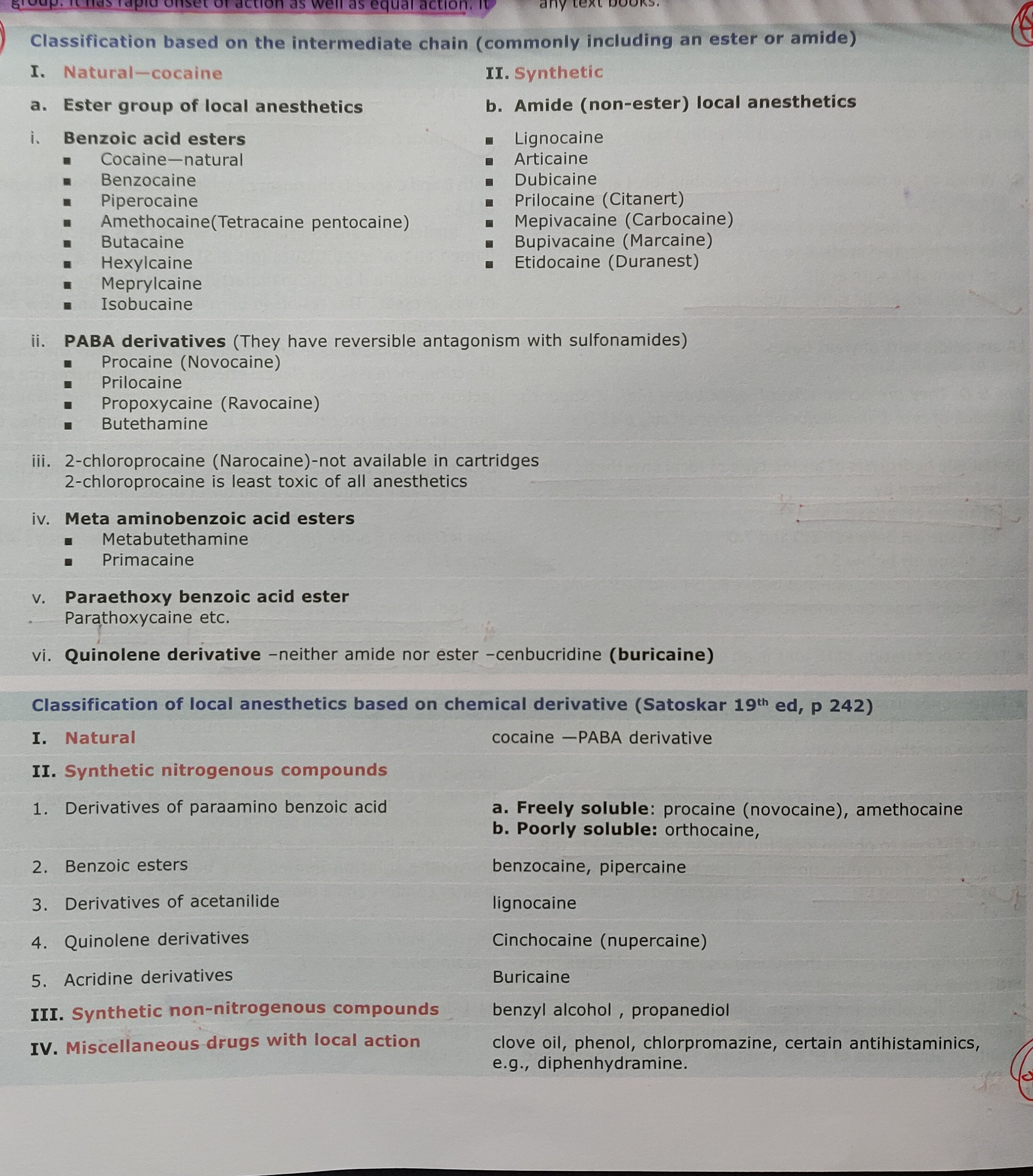
Source: Dentest Clinical Sciences, 7th edition
– S Gowri Shankar
– Suresh Shenvi
(Reference Standard textbook: Handbook of local anaesthesia by Malamed’s, 4th Ed., Page no. 24)
Source: Dentest Clinical Sciences, 7th edition
– S Gowri Shankar
– Suresh Shenvi
(Reference Standard textbook: Handbook of local anaesthesia by Malamed’s, 4th Ed., Page no. 24)
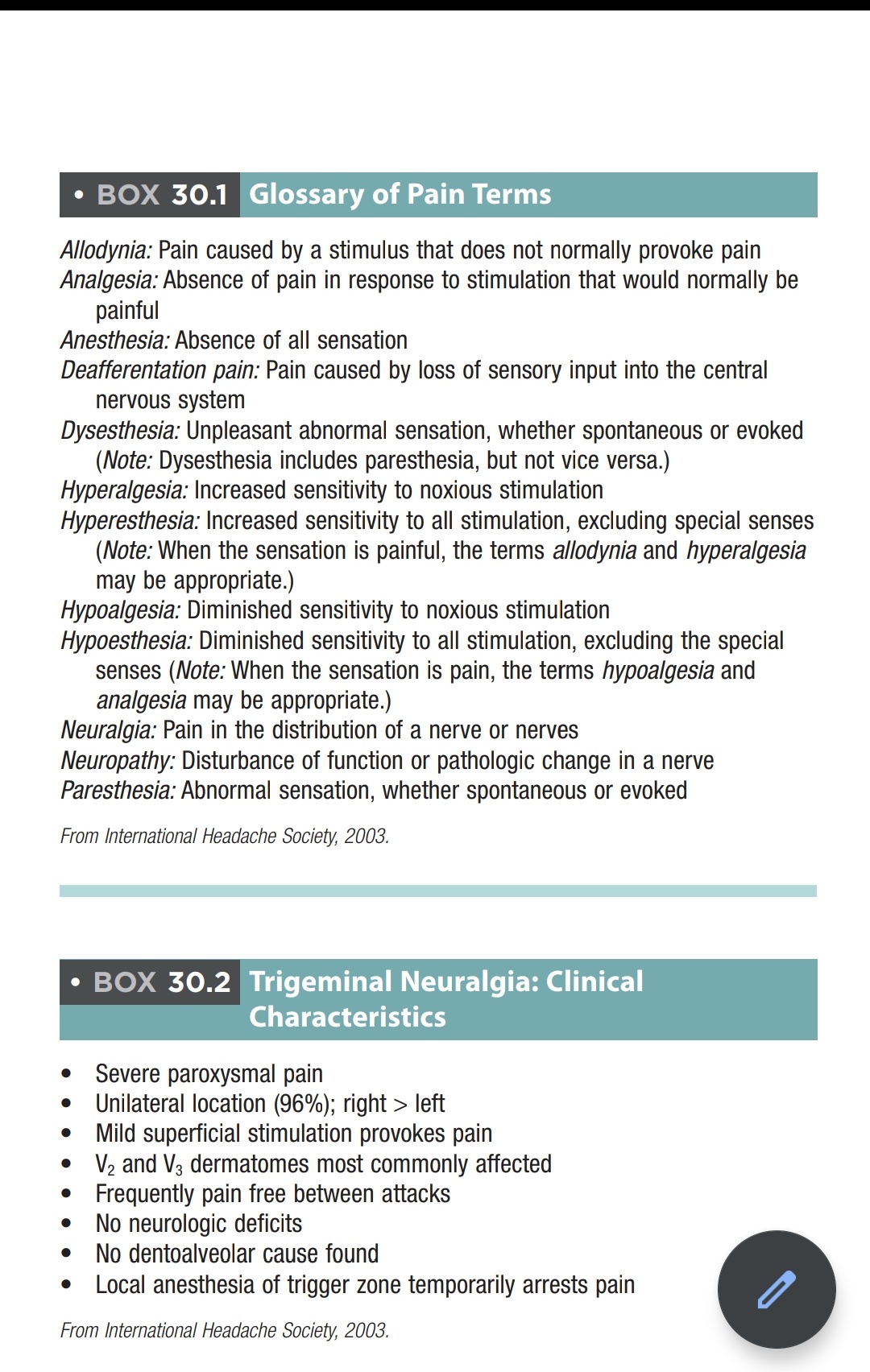
Source: Contemporary Oral and Maxillofacial Surgery
By-
James Hupp, Myron Tucker and Edward Ellis.
Also called thyrotoxicosis .
Hyperthyroidism is caused due to to hyposecretion of thyroid hormones like thyroxin, triiodothyronin and calcitonin .
Systemic changes seen-
1. In the metabolism: increase metabolic rate (BMR)
•lipid – decrease in cholesterol and triglycerides.
•carbohydrate – increase glycogenolysis and gluconeogenesis ( hyperglycemia)
•protein – wasting of muscle and negative nitrogen balance
2. CVS- increase in heart rate , stroke volume , cardiac output
decrease in the peripheral vascular resistance
Angina , arrhythmias and cardiac failure
3. CNS – Nervousness and anxiety
4. Musculoskeletal system – weakness, muscle fatigue , increased in deep tendon reflexes , osteoporosis and hypercalcaemia
5. GIT- increase in appetite and diarrhoea
6 . Reproductive system- menstrual irregularities and decrease in fertility
7. Eyes and face – lid retraction, periorbital edema and exophthalmos
8 . Skin and appendages – warm moist skin , heat intolerance and thin hair

What is thyrotoxic storm ?
Also called as thyroid storm.
Occurs due to very high levels of circulating thyroid hormones. Besides the usual features there is-
1.Hyperpyrexia
2. Nausea
3. Vomiting
4. Diarrhoea
5. Mental confusion
It’s precipitated by infection, trauma and surgery .
–
Propylthiouracil, iodides , propranolol, hydrocortisone
• local anaesthetic with adrenaline is avoided in hyperparathyroidism
SOURCE – Tara V Shanbhag |Smita Shenoy|Veena Nayak – pharmacology for dentistry
Hello Friends, many people message how they can do research as intern in other institutions. So, I have made a list of websites I’m aware of, I will update in future if I come to know more 🙂
Steps to follow:
1) Open the link I have sent you. lol
2) Click on faculty in people (different for every website, better view this on desktop to figure out), you’ll see faculty tab consisting of name, mail ids, areas of research etc
3) Send them Email with CV: Note down the mail id of professors you would want to work with, prepare a mail with your CV attached and a short description of why you want to do research with him.
Some people do reply and some do not but don’t get demotivated and start finding another. Sometimes sending the email second time also works.
ASEPSIS : By rubber dam placement or isolation or by sterilization of instruments.
2. STERILIZATION :
a) DEBRIDEMENT OF ROOT CANAL :
b)DRAINAGE :
c) IMMOBILIZATION :
d)ATRAUMATIC PROCEDURES :
e)TERPHINATION:
f)CHEMO PROPHYLAXIS:
References: GROSSMANS TEXBOOK

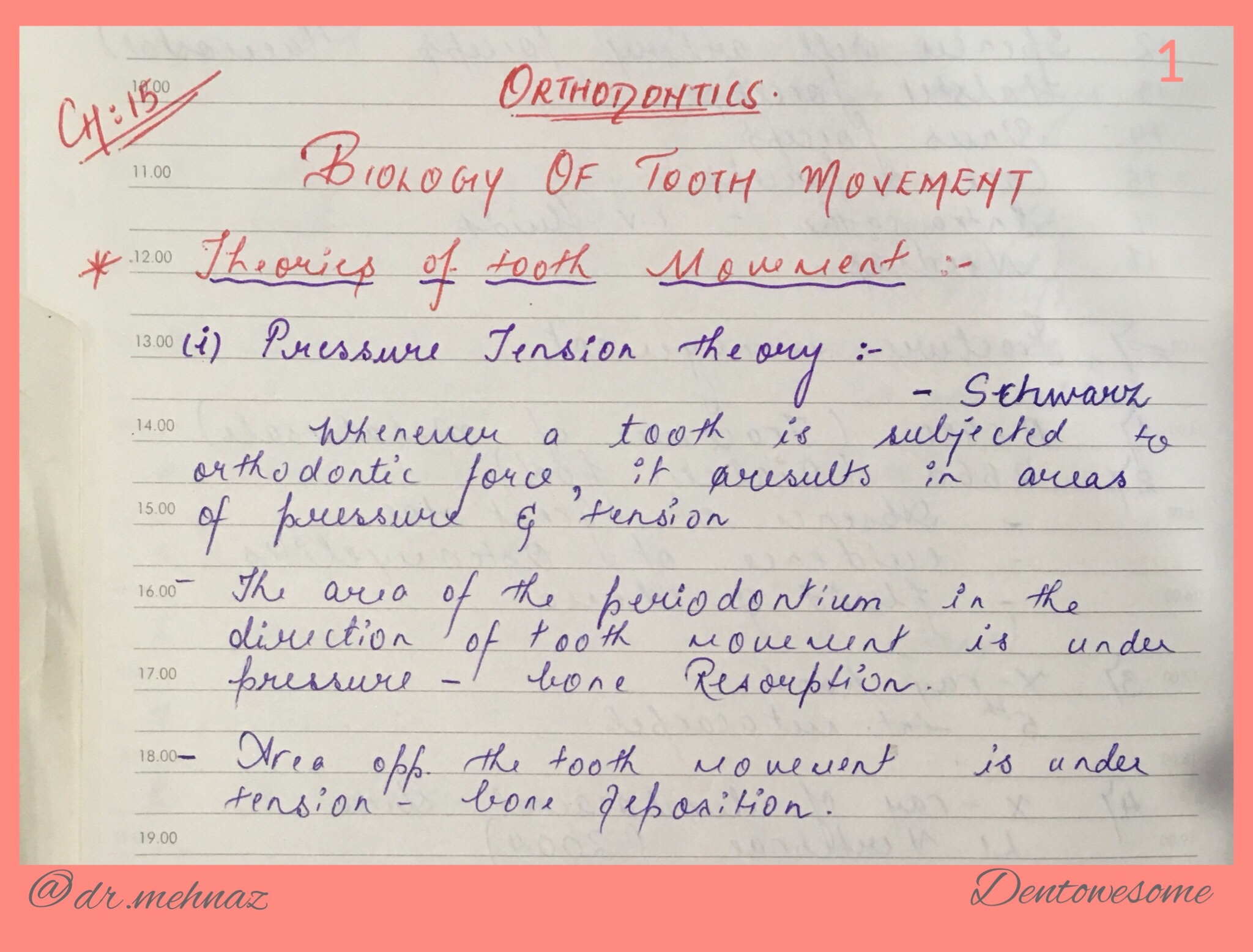
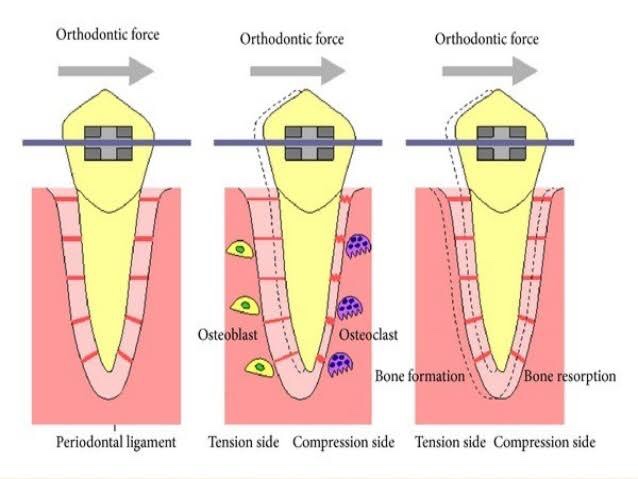


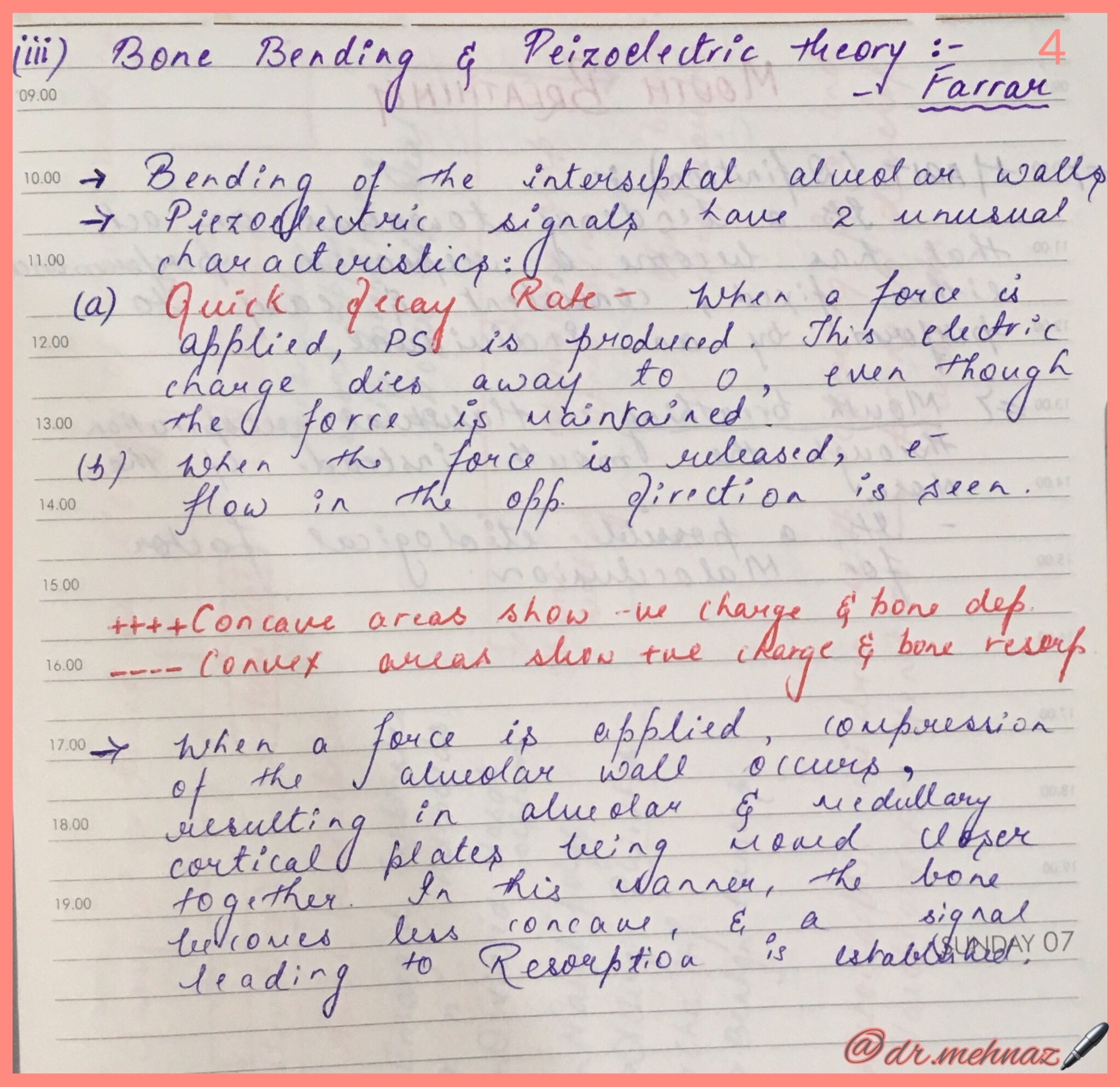
Bone bending & Peizoelectric theory
References: Textbook of Orthodontics The Art and Science 6th Edition By Bhalajhi!
Read More »When a bacterium is inoculated into a suitable culture medium and is incubated, growth takes place and follows a definite course.
The bacterial growth count is plotted in relation to time , hence growth curve is obtained.
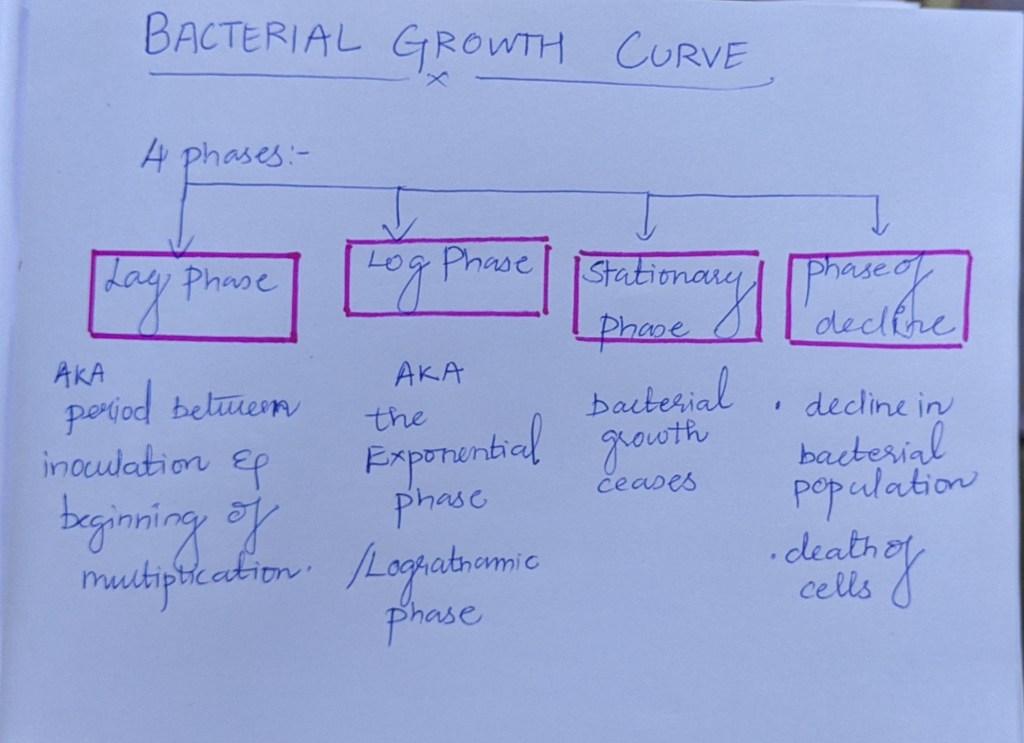
It has 4 phases .
1. Lag phase –
•after inoculation of culture medium multiplication does not begin immediately.
•the phase between inoculation and beginning of multiplication is called as lag phase
•in this phase organisms adapt to the new environment, in which necessary enzymes and intermediate metabolites are built up .
2. Log phase (exponential phase )
•in this phase cell division starts and the number increases exponentially or by geometric progression.
3. Stationary phase
•bacterial growth ceases almost completely.
•almost complete exhaustion of nutrients and accumulation of toxic products takes place.
•the number of viable cells here remain stationary.
Also there is almost a balance between dying cells and the new formed cells.
4. Phase of decline
• the bacterial population decreases due to death of cells.
•the decline phase starts due to exhaustion of nutrients and accumulation of toxic products and autolytic enzymes.
Decline takes place in the viable count and not the total count.
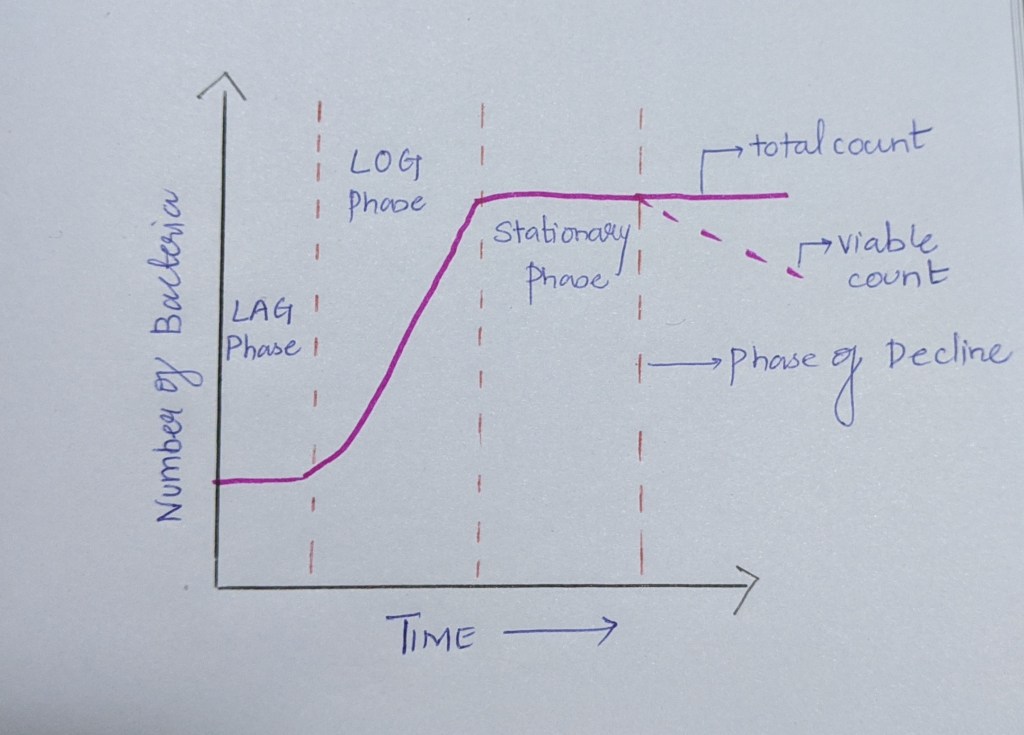
It’s of two types
1. Total count- indicates total number of bacteria present in the specimen, irrespective of living or dead.
2. Viable count- number of living cells.
Source – C P Baveja ( textbook of microbiology for dental students)
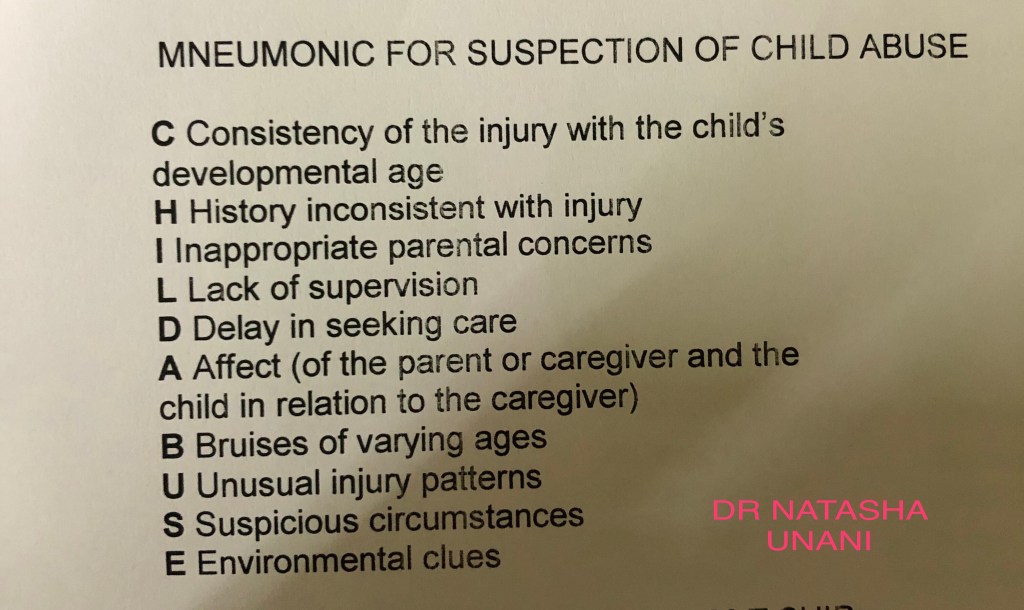
Nancy 13th edition


Source – Rangrajan text book

Source- Rangarajan Text book

