AMYLOIDOSIS

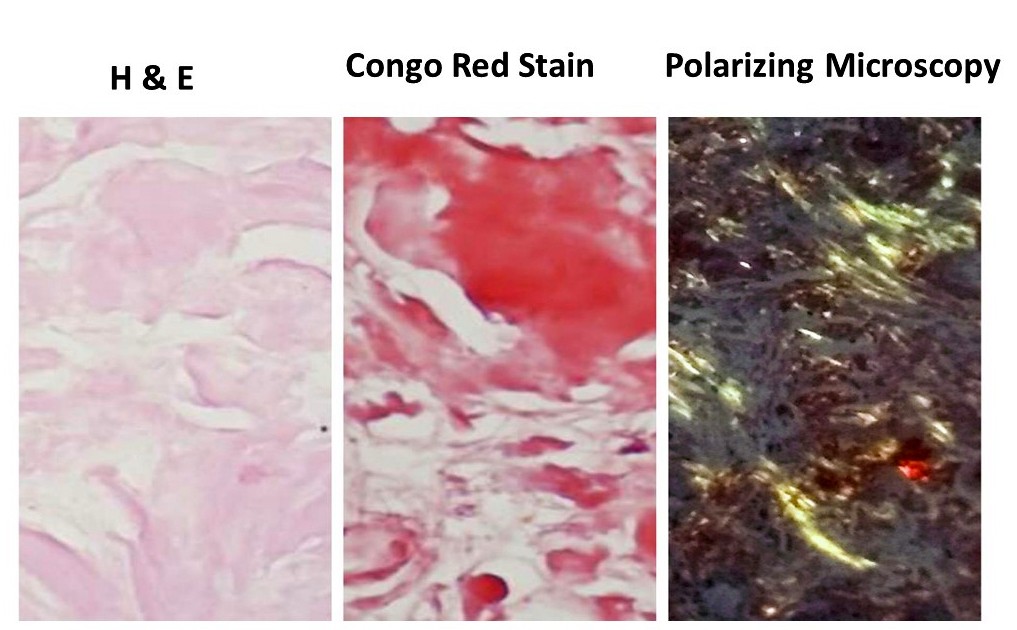
What is amyloidosis ?

Source – Google

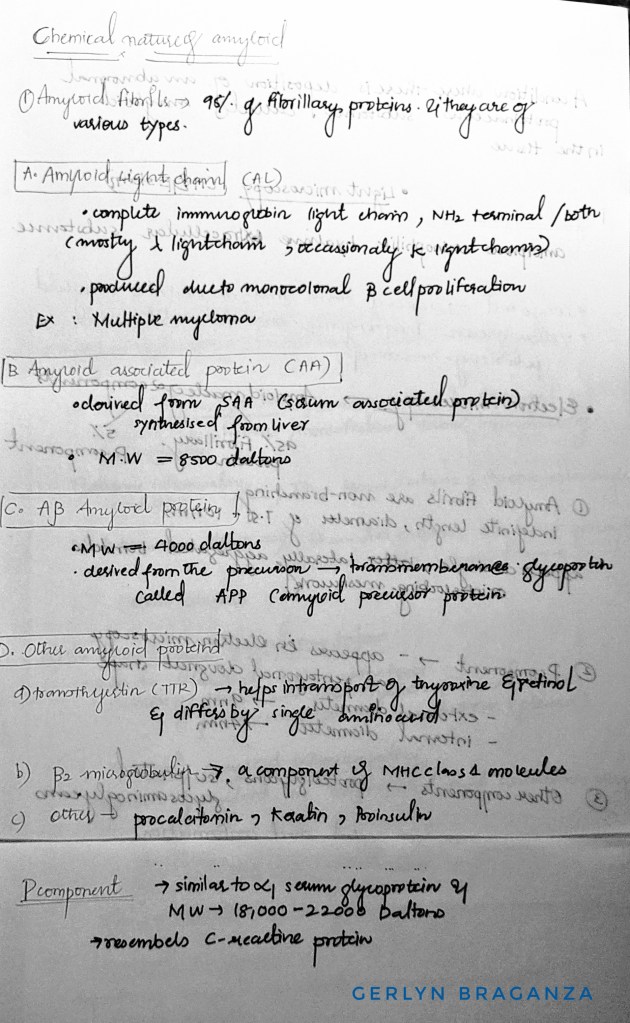
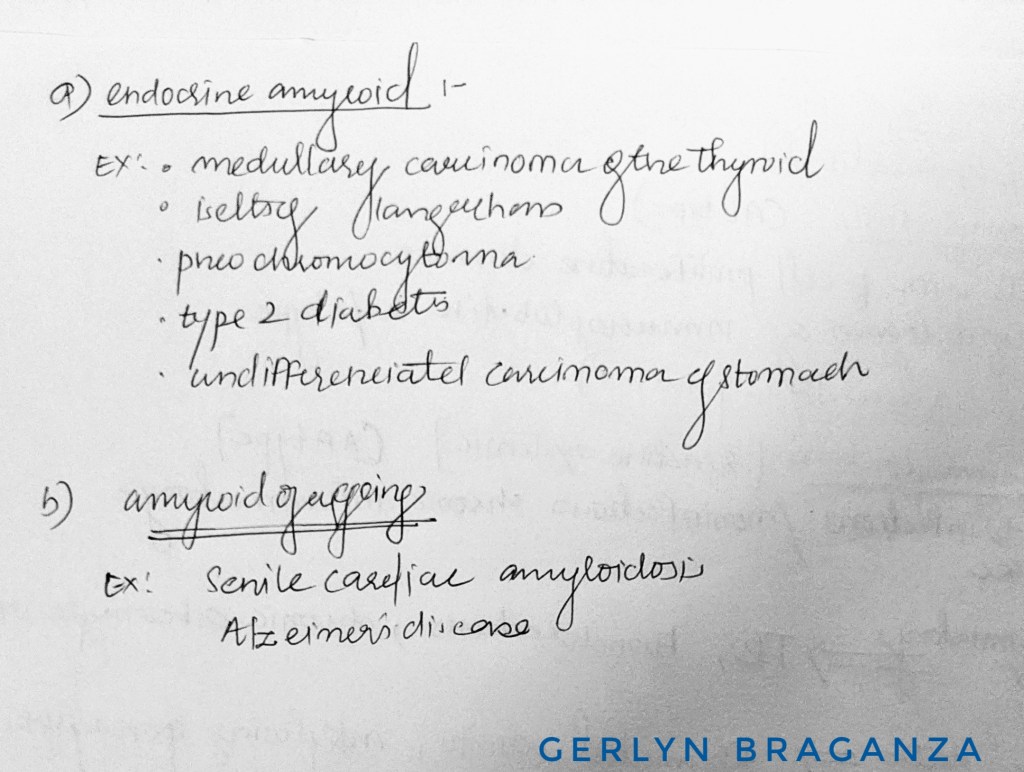
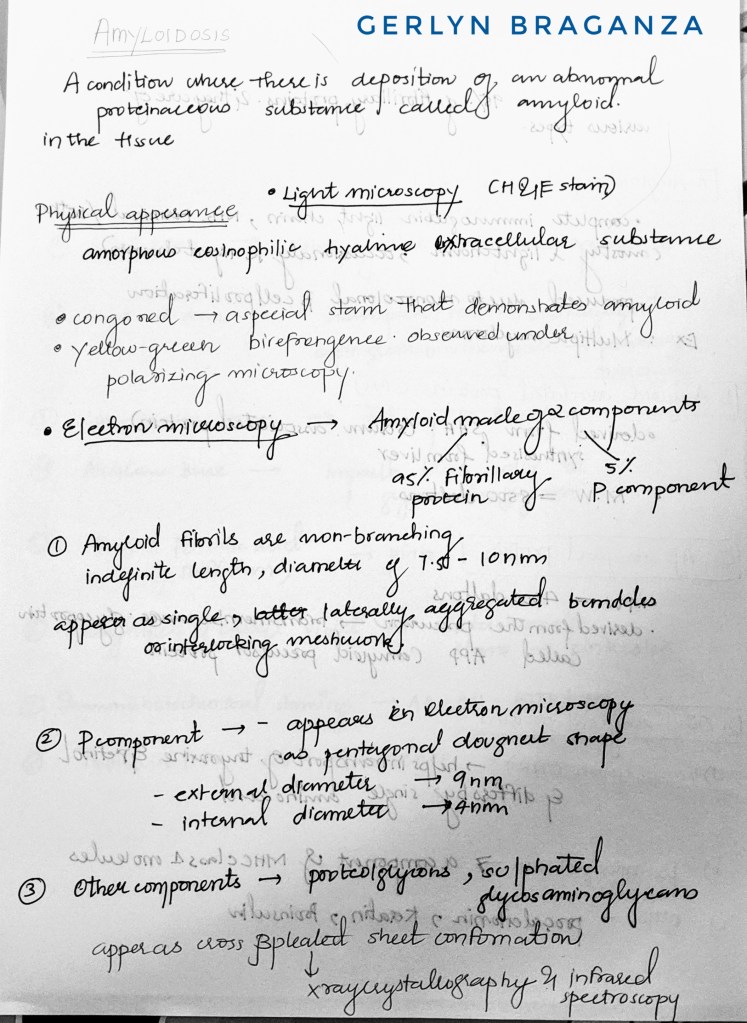
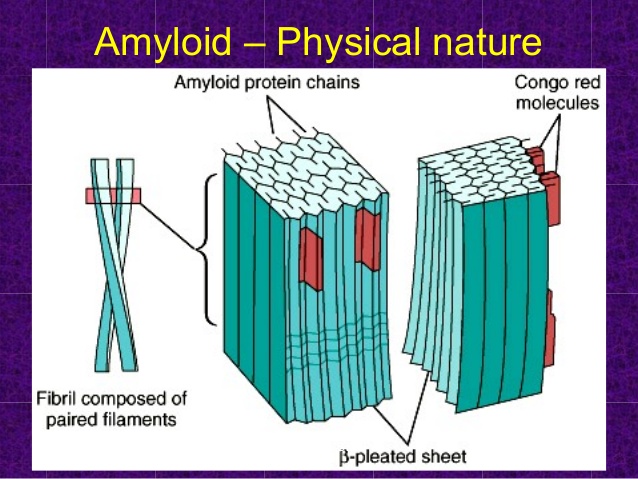
CHEMICAL NATURE OF AMYLOIDOSIS

Source – Google

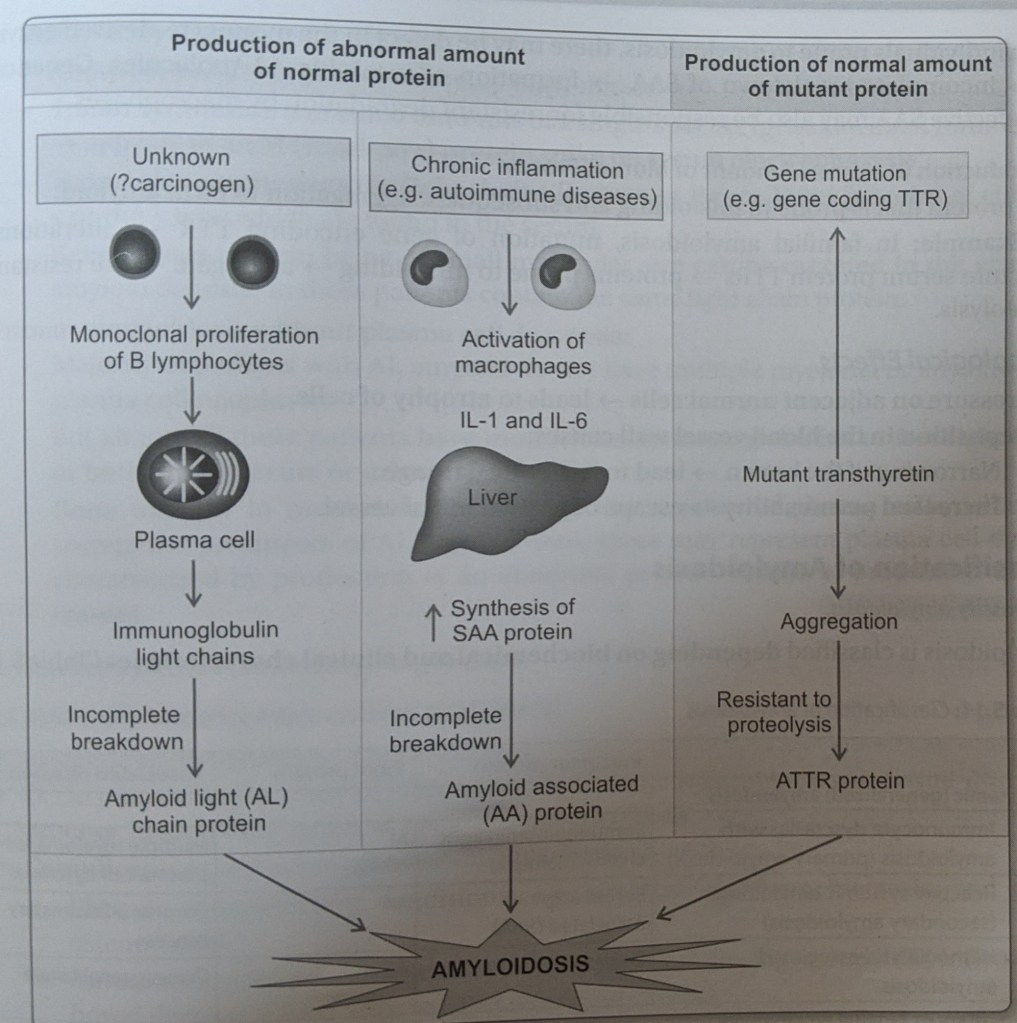
PATHOGENESIS –

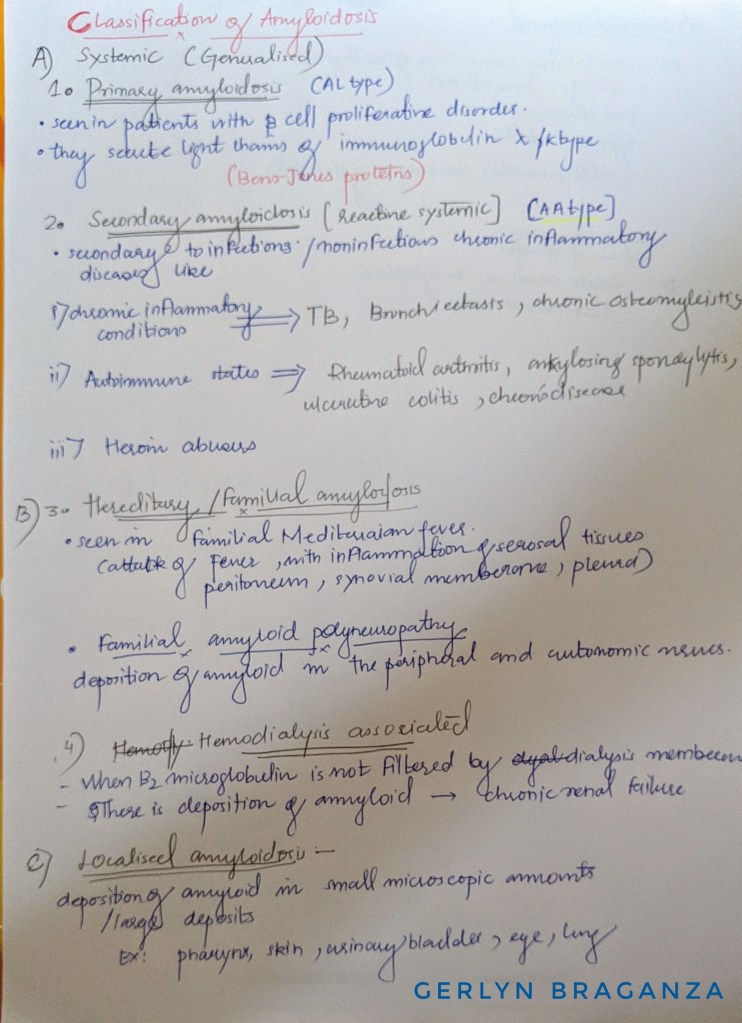
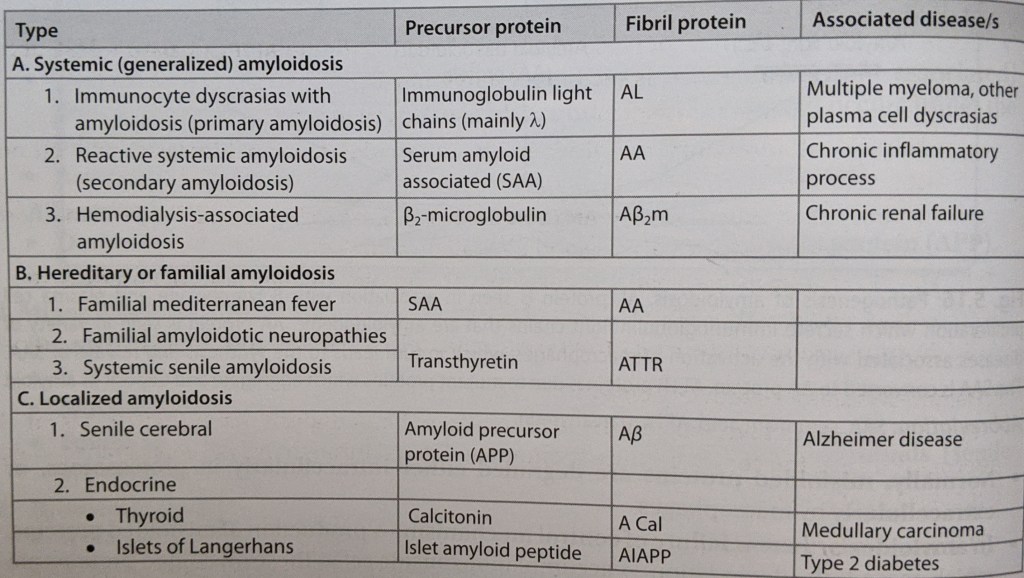
CLASSIFICATION OF AMYLOIDOSIS

Main organs involved-

Secondary amyloidosis– kidneys , liver, spleen, lymph nodes, adrenals , thyroid

Primary amyloidosis– heart , skin , peripheral nerves, tongue, respiratory tract

Source – textbook of pathology ( harsh mohan ) and pathology preparatory manual by ramdas nayak

Pictures – Google

CERVICOFACIAL EMPHYSEMA

Muhad Noorman P- Dentowesome 2020

During impacted teeth extraction process,Surgical managment of facial fractures with high speed rotary instruments like airotor, blowing of compressed air into root canal , airotor in middle face fractures with use of air-pushing machine such as airotor or even an air syringe, Due to air leakage inside the tissues can cause the phenomenon of confined air within tissues called Cervicofacial Emphysema and is the result of air trapping, so use the micromotor handpiece instead of the airotor, because it is a dangerous condition._The treatment is only to reassure the patient that it will go away after 3-4 days. However rarely can cause Venous Air Embolism, mediastenal emphysema and rarely pneumothorax.

Clinically presented as unilateral swelling of face/neck with or without dysphagia resembling Angioedoema,however crepitus on palpation is a positive diagnostic feautre.

Another type is PNEUMOPAROTID,entrapment of air in parotid duct either accidental or by profession in trumphet blowing artist etc.. presenting with painful swelling in face over parotid region with froathy saliva.and ctepitus on palpation.

References: Shafer’s Textbook of Oral Pathology

Papillon–Lefèvre syndrome

Muhad Noorman P – Dentowesome 2020

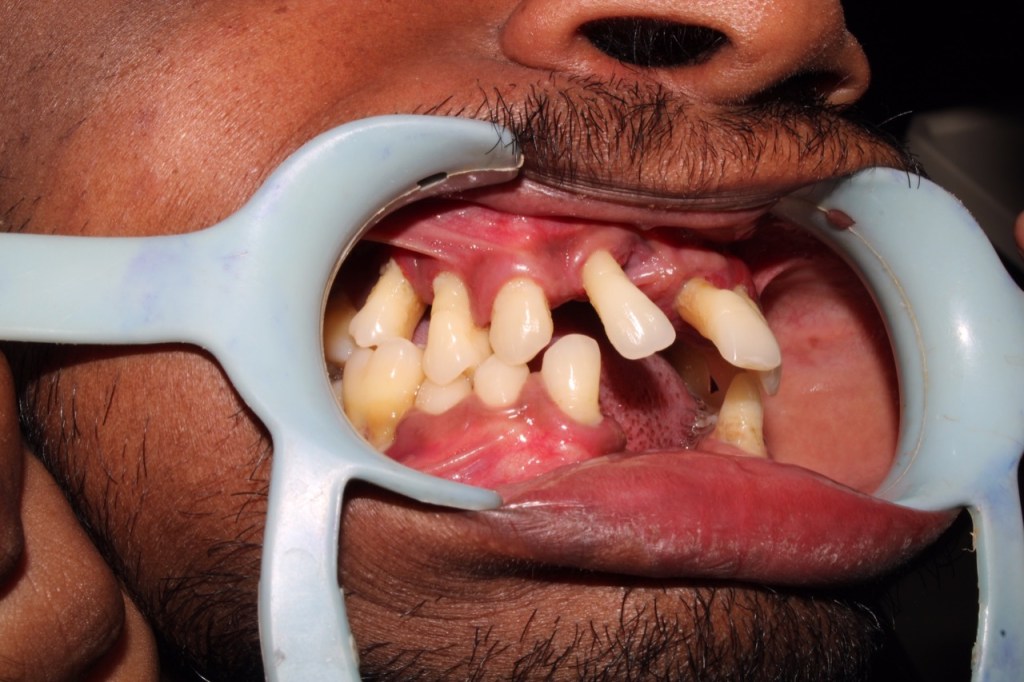
Papillon–Lefèvre syndrome (PLS) is a rare autosomal recessive disorder, characterized by diffuse palmoplantar keratoderma (hyperkeratosis) and precocious aggressive periodontitis, leading to premature loss of deciduous and permanent dentition at a very young age. Various etiopathogenic factors are associated with the syndrome, like immunologic alterations, genetic mutations, and the role of bacteria. Dentists play a significant role in the diagnosis and management of PLS as there are characteristic manifestations like periodontal destruction at an early age and an early eruption of permanent teeth. Here, we are presenting an elaborate review of PLS, its etiopathogenesis, clinical presentation, and management options.

Genetic studies of patients with Papillon-Lefèvre syndrome have mapped the major gene locus to chromosome 11q14-q21 and revealed mutation and loss of function of the cathepsin C gene. This gene is important in the structural growth and development of the skin and is critical for appropriate immune response of myeloid and lymphoid cells. Researchers believe that the loss of appropriate function of the cathepsin C gene results in an altered immune response to infection. In addition, the altered gene may affect the integrity of the junctional epithelium surrounding the tooth.

A closely related disease, Haim-Munk syndrome, also exhibits palmoplantar keratosis, progressive periodontal disease, recurrent skin infections, and several skeletal malformations. In this syndrome, the skin manifestations are more severe and the periodontal disease is milder. Studies have demonstrated that Haim-Munk syndrome and many examples of prepubertal periodontitis also exhibit mutation of the cathepsin C gene and represent allelic variants of the mutated gene responsible for Papillon-Lefèvre syndrome.

References: Shafer’s Textbook of Oral 9th edition

Photo credits: Dr Karthikeyan,PG final year Periodontics,Saveetha dental College, Chennai

How to be top scorer in University Exams?

  • Believe that can you write the paper very well. Believing in yourself is the most important aspect of the preparation.
  • Never feel low about yourself and enjoy the preparation with peace of mind.
  • Make a list of last year questions and add stars when the question is repeated.
  • Roughly, there are at least 30 questions of 9marker and 150 questions of 4 marker for every subject. Read them priority wise or you can read chapter wise 🙂
  • Keep 10 days for each subject
  • Make the list of topics you need to read for the next day the night before This will motivate you to wake up early and start with direction
  • If your mind is wandering, write them down in paper.
  • Keep 30 mins alarm on repeat to check on yourself- whether you are reading or using phone.
  • Keep one hour for social media.
  • Have comfortable environment
  • Don’t trust your friends hahah like me.
  • When we are genuinely curious we learn better, and especially have better recall. Motivation for learning is important: ask If you are studying for just a grade, or studying because you are curious to learn – this impacts effectiveness.
  • You need to work on the hard questions in order to improve. Remember: reading is not studying.
  • Mix, or interleave, subjects/topics as you study them. You’ll learn better by mixing things up.
  • Be open about your barriers to learning. Is it procrastination? Perfectionism? It can be uncomfortable to face these truths–but the sooner you overcome procrastination the better. And the right time to start studying is now
  • Problem-Based Learning: This is when students learn about a topic through open-ended problems and challenges.
  • Question Everything: Ask why we know certain things. Ask why things have certain names. When you understand the origin of ideas it helps with recall and learning. Same for understanding word roots.

HOW TO ENJOY THE PREPARATION

  • Use Colourful Pens, sticky notes to make it aesthetic and not monotonous
  • Use Illustrations, Flowcharts and small Diagrams for every statement in your notes
  • Message your Seniors to clear your doubts/concepts. They will link you with references etc
  • Have proper diet and sleep- cause it enhances overall productivity
  • Divide your day into multiple sessions. Eg: 2 hours session and a 30 mins break.
  • If you aren’t able to understand/retain a topic, pretend like your teaching someone.
  • Change the room- Study room to dinning room to Parents room
  • Reward yourself at the end of the day by talking to your parents or sibling or cousin or friend or boyfriend or girlfriend or closed ones. Watch a funny videos or have a chocolate. This better than rewarding yourself with movies and series.
  • Make the list of topics you need to read for the next day the night before. This will motivate you to wake up early and start with direction
  • Listen to OM while reading 🙂 LINK:

Grave’s Disease

Graves’ disease is the most common cause of hyperthyroidism, or overactive thyroid. In Graves’, the body’s hyperactive immune system produces an antibody that attaches to the TSH receptors on the thyroid gland. Because TSH isn’t actually triggering the release of T3 and T4, the negative feedback system the body has in place doesn’t work and the thyroid continually makes and releases thyroid hormones. Since the antibodies consistently trigger the thyroid cells to produce more T3 and T4, the body responds by increasing the thyroid’s size, causing a classic thyroid symptom called goiter. 

The other primary external symptom of Graves’ is called exophthalmos, or protrusion of the eyes. Exophthalmos has two causes. The first is due to a prolonged ‘fight or flight’ response – the widening of the eyes by a retraction of the upper lids. The second is due to that overactive immune system: the fat and muscles around the eyes become swollen due to an increase in the number of lymphocytes present and other symptoms of inflammation, pushing the eyes forward. 

Internally, excess thyroid hormones are also stressing the sympathetic nervous system, constantly preparing us for a threat that’s not really there. Resting metabolic rate increases, causing weight loss. Resting heart rate jumps irregularly (arrhythmia) or increases to over 100 beats per minute (tachycardia). Heat intolerance and heavy perspiration are also symptoms. 

Diagnosis of Graves’ through blood tests relies largely on high-circulating levels of T3 and T4 and low TSH levels, as well as antibodies for TSH receptors. Occasionally, an iodine uptake test is used for confirmation. In this test, the patient consumes a low dose of radioactive iodine. Since thyroid cells actively take up iodine, the degree and location of overactive cells present in radiography as darkened areas of the thyroid. 

Pharmaceutical treatment for Graves’ consists of symptom relief through beta blockers, which dull sympathetic nervous system activity, and antithyroid medications that prevent the thyroid from making hormones, such as methimazole. In more severe cases, surgical removal of or destruction of the hyperactive cells through radioactive iodine is a treatment option.
Minimal Invasive Dentistry

– current approach in dentistry in Covid state Amidst the pandemic state with the high transmissibility of the disease through air & droplets and considering that routine dental procedures usually generate aerosols; alterations to dental treatment is of prime concern to maintain a healthy environment for patient & dental team.Here is where the approach of […]

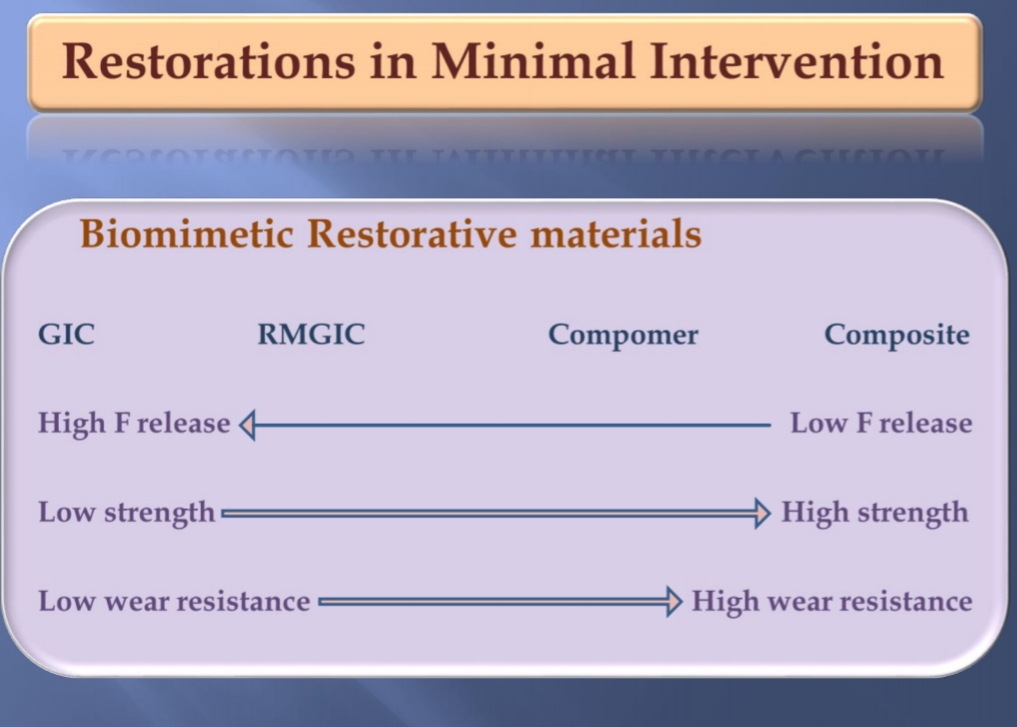
Minimal Invasive Dentistry

Sources: Slideshare-Minimal invasive dentistry by Nabeela Basha , Minimal intervention dentistry by Dr.Nagamaheswari, Sturdvent’s South Asian edition,Clinical operative dentistry principles & practice by Ramya Raghu,textbook of preventive and community dentistry by SS Hiremath

Sources: