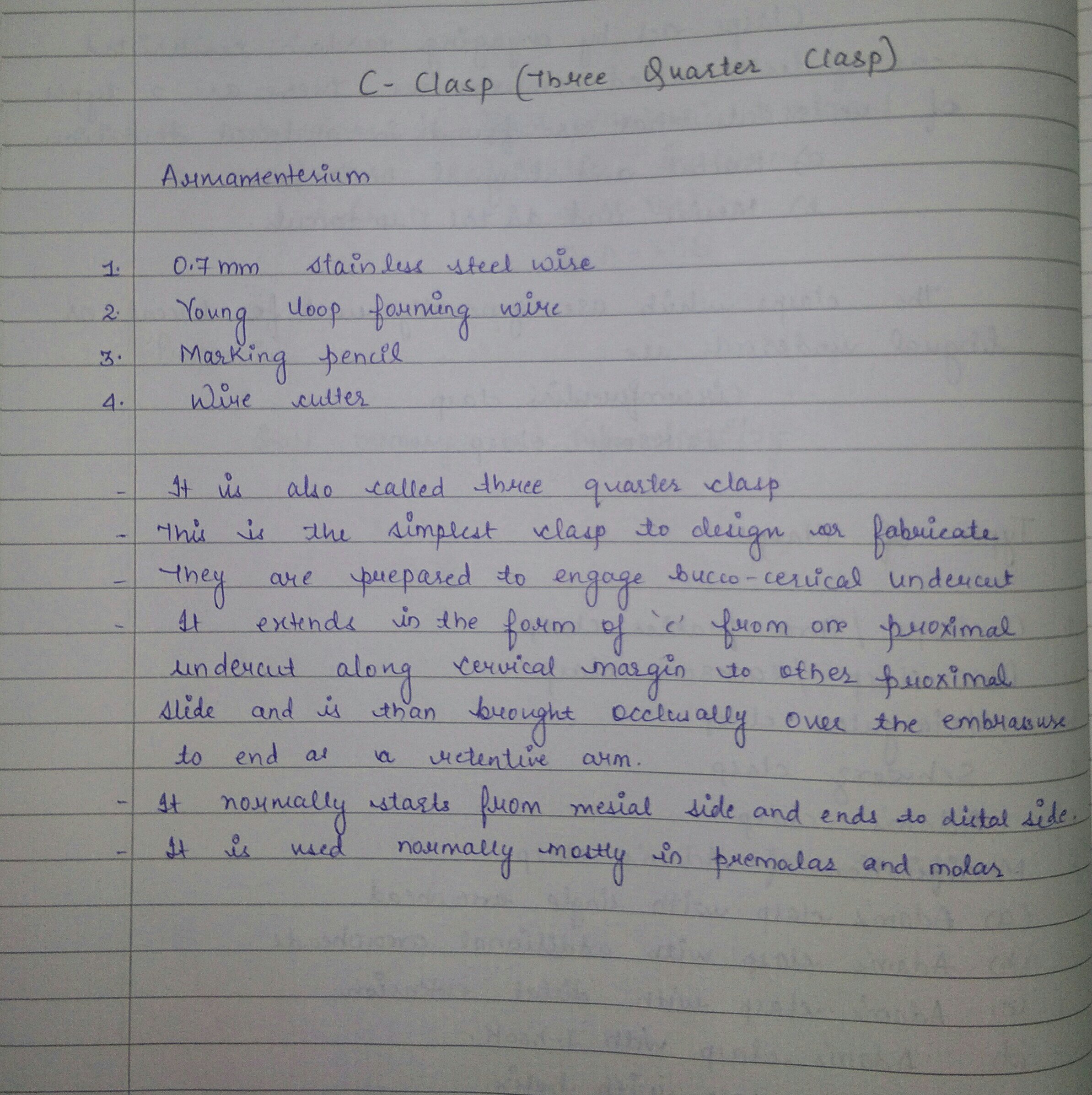
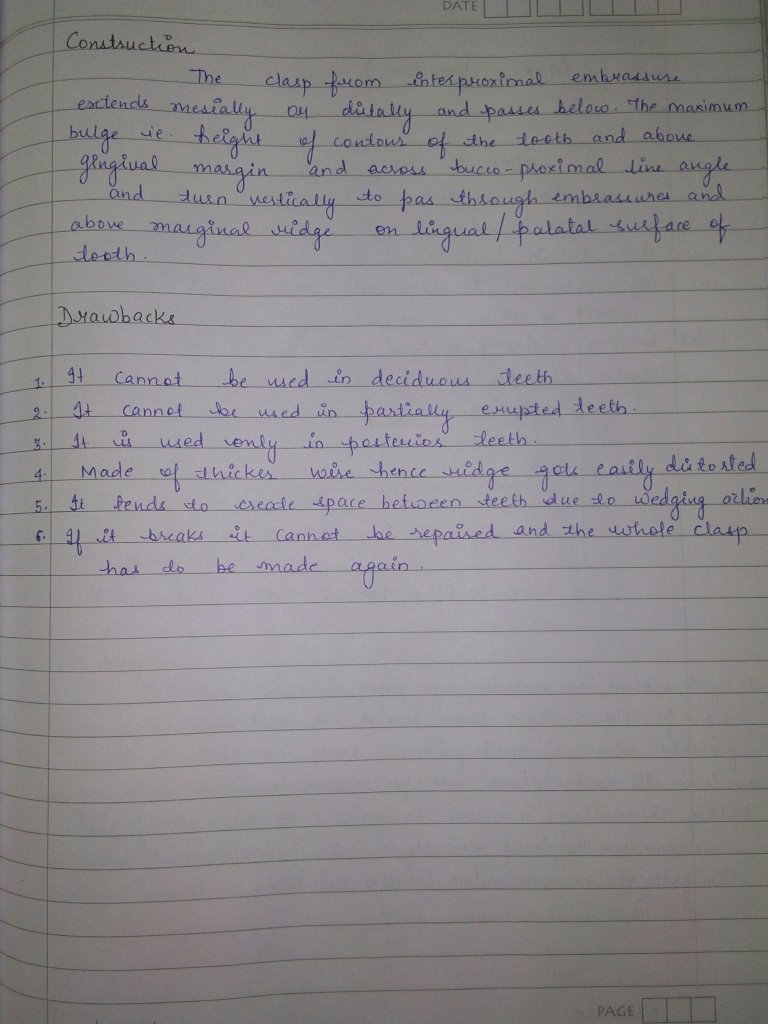
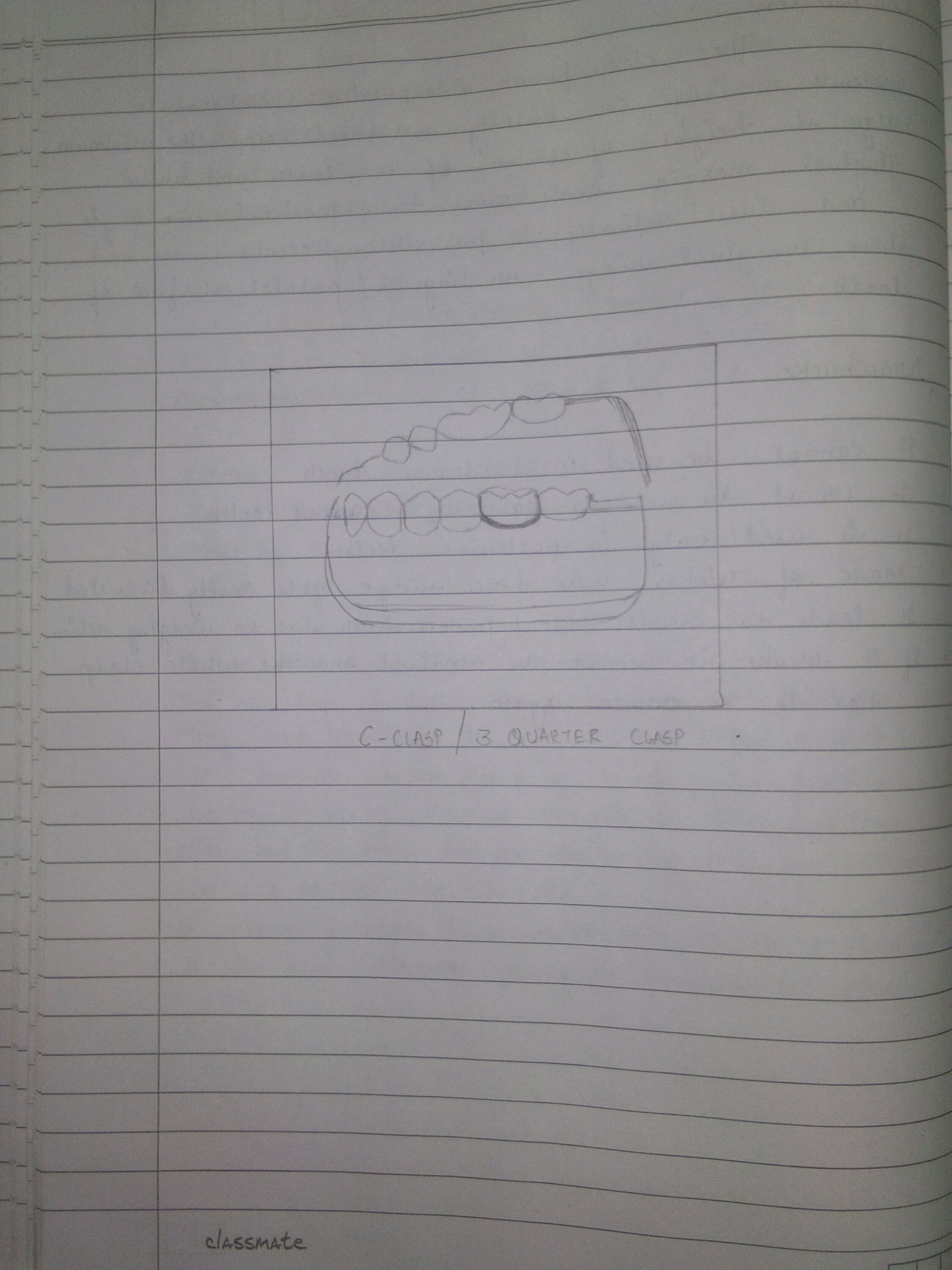
Source Gurkeeraat Singh textbook
Source Gurkeeraat Singh textbook
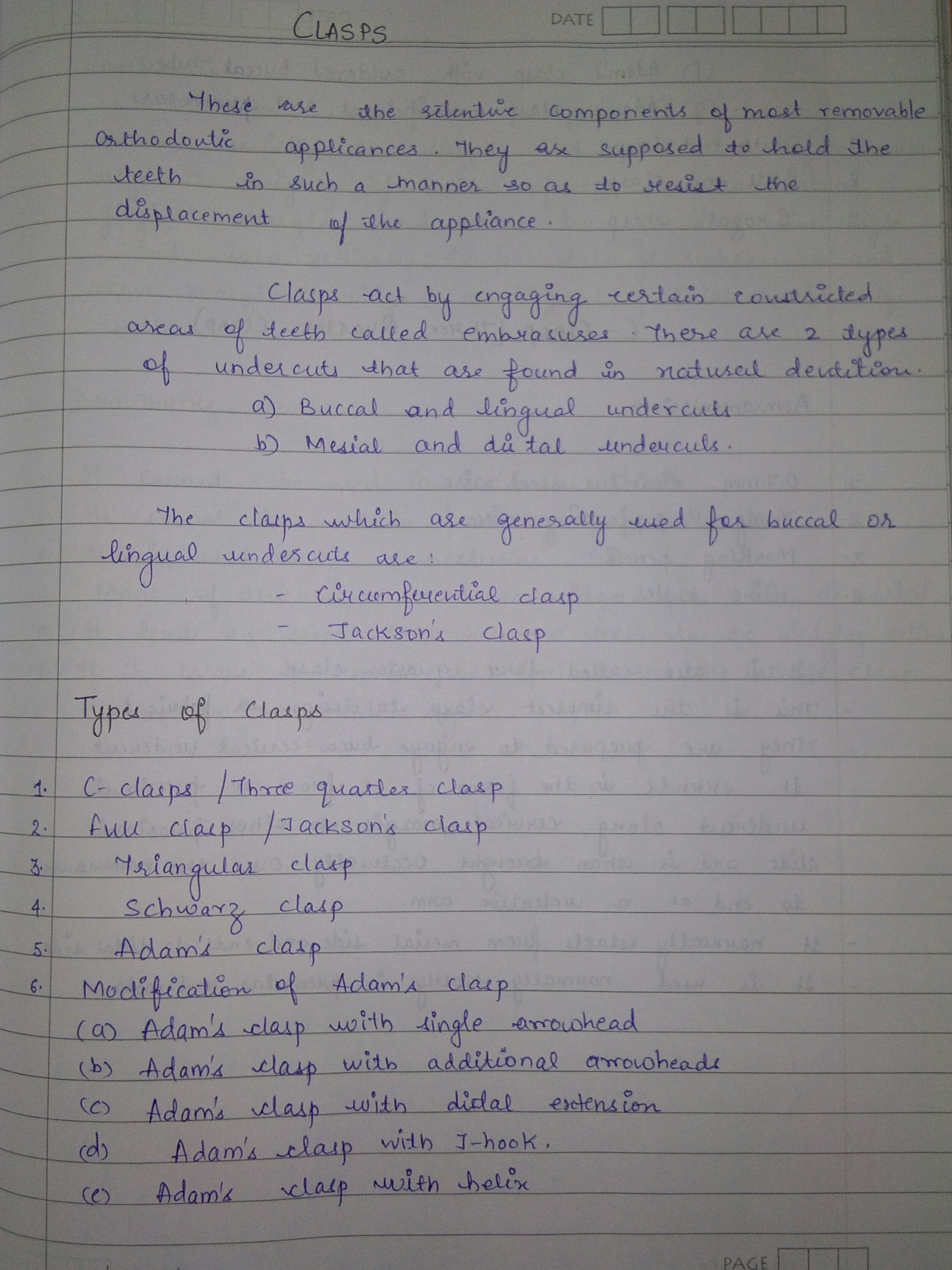

Source Gurkeeraat Singh textbook

• Fluoride can be toxic, if administered in excess quantity.
• The toxic effects of fluoride can be either acute or chronic.
• Acute toxicity occurs due to a single ingestion of large amount of fluoride.
• Chronic toxicity occurs dụe to long-term ingestion of small amounts of fluoride excessive than the required optimal level.
Acute Fluoride Toxicity:
• Acute fluoride poisoning can occur either as a result of accidental ingestion or from deliberate attempts like suicide
• This can be from the use of fluoride containing products such as toothpaste, mouth rinse, tablets or household insecticides.
• Acute fluoride poisoning can also occur from overfeeds in community and school water fluoridation systems.
• Most of the time overfeeds occur in small water supplies.
Terms used in relation to fluoride toxicity:
Safely Tolerated Dose (STD): Dose below which symptoms of toxicity are unlikely to occur
(1 mg/kg of body weight).
Potentially Lethal Dose (PLD): Lowest dose associated with a fatality.
(5 mg/kg of body weight).
Certainly Lethal Dose (CLD): Survival after consuming this amount of fluoride is unlikely (32-64 mg/kg of body weight).

Features of acute toxicity of fluorides are:

The ingested fluoride combines with hydrochloric acid in the stomach to form hydrofluoric acid which exhibits a corrosive effect on the gastric mucosa causing nausea, vomiting, diarrhoea and abdominal pain.
*Hypocalcemia is caused by the affinity of fluoride to cations in the serum.
**Hypocalcemia is associated with paresthesia, paresis, muscle fibrillation, tetany, convulsions, decreased myocardial contractility and cardiovascular collapse.
Death usually occurs due to:
Chronic Fluoride Toxicity:
• Long-term ingestion of small amounts of excessive fluoride will lead to chronic fluoride toxicity which is often referred to as fluorosis.
• Fluorosis usually affects the bones and the teeth.
• Fluorosis of the bone is called as osteofluorosis and the fluorosis of the teeth is called as dental fluorosis.
MANAGEMENT:

REFERENCES:
Red & White lesions of the oral cavity are classified as:

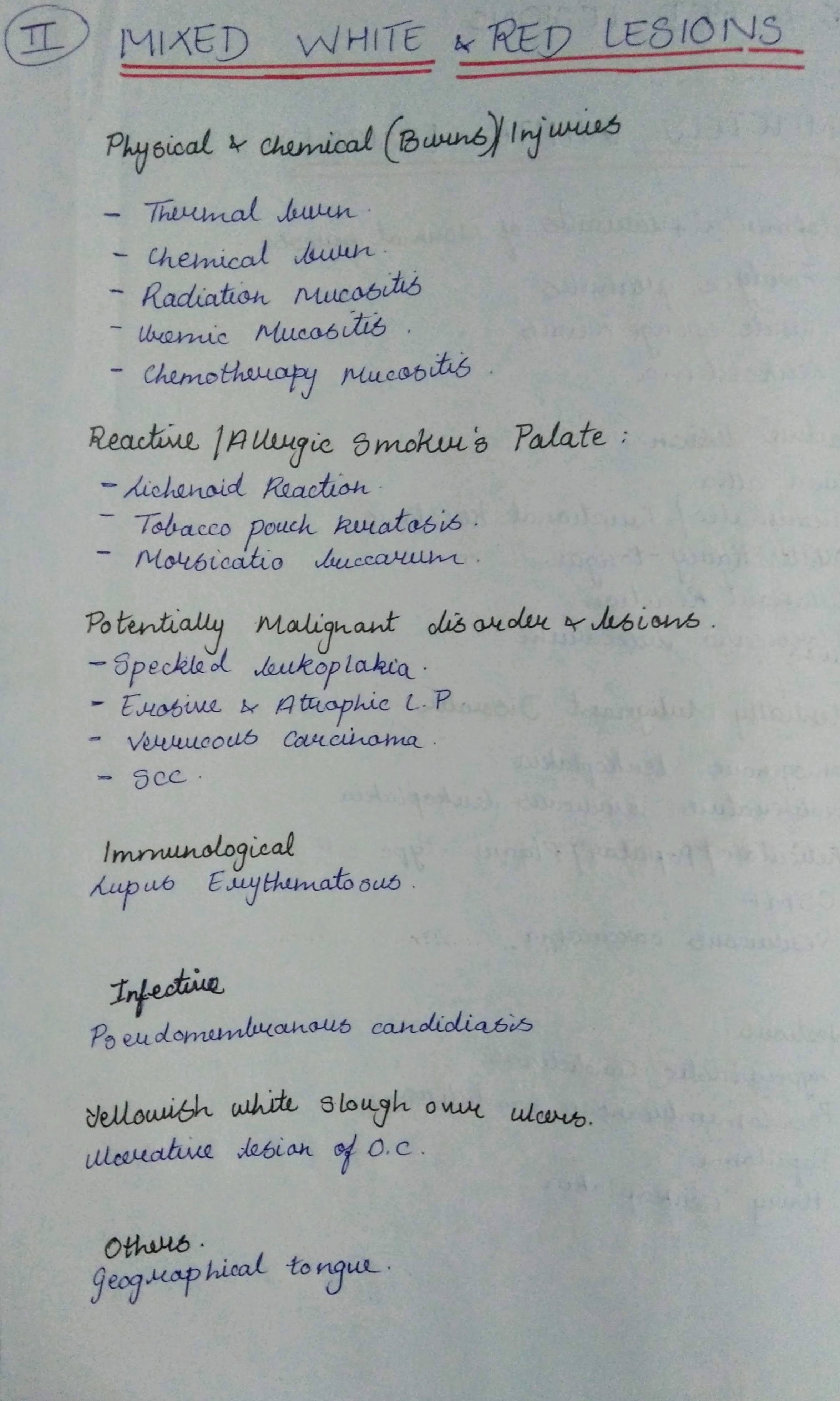
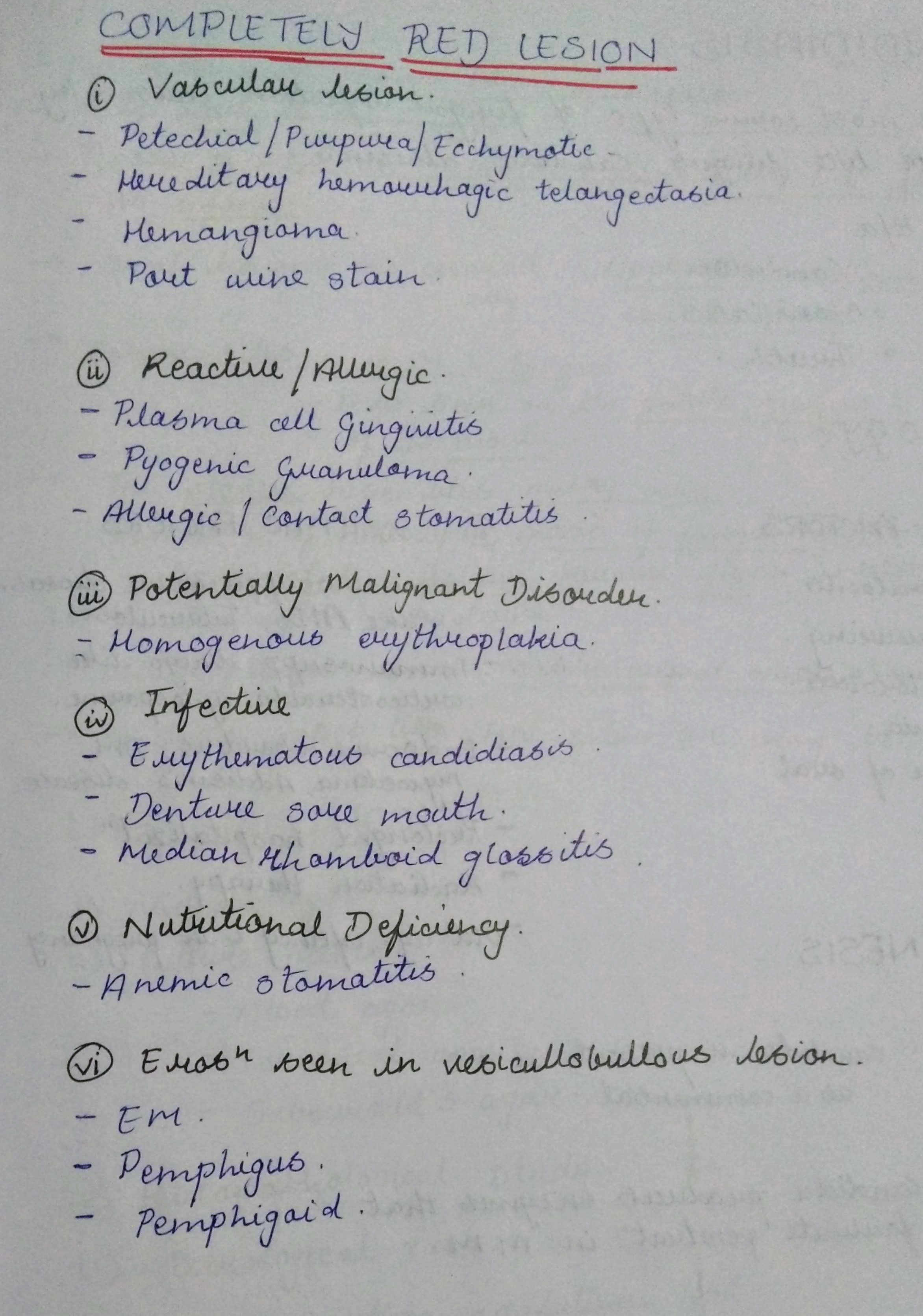
REFERENCES:
Textbook of Oral Medicine & Oral Radiology, Peeyush Shivhare.
▪Can only be confirmed by determined by biopsy which is not always done.
▪Not always clear whether it is hyperplasia or hypertrophy.
▪Gingival enlargement is preferred terminology.
▪Vincent’s angina, Scurvy
▪Sodium Valproate, Nifedipine, Ciclosporin
▪Pregnancy, Oral contraceptive pill
▪Acute Myeloid leukaemia (M5) – may regress after treatment.
▪May be bleeding enlarged gums
▪Anaemia – ? AML
▪Known epilepsy
Management
▪Specialist review of medications as appropriate
▪Good dental care
Reference:Textbook of periodontology shantipriya Reddy
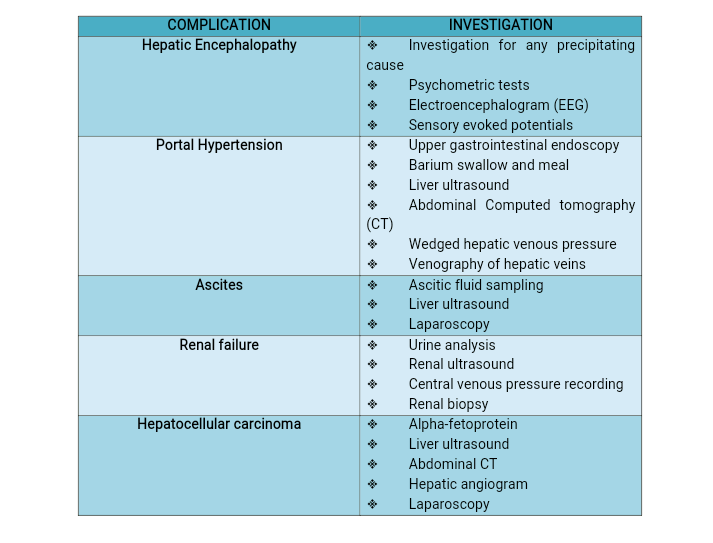
SOURCE :
Davidson’s Principles and Practice of Medicine (19th edition)
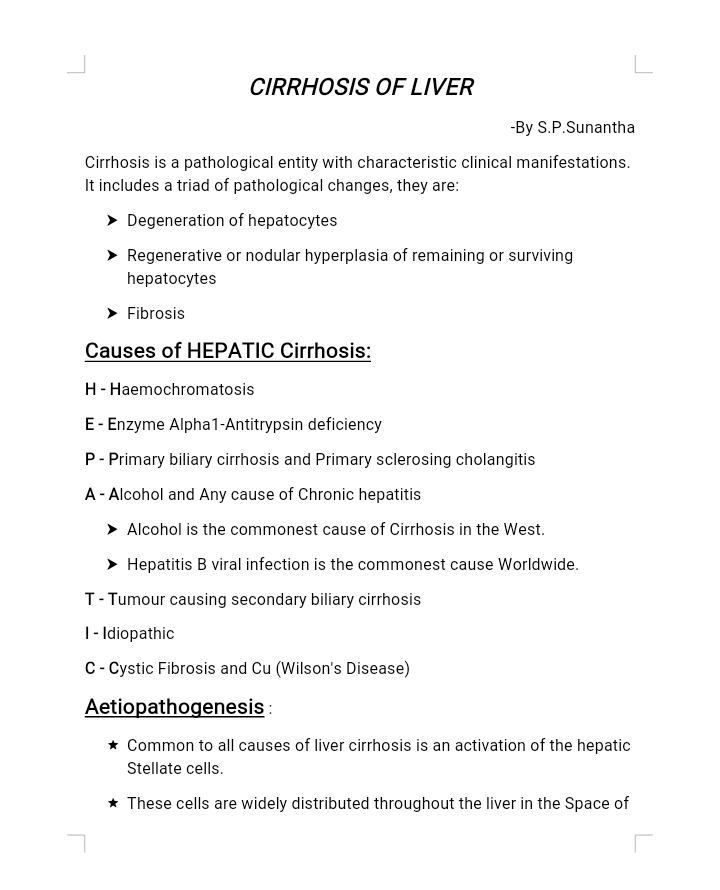
SOURCE :
Davidson’s Principles and Practices of Medicine (19th edition)
Textbook of Clinical Medicine by S N Chugh (5th edition)
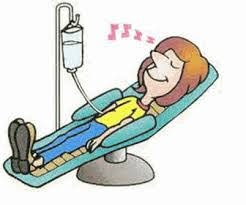

NITROUS OXIDE & OXYGEN SEDATION
Properties:
• Nitrous oxide is a non-irritating, sweet smelling, colourless inorganic gas.
• Specific gravity: 1.53 (heavier than air).
• This allows nitrous oxide to occupy the region nearest to the alveolar basement membrane by displacing air.
• Enables better absorption in the blood stream.
• It has low gas partition coefficient i.e, remains insoluble in the blood stream.
• Minimally (absorbed) metabolized by the body.
• Rapid onset and recovery.
• Is a weak anaesthetic with a Minimum Alveolar Concentration (MAC) of 105.
• As MAC is 100, it is theoretically impossible to anaesthetize a patient with nitrous oxide alone.
OBJECTIVES:
• To reduce or eliminate anxiety.
• To reduce untoward movement and reaction to dental treatment.
• To enhance communication and patient co-operation.
• To raise the pain reaction threshold.
• To increase tolerance for longer appointments.
• To aid in treatment of the mentally/physically
• To reduce gagging.
EQUIPMENT:

INDICATIONS:
• Fearful/conscious patients for whom basic behaviour guidance technique have not been successful.
• Patient unable to cooperate due to lack of physiological/emotional maturity.
• To protect to developing patient’s psyche.(young children)
• To reduce patient’s medical risk.
CONTRAINDICATIONS:
• May be contraindicated in some chronic obstructive pulmonary diseases.
• Patients with severe emotional disturbance or drug related dependencies.
• Patients with sickle cell disease.
• Patients treated with Bleomycin sulfate
PROCEDURE:


POTENTIAL COMPLICATIONS:
• Nausea.
• Vomitting
• Diffusion Hypoxia.
• Claustrophobia
Effects Associated with Gas Accumulation:
• Tooth pain due to accumulation of gas in sinus cavity.
• Vertigo.
• Middle Ear Pain.
REFERENCES:
• Pediatric Dentistry: Principles and Practice, MS Muthu (2nd Edition).
• Pedodontics: Practice and Management, Badrinatheshwar GV.
Source Gurkeeraat Singh textbook
Source Gurkeeraat Singh textbook

