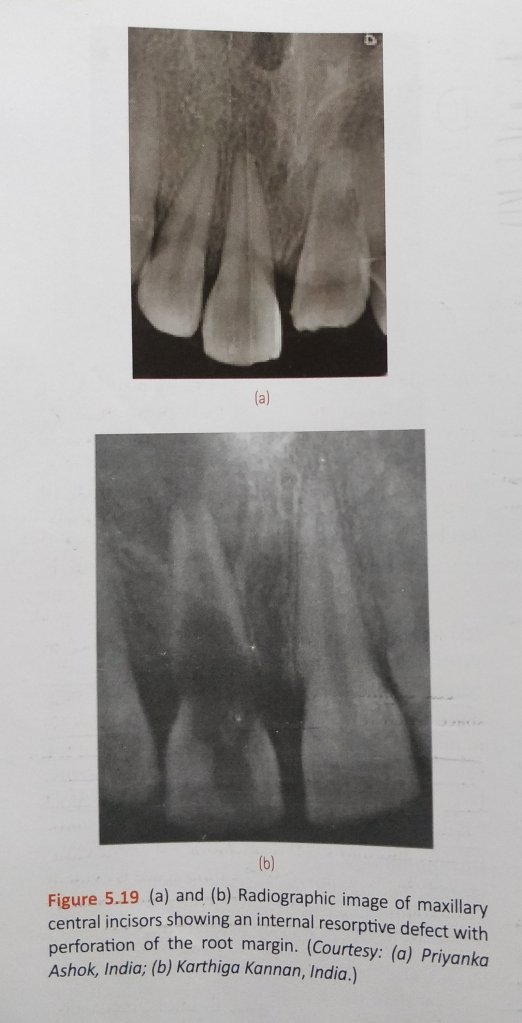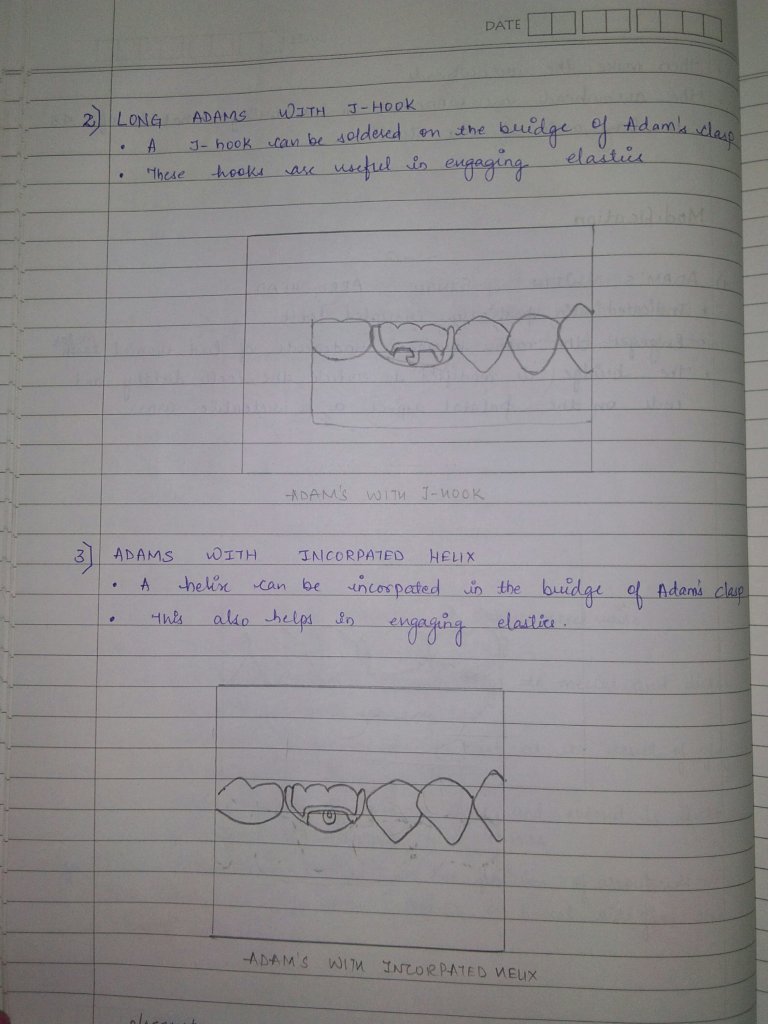
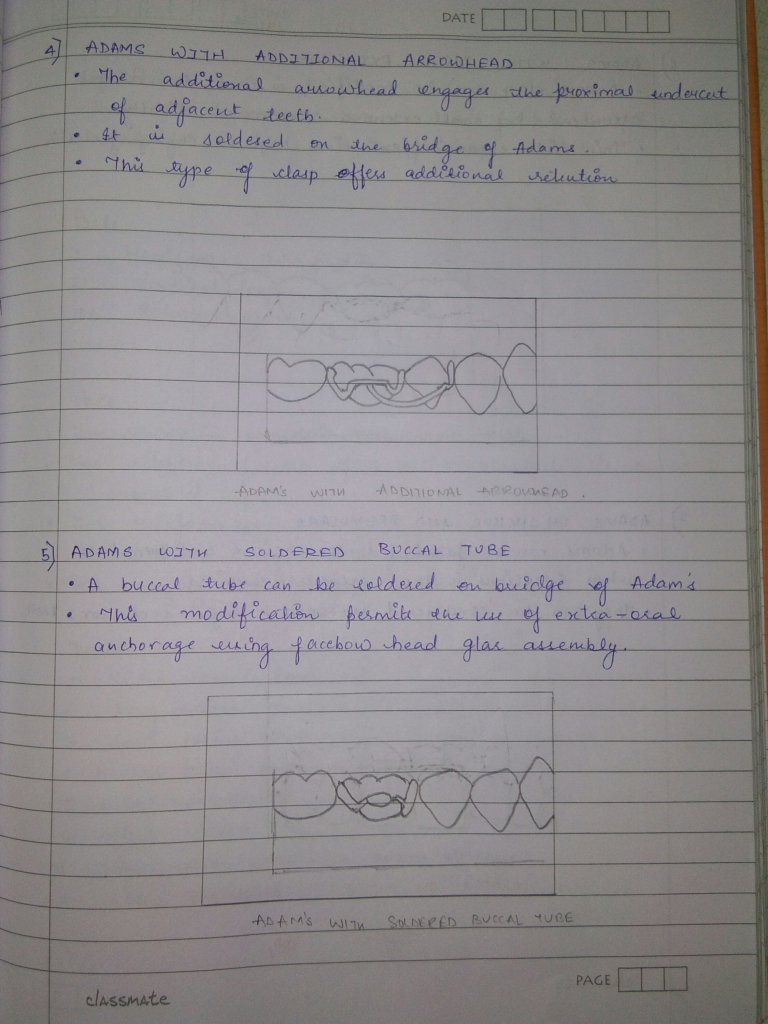
INTERNAL RESORPTION

Written by : Dr. Urusa I Inamdar

Definition

Condition associated with either a physiologic or a pathologic process resulting in loss of dentin , cementum or bone .

An idiopathic , slow or fast progressive resorptive process occurring in the dentin of the pulp chamber or in the root canals of the teeth .

Cause

Cause is not known , but such patients have a history of trauma .

Symptoms

In root : it is asymptomatic

In crown : manifested as a reddish area called pink spot . This reddish area represents the granulation tissue showing through the resorbed area of the crown .

Diagnosis

Diagnosed during routine radiographic examination . The appearance of the pink spot occurs late in the resorptive process . The radiograph usually shows a change in the appearance of the wall in the root canal or pulp chamber , with a round or ovoid radiolucent area .

Treatment

Extirpation of the pulp .

Routine endodontic treatment is indicated , but obturation of the defect requires a special effort , preferably with a plasticized gutta – percha method . In many patients , the condition is unobserved as it is painless , until the root is perforated . In such cases , mineral trioxide aggregate (MTA) is recommended to repair the defect . When repair has been completed , the canal with its defect is obturated with plasticized gutta – percha .

Prognosis

The prognosis is best before perforation of the root or crown occurs .

Reference

  • Grossman’s Endodontic Practice (13th edition)
  • Dental notes
  • Google.com

Pathogenesis of Staph. aureus

Staph aureus | Neuros- Social Networking For Medical Students ...

What is Staphylococcous ?

A gram positive cocci and that is arranged in grape like clusters. They mainly cause suppuration

The important species of Staphylococcus are –
  • Staph.aureus
  • Staph.epidermidis
  • Staph.saprophyticus
Staphylococcus epidermidis - Wikipedia
staph.epidermidis
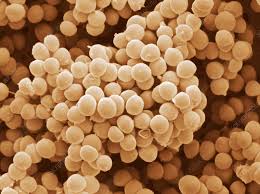
Staphylococcus Saprophyticus - Stock Image - B234/0182 - Science ...
staph . saprophyticus
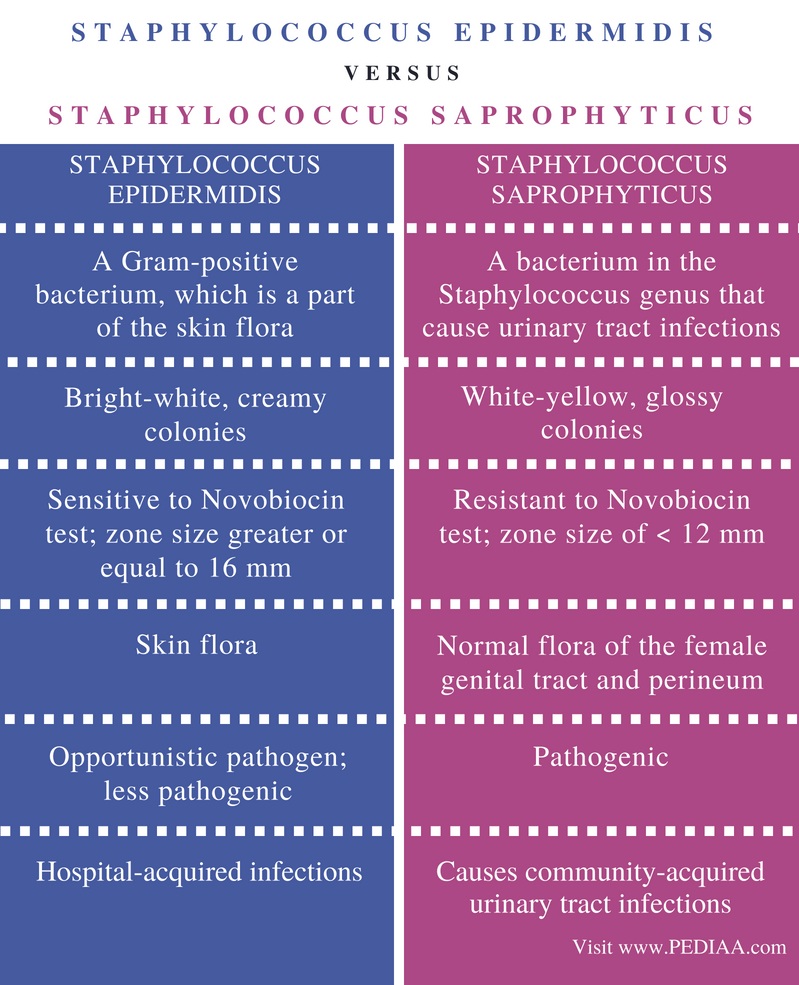
Difference Between Staphylococcus Epidermidis and Staphylococcus ...

Staphylococcus aureus

  • They are gram positive cocci
  • Arranged in grape like clusters
  • They are non motile,non sporing
  • Diameter – 1 micrometer approx.
  • Grow in culture medium between 10-42 degree celcius but approximately at 37 degrees celcius
  • Grow at a pH of 7.4-7.6
  • They are aerobes and facultative anaerobes (which can also grow without oxygen)
Staphylococcus aureus (S .aureus) | SnackSafely.com
staph. aureus

Pathogenesis

  • It is a very important pyogenic organism and lesions are localized in nature.
  • They produce thick cream colored colonies

They are classified as –

  • cutaneous and deep infections
  • nosocomial infections
  • food poisoning
  • skin exfoliative diseases
  • toxic shock syndrome

1.Cutaneous infecctions – superficial infecctions
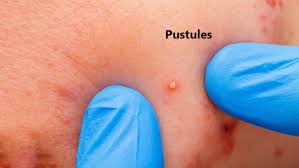
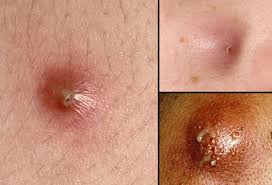
  • pustules
Pustule: Causes, Symptoms, Diagnosis, Treatment and Prevention
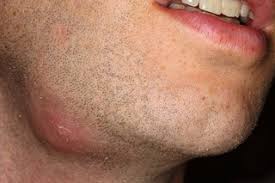
  • boils
Boils: Pictures on Skin, Causes, and Treatment
  • carbuncles
Carbuncles: Treatment, pictures, causes and symptoms - TODAY
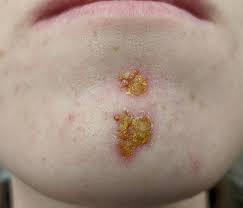
  • impetigo
Impetigo - Wikipedia
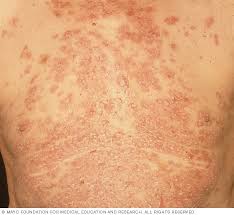
  • pemphigus neonatrum
Pemphigus - Symptoms and causes - Mayo Clinic
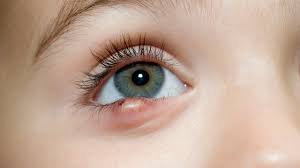
  • styes
Stye Symptoms and Treatment in Children
  • abscesses
Abscess - NHS
  • wound and burn infections
Treatment of Infection in Burn Patients - ScienceDirect

2. Deep infections

  • osteomyelitis
  • tonsillitis
  • pharyngitis
  • pneumonitis
  • endocarditis
  • empyema
  • bacteremia
  • septicemia
  • meningitis
  • sinusitis
The role of nasal carriage in Staphylococcus aureus infections ...

3. Food poisoning –

Staphylococcal food poisoning may follow 2-6 hrs after injestion of contaminated food that has preformed entertoxin.

Food Poisoning: Tummy Trouble | BusinessMirror

4.Nosocomial infections –

They are important cause of hospital acquired infections

5.Skin exfoliative Diseases
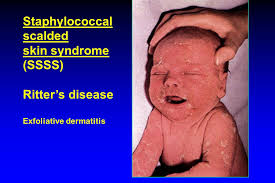
  • These are produced by strains of Staph.aureus .
  • There is stripping of the superficial layers of skin from the underlying tissue .
  • They are Ritters disease ,pemphigous neonatrum,bullous impetigo.
  • Staphylococcocal scaled skin syndrome (SSSS) is the example. In this the toxin is spread systemically.
Nepal STAPHYLOCOCCUS n Staphylococcus causes diseases ranging from ...

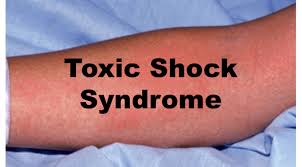
6. Toxic shock syndrome –

  • It is caused by TSST-1 ( toxic shock syndrome toxin ). This is characterised by high fever,hypotension, diarrhoea, scarletiniform rash,vomiting.
emDOCs.net – Emergency Medicine EducationStaphylococcal toxic ...
  • It is also associated with use of tampons by mentruating women which is rare.
Toxic shock syndrome is rare. Be vigilant but not alarmed

source – C P Baveja textbook of microbiology for dental students and google images
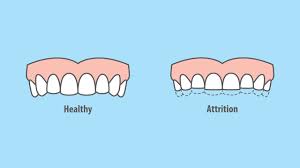
Tooth Attrition

7 Common Reasons You Could Be at Risk for Teeth Grinding

Defined as physiological wearing away of tooth structure.
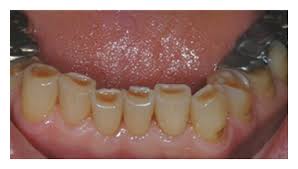
Biologically Based Restorative Management of Tooth Wear

This phenomenon is more physiological than pathological

🛑SITES OF OCCURRENCE-

  • occlusal surface
  • incisal surface
  • proximal surface

It is also associated with the aging process. More the older the person gets more it regresses

🛑MAIN CAUSE- Tooth to Tooth contact during Mastication

  • It is seen in deciduous as well as in permanent dentition.

🛑Types of attrition

🔸Physiological attrition: Attrition which occurs progressively during normal aging process as a result of masticatory occlusion. Usually a slow process through out life .

🔸Pathological attrition: This is a severe form of attrition that occurs as a result of abnormalities in occlusion ,chewing pattern and structural defects in teeth .

Examples are bruxism or clenching
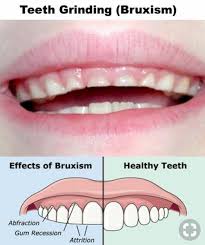
Kids and Grinding

🛑AETIOLOGY

  • Abnormal chewing habits: Parafunctional chewing habits like Bruxism and chronic persistent chewing of coarse foods or other substances like tobacco.
  • In other occupations workers are exposed to an atmosphere of abrasive dusts e.g. silica
  • Amelogenesis imperfecta and dentinogenesis imperfecta in which the hardness of enamel and dentine is reduced and such teeth become more prone to attrition and is seen in children

🛑Clinical presentation –

  • Appearance of small polished facet on the cusp tip /ridge or slight flattening of the incisal edge
  • Sensitivity and pain : attrition may be entirely asymptomatic or there may be dentine hypersensitivity.
  • Tooth discoloration : attrition and erosion of the enamel exposes inner and darker dentine giving a yellower appearance
  • Compromised periodontal support leading to drifting of teeth
  • Altered occlusion due to decreasing occlusal vertical dimension

Men usually have more attrition than women as a result of greater masticatory force .

Also variations are seen with the coarseness in diet and chewing tobacoo
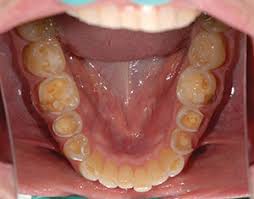
Bio-Rejuvenation Dentistry: Utilizing Nanohybrid Flowable ...
advanced attrition

Sources -textbook of oral pathology – shafers, slide share , pictures – google photos.

SYNDROMES🤯-Made easy(Part-1)

Syndromes are defined as combination of medical signs & symptoms that together represent a disease process .

As mentioned above, being a set of features ,most of us might have a tough time trying to mug up all of the characteristics pertaining to a syndrome which are often confusing too.

So here’s a humble attempt to make it easy .How??…..Short forms/mnemonics ofcourse!

Some of these are already familiar to you & for the rest -the author of this post holds patent 🙂 .Only some of the important syndromes pertaining to dentistry have been discussed here.Hope you would find it helpful.

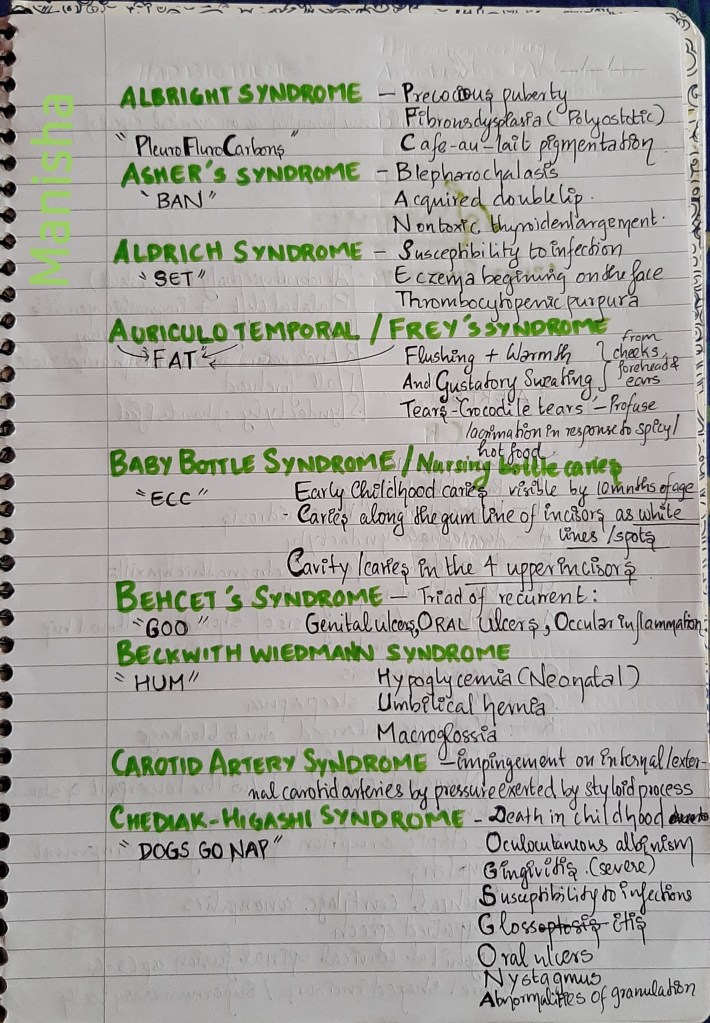
Sources :Shafers textbook of oral pathology,Instagram -_dentistars_,dental_exams,www.cartoonstock.com

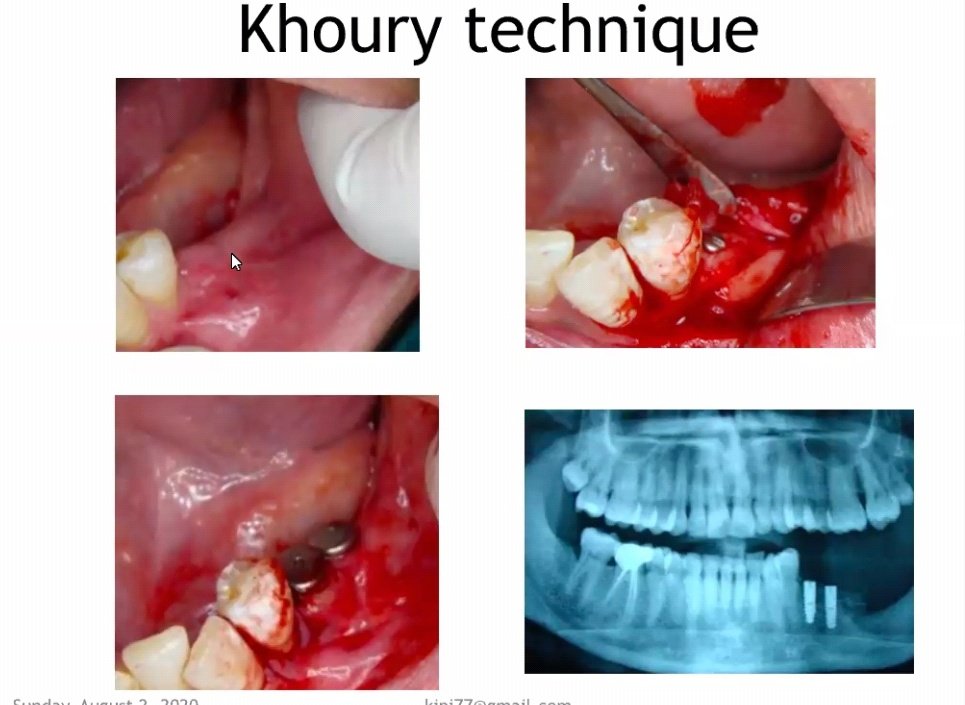
KHOURY TECHNIQUE

Written by : Dr. Urusa I Inamdar

It is also called as split bone block technique / shell technique.

  • Mandibular bone blocks ( external oblique ridge ), which consists primarily of cortical bone and a low percentage of cancellous bone , are more resistant to revascularization and consequently may have poor regeneration potential . For this reason , the harvested thick bone blocks with the diamond disk according to the split bone block technique of the biologic concept of grafting procedures.
  • Splitting the thick blocks into two thin blocks not only increases the number of bone blocks , offering the possibility to graft more surfaces in different forms , but also improves revascularization and regeneration.
  • The thin blocks were stabilized at the recipient site with microscrews , and any gaps were filled with autogenous bone chips harvested from the donor site with a bone scraper .
  • No biomaterials or membranes are used .
  • This technique with pure autogenous bone , which has been used for 20 yrs , has shown a high success rate .

Reference:

  • International institute of dental research
  • Dental notes
  • Google.com

Sandwich Technique

So what is this sandwich technique? Is it associated with the edible sandwiches ?

Easy Corn Sandwich | Dassana's Veg Recipes

No!

In fact it is associated with a technique in dentistry. So it looks something like this . Lets see what,why, and how is it used !

Open-sandwich technique. | Download Scientific Diagram
  • Composite doesn’t bind to the dentin in an adequate manner
  • So during polymerization there maybe a gap created
  • This gap is created if the margin is near the dentin

How can the bonding be improved ?

  • By placing a layer of Glass Ionomer Cement (GIC) between the composite restoration and the dentin.
  • The GIC bonds to dentin by chemical adhesion
  • And resin bonds mechanically to porosities
  • Crazing is seen on the surface of GIC
JaypeeDigital | eBook Reader
GIC between dentin and composite
Effects of etching and adhesive applications on the bond strength ...
Surface micromorphological changes of glass ionomer following ...
crazing on gic

GIC can be etched with phosphoric acid which helps in retention.

37% Phosphoric Acid Gel – Dental Shivam

Indications –

  • In class 2 composite restoration
  • Lesions where one or more margins are in dentin (cervical lesions)
Class II Composites
class 2 composite restoration
Abfraction cervical lesions | Dental, Dental problems, Cervical
cervical lesions

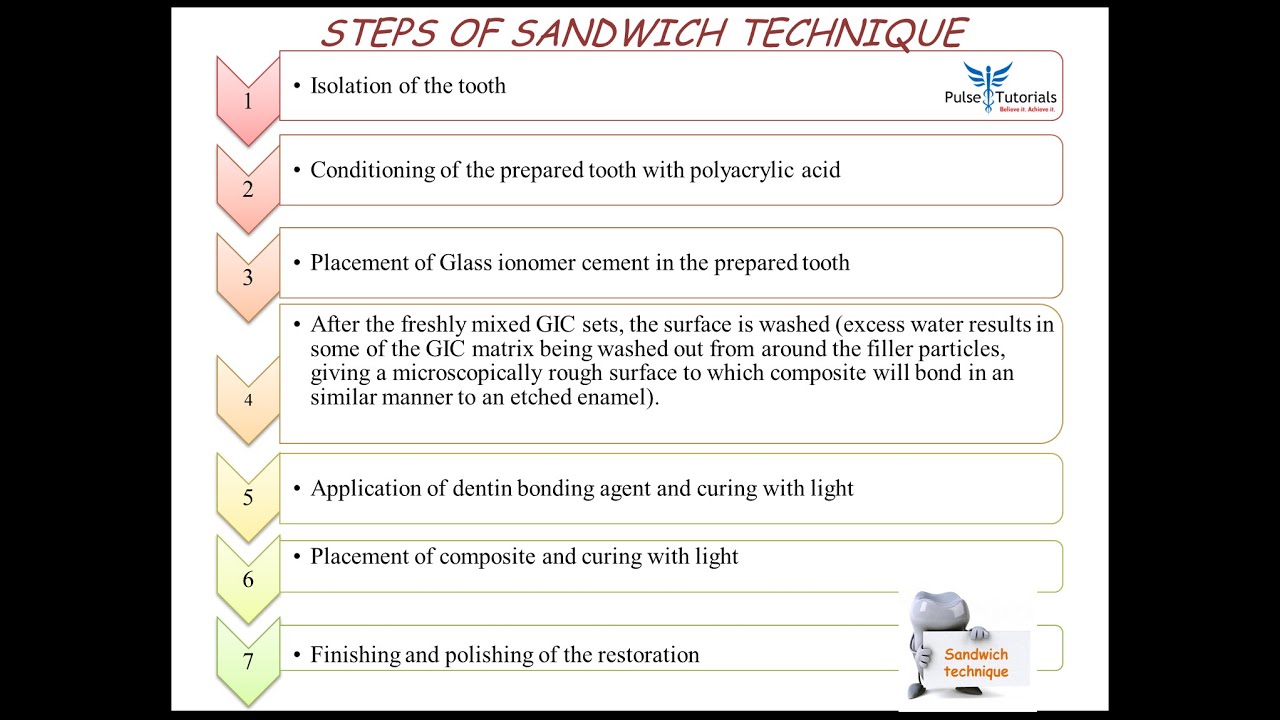
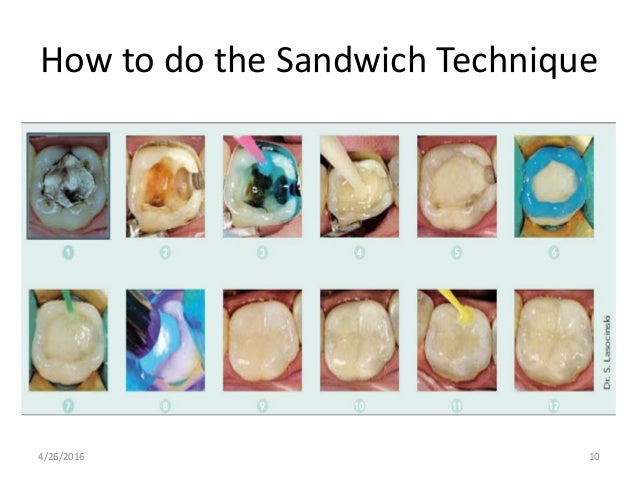
Procedure

Sandwich technique restoration step by step - YouTube
Sandwich technique

source – textbook of dental materials (manapallil), philips, slide share and google images

PARACETAMOL

Written by : Dr. Urusa I Inamdar

Introduction:

Paracetamol and acetaminophen are two official names of the same chemical compound derived from its chemical name : N-acetyl-para-aminophenol . It is an aniline derivative and the most extensively used over-the-counter and prescription analgesic worldwide . It has analgesic and anti-pyretic properties similar to non – steroidal antiinflammatory drugs (NSAIDS) but contrary to them , it does not possess any antiinflammatory properties .

Pharmacodynamics:

It acts mainly in the CNS by inhibiting cyclo oxygenase ( COX-2 ) . It acts by preventing the oxidation of inactive COX to active COX and thereby preventing prostaglandins synthesis through an active metabolite influencing cannabinoid receptors .

Pharmacokinetics:

It is rapidly absorbed from the gastrointestinal tract . The peak plasma concentrations are reached in about 2-3 hrs after rectal administration and reaches total serum concentrations of 5-20 micro g/ml . It is primarily metabolized in the liver by conjugation to gluconide and sulfate .

Indications:

  • Analgesic
  • Antipyretic

Contraindications:

  • Alcoholism
  • Hepatic disease
  • Viral hepatitis
  • Hypertension

Drug interactions:

Paracetamol interacts with enzyme inducing substances , such as isoniazid , carbamazepine , phenytoin or barbiturates , as well as chronic alcohol excess which increases N-acetyl-p-benzoquinone imine production and the risk of toxicity .

Adverse reactions:

  • Allegic dermatitis
  • Thrombocytopenia
  • Agranulocytosis
  • Hepatic necrosis

Dosage and administration:

As directed by the physician

Presentation:

Each suppository contains Paracetamol 125 mg

Reference:

  • CIMS – prescribers handbook
  • Kulkarni R et al. Indian J Pharmacol 2007
  • Cullen S et al Arch Dis Child
  • Roberts E et al. Ann Rheum Dis. 2016