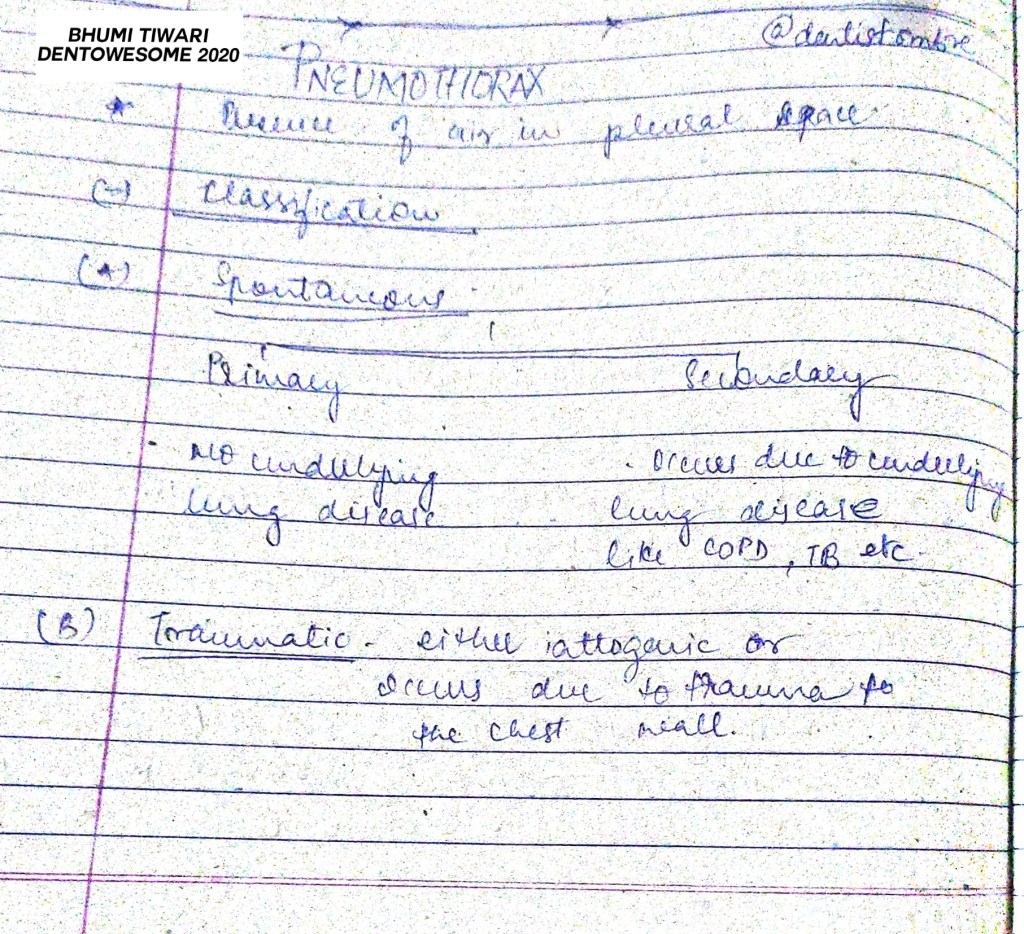
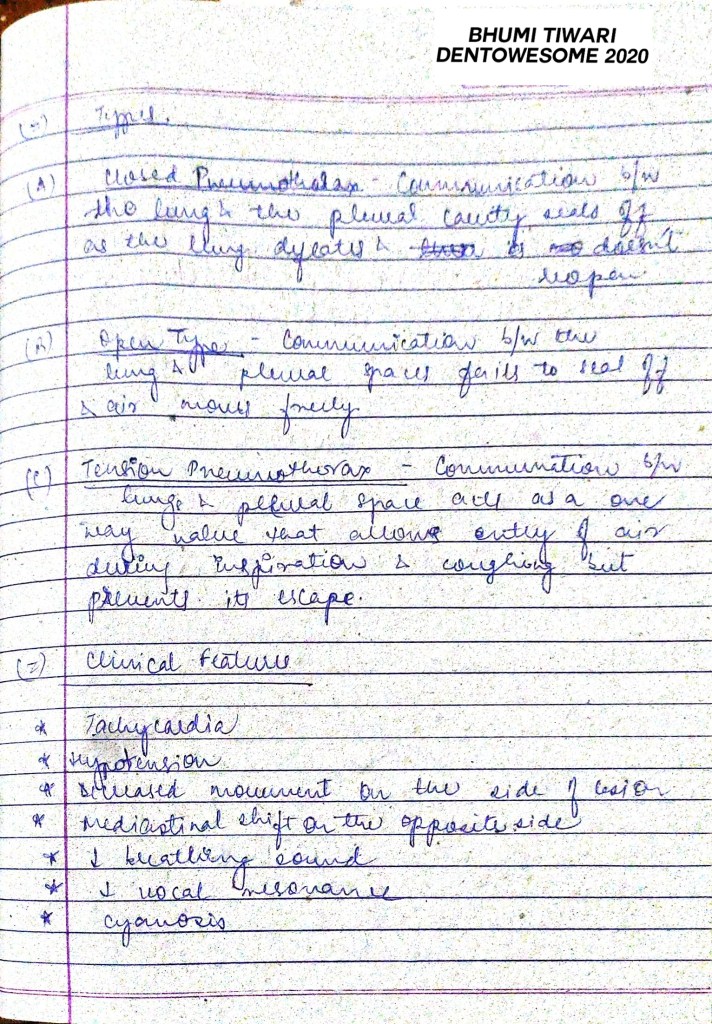


source: AK Tripathi- Essentials of Medicine for Dental Students, 2nd edition
source: AK Tripathi- Essentials of Medicine for Dental Students, 2nd edition
Written by : Dr. Urusa I Inamdar
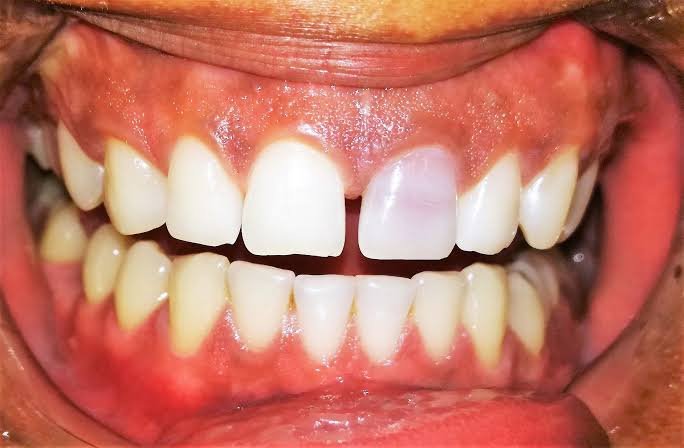
It is used as a whitening agent in dentistry . It is available in concentration between 5 and 35% .
It is classified into organic and inorganic .
They are strong oxidizers and can be considered as the products of hydrogen peroxide (H2O2) when hydrogen atoms are substituted with metals or with organic radicals .
H2O2 has a low molecular weight and hence can penetrate dentin and release oxygen that breaks down the double bond of inorganic and organic compounds inside the tubule .
About 1-2 ml amount is required for bleaching operation .
Discard the remaining solution , once treatment has been completed .
Hydrogen peroxide concentrations ranging from 3-7.5 % are used for home bleach .
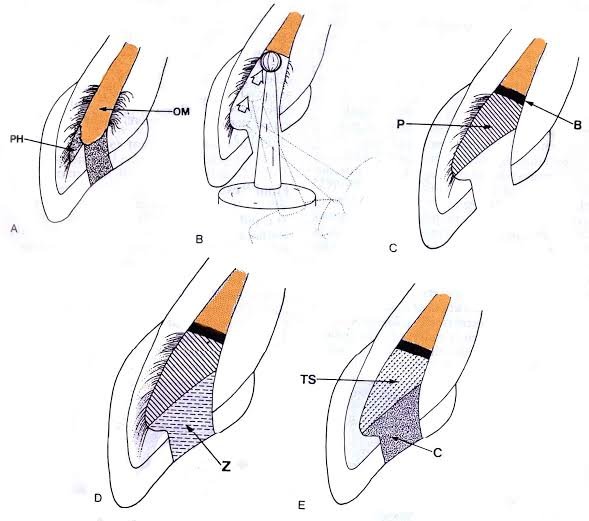
It can be used alone or mixed with sodium perborate into a paste for use in the walking bleach technique .
Canine retractors are springs that are used to move canine in a distal direction.
1. Based on location
2. Based on presence of helix or loop
3. Based on mode of action
▪️BUCCAL CANINE RETRACTOR:
INDICATION: Is used where a buccally placed canine has to be moved palatally as well as distally.
TYPES:
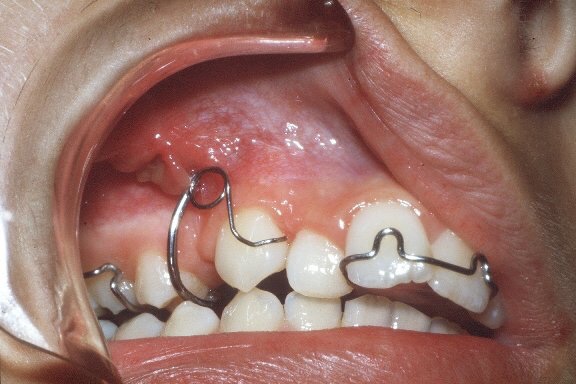
• Self supporting or unsupported
• Supported
▪️SELF SUPPORTED BUCCAL CANINE RETRACTOR:
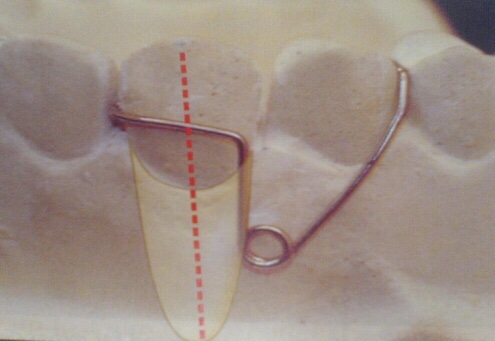
DESIGN & CONSTRUCTION
ACTIVATION
👉🏻The spring should be activated by only 1mm. Only spring which is activated by closing the coil
👉🏻Distal activation- It is effected at the coil by bending the anterior limb over the round beak of a pair of spring forming pliers
👉🏻Palatal activation- It is undertaken in the anterior limb after it emerges from the coil
DISADVANTAGES
▪️SUPPORTED BUCCAL CANINE RETRACTOR:

DESIGN
ACTIVATION
▪️AN APPLIANCE TO RETRACT BUCCAL CANINE
Indication
▪️SOLDERED AUXILIARY SPRINGS TO MOVE A CANINE PALATALLY
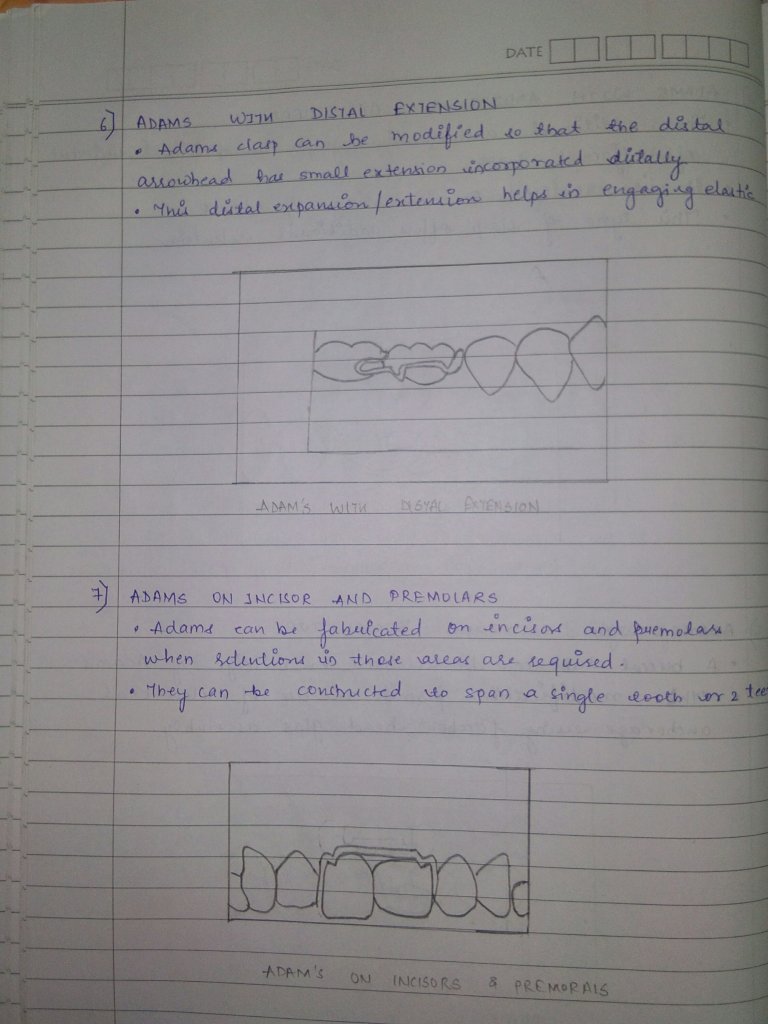
• It is possible to solder a spring{0.7mm wire} to the bridge of the adams clasp on a first molar.
• The spring can be used to tuck an outstanding canine
Advantages
Disadvantages
▪️REVERSE LOOP BUCCAL RETRACTOR:

INDICATION
DESIGN
ACTIVATION
DRAWBACKS
• It is stiff in the horizontal plane yet very unstable vertically
▪️An appliance to retract lower canine
Indication
Anterior crowding
Active component
Reverse loop buccal retractor
Retention
Adams clasp on 6|6
Baseplate
A lingual bar rather than acrylic in the incisor region
Anchorage
Clasped teeth
Teeth and alveolar process contacted by the appliance
▪️U loop canine retractor
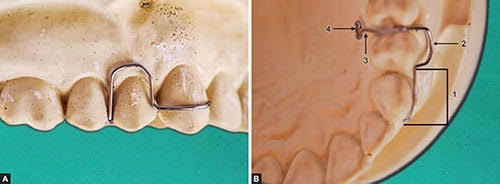
INDICATIONS
DESIGN
ACTIVATION – Close the loops by 1mm or free end is cut by 1mm & it is readapted on to the mesial side
DRAWBACKS – Requires frequent adjustments
▪️AN APPLIANCE TO MOVE A CANINE OCCLUSALLY
Indication – Partially erupted canine
Active component – U loop canine retractor, engages a hook bonded to the buccal surface of the canine
Retention – Adams clasp on 6|6
Baseplate – As much palatal coverage as the canine position permits to offer max. resistance to the occlusally directed force
Anchorage – Acrylic in the palate
▪️Buccal acrylic appliance to retract lower canine
Indication – To overcome the dual problems of limited space for tongue & poor retention provided by adams clasp
Active component – Buccal canine spring 0.7mm
Retention – Lingually placed jacksons clasp on the first molar [to overcome the problem of limited undercut on the buccal aspect of lower molars, appliances have been described with clasping on the lingual aspect of molars BELL 1983]
Baseplate – 2 segments of acrylic 1-2mm from the buccal mucosa. These are connected in the midline by a heavy ss bar, {2mm x 1mm}oval in cross section lying close to buccal mucosa below the lower incisors
Anchorage – First molar, with minimal anchorage effect from acrylic
▪️PALATAL CANINE RETRACTOR:
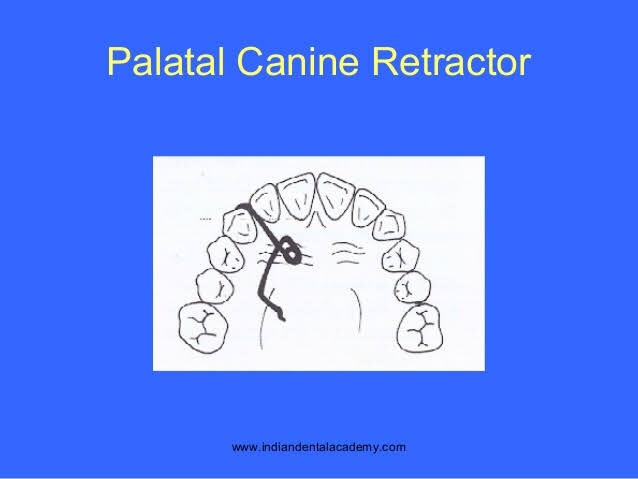
INDICATIONS – In cases where canine is placed palatally & requires distal & buccal movement
DESIGN
ACTIVATION – By opening the coil by 2-3mm where the active arm emerges out of the coil
▪️CONCLUSION:
• For canine retractors whether buccal or palatal to be successful, it is important for the canines to be mesially angulated prior to treatment
• If the canine is normal & distally angulated prior to treatment, a removable canine retractor will cause an unsightly distal angulation of the canine at the completion of retraction which in turn will take a long time to correct with fixed appliance
• For this reason, use of removable appliance for canine retraction is declining as fixed appliance have greater control over tooth movement
References:

Source Gurkeeraat Singh textbook
Source Gurkeeraat Singh textbook
Source Gurkeeraat Singh textbook

Source Gurkeeraat Singh textbook
Source Gurkeeraat Singh textbook
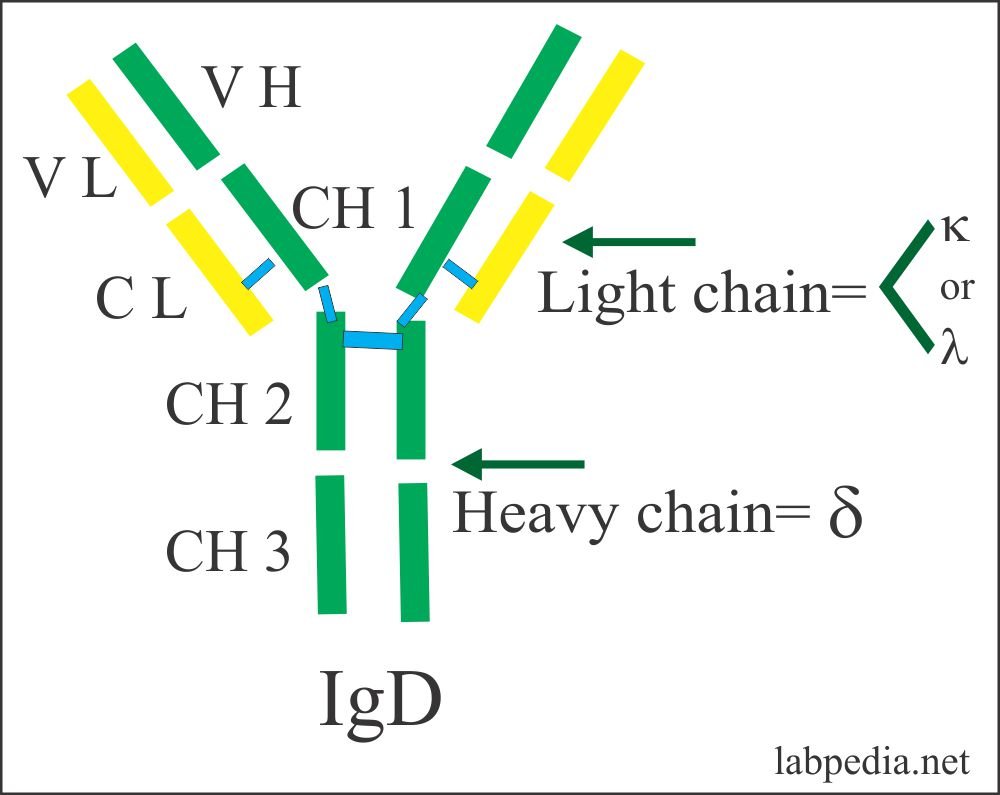
1. Immunoglobulin D( IgD)
(i) IgD resembles IgG structurally.
(ii) IgD is present in a concentration of 3 mg per 100 ml in serum. It is mostly intravascular in distribution.
(iii) Molecular weight is 180000 (7S monomer).
(iv) Half life is about three days.
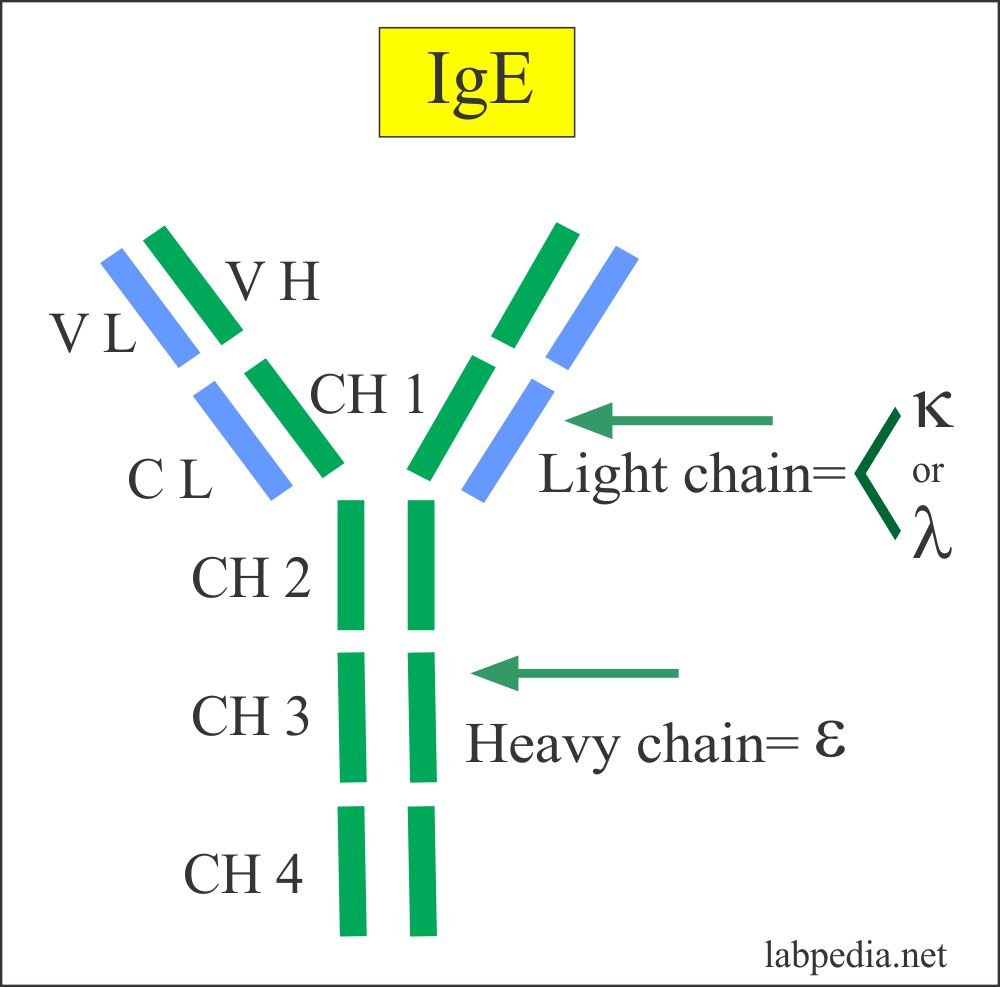
2. Immunoglobulin E (IgE)
(i) IgE is mainly produced in the linings of respiratory and intestinal tracts. It is mostly distributed extravascularly.
(ii) It is also referred to as reagins.
(iii) Molecular weight is 190000 (8 S molecule).
(iv) Half life is 2-3 days.
(v) It resembles IgG in structure.
(vi) It is heat labile whereas other immuno-globulins are heat stable.
(vii) It has affinity for surface of tissue cells, particularly mast cells of the same species (homocytotropism).
(viii) IgE mediates type I hypersensitivity (atopic) reaction. This is responsible for asthma, hay fever and eczema.
(ix) It cannot cross the placental barrier.
(x) IgE is responsible for anaphylactic type of reaction.
Source- textbook of microbiology for dental students c p baveja and Google images
Source Gurkeeraat Singh textbook

