Fibromatosis gingivae

Histopathology

Treatment-

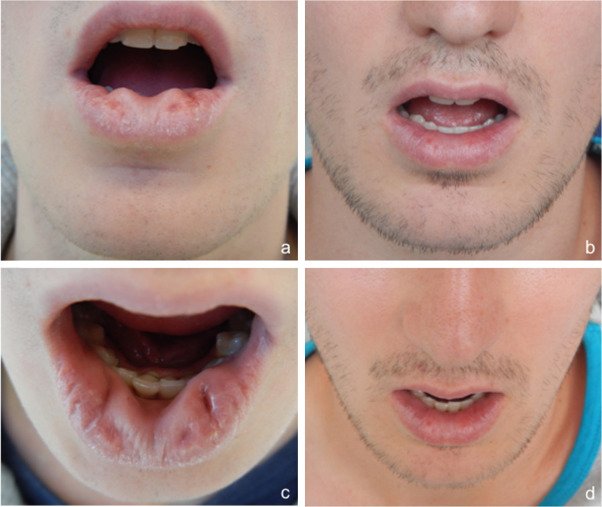
•When tooth eruption is impeded, surgical removal of the excessive tissue and exposure of the teeth are indicated.

•The cosmetic appearance may also require surgical excision.

•The lesion sometimes recurs. It has been reported that tooth extraction alone will cause the tissues to shrink almost to normal and that recurrences can be prevented by this.
Source- textbook of oral pathology Shafers and Google images

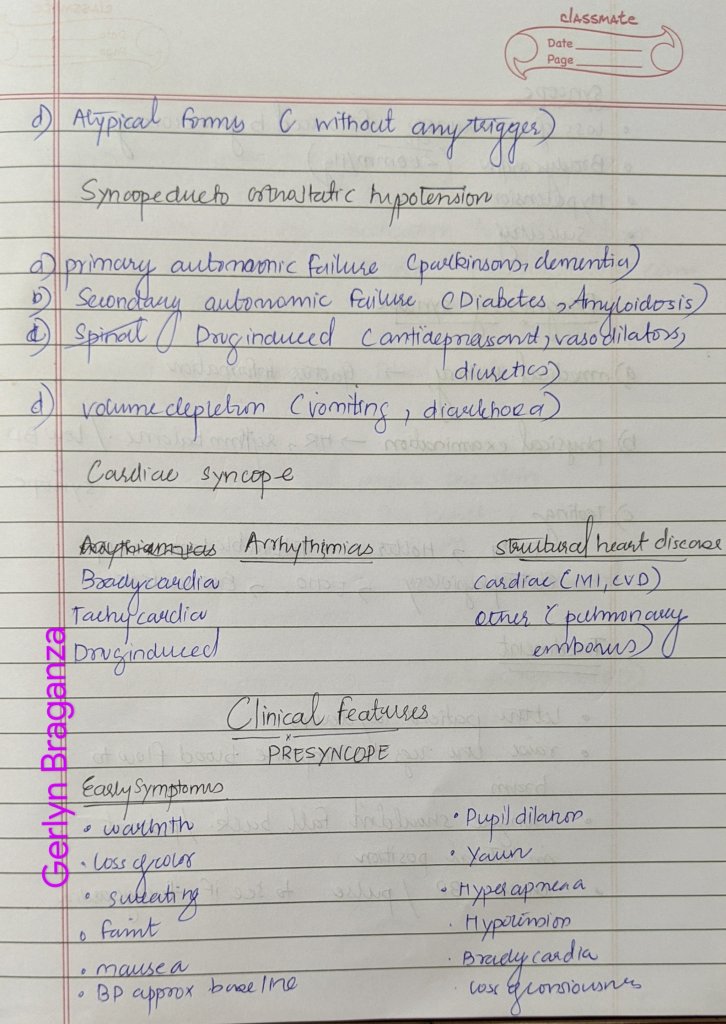
Syncope

Syncope refers to generalised weakness of muscles, loss of postural tone , inability to maintain erect posture and loss of consciousness.

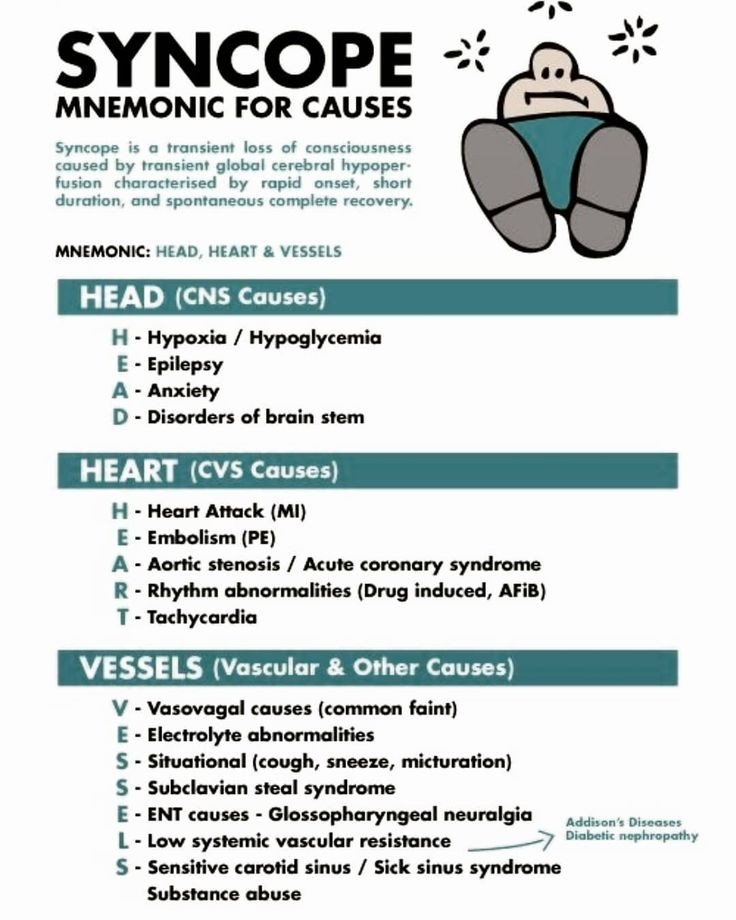
If u find it difficult to remember the causes here is a MNEMONIC

Source- textbook of general medicine for dental students SN Chugh and pinterest images .

Eosinophilia

What are eosinophils ?

Components of blood

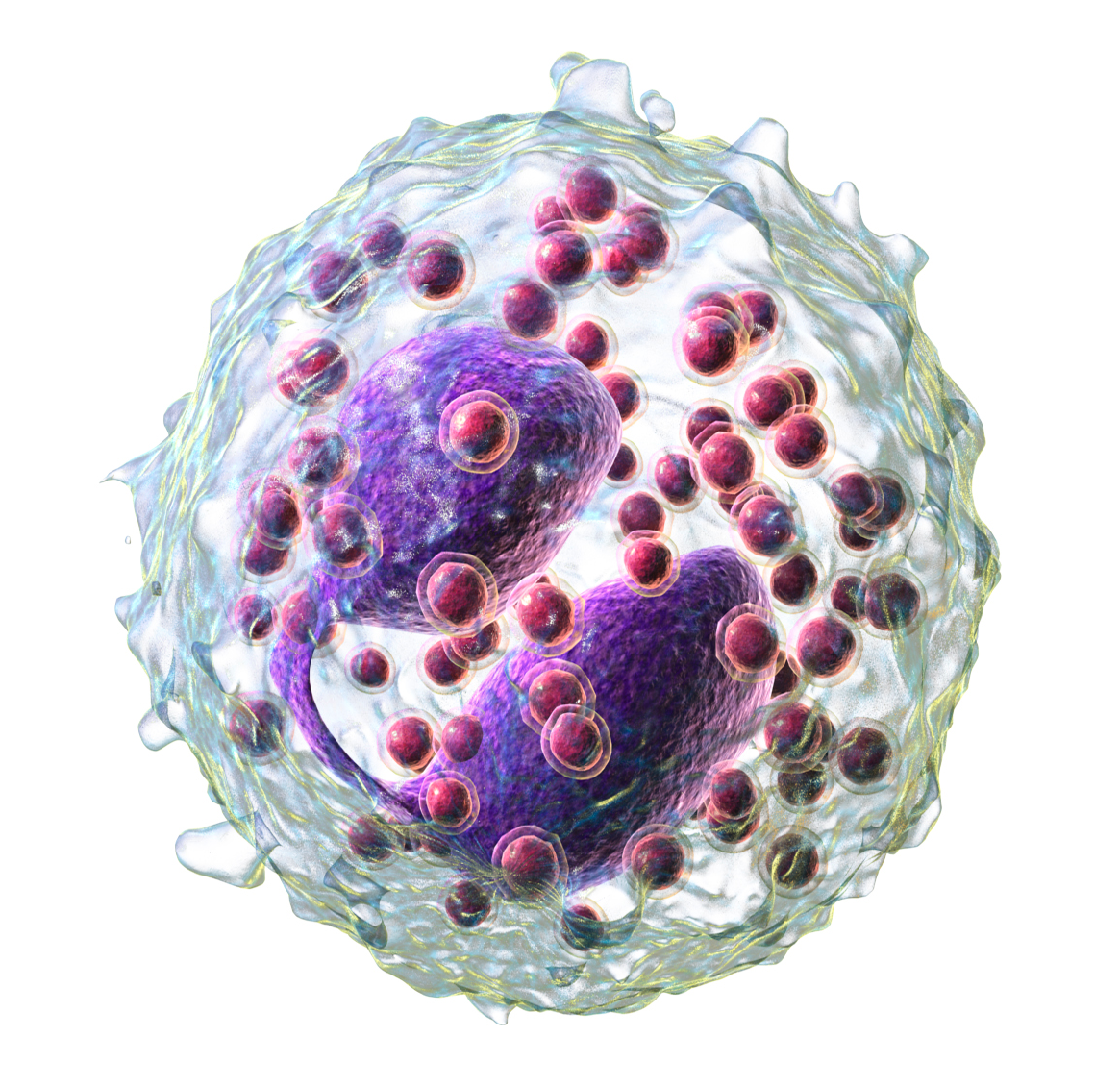
Eosinophils are WBCs. And they are the components of the blood .

The Normal range 1-6%(0.02-0.5 × 10^9/L)

How does it help the human body ?

  1. They control mechanisms associated with allergy and asthma.
  2. Help in combating multicellular parasites and certain infections 

What causes eosinophilia ?

If eosinophil count is more that 450/cu mm

Causes –

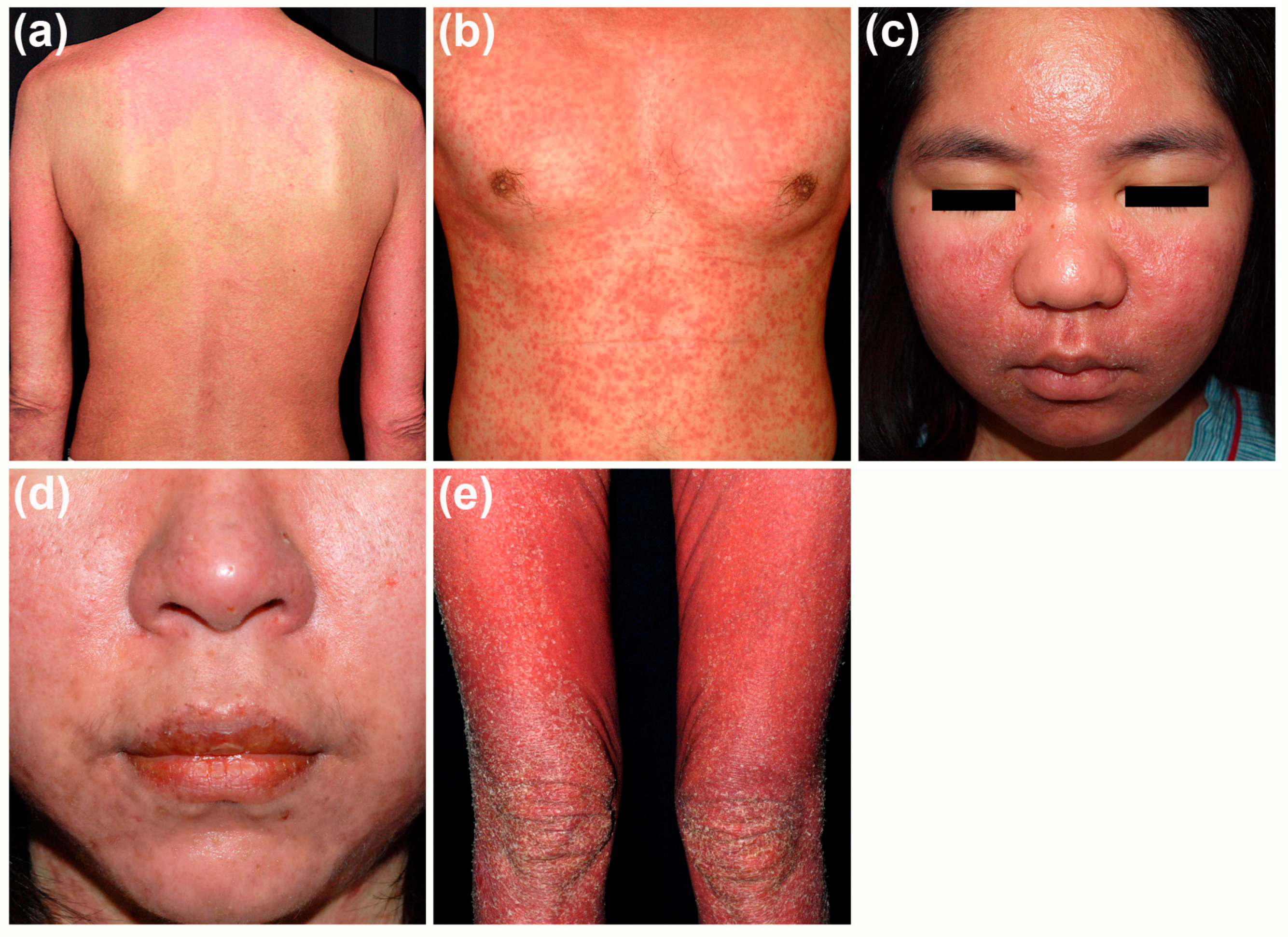
Drug reaction seen in eosinophilia

Source- textbook of pathology for dental students Ramdas Nayak , Wikipedia

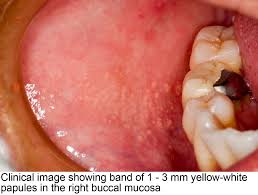
Fordyce granules( fordyce disease)

Pathology Outlines - Fordyce granules

What are Fordyce granules? How does it occur ?

  • Firstly it isn’t a disease as the name says it.
  • Rather this can be called a developmental anomaly.
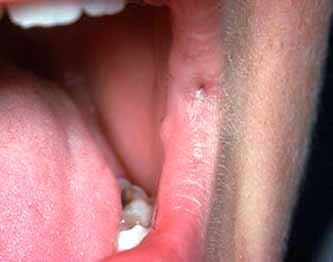
  • It is characterised by heterotopic collection of sebaceous glands in various sites of the oral cavity.
  • It is said that the occurance of sebaceous glands in the mouth may be by inclusion in the oral cavity of the ectoderm.
  • This has some of the potentialities of skin during the development of the maxillary and the mandibular processes during the embryonic life.

Clinical features-

1.Appearance-

  • as yellow spots, seperated
  • or forming large plaques
  • project slightly above the suface of tissue
Sebaceous glands (Fordyce spots or Tyson glands)

2. Site of appearance- found frequently in a bilateral symmetical pattern

  • mucosa of cheeks (opposite the molar teeth)
  • inner surface of lips
  • retromolar region
  • tongue
  • gingiva
  • palate
  • frenum

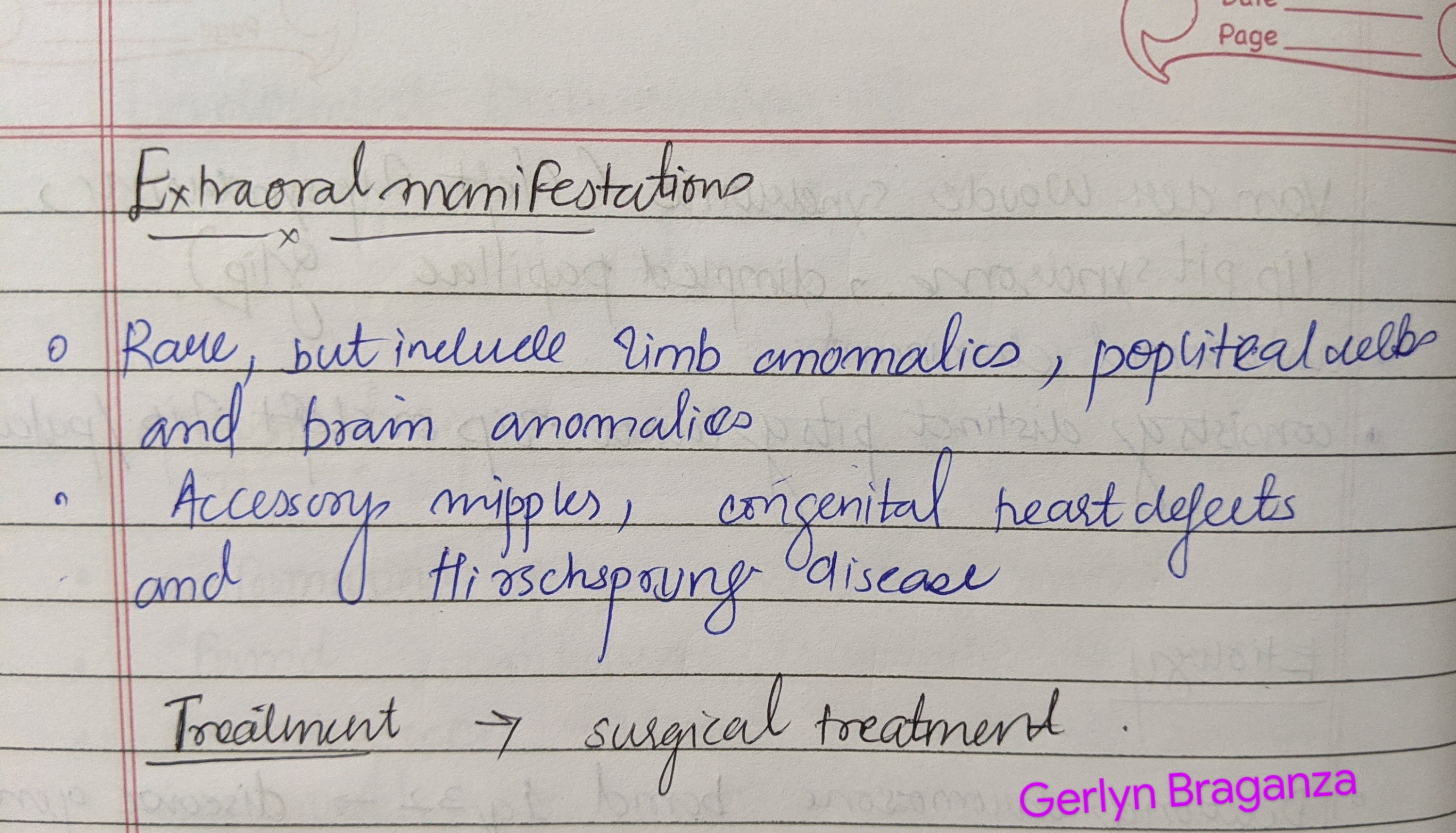
Besides the oral cavity they also appear in the oesophagus ,the female genital tract ,cervix uteri, male genitilia ,nipples, palms ,soles ,parotid ,larynx and the orbit .

3. Usually seen more in adults than children . This is due to the better development of sebaceous glands and hair system is not seen until puberty.

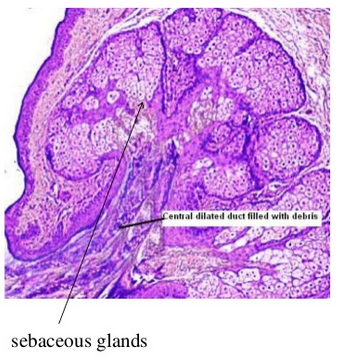
Histology

  • These are heterotopic collection of sebaceous glands and they are identical with those that are seen in the skin.
  • But they are unassociated with hair follicles and hair shaft from the gingiva. (this may be a very rare occurance )
  • Glands are located superficially.
  • There may be few or many lobules.
  • They are grouped around one duct or more ducts and they open at the surface of the mucosa .
  • The ducts may show keratin plugging.

Treatment-

It requires no treatment.

source – textbook of oral pathology shafers and google images .

IgD and IgE

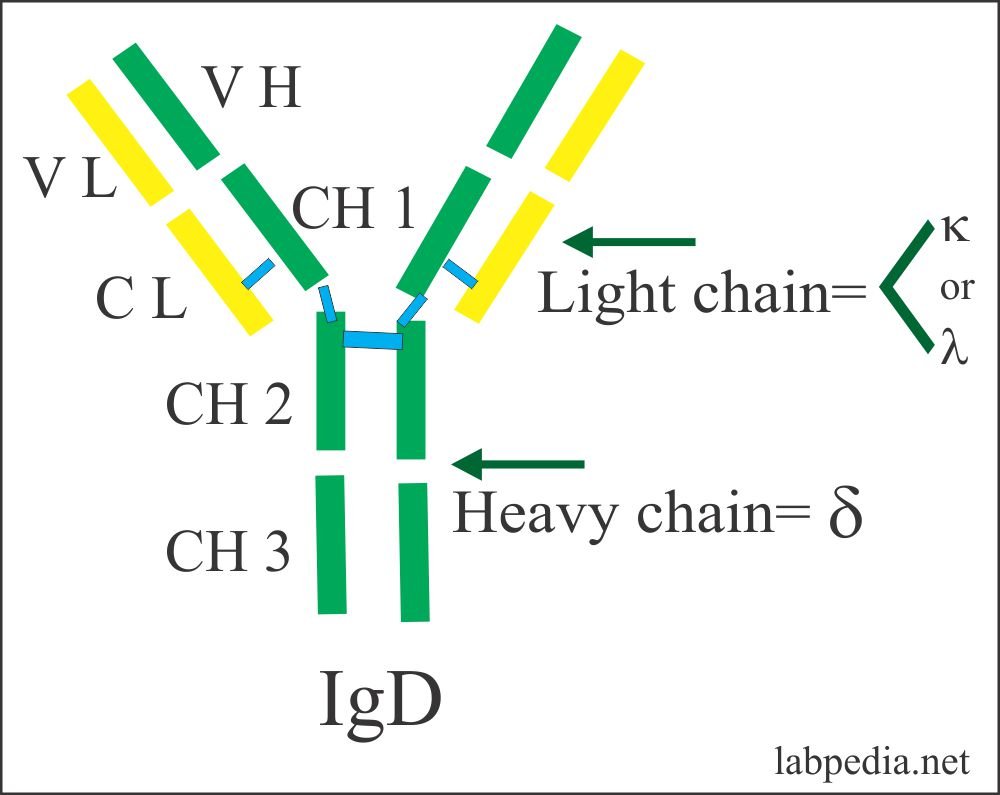
1. Immunoglobulin D( IgD)

(i) IgD resembles IgG structurally.

(ii) IgD is present in a concentration of 3 mg per 100 ml in serum. It is mostly intravascular in distribution.

(iii) Molecular weight is 180000 (7S monomer).

(iv) Half life is about three days.

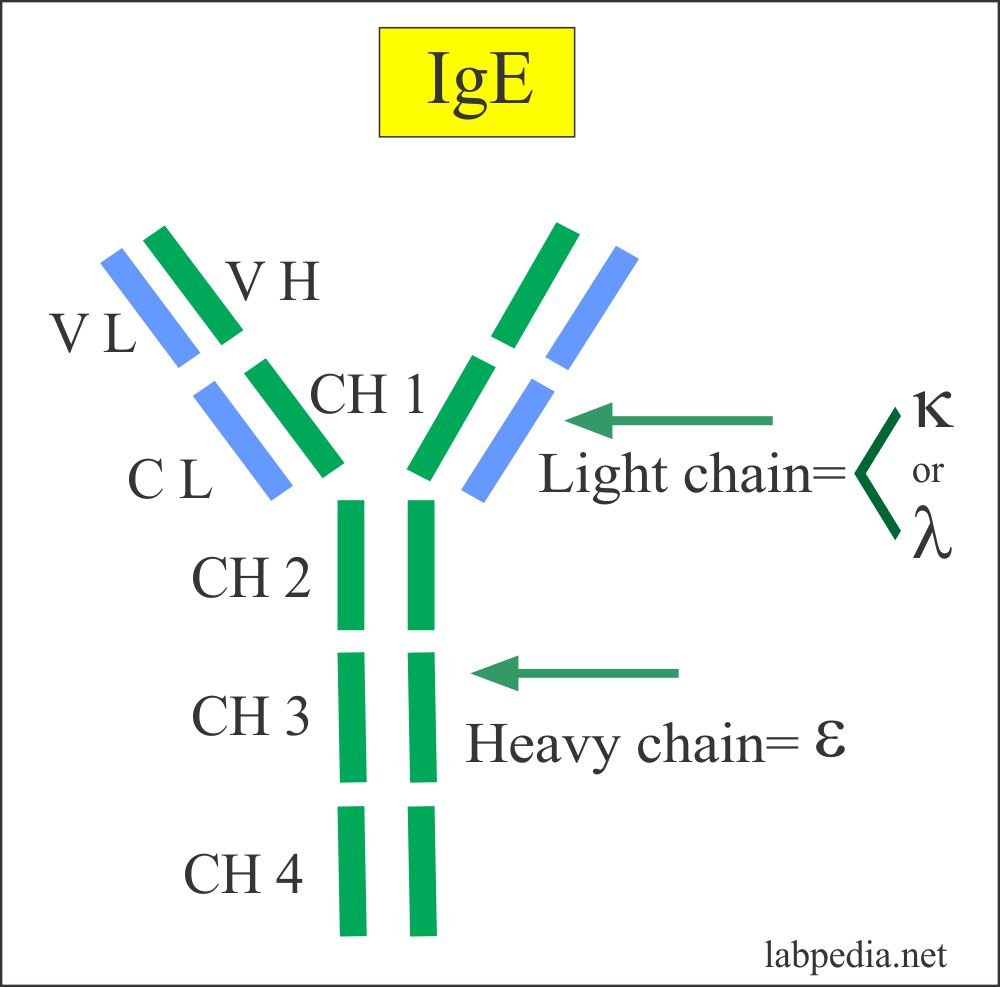
2. Immunoglobulin E (IgE)

(i) IgE is mainly produced in the linings of respiratory and intestinal tracts. It is mostly distributed extravascularly.

(ii) It is also referred to as reagins.

(iii) Molecular weight is 190000 (8 S molecule).

(iv) Half life is 2-3 days.

(v) It resembles IgG in structure.

(vi) It is heat labile whereas other immuno-globulins are heat stable.

(vii) It has affinity for surface of tissue cells, particularly mast cells of the same species (homocytotropism).

(viii) IgE mediates type I hypersensitivity (atopic) reaction. This is responsible for asthma, hay fever and eczema.

(ix) It cannot cross the placental barrier.

(x) IgE is responsible for anaphylactic type of reaction.

Source- textbook of microbiology for dental students c p baveja and Google images

Pathogenesis of Staph. aureus

Staph aureus | Neuros- Social Networking For Medical Students ...

What is Staphylococcous ?

A gram positive cocci and that is arranged in grape like clusters. They mainly cause suppuration

The important species of Staphylococcus are –

  • Staph.aureus
  • Staph.epidermidis
  • Staph.saprophyticus
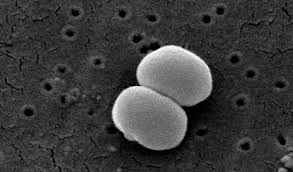
Staphylococcus epidermidis - Wikipedia
staph.epidermidis
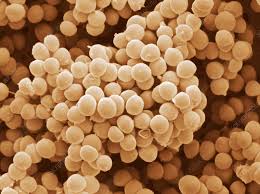
Staphylococcus Saprophyticus - Stock Image - B234/0182 - Science ...
staph . saprophyticus
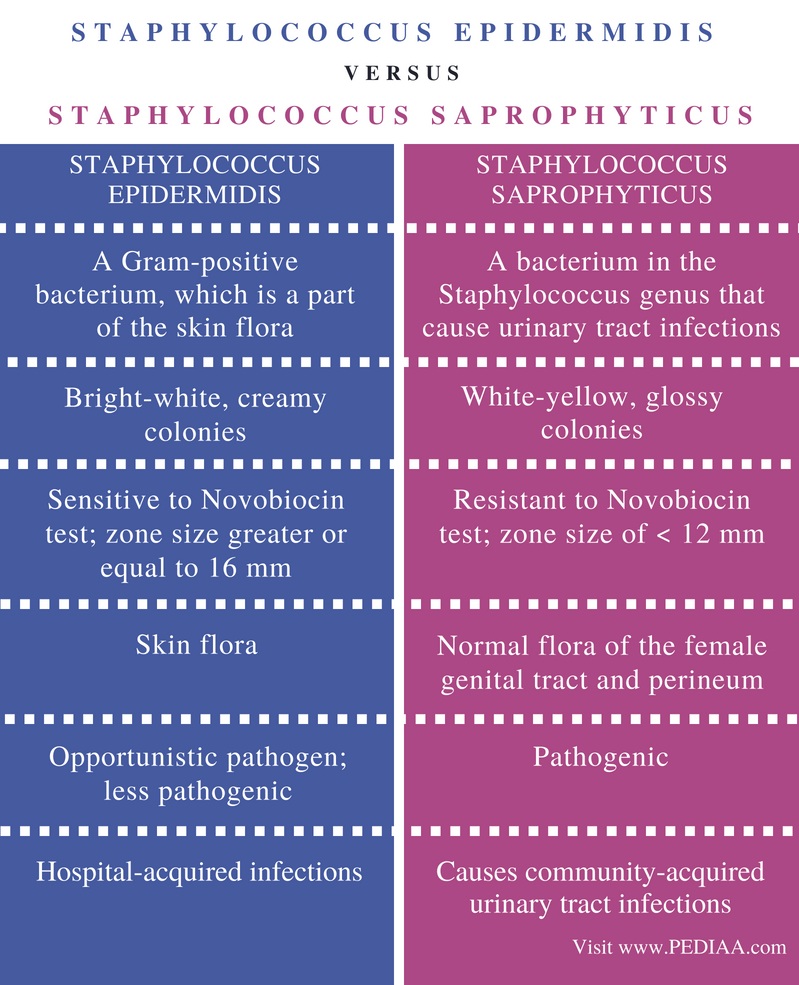
Difference Between Staphylococcus Epidermidis and Staphylococcus ...

Staphylococcus aureus

  • They are gram positive cocci
  • Arranged in grape like clusters
  • They are non motile,non sporing
  • Diameter – 1 micrometer approx.
  • Grow in culture medium between 10-42 degree celcius but approximately at 37 degrees celcius
  • Grow at a pH of 7.4-7.6
  • They are aerobes and facultative anaerobes (which can also grow without oxygen)
Staphylococcus aureus (S .aureus) | SnackSafely.com
staph. aureus

Pathogenesis

  • It is a very important pyogenic organism and lesions are localized in nature.
  • They produce thick cream colored colonies

They are classified as –

  • cutaneous and deep infections
  • nosocomial infections
  • food poisoning
  • skin exfoliative diseases
  • toxic shock syndrome

1.Cutaneous infecctions – superficial infecctions

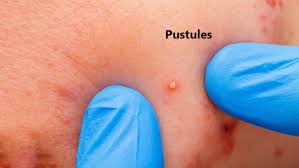
  • pustules
Pustule: Causes, Symptoms, Diagnosis, Treatment and Prevention
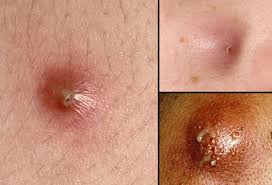
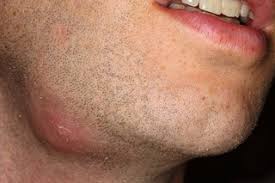
  • boils
Boils: Pictures on Skin, Causes, and Treatment
  • carbuncles
Carbuncles: Treatment, pictures, causes and symptoms - TODAY
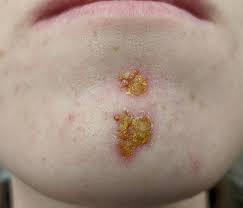
  • impetigo
Impetigo - Wikipedia
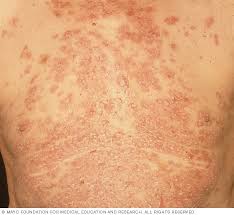
  • pemphigus neonatrum
Pemphigus - Symptoms and causes - Mayo Clinic
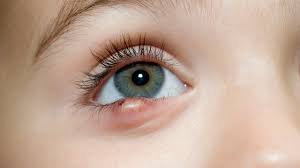
  • styes
Stye Symptoms and Treatment in Children
  • abscesses
Abscess - NHS
  • wound and burn infections
Treatment of Infection in Burn Patients - ScienceDirect

2. Deep infections

  • osteomyelitis
  • tonsillitis
  • pharyngitis
  • pneumonitis
  • endocarditis
  • empyema
  • bacteremia
  • septicemia
  • meningitis
  • sinusitis
The role of nasal carriage in Staphylococcus aureus infections ...

3. Food poisoning –

Staphylococcal food poisoning may follow 2-6 hrs after injestion of contaminated food that has preformed entertoxin.

Food Poisoning: Tummy Trouble | BusinessMirror

4.Nosocomial infections –

They are important cause of hospital acquired infections

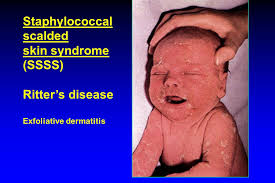
5.Skin exfoliative Diseases

  • These are produced by strains of Staph.aureus .
  • There is stripping of the superficial layers of skin from the underlying tissue .
  • They are Ritters disease ,pemphigous neonatrum,bullous impetigo.
  • Staphylococcocal scaled skin syndrome (SSSS) is the example. In this the toxin is spread systemically.
Nepal STAPHYLOCOCCUS n Staphylococcus causes diseases ranging from ...

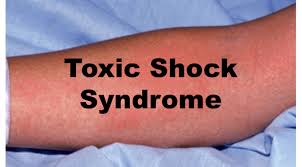
6. Toxic shock syndrome –

  • It is caused by TSST-1 ( toxic shock syndrome toxin ). This is characterised by high fever,hypotension, diarrhoea, scarletiniform rash,vomiting.
emDOCs.net – Emergency Medicine EducationStaphylococcal toxic ...
  • It is also associated with use of tampons by mentruating women which is rare.
Toxic shock syndrome is rare. Be vigilant but not alarmed

source – C P Baveja textbook of microbiology for dental students and google images

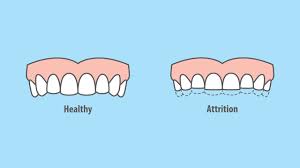
Tooth Attrition

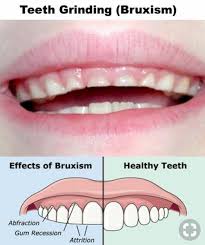
7 Common Reasons You Could Be at Risk for Teeth Grinding

Defined as physiological wearing away of tooth structure.

Biologically Based Restorative Management of Tooth Wear

This phenomenon is more physiological than pathological

🛑SITES OF OCCURRENCE-

  • occlusal surface
  • incisal surface
  • proximal surface

It is also associated with the aging process. More the older the person gets more it regresses

🛑MAIN CAUSE- Tooth to Tooth contact during Mastication

  • It is seen in deciduous as well as in permanent dentition.

🛑Types of attrition

🔸Physiological attrition: Attrition which occurs progressively during normal aging process as a result of masticatory occlusion. Usually a slow process through out life .

🔸Pathological attrition: This is a severe form of attrition that occurs as a result of abnormalities in occlusion ,chewing pattern and structural defects in teeth .

Examples are bruxism or clenching

Kids and Grinding

🛑AETIOLOGY

  • Abnormal chewing habits: Parafunctional chewing habits like Bruxism and chronic persistent chewing of coarse foods or other substances like tobacco.
  • In other occupations workers are exposed to an atmosphere of abrasive dusts e.g. silica
  • Amelogenesis imperfecta and dentinogenesis imperfecta in which the hardness of enamel and dentine is reduced and such teeth become more prone to attrition and is seen in children

🛑Clinical presentation –

  • Appearance of small polished facet on the cusp tip /ridge or slight flattening of the incisal edge
  • Sensitivity and pain : attrition may be entirely asymptomatic or there may be dentine hypersensitivity.
  • Tooth discoloration : attrition and erosion of the enamel exposes inner and darker dentine giving a yellower appearance
  • Compromised periodontal support leading to drifting of teeth
  • Altered occlusion due to decreasing occlusal vertical dimension

Men usually have more attrition than women as a result of greater masticatory force .

Also variations are seen with the coarseness in diet and chewing tobacoo

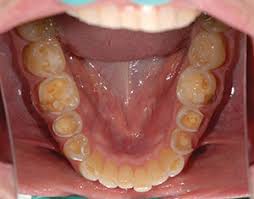
Bio-Rejuvenation Dentistry: Utilizing Nanohybrid Flowable ...
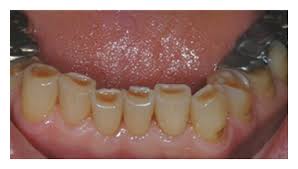
advanced attrition

Sources -textbook of oral pathology – shafers, slide share , pictures – google photos.