GANGLION OF HEAD AND NECK

A. Trigeminal Ganglion:

• Crescentric or seminlunar shaped sensory ganglion of 5th cranial nerve

• The ganglion lies on the trigeminal impression on the anterior surface of petrous part of temporal bone near it’s Apex and occupies a special place of duramater called the trigeminal or Meckel’s Cave.

• The central process of the ganglion cells form the large sensory root while the peripheral processes of the ganglion cells forms the three divisions of the trigeminal nerve.

B. Celiary Ganglion:

• Parasympathetic ganglion placed in course of the occulomotor nerve.

• It lies near apex of orbit between the optic nerve and tendon of the lateral rectus muscle.

• It has sensory , motor, and sympathetic roots.

i) The sensory root comes from nasociliary nerve. It contains sensory fibres from the eyeball.

ii) The motor root arises from occulomotor nerve. It carries preganglionic fibres from Edinger-Westphal nucleus to supply the sphincter pupillary and ciliaris muscle.

iii) The sympathetic roots carries postganglionic fibres of superior cervical ganglion to supply the blood vessels of eye ball and the dilator pupillary.

C. Pterygopalatine Ganglion (Spheno-palatine Ganglion):

• This is the largest parasympathetic peripheral ganglion.

• It lies in pterygopalatine fossa just below the maxillary nerve.

• Topographically it is related to MAXILLARY NERVE, but functionally it is connected to the FACIAL NERVE.

• The motor or the parasympathetic root is formed by the nerve of pterygoid canal. It carries preganglionic fibres of superior salibay nucleus through the nervus intermedius; facial nerve, and the nerve of pterygoid canal to reach the ganglion. The postganglionic fibres supply the lacrimal glands, mucous glands of nose, paranaska sinuses, the palate and the nasopharynx.

The sympathetic roots is also derived from nerve of pterygoid canal. It carries post ganglionic fibres of superior cervical sympathetic ganglion to supply the nose, the paranasal sinuses, the palate and the nasopharynx.

The sensory root comes from maxillary nerve and continues as branches of the nerve.

D. Submandibular Ganglion:

• Topographically it is related to LINGUAL NERVE but functionally it is connected to FACIAL NERVE.

• It is relay station for secretomotor fibres to the submandibular and sublingual glands.

• The parasympathetic preganglionic fibres that arise in the superior salivatory nucleus pass through the facial nerve, the chords tympani, and the lingual nerve to reach the ganglion.

• Post ganlionic fibres for the submandibular gland reach through branches of the ganglion. Post ganglionic fibres for the sublingual and anterior lingual gland are supplied through lingual nerve

• The sympathetic fibres carries the post ganglionic fibres of superior cervical ganglion to supply the submandibular and sublingual glands.

(Note: Sympathetic fibres pass through the submandibular ganglion without relay)

E. Otic Ganglion:

• Topographically it is related to MANDIBULAR NERVE, but functionally it is a part of the GLOSSOPHARYNGEAL NERVE.

• It is situated in the infratemporal fossa, just below the foramen ovale and surrounds the origin of nerve to medial pteygoid.

• The preganglionic Parasympathetic fibres from the inferior salivary nucleus are passed through the glossopharyngeal nerve, its tympanic branch, the tympanic plexus and the lesser petrosal nerve to reach the ganglion. The post ganlionic fibres reach the parotid gland through auriculotemporal nerve.

F. Geniculate Ganglion

• The geniculate ganglion is located on the first bend of the facial nerve. It is sensory ganglion.

• The taste fibres present in the nerve are peripheral processes of pseudounipolar neurons present in the geniculate ganglion.

(Note: The three ganglion associated with facial nerve are geniculate, submandibular and pterygopalatine)

SYMPHATHETIC GANGLION

G. Superior Cervical Ganglion

• It is spindle shaped and largest of all the three ganglia.

• It is formed by fusion of upper and cervical ganglia.

• Communications are with 9th, 10th, and 12th cranial nerves and with the external and recurrent laryngeal nerves.

H. Middle Cervical Ganglion

• Smallest cervical ganglion

• Formed by fusion of 5th and 6th cervical ganglia.

• Communications are through thyroid, tracheal, esophageal and middle cervical cardiac branches.

• It is connected with the inferior cervical ganglion directly and also through a loop that winds round the subclavian artery. This loop is Ansa Subclavia.

I. Inferior Cervical Ganglion

• It is often fused with the first thoracic ganglion and is known as cervicothoracic ganglion.

• It is also called the stellate ganglion because it is star shaped.

• It is formed by fusion of 7th and 8th cervical ganglia.

• Communications are through vertebral, subclavian and inferior cervical cardiac branches.

Source: Dental Pulse- MCQS for Dental PG Entrance Examinations. Volume 1 11th edition.
NEET MDS – How to prepare for General Medicine?

General Medicine is indeed a highly important and high weightage subject in NEET MDS Exam. It is one of the subjects which are common to both Medical and Dental Courses. Given below is the list of standard books to refer & most important topics covered under General Medicine which helps in your Preparation Planning.

Given below are the list of Questions MERITERS experts will answer that are essential for an effective and efficient preparation:

  1. What is the subject wise Weightage?
  2. Which Books to refer?
  3. How much Time should be allocated to the subject?
  4. How much Time should be allocated to each Topic?
  5. How many times should the subject be Revised?
  6. What is the Ideal time to Start the subject?
  7. What are the Important Topics for NEET MDS?
  8. Types of Questions asked?

What is the subject wise Weightage?

5-11/240 Questions (4%)

Standard books to refer:

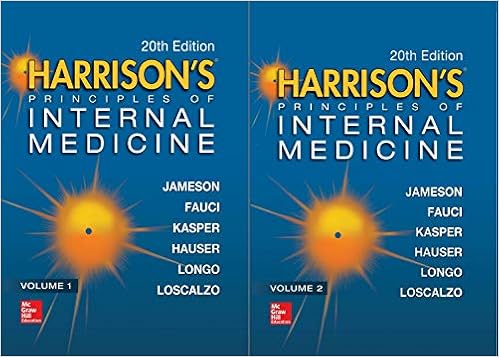
Harrison’s Principles of Internal Medicine

Author : J. Larry Jameson , Anthony S. Fauci, Dennis L. Kasper, Stephen L. Hauser, Dan L. Longo, Joseph Loscalzo

INR 8,637 Buy on Amazon

Davidson’s Principles and Practice of Medicine

Author : Walker

INR 1,876 Buy on Amazon

How much Time should be allocated for the Subject?

  • Theory reading – 4-6 Days
  • MCQ Practice- 10-15 Days

How much Time should be allocated to each Topic?

  • Theory reading – 4-6 Hours
  • MCQ Practice-  8-10 Hours

How many Times should the subject be Revised?

  • 4-8 times revision is required

What is the Ideal time to Start the subject?

  • 3rd quarter of the preparation 
  • After completing 10-12 subjects

General Medicine – Important Topics

UNITMOST IMPORTANT TOPICS
InfectionsBacterial infection Viral infection AIDS HIVHSVMiscellaneous
Central Nervous SystemEpilepsyParkinsonismFacial nerve palsyMiscellaneous
GIT, Liver And KidneyAcid Base BalanceHepatitis Nephrotic syndromeConn’s syndromeHelicobacter pylori Urinary Tract infectionDubin Johnson syndromeRenal calculiAppendicitisMiscellaneous Renal Failure
Hematology And EndocrinologyHaemophiliaAnaemiaLeukemiaThalassemiaDICMiscellaneous blood diseaseDiabetes mallitusHyperthyroidism and HypothyroidismHyperparathyroidism(ALSO RICKETS)Vitamin D diseaseTumor lysis syndromePheochromocytoma
Respiratory systemObstructive and Restrictive respiratory diseaseAsthmaCOPD Pneumonia TuberculosisRespiratory failure
Cardiovascular systemHeart failureMyocardial infectionValvular diseaseEndocarditis CPRMiscellaneous 

What Type of Questions were asked in NEET?

1. Single best answer

  • Case Based
  • Fact Based (Memory)
  • Concept based
  • Numerical/Value Based

2. Image based questions

3. True or false type questions

We hope this blog will assist you in preparing this subject meticulously for MDS entrance exams.
Prepare judiciously..

SOURCE: MERITERS!!

NEET MDS – How to Prepare for Physiology?

Physiology is among the most important topics from NEET MDS point of view as it forms the basic building blocks of some of the highly scoring and significant subjects such as Oral Medicine, Pathology and General medicine. The biggest challenge for students preparing for NEET MDS is that the students find themselves forgetting the topics they took days to finished. Here arises the biggest confusion as to which subjects should be approached when and how. The article aims to highlight the preparation strategy that must be followed when you are preparing for Physiology. Let us first take a look at list of standard books to refer & most important topics that you cannot afford to leave out at any cost.

Given below are the list of Questions MERITERS experts will answer that are essential for an effective and efficient preparation:

  1. What is the subject wise Weightage?
  2. Which Books to refer?
  3. How much Time should be allocated to the subject?
  4. How much Time should be allocated to each Topic?
  5. How many times should the subject be Revised?
  6. What is the Ideal time to Start the subject?
  7. What are the Important Topics for NEET MDS?
  8. Types of Questions asked?

What is the subject wise Weightage?

8-12/240 Questions (4%)

Standard books to refer:

Ganong’s Review Of Medical Physiology

Author : Barrett 

INR 1,221 Buy on Amazon

Guyton & Hall Textbook of Medical Physiology

Author : Mario Dr. Vaz, Tony Dr. Raj, Kurpad Dr Anura

INR 1,495 Buy on Amazon

How much Time should be allocated for the Subject?

  • Theory reading – 4 Days
  • MCQ Practice- 10-15 Days

How much Time should be allocated to each Topic?

  • Theory reading – 3-4 Hours
  • MCQ Practice-  5-8 Hours

How many Times should the subject be Revised?

  • 4-6 times revision is required

What is the Ideal time to Start the subject?

  • 3rd quarter of the preparation 
  • After completing 13-14 subjects

Physiology – Important Topics

UNITMOST IMPORTANT TOPICS
GIT and liverSaliva, oesophagus and stomach 
Pancreatic secretions 
Gall bladder and bile 
Small and large intestine 
Digestion
Respiratory systemTransport of gases 
Oxygen dissociation curve 
lung volume and capacities 
Hypoxia 
Regulation of breathing and respiratory failure 
Surfactant and miscellaneous
Renal systemRenal system an overview
Muscles and Neuromuscular junctionTypes of nerve fibers 
Muscle spindle and Golgi tendon 
Nerve conduction and NM junction 
Nerve injury
Cardiovascular systemElectrical activity of heart 
Heart as a pump 
Blood pressure 
Cardiovascular regulatory mechanism 
Circulation through special regions
Central nervous systemCentral nervous system an overview
HematologyBlood an overview(add absorption increasing factors)
Anaemia
EndocrinologyReceptors and secondary messengers 
Calcium metabolsm and Parathyroid gland 
Pancreatic hormones 
Pituitary gland 
Thyroid and Adrenal gland 
Other hormones including reproductive hormones
General PhysiologyCell membrane 
Transport across cell membrane 
Genral Physiology and Body fluids 
Cell organells 
Extracellular matrix

What Type of Questions were asked in NEET?

1. Single best answer

  • Fact Based (Memory)
  • Concept based
  • Numerical/Value Based

2. Image based questions

3. True or false type questions

Please watch the above featured video for more detailed explanation about this article.

We hope this blog will assist you in preparing this subject meticulously for MDS entrance exams.
Prepare judiciously..

SOURCE: MERITERS!!

Minimal Invasive Dentistry

– current approach in dentistry in Covid state

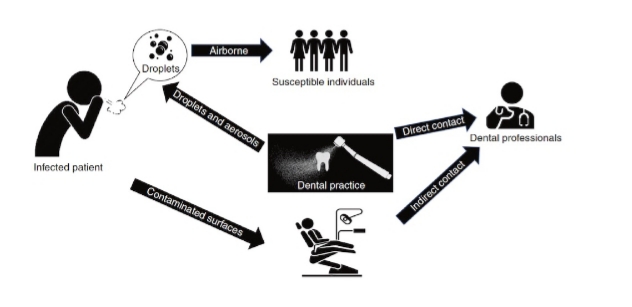
Amidst the pandemic state with the high transmissibility of the disease through air & droplets and considering that routine dental procedures usually generate aerosols; alterations to dental treatment is of prime concern to maintain a healthy environment for patient & dental team.Here is where the approach of performing minimally invasive dental treatment becomes crucial.

Risks of infection – Human-to-human transmission

What is minimal intervention dentistry?

Minimal intervention dentistry( MID) is a conservative philosophy of professional care concerned with first occurrence,early detection & earliest possible cure of caries at a micro level ; followed by minimally invasive and patient friendly treatment to repair irreversible damage caused by dental caries.

Goals & Principles:

.Early diagnosis of dental caries

.Assessment of individual caries risk

.Disease control by remineralisation of incipient carious lesions.

.Repair rather than replacement of defective restorations

.Minimal invasive treatment

.Periodic follow up.

Caries diagnosis:

Includes early diagnosis & caries risk assessment

Early diagnostic aids
Factors relevant in caries risk assessment

Procedures:

Non invasive procedures: Biological approach

Remineralising agents

Minimal invasive treatments:

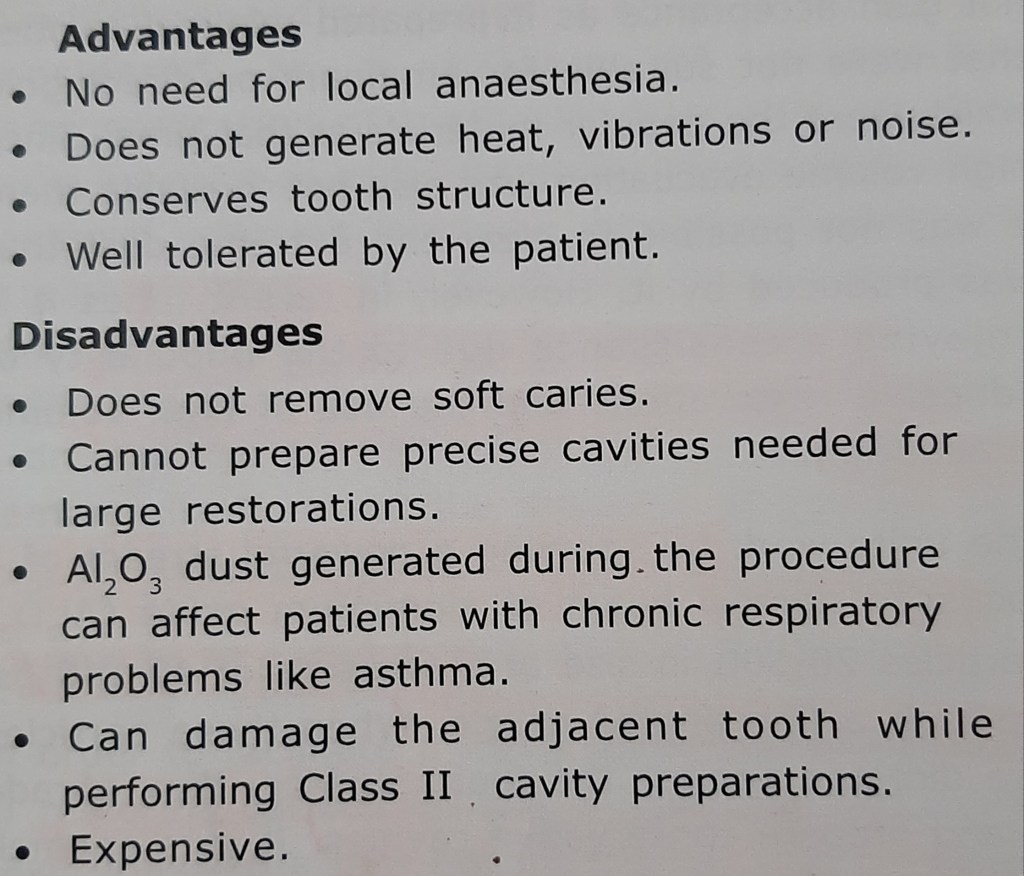
1)Air abrasion

Indications-

.for abrading the surface of old composites prior to new restoration ; minimal class I & class II preparations for composites ; for abrading ceramic or cast restorations for bonding ; for widening pits & fissures for sealants.

2) Sono Abrasion

Indications-

.opening pits & fissures for sealant restorations ; minimal preparation of incipient class II cavities

3) Chemicomechanical Caries Removal (CMC)

Carisolv – 2 syringe system ,one containing NaOCl & other with 3 amino acids (glutamic acid,leucine ,lysine); carboxymethylcellulose gel;NaCl,NaOH;Erythrosine.The contents are mixed together to form a pink gel which is applied onto carious dentin and left in place for 30 seconds to allow it to soften & degrade the infected dentin.

Advantages – relatively painless, removes only carious dentin, no vibrations,better substrate for adhesive bonding

Disadvantages- expensive, time consuming

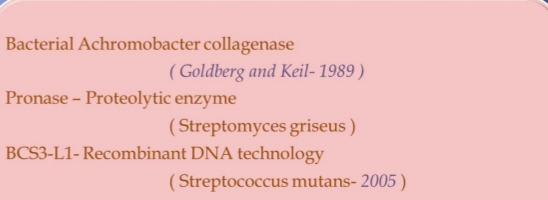
4)Enzymes

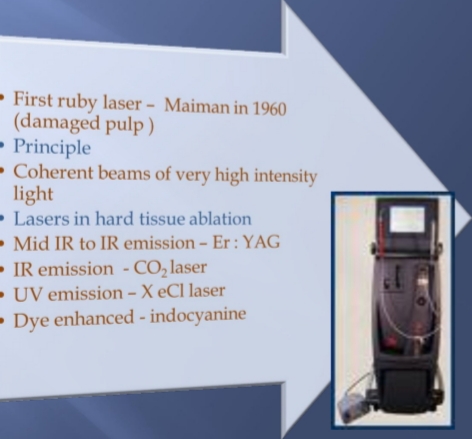
5)Laser

2 commonly developed lasers-

.Er:Cr:YSGG(2780 nm)- Erbium,Chromium,Yttrium,Scandium,Gallium,Garnet laser – works by agonizing water droplets as they travel towards the target tissue.

.Er:YAG(2940nm)-Erbium,Yttrium,Scadium,Aluminum,Garnet laser – uses pulses of light energy to micro vaporize water within the target tissues.

6)Ozone

Caries treatment with ozone – based on Niche environment theory .Ozone kit consists of portable apparatus & disposable silicon cups. Follow up 3-6 months.

Disadvantages – can cause porosities or abrade tooth surface ,in case of heavy exposure.

Other techniques (in brief):

7)Atraumatic restorative treatment (ART)

8)Rotary instruments

Cavity designs for minimal tooth preparation:

According to the new classification based on site,size & severity of lesion,following are the designs –

Pit & fissure sealants;Preventive Resin Restorations (PRR)
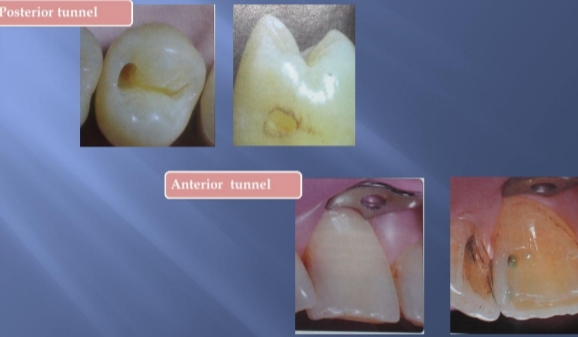
Tunnel preparations
Slot preparations

Restorative materials used in minimal invasive dentistry :

Conclusion:

Minimal intervention techniques cause less tooth destruction than conventional techniques,thus increasing the long term survival of teeth ,also cause less discomfort to the patient and ensure healing of the disease not only the symptoms. With a reduction in chair side time and simplified techniques there is lesser chances of exposure of the dentist to aerosol contamination,thus maintaining which is the need of the hour.

Systemic Implications in Dental practice

Cyclosporine therapy may cause gingival hyperplasia

Gingival growth occurs in patients taking phenytoin.

Patients with cardiac disease should receive dental treatment in minimal stressful environment. Anxiety,exertion and pain should be minimized.

Irregular pulse, engorged jugular veins and tachypnea may indicate the presence of cardiac disease.A history of hypertension, ischemic heart disease or any other cardiac problem particularly congenital heart disease and drug intake (anticoagulant, aspirin) should be sought.Angina may present as pain in the mandible, teeth and other oral Tissues Epinephrine in the local anesthesia may raise the blood pressure and precipitate dysarrhythmias.In patients with IHD, facilities for medical help, oxygen and nitroglycerine should be Available General anesthesia should be avoided for at least three months in patients with recent onset angina

Patient’s with Cushing’s syndrome more prone to get infections.(candidiasis)

Elective dental surgery should be deferred for 6 months following acute MI.Prophylaxis for infective endocarditis is mandatory in cases where there is a risk.Cardiac patients on anticoagulant drugs or aspirin are at increased risk of bleeding following dental procedures.Hence, these drugs should preferably be stopped a week before the procedure.Calcium channel blockers may cause gingival swelling and lichenoid lesions in the oral cavity. ACE inhibitorscan cause loss of taste, burning sensation in oral cavity,and angioedema. Dry mouth can result due toantihypertensive drugs such as d

Rifampicin can cause red saliva.

Elective dental care is avoided in patients with acuterenal failure

Elective dental procedures are better tolerated on non-dialysis days

Blood pressure measurement is advised at every visit.

Brown to black macular pigmentation in oral mucosa can be suspected for Addison disease.

Gonorrhea may present uncommonly with oral manifestations like tonsillitis, lymphadenitis, and painful oral and pharyngeal ulcers.

Oral manifestations in peptic ulcer disease are rare.However erosive dental lesions could be appreciated on lingual surface of lower incisors or palatal surface of upper maxillary teeth.