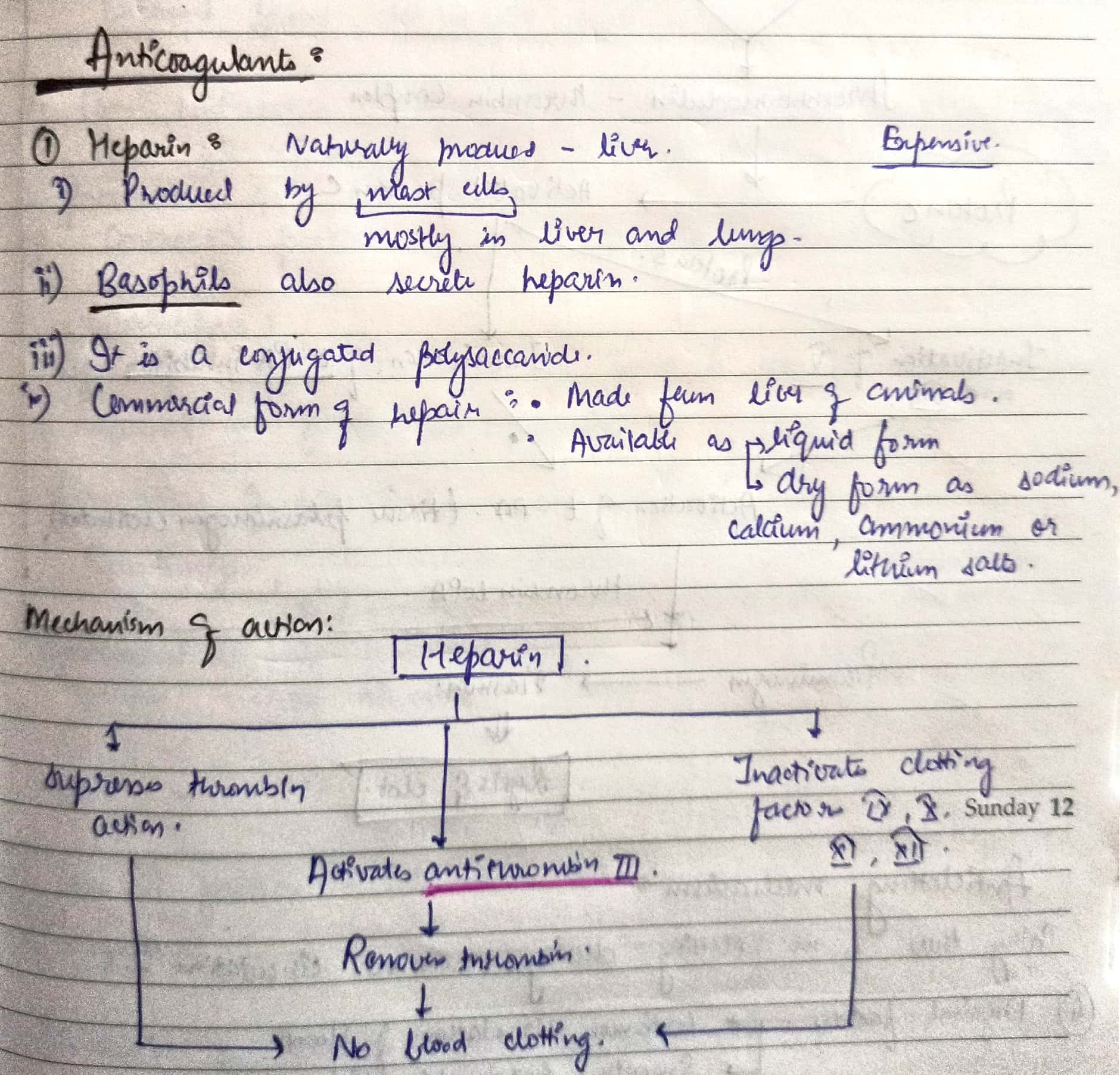
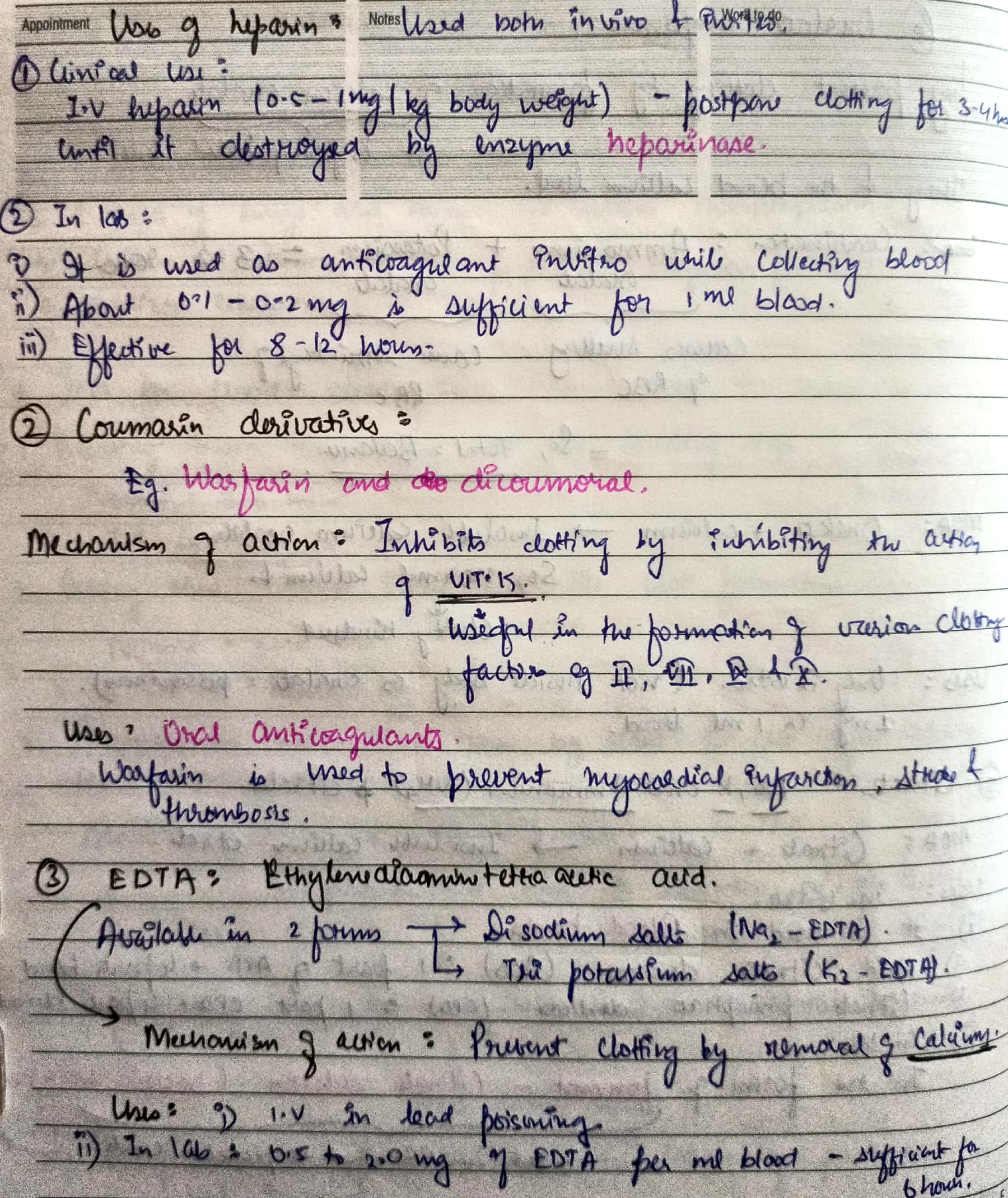
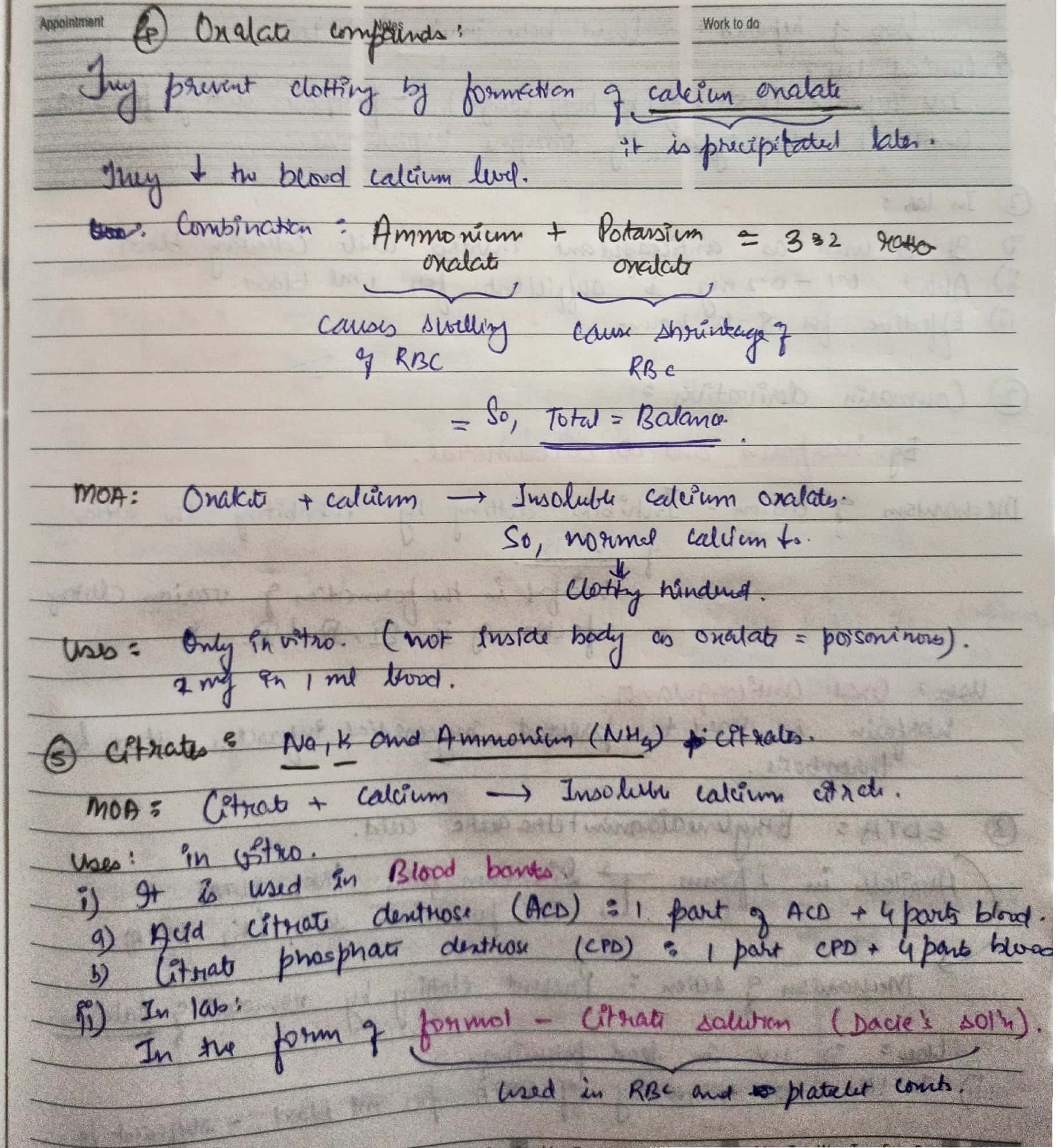
Sources : Sembulingam (Textbook of physiology)
Clotting mechanism – Enzyme cascade theory
Clotting – It is defined as the process in which blood looses it’s fluidity and becomes a jelly like substance few minutes after it is shed out.
Sequence of clotting mechanism – Enzyme cascade theory:
Cascade is a process that occurs through a series of steps , each step initiating the next until the final step is reached.
Stages of blood clotting :
- Formation of prothrombin activator
- Conversion of prothrombin into thrombin
- Conversion of fibrinogen into fibrin

Sources – Sembulingam (Textbook of physiology)
Image source – Google images
Odontogenic Infections
Written by - Dr.Urusa I Inamdar
An odontogenic infection is an infection of the alveolus,jaws, or face that originates from a tooth or from its supporting structures and is one of the most frequently encountered infections.
Causes
- dental caries
- deep fillings
- failed root canal treatment
- periodontal disease
- pericoronitis
Localised and spreading of odontogenic infection
infections have the potential to spread to other areas of the maxillofacial region and beyond through tissue planes and bloodstream.
A spreading odontogenic infection presents with varying degrees of facial swelling , trismus and pain , and can be life threatening.
Signs and symptoms
- pain in the oral cavity and jaws
- Swelling
- mobile tooth
- tenderness on biting or tapping on the affected tooth
- Pain on Palpation of the surrounding gum
- spontaneous drainage of pus
Red Flag suggestive of
- Difficulty in speaking , swallowing and breathing
- Dehydration
- Trismus
- Pyrexia
- Raised tongue and floor of the mouth , drooling
- Tachycardia and tachypnoae
- Hypotension
- Increased white blood cell count
- Lymphadenopathy
- Periorbital cellulitis
Clinical presentation
- Dentoalveolar infection– swelling of the alveolar ridge with periodontal, periapical and subperiosteal abscess.
- Submental space infection– firm midline swelling beneath the chin, caused by infection from the mandibular incisor.
- Submandibular space infection– swelling of the Submandibular triangle of the neck around the angle of the mandible, caused by mandibular molars infection.
- Sublingual space infection– swelling of the floor of the mouth with possible elevation of the tongue and dysphagia.
- Retro pharyngeal space infection– stiff neck, sore throat, dysphagia and raspy voice, caused by the infections of the molars. It has high potential to spread to the mediastinum.
- Buccal space infection– swelling of the cheek caused by infection of premolars and molars.
- Masticator space infection– swelling on either side of the mandibular ramus, caused by infection of the mandibular third molars. Trismus is present.
- Canine space infection– swelling of the anterior cheek with loss of the nasolabial fold and possible extension to the infraorbital region.
Complications of odontogenic Infections
- respirtory obstruction
- Sepsis
- Endocarditis
- Pericarditis
- Necrotising fascitis
- descending mediastinitis
- spondylitis
- brain abscess
- cavernous sinus thrombosis
- thoracic empyema
- pleuropulmonary suppuration
- aspiration pneumonia
- pneumothorax
- mandibular or Cervical osteomyelitis
- abscess of the carotid sheath and jugular thrombophlebitis
- hematogenous dissemination to distant organs and coagulation abnormalities.
References
- Ogle OE . Odontogenic Infections. Dent Clin North Am.
- gskpro.com ( Understanding Odontogenic Infections and its complications )
- Shafer’s Textbook of Oral Pathology ( 7th edition )
Chair side positions in dentistry
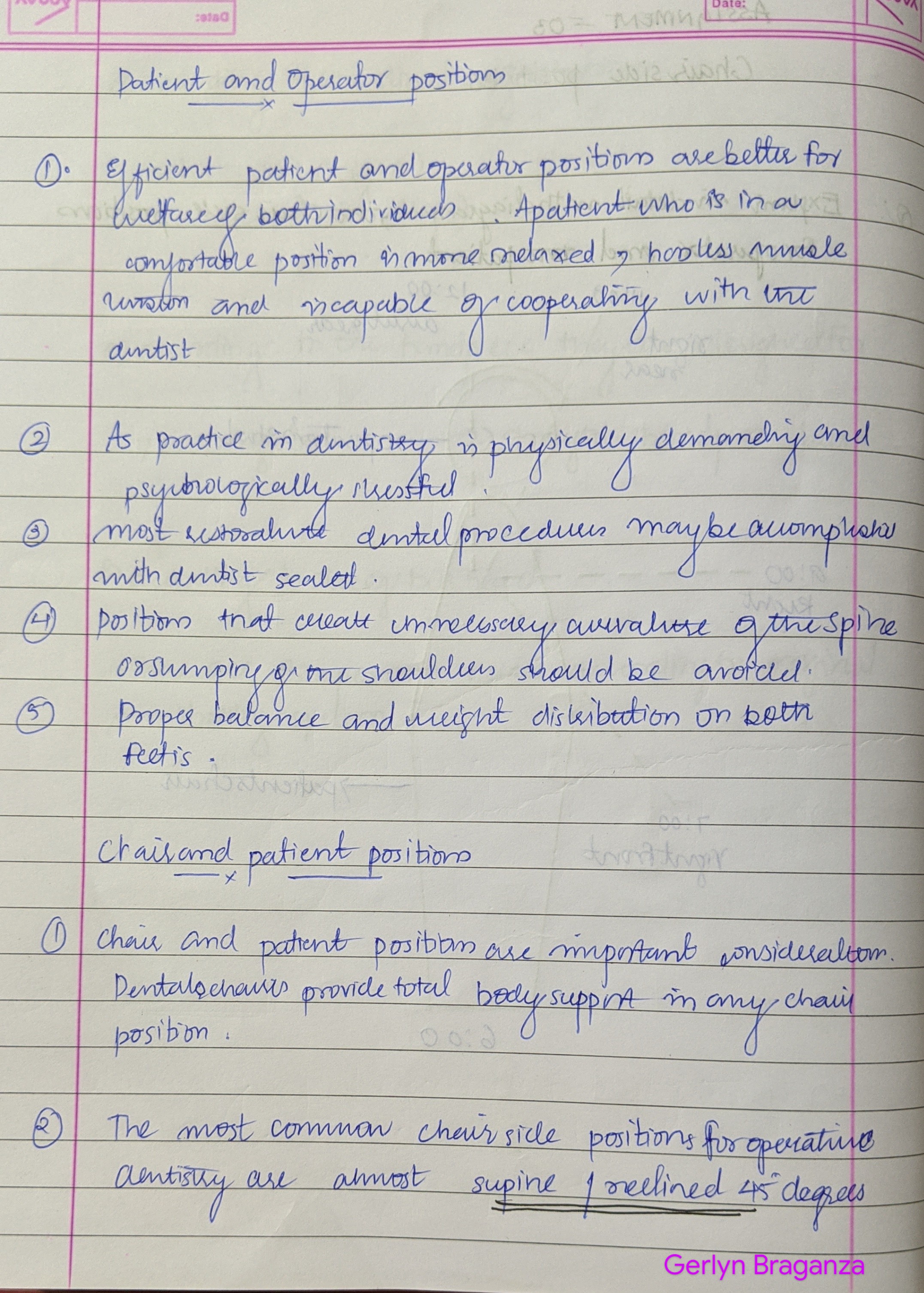
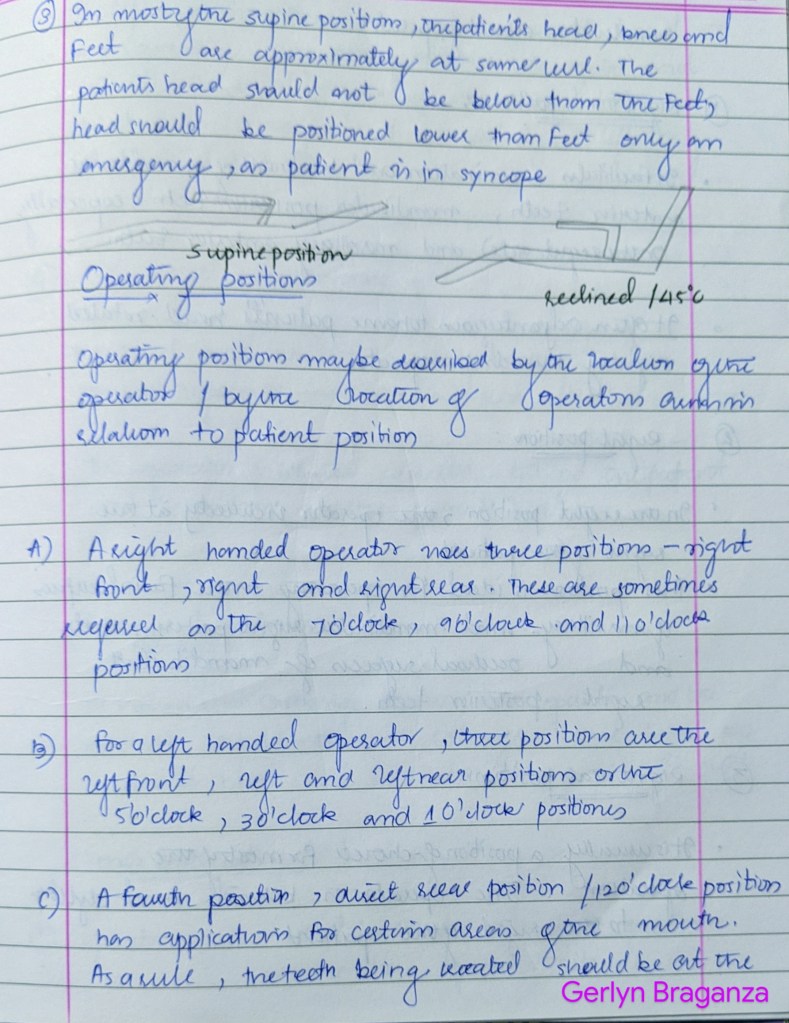
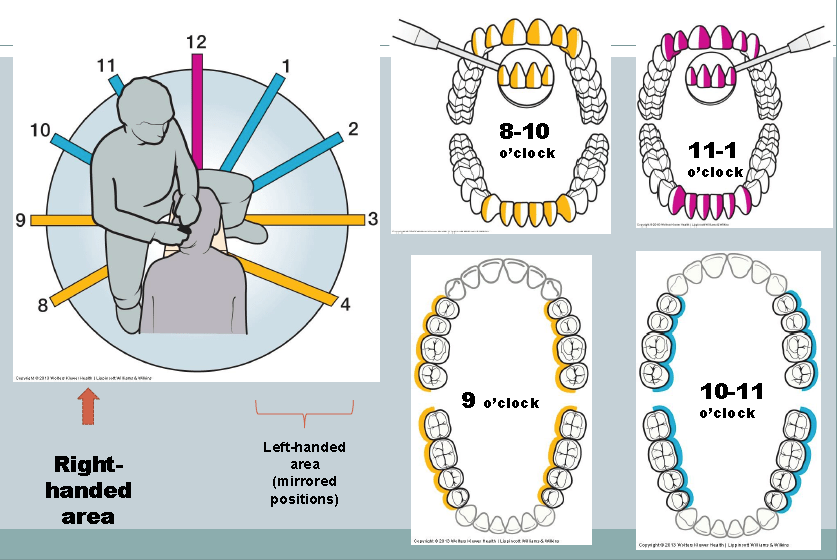
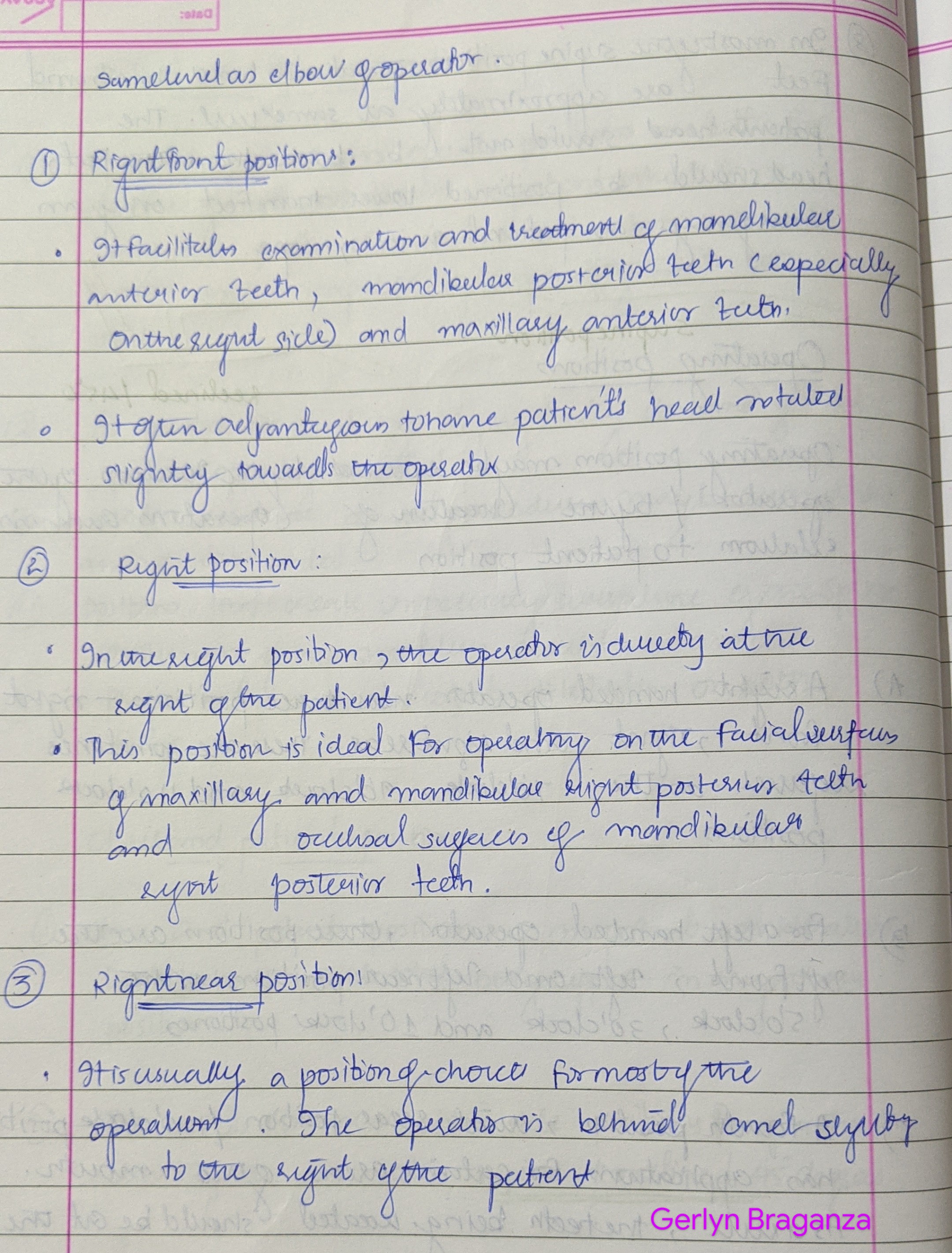
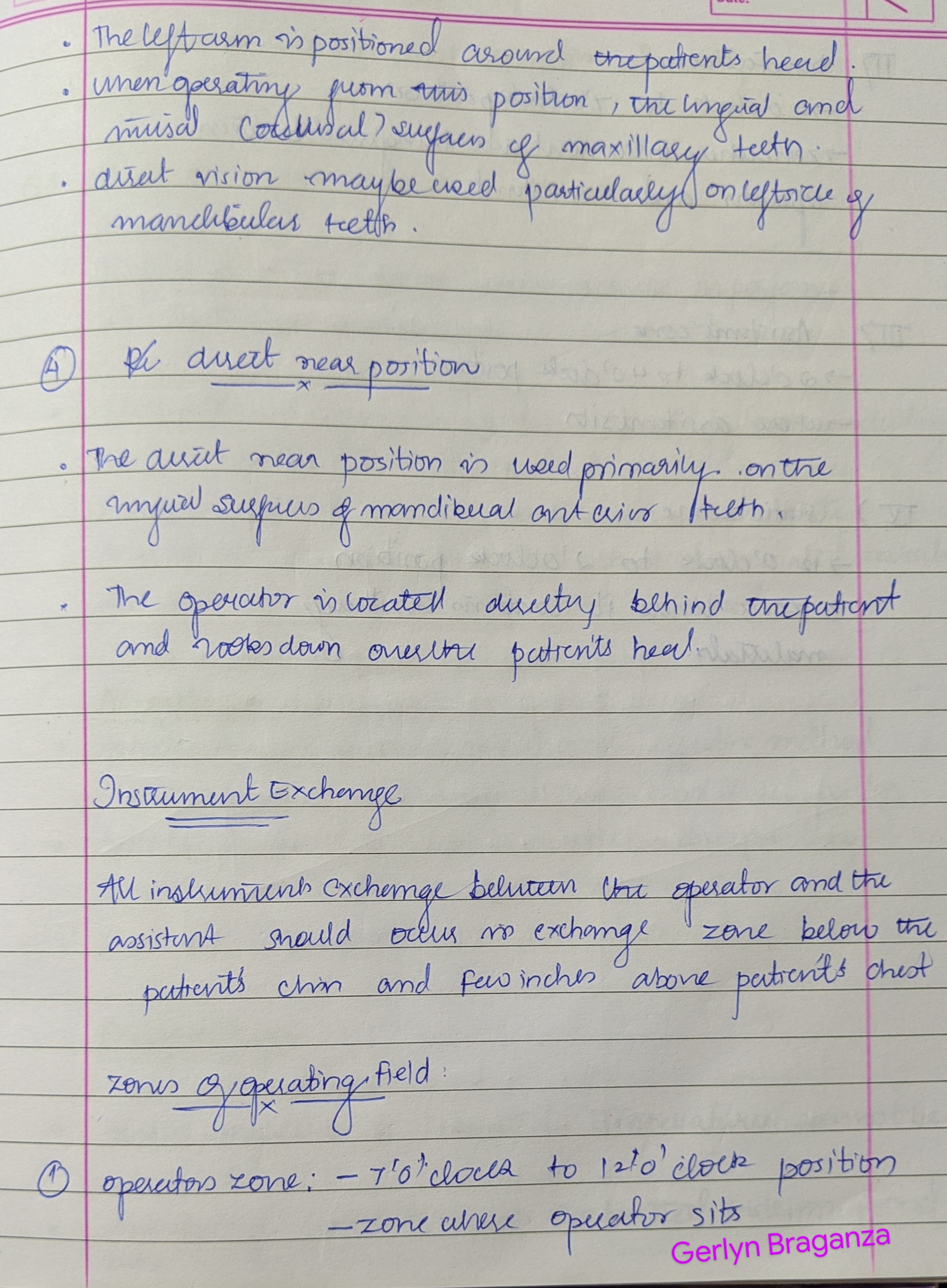
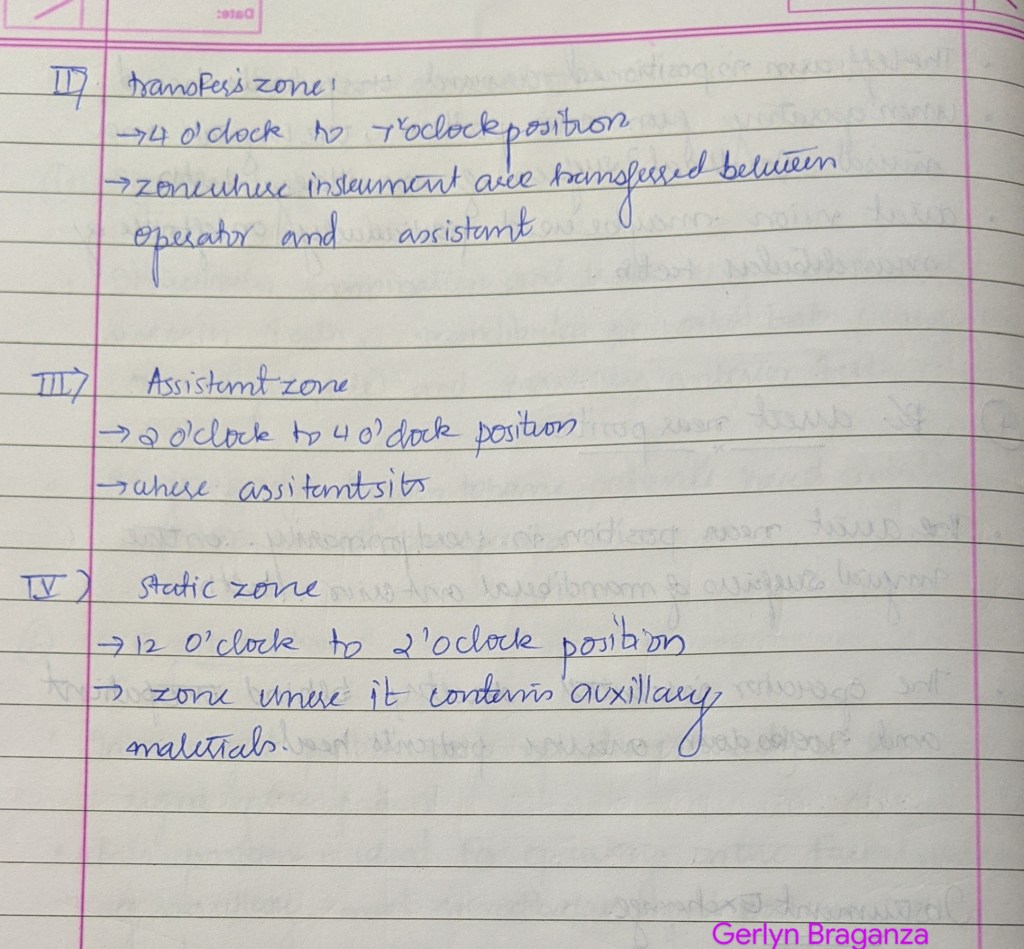
Source – Sturdevant’s art and science of operative dentistry
SYNCOPE
Vasovagal Syncope
Common faint
🔹Predisposing factors:
- Hot/crowded enviornment
- Fatique
- Pain
- Prolonged standing
- Hunger, emotional
🔹Pathophysiology:
Prolonged standing
⬇️
⬇️ filling of Ventricle
⬇️
Venous pooling
⬇️
⬆️ sympathetic activation
⬇️
contraction of Ventricle
⬇️
Stimulation of Myocardial mechanoreceptors & vagal afferent fibers
⬇️
Vasodilation & Bradycardia
⬇️
Hypotension & Syncope
🔹Management:
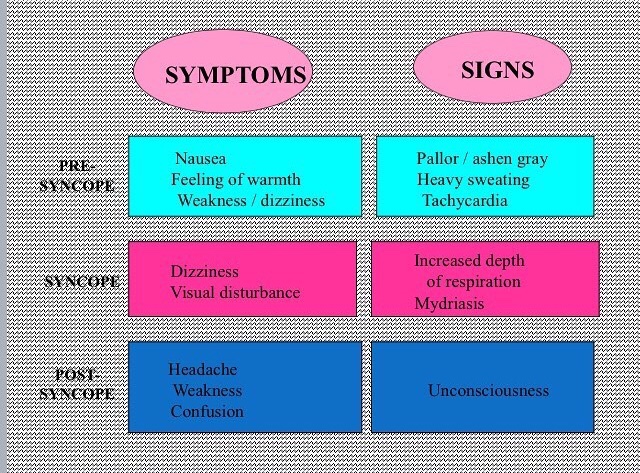
•Stop the procedure
•Patient placed supine with legs slightly elevated
•Muscular movements, aids the return of blood from periphery
•If thought necessary, oxygen may be administered, using full-face mask or nasal hood.
•An ammonia ampule may be crushed and held under patient’s nose.
•Postponement of dental procedure.
Dr. Mehnaz Memon🖊
References: Practical medicine guide by PJ Mehta; Internet
Corrosion
What is corrosion ? And what are its different types ?

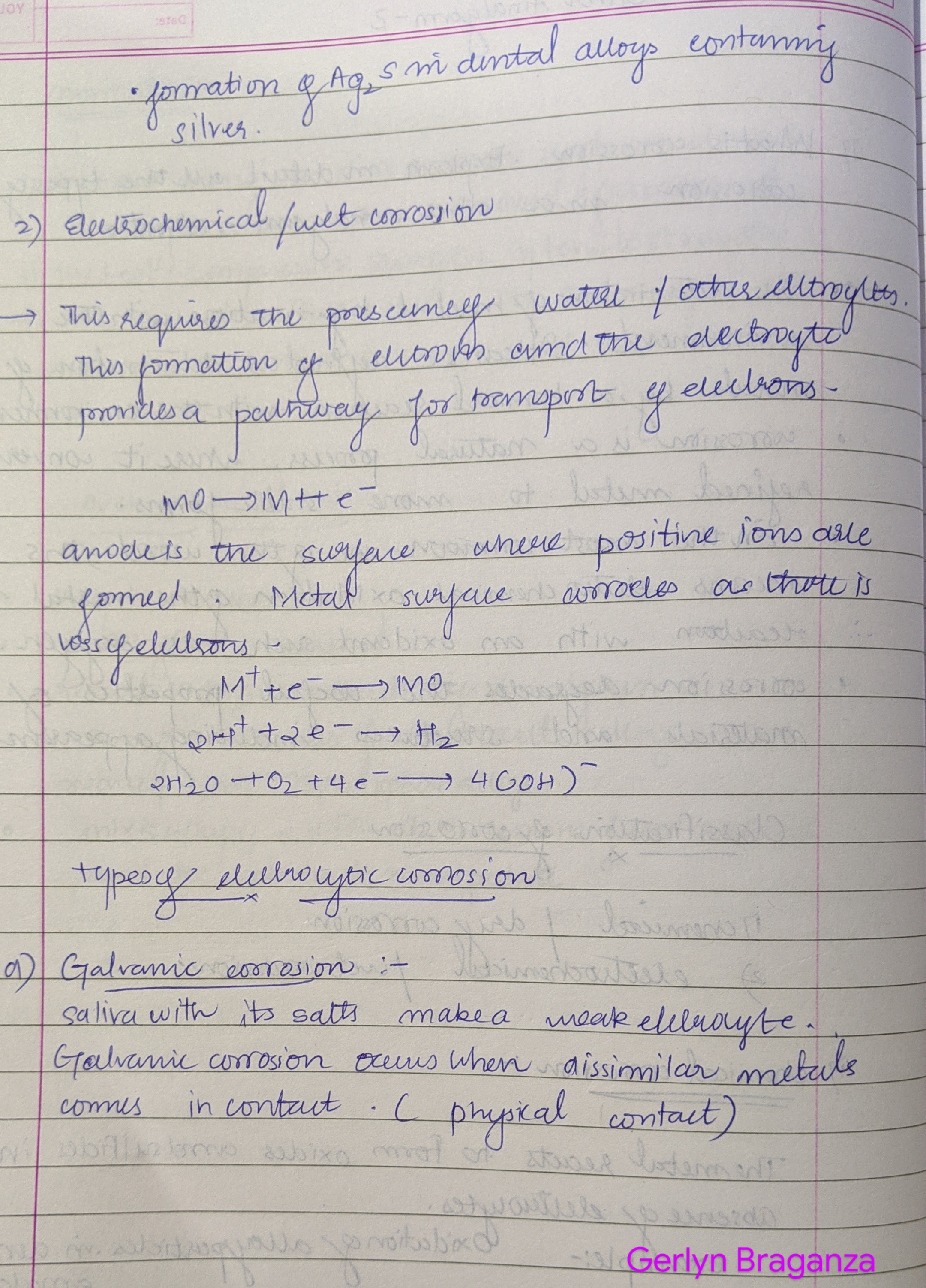


Source – basic science of dental materials ( manappallil) and philips
DENTAL WAX

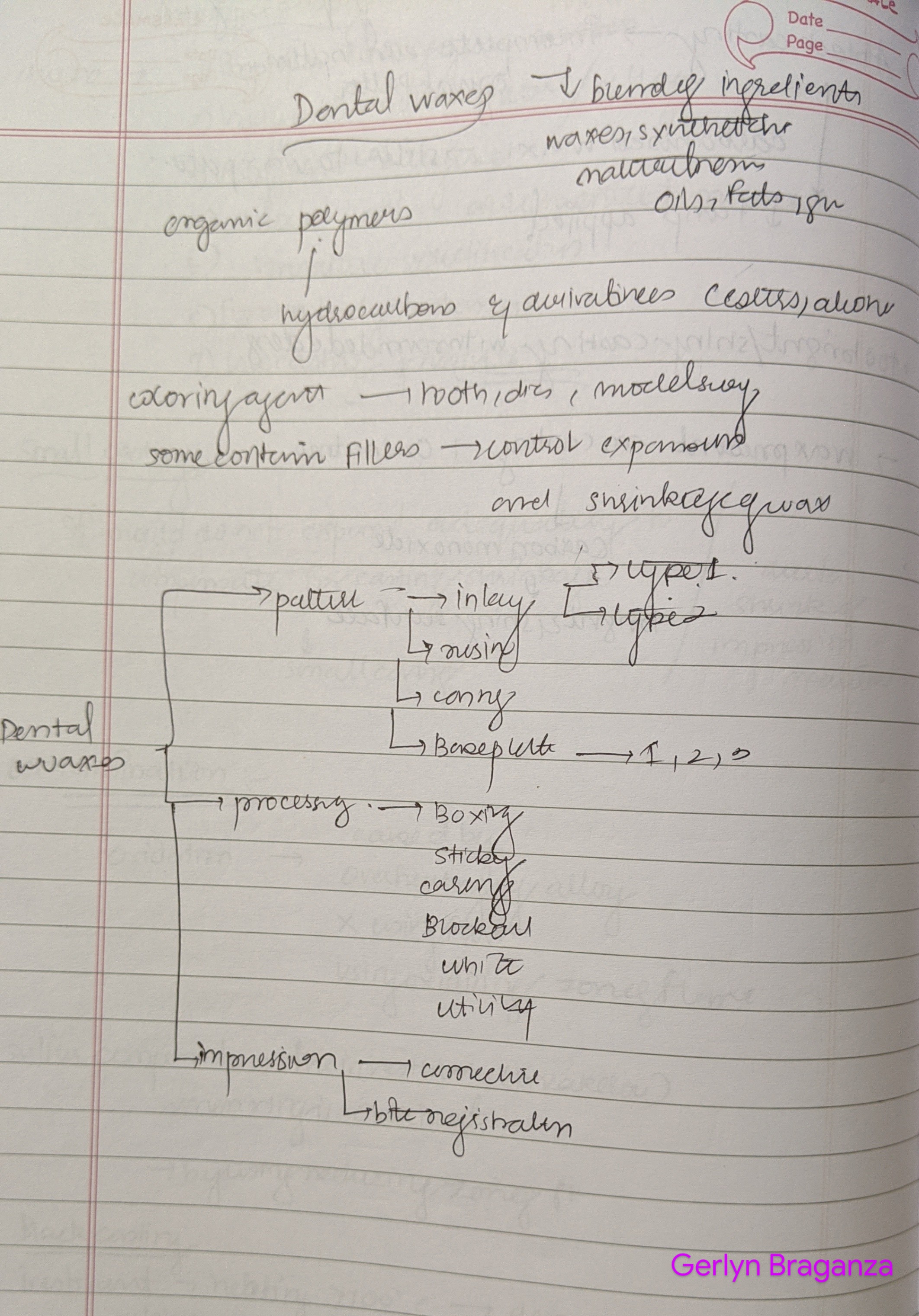


Source – philps science of dental materials and manapalil
AIDS (part 1)

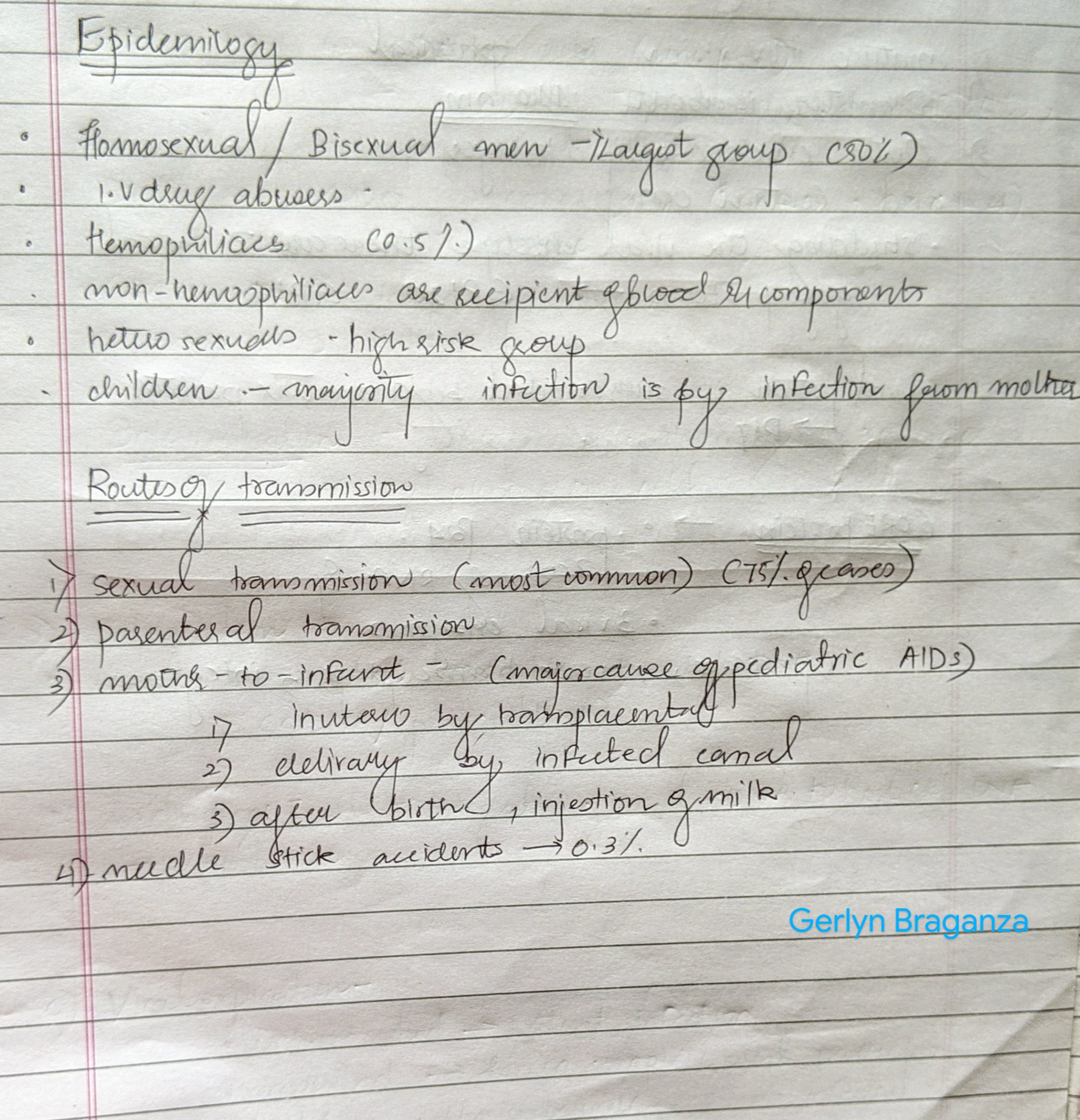


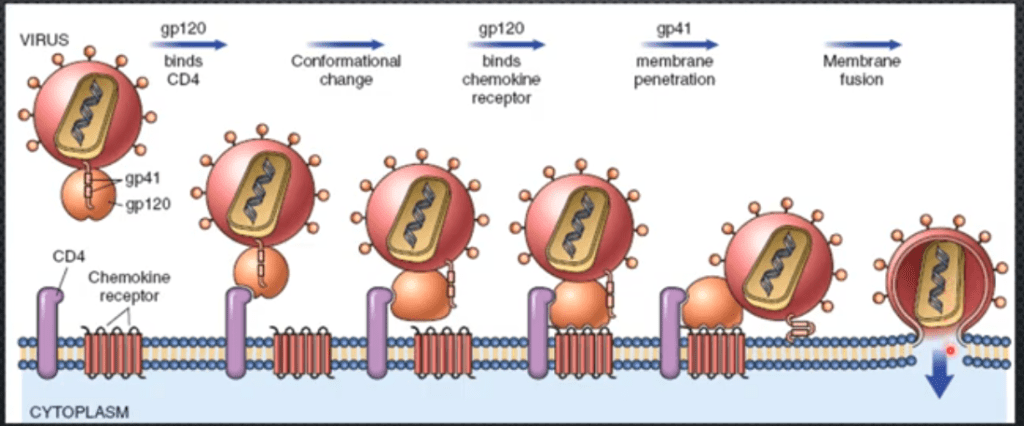


Source – textbook of pathology harshmohan
AIDS (PART 2 )
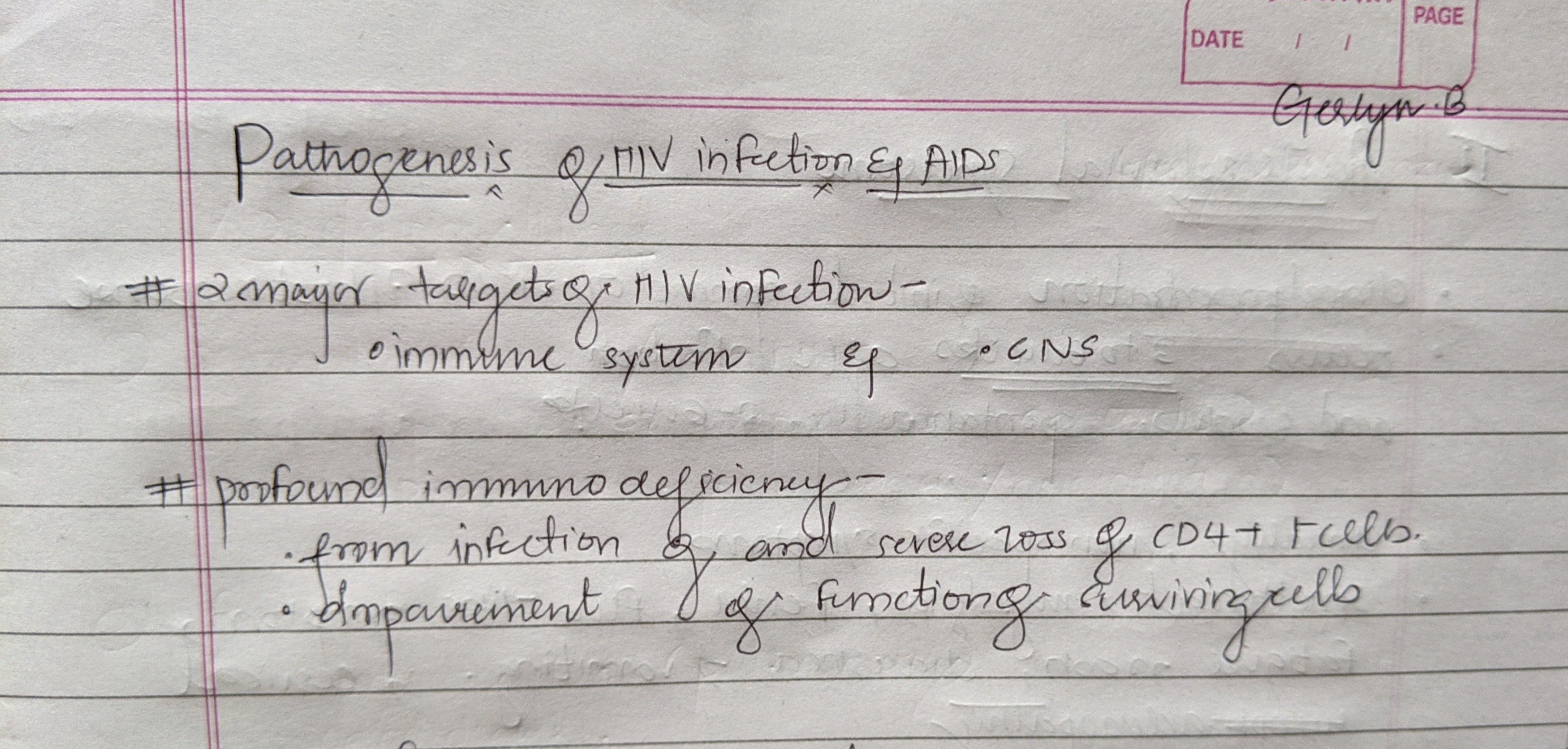
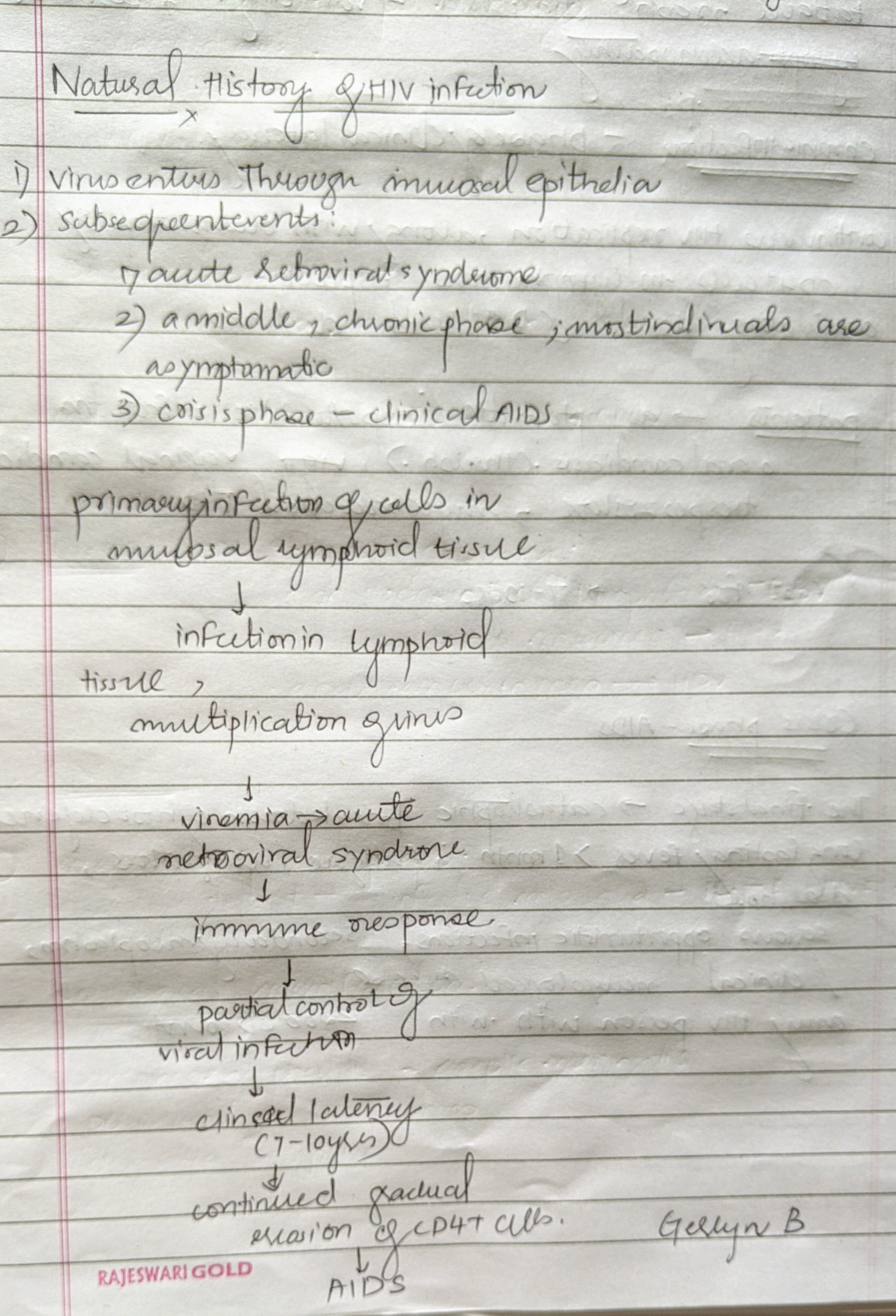
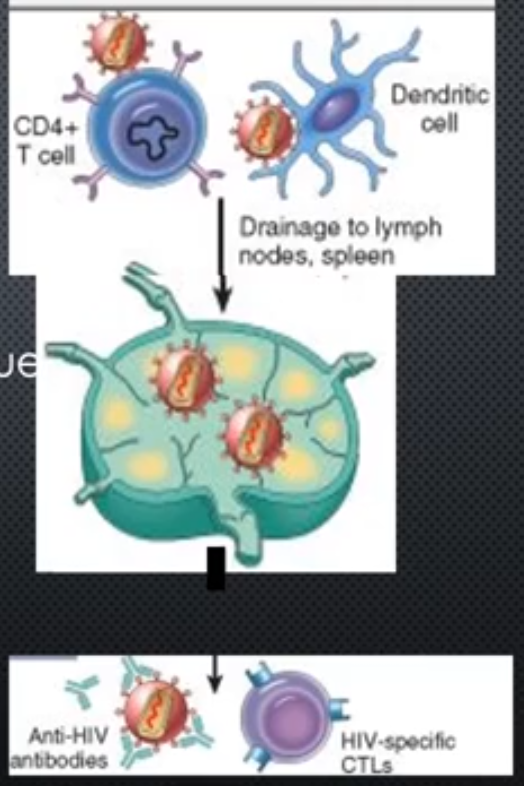

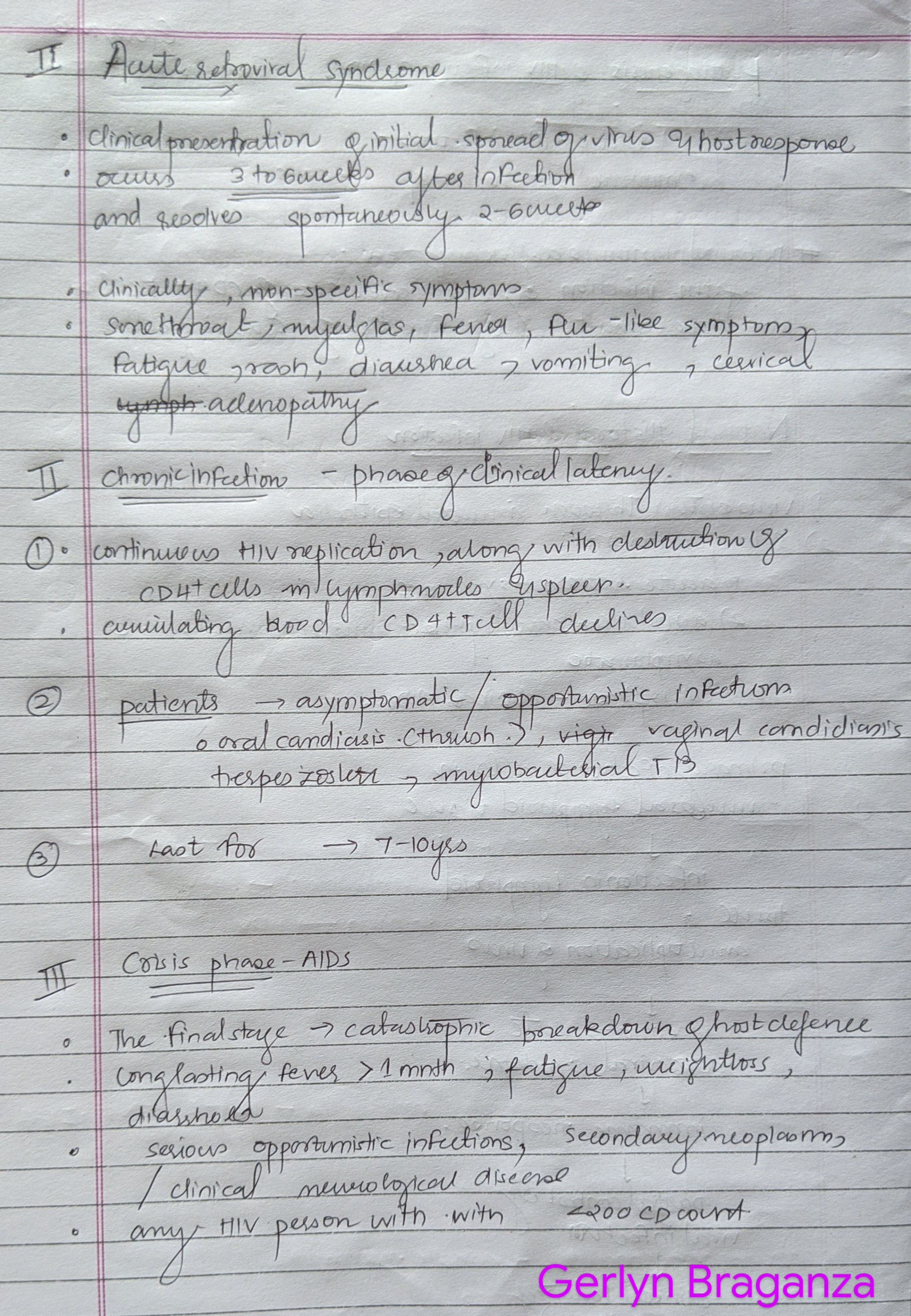
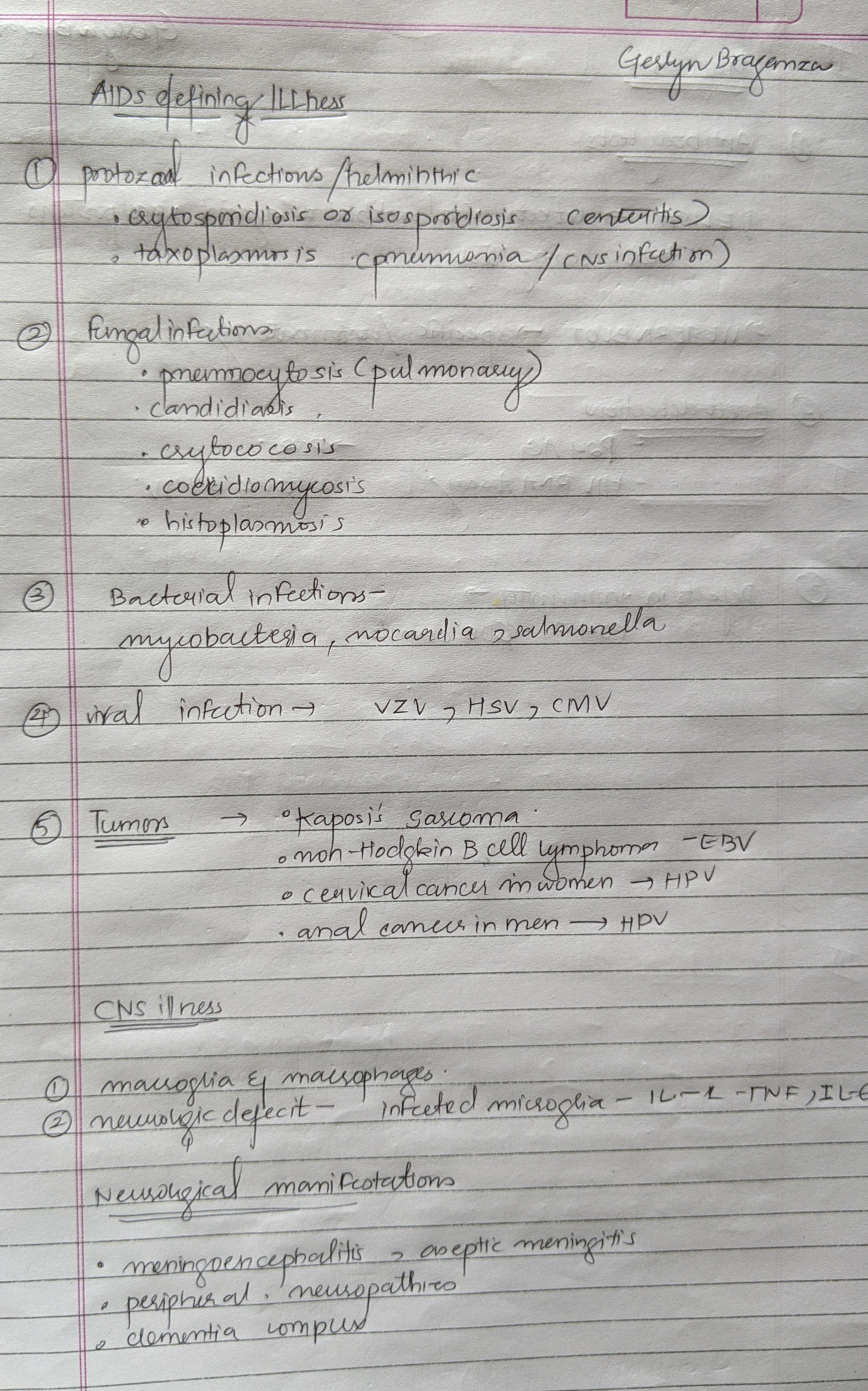
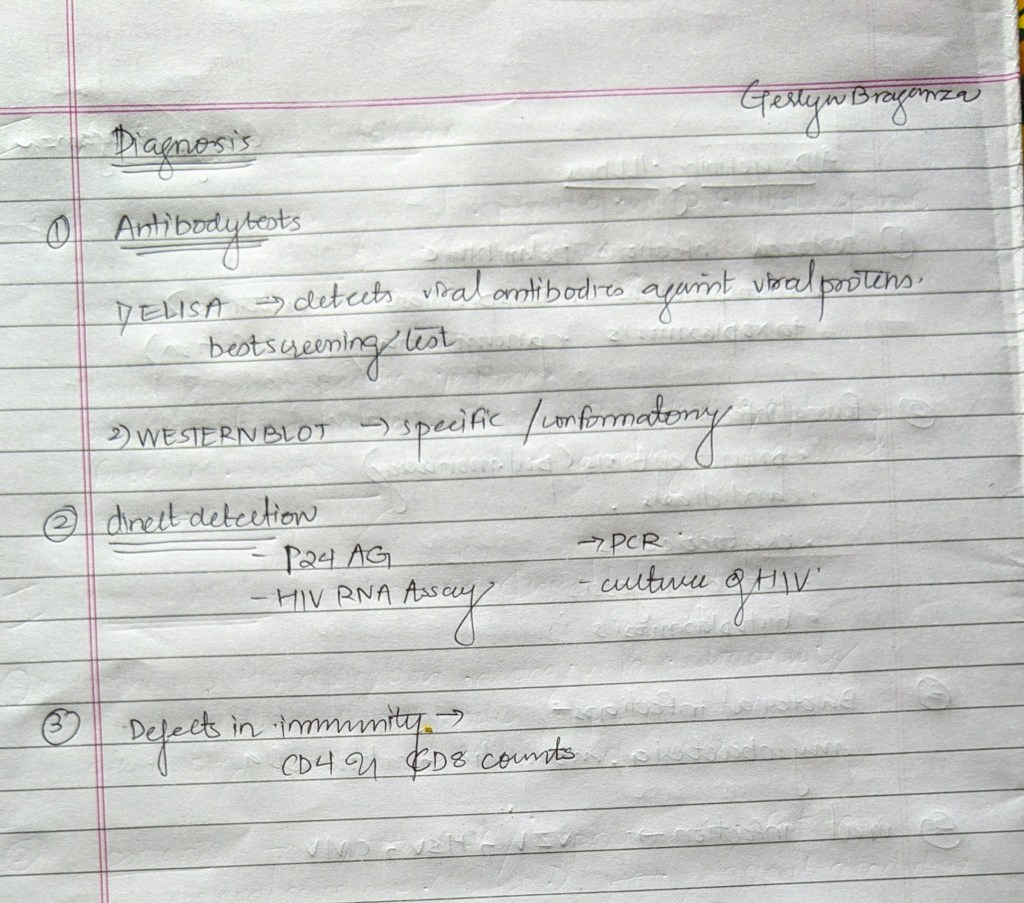
Source – textbook of pathology ( Harsh Mohan)
Fundamentals of cavity preparation for amalgam (part 2)


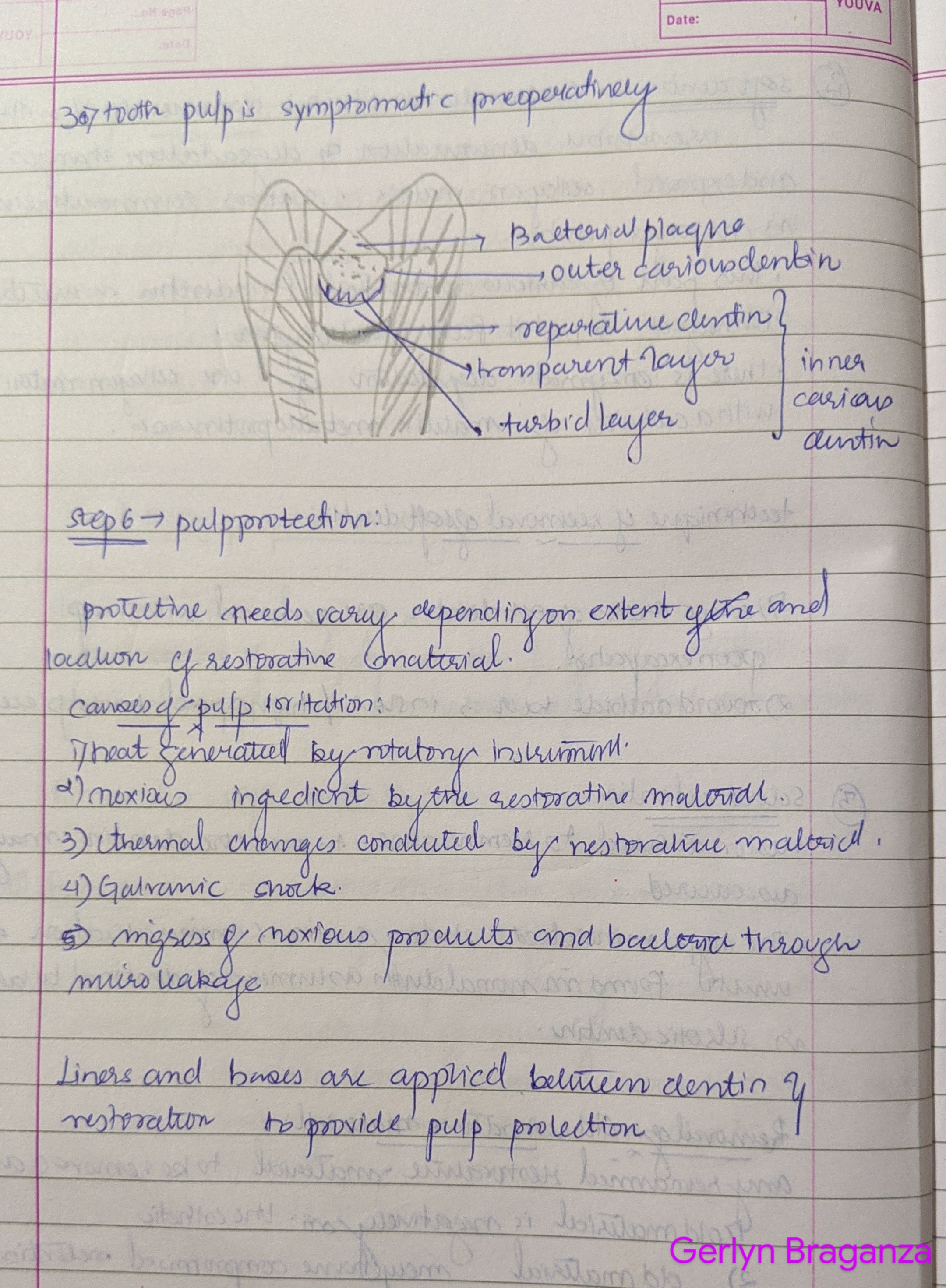
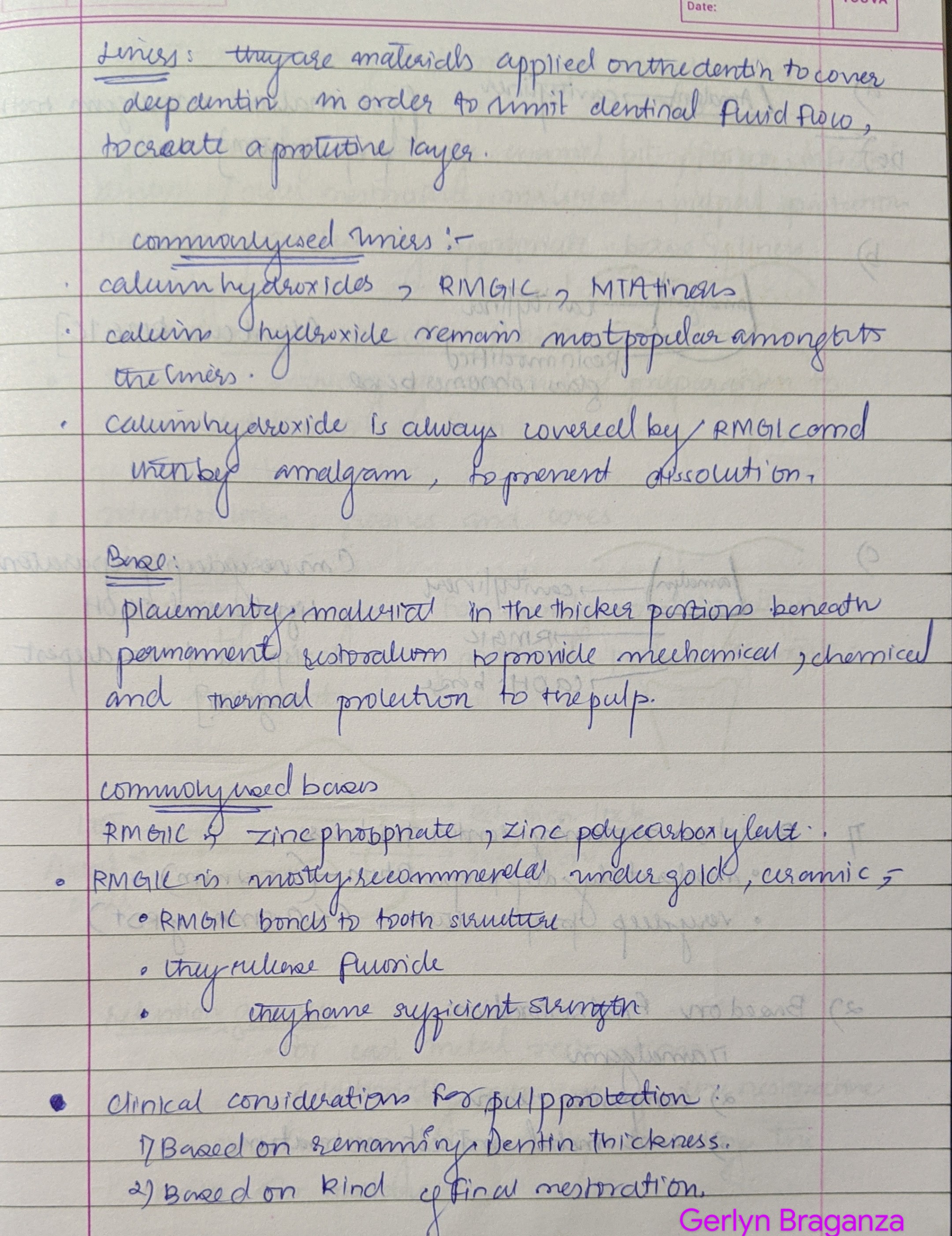


Source- Sturdevant’s art and science of operative dentistry

