Source Rangarajan textbook
Source Rangarajan textbook

Source – Rangrajan Text book

Source – Rangrajan textbook
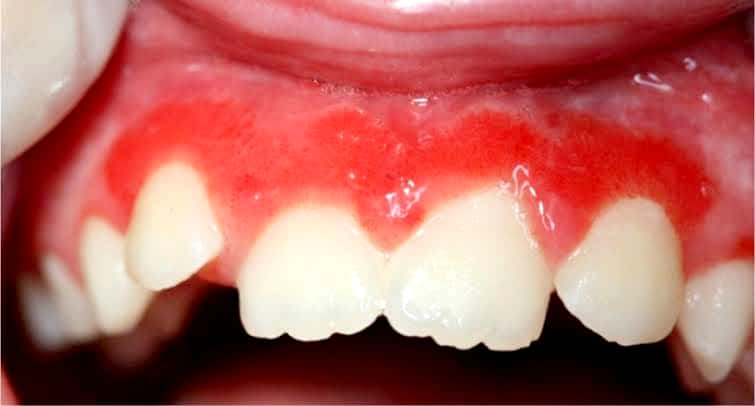
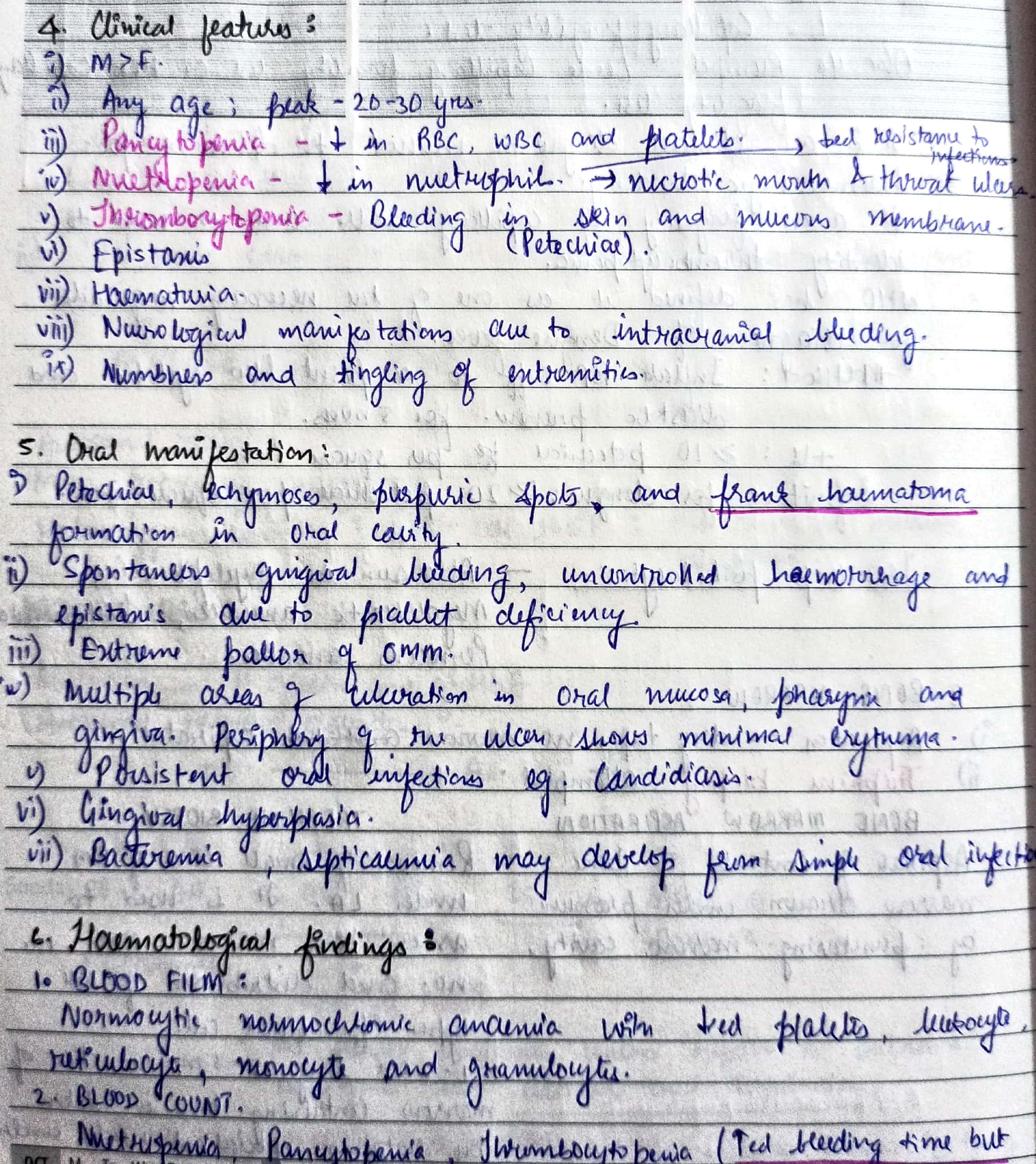


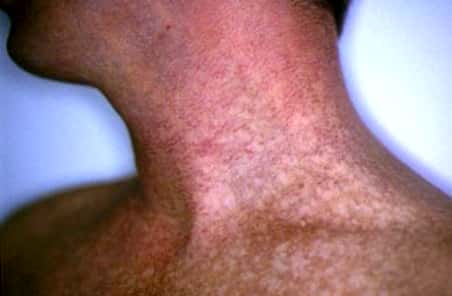

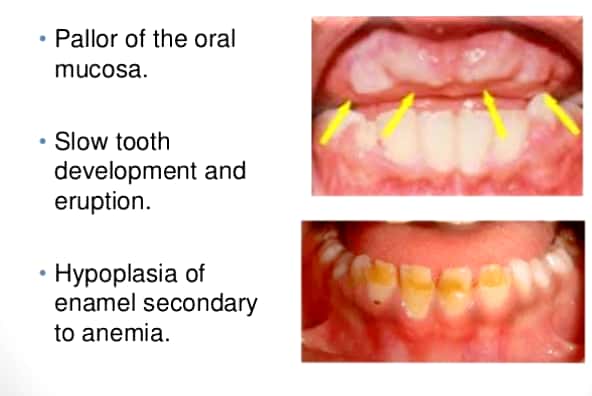
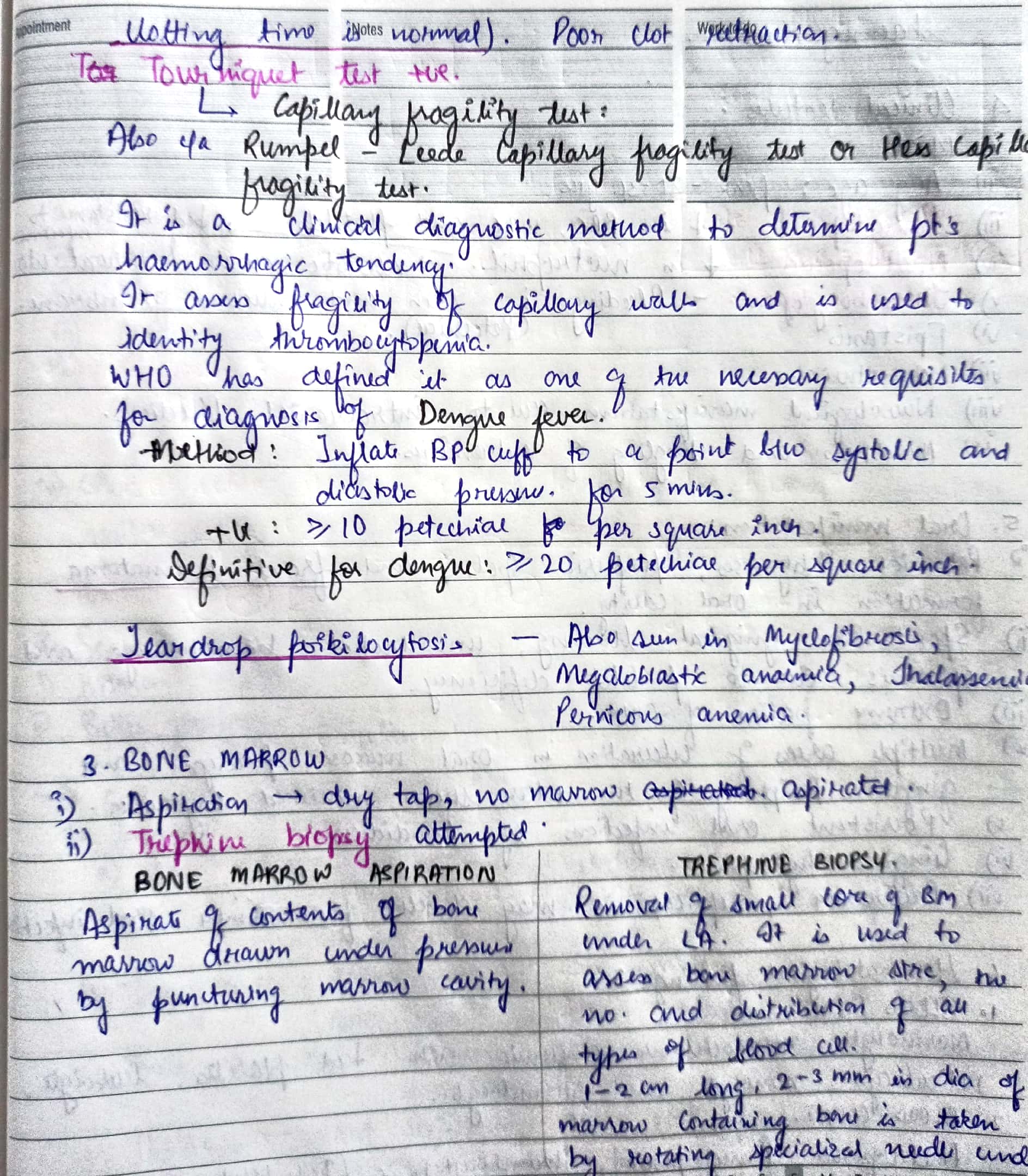

Sources : Shafer’s textbook of oral pathology , slideshare.com
Image sources : Slideshare and Google images


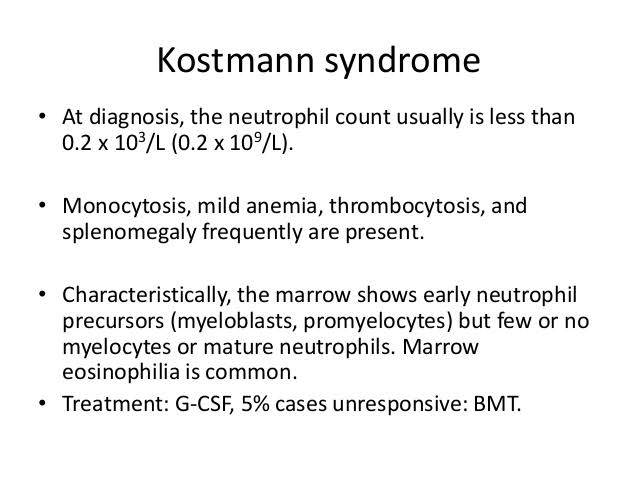


Sources : Shafer’s oral pathology , slideshare.com
Image source : Google images
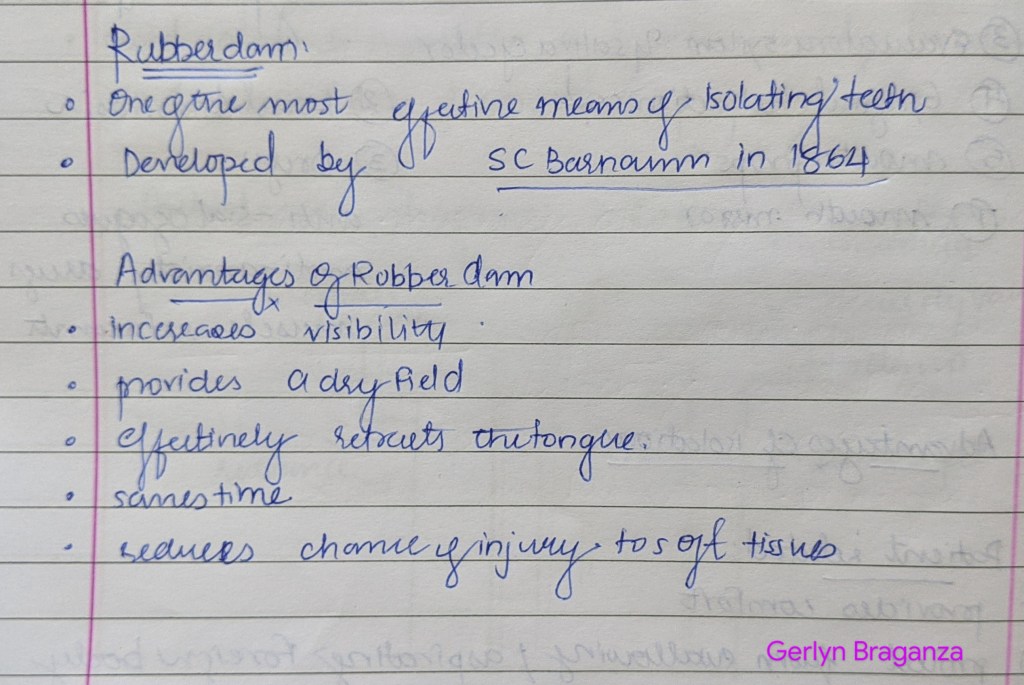
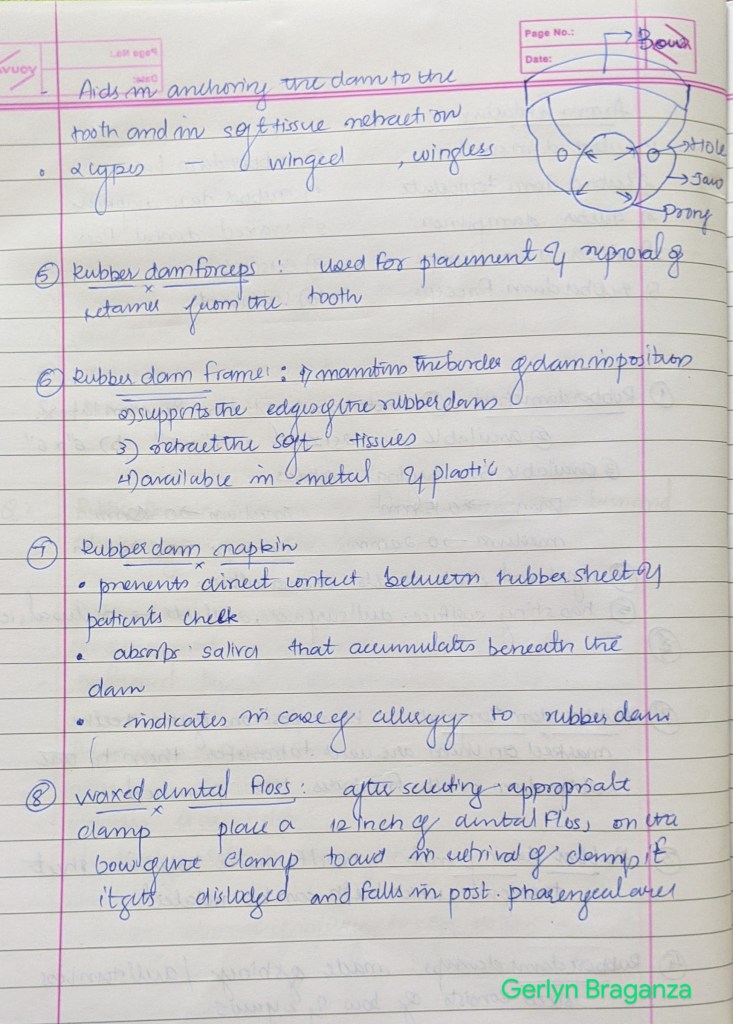
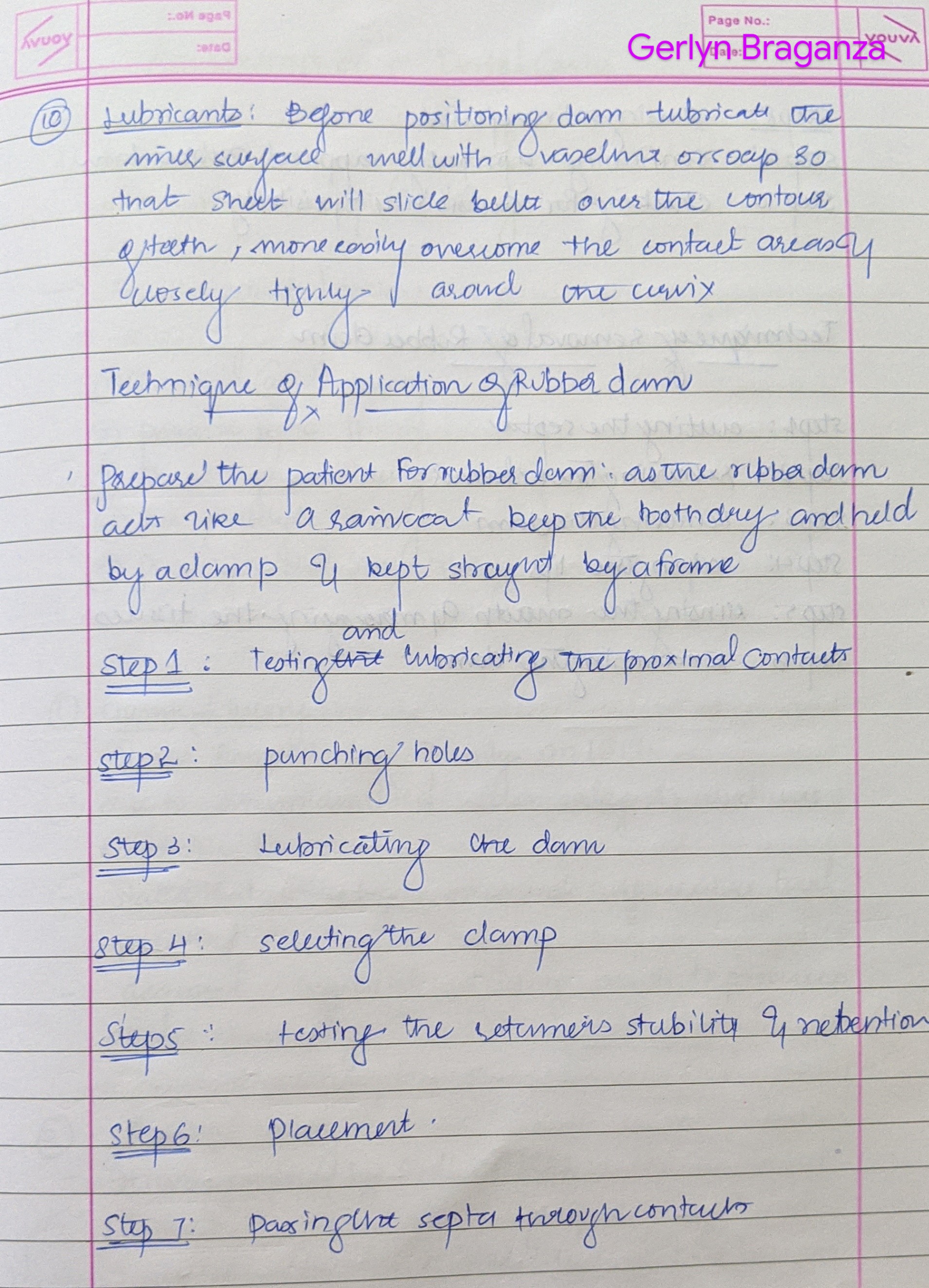
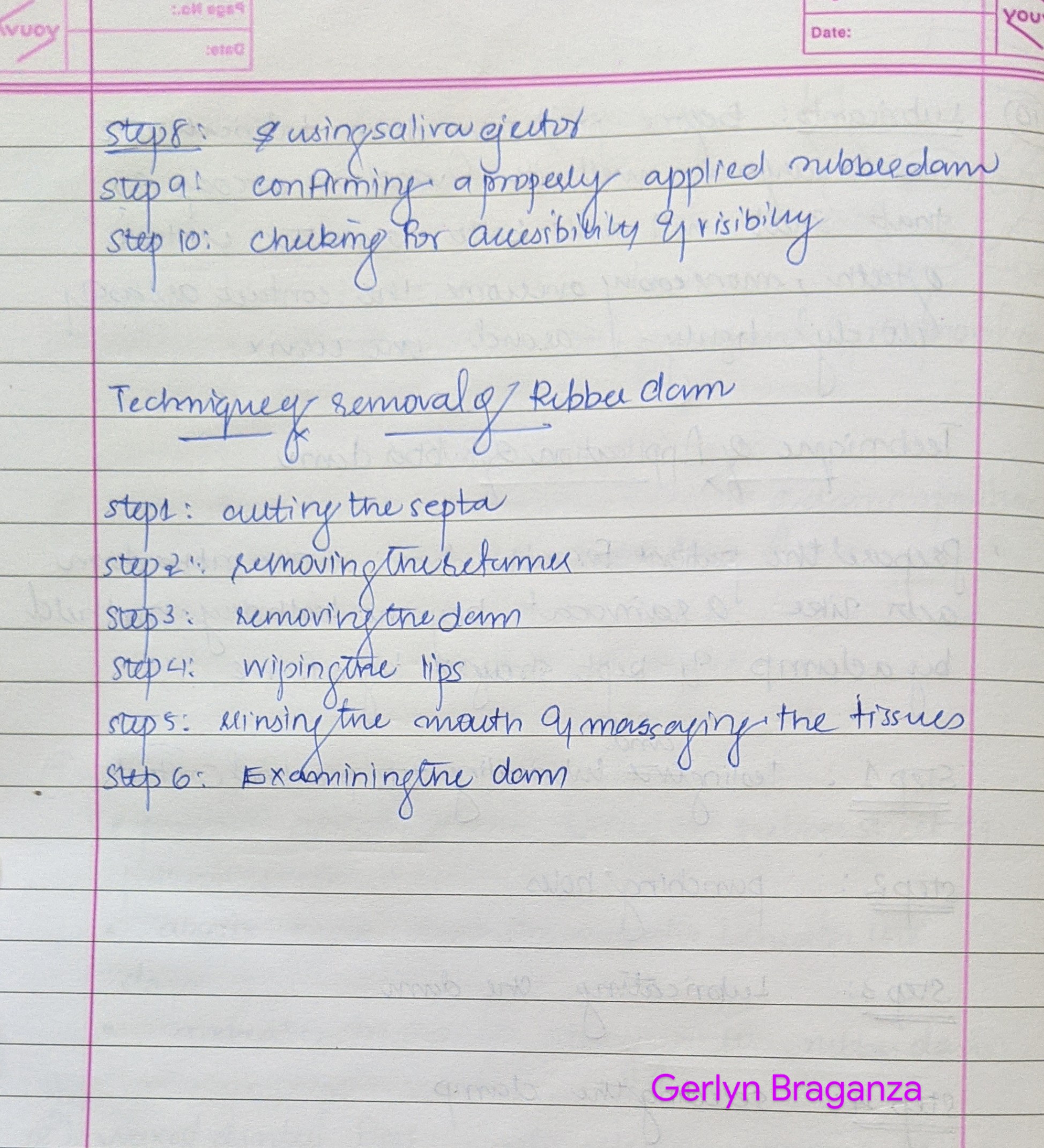
What is the rubber dam?
ARMAMENTARIUM
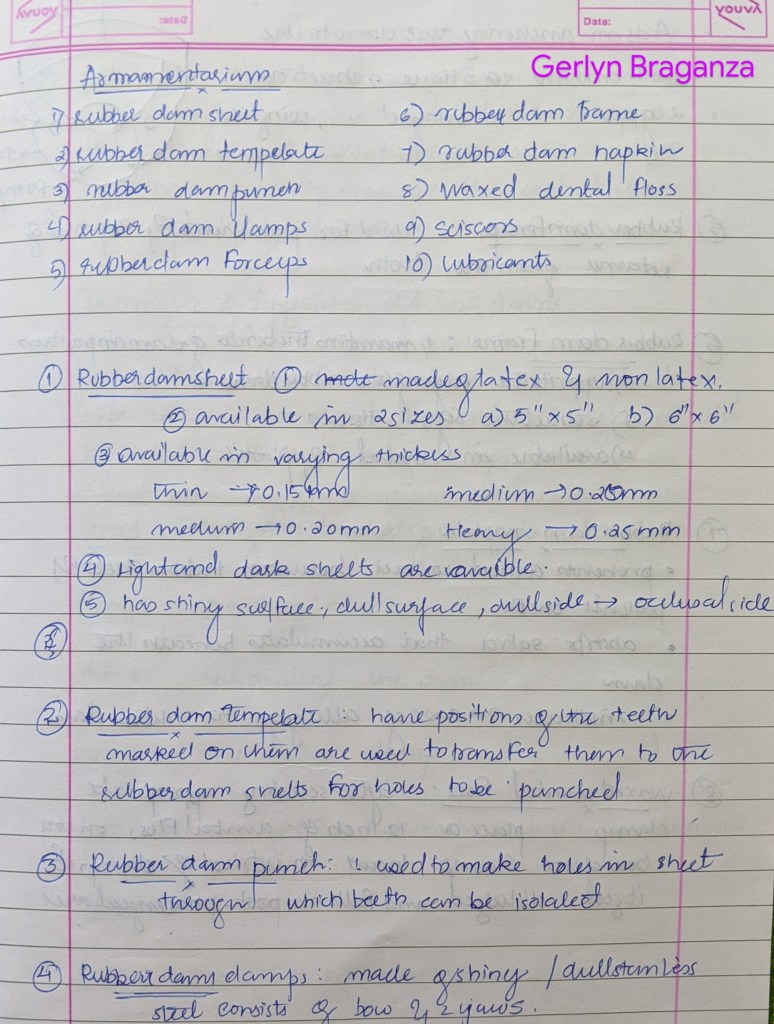
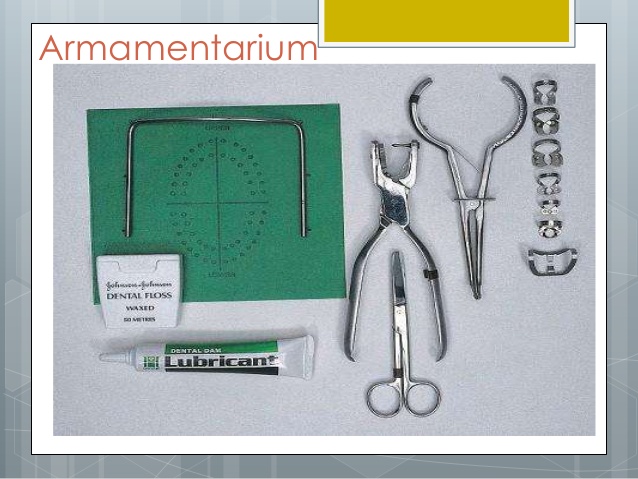
Source – Sturdevant’s art and science operative dentistry
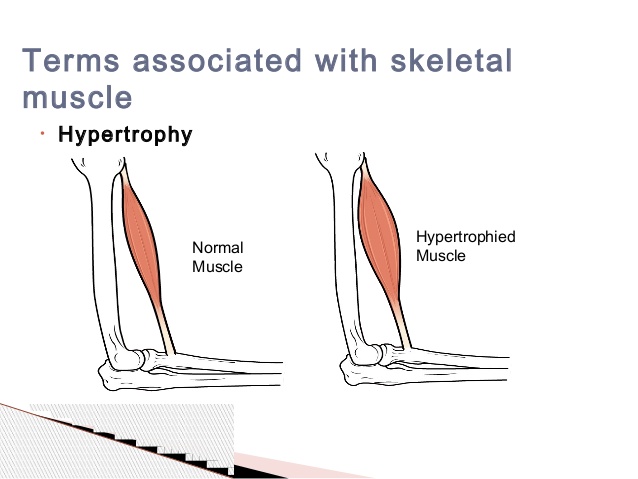
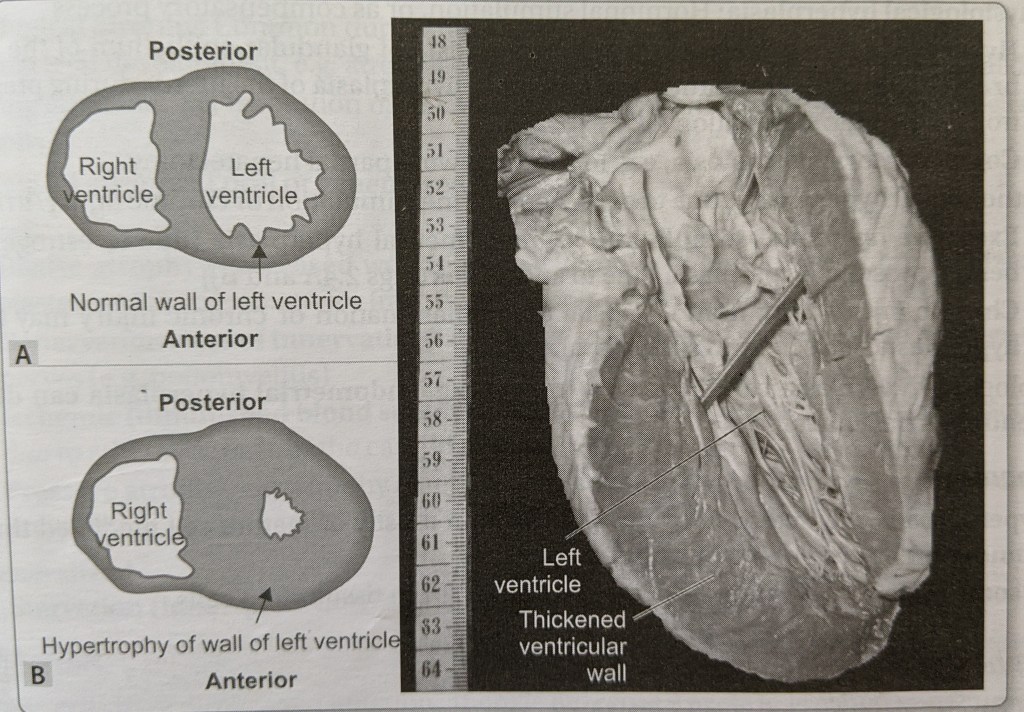
Increase in the size of the organ or tissue due to increase in the size of the cells
WHAT CAUSES HYPERTROPHY?
Due to increase in the functional demand/workload
1.PHYSIOLOGICAL
PATHOLOGICAL

Mechanism of hypertrophy –
It occurs due to synthesis of the cellular proteins .
Mechanism involved in the hypertrophy of cardiac muscle-
Physiological hypertrophy– Due to increase in the workload causes mechanical stretch of the myocardium.
Pathological hypertrophy– due to to growth factors and hypertrophy agonists-
1. Growth factors – TGF – beta, insulin growth factor ( IGF -1) , Fibroblast growth factor (FGF)
2. Hypertrophy agonists- alpha-adrenergic agonists , endothelin-I , angiotensin -II , Nitric oxide (NO) and bradykinin
Source – Harshmohan ( textbook of pathology) and Ramdas Nayak
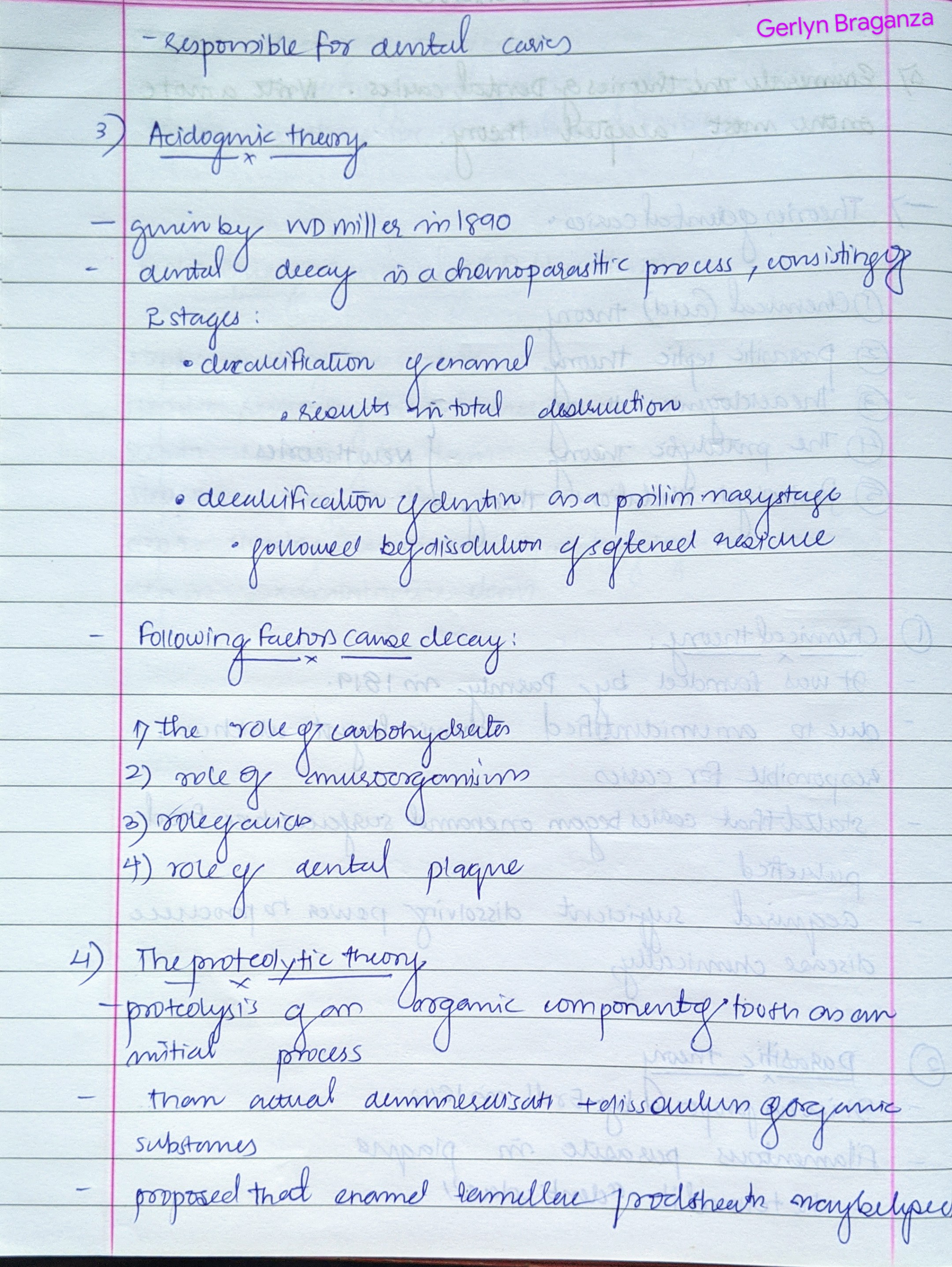

Source – sturdevant’s art and science of operative dentistry
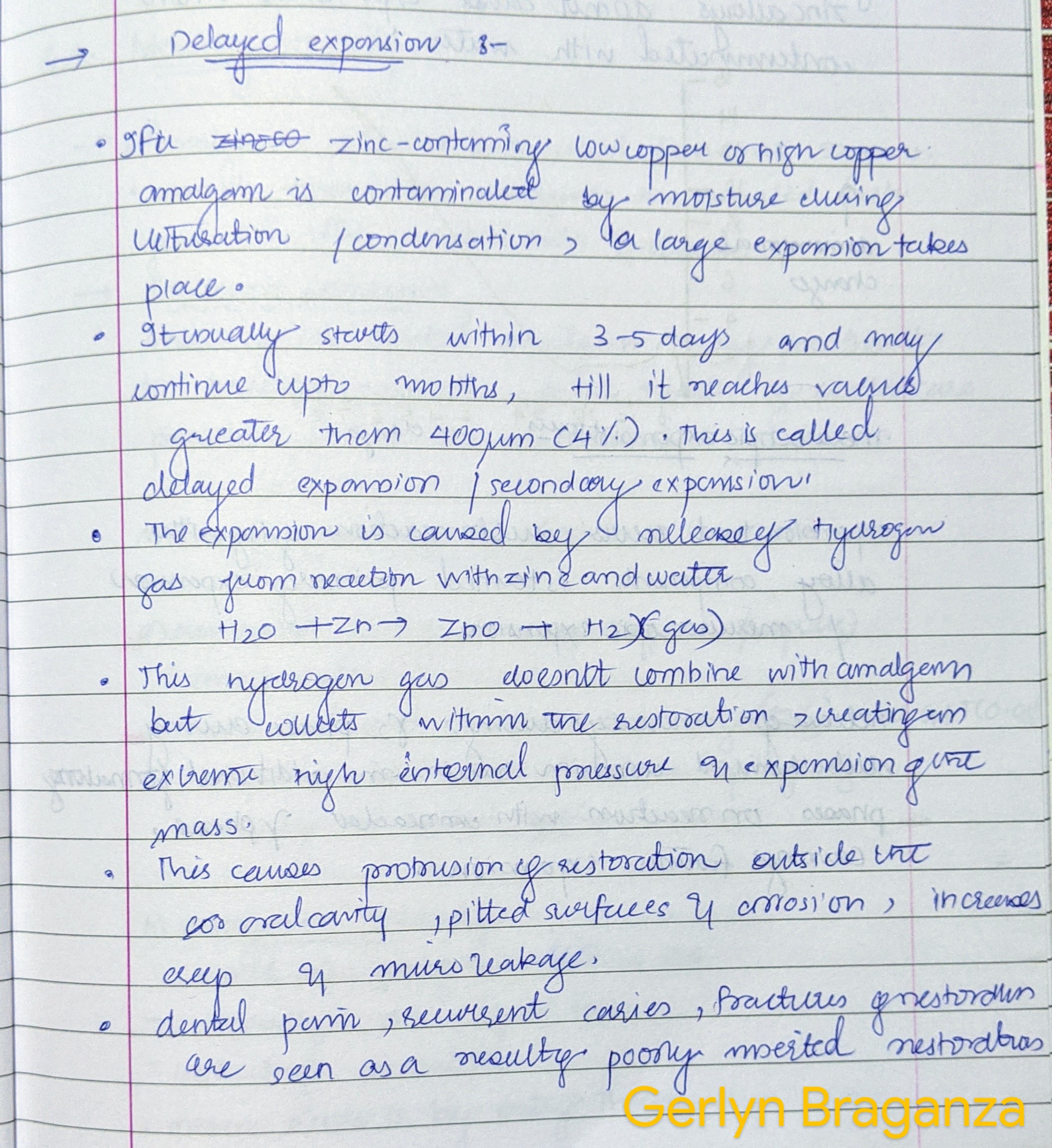

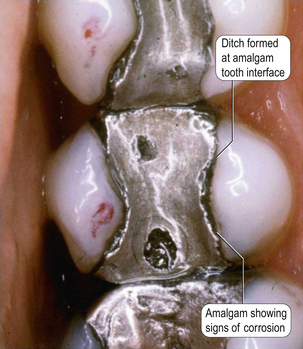
Source – Sturdevant’s art and science of operative dentistry and philips book of dental materials


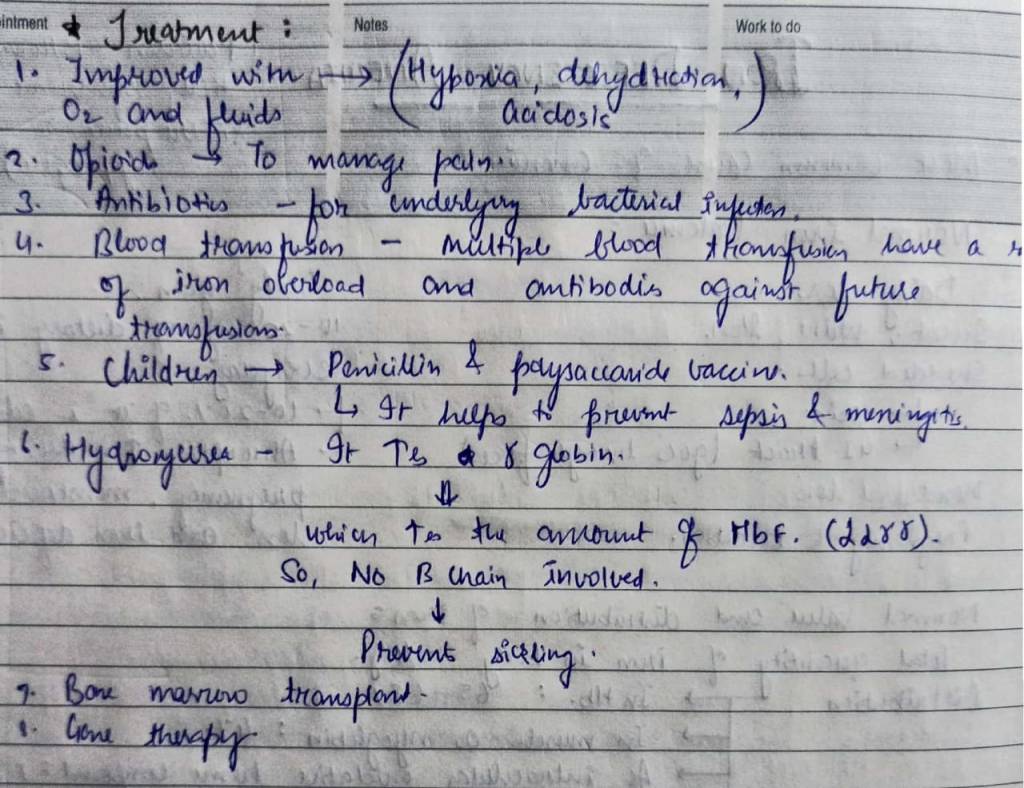
Sources – Shafer’s textbook of oral pathology , SN Chugh Textbook of clinical medicine for dental students , osmosis.org
Image source – Google images.

