Source Carranza textbook
Source Carranza textbook
Source-Carranza textbook
Treatment of Acute Severe Asthma (Status Asthmaticus)
Written by-B Meghna
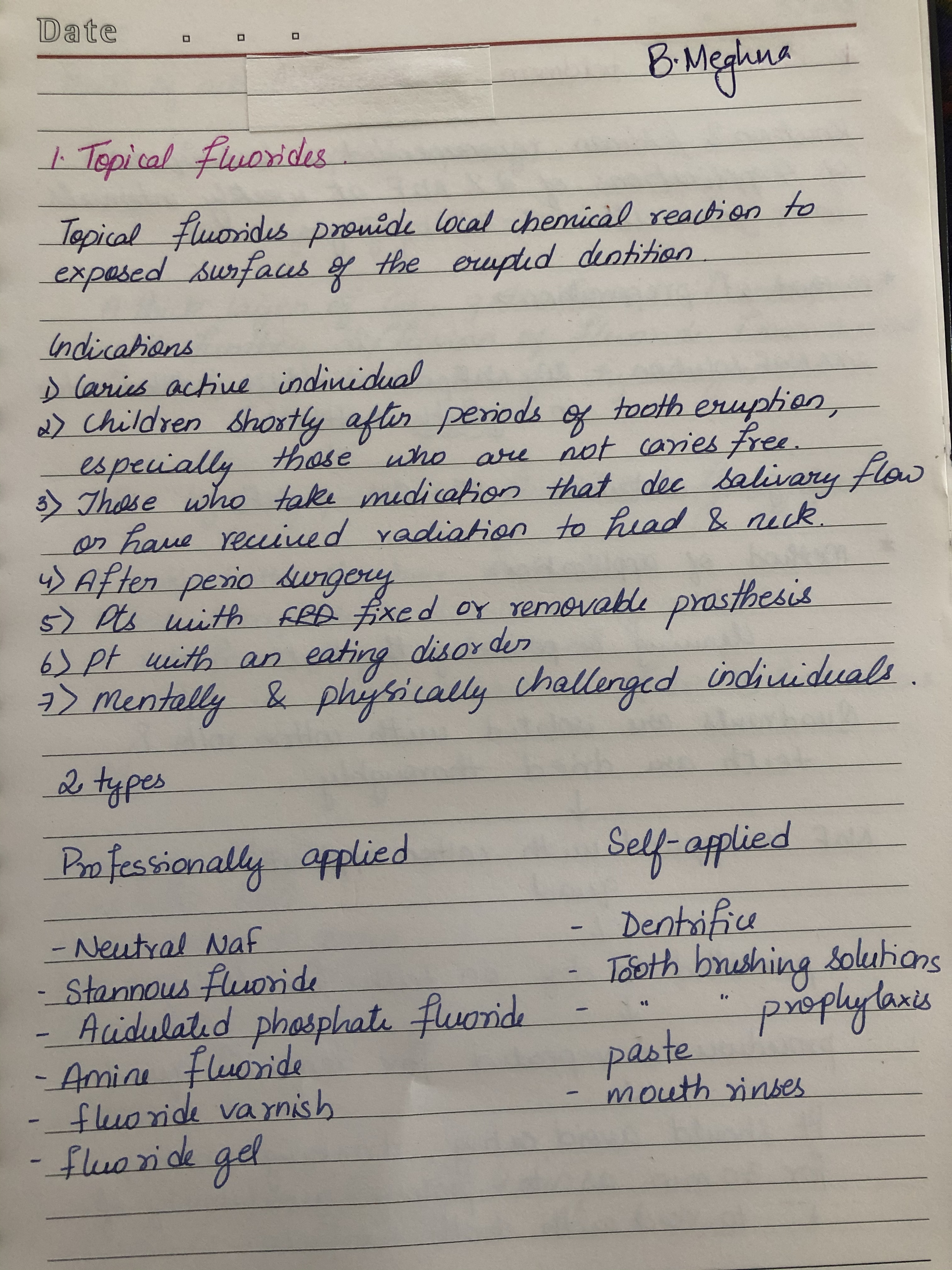
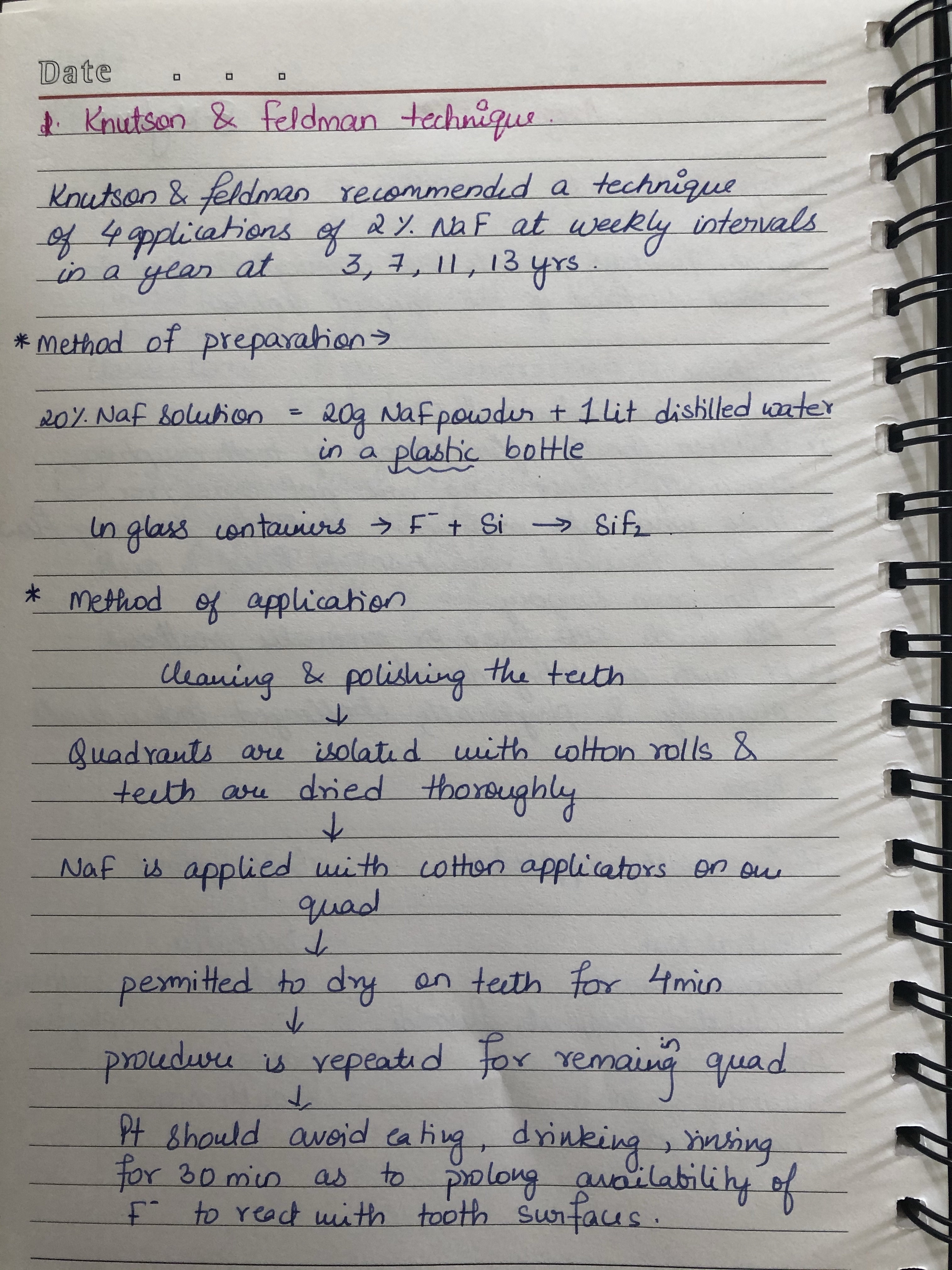
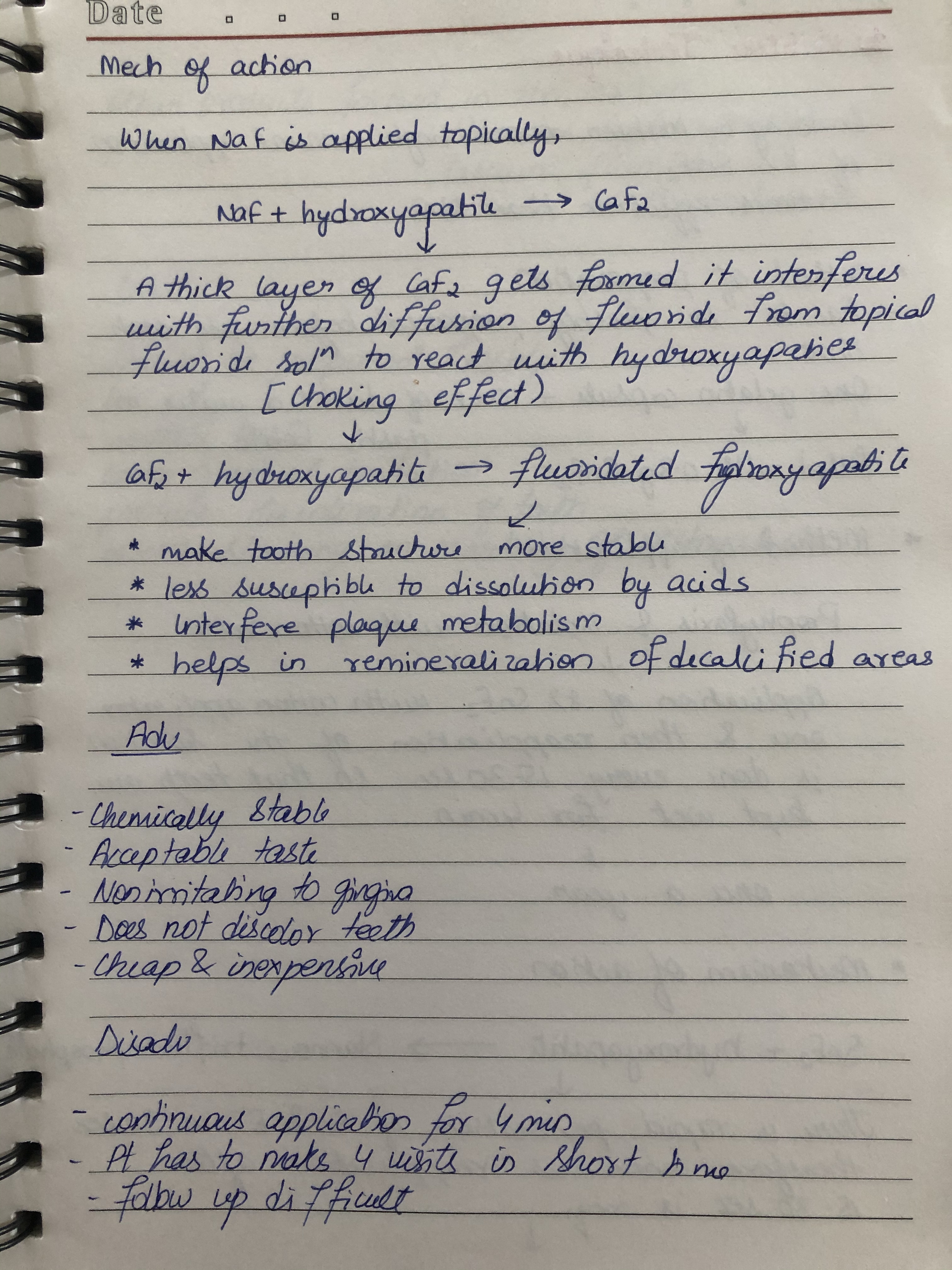
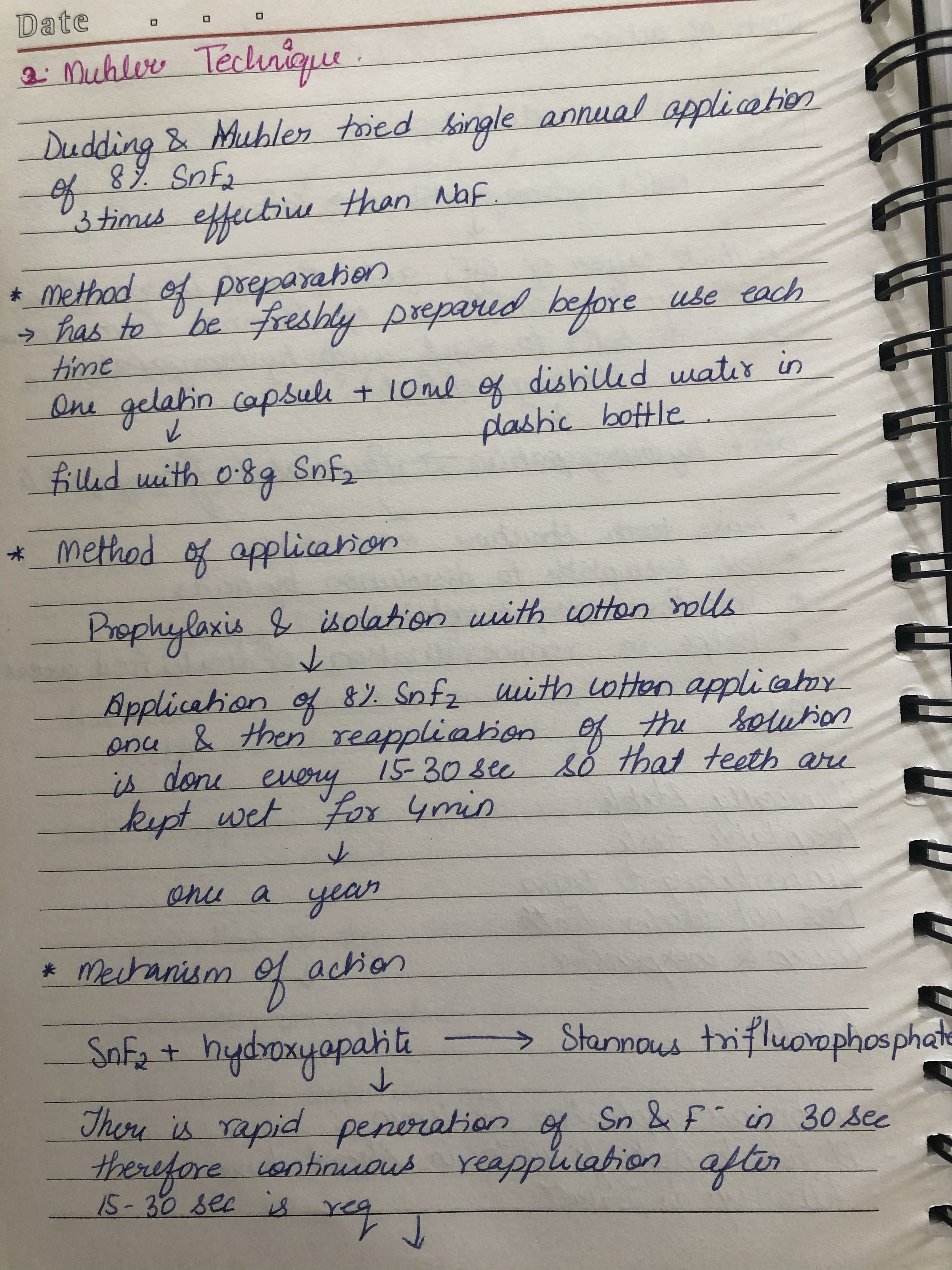
Source- Nikhil Marwah textbook of pedodontics and soben peter textbook of public health dentistry
• The mitral valve apparatus is a funnel-shaped structure with its apex beat on the left ventricle.
• Mitral Stenosis is the narrowing of the mitral valve of the heart.
• Leads to complications due to the impairment of blood flow
• More commonly seen in females.
• Most Common cause : Rheumatic Heart Disease.
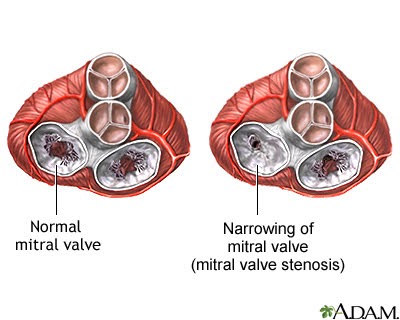

ALTERED ANATOMY IN RHEUMATIC MITRAL STENOSIS
ETIOLOGY:
• Rheumatic fever.
• Congenital mitral Stenosis
• Systemic Lupus Erythematosus (SLE)
• Malignant carcinoid
• Gout
• Atrial Myxoma
• Infective Endocarditis (rare)
• Rheumatoid Arthritis (rare)
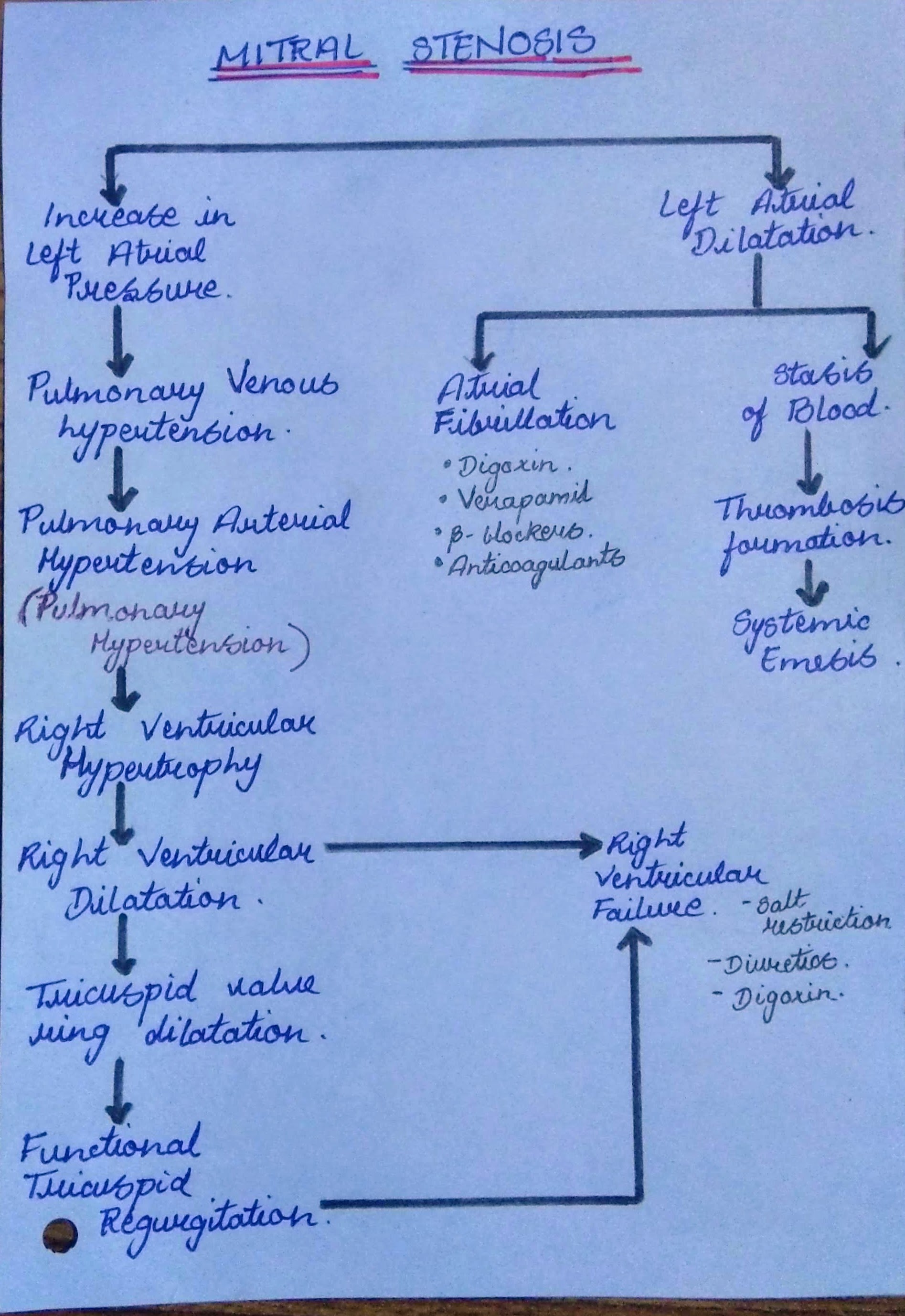
PATHOPHYSIOLOGY:
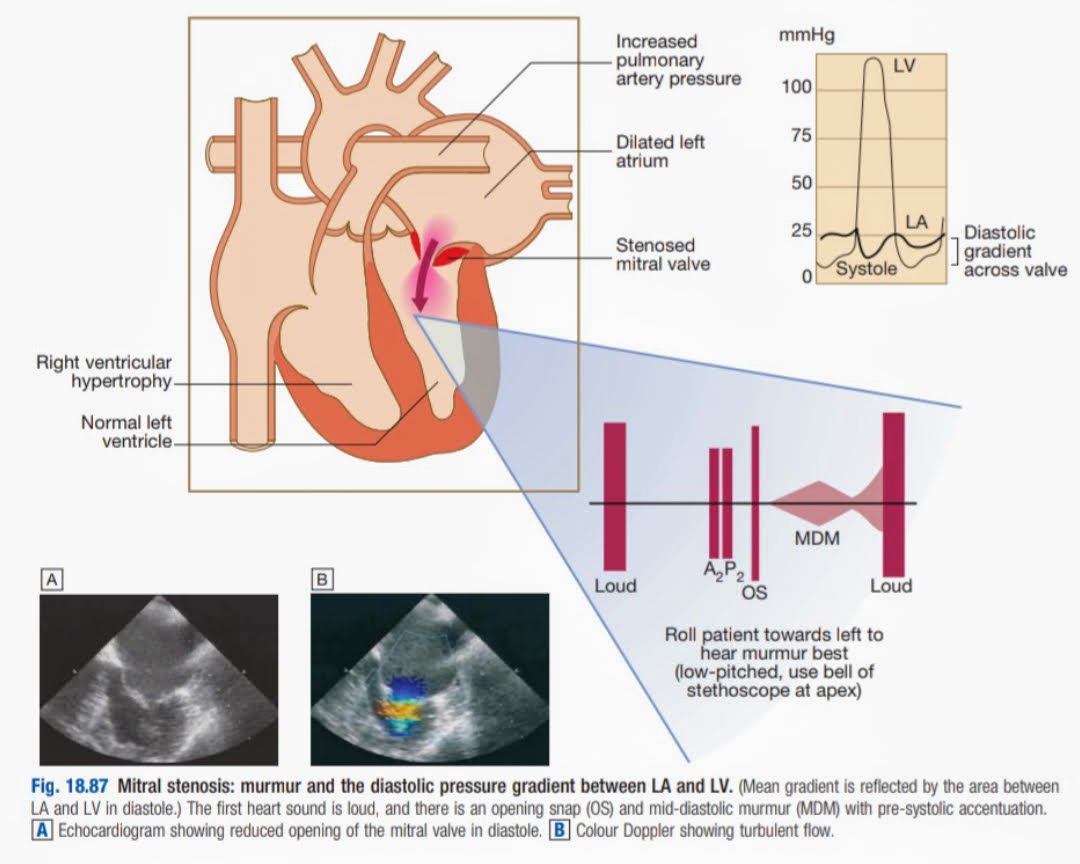
CLINICAL FEATURES:
• Early presentation of Mitral stenosis include breathlessness on exertion and fatigue.
• As stenosis progresses, patients are dyspnic on rest.
• They have orthopnoea & paroxysmal nocturnal dyspnoea.
• Acute pulmonary oedema may occur.
• Haemoptysis: due to rupture of pulmonary-bronchial connection.
• Edema of lower limbs.
• Thromoembolic events like stroke, limb ischaemia
• Winter bronchitis: Patient with myocardial infarction are prone to recurrent attacks of bronchitis, particularly during winters.
INVESTIGATIONS:
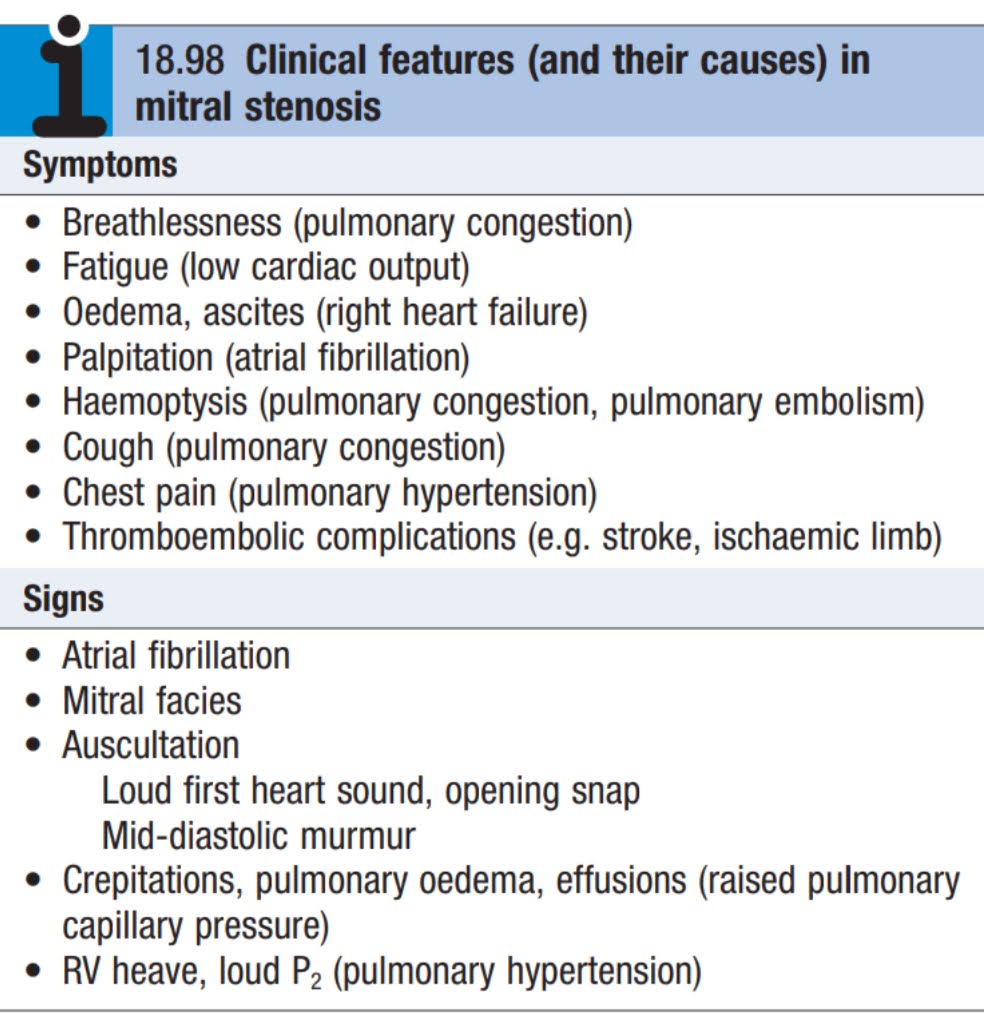
• ECG: May indicate left atrial(LA) enlargement, right ventricular hypertrophy and atrial fibrillation.
• CHEST X-RAY: LA enlargement, pulmonary congestion.
• ECHOCARDIOGRAPHY: Most sensitive & specific non-invasive methods to diagnose valvular disease.
CARDIAC CATHETERIZATION: Used to assess associated valvular lesions & to detect coronary artery disease.
MANAGEMENT:
-Anticoagulants. – Verapamil. -Digoxin. – Beta blockers.
2. Treatment right ventricular failure:
3. Restriction of physical activity.
4. Prophylaxis should be given to all patients to prevent rheumatic fever.
5. Prophylaxis for Infective Endocarditis should be given prior to the procedure.
SURGICAL MANAGEMENT:
Percutaneous Balloon Valvotomy:
Open Valvotomy:
2. MITRAL VALVE REPLACEMENT:
o Mitral Valve is replaced when there is critical mitral stenosis(<1cm² of orifice size)
o And/or there is an associated significant mitral regurgitation.
o Replacement done,when mitral valve is severely distorted & calcified.
COMPLICATIONS:
o Atrial fibrillation
o Pulmonary Hypertension
o Right Ventricular Failure
o Systemic thromboembolism
o Winter Bronchitis
o Ortner’s Syndrome
REFERENCES:
Paracetamol (acetaminophen)
Paracetamol is effective by oral and parenteral routes. It is well absorbed, widely distributed all over the body, metabolized in liver by sulphate and glucuronide conjugation. The metabolites are excreted in urine.
Uses
1.As an antipyretic– reduces body temperature
2.as an analgesic to relieve headache , toothache, bodyache
2. Preferably used in asthmatics patients with peptic ulcers , hemophilia
Acute overdose mainly causes hepatotoxicity the symptoms are –
nausea, vomiting, diarrhea abdominal pain, hypoglycaemia, hypotension, hypoprothrombinemia, coma, etc.
Death is usually due to hepatic necrosis.
1.The toxic metabolite of paracetamol is detoxified by conjugation with glutathione and gets eliminated.
2.High doses of paracetamol cause depletion of glutathione levels. In the absence of glutathione, toxic metabolite (NAPQI) binds covalently with proteins in the liver and kidney and causes necrosis. Alcoholics and premature infants are more prone to hepatotoxicity.
3.N-Acetylcysteine or oral methionine replenishes the glutathione stores of the liver and protects liver cells.
4.Activated charcoal is administered to decrease the absorption of paracetamol from the gut. renal failure.
5.Haemodialysis may be required in cases with acute renal failure.

Source – textbook of pharmacology for dental students- Tara Shanbhag
(i) IgG is the major serum immunoglobulin (about 80% of the total amount). The normal serum concentration is about 8-16 mg/ml.
(ii) Molecular weight is 150,000 (7S)
(iii) Half life is about 23 days (longest amongst all the immunoglobulins).
(iv) It is the only immunoglobulin that is transport through placenta and provides natural passive immunity to newborn.
(v) It is distributed equally between extravascular and intravascular compartments.
(vi) IgG appears late but persists for longer period. It appears after the initial immune response which is IgM in nature.
(vii) It participates in precipitation, complement fixation and neutralization of toxin and viruses.
(viii) It is protective against those microorganisms which are active in the blood and tissues.

Source – textbook of microbiology C P Baveja
Immunoglobulin A (IgA)
(i) IgA is the second major serum immunoglobulin (about 10-13% of serum normal serum immunoglobulins). The concentration is 0.6 – 4.2 mg/ml.
(ii) Half life is about 6 – 8 days.
(iii) IgA occurs in two forms, serum IgA and secretory IgA.
(iv) Serum IgA is a monomeric 7S molecule (MW 160,000)
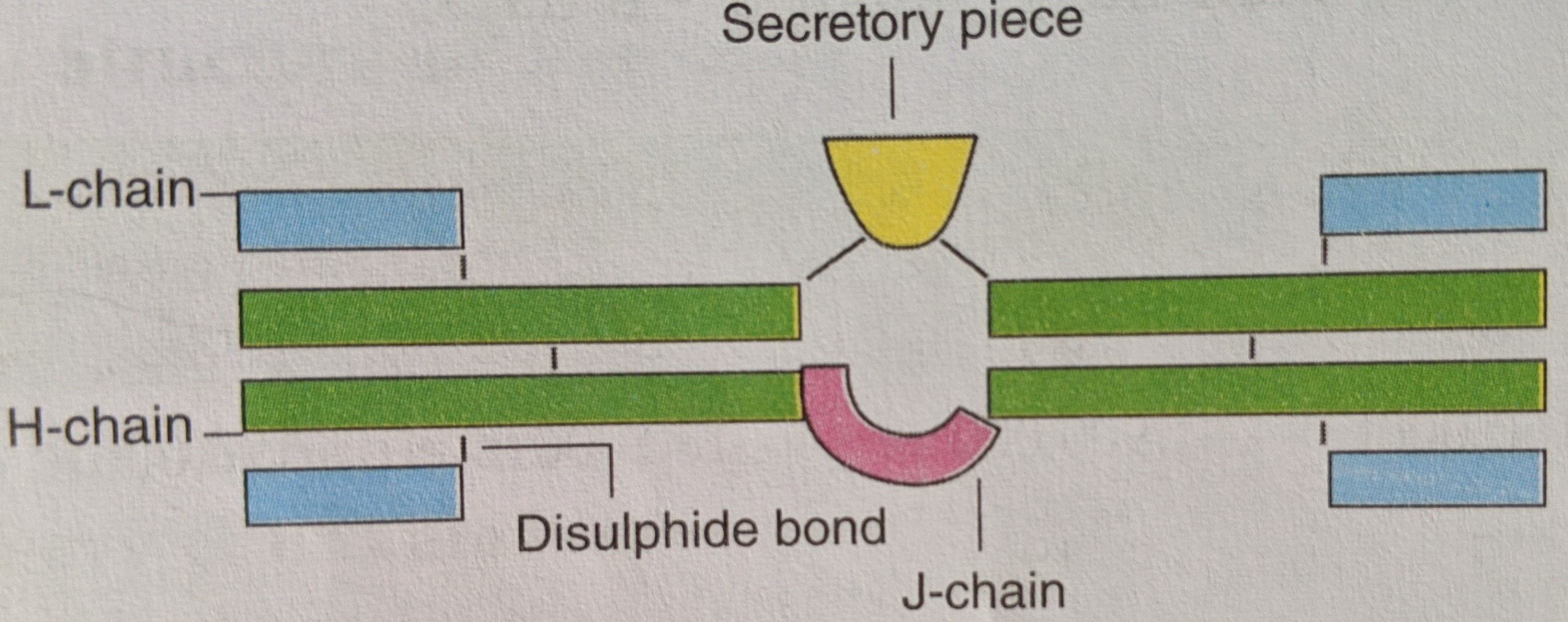
while IgA found on mucosal surfaces and in secretions (secretory IgA, MW 400,000) is a dimer formed by two monomer units joined together by a glycoprotein named J chain ( J for joining).
(v) Secretory IgA contains another polypeptide called the secretory piece or secretory component.
The S piece is believed to protect IgA from denaturation by bacterial proteases in sites such as the intestinal mucosa which is rich in bacterial flora.
(vi) IgA is the principle immunoglobulin present in secretions such as milk, saliva, tears, sweat, nasal fluids, colostrum and in secretions of respiratory, intestinal and genital systems.
It protects the mucous membranes against microorganisms.
(vii) IgA is mainly synthesised locally by plasma cells and little is derived from serum.
Source – textbook of microbiology C P Baveja
• ART :Is defined as a minimally invasive care approach in preventing dental caries and stopping its further progression. (Jo E. Frencken, 2012)
• It consists of two components: sealing caries prone pits and fissures and restoring cavitated dentine lesions with sealant restorations.
• American Academy of paediatric Dentistry (AAPD) defines ART as “a dental caries treatment procedure involving the removal of soft, demineralized tooth tissue using hand instrument alone, followed by restoration of the tooth with an adhesive restorative material, routinely glass ionomer”.
• ART may be used to restore and prevent caries in young patients, uncooperative patients, or patients with special health care needs or when traditional cavity preparation and/or placement of traditional dental restorations are not feasible.
• ART is based on modern knowledge about minimal intervention, minimal invasion and minimal cavity preparation for carious lesions.
• It is a procedure based removing carious tooth tissues using hand instruments alone and restoring the cavity with an adhesive restorative material.
PRINCIPLES:
The two main principles of ART are:
• The use of a biological approach, which requires minimal cavity preparation that conserves sound tooth tissues and causes less trauma to the teeth.
• The low cost of hand instruments compared to electrically driven dental equipment,
• The limited of pain that reduces the need for local anesthesia to a minimum and reduces psychological trauma to patients,
• Simplified infection control. Hand instruments can easily be cleaned and sterilized after every patient.
Currently ART is performed using glass ionomer as the restorative material.
The reasons for using glass ionomer are:
• The Glass-ionomer sticks chemically to both enamel and dentine, the need to cut sound tooth tissue to prepare the cavity is reduced,
• Fluoride is released from the restoration which will prevent and arrest caries and
• It is rather similar to hard oral tissues and does not inflame the pulp or and does not inflame the pulp or gingiva
INDICATIONS:
ART is carried out :
• Only in small cavities (involving dentin).
• In those cavities that are accessible to hand instruments.
• Public Health programs
• In cases when routine dental treatment cannot be performed because of a lack of facilities or accessibility to a dental clinic.
• Can be used in schools as a community measure to control caries in a large number of children.
• Can be used in both primary and permanent teeth.
CONTRAINDICATIONS:
• There is presence of swelling (abscess) or fistula (opening from abscess to the oral cavity) near the carious tooth.
• The pulp of the tooth is exposed.
• Teeth have been painful for a long time and there may be chronic
• Inflammation of the pulp,
• There is an obvious carious cavity,but the opening is inaccessible to hand instruments
• There are clear signs of a cavity, for example in a proximal surface, but the cavity cannot be entered from the proximal or the occlusal direction.
ADVANTAGES:
• ART is a biological approach that requires minimal cavity preparation
• It conserves sound tooth tissues and causes less trauma to teeth
• As ART is painless the need for local anesthetics are reduced and so is the psychological trauma to patients.
• Simplifies infection control as hand instruments can easily be cleaned and sterilized.
• No electrically driven and expensive dental equipment needed which enables ART to be practiced in remote areas and in the field.
• This technique is simple enough to train to train non- dental personnel or primary health care workers.
• It is very cost effective.
• As it is a friendly procedure, there great potentials for its use among children, fearful adults, physically and mentally handicapped and the elderly.
• Makes restorable care more accessible for all the population groups.

MATERIALS:
• ART is a treatment strategy that requires trained personnel and suitable materials for its success
• ART is best performed using glass ionomer cement (GIC).
• GIC (such as Fuji IX,GC Int) is a glass polyalkenoate cement that consists of calcium or strontium alumino-fluoro-silicate glass powder and water-soluble polymer.
• Several factors led to the selection of GIC as a suitable material for ART.
• These factors included its fluoride-releasing properties, its ability to bond to enamel and dentine, its pulpal biocompatibility, and its ease of manipulation.
• The fluoride-release from GIC seems to be advantageous for ART Fluoride that is released from GIC makes the tooth structures (enamel and dentine) more resistant to acidic invasion by bacteria.
• Fluoride can be released from glass ionomers for up to five years.
• In addition, GIC acts as a reservoir for fluoride, as it takes up fluoride ions from topical fluoride This property of GIC means that the teeth treated with ART remain les susceptible to caries for long periods.
A glass ionomer that in specifically designed for ART is available, which is termed a high-viscocity glass ionomer (such as Ketac Molar Easymix, 3M ESPE, Seefeld, Germany).
It possesses a high powder-to-liquid ratio, with improved mechanical properties, including wear resistance, compressive strength, and marginal adaptability.
A high-viscosity glass ionomer is the recommended type of glass ionomer for ART. A high viscosity glass ionomer is more durable than a low or medium-viscosity glass ionomer. Furthermore, a study performed in 2006 suggested that medium-viscosity glass ionomers should not be used in ART.


SUCCESS RATE :
CONCLUSIONS:
• Based on the available literature, we conclude that ATR is a suitable treatment approach for the management of dental caries in several conditions in both primary and permanent teeth.
• ATR is used in cases where there are obstacles to reaching the dental care units
• A high-viscosity glass ionomer performed better than low and medium-viscosity glass ionomers in ART.
• Combining GIC with conditioner, as well as the use of the chemo-mechanical approach, improved the success rate of ART.
• ATR is an acceptable strategy, with success rates comparable to the traditional treatment methods.
REFERENCES:
• Essentials of Public Health Dentistry, Soben Peter(6th Edition).
• Atraumatic Restorative Treatment and Interim Therapeutic Restoration: A Review of the Literature(Dentist Journal).
• Textbook of Preventive and Community Dentistry, Joseph John (3rd Edition).
GYPSUM BONDED INVESTMENTS


Thermal behaviour of gypsum
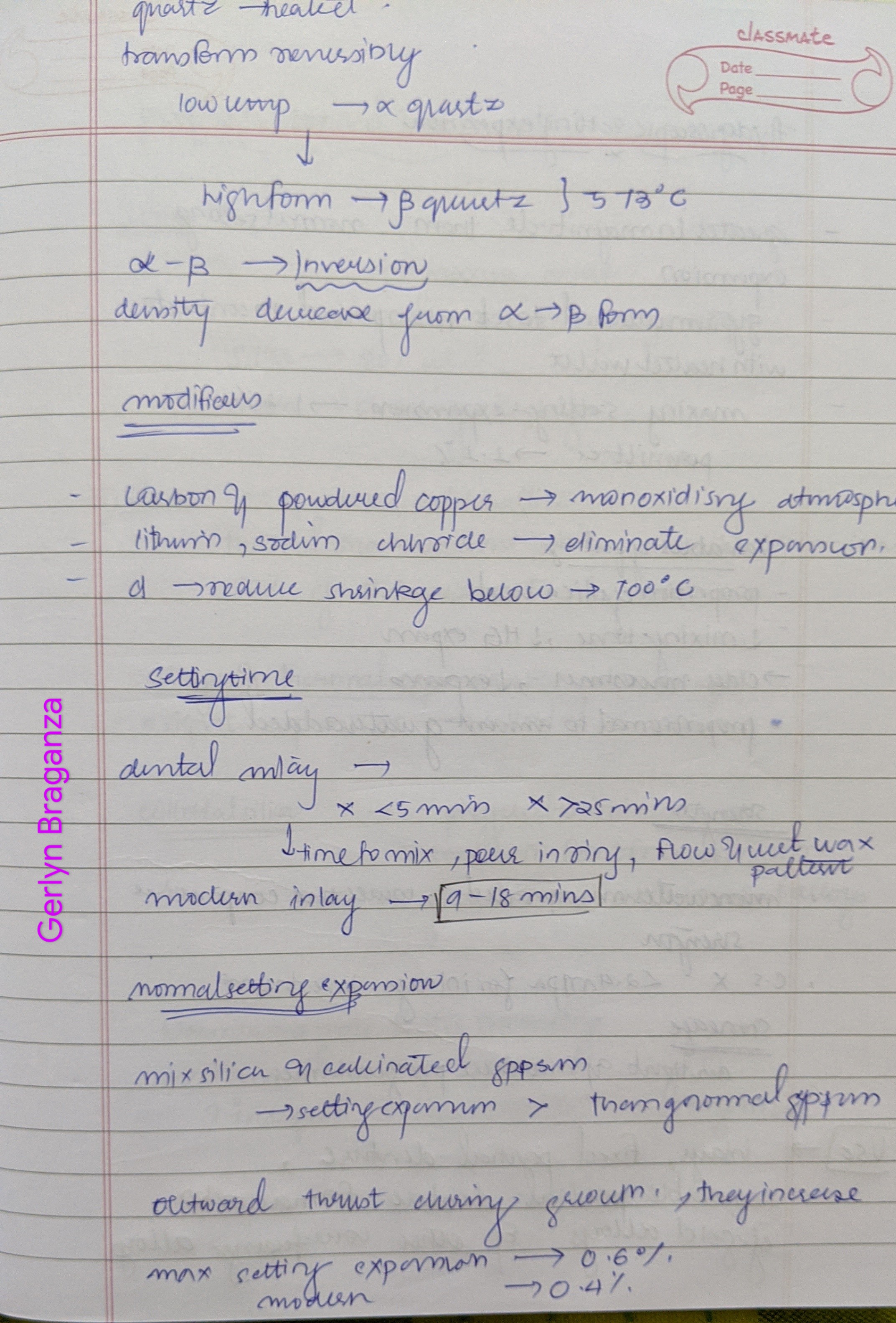
When gypsum is heated to a high temperature, it shrinks and fractures. At 700 °C, it shows slight expansion and then great amount of contraction. The shrinkage is due to decomposition and release of sulphur dioxide .
It contaminates the casting with sulphides of silver and copper .
Hence gypsum bonded investments are not heated above 700°C.
PHOSPHATE BONDED INVESTMENTS

EXPANSION
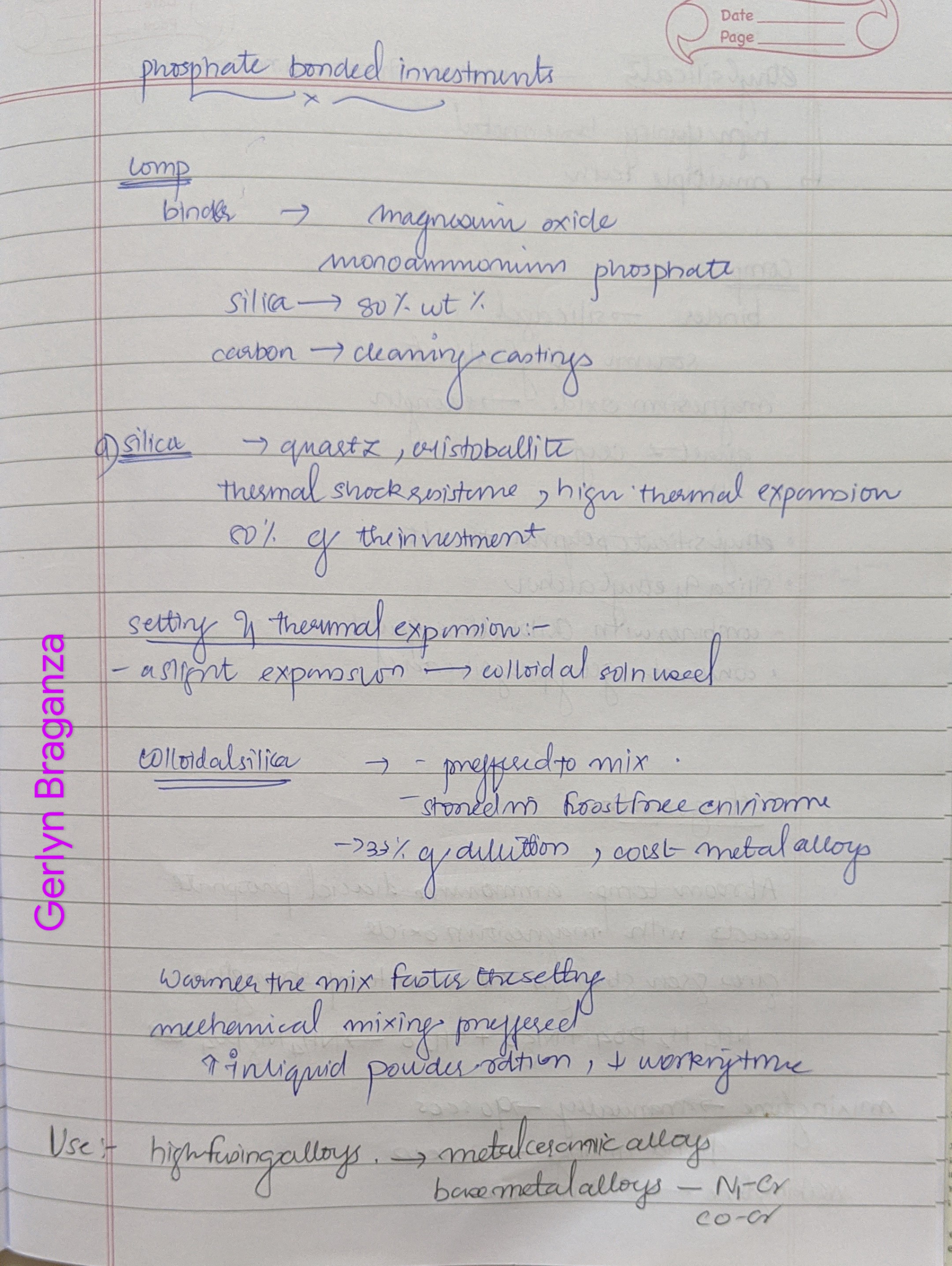
The amount of expansion is adjusted by the manufacturer for each product depending on the alloy it is intended for.
STRENGTH –
Wet strength ranges from 4-10Mpa
And dry strength is the strength under high temperatures.
SILICA BONDED INVESTMENTS
The silica is the binder. It is derived from ethyl silicate or aqueous dispersion of colloidal silica or sodium silicate.
TYPES
Based on the binder used two types may be seen. One such investment consists of silica refractory, which is bonded by the hydrolysis of ethyl silicate in the presence of hydrochloric acid.
The product of the hydrolysis is the formation of a colloidal solution of silicic acid ethyl alcohol.
Ethyl silicate has the disadvantage of containing inflammable components which are required for manufacture
Sodium silicate and colloidal silica are more commonly used as binders because of the above disadvantage.
These investments are supplied along with two bottles of special liquid. One bottle contains dilute water soluble silicate solution such as sodium silicate.
Source – basic science of dental materials manappallil

