In the fascinating world of forensics, a young and promising researcher from Yenepoya Dental College in Mangalore, Sheikh Sadaf, is making waves with groundbreaking research. Her project delves into the realm of age estimation through dental analysis, using methods developed by Lamendin and Johanson.
1) Can you tell us a bit about yourself? Hey there, I’m Sheikh Sadaf, and I hail from Yenepoya Dental College in Mangalore.
2) Could you give us a sneak peek of your research project? My research dives into the intriguing world of forensics. I’m worked on correlating estimated age with chronological age using Lamendin and Johanson’s method of assessing dentin translucency.
3) What sparked your interest in this unique research topic? Well, I’ve always been fascinated by forensics – the whole world of bite marks and fingerprints. Plus, I received some fantastic encouragement from one of our department lecturers.
4) How did you come across the ICMR STS program, and what was the application process like? I got wind of the ICMR STS program through our Dean and some of my professors. They all encouraged us to give it a shot and dive into the research world. The application process was pretty straightforward – we submitted all our documents through their official website.
5) What was the central question or hypothesis you aimed to tackle in your project? My main goal was to compare the estimated age, using Johanson and Lamendin’s methods, to see which one correlates better with the actual age. Also, I aimed to create a population-specific age estimation formula for Karnataka.
6) Could you walk us through the methods and techniques you used to gather and analyze your data? We collected teeth with known chronological age and sex from the Department of Oral Maxillofacial Surgery. Then, we used vernier calipers to take precise measurements.
7) Did you collaborate with any mentors or fellow researchers during your project? How did they support you? Yes, I had the privilege of working with Dr. Sudheendra Prabhu, my mentor from the Department of Forensic Dentistry. He was an incredible support and we made a great team.
8) Any golden advice for future STS applicants to up their chances of success? To all the aspiring researchers out there, I’d suggest keeping an eye on the latest articles about prevalent diseases or groundbreaking inventions in fields like dentistry and medicine. It’s a great way to stay ahead.
9) Is there anyone special you’d like to give a shout-out to for their support during your research journey? A big thank you goes to my mentor, my parents, and all the teaching and non-teaching staff who had my back. Not to forget my friends who were there for me every step of the way.
Sheikh Sadaf’s journey is a testament to the power of curiosity, dedication, and mentorship. Her research may well hold the key to advancing age estimation techniques, not only in Mangalore but throughout the region. As she continues to unravel the mysteries of forensics, we can only imagine the bright future that lies ahead for this young researcher.
Dynamic implant navigation is a technique that has been developed to improve the accuracy of dental implant placement. Several studies have investigated the influence of Kennedy class and the number of implants on the accuracy of dynamic implant navigation.
Block et al. (2017) conducted a study comparing the accuracy of implant placement using dynamic navigation to static guides and freehand placement. They found that dynamic navigation achieved similar accuracy to static guides and was an improvement over freehand placement. This suggests that the use of dynamic navigation can help improve the accuracy of implant placement regardless of the Kennedy class or the number of implants.
Wu et al. (2020) also investigated the accuracy of dynamic navigation compared to static surgical guides for dental implant placement. They found that the implant site had no significant influence on the accuracy of dynamic navigation. This indicates that the Kennedy class, which determines the complexity of the case, may not have a significant impact on the accuracy of dynamic navigation.
In a randomized controlled clinical trial, Aydemir & Arısan (2019) compared the accuracy of dental implant placement using dynamic navigation to the freehand method. They found that the accuracy between the planned and placed implants inserted by the static surgical stents was extensively studied, but such studies are limited for the dynamic navigation system. This suggests that more research is needed to determine the influence of Kennedy class and the number of implants on the accuracy of dynamic navigation.
Chen et al. (2023) conducted an in vitro pilot study comparing the accuracy of a novel implant robot surgery and dynamic navigation system in dental implant surgery. They found that the dynamic navigation system improved the accuracy of the implant position, depth, and angle. This indicates that dynamic navigation can help achieve accurate implant placement regardless of the Kennedy class or the number of implants.
Overall, the available literature suggests that dynamic implant navigation can achieve accurate implant placement regardless of the Kennedy class or the number of implants. However, more research is needed to further investigate the influence of these factors on the accuracy of dynamic navigation.
Aydemir, C. and Arısan, V. (2019). Accuracy of dental implant placement via dynamic navigation or the freehand method: a split‐mouth randomized controlled clinical trial. Clinical Oral Implants Research, 31(3), 255-263. https://doi.org/10.1111/clr.13563 Block, M., Emery, R., Lank, K., & Ryan, J. (2017). Implant placement accuracy using dynamic navigation. The International Journal of Oral & Maxillofacial Implants, 32(1), 92-99. https://doi.org/10.11607/jomi.5004 Chen, J., Bai, X., Ding, Y., Shen, L., Sun, X., Cao, R., … & Wang, L. (2023). Comparison the accuracy of a novel implant robot surgery and dynamic navigation system in dental implant surgery: an in vitro pilot study. BMC Oral Health, 23(1). https://doi.org/10.1186/s12903-023-02873-8 Wu, D., Zhou, L., Yang, J., Bao, Z., Lin, Y., Chen, J., … & Chen, Y. (2020). Accuracy of dynamic navigation compared to static surgical guide for dental implant placement. International Journal of Implant Dentistry, 6(1). https://doi.org/10.1186/s40729-020-00272-0
Silane coupling treatment is a surface treatment technique used in dental restorations to improve the bond strength between resin-based composite (RBC) restorations and the repaired surface. Silane coupling agents are organic silanes that form covalent bonds with both the ceramic and the resin cement, enhancing the wettability and adhesion (Fabianelli et al., 2010). The application of silane coupling treatment, either with or without prior surface sandblasting, has been shown to improve the bond strength of repaired indirect resin composites to a conventional direct resin composite (Visuttiwattanakorn et al., 2017). Additionally, silane coupling treatment has been found to increase the bond strength between photo-cured bulk-fill flowable composite resin and silver-palladium-copper-gold alloy using self-adhesive resin cement (Kawashima et al., 2019).
Surface roughness of resin composites is an important parameter for clinical performance, affecting wear resistance, plaque accumulation, gingival inflammation, material discoloration, and surface gloss (Senawongse & Pongprueksa, 2007). Therefore, it is crucial to consider the effects of surface treatments, such as silane coupling, on the surface roughness of RBC restorations.
In terms of clinical significance, the repair of fractured polymer-infiltrated ceramic-network (PICN) restorations with composite resin has been successful when the surface is treated with hydrofluoric acid or sandblasting followed by the individual use of silane (Bello et al., 2018). This suggests that silane coupling treatment plays a crucial role in the successful repair of PICN restorations.
Furthermore, the use of silane coupling agents has been shown to increase the bond strength of aged composite restorations treated with air abrasion, which is important for the efficient repair of composite restorations (Mishra et al., 2023). Computational analysis has also indicated the potential benefits of silane coupling treatments on the adhesion of CAD/CAM composite resin in the presence or absence of acid (Tsukagoshi et al., 2020).
It is worth noting that there are alternative approaches to repairing resin composite restorations without silane coupling pretreatment, although the use of silane coupling treatments has been shown to increase bond strength in various scenarios (Uno et al., 2022). Silane coupling treatments have also been effective in increasing bond strength when repairing resin composite chip fractures or ceramic restorations with resin composite (Akimoto et al., 2011).
In conclusion, silane coupling treatment has been shown to improve the clinical performance of direct repaired RBC restorations by enhancing bond strength and adhesion. It is an effective surface treatment technique that can be used in conjunction with other methods, such as sandblasting or acid etching, to optimize the repair process. The use of silane coupling agents should be considered in dental restorations to ensure long-lasting and durable outcomes.
REFERENCES
Akimoto, N., Sakamoto, T., Kubota, Y., Kondo, Y., & Momoi, Y. (2011). A novel composite-to-composite adhesive bond mechanism. Dental Materials Journal, 30(4), 523-527. https://doi.org/10.4012/dmj.2011-011 Bello, Y., Domênico, M., Magro, L., Lise, M., & Corazza, P. (2018). Bond strength between composite repair and polymer‐infiltrated ceramic‐network material: effect of different surface treatments. Journal of Esthetic and Restorative Dentistry, 31(3), 275-279. https://doi.org/10.1111/jerd.12445 Fabianelli, A., Pollington, S., Papacchini, F., Goracci, C., Cantoro, A., Ferrari, M., … & Noort, R. (2010). The effect of different surface treatments on bond strength between leucite reinforced feldspathic ceramic and composite resin. Journal of Dentistry, 38(1), 39-43. https://doi.org/10.1016/j.jdent.2009.08.010 Kawashima, S., Nagai, Y., & Shinkai, K. (2019). Effect of silane coupling treatment and airborne-particle abrasion on shear bond strength between photo-cured bulk-fill flowable composite resin and silverpalladium-copper-gold alloy using self-adhesive resin cement. Dental Materials Journal, 38(3), 418-423. https://doi.org/10.4012/dmj.2018-121 Mishra, P., Singh, S., Sharma, A., Jain, S., & Kishnani, S. (2023). Comparative evaluation of effect of different surface pretreatments on bond strengths of thermocycled composite and amalgam rerestored with composite resin: an in vitro study. International Journal of Prosthodontics and Restorative Dentistry, 12(3), 125-132. https://doi.org/10.5005/jp-journals-10019-1380 Senawongse, P. and Pongprueksa, P. (2007). Surface roughness of nanofill and nanohybrid resin composites after polishing and brushing. Journal of Esthetic and Restorative Dentistry, 19(5), 265-273. https://doi.org/10.1111/j.1708-8240.2007.00116.x Tsukagoshi, K., Hirota, M., Nomoto, R., & Hayakawa, T. (2020). Bond strength and computational analysis for silane coupling treatments on the adhesion of resin block for cad/cam crowns. Dental Materials Journal, 39(5), 844-854. https://doi.org/10.4012/dmj.2019-139 Uno, M., Kusakabe, S., Ishigami, H., & Doi, Y. (2022). Effect of surface treatment on bond strength between zirconia and composite resin core material. Asian Pacific Journal of Dentistry, 22(1), 5-11. https://doi.org/10.47416/apjod.22-0288 Visuttiwattanakorn, P., Suputtamongkol, K., Angkoonsit, D., Kaewthong, S., & Charoonanan, P. (2017). Microtensile bond strength of repaired indirect resin composite. The Journal of Advanced Prosthodontics, 9(1), 38. https://doi.org/10.4047/jap.2017.9.1.38
In the bustling world of Navi Mumbai, where careers are cultivated and passions pursued, Kriti Keshav Sherigar shines as a dental intern at MGM Dental College and Hospital. Committed to transforming lives one smile at a time, Kriti is not only a dedicated dental professional but also a former national-level athlete with a penchant for dancing and sports.
1) Could you provide a brief overview of your research project? My research project had the intriguing title: “Parent’s responses to early presurgical nasoalveolar molding (PNAM) treatment in infants with cleft lip and palate: A qualitative analysis.” Our primary aim was to delve into the responses, coping mechanisms, and psychosocial adjustments of parents whose infants were undergoing PNAM therapy. We conducted face-to-face interviews with parents, discussing various aspects related to PNAM treatment. These interviews were comprehensive and open-ended, allowing us to understand the impact of PNAM on parents and their experiences. We then analyzed the data using inductive thematic analysis.
2) What motivated you to choose this particular research topic? I was very clear in my head that I wanted pedodontics to be my subject of choice and with the guidance of Dr. Shrirang Sevekar, the Head of the Department of Pedodontics at MGMDCH, we selected this research topic. By reading research papers and articles, we believed that our study could lead to advancements in the treatment and support provided to individuals affected by cleft lip and palate, as well as their families.
3) How did you become interested in the ICMR STS program, and what was your application process like? I first learned about the ICMR STS program through a lecture at my college that explained the program’s opportunities and benefits. This introduction motivated me to pursue research through the program.
4) What was the main research question or hypothesis you aimed to address in your project? Our research aimed to address several key questions:
How do parents respond to PNAM treatment?
What coping strategies do parents employ during PNAM therapy?
What patterns of psychosocial adjustments do parents exhibit during PNAM therapy?
What are the barriers faced by parents during PNAM therapy?
5) How did you design your research proposal and select your methodology? Our research proposal was carefully designed in accordance with the guidelines provided by ICMR. Given the nature of our study, which focused on qualitative analysis, we selected our methodology after extensive reading of related articles and papers to ensure its suitability.
6) Can you describe the specific methods and techniques you used to collect and analyze data? We collected data through face-to-face interviews, and the analysis was conducted using inductive thematic analysis. The process involved familiarizing ourselves with the collected data, generating initial codes, collating codes into themes, and then further categorizing themes into subthemes. Ultimately, we created a thematic map based on these themes and subthemes.
7) Were there any surprising or noteworthy discoveries during your research? Yes, our research yielded some interesting findings. We discovered that various coping strategies, such as social support from family, parents of infants with similar conditions, and the healthcare team, positively benefited parents. Successfully completing NAM therapy resulted in positive outcomes, including increased empowerment through successful feedings and effective management of daily challenges during therapy. Interestingly, our study also concluded that the financial burden may not be the critical factor influencing parents’ rejection of NAM treatment for infants with cleft lip and palate.
8) Were there any unexpected challenges or obstacles that you encountered during your research process? How did you overcome them? I encountered a few unexpected challenges during the initial phases of my research journey. This was an entirely new experience for me, so understanding the entire research process posed an initial challenge. Additionally, as I was nearing the end of my third year and had university exams looming just a month or two away, juggling my studies, clinical postings, and meeting the ICMR deadlines proved to be quite a task. However, what made all the difference was the unwavering support and guidance of my mentor, Dr. Shrirang Sevekar. His expertise and encouragement were instrumental in helping me navigate these challenges. His guidance motivated me to work harder and approach the research with determination. Ultimately, our research project was selected by ICMR, and I also achieved a good score in my third-year university exams. The feeling of accomplishment and success was truly incredible and made all the effort worthwhile.
8) Are there any specific tips or insights you would offer to future STS applicants to increase their chances of success? I’d like to offer a piece of advice to future STS applicants: Give it your best effort. The hard work and effort you put into your project are truly worth it. The sense of satisfaction and joy upon completing your project is incomparable. At the start, it might seem confusing, but as you progress, you’ll gain a deeper understanding of the process. The journey is both memorable and highly educational, so work diligently and never give up!
9) Is there anyone you would like to acknowledge or express gratitude to for their support during your research project? I want to express my heartfelt gratitude to my mentor, Dr. Shrirang Sevekar. He went above and beyond, dedicating extra hours after college to assist me with my doubts and ensure we completed our project on time. His knowledge, patience, and hard work were not only motivating but also truly inspiring. I’d also like to thank my parents and my brother for their unwavering encouragement, which continually pushes me to take on new challenges and supports me along the way.
Kriti Keshav Sherigar’s dedication to oral health and her commitment to enhancing the lives of individuals with cleft lip and palate reflect the transformative power of research, compassion, and the pursuit of one’s passions. As she continues to dance through life, Kriti’s contributions to both the field of dentistry and her artistic endeavors are bound to leave an enduring mark.
In the vibrant city of Mangalore, where diverse talents and passions converge, Pavithra B Nair, a dental intern at A B Shetty Memorial Institute of Dental Sciences, stands out not only for her commitment to oral health but also for her passion for classical dance. Pavithra believes that dentistry is a canvas where she can explore the artistry of oral health, aligning her profession with her passion.
1) Could you provide a brief overview of your research project? Certainly, my research project focused on assessing the knowledge, attitude, and practice of night brushing and oral hygiene among the rural population of Dakshinna Karnataka.
2) What motivated you to choose this particular research topic? My motivation for choosing this research topic stemmed from my experiences at A B Shetty college, where we encounter many patients from rural areas of Karnataka. It became evident that improving the quality of life for these individuals necessitated addressing their knowledge and practices related to night brushing and oral hygiene. This realization led me to conduct a survey to assess their understanding and explore ways to enhance their oral health.
3) How did you become interested in the ICMR STS program, and what was your application process like? I learned about the ICMR-STS program through my college. Initially, I had reservations about taking on this project, as I was concerned about balancing my studies with research work, especially since it was a new experience for me. However, my college provided invaluable support and encouragement, urging me to give it a try. The application process was straightforward, involving submission through the official ICMR-STS website, where all the necessary details were provided.
4) What was the main research question or hypothesis you aimed to address in your project? As dentists, our primary objective is to promote awareness of oral health. While we emphasize the importance of brushing twice a day, the significance of night brushing is often overlooked. Night brushing plays a vital role in maintaining oral hygiene by preventing the accumulation of bacteria in the mouth during the night when saliva flow is reduced. Therefore, my goal was to assess the knowledge and attitude of rural populations regarding night brushing and raise awareness to improve oral hygiene.
5) Were there any unexpected challenges or obstacles that you encountered during your research process? How did you overcome them? One of the significant challenges was visiting various rural areas in Dakshinna Karnataka and communicating with the local population, as language barriers were a hurdle. Fortunately, I had the support of individuals who helped me navigate this issue. Balancing my semester exams with research work was another challenge, but I received support from my professors and staff to manage the situation.
6) Did you collaborate with any mentors or fellow researchers during the project? How did they support you? My mentor, Dr. Pushparaj Shetty, a Professor from the Department of Oral Pathology and Oral Microbiology, was a constant source of support throughout the project. His guidance and encouragement were instrumental in helping me achieve my research goals.
7) Are there any specific tips or insights you would offer to future STS applicants to increase their chances of success? To future STS applicants, I would advise approaching the program with a mindset focused on learning from the project rather than being overly concerned about the results. Despite my initial insecurities, the journey was intriguing and filled with new experiences that have motivated me to continue my research journey.
8) Is there anyone you would like to acknowledge or express gratitude to for their support during your research project? I’d like to express my gratitude to the almighty for providing me with the strength to see this research project through. My heartfelt thanks go to my mentor, Prof. Dr. Pushparaj, without whom I may not have embarked on this research journey. I’m immensely grateful to my parents, who have always believed in me, even when I doubted myself, and to all my colleagues who lent their assistance in completing this project.
Pavithra B Nair’s dedication to improving oral hygiene and raising awareness among rural populations exemplifies the transformative power of research and the enduring impact that passionate individuals can have on their communities. As she continues her journey, Pavithra is poised to make significant contributions to both the world of dentistry and the realm of classical dance.
Yenepoya Dental College Intern’s Work on Salivary Antibodies Sheds Light on Pandemic’s Impact
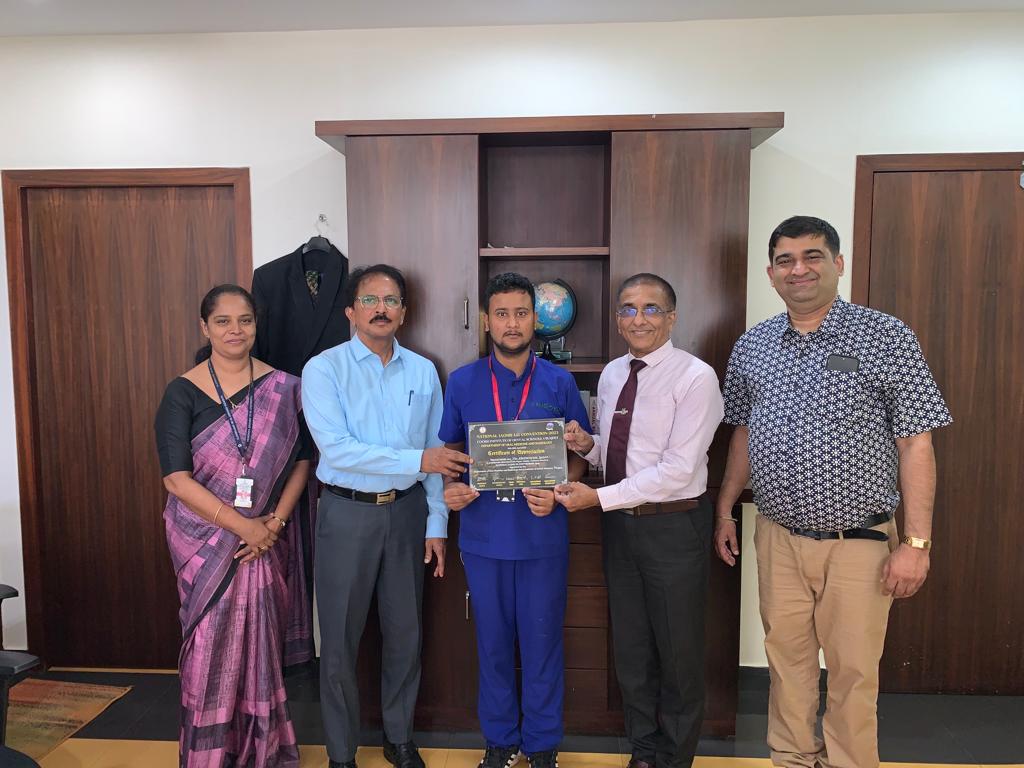
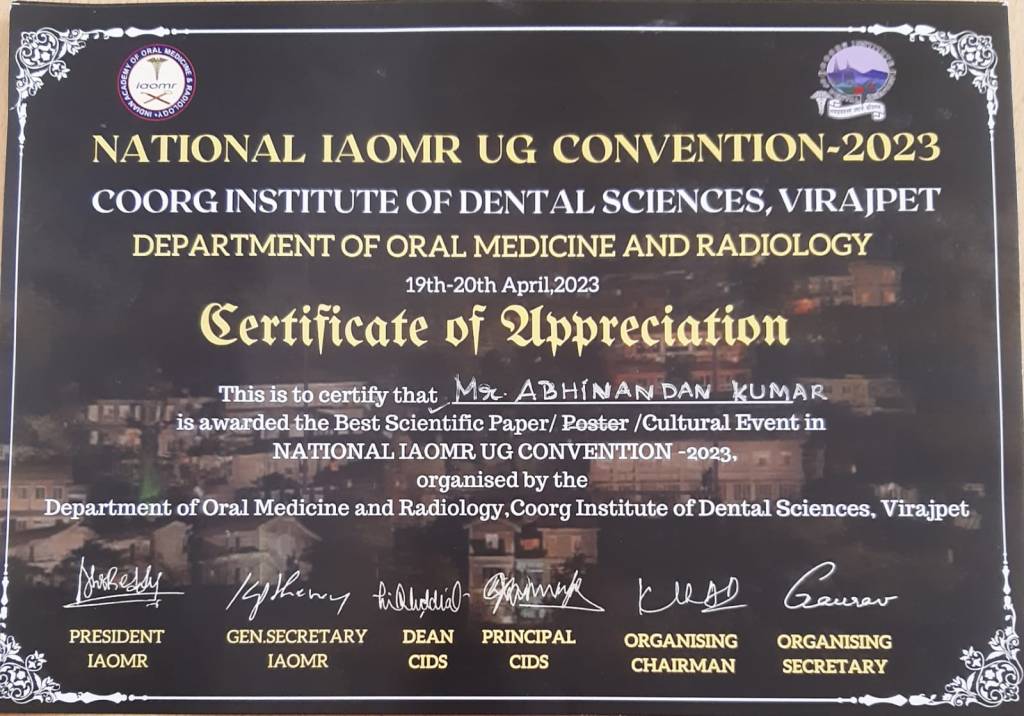
In a commendable display of scientific inquiry, Abhinandan Kumar, a dedicated intern at Yenepoya Dental College, has undertaken pioneering research on the detection of salivary antibodies in both COVID-19 vaccinated and non-vaccinated individuals. His research holds promise in understanding the immune responses to the virus and vaccines, potentially influencing public health measures during the ongoing pandemic.
1) What motivated you to choose this particular research topic? I was drawn to this research topic due to the unique circumstances presented by the COVID-19 pandemic. The pandemic has posed significant challenges to public health, making it crucial to understand the immune response to the virus and vaccines. This research allows me to contribute to our understanding of COVID-19 and potentially influence public health measures during these unprecedented times.
2) How did you become interested in the ICMR STS program, and what was your application process like? My interest in the ICMR STS (Indian Council of Medical Research Short-Term Studentship) program stemmed from its esteemed reputation and the opportunity it provides for students like myself to engage in meaningful medical research. The program’s focus on nurturing research skills and promoting scientific inquiry aligns perfectly with my career aspirations.
3) What was the main research question or hypothesis you aimed to address in your project? The primary research question and hypothesis in my project revolved around comparing IgG (Immunoglobulin G) antibody levels in two distinct groups: COVID-19 vaccinated individuals and non-vaccinated individuals who had contracted COVID-19. Specifically, we aimed to investigate whether there were significant differences in IgG antibody levels between these two groups, which would provide insights into the effectiveness of vaccination and the durability of immune responses in previously infected individuals.
4) How did you design your research proposal and select your methodology? In our study, we included 15 vaccinated and 15 non-vaccinated individuals, excluding those with recent fevers. Participants rinsed their mouths with water before providing saliva samples, which were stored at 4°C for up to 6 hours and then at -20°C. IgG levels targeting SARS-CoV-2 RBD were measured using an established ELISA method, with absorbance readings at 450 nm taken within 30 minutes of stopping the reaction.
5) Can you describe the specific methods and techniques you used to collect and analyze data? We utilized the ELISA (Enzyme-Linked Immunosorbent Assay) method for both data collection and analysis in our study.
6) Were there any unexpected challenges or obstacles that you encountered during your research process? Yes, we did encounter unexpected challenges during the research process, particularly when collecting samples from non-vaccinated individuals.
7) Did you collaborate with any mentors or fellow researchers during the project? How did they support you? During the project, I had the privilege of collaborating with two esteemed mentors, Dr. Vishnu Das Prabhu and Prof. Bhandari. Their guidance and support were instrumental in the successful execution of the research.
8) Were there any surprising or noteworthy discoveries during your research? Yes, during our research, we made a noteworthy discovery. We observed both slight changes and no change in IgG levels among the vaccinated individuals. This finding indicated that the immune response to COVID-19 vaccination can vary among individuals, with some showing slight alterations in IgG levels, while others exhibited no change.
9) Is there anyone you would like to acknowledge or express gratitude to for their support during your research project? I would like to extend my heartfelt gratitude to several individuals who played instrumental roles in supporting and guiding me throughout my research project. Firstly, I express my sincere appreciation to our principal, Dr. Laxmikanth Chatra, for providing valuable encouragement and resources for this endeavor. I’m also deeply thankful to our dean, Dr. Sham Bhat, for his unwavering support and mentorship. Additionally, I want to acknowledge and thank Prof. Vishnu Prabhu and Prof. Bhandari for their expertise, which significantly enhanced the quality of the research. Last but not least, I express my gratitude to Maji Jos for their invaluable assistance during the project. Their collective support was indispensable in making this research a reality.
Riya Verma’s Remarkable Journey through ICMR STS Program Unveils Potential Prognostic Markers for Oral Squamous Cell Carcinoma
In a remarkable journey filled with determination and discovery, Riya Verma, a passionate dental intern from the Maulana Azad Institute of Dental Sciences, has left an indelible mark in the field of oral cancer research. Her groundbreaking research project, made possible through the prestigious Indian Council of Medical Research (ICMR) Short-Term Studentship (STS) program, focuses on the prognosis of oral squamous cell carcinoma (OSCC), offering valuable insights into potential indicators of severity and prognosis for patients.
Miss Riya Verma, a dynamic dental intern with a burning passion for her field, embarked on a journey of scientific exploration that has set her apart as a rising star in the world of dentistry. Alongside her academic pursuits, Riya is the driving force behind ‘dr_mccavity,’ a platform where she shares valuable insights on oral health and her personal adventures in the dental profession. Moreover, Riya, in collaboration with her friend Sumit, authored the enlightening book ‘The Dental Footprints,’ which celebrates the remarkable journeys of successful dentists from various specialties, aiming to inspire and ignite the passion of young dental students.
Can you please introduce yourself?
Hey there, I’m Riya Verma, a dental intern currently studying at the awesome Maulana Azad Institute of Dental Sciences. I’ve got a passion for dentistry that’s been burning bright ever since I first heard about the ICMR -STS program. I set my sights on being a part of it, and I’m proud to say I not only snagged a spot but also completed the program with flying colors. But wait, my journey doesn’t stop there! I’ve got a little project of my own called ‘dr_mccavity’ where I share all things related to oral health and spill the beans on my own adventure in the dental world. Now, here’s the real exciting part: during my third year in college, I teamed up with my buddy Sumit to co-author a cool book called ‘The Dental Footprints.’ We wanted to uncover the amazing stories of successful dentists from different specialties and share their inspiring journeys. Our goal? To sprinkle a little positivity about dentistry among the young dental students and ignite their passion for this field! 🦷📚
Could you provide a brief overview of your research project?
In our study, we looked at 60 cases, with 30 of them being patients diagnosed with oral squamous cell carcinoma (OSCC) and the other 30 being healthy individuals for comparison. Our goal was to see if certain blood markers, specifically the Neutrophil-Lymphocyte Ratio (NLR), Platelet-Lymphocyte Ratio (PLR), and Mean Platelet Volume (MPV), could provide insights into the severity and prognosis of OSCC. We found that NLR and PLR were particularly promising in this regard. These markers, which can be easily measured through routine blood tests, showed a strong correlation with both the histological grading of the cancer and its TNM staging, which is a way to determine how advanced the cancer is. This suggests that NLR and PLR could serve as valuable prognostic indicators for OSCC patients. On the other hand, Mean Platelet Volume (MPV) didn’t seem to have as strong a connection to prognosis in OSCC as NLR and PLR did. In summary, our research suggests that NLR and PLR are important factors to consider when assessing the prognosis of oral squamous cell carcinoma. These markers are not only reliable but also readily available, making them potentially valuable tools in predicting the outcome of cancer.
What motivated you to choose this particular research topic?
I stumbled upon some research papers by dentists that really caught my attention, especially those focused on oral squamous cell carcinoma. I found them incredibly fascinating, and they ignited a strong desire in me to dive into similar research. However, being a final-year student, I was a bit lost when it came to choosing the right topic. So, when I approached my teacher for help in finding a suitable research topic, she was kind enough to suggest something related to oral cancer. I was absolutely thrilled and excited about the prospect of delving into this subject!
How did you become interested in the ICMR STS program, and whatwas your application process like?
I got really interested in the ICMR STS program after I read Anisha Valli’s interview in the IDA student magazine. It just sounded so intriguing and different from the typical college experiences that everyone was talking about. I was eager to break away from the norm and explore something unique, something that most people weren’t even considering. Plus, I had this strong urge to try out different opportunities and really find what I was passionate about. This determination of mine was what kept me going and made me decide to go for the program no matter what. Now, the application process, I won’t lie, it was quite challenging. At first, I didn’t have a clue about many aspects of it. But as time went on, I started to grasp it better and learn so much along the way.
How did you design your research proposal and select yourmethodology?
I worked closely with my mentor, Professor Dr. Priya Kumar, from the Oral Pathology and Microbiology Department at Maulana Azad Institute of Dental Sciences to develop my research proposal and methodology. I also reached out to some postgraduate students in the PhD department for help with the tricky statistical analysis, which I initially found quite challenging to wrap my head around. But as I started to see the results, I was not only pleasantly surprised but also found that I was getting a much better understanding of the concepts involved.
Were there any unexpected challenges or obstacles that you encountered during your research process? How did you overcome them?
Absolutely, there were quite a few hurdles I faced during my research journey. To give you some context, I was in the midst of my final year professional exams at that time. Gathering cases, writing up detailed case histories, and collecting patients’ blood reports, among other things, proved to be quite a challenge. I must admit, it was a bit overwhelming for me to handle all of it on my own. Fortunately, I had the support of my amazing parents and friends who pitched in to help me complete the tasks. While many people around me were quick to point out that I might have bitten off more than I could chew by taking on this research project alongside my exams, a few of my closest friends and my parents were my biggest cheerleaders. They believed in me and encouraged me to believe in myself. And you know what? I managed to pull it off! I turned my dream into a reality, and that feeling of accomplishment was truly priceless.
Are there any specific tips or insights you would offer to future STS applicants to increase their chances of success?
To all the future STS candidates out there, I want to stress the importance of giving it a shot, even if you’re feeling a bit overwhelmed and things seem tough. You might be surprised by what could turn into your real passion. Remember, patience is key. Research can’t make progress without your patience and determination. So, keep at it and stay persistent!
Is there anyone you would like to acknowledge or express gratitude to for their support during your research project?
I would begin by expressing my gratitude to Lord Ganesha for granting me the opportunity to pursue this research. Next, I want to extend my heartfelt thanks to my parents for their unwavering support. I am also deeply appreciative of my mentor, Dr. Priya Kumar, and the postgraduate students who played an integral role in ensuring the completeness of this journey.
Riya Verma’s pioneering research exemplifies the power of determination, curiosity, and the unwavering support of loved ones. As she continues her academic pursuits, her future promises further discoveries and contributions to the field of dentistry. Her journey stands as a testament to the boundless potential of young researchers to make a significant impact in healthcare and inspire future generations.
In a remarkable achievement, Raahul, a final-year BDS student at Rural Dental College, Pravara Institute of Medical Sciences, Loni, has made significant strides in dental research. His pioneering project, funded by the prestigious Indian Council of Medical Research (ICMR) Short-Term Studentship (STS) program, focuses on replicating enamel-like structures using synthetic materials through biomimetics.
Mr Raahul, a passionate problem-solver with a penchant for non-fiction literature and spreading smiles, this research journey was an opportunity to make a tangible impact in the world of dentistry.
Raahul’s journey into the world of biomimetics began with a strong desire to address dental issues by emulating the structural and functional qualities of natural enamel. His research project aimed to create synthetic materials that closely resembled the composition and properties of enamel, a substance renowned for its hardness and protective role in teeth.
What motivated you to choose this particular research topic? Among the various topics I considered, this particular one resonated with me strongly, as I believed that if I could emulate the structural and functional qualities of enamel closely, it could potentially address several issues.
How did you become interested in the ICMR STS program, and what was your application process like? I came across the ICMR’s STS program on the Dentowesome page, and though I wasn’t previously aware of it, I decided to explore it further and give it a try.
What was the main research question or hypothesis you aimed to address in your project? My primary objective was to successfully mimic the enamel-like structure using synthetic materials, and I can confidently say that I achieved this goal.
How did you design your research proposal and select your methodology? My initial reference point was the comprehensive guidelines provided by ICMR, and I also received valuable guidance from my mentor.
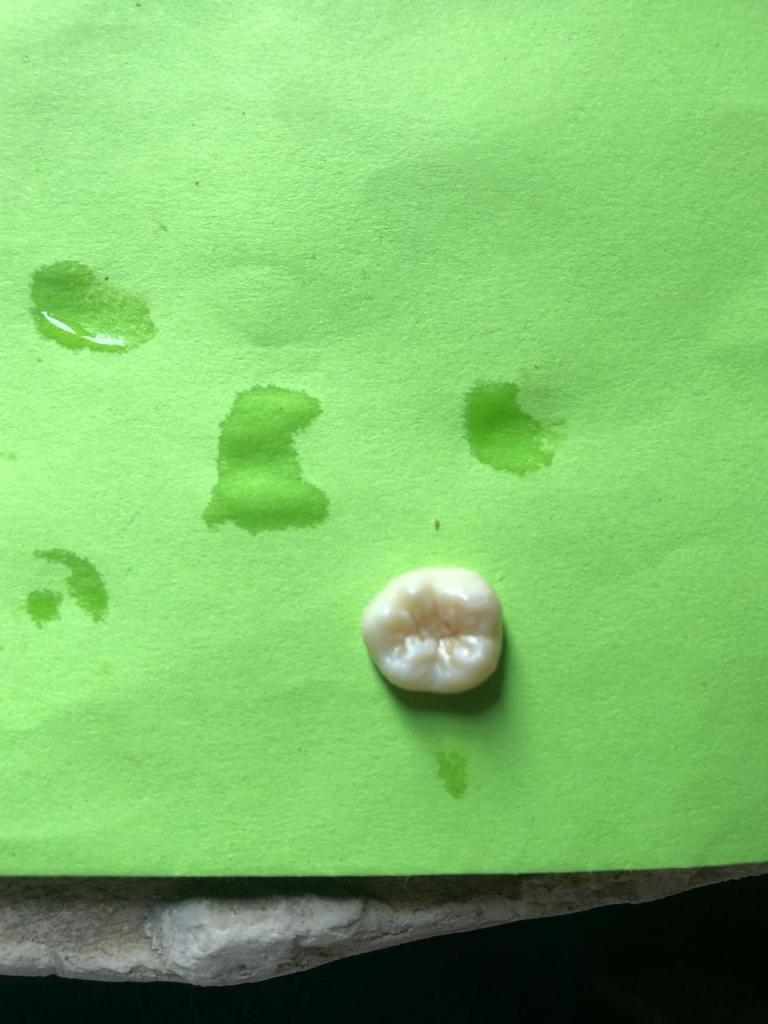
Can you describe the specific methods and techniques you used to collect and analyze data? The study was conducted in vitro, involving the use of extracted third molars with intact enamel from the OMFS department in our hospital. The procedures were carried out in the biochemistry lab.
Were there any unexpected challenges or obstacles that you encountered during your research process? How did you overcome them? I was fairly well-prepared for potential challenges, as I had anticipated many of the issues that might arise during the course of my research.
Did you collaborate with any mentors or fellow researchers during the project? How did they support you? Certainly, it was a collaborative effort. The OMFS residents assisted me in obtaining the tooth samples, the biochemistry faculty guided me through the procedures, and, of course, my mentor played a pivotal role.
Were there any surprising or noteworthy discoveries during your research? Our research allowed us to comprehend the relationship between a dendrimer called PAMAM and human enamel. This has potential implications for future use as a regenerative material in enamel regeneration.
Are there any specific tips or insights you would offer to future STS applicants to increase their chances of success? My advice is to stay true to yourself and give your absolute best. Everything will eventually fall into place, and even when facing difficult moments, don’t give up. Often, things can change for the better if you persist through those challenging times.
Is there anyone you would like to acknowledge or express gratitude to for their support during your research project? I’m deeply grateful to my mentor, my seniors, the faculty, and particularly Dr. Anisha. Her valuable interactions and assistance in addressing various challenges have been instrumental. In conclusion, I would like to extend my heartfelt thanks to Dr. Anisha for this opportunity. While I’m uncertain of the extent of its impact, if even one student is inspired to pursue a similar path, I would consider it a success.
Raahul’s achievement stands as a testament to the potential for innovative research within the field of dentistry. His work may one day lead to transformative advancements in dental care, offering brighter smiles and healthier teeth for countless individuals.