MCQs on Historical Theories of Orthodontic Tooth Movement

Question 1:

Which theory proposed that bone bending was responsible for orthodontic tooth movement?

  • A. Piezo-electric forces theory
  • B. Pressure-tension hypothesis
  • C. Bone bending theory
  • D. Mechanotransduction theory

Answer: C. Bone bending theory

Question 2:

What was the main flaw in the pressure-tension hypothesis?

  • A. It assumed a closed system for the periodontal ligament.
  • B. It did not consider the role of osteoblasts and osteoclasts.
  • C. It failed to account for the electrical effects in bone.
  • D. It disregarded the influence of cytokines and growth factors.

Answer: A. It assumed a closed system for the periodontal ligament.

Question 3:

Which theory suggested that electrical effects in bone were responsible for orthodontic tooth movement?

  • A. Piezo-electric forces theory
  • B. Pressure-tension hypothesis
  • C. Bone bending theory
  • D. Mechanotransduction theory

Answer: A. Piezo-electric forces theory

Question 4:

According to Meikle’s overview, what is the primary mechanism underlying orthodontic tooth movement?

  • A. Bone bending
  • B. Electrical effects
  • C. Mechanotransduction
  • D. Pressure-tension

Answer: C. Mechanotransduction

Question 5:

Which of the following theories have been largely discounted by contemporary research?

  • A. Bone bending and pressure-tension hypothesis
  • B. Piezo-electric forces theory
  • C. Mechanotransduction theory
  • D. All of the above

Answer: A. Bone bending and pressure-tension hypothesis

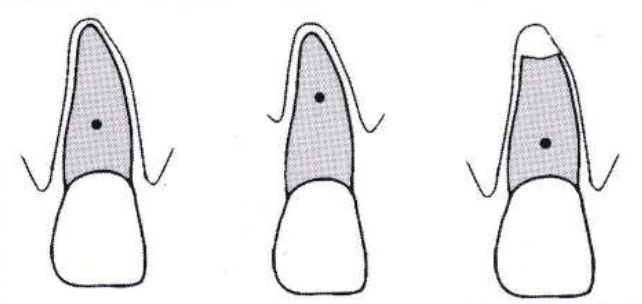
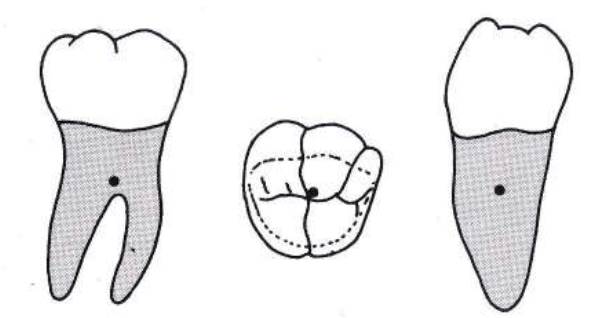
Historical Theories of Orthodontic Tooth Movement

Bone Bending Theory:

  • Pressure applied to teeth bends the bone.
  • This bending triggers bone resorption and deposition, similar to what happens in long bones.

Pressure-Tension Hypothesis:

  • Forces applied to teeth are transmitted through the periodontal ligament to the bone.
  • Differential pressures in the periodontal ligament cause bone remodeling.
  • This theory has been largely dismissed due to the hydrostatic nature of the periodontal ligament.

Piezoelectric Forces Theory:

  • Bending bone generates electrical charges (piezoelectric and streaming potentials).
  • These electrical charges were thought to be responsible for bone remodeling.
  • However, it’s now believed that these electrical effects are a secondary phenomenon and not the primary cause of bone remodeling.

Contemporary Understanding:

  • Orthodontic tooth movement is a complex biological process.
  • Mechanical forces applied to teeth trigger a series of cellular responses.
  • Osteoblasts, the bone-forming cells, play a crucial role in this process.
  • They respond to mechanical stimuli by producing signaling molecules (cytokines).
  • These signaling molecules influence the behavior of other cells involved in bone remodeling.

Braces-Friendly Diet: Foods You Can Enjoy

So you’ve got the braces thing going on, huh? A journey to a stellar smile, no doubt! But let’s face it, chomping down on everything from apples to samosas can be a real drag with those metal friends attached. Fear not, fellow food enthusiasts, for this guide will turn you into a braces-wearing, balanced-diet boss!

Carbs: Your Chapatti and Rice BFFs

Lucky you! Most grains are soft and chew-friendly. Pile on the fluffy rice, indulge in those melt-in-your-mouth rotis (dunk ’em in dal for extra protein power!), and enjoy that breakfast bread (just maybe avoid the rock-hard baguettes for now). Discomfort? Mash those chapattis into a delightful curry and rice symphony – your taste buds and braces will thank you.

Dairy: Your Calcium Cavalry

Milk, yogurt, cheese – the holy trinity of strong teeth and happy braces! They’re soft, delicious, and pack a calcium punch. Bonus points for milkshakes (because, hello, who doesn’t love a good milkshake?), but go easy on the sugar. Think of yourself as a calcium crusader, venturing forth with every spoonful of yogurt!

Veggies: Your Mashed Marvels

Ah, vegetables – the dietary champions! Most Indian meals involve cooked veggies, which are a breeze for braces. Feeling a bit adventurous? Mash them up for extra comfort. Need a raw veggie fix? Grate those carrots or chop your salad into bite-sized pieces. Just remember, you’re not a superhero (yet!), so skip the superhero-sized bites.

Fruits: Your Juicy Jewels (with a Few Caveats)

Fruits – the colorful crew that adds sweetness to life! But with braces, things can get a little tricky. Apples? Unless you’re feeling like a dental daredevil, cut them up. Unripe pears and peaches? Give them a side-eye. Feeling extra tender after a wire change? Citrus fruits and berries are your new best friends. Remember, if all else fails, fruit juice is always a healthy option. Just a heads-up, though, chomping on icy-cold fruits might not be the most pleasant experience with all that metal in your mouth. Let your food warm up a bit for a friendlier feast.

Nuts & Seeds: Your Sneaky Saboteurs (But We Can Work With Them)

Okay, nuts and seeds – they’re delicious, nutritious, but a real challenge for braces. Here’s the deal: during your orthodontic adventure, swap those whole nuts for nut butters (think creamy peanut butter heaven!) or coarsely grind your favorite seeds. This way, you get the goodness without the potential for a braces breakdown.

Meat: Your Tender and Chopped Champs

Meat – the protein powerhouse! Unfortunately, it can be a bit fibrous and tough on braces. Here’s the golden rule: avoid gnawing on meat straight off the bone (think of your teeth, not your inner caveman). Tofu and cottage cheese are great protein alternatives, but if you must have meat, choose lean, tender cuts and chop them into bite-sized pieces.

The Absolute No-Nos: Your Braces’ Nightmares

Now, let’s talk about the foods that would make your braces weep. Gum (both sugary and sugarless) is a big no-no. Sticky candies? Forget about it. Hard foods like whole nuts (unless grinded), popcorn, corn on the cob, pizza crusts (sorry!), ice, and cookies are strictly off-limits. Think of them as villains in your quest for a perfect smile.

Remember: Consistency is key! Stick to this guide, embrace some creativity in the kitchen, and you’ll be a braces-wearing, balanced-diet pro in no time. Now go forth and conquer that delicious, nutritious world, one bite at a time (and maybe cut that bite in half)!

MCQs – Presurgical Nasoalveolar Molding (PNAM)

Single-Best Answer Questions

  1. The primary goal of presurgical nasoalveolar molding (PNAM) is to:
    • A. Improve facial aesthetics
    • B. Reduce the severity of the cleft
    • C. Prepare the patient for surgery
    • D. All of the above
  2. PNAM involves the use of:
    • A. A surgical plate
    • B. A molding device
    • C. A orthodontic appliance
    • D. All of the above
  3. The NAM plate is primarily used to:
    • A. Stimulate maxillary growth
    • B. Improve nasal symmetry
    • C. Correct the cleft lip
    • D. All of the above
  4. Lip massage and lip taping are recommended to:
    • A. Reduce scar tissue
    • B. Improve facial muscle function
    • C. Increase tissue elasticity
    • D. All of the above

Multiple-Choice Questions

  1. Which of the following are benefits of PNAM?
    • A. Reduced cleft stigma
    • B. Improved nasal and lip appearance
    • C. Improved maxillary growth
    • D. All of the above
  2. What are the potential challenges associated with PNAM?
    • A. Patient discomfort
    • B. Difficulty with feeding
    • C. Skin irritation
    • D. All of the above
  3. Which of the following factors may influence the effectiveness of PNAM?
    • A. Severity of the cleft
    • B. Timing of initiation
    • C. Patient compliance
    • D. All of the above

True or False Questions

  1. PNAM is a relatively new technique.
  2. The NAM plate is a permanent device.
  3. Lip massage and lip taping are only effective in the short term.
  4. PNAM can help to reduce the need for future surgeries.
  5. The long-term effects of PNAM on dental arch development are well-established.

Answers to MCQs on Presurgical Procedure for Cleft Patients

Single-Best Answer Questions

  1. B. Reduce the severity of the cleft
  2. D. All of the above
  3. A. Stimulate maxillary growth
  4. C. Increase tissue elasticity

Multiple-Choice Questions

  1. D. All of the above
  2. D. All of the above
  3. D. All of the above

True or False Questions

  1. True
  2. False
  3. False
  4. True
  5. False

MCQs on Preliminary Surgical Procedures for Cleft Patients

Single-Best Answer Questions

  1. The most common surgical procedures for cleft patients include:
    • A. Cheiloplasty, palatoplasty, and rhinoplasty
    • B. Cheiloplasty, palatoplasty, and alveolar bone grafting
    • C. Palatoplasty, rhinoplasty, and alveolar bone grafting
    • D. Cheiloplasty, rhinoplasty, and orthognathic surgery
  2. The C-flap technique is a modification of:
    • A. Millard rotation-advancement flap
    • B. Fischer’s technique
    • C. Intravelar veloplasty
    • D. Furlow palatoplasty
  3. The primary goal of postoperative care after lip surgery in cleft patients is:
    • A. To prevent infection
    • B. To promote wound healing
    • C. To improve facial aesthetics
    • D. To correct speech problems
  4. Laser therapy is used in scar management after lip surgery to:
    • A. Reduce scar tissue
    • B. Improve skin texture
    • C. Enhance wound healing
    • D. All of the above

Multiple-Choice Questions

  1. Which of the following factors influence the timing of lip and palatal repair in cleft patients?
    • A. Severity of the cleft
    • B. Patient’s age
    • C. Surgeon’s preference
    • D. All of the above
  2. What are the potential complications associated with lip surgery in cleft patients?
    • A. Dehiscence
    • B. Notching
    • C. Fistula formation
    • D. All of the above
  3. Which of the following techniques can be used for palatal repair in cleft patients?
    • A. Furlow palatoplasty
    • B. Veau-Duhamel palatoplasty
    • C. Intravelar veloplasty
    • D. All of the above

True or False Questions

  1. Lip and palatal repair are always performed simultaneously in cleft patients.
  2. The C-flap technique is a traditional method for lip repair.
  3. Postoperative massage is recommended to reduce scar tissue in cleft patients.
  4. Laser therapy is a new and experimental approach to scar management.
  5. Silicone gel can be used to help prevent scar contracture in cleft patients.

Answers to MCQs on Preliminary Surgical Procedures for Cleft Patients

Single-Best Answer Questions

  1. B. Cheiloplasty, palatoplasty, and alveolar bone grafting
  2. A. Millard rotation-advancement flap
  3. B. To promote wound healing
  4. D. All of the above

Multiple-Choice Questions

  1. D. All of the above
  2. D. All of the above
  3. D. All of the above

True or False Questions

  1. False
  2. False
  3. True
  4. False
  5. True

MCQs on Alveolar Bone Grafting for Cleft Patients #MDSOrthodontics

Single-Best Answer Questions

  1. The most common donor site for autogenous bone grafting in cleft patients is:
    • A. Tibia
    • B. Iliac crest
    • C. Radius
    • D. Femur
  2. Which of the following is the most important factor to consider when performing bone grafting in cleft patients?
    • A. Timing of the graft
    • B. Type of anesthetic used
    • C. Donor site morbidity
    • D. Post-operative care
  3. The primary purpose of bone grafting in cleft patients is to:
    • A. Improve facial aesthetics
    • B. Restore alveolar bone for future tooth movement and prosthetic restoration
    • C. Correct nasal deformities
    • D. Prevent speech problems
  4. The use of 3D planning in bone grafting for cleft patients is beneficial because:
    • A. It reduces the need for multiple surgeries
    • B. It allows for more precise graft placement
    • C. It eliminates the risk of graft failure
    • D. It ensures complete bone healing
  5. Bio-glass scaffolds are used in bone grafting for cleft patients to:
    • A. Replace the need for autogenous bone
    • B. Enhance bone regeneration
    • C. Reduce post-operative pain
    • D. Improve graft stability

Multiple-Choice Questions

  1. Which of the following factors can influence the success of bone grafting in cleft patients?
    • A. Graft volume
    • B. Graft quality
    • C. Recipient site vascularity
    • D. All of the above
  2. What are the potential complications associated with bone grafting in cleft patients?
    • A. Infection
    • B. Graft resorption
    • C. Donor site morbidity
    • D. All of the above
  3. Which of the following techniques can be used to minimize graft resorption after bone grafting in cleft patients?
    • A. Gentle handling of the bone
    • B. Use of bone marrow-derived mesenchymal stem cells
    • C. Application of growth factors
    • D. All of the above

True or False Questions

  1. The timing of bone grafting in cleft patients is a matter of consensus among clinicians.
  2. Calvarial bone is a less preferred donor site compared to the iliac crest.
  3. Crushing the bone during grafting can lead to increased resorption.
  4. 3D planning is not essential for successful bone grafting in cleft patients.
  5. Bio-glass scaffolds are a completely synthetic material that does not require autogenous bone.

Answers to MCQs on Alveolar Bone Grafting for Cleft Patients

Single-Best Answer Questions

  1. B. Iliac crest
  2. A. Timing of the graft
  3. B. Restore alveolar bone for future tooth movement and prosthetic restoration
  4. B. It allows for more precise graft placement
  5. B. Enhance bone regeneration

Multiple-Choice Questions

  1. D. All of the above
  2. D. All of the above
  3. D. All of the above

True or False Questions

  1. False
  2. False
  3. True
  4. False
  5. False

JC Presentation 2 – Prevalence of white spot lesions during orthodontic treatment with fixed appliances

Woah there, JC wizards! ‍♀️🪄 Second presentation alert, and guess who’s got your back with the ultimate slide deck? So buckle up, download that bad boy, and prepare to slay your next JC presentation like the rockstar you are!

Hey there, orthodontic peeps! Ever wondered why those pesky white spots like to crash the party on your pearly whites after getting braces? We got curious too, so we donned our detective hats ️‍♀️ and followed a group of brave souls on their brace-tastic journeys for 6 and 12 months.

The Results: Buckle up, because things are about to get interesting! At 6 months, almost half the crew (38%) had at least one white spot, and by 12 months, it climbed to a cool 46%. But hey, the good news is, the control group who hadn’t even gotten their braces on yet were practically spotless (only 11% with spots!).

The Plot Twist: Turns out, these white spots seem to prefer hanging out with the dudes! ‍ 76% of spotted teeth belonged to our male friends, while only 24% were on the ladies’ side. Who knew braces were so gender-biased?

The Takeaway: So, what’s the lesson in this orthodontic detective story? The first 6 months are like white spot central, but things kinda chill out after that. But don’t let your guard down! Clinicians gotta keep a close eye on those pearly whites, especially at the beginning, and make sure everyone’s brushing and flossing like champions to keep those spots at bay. 🪥

SOURCE FOR VIVA QUESTIONS: https://www.slideshare.net/marwanmouakeh/white-spot-lesions

Accelerating Orthodontic Treatment with Low-Level Laser Therapy

Low-level laser therapy (LLLT) has gained attention in orthodontics for its potential to accelerate orthodontic tooth movement and space closure using functional mechanics. Studies have shown that LLLT has stimulatory effects that can accelerate bone regeneration, stimulate collagen synthesis, and induce remodeling processes in oral tissues (Limpanichkul et al., 2006; Isola et al., 2019). Additionally, LLLT has demonstrated faster healing, biostimulation, and anti-inflammatory effects, which can contribute to accelerated tooth movement (Kharat et al., 2023; Basso et al., 2017). Furthermore, the effectiveness of LLLT in accelerating orthodontic tooth movement has been supported by multiple clinical trials and meta-analyses, which reported faster space closure and reduced treatment times (Miles, 2017; Sawas et al., 2023; Kalia et al., 2023).

The biostimulatory effects of LLLT have been attributed to its ability to enhance tissue repair processes, reduce inflammatory processes, and promote cell and tissue biostimulation, ultimately contributing to accelerated wound healing (Santos et al., 2021; Santana et al., 2015). Moreover, LLLT has been associated with reduced pain and improved pain control, further enhancing its potential in orthodontic treatments (Bayani et al., 2016; Topolski et al., 2018). These findings are supported by a study that concluded that LLLT was more effective in pain control compared to other methods (Topolski et al., 2018).

Furthermore, the effects of LLLT on orthodontic tooth movement have been investigated at the cellular level, revealing its biostimulatory effects and potential to enhance bone remodeling processes (Dhiman, 2018). Additionally, a study reported that LLLT was able to reduce the area of fistulous tracts, decrease inflammatory processes, and improve local vascular congestion, further highlighting its therapeutic potential in tissue healing and repair (Santos et al., 2021).

Overall, the evidence suggests that LLLT holds promise in accelerating orthodontic tooth movement and space closure using functional mechanics. Its biostimulatory effects, ability to enhance tissue repair processes, and potential to reduce pain make it a valuable adjunct in orthodontic treatments.

REFRENCES

Basso, F., Pansani, T., Cardoso, L., Citta, M., Soares, D., Scheffel, D., … & Costa, C. (2017). Epithelial cell-enhanced metabolism by low-level laser therapy and epidermal growth factor. Lasers in Medical Science, 33(2), 445-449. https://doi.org/10.1007/s10103-017-2176-z Bayani, S., Rostami, S., Ahrari, F., & Saeedi-Pouya, I. (2016). A randomized clinical trial comparing the efficacy of bite wafer and low level laser therapy in reducing pain following initial arch wire placement. Laser Therapy, 25(2), 121-129. https://doi.org/10.5978/islsm.16-or-10 Dhiman, S. (2018). Effect of low- level laser therapy (lllt) on orthodontic tooth movement – cellular level. Advances in Dentistry & Oral Health, 7(5). https://doi.org/10.19080/adoh.2018.07.555723 Isola, G., Matarese, M., Briguglio, F., Grassia, V., Picciolo, G., Fiorillo, L., … & Matarese, G. (2019). Effectiveness of low-level laser therapy during tooth movement: a randomized clinical trial. Materials, 12(13), 2187. https://doi.org/10.3390/ma12132187 Kalia, A., Bobade, S., Nene, S., Mirdehghan, N., Patil, V., & Khan, A. (2023). Evaluation of effectiveness of low level laser therapy in accelerating orthodontic tooth movement-an in vivo study. Ip Indian Journal of Orthodontics and Dentofacial Research, 9(1), 53-62. https://doi.org/10.18231/j.ijodr.2023.011 Kharat, D., Pulluri, S., Parmar, R., Choukhe, D., Shaikh, S., & Jakkan, M. (2023). Accelerated canine retraction by using mini implant with low-intensity laser therapy. Cureus. https://doi.org/10.7759/cureus.33960 Limpanichkul, W., Godfrey, K., Srisuk, N., & Rattanayatikul, C. (2006). Effects of low‐level laser therapy on the rate of orthodontic tooth movement. Orthodontics and Craniofacial Research, 9(1), 38-43. https://doi.org/10.1111/j.1601-6343.2006.00338.x Miles, P. (2017). Accelerated orthodontic treatment ‐ what’s the evidence?. Australian Dental Journal, 62(S1), 63-70. https://doi.org/10.1111/adj.12477 Santana, C., Silva, D., Deana, A., Prates, R., Souza, A., Gomes, M., … & França, C. (2015). Tissue responses to postoperative laser therapy in diabetic rats submitted to excisional wounds. Plos One, 10(4), e0122042. https://doi.org/10.1371/journal.pone.0122042 Santos, C., Guimarães, F., Barros, F., Leme, G., Silva, L., & Santos, S. (2021). Efficacy of low-level laser therapy on fistula-in-ano treatment. Abcd Arquivos Brasileiros De Cirurgia Digestiva (São Paulo), 34(1). https://doi.org/10.1590/0102-672020210001e1572 Sawas, M., Alsaghir, Z., Aldosari, F., Hafiz, R., Alghamdi, M., Alshammari, N., … & Safhi, T. (2023). Methods and technology used to accelerate dental movements in orthodontic treatments. Journal of Healthcare Sciences, 03(01), 78-83. https://doi.org/10.52533/johs.2023.30113 Topolski, F., Moro, A., Correr, G., & Schimim, S. (2018). Optimal management of orthodontic pain. Journal of Pain Research, Volume 11, 589-598. https://doi.org/10.2147/jpr.s127945