Updates on Treatment and Management of Patients with COVID-19 Infection

Recommendation 1: hydroxychloroquine/chloroquine in the context of a clinical trial. (Knowledge gap)

Recommendation 2: hydroxychloroquine/chloroquine plus azithromycin only in the context of a clinical trial. (Knowledge gap)

Recommendation 3: the combination of lopinavir/ritonavir only in the context of a clinical trial. (Knowledge gap)

Recommendation 4: COVID-19 pneumonia, the IDSA guideline panel suggests against the use of corticosteroids.

Recommendation 5: ARDS due to COVID-19, the IDSA guideline panel recommends the use of corticosteroids in the context of a clinical trial. (Knowledge gap)

Recommendation 6: tocilizumab only in the context of a clinical trial. (Knowledge gap)

Recommendation 7: COVID-19 convalescent plasma in the context of a clinical
trial. (Knowledge gap)

RESULTS OF RECOMMENDATION 1 and 2

  • HCQ failed to demonstrate a beneficial effect of HCQ on clinical progression of COVID-19 or on viral clearance by PCR tests
  • Addition of azithromycin to HCQ provided indirect comparisons of failure of virologic clearance to historical controls.
  • HCQ+AZ experienced numerically fewer cases of virologic failure
  • Relying on intermediary outcomes, such as viral clearance to determine patient-important outcomes add another layer of imprecision.
  • HARM: significant QT prolongation in 10 of 95 treated patients. Hence, Baseline and follow-up ECG monitoring would be indicated.
  • Conclusions and research needs for this recommendation: The guideline panel recommends that the use of HCQ or the HCQ+AZ combination only be used in the context of a clinical trial.

RESULTS OF RECOMMENDATION 3

  • No effect on mortality and clinical improvement
  • Side effects: (GI and skin)
  • anorexia, nausea, abdominal discomfort, or diarrhoea, as well as two serious adverse episodes of acute gastritis.
  • Self-limited skin eruptions
  • Conclusions and research needs for this recommendation: The guideline panel recommends the use of lopinavir/ritonavir only in the context of a clinical trial.

RESULTS OF RECOMMENDATION 4 and 5

  • Delayed viral clearance associated with corticosteroid use.
  • One small RCT in 24 patients using lower dose methylprednisolone for two days showed possible improvement of ARDS; however, two larger trials showed little or no effect in critically ill patients with pulmonary failure.
  • Small subset of patients progresses from COVID-19 pneumonia to develop ARDS.
  • Based on limited data from other coronaviruses, there is no clear benefit and potential harm from corticosteroids.
  • If a person is on a steroid (inhaled or systemic) for another indication (e.g., asthma), the steroid should be continued.

RESULTS OF RECOMMENDATION 6

  • Tocilizumab may have reduced mortality since there were no deaths reported
  • Patients receiving tocilizumab are often at an increased risk of serious infections (bacterial, viral, invasive fungal infections, and tuberculosis) and hepatitis B reactivation
  • Elevated IL-6 levels seen in inflammatory states have been shown to inhibit these enzymes thereby slowing the metabolism of drugs through these pathways
  • Administration of IL-6 inhibitors like tocilizumab may result in enhanced metabolism in drugs utilizing the cytochrome P450 system

RESULTS OF RECOMMENDATION 7

  • This looks benefecial
  • Compared with a 30% mortality rate in the historical control (3/10), no deaths were reported among patients receiving COVID-19 convalescent plasma.
  • No. serious adverse reactions or safety events were recorded following COVID-19 convalescent transfusion.
  • Continuation of mechanical ventilation was used as a surrogate for failure of clinical improvement
  • Given the limited information provided about time of extubation, the panel recognized an additional knowledge gap with the assessment of this outcome.

SOURCE:

Last updated April 11, 2020 at 10:58 AM EDT and posted online at http://www.idsociety.org

Article name: Infectious Diseases Society of America Guidelines on the Treatment and Management of Patients with COVID-19 Infection.

Please check website for most updated version of these guidelines.

COVID-19 and Water transmission

Can the virus exist in drinking water?

Conventional water treatment methods that use filtration and disinfection, such as those in most municipal drinking water systems, should remove or inactivate the SARS-CoV-2 virus that causes COVID-19.

Can the SARS-CoV-2 virus spread through pools and hot tubs?

Proper operation, maintenance, and disinfection (e.g., with chlorine and bromine) of pools and hot tubs should remove or inactivate the virus that causes COVID-19. However, chlorinated pools do not decrease your risk of droplet transmission of the virus (being coughed or sneezed on) and we recommend to practice social isolation and quarantine as recommended by the health authorities in your country during this pandemic.

What about sewers, gutters, and feces?

The virus that causes COVID-19 has been detected in the feces of some patients diagnosed with COVID-19. The risk of transmission is expected to be low. There have been no reports of fecal-oral transmission of COVID-19 to date.

Transmission of COVID-19 through sewage may be possible, there is no evidence to date that this has occurred. SARS, a similar coronavirus, has been detected in untreated sewage for up to 2 to 14 days. In the 2003 SARS outbreak, there was documented transmission associated with sewage aerosols. Therefore, wastewater and sewage workers should use standard practices, practice basic hygiene precautions, and wear personal protective equipment.

Source:
Water Transmission and COVID-19
https://www.cdc.gov/coronavirus/2019-ncov/php/water.html

How to write for Dentowesome (And instructions for new authors)

Hello!

You can write for Dentowesome and share your knowelege with everyone around the world! If you want me to share your notes / knowledge / mnemonics on Dentowesome, email them to me (dentowesome@gmail.com) and I’ll post it for you!

If you wanna be an independent author at Dentowesome, here’s what you need to do:

Send me your email address and I will send you an author invitation, you must accept it within 24 hours.

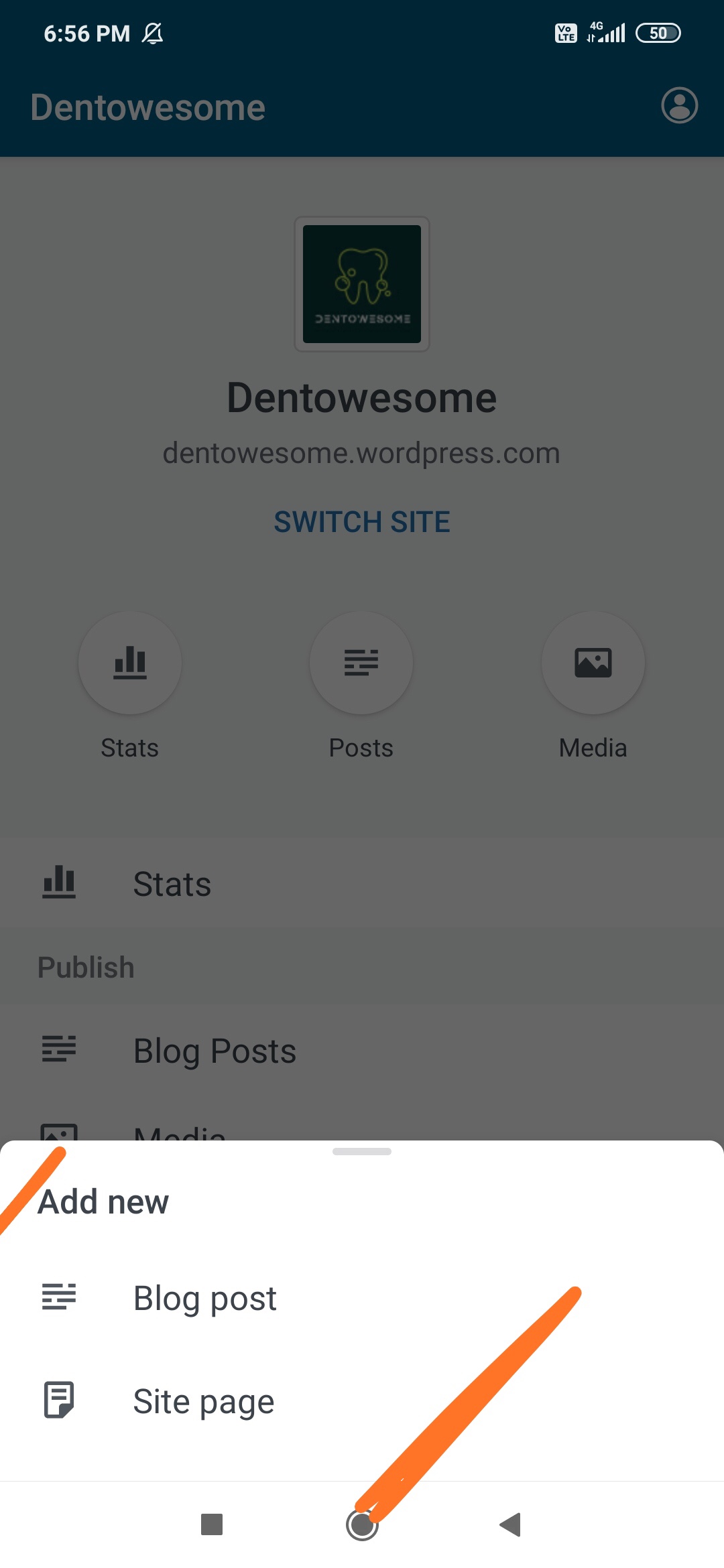
Once you’re an author, you can click on the blog post button to write a new post:

Your blog should have –

1. A title: 
I prefer you have concise titles on what the post is about. Make it a good title because that’s what is seen on the contents page and writing “Random post” as title doesn’t help!

2. Awesome content:
You can write your own posts, add your own images, notes and mnemonics.

Rules for notes: handwriting should be good, please write it on A4 size paper and scan it in colour document instead of black and white.

3. Categories
Categories are important because they help readers go through a particular topic (Subject wise) on the blog with feasibility. If you don’t categorise your post, it is likely to be lost in the sea of posts on Dentowesome.

Do NOT create new Categories

Categories which available are: Anatomy, Physiology, DAOH, Dental Materials, Pathology, Microbiology, Pharmacology, PCC, PCP, Oral Pathology, General Surgery, General Medicine, Conservative Dentistry And Endodontics, Oral And Maxillofacial Surgery, Oral Medicine And Radiology, Orthodontics, Periodontology, Prosthodontics, Public Health Dentistry

5. Publish:
Once you publish a post, it will be online on the blog. It is automatically shared on Facebook, Twitter and sent to subscribers via Email. I’ll upload it on Tumblr and other social media later.

If you are not confident about posting it all by yourself, you can run them by me. You can also Save as draft and it’ll be visible to other authors.

How to share your articles on DAI group?

Topic name in capital letters with bold font, followed by a link.

Example:
ACUTE VS CHRONIC OSTEOMYELITIS
https://dentowesome.wordpress.com/2020/04/04/acute-vs-chronic-osteomyelitis/

Also, after you write 10 or more posts, I would like you to write an about yourself post. I’ll link it on the about Author page 🙂

Perks of being an Author:
You add more awesomeness to your awesome self ^___^
You get to chat random stuff with other authors on DAI group

You get access to all Dentowesome study groups on Whatsapp 😀
And lots more, I guess? lol idk.

That’s all!

Welcome to the Dentowesome family. Happy sharing information and love! 🙂

Anisha Valli

How to Remember Cephalosporins!

FIRST GEN — Start with cefa- (except cefradine!)

  • cefazolin
  • cefadroxil

Exception: cefaclor (2nd gen)

FOURTH GEN — Contain “pi” + “me”

  • Cefepime
  • Cefpirome

FIFTH GEN — Contain “Ceft” + “-ol-“

  • Ceftobiprole
  • Ceftolozane
  • Ceftaroline

SECOND GEN

Mnemonic: “Furry Fox for Tea OR Prozac?”

  • ceFURoxime
  • ceFOXitin
  • cefoTEtAn
  • cefaclOR
  • cefPROzil

THIRD GEN

T – for Third!

cefoTaxime
cefTRIaxone
cefTazidime

Zone to Fix my Poodle

  • cefoperaZONE
  • ceFIXime
  • cefPODoxime

Rifamcyin

It’s easy to say that if DNA or RNA synthesis is inhibited, a cell won’t be able to get anything done at all!

So, inhibiting nucleic acid synthesis sounds like a great strategy for an antibiotic.

And luckily for us, the enzymes that carry out DNA and RNA synthesis are different enough between eukaryotic and prokaryotic cells that selective toxicity can be achieved.

  • The rifamycins are a family of antibiotics that inhibit bacterial RNA polymerase.
  • the antibiotic molecule is thought to bind to the polymerase in such a way that it creates a wall that prevents the chain of RNA from elongating.
  • Rifamycins are bactericidal antibiotics.
  • In the presence of rifamycins, bacteria can’t transcribe any genes that they need to carry out their normal functions, so they die.

Rifamycins are broad-spectrum antibiotics, meaning they’re effective against many types of bacteria, including

  • Gram-negative,
  • Gram-positive, and
  • obligate intracellular bacteria.

There are two main reasons for this.

First, the rifamycin molecule can penetrate well into cells and tissues.

  • This means that, unlike some antibiotics that can’t cross certain types of bacterial cell walls.
  • The rifamycins can almost always get in and gain access to their target enzyme.

And second, enzyme’s structure is similar enough that the rifamycins can bind well to their target in diverse types of bacteria.

And how do the rifamycins achieve selective toxicity?

After all, our cells need RNA polymerases too! Luckily for us, rifamycins do not bind to eukaryotic RNA polymerases, so our own cells can continue to transcribe genes normally even when we are taking these antibiotics.

Uses

A major use of rifampin is in the treatment of mycobacterial diseases, such as tuberculosis and leprosy.

  • Since mycobacteria are obligate intracellular bacteria, they live within host cells, where they’re protected against many antibiotics that can’t get inside.
  • Rifamycins can penetrate well into cells and tissues, so they’re a good first choice for mycobacterial infections.

However, as with any antibiotic, there are bacteria that are resistant to the rifamycins.

The most common way for bacteria to become resistant to rifamycins is to acquire mutations that alter the structure of the RNA polymerase in such a way that rifamycins can’t bind to it as well.

Kennedy classification of Partially Edentulous Arch

  • CLASS I: Bilateral edentulous areas located posterior to the remaining natural teeth
  • CLASS II: A unilateral edentulous area located posterior to the remaining natural teeth
  • CLASS III: A unilateral edentulous area with natural teeth remaining both anterior and posterior to it
  • CLASS IV: A single, but bilateral (crossing the midline), edentulous area located anterior to the remaining natural teeth

There are two more Classes added to Kennedy’s classification which are – 

  • Class V: An edentulous area bound by teeth anteriorly and posteriorly, but where the anterior tooth is not suitable to be used as an abutment. 
  • Class VI: An edentulous situation where the bounded teeth are capable of total support of the prosthesis.

POSTED 

Applegate’s Rule

The Kennedy classification would be difficult to apply to every situation without certain rules for application. Applegate has provided the following eight rules governing the application of the Kennedy method.

RULE 1: Classification should follow rather than precede any extractions of teeth that might alter the original classification.

RULE 2: If a third molar is missing and not to be replaced, it is not considered in the classification.

RULE 3: If a third molar is present and is to be used as an abutment, it is considered in the classification.

RULE 4: If a second molar is missing and is not to be replaced, it is not considered in the classification (for example, if the opposing second molar is likewise missing and is not to be replaced).

RULE 5: The most posterior edentulous area (or areas) always determines the classification.

RULE 6: Edentulous areas other than those determining the classification are referred to as modifications and are designated by their number.

RULE 7: The extent of the modification is not considered, only the number of additional edentulous areas.

RULE 8: There can be no modification areas in Class IV arches. (Another edentulous area lying posterior to the “single bilateral area crossing the midline” would instead determine the classification).

Abrasion

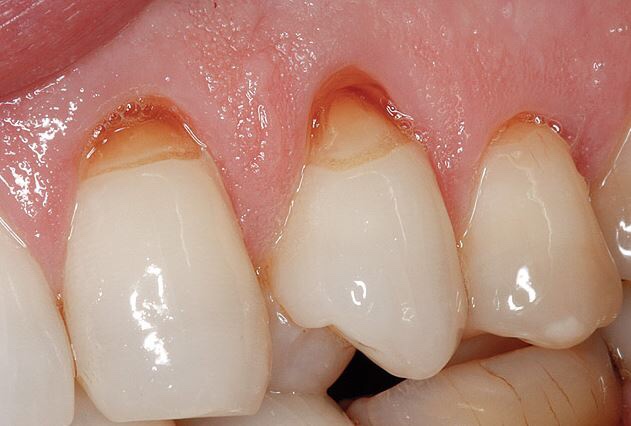
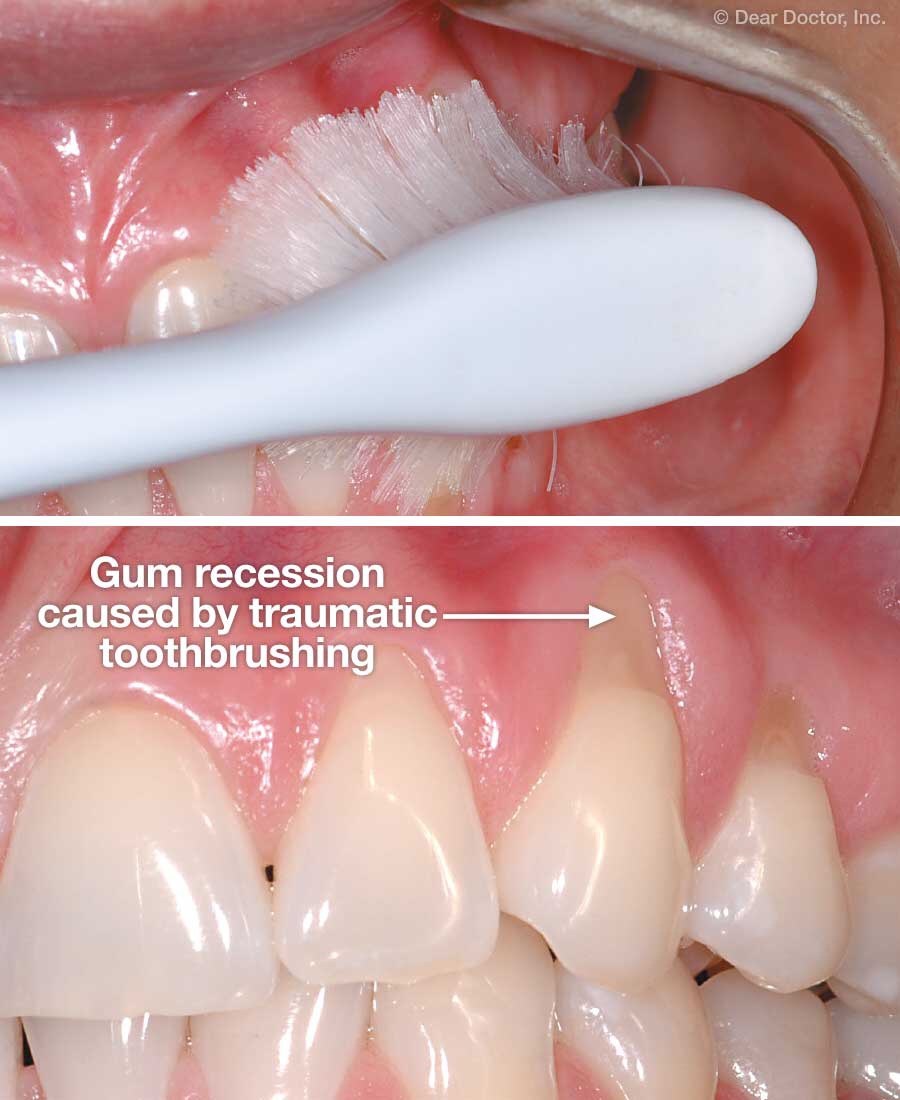
In simple words, Abrasion is loss of tooth structure due to foreign substances , like heavy brushing, hard bristels. Abrasion occours in the cervical region of tooth

Etiology

  • Faulty oral hygiene practice
    • Horizontal brushing
    • Excessive forces
  • Quality of toothbrush
  • pH and amount of dentifrice used
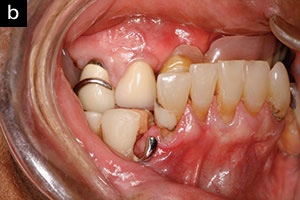
  • Ill-fitting clasps of partial dentures cause localised abrasion lesions
  • Fiction from toothpicks and interproximal brushes
  • Tobacco Chewing

Treatment

We need to take careful consideration of aetiology and progression of the condition. That means, correct diagnosis is the prerequisite for the management of the lesion.

  • If the lesion is localized and not interfering with the physiological function of the stomatognathic system = It may be restored
  • If the abrasion is generalized and substantial = the habit should be discontinued and controlled
  • If teeth are sensitive = use Flouride application
  • If it’s class V lesion = Restoration with GIC
  • If lesion involves a none conscious area in the posterior teeth = use metallic restorationon