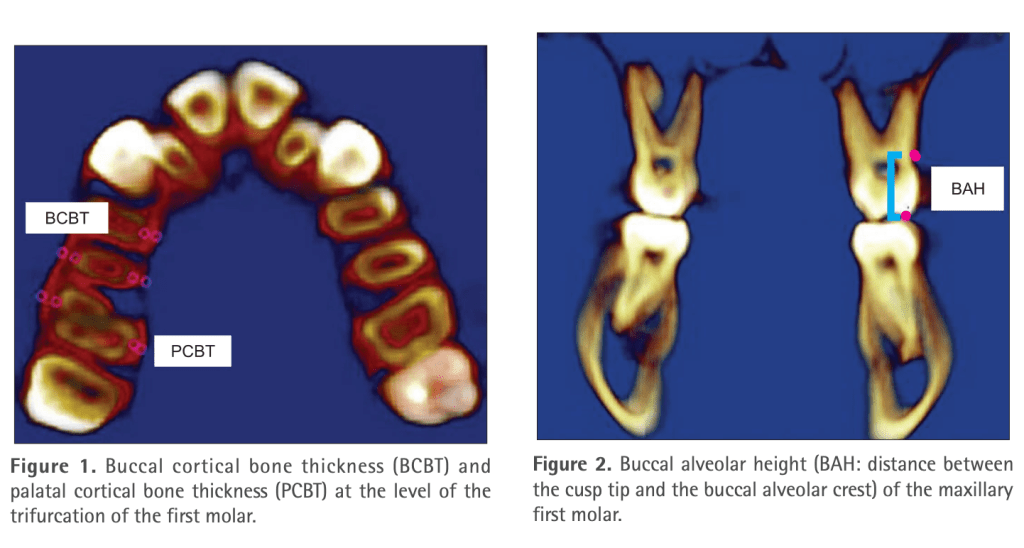
Evaluation of alveolar bone loss following rapid maxillary expansion (RME) using CBCT

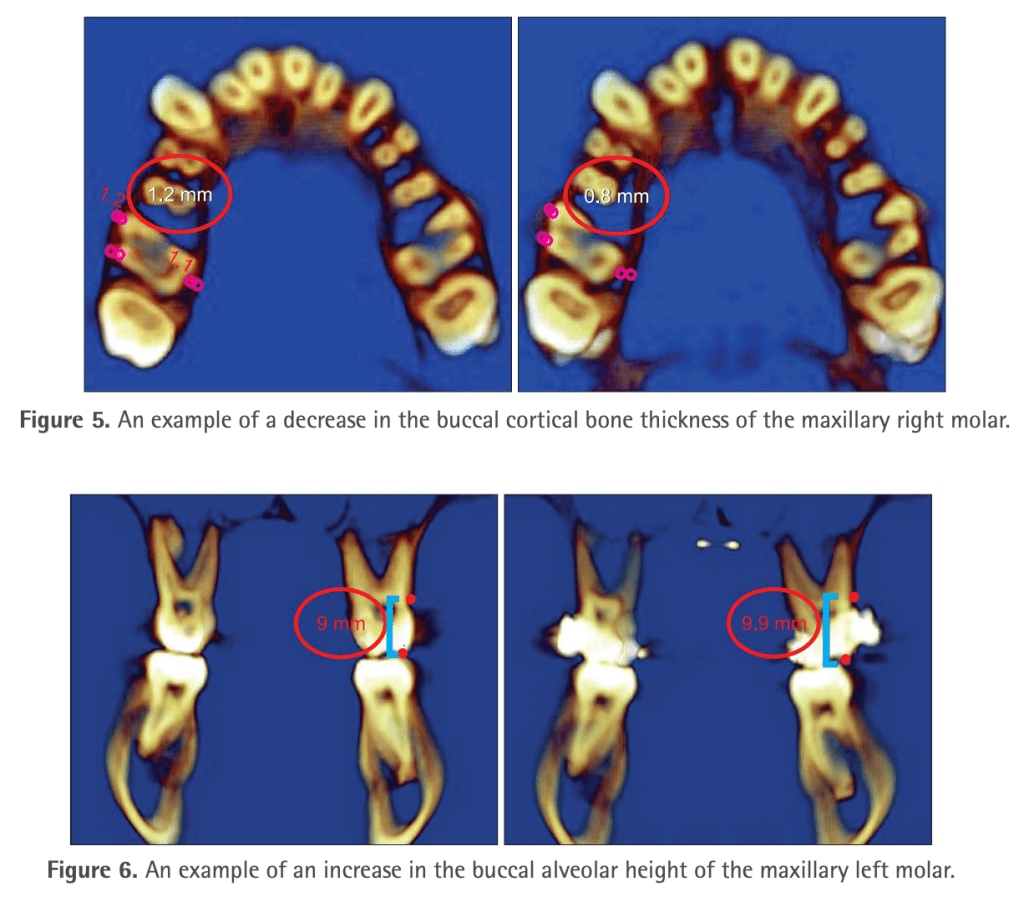
Rapid Maxillary Expansion (RME) is a time-tested solution for correcting maxillary constriction, improving arch length, and resolving posterior crossbites. But while the skeletal and dental benefits are well known, there’s an equally important consideration: its impact on the supporting alveolar bone.

The forces generated during RME are substantial. They not only separate the midpalatal suture but also transmit stress to teeth and their supporting tissues.
Consequences may include:

  • Buccal crown tipping
  • Crestal bone loss
  • Changes in buccal and palatal cortical bone thickness
  • Development of dehiscence and fenestrations

Understanding these risks allows us to tailor treatment, improve patient outcomes, and safeguard periodontal health.

Appliance & Protocol

  • Type: Hyrax-type tooth-borne expander
  • Activation: 2 turns/day until palatal cusps of maxillary posterior teeth contact buccal cusps of mandibular teeth
  • Retention: 3 months with expander in situ → replaced with transpalatal arch for another 3 months

Key CBCT Findings

ParameterImmediate Post-RMEAfter 6-Month Retention
Buccal Cortical Bone Thickness (BCBT)Significant decrease in canines, premolars, and especially first molarsContinued decrease in most teeth
Palatal Cortical Bone Thickness (PCBT)Slight increase (due to buccal tipping)Decrease toward baseline
Buccal Alveolar Height (BAH)Significant reduction (crestal bone loss)No further change
DehiscenceIncreased incidence post-RME (esp. buccal surfaces of 1st premolars & molars, canines)Further increase in some teeth
FenestrationSlight decrease post-RMEMinimal further change

Red Flags During RME

  • Sudden gingival recession on anchor teeth
  • Mobility in first molars/premolars
  • Soft tissue inflammation unresponsive to hygiene measures
  • Persistent discomfort or occlusal changes

Tips to Minimize Bone Loss

  • Avoid over-activation (follow 0.25 mm × 2/day protocol)
  • Consider tissue-borne or hybrid expanders in high-risk cases
  • Maintain optimal oral hygiene (chlorhexidine rinse during activation phase)
  • Use minimally invasive retention appliances post-expansion

Reference:
Baysal A, Uysal T, Veli I, et al. Evaluation of alveolar bone loss following rapid maxillary expansion using cone-beam computed tomography. Korean J Orthod 2013;43(2):83–9

Spotify Episode Link:
https://creators.spotify.com/pod/profile/dr-anisha-valli/episodes/Evaluation-of-alveolar-bone-loss-following-rapid-maxillary-expansion-using-cone-beam-computed-tomography-e36n10v

Youtube Video Link:
https://youtu.be/jhNngR5s-1I?si=MqOZ4slL22G1-EDu

Orthodontic forces and moments of three-bracket geometries

Ever rebonded a canine bracket, only to see the lateral incisor intrude, the midline shift, and your occlusal plane do a little dance? 😅 Don’t worry—you’re not alone. These surprises aren’t just clinical quirks—they’re biomechanical consequences, and a recent study has finally given us a powerful tool to predict them.

🧠 The Backstory: Burstone & Koenig’s Legacy

Back in 1974, Burstone and Koenig introduced the idea of analyzing two-bracket geometries to simplify the chaos of indeterminate force systems. Their theory? If you break the arch into two-bracket segments, you can analyze and predict forces more accurately.

But here’s the catch: until now, no one had really tested what happens when you add a third bracket.

🔬 The 2025 Breakthrough: Kei et al. to the Rescue

In this beautifully designed experimental study, Kei and team tested 36 different three-bracket geometries  using a custom-made orthodontic force jig and high-sensitivity transducers, and various archwires (NiTi, TMA, SS).

Their setup mimicked real-world clinical brackets and angles. The goals?

✔️ Validate whether a three-bracket system behaves like two adjacent two-bracket systems
✔️ Understand how the third bracket (C) affects the system
✔️ Apply these insights to predictable clinical outcomes

And guess what? The theory held true!

Bracket angulations were varied systematically to replicate six classic geometries (Classes 1 to 6), and the impact of a third bracket (Bracket C) was studied.

📊 Clinical Geometry Classifications

Geometry ClassBracket A AngleBracket B AngleBracket C Angle
Class 1.1–1.6+30°+30°+30° to –30°
Class 2.1–2.6+15°+30°+30° to –30°
Class 3.1–3.6+30°+30° to –30°
Class 4.1–4.6–15°+30°+30° to –30°
Class 5.1–5.6–22.5°+30°+30° to –30°
Class 6.1–6.6–30°+30°+30° to –30°

🧲 What You Need to Know (and Remember!)

📌 Clinical Application Tips

  • 🌀 Bracket C primarily influences Bracket B – Consider when finishing or rebonding.
  • ⚖️ Unintended Effects: Uplighting one tooth may intrude/extrude or tip adjacent teeth.
  • 🎯 Lighter Wires = Less Side Effects: NiTi < TMA < SS in force magnitude.
    • 0.016 SS > Highest force and moment delivery
    • 0.020 NiTi (Supercable) > Lowest force, gentler on tissues
    • Using a lighter wire in finishing can prevent overcorrection and limit undesirable biomechanical effects.
  • 🧠 Use 3-bracket force maps (e.g., Class 3.3) to anticipate vertical and moment forces on neighboring teeth.

⚠️ Common Side Effects to Watch For

Intended MovementPossible Side Effects
Root uprighting of canine (Class 3.3)Intrusion of adjacent incisor, extrusion of premolar, midline shift
Rebonding caninesOcclusal cant, open bite at lateral, heavy contact at premolar
High forces (>250g)Risk of root resorption, supporting tissue damage


🔑 Mnemonic Strategy to Remember Three-Bracket Geometries

🌟 BASIC STRUCTURE

Each geometry is labeled as Class X.Y, where:

  • X (1 to 6) = Refers to the Bracket A angle
  • Y (1 to 6) = Refers to the Bracket C angle
  • Bracket B is always fixed at +30°

📐 ANGLE MAP

ClassBracket A Angle (°)MnemonicTrend
1+30°1 = HighMax angle (tip forward)
2+15°2 = Half High
33 = ZeroNeutral
4–15°4 = FallStarts tipping back
5–22.5°5 = Fall More
6–30°6 = SinkMax tip back
.YBracket C Angle (°)MnemonicTrend
.1+30°1 = Copy BSame as Bracket B
.2+15°2 = Half B
.33 = Neutral
.4–15°4 = Tip Back
.5–22.5°5 = Tip More
.6–30°6 = Opposite BOpposite angle

🔁 PATTERN TRICK

All 36 combinations follow this logic:

  • A is fixed per Class (gets more negative from Class 1 to 6)
  • C follows six steps from +30° to –30°
  • B is always +30°

Think of it as:

A changes row-wiseC changes column-wiseB is your reference anchor.


🧠 MEMORY AID SENTENCE

To recall the progression of angulations in each bracket:

“Always B-fixed, A-falls down, C-steps down.”

Where:

  • “B-fixed” = Bracket B always at +30°
  • “A-falls down” = A goes from +30 → –30 by Class (1 to 6)
  • “C-steps down” = C decreases from +30 → –30 across each class (.1 to .6)

📌 EXAMPLE TO ILLUSTRATE

Class 3.5 means:

  • A = 0° (Class 3)
  • B = +30° (Always)
  • C = –22.5° (Step .5)

Interpretation: Neutral alignment at A, standard alignment at B, and backward tip at C.


📝 FINAL THOUGHTS

Orthodontics is as much about engineering as it is about esthetics. As a student, if you take the time to understand the mechanics behind wire-bracket interactions—especially in three-bracket systems—you’ll not only improve treatment outcomes but also develop the foresight to prevent complications before they arise.

So, the next time you’re rebonding a bracket or adjusting a wire, ask yourself: Which geometry am I working with?
That one question might save you (and your patient) from a lot of unexpected surprises.

SPOTIFY EPISODE LINK: https://creators.spotify.com/pod/profile/dr-anisha-valli/episodes/Orthodontic-Forces-and-Moments-of-Three-Bracket-Geometries-e36gkfa

Zygomaticomaxillary modifications in the horizontal plane induced by micro-implant-supported skeletal expander

✅ Clinical Device

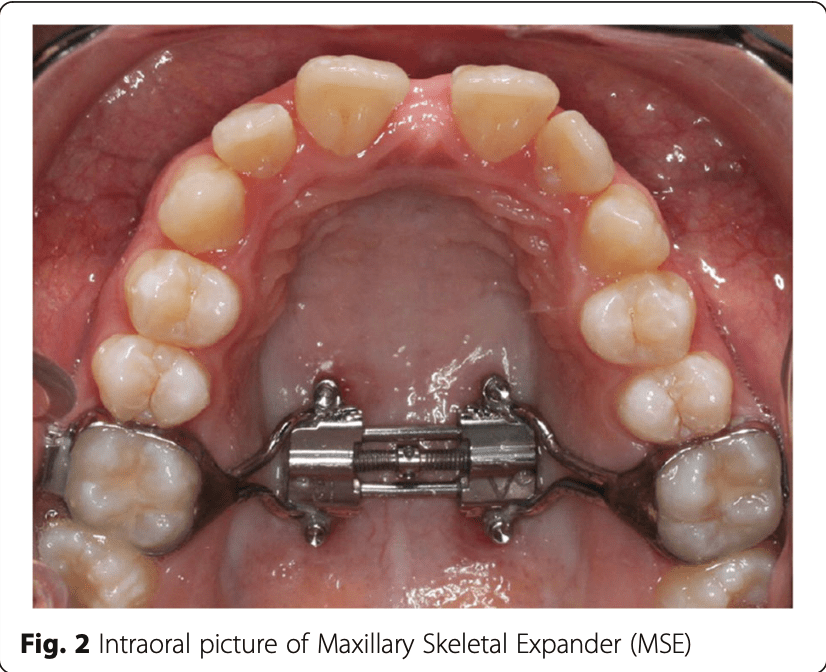
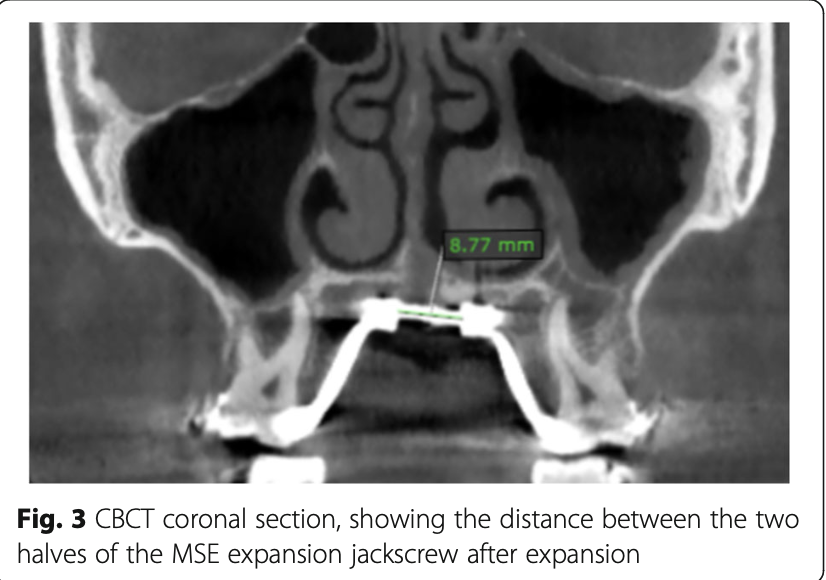
Maxillary Skeletal Expander (MSE)

  • Type: Micro-implant-supported expander (MARPE)
  • Anchorage: 4 bicortical miniscrews (palatal + nasal cortex)
  • Placement: Posterior palate
  • Expansion rate:
    • 2 turns/day until diastema
    • Then 1 turn/day
  • Retention: ≥ 3 months post-expansion

📈 CBCT-Based Findings

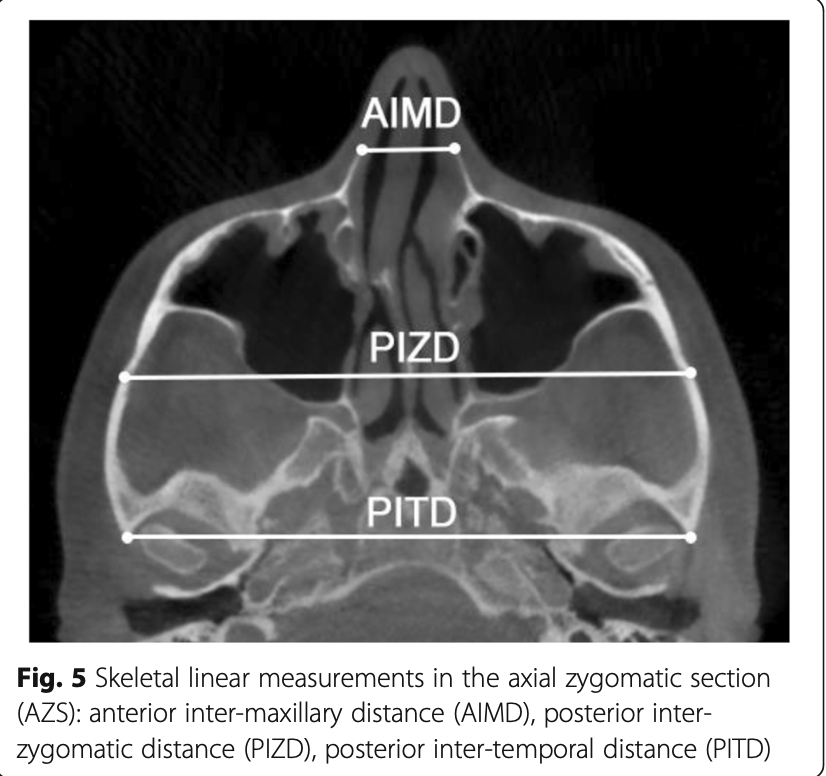
Linear Skeletal Changes

ParameterMean Increase
Anterior Inter-Maxillary Distance (AIMD)+2.76 mm
Posterior Inter-Zygomatic Distance (PIZD)+2.40 mm
Posterior Inter-Temporal Distance (PITD)Negligible

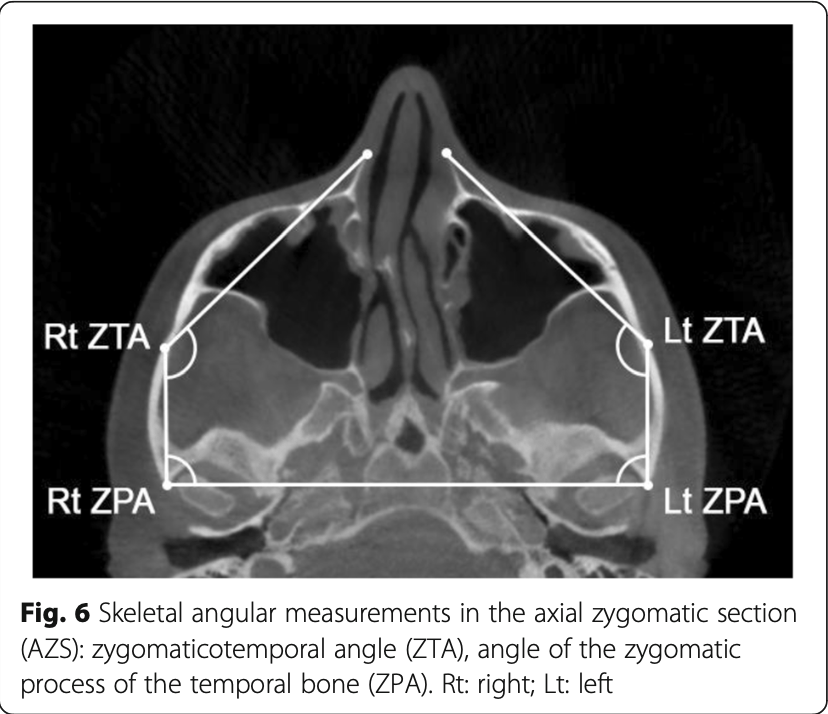
Angular Changes

ParameterMean Increase
Zygomatic Process Angle (ZPA)Right: +1.7°  Left: +2.1°
Zygomaticotemporal Angle (ZTA)Negligible

📌 Key Biomechanical Concepts

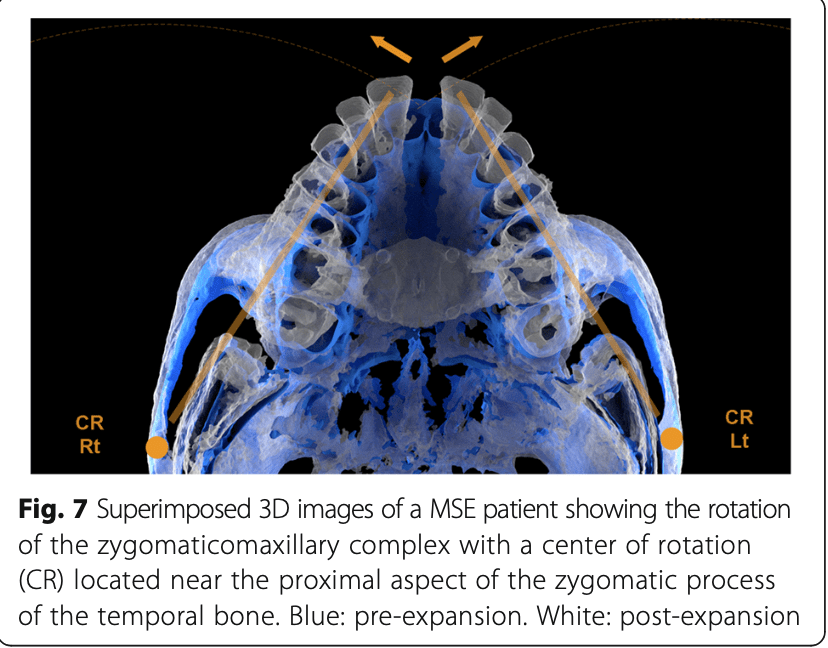
  • Rotation Center:
    Near the proximal zygomatic process of temporal bone
    (more posterior/lateral than in tooth-borne expanders)
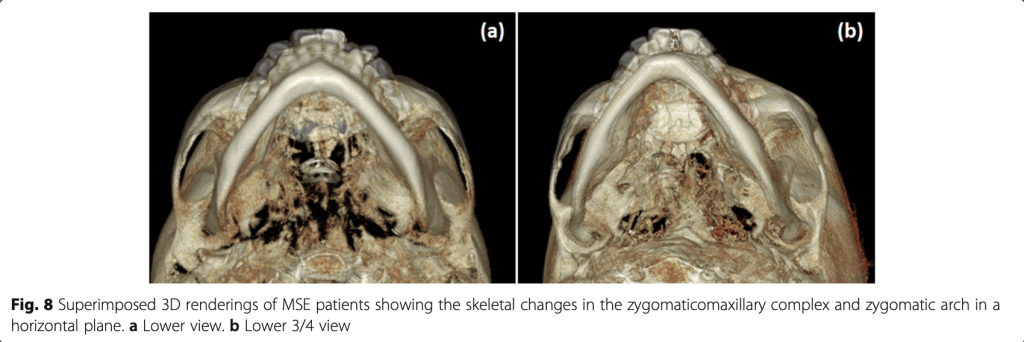
  • Movement Pattern:
    Lateral + Forward movement of maxilla + zygomaticomaxillary complex
  • Bone Bending:
    Occurs at zygomatic process of temporal bone (adaptive mechanism)

🔬 Clinical Implications

  • Achieves parallel midpalatal suture opening
  • Disarticulates pterygopalatine suture
  • Minimal buccal tipping of molars
  • Suitable for late adolescent to adult patients (13.9–26.2 yrs in study)

🧠 Quick Notes

  • Use CBCT before & after expansion to analyze changes
  • Avoid brackets/appliances until post-expansion imaging complete
  • Monitor miniscrew engagement in both cortices on initial scan

📍 Source: Cantarella et al., Progress in Orthodontics, 2018
🧪 IRB Approved Study | UCLA Orthodontic Clinic
🔍 DOI: 10.1186/s40510-018-0240-2


SPOTIFY LINK: https://open.spotify.com/episode/4T9qeiRFJ99mZ3gdHnOA4c?si=OuVPNWyKRsmoJjtXUrhyRA

Understanding Herbst Appliance Mechanics: The Game-Changing Research Every Orthodontic Student Should Know 🦷⚙️

Hey future orthodontists! 👋 Ready to dive deep into one of the most fascinating pieces of research in functional orthodontics? Today we’re breaking down Voudouris et al.’s groundbreaking study on condyle-fossa modifications during Herbst treatment. This isn’t just another research paper – it’s a paradigm shift that changes how we understand functional appliances!

Why This Research Matters 🎯

For decades, we’ve been taught that functional appliances work through lateral pterygoid muscle hyperactivity. But what if that’s completely wrong? This study flips the script and introduces the revolutionary Growth Relativity Theory.

Study Overview 📊

Study ComponentDetails
Sample Size56 subjects total
Primate Subjects15 cynomolgus monkeys (Macaca fascicularis)
Human Subjects17 Herbst patients + 24 controls
Key Focus8 juvenile primates (24-36 months)
Treatment Duration6, 12, and 18 weeks
Activation Amount4-8mm progressive advancement

The Revolutionary Methodology 🔬

What made this study special? Three cutting-edge techniques that previous research lacked:

1. Permanent EMG Electrodes 📡

  • Old method: Temporary, transcutaneous electrodes
  • New method: Surgically implanted permanent electrodes
  • Muscles monitored: Superior and inferior lateral pterygoid, masseter, anterior digastric

2. Tetracycline Vital Staining 💡

  • Intravenous tetracycline injection every 6 weeks
  • Fluorescence microscopy with UV light
  • Result: Crystal-clear visualization of new bone formation

3. Computerized Histomorphometry 🖥️

  • Quantitative analysis of bone formation
  • Measured area and thickness of new bone
  • Statistical validation of results

The Shocking Results That Changed Everything 😱

What Everyone Expected vs. What Actually Happened

Traditional TheoryActual Findings
⬆️ Lateral pterygoid hyperactivity⬇️ DECREASED muscle activity
Muscle-driven growthViscoelastic tissue-driven growth
Unpredictable resultsConsistent, reproducible changes

Key Findings Summary 📈

  1. Super Class I Malocclusion Development: All experimental subjects developed severe Class I relationships
  2. Glenoid Fossa Remodeling: Forward and downward growth (opposite to natural backward growth)
  3. Condylar Growth Enhancement: Increased mandibular length in all subjects
  4. Muscle Activity Paradox: Growth occurred with DECREASED EMG activity

The Growth Relativity Theory Explained 🧠

Think of it like this: Imagine the retrodiskal tissues as a giant elastic band 🎸 stretched between the condyle and fossa.

Displaced Condyle ←→ [Stretched Retrodiskal Tissues] ←→ Glenoid Fossa
↓ ↓
Radiating Growth Radiating Growth

Clinical Scenario 💭

Patient: 14-year-old with severe Class II, mandibular retrognathism
Traditional thinking: “The Herbst will make the lateral pterygoid muscles work harder to grow the condyle”
Reality: The Herbst creates reciprocal stretch forces that stimulate bone formation through mechanical transduction, not muscle hyperactivity!

Treatment Contributions Breakdown 📊

The researchers found that achieving a 7mm change along the occlusal plane involved multiple factors:

Contributing FactorPercentage Contribution
Condylar Growth22-46%
Glenoid Fossa Modification6-32%
Maxillary ChangesVariable
Dental Changes~30%
Total Orthopedic Effect~70%
Total Orthodontic Effect~30%

Flowchart: Treatment Outcomes by Age

    Patient Age Assessment

┌─────────┴─────────┐
↓ ↓
Juvenile/Mixed Adolescent/Adult
Dentition Dentition
↓ ↓
High Condylar Limited Condylar
Growth Potential Growth Potential
↓ ↓
Significant Fossa Mainly Fossa
+ Condylar Changes Changes Only

Clinical Implications by Age 👶👦👨

Age GroupCondylar ResponseFossa ResponseClinical Recommendation
Juvenile (Mixed Dentition)High ✅High ✅Optimal treatment timing
AdolescentModerate ⚠️High ✅Good treatment timing
AdultLimited ❌Moderate ⚠️Consider alternatives

The Herbst-Block Design Innovation 🔧

Key design feature: 1.5mm posterior occlusal overlays

Why This Matters:

  • Vertical distraction of condyle from articular eminence
  • Prevents condylar resorption
  • Avoids TMJ compression
  • Optimizes stretch forces on retrodiskal tissues

Treatment Timeline and Bone Formation 📅

Progressive Changes Over Time

Time PointBone Formation AreaKey Observations
6 weeksEarly changesExtensive cartilage proliferation
12 weeks1.2mm averagePeak bone formation rate
18 weeksMaximum responseDoubled postglenoid spine thickness

Correlation: r = 0.95 between treatment time and bone formation! 📈

Clinical Decision-Making Flowchart 🗺️

  Class II Patient Evaluation

Age Assessment

┌─────────┴─────────┐
↓ ↓
Mixed Dentition Permanent Dentition
↓ ↓
Herbst with Consider Herbst vs
Occlusal Coverage Alternative Treatment
↓ ↓
Continuous Monitor for:
Activation - Condylar resorption
1-2mm every - Disk displacement
10-15 days - Relapse potential

Key Clinical Takeaways for Practice 💡

Do’s and Don’ts

✅ DO❌ DON’T
Use continuous activationRely on intermittent wear
Include occlusal coverageIgnore vertical dimension
Monitor for 6+ monthsExpect immediate results
Plan retention carefullyAssume permanent changes

Red Flags to Watch For 🚩

  1. Condylar resorption – prevented by proper vertical dimension
  2. TMJ pain – indicates excessive compression
  3. Rapid relapse – inadequate retention period
  4. Disk displacement – poor appliance design

The Retention Challenge 🔄

Critical Finding: Without adequate retention, positive condyle-fossa changes can relapse due to:

  • Return of anterior digastric muscle function
  • Perimandibular connective tissue pull
  • Natural tendency for condyle to seat posteriorly

Retention Protocol Recommendations:

  • Minimum 6 months active retention
  • Progressive reduction of appliance wear
  • Monitor muscle reattachment process
  • Long-term follow-up essential

Clinical Scenario Application 🎯

Case: 13-year-old female, Class II Division 1, severe mandibular retrognathism

Treatment Plan Based on Research:

  1. Herbst with occlusal coverage (NOT standard Herbst)
  2. Progressive activation 1.5mm every 2 weeks
  3. 12-week minimum treatment duration
  4. Expect 70% orthopedic response
  5. Plan extended retention phase

Expected Outcomes:

  • Forward fossa remodeling
  • Increased mandibular length
  • Super Class I result requiring finishing
  • Need for comprehensive retention protocol

Future Implications 🔮

This research suggests that functional appliances should be renamed “dentofacial orthopedic appliances” because they work through:

  • Viscoelastic tissue forces
  • Mechanical transduction
  • Growth modification, NOT muscle function

Study Limitations and Considerations ⚖️

Strengths:

  • Rigorous methodology with multiple validation techniques
  • Control groups and statistical analysis
  • Novel technological approaches

Limitations:

  • Animal model – translation to humans requires validation
  • Small sample size – justified but limits generalizability
  • Short-term follow-up – long-term stability unknown

Conclusion: Changing Clinical Practice 🎯

This groundbreaking research fundamentally changes how we understand functional appliances. The key shifts in thinking:

  1. From muscle hyperactivity → To tissue stretch forces
  2. From unpredictable results → To consistent orthopedic changes
  3. From simple tooth movement → To complex TMJ remodeling
  4. From empirical treatment → To evidence-based protocols

Memory Aid for Boards 📚

“VOUDOURIS RULES” 🧠

  • Viscoelastic forces drive change
  • Occlusal coverage prevents resorption
  • Undermining old muscle theories
  • Decreased EMG activity during growth
  • Orthopedic effects dominate (70%)
  • Underaged patients respond best
  • Retention critical for stability
  • Inferior-anterior fossa growth
  • Super Class I results expected

Questions for Self-Assessment 🤔

  1. What percentage of Herbst treatment effects are orthopedic vs orthodontic?
  2. Why does EMG activity decrease during successful treatment?
  3. What prevents condylar resorption in Herbst appliances?
  4. At what age is condylar growth potential highest?
  5. What is the Growth Relativity Theory?

Remember: This research doesn’t just change what we know about Herbst appliances – it revolutionizes our understanding of functional orthodontics entirely! 🚀

Keep studying, future orthodontists! The field is constantly evolving, and staying current with research like this will make you better clinicians. 📖✨

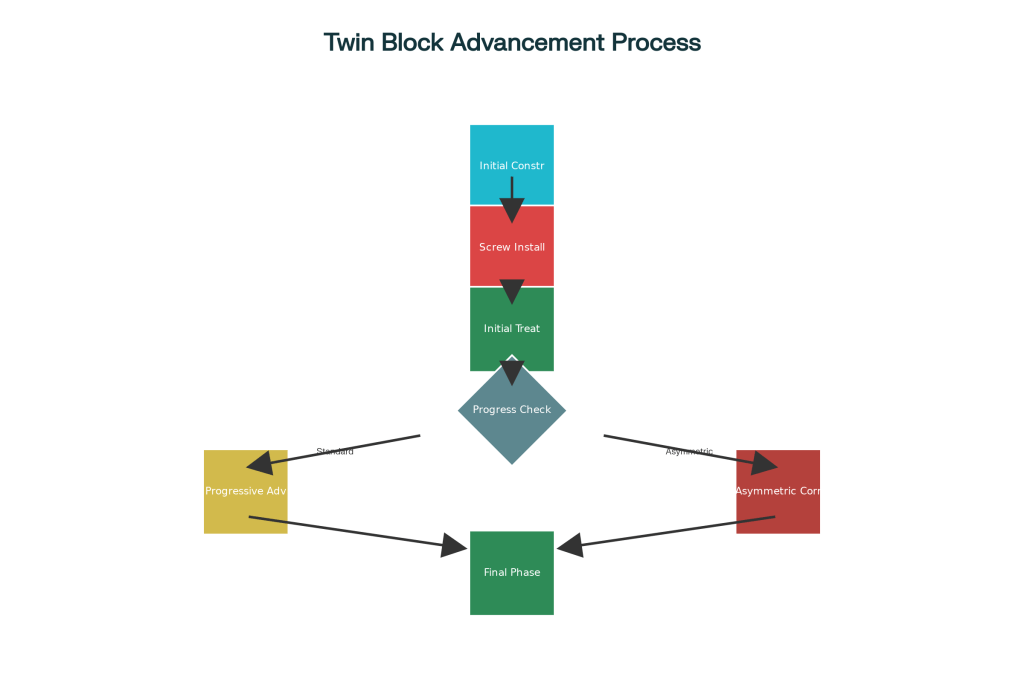
A Modification to Enable Controlled Progressive Advancement of the Twin Block Appliance

Welcome to an exciting exploration of one of the most innovative modifications in functional orthodontics! As orthodontic students, mastering the nuances of appliance design and modification is crucial for your future success. Today, we’re diving deep into the groundbreaking Twin Block advancement modification developed by Carmichael, Banks, and Chadwick – a system that has transformed how we approach Class II treatment with enhanced precision and patient comfort.

🎯 Why This Modification Matters for Your Future Practice

The Twin Block appliance, introduced by Clark in 1982, has become one of the most popular functional appliances in the United Kingdom and is arguably the most successful in treating Class II division 1 malocclusions. However, the original design had significant limitations that this modification brilliantly addresses.

The Problem with Traditional Twin Block Reactivation 🚫

  • Inconvenient chairside acrylic additions
  • Unpleasant taste and smell for patients
  • Inaccuracy due to polymerization shrinkage
  • Time-consuming laboratory modifications
  • Limited ability to make small, gradual adjustments

Understanding the Core Principle

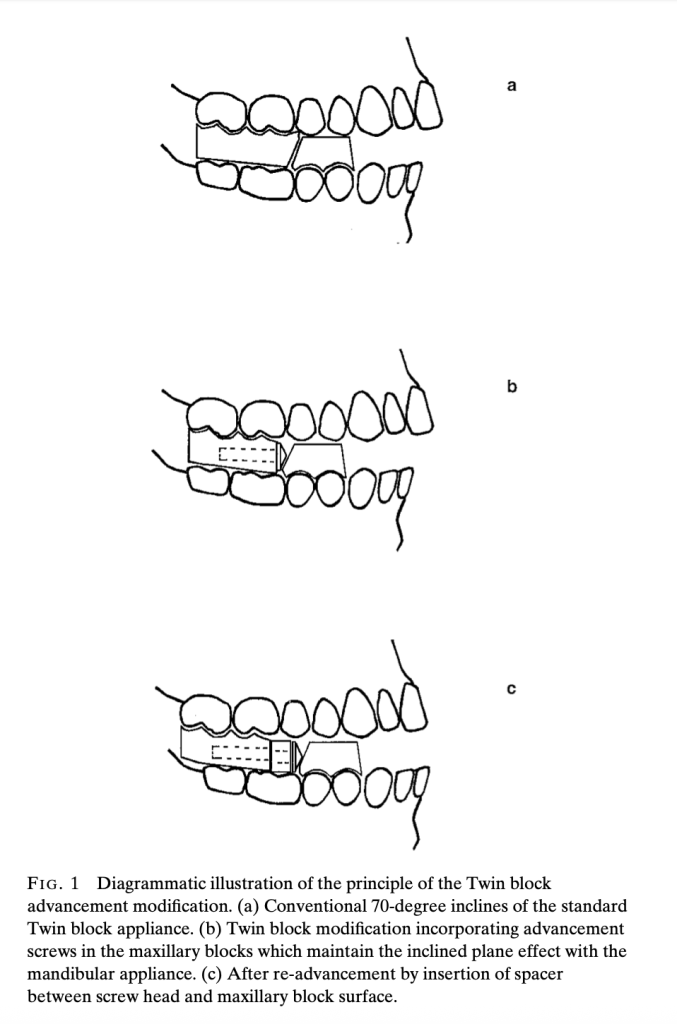
The modification incorporates stainless steel screws with conical heads into the upper appliance blocks, maintaining the crucial 70-degree inclined plane effect regardless of screw rotation. This ingenious design allows for controlled, measurable advancement using polyacetal spacers.

Technical Specifications: What You Need to Know

ComponentSpecificationClinical Purpose
Stainless Steel Screws3mm diameter, 18/8 M3 gradeProvide structural strength and stability
Screw140° included angle (70° working angle)Maintain 70° inclined plane regardless of rotation
Screw Lengths12mm and 16mm (longer for >5mm advancement)Accommodate various advancement needs
Spacers MaterialPolyacetal co-polymer resinEnable precise, measurable advancement
Spacer Lengths1mm, 2mm, 3mm, 4mm, 5mmAllow stepwise progression (2-3mm typical)
Spacer Diameter6mm diameterEnsure proper fit and function
Thread HousingInjection-molded acetal resin with lateral tagsPrevent fractures and ensure consistent fit

The treatment process follows a logical, patient-friendly progression that maximizes compliance and comfort while achieving optimal results.

Phase 1: Initial Construction and Setup

  1. Bite Registration: Take protrusive wax bite with comfortable advancement (may be as little as 2-3mm in some patients)
  2. Screw Installation: Insert 3mm diameter stainless steel screws with 140° conical heads into upper blocks
  3. Initial Delivery: Begin treatment with screws inserted without any spacers

Phase 2: Progressive Advancement

  • Monitoring: Assess overjet reduction at each visit
  • Advancement: Add 1-5mm polyacetal spacers between screw heads and blocks
  • Typical Increments: 2-3mm per advancement visit
  • Maximum Advancement: Up to 9mm using longer 16mm screws

🎭 Clinical Scenarios: Real-World Applications

Scenario 1: The Dolichofacial Challenge 😰

Patient: 12-year-old female with long face pattern

  • Challenge: Weak craniomandibular musculature, poor tolerance for large protrusions
  • Traditional Problem: Patient bites blocks together instead of maintaining protrusive position
  • Modified Solution: Start with minimal 2mm advancement, progress gradually with 1-2mm spacers
  • Outcome: Improved compliance and comfort, successful Class II correction

Scenario 2: The Large Overjet Case 📏

Patient: 13-year-old male with 12mm overjet

  • Challenge: Requires significant mandibular advancement but limited initial tolerance
  • Traditional Problem: Would require multiple appliance remakes or uncomfortable large advances
  • Modified Solution: Begin with comfortable 3mm advancement, systematically add spacers over 6 months
  • Outcome: Achieved 9mm total advancement with excellent patient acceptance

Scenario 3: The Asymmetric Correction 🎯

Patient: 11-year-old with Class II and dental centerline deviation

  • Challenge: Need for different advancement amounts on each side
  • Traditional Problem: Difficult to achieve asymmetric correction with conventional methods
  • Modified Solution: Use different spacer lengths – 3mm right side, 5mm left side
  • Outcome: Successful centerline correction along with Class II improvement

Scenario 4: The Class III Application 🔄

Patient: 10-year-old with developing Class III malocclusion

  • Challenge: Requires gradual reactivation for optimal growth modification
  • Modified Solution: Incorporate screws into maxillary appliance for controlled reactivation
  • Advantage: Small increments reduce patient discomfort and improve compliance

🎨 Material Science: Understanding Polyacetal Resin

Why Polyacetal is Perfect for This Application:

  • Strength: 10 times stronger than conventional acrylic resin
  • Safety: Non-toxic and non-allergenic properties
  • Durability: High resistance to surface wear and low water absorption
  • Workability: Can be trimmed and polished with standard dental instruments
  • Biocompatibility: Proven safe for intraoral use over extended periods

🎯 Facial Pattern Considerations: Tailored Treatment Approaches

Facial PatternCharacteristicsTreatment ConsiderationsRecommended Approach
Dolichofacial (Long Face)Weak craniomandibular musculatureLess tolerance for large protrusions, gradual advancement essentialStart with 2-3mm advancement, progress gradually
Brachyfacial (Short Face)Deep overbites presentOverbite reduction more problematic due to reduced block trimmingUse Phase 1 appliance or plan fixed appliances to follow
Mesofacial (Average)Balanced growth patternStandard advancement protocol works wellStandard 2-3mm increments per visit
Class III CasesRequires gradual reactivationSmall increments of reactivation necessaryUtilize modification for controlled gradual advancement

💡 Clinical Tips for Success

For Dolichofacial Patients 📐

  • Start conservatively with minimal advancement
  • Monitor for tendency to bite blocks together
  • Consider Phase 1 appliance for overbite reduction
  • Emphasize proper appliance positioning during sleep

For Brachyfacial Patients 🔽

  • Plan for overbite management strategies:
    • Option 1: Use initial upper removable appliance (Phase 1)
    • Option 2: Gradual Twin Block wear reduction during retention
    • Option 3: Upper removable retainer with anterior inclined bite plane

General Clinical Guidelines 📋

  • Advancement Frequency: Every 3-4 weeks based on patient adaptation
  • Typical Increments: 2-3mm spacers for most patients
  • Maximum Achievement: Up to 9mm total advancement reported
  • Block Height Requirement: Minimum 6mm between second premolars

⚠️ Troubleshooting Common Issues

Problem: Block Cracking After Advancement 🔧

Cause: Inadequate block height or retrospective screw insertion
Prevention: Ensure adequate 6mm block height, incorporate screws during initial construction
Solution: Use screw thread housing system for reinforcement

Problem: Difficulty Removing Screws 🔄

Cause: Direct screw insertion into acrylic creating tight fit
Solution: Use screw thread housing to facilitate easy removal and adjustment

Problem: Screw Alignment Issues 📏

Cause: Manual positioning without proper guides
Solution: Use alignment rods during construction for precise positioning

SPOTIFY LINK: https://open.spotify.com/episode/3Nrv4Z2HB1AWzmvTphGnb5?si=BvSquCggS2CPKQggskdNrQ

Recalibrating Dental Education: Passion for Profession and Compassion for Patients – An Interview with Prof (Dr.) Ghanta Sunil

In this exclusive interview, we sat down with Prof (Dr.) Ghanta Sunil — a passionate academician and curriculum reform advocate — to talk about the urgent need to upgrade the dental curriculum. With decades of experience, an eye on the future, and feet firmly grounded in educational values, Dr. Ghanta Sunil breaks down what’s missing, what must change, and how the next generation of dentists can be better prepared for a complex and compassionate future.

Q1: Why do you think there should be a upgradation of curriculum in the field of dentistry?

The contemporary curriculum is a synergetic contribution of many teachers and thinkers through their unwavering commitment and radiant receptivity towards dentistry. We are grateful for the intuitive insights and inspirational wisdom that is evident through their incisive, instructive and informative teaching that will be respected, remembered and revered for days to come and years to go.

However, it is important that we accept, analyze and acknowledge the compounding pace of changing trends in the field of science, technology, research, development, innovation and entrepreneurship, along with the professional paradigm shift in the areas of patient expectation, parent aspirations, public perceptions, pupils transformation, human and moral values, ethical consideration and legal implications in the field of medical and allied sciences.

Considering the above it is important and inevitable that we should involve, evolve, adapt and integrate new methods and methodologies, newer modes and modalities, latest techniques and technologies, thus recalibrating dentistry as an enduring classic with a rarified stature.

Q2: What do you mean by pupils transformation in your list of paradigm shift and can you explain its relevance in your recalibration concept?

The transgenerational transformative transition driven by the man-machine complex has transcended from biologic and organic evolution (biceps to neurons) to mechanical and inorganic revolution (hardware-software) leading to Transhumanisation. This mechanical and inorganic revolution is going to be a million times faster than its predecessor for which we need to plan and prepare our students for a complex interconnected future while nurturing their holistic growth.

Q3: What are the guides and constructs that you think that the comprehensive standardized syllabus should be based on?

The constructs of the course and curriculum should be both descriptive in its content and prescriptive in application within the analytical and dialectical framework of the regulatory body. It should be patient centered, and student mentored in spheres of personal, personality and professional development. The comprehensive standardized syllabus should be guided by a holistic integrated set of principles that are priceless and techniques that are tested and timeless. It is important to balance the magical dialect of preserving the core principles, but at the same time stimulating progress by enriching faculty teaching skills and enhancing student learning cognitive abilities that are patient centered. The importance of human touch, humility, empathy and patience should be inculcated as an interwoven fabric while designing, developing, creating and curating the course and curriculum which makes it less materialistic and more humanistic/alluristic.  By weaving these constructs we can create a robust, adaptable and compassionate educational framework that prepares students for complexities of modern practices.

Q4: Who do you think should be involved in the curriculum development to bring out a comprehensive standardized syllabus?

A curriculum is a culmination of subject content, educational strategies and environment, learning outcomes and opportunities along with assessments. Hence to ensure its effectiveness and relevance it is essential to involve stakeholders to contribute their insights and inputs at different levels of the system based on their areas of experience and expertise. The collaborative approach should take into account the future needs of both community and the profession. The stakeholders are:

  • Policy makers – Government, University, Institution
  • Professors
  • Pupils
  • Parents
  • Private practitioner
  • Public innovators and entrepreneurs

Q5: What are the core areas that should be addressed in developing a comprehensive standardized syllabus?

The core of the curriculum design should be conceptualized on “entrustable professional activity” which is a culmination of several competences that the student/clinician should achieve to transcend this therapeutical proficiency (preclinical) into clinical procedural proficiency, transforming them from a novice into an expert.

  • Establishing gap analysis in the existing system.
  • Deciphering and Deconstructing the gap analysis.
  • Curriculum redesign based on the analyzed and assimilated gap analysis.
  • Implementation of training protocols based on the designed curriculum.
  • Inculcating multi model elements (Faculty Development Program, Continuing Dental Education) in order to increase the familiarity between the trainee- trainer-technique-technology-method-methodology-mode and modality complex interface, thus helping to translate the true therapeutic proficiency of the student/clinician into procedural performance (preclinical to clinical skills).
  • Assessment methods and Validation tools.
  • Feedback and sustainability.
  • The curriculum can effectively bridge the gap between theoretical knowledge and practical skills, fostering the development of competent healthcare professions.

Q6. How do you envisage the final success of a new comprehensive standardized syllabus for the dental profession?

  • Patient centric
  • Student centric
  • Teacher centric

Patient centric: The patient centric success of the new curriculum can be reflected in improvised evaluation and outcomes in patient care and enhanced safety due to

  • Precision in the procedural planning
  • Perfection in execution of professional procedures
  • Accuracy and predictability in treatment outcomes
  • Reduced treatment time
  • Reduced scope of procedural errors
  • Safer and faster post-operative recovery

Student centric: The student centric parameter to assess the success of the comprehensive standardized syllabus should be based on the evaluation of their Intellect, attitude and skills in different spheres of overall student development. Bringing an insight into students: –

  • Personal development
  • Personality development
  • Professional development

Giving an insight to the students that it is “better to make mistakes than fake perfection” thus making them revered doctors, responsible citizens and respectable humans.

Teacher centric:

  • Professional enrichment through Faculty development programs.
  • To demarcate the role of the teachers, responsibilities of the parents and duties of the students.
  • To make the students themselves involved in the internal self-assessment process through professional assessment and validation tools.
  • To enhance and create a platform to promote Implementation Research, Innovation and Entrepreneurship abilities through multiple incentivized opportunities making them role models for their peer group and the students alike.

Q7: Do you think the present system is not good?

Although remembering, respecting and revering our teachers for their incisive, instructive, informative and memorable teachings, we need to accept, analyze and acknowledge the changing trends and times making it inevitable and important to let the conventional methods take guiding roles.

Any curriculum should have its basics very strong for which we need to preserve the core and stimulate progress keeping in pace with the advances in science, technology, research, development, innovation.

While welcoming the transgenerational transformation transition involving interface of that will help the man-machine complex bring about innovative, productive and sustainable solutions in the area.

Thank you for reading our interview with Dr. Ghanta Sunil. We’re excited to continue the conversation live soon, where we’ll delve even deeper into the topics discussed and share fresh insights. Be sure to stay tuned for the upcoming installment — you won’t want to miss what’s next.
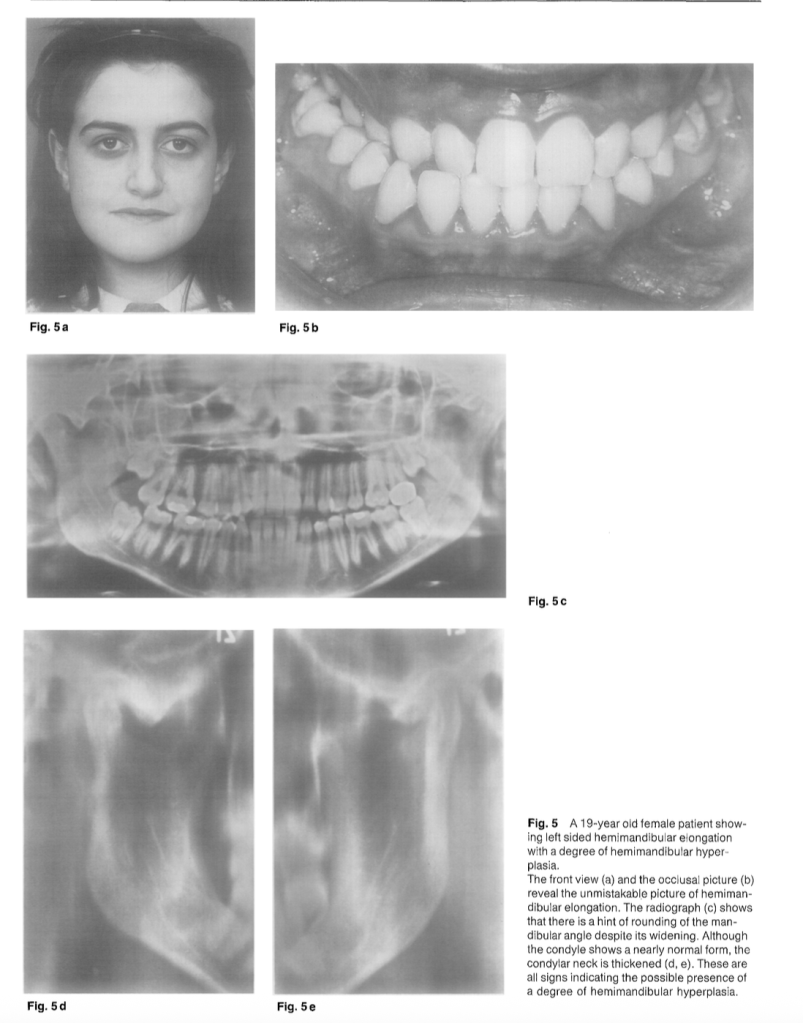
Hemimandibular hyperplasia (H.H.) and Hemimandibular elongation (H.E.)

🔍 1. Distinguishing H.H. vs H.E. — Clinical & Radiographic

FeatureHemimandibular Hyperplasia (H.H.)Hemimandibular Elongation (H.E.)
Growth DirectionVerticalHorizontal
Chin PositionNot significantly displacedDisplaced to unaffected side
Facial AsymmetryVertical facial height increased on one sideHorizontal deviation of mandible and chin
OcclusionTilted occlusal plane, possible open bite on affected sideCrossbite on unaffected side, straight occlusal plane
Radiographic FindingsEnlarged condyle + condylar neck, thick trabeculae, mandibular canal displaced downwardCondyle often normal, elongated mandibular body, obtuse angle
Symphysis InvolvementEnds exactly at midlineAlso terminates at midline
MaxillaMay follow mandibular downward growthMaxilla usually normal
Midline DeviationMay show mild dental midline deviationMidline shifted to unaffected side

⚙️ 2. Pathophysiological Mechanism of Unilateral Mandibular Overgrowth

  • Growth originates in the fibrocartilaginous layer of the condyle.
  • Two distinct growth regulators hypothesized:
    • One stimulates vertical (bulk) growth → H.H.
    • One stimulates horizontal (length) growth → H.E.
  • Stimulus could be focal or diffuse, explaining pure vs hybrid presentations.
  • Growth usually begins between ages 5–8, often progressing through puberty.

🧬 3. Histological Distinctions & Diagnostic Relevance

Hemimandibular HyperplasiaHemimandibular Elongation
Cartilage LayerDiffuse thickened fibrocartilage across condyleLocalized (cuneiform) hyperplasia centrally
Osteoblast ActivityWidespread bone formation and remodelingFocal ossification within center of condyle
VascularityHigh, with active osteoclastic/osteoblastic zonesLess prominent, but active centrally
InterpretationSuggests global condylar overactivitySuggests directional mandibular displacement

Implication:
Early recognition of histological subtype can guide timing of high condylectomy and prevent secondary maxillary changes.

⚠️ 4. Hybrid & Combined Forms: Diagnostic & Treatment Challenges

  • Hybrid Form: H.H. + H.E. on one side → grotesque asymmetry, both height and length changes, often tilted occlusal plane + midline shift.
  • Combined Form: H.H. on one side + H.E. on the other → complex occlusion, facial rotation, and treatment planning.
  • Diagnostic Pitfall: Unilateral hypoplasia of the opposite side can simulate elongation on the normal side (pseudo-H.E.)

Why It Matters: Treatment plans require asymmetric surgical corrections (e.g., unilateral sagittal split, condylectomy, leveling osteotomies).

⛽ 5. Condyle as a Growth Center — The “Pacemaker” Hypothesis

  • The fibrocartilaginous layer of the condyle has intrinsic growth potential.
  • Condylar resection (high condylectomy) halts H.H. and H.E. — proof of condyle-driven growth.
  • Functional stimuli (mandibular movements) and condylar growth factors complement each other.
  • Growth control can persist even after condylar resection if function is restored (e.g., post-TMJ ankylosis surgery).
  • Thus, condyle = “growth regulator”, influencing not only normal but abnormal skeletal morphology.

📇 Laminated Reference Card: H.H. vs H.E.

Chairside Quick Reference

Clinical CriteriaH.H.H.E.
GrowthVerticalHorizontal
CondyleEnlarged, irregularNormal or slightly enlarged
Condylar NeckThickened, elongatedSlender or normal
Mandibular CanalDisplaced downwardNormal position
Occlusal PlaneTilted, open bite possibleCrossbite on opposite side
Chin DeviationMinimalTo unaffected side
Maxillary CompensationDownward growth on affected sideNone
Radiograph TipLook for vertical ramus elongation, bowed inferior borderLook for extended horizontal body, obtuse angle

🧬 Histology Tip:

  • H.H. = Diffuse hyperplasia
  • H.E. = Cuneiform central hyperactivity

🩻 Radiographic Sign:

  • H.H. = Rounded angle, mandibular canal displacement, thick trabeculae
  • H.E. = Oblique angle, elongated body, normal trabeculae

SPOTIFY PODCAST LINK: https://open.spotify.com/episode/5DYWP1mioPvtgt2NQ6ccl3?si=ojHcZmrgSCKGLFvK734ffg

PDF link: Check the link below!

Facial soft tissue response to anterior segmental osteotomies: A systematic review

🔍 Overview

  • Procedure: ASO corrects bimaxillary dentoalveolar protrusion, primarily in Asian populations.
  • Goal: Predict soft tissue (ST) changes from hard tissue (HT) movements.
  • Method: Systematic review of 11 studies (199 patients; lateral cephalometry used in all).

📈 Common Soft Tissue Changes

RegionChange
Upper lip (Ls)Retrusion: −0.9 to −7.25 mm
Vertical change: −2.4 mm to +1.2 mm
Lower lip (Li)Retrusion: −1.1 to −8.36 mm
Vertical change: +0.92 to +2.6 mm
Nasolabial angleIncreased by +8.9° to +18.8° (except mandibular-only ASO = slight decrease)
Interlabial gapReduced (improved lip competence)
Nasal tip (Pn)Minimal or variable changes (−0.5 mm to +0.4 mm)
Philtrum lengthIncreased by ~3% (PARK et al.)
Lip widthDecreased by ~6% (PARK et al.)

🔄 Soft Tissue:Hard Tissue (ST:HT) Ratios

LandmarkRatio
Upper lip retraction33–67% of maxillary incisor setback
Lower lip retraction67–89% of mandibular incisor setback
A’ to A (soft vs hard tissue A point)~63%
B’ to B~81% (LEW et al.)

Clinical Considerations

  • Greater effect on labial prominence than nasal or chin structures.
  • Nasolabial angle mostly affected by upper lip retraction—not nasal tip.
  • Genial and nasal landmarks remain relatively stable.
  • Lip competence improves (reduced interlabial gap).
  • Be cautious with patients with obtuse nasolabial angle—ASO may exaggerate nasal tip prominence.

🔵 MCQ 1: Predictive Analysis

A 24-year-old female patient with bimaxillary dentoalveolar protrusion is scheduled for bimaxillary anterior segmental osteotomy (ASO). If the maxillary incisor segment is planned for a 6 mm posterior movement, what is the most likely range of upper lip retraction based on systematic review evidence?

A. 1–2 mm
B. 3–4 mm
C. 4–6 mm
D. 5–7 mm

✅ Answer: C. 4–6 mm
Explanation: The upper lip typically retracts 33–67% of the hard tissue incisor movement. For a 6 mm setback, soft tissue movement would be approximately 2–4 mm (though some cases may show more).

🔵 MCQ 2: Clinical Decision-Making

A patient undergoing ASO shows an obtuse nasolabial angle preoperatively. What is the most appropriate surgical consideration to prevent worsening facial esthetics?

A. Proceed with ASO alone
B. Perform rhinoplasty simultaneously
C. Opt for mandibular setback only
D. Combine ASO with subnasal augmentation

✅ Answer: B. Perform rhinoplasty simultaneously
Explanation: ASO increases the nasolabial angle. In a patient with an already obtuse nasolabial angle, this can make the nose appear more prominent. Rhinoplasty may help balance facial esthetics.

🔵 MCQ 3: Application in Treatment Planning

Which of the following ST landmarks consistently showed minimal movement following ASO, making them less predictable targets for esthetic changes?

A. Labrale superius (Ls)
B. Subnasale (Sn)
C. Pronasale (Pn)
D. Labrale inferius (Li)

✅ Answer: C. Pronasale (Pn)
Explanation: Multiple studies showed minimal to no horizontal or vertical movement of the nasal tip (pronasale), suggesting limited nasal ST change from ASO alone.

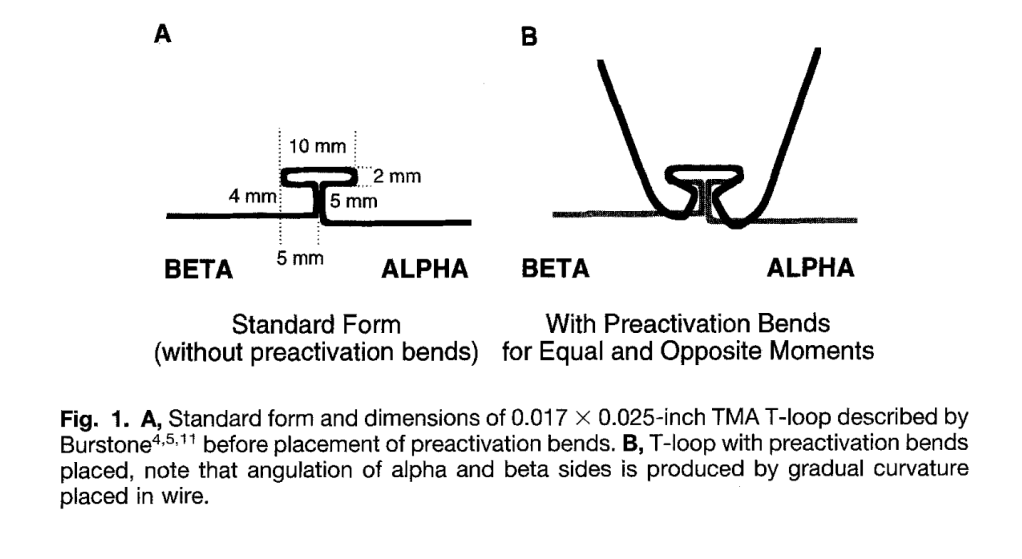
T-LOOP POSITIONING QUICK REFERENCE CARD

ScenarioT-Loop PositionResulting Effect
Standard retraction with equal controlCenteredBalanced α and β moments; negligible vertical force
Need to anchor molars (prevent mesial drift)Posterior↑ Beta moment, molars stabilize; anteriors retract + intrude
Need strong anterior retraction with minimal molar effectAnterior↑ Alpha moment, anteriors retract efficiently, but risk of extrusion
Patient with deep bitePosteriorHelps intrude anteriors
Open bite or no vertical concernAnterior or CenteredUse depending on anchorage needs

SPOTIFY LINK: https://open.spotify.com/episode/4Apa24ASMddoT0tybm0d0L?si=QN7tQyAASgyZ0eY121503w