
SOURCE – NISHA GARG TEXTBOOK
SOURCE – NISHA GARG TEXTBOOK
Can the virus exist in drinking water?
Conventional water treatment methods that use filtration and disinfection, such as those in most municipal drinking water systems, should remove or inactivate the SARS-CoV-2 virus that causes COVID-19.
Can the SARS-CoV-2 virus spread through pools and hot tubs?
Proper operation, maintenance, and disinfection (e.g., with chlorine and bromine) of pools and hot tubs should remove or inactivate the virus that causes COVID-19. However, chlorinated pools do not decrease your risk of droplet transmission of the virus (being coughed or sneezed on) and we recommend to practice social isolation and quarantine as recommended by the health authorities in your country during this pandemic.
What about sewers, gutters, and feces?
The virus that causes COVID-19 has been detected in the feces of some patients diagnosed with COVID-19. The risk of transmission is expected to be low. There have been no reports of fecal-oral transmission of COVID-19 to date.
Transmission of COVID-19 through sewage may be possible, there is no evidence to date that this has occurred. SARS, a similar coronavirus, has been detected in untreated sewage for up to 2 to 14 days. In the 2003 SARS outbreak, there was documented transmission associated with sewage aerosols. Therefore, wastewater and sewage workers should use standard practices, practice basic hygiene precautions, and wear personal protective equipment.
Source:
Water Transmission and COVID-19
https://www.cdc.gov/coronavirus/2019-ncov/php/water.html
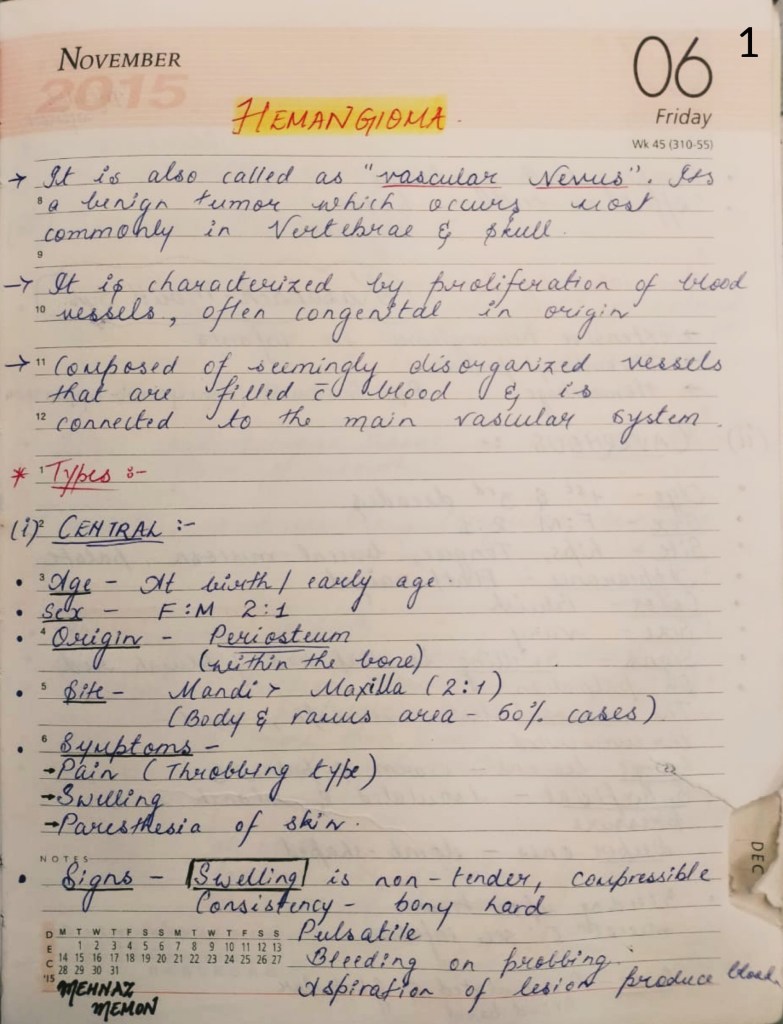

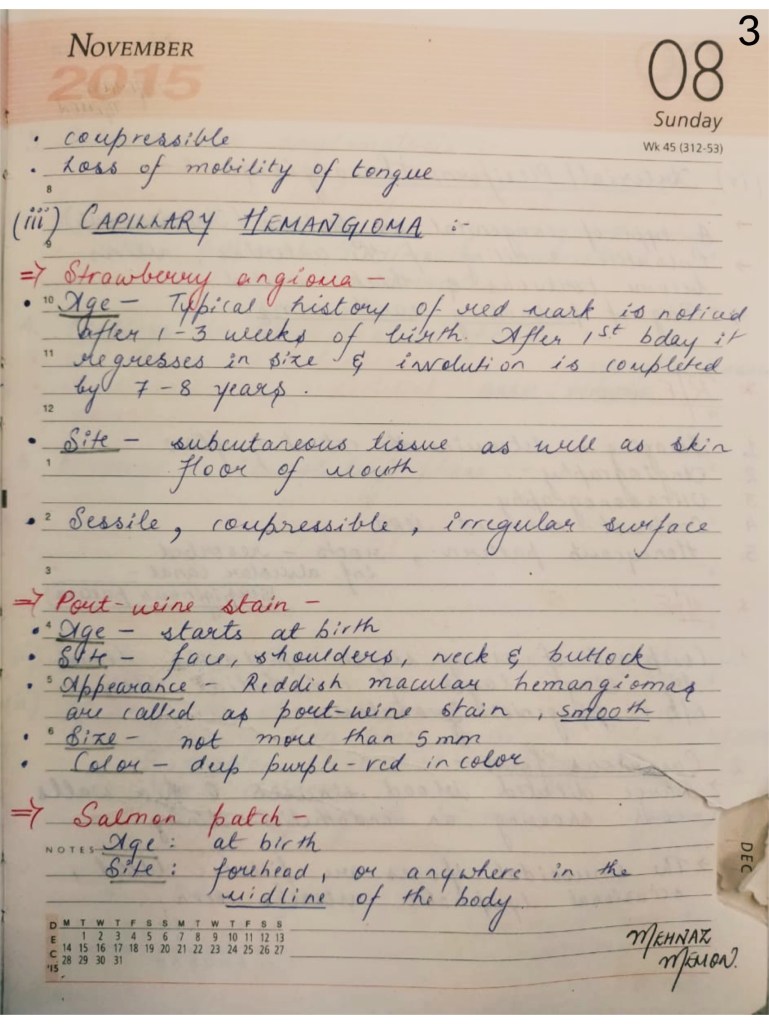
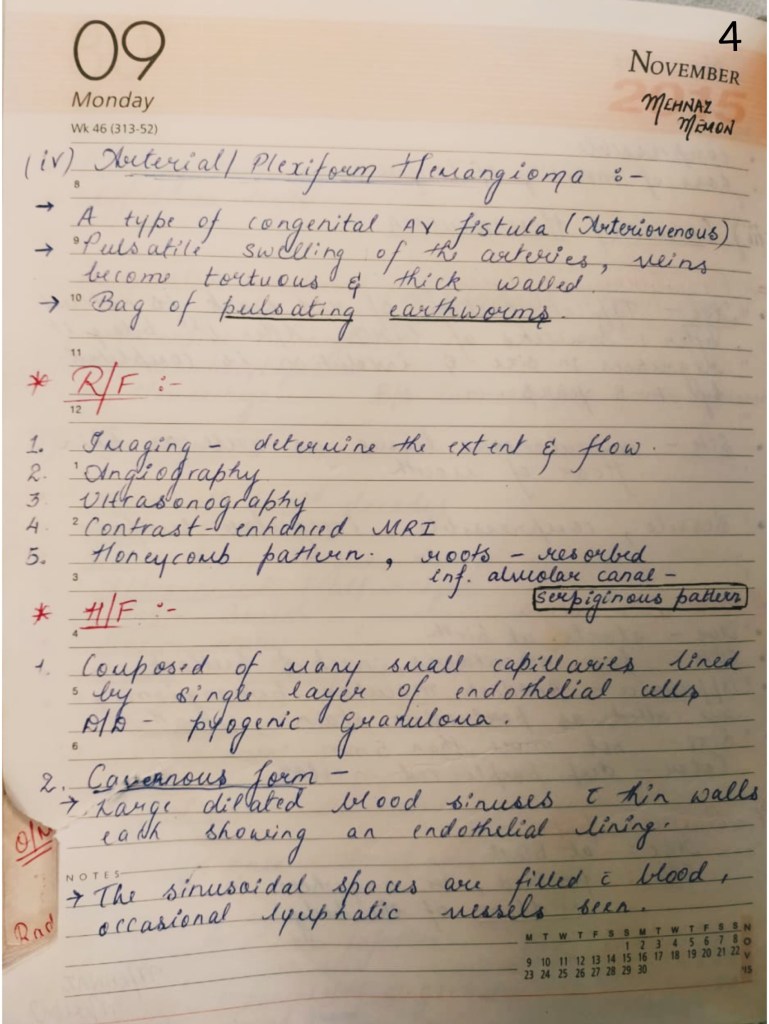
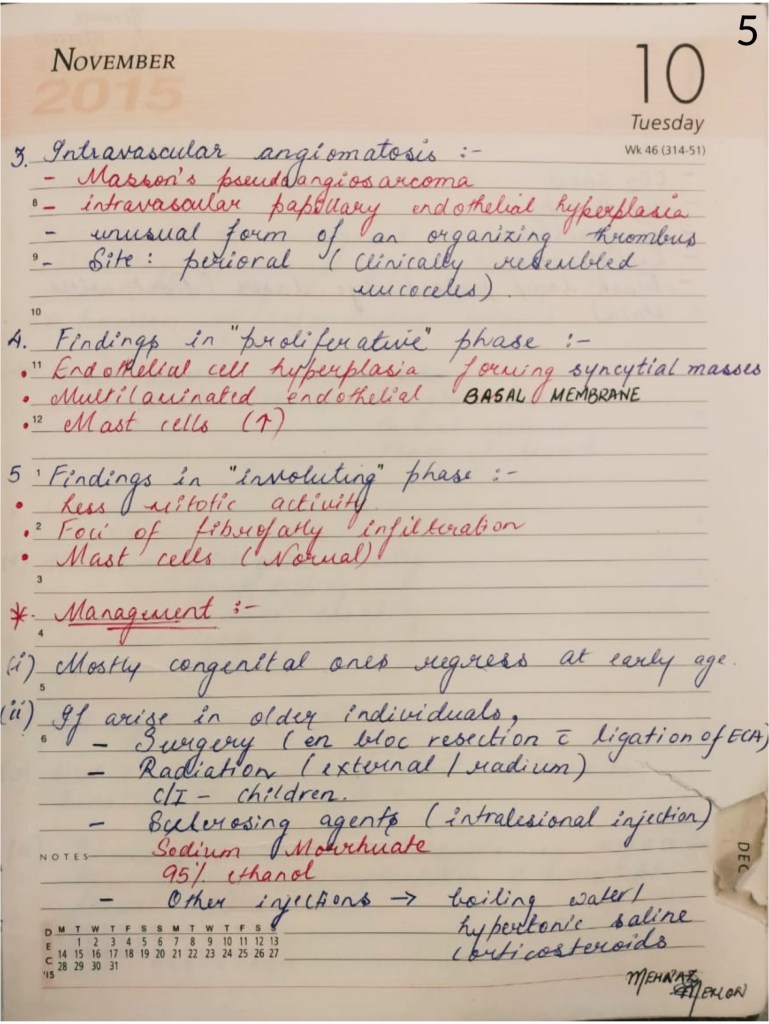
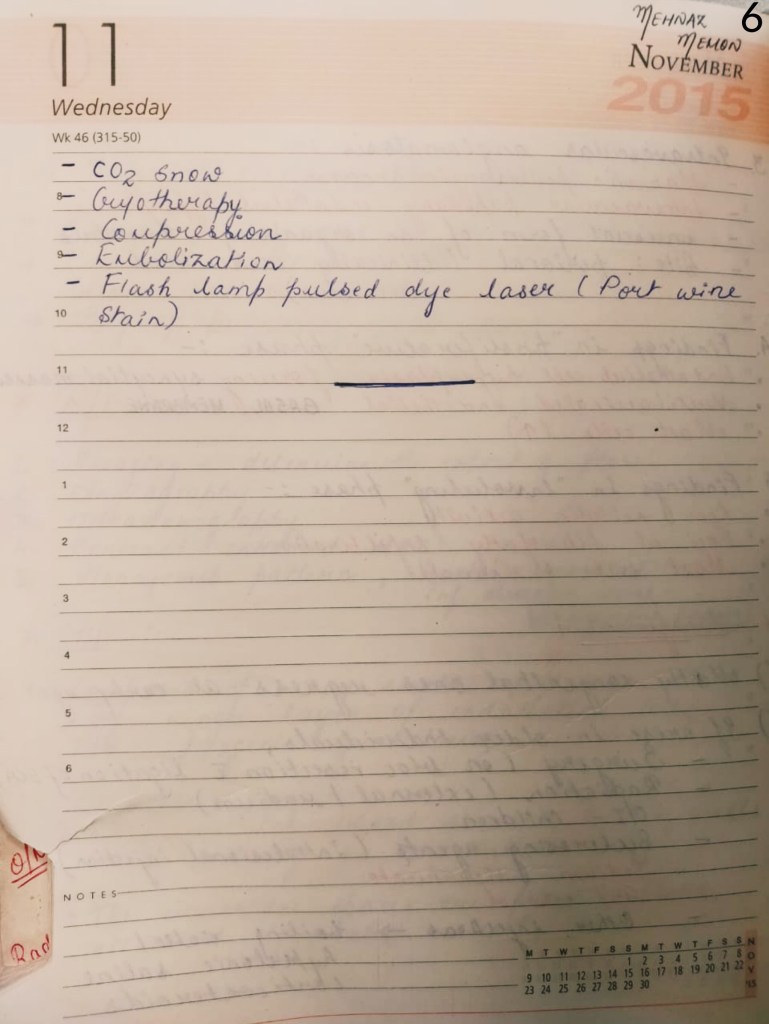

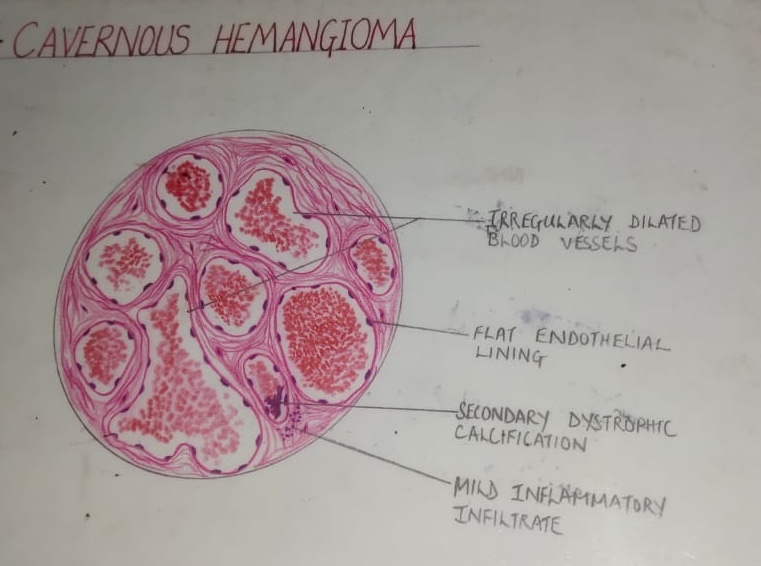
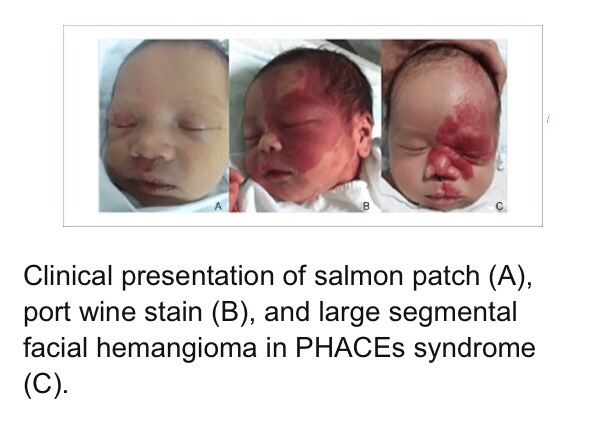

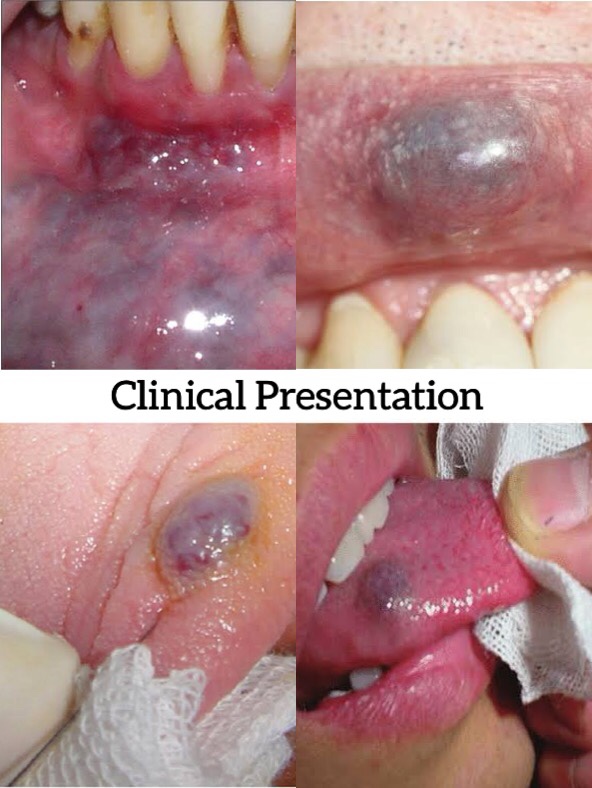
References: Shafer’sTextbook Of Oral Pathology; Image source: Google
PHENYTOIN
P – Plasia of gums; overgrowth
H– Hematological disorders
E- Epilepsy indications
N- Neurological: nystagmus, ataxia
Y– fetal hYdantoin syndrome
T- Trichosis; more hair!
O- Osteomalacia
I- Induces CYP enzymes
N – Na binding to cause inactivity
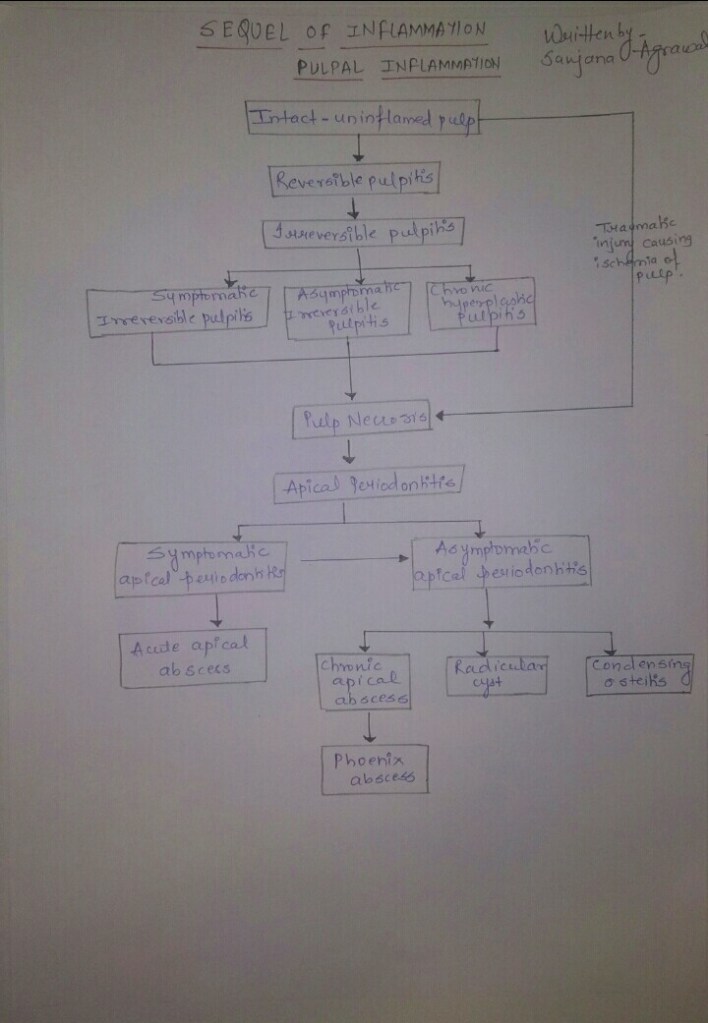
SOURCE – NISHA GARG TEXTBOOK

SOURCE – RAMYA RAGHU TEXTBOOK
• Composed of proliferating odontogenic epithelium in a cellular ectomesenchyme resembling the dental papilla.
• Odontomas are composed of all mature components of dental hard & soft tissues: Enamel, dentin & pulp.
• Because of their limited slow growth and well differentiation – considered hamartomas rather than true neoplasms
Clinical Features:
1. Interfere with eruption of permanent teeth.
2. No sex predilection
3. Age: 2nd decades
4. Asymptomatic in nature
5. Associated with impacted, malpositioned teeth.
6. Cause malformation and displacement of adjacent teeth
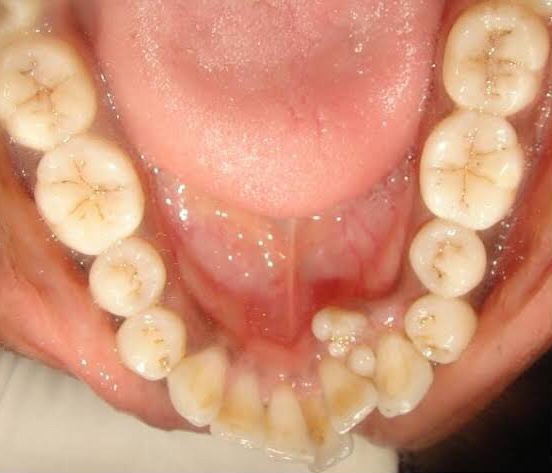
• Location: Posterior region of either Jaw. (70% – Mandibular Molars)
• Composed of haphazardly arranged dental hard and soft tissue with no resemblance to normal tooth.
• Arises from normal tooth follicle.
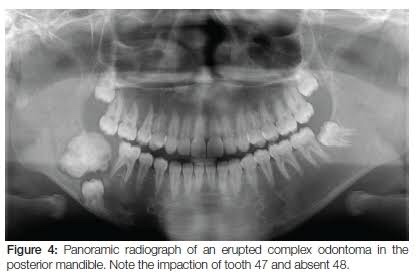
• Radiographically, Sunburst opacities with thin uniform radiolucent rim.
• Location: Anterior maxilla (62% – unerupted canine)

• Collection of small radio-opaque masses, some/all may be tooth like structures “denticles“
• Formed by exuberant growth of dental lamina or proliferation of enamel organ
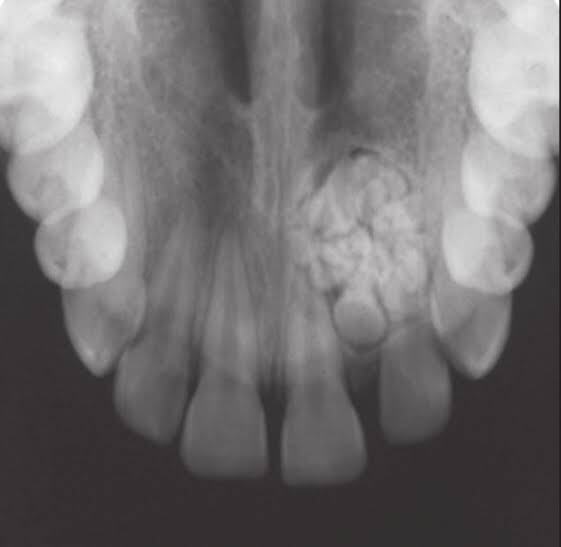
• Radiographically, cluster of multiple tiny toothlike structure within a fine radiolucent rim.

• Connective tissue capsule around odontoma is similar in all aspects to follicle surrounding normal tooth.
• Presence of ghost cells also found.
Treatment: Surgical Removal
References: Shafer’sTextbook Of Oral Pathology; Random google images
SOURCE – Nancy 13th edition
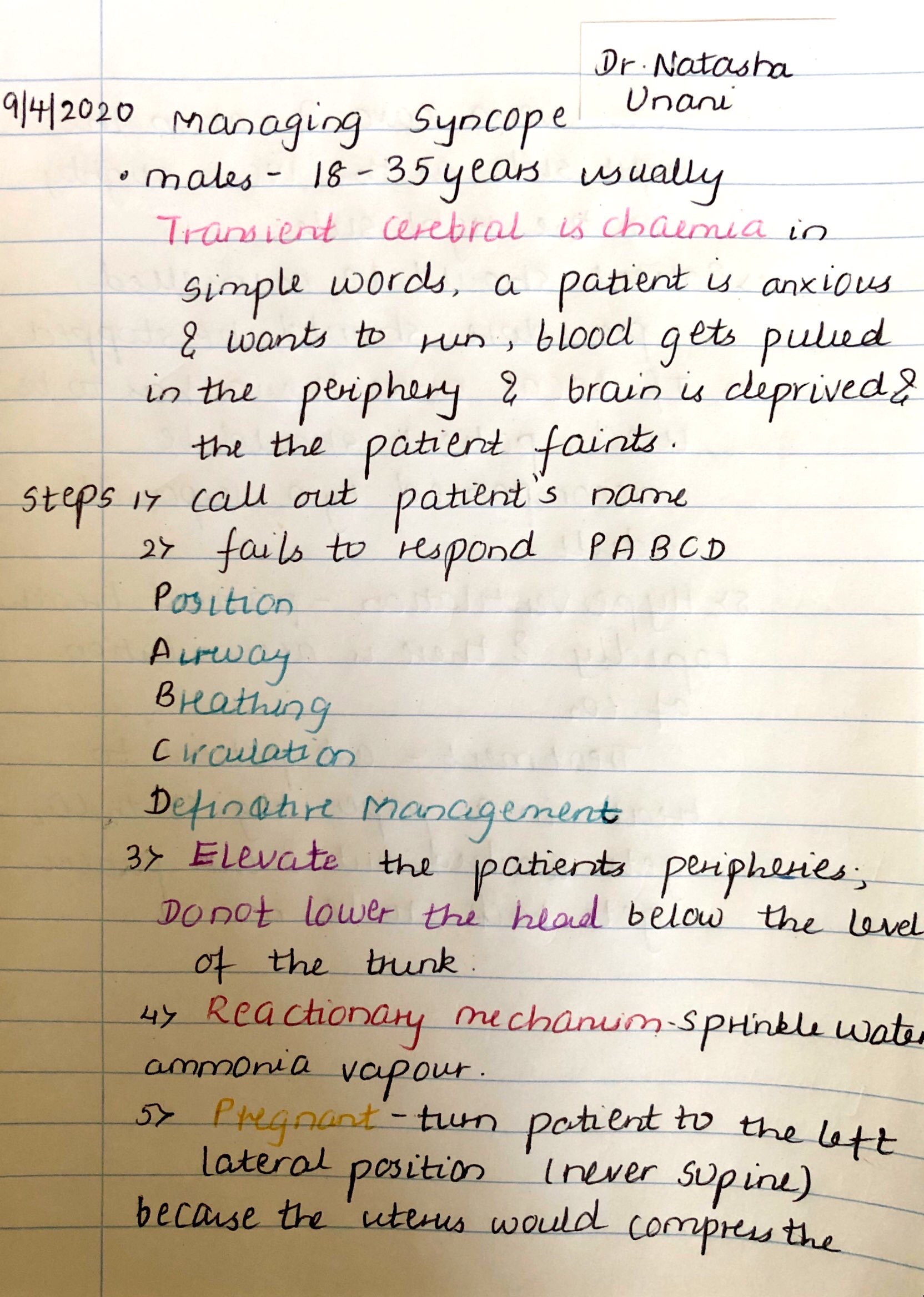
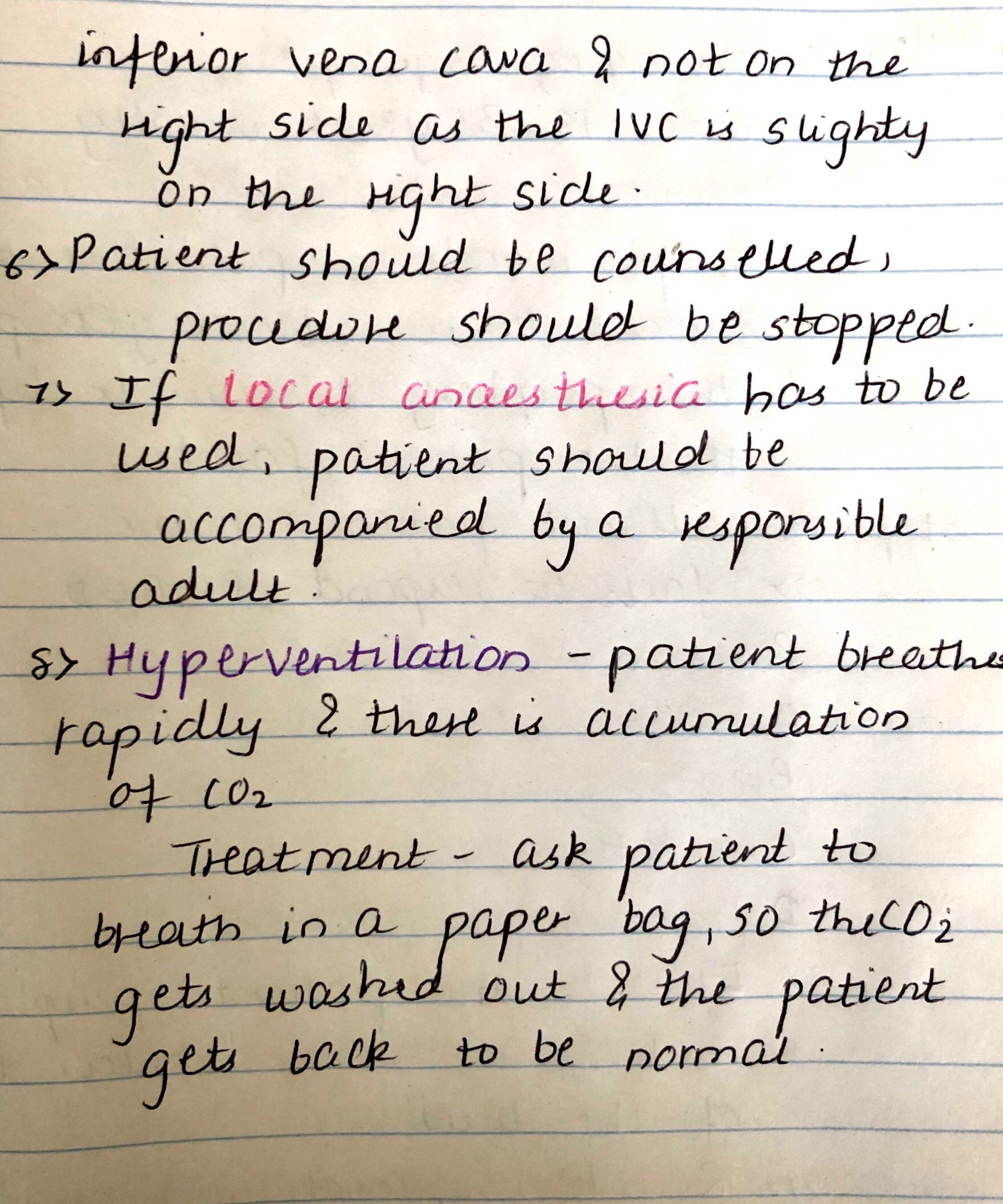
DR NATASHA UNANI
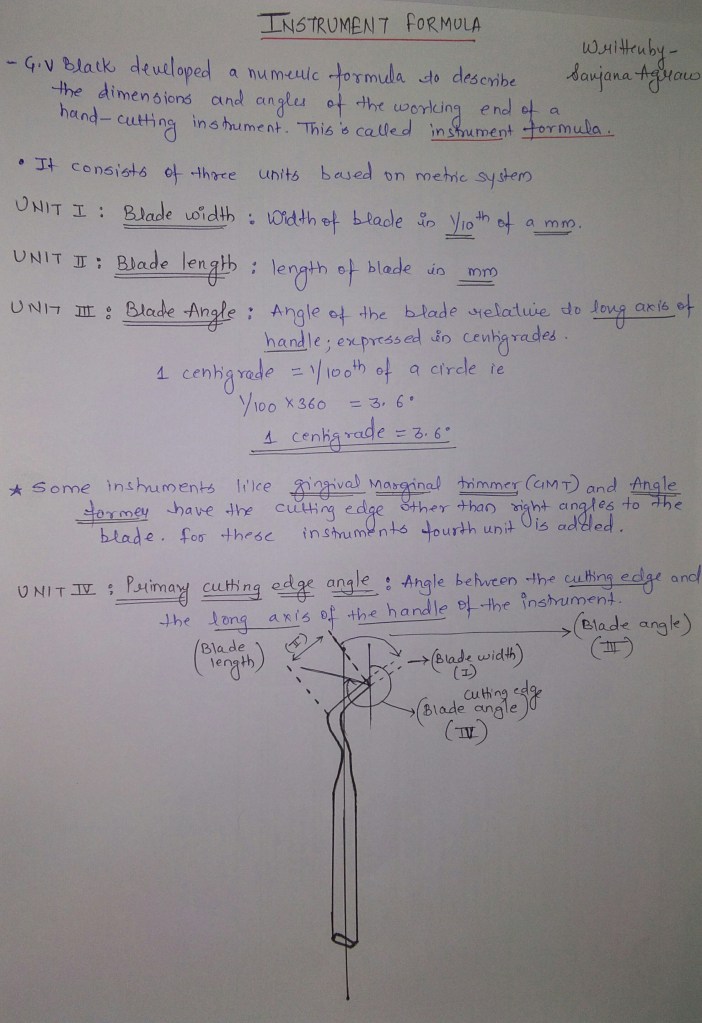
SOURCE – RAMYA RAGHU TEXTBOOK
Hello!
You can write for Dentowesome and share your knowelege with everyone around the world! If you want me to share your notes / knowledge / mnemonics on Dentowesome, email them to me (dentowesome@gmail.com) and I’ll post it for you!
If you wanna be an independent author at Dentowesome, here’s what you need to do:
Send me your email address and I will send you an author invitation, you must accept it within 24 hours.


Once you’re an author, you can click on the blog post button to write a new post:

Your blog should have –
1. A title:
I prefer you have concise titles on what the post is about. Make it a good title because that’s what is seen on the contents page and writing “Random post” as title doesn’t help!
2. Awesome content:
You can write your own posts, add your own images, notes and mnemonics.
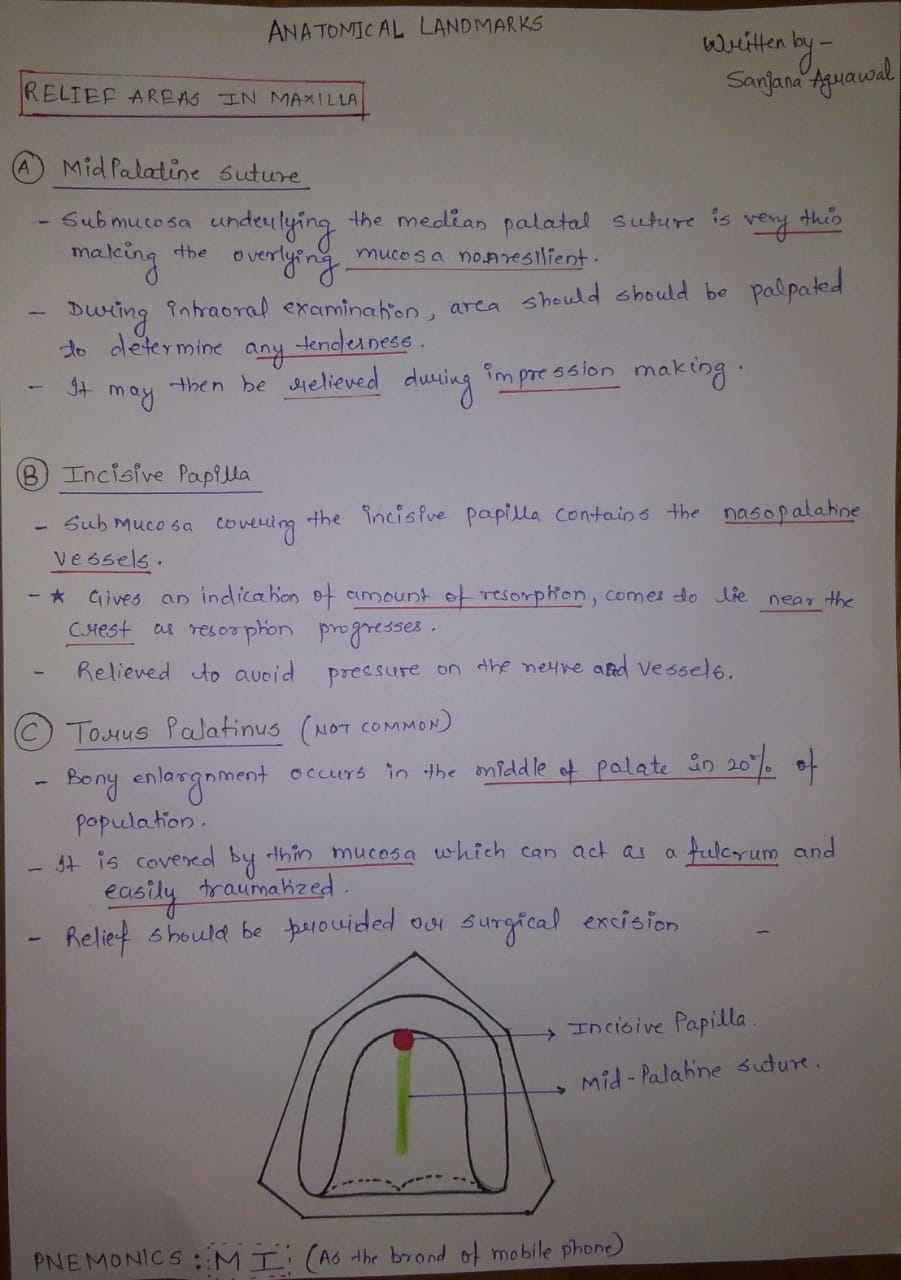
Rules for notes: handwriting should be good, please write it on A4 size paper and scan it in colour document instead of black and white.
3. Categories
Categories are important because they help readers go through a particular topic (Subject wise) on the blog with feasibility. If you don’t categorise your post, it is likely to be lost in the sea of posts on Dentowesome.
Do NOT create new Categories
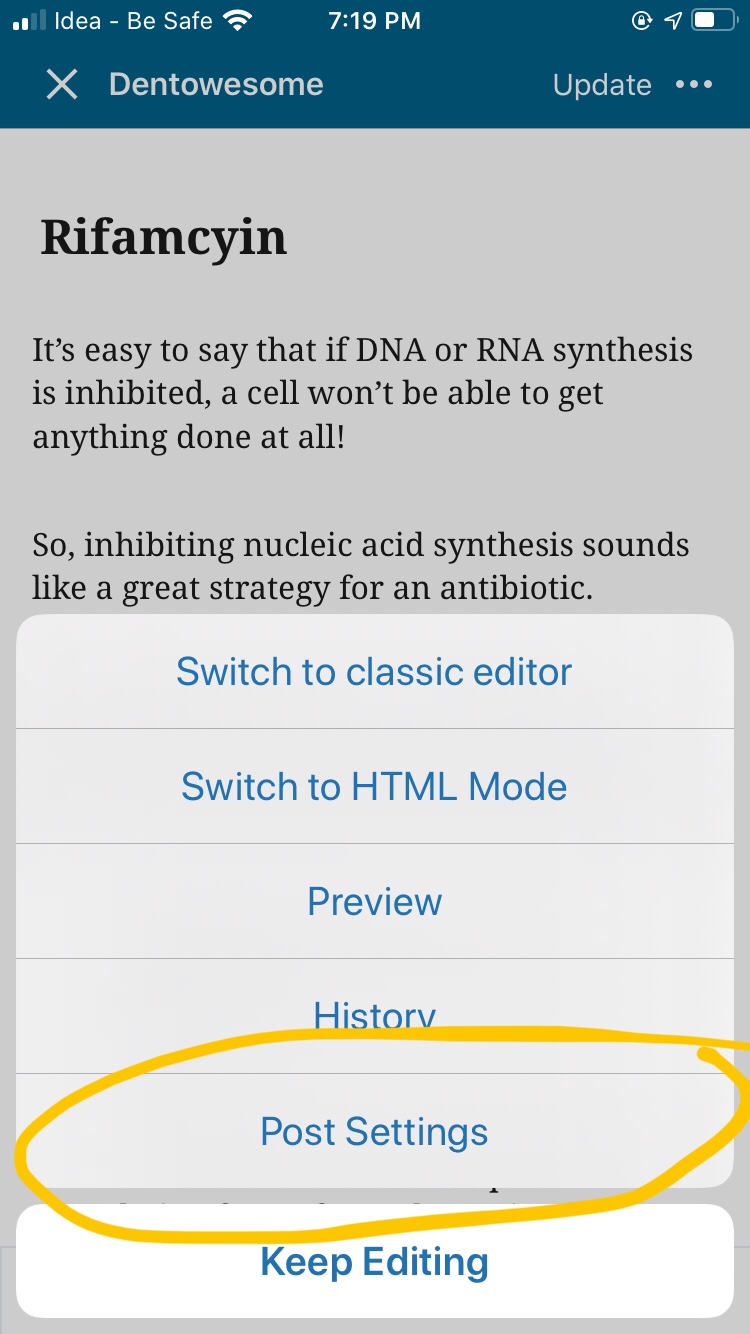

Categories which available are: Anatomy, Physiology, DAOH, Dental Materials, Pathology, Microbiology, Pharmacology, PCC, PCP, Oral Pathology, General Surgery, General Medicine, Conservative Dentistry And Endodontics, Oral And Maxillofacial Surgery, Oral Medicine And Radiology, Orthodontics, Periodontology, Prosthodontics, Public Health Dentistry
5. Publish:
Once you publish a post, it will be online on the blog. It is automatically shared on Facebook, Twitter and sent to subscribers via Email. I’ll upload it on Tumblr and other social media later.
If you are not confident about posting it all by yourself, you can run them by me. You can also Save as draft and it’ll be visible to other authors.
How to share your articles on DAI group?
Topic name in capital letters with bold font, followed by a link.
Example:
ACUTE VS CHRONIC OSTEOMYELITIS
https://dentowesome.wordpress.com/2020/04/04/acute-vs-chronic-osteomyelitis/
Also, after you write 10 or more posts, I would like you to write an about yourself post. I’ll link it on the about Author page 🙂
Perks of being an Author:
You add more awesomeness to your awesome self ^___^
You get to chat random stuff with other authors on DAI group
You get access to all Dentowesome study groups on Whatsapp 😀
And lots more, I guess? lol idk.
That’s all!
Welcome to the Dentowesome family. Happy sharing information and love! 🙂
–Anisha Valli

