TOBACCO CESSATION MOTIVATION

Tobacco is the leading preventable cause of death in the world and is the only consumer product that kills when used as intended by its manufacturers ;which may become deadly for non-smokers also.

FACTS & FIGURES:
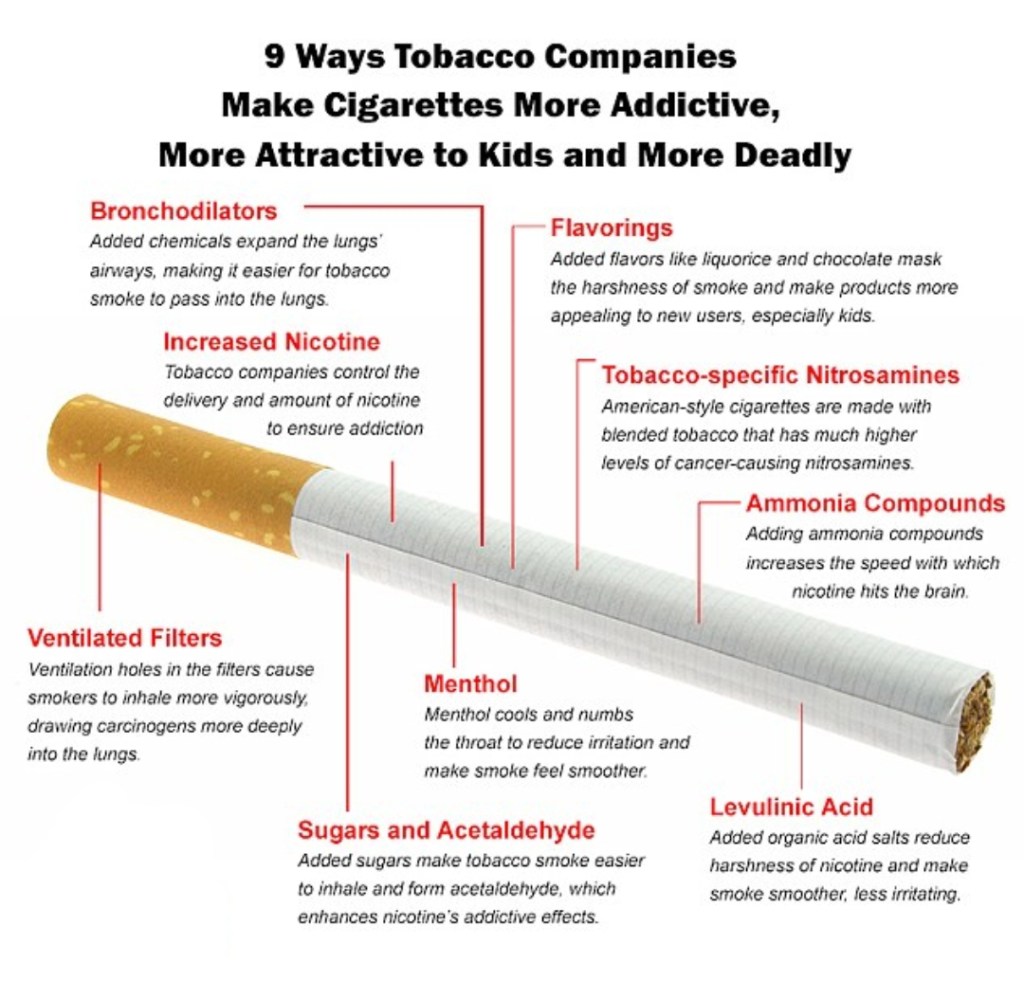
  • Tobacco causes 1 in 10 adult deaths worldwide,nearly 5 million deaths a year or one death every 6.5 seconds,killing 50% of regular users.
  • Total global smoking prevalence is 29%;47.5% men & 10.3% women.
  • By 2030,70% of deaths in the world is attributable to tobacco.
  • It’s a known or probable cause of about 25 diseases.
  • Smokeless tobacco causes oral cancer,especially in lips,tongue,mouth and throat area.
  • Breathing Environmental Tobacco Smoke(ETS) (i.e .side stream,exhaled smoke from cigarettes,cigars and pipes)causes serious health problems & aggravates allergies and increase the severity of symptoms in children & adolescents, with asthma and heart diseases.
  • People who start using tobacco early have more difficulty in quitting,are more likely to be heavy smokers and if young people donot begin to use tobacco before the age of 20,they are unlikely to start the habit.
  • The World Bank estimated that smoking prevention is among the most effective of all health interventions.
Deadlier than ever-how cigarettes have evolved over last 50 years.

EFFECTS OF NICOTINE :

  • Electroencephalographic desynchronisation.
  • Increased circulating levels of catecholamines, vasopressin, growth hormone,adenocorticotropic hormone,cortisol,prolactin,and beta-endorphin.
  • Increased metabolic rate
  • Lipolysis,increased free fatty acids.
  • Heart rate acceleration, nicotine can increase the heart rate by 10-15 beats/min.
  • Cutaneous & coronary vasoconstriction
  • Increased cardiac output & blood pressure by 5-10 mm Hg
  • Skeletal muscle relaxation
  • Nicotine can induce pathogenic changes to the endothelium associated with atherosclerotic process.
  • Halitosis,staining of teeth and soft tissues(smokers melanosis),drying of mouth.

‘Nicotine itself is not carcinogenic unless it undergoes nitrosation to form nitrosamines(during tobacco curing & combustion).’

HOW TO ASSESS TOBACCO DEPENDENCE?

A question-answer session with the individual would be very helpful ….

The total score can be calculated to know the dependence.

THE 5 A’S :

  • ASK- health care professionals / dentists should ask the patient about his or her tobacco intake habits which includes the questions discussed above,during every visit.
  • ADVICE-health care professional / dentists should continually advice patient to quit the habit thereby emphasizing the importance of the issue.
  • ASSESS- patients readiness & motivation to quit the habit must be assessed- cause this is a ‘major lifestyle change & requires preparation, readiness & several failed attempts’.
  • ASSIST-health care professionals/ dentists should assist those individuals who are motivated- by informing,suggesting and prescribing a pharmacological cessation aids ( nicotine replacement therapy ) and providing or referring the patient to counseling ( individual, group or over telephone ) and behavioral therapies and support services where available.
  • Lastly,ARRANGE-follow up services are often critical & the dentists can help the patient be tobacco free by providing services like advising availability of national hotlines,support from non-smoking friends or colleagues,or community based support groups.
The best time to quit smoking was the day you started,the second best time is today.

Lastly ,dentists play a major role in helping a patient quit smoking because we might be the first to detect an abnormality( be it a small stain or an abnormal mass ) in the oral cavity during routine examination. Do your part ,every small step counts……

Sources- S.S Hiremath textbook of preventive and community dentistry ,www.alhambraesd.org ,www.tobaccofreekids.org
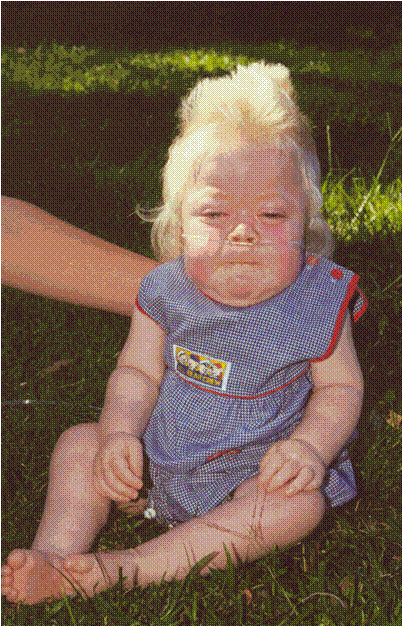
Hurler’s syndrome

Features of Mucopolysaccharidosis Syndrome-HURLER’S SYNDROME(MPS I H, Gargoylism):

  • Type- I-H
  • Eponym-Hurler
  • Inheritance-Autosomal Ressesive
  • Enzyme Deficiency- α-L-Iduronidase
  • Stored Substrate- HS- heparan sulfate and DS-dermatan sulfate
  • Clinical Features – Appears in infancy; cloudy corneas, growth retardation, reduced intelligence, coronary artery disease; rarely live 10 years.
  • Chromosomal abnormality on chromosome arm 4p16.3

  • Characterized by increased levels of MPS in urine.

Clinical features:-
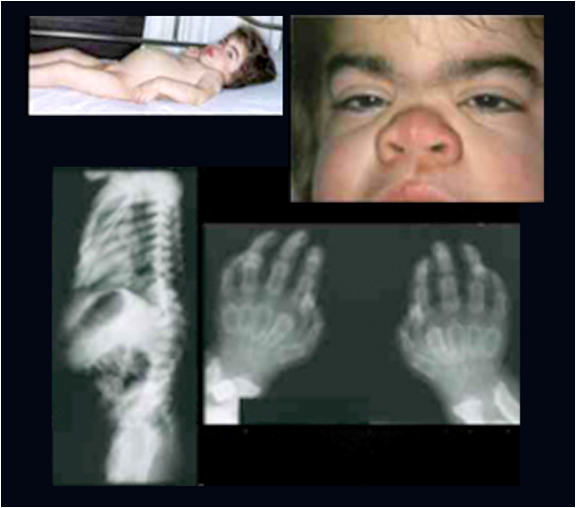
  • Becomes apparent in first 2 years of life, life expectancy of 6-10 yrs.
  • Head appears large; facial features quite typical.
  • Prominent forehead
  • Broad saddle nose & wide nostrils
  • Puffy eyelids with coarse bushy eyebrows
  • Hypertelorism
  • Thick lips
  • Large tongue with open mouth
  • Nasal congestion & noisy breathing.
  • Progressive corneal clouding classic manifestation.
  • Hepatosplenomegaly, results in protrudent abdomen
  • Short neck & spinal abnormalities typical.
  • Flexion contractures result in “claw hand”.
  • Dwarfed, mentally retarded individuals.
  • hhs

Histologic features:-

  • Excessive accumulation of intracellular mucopolysaccarides in many tissues & organs.
  • Accumulation of dermatan & heparan sulfate in cells of mononuclear – phogocyte system, fibroblasts & endothelial cells.
  • Affected cells are swollen, have clear cytoplasm resulting from accumulation of PAS +ve material in engorged, vacuolated lysosomes.
  • Involved fibroblasts assume appearance of ‘clear’ or ‘gargoyle’ cells.
  • ‘Hurler cells’ relatively large with metachromatically staining cytoplasm with crescent shaped nuclei.
  • Cells not identified with normal H/E stain but with toluidine blue or Alcian blue/ aldehyde fuchsin stains.
  • Should be differentiated from mast cells.

Oral Manifestations:-

hhss

  • Shortening and broadening of the mandible with prominent gonions.
  • Localized areas of bone destruction in the jaws.
  • Teeth may be small and widely spaced.
  • Gingival hyperplasia has been repeatedly described in
    patients with Hurler syndrome.
  • the tongue is also characteristically enlarged.

Laboratory findings:-

  • Elevated levels of mucopolysaccharides in urine.
  • Metachromatic granules or ‘Reily bodies’ often demonstrated in cytoplasm of circulating lymphocytes.

Treatment:-

  • Because of multisystemic involvement in patients with mucopolysaccharidosis type I (MPS I), treatment is multidisciplinary and encompasses both the curative and palliative elements.
  • Corrective surgery may be necessary for patients with mucopolysaccharidosis type I (MPS I) who have joint contractures or foot and hand deformities.

  • Corneal transplants may be required if vision problems become severe.

  • Given the numerous mutations at this genetic locus, identification of which allele or alleles are involved requires referral to medical geneticists for diagnosis and genetic counseling.

References :-

1.SHAFERS’s 8th edition

2.NEVIELLE’S 3rd edition
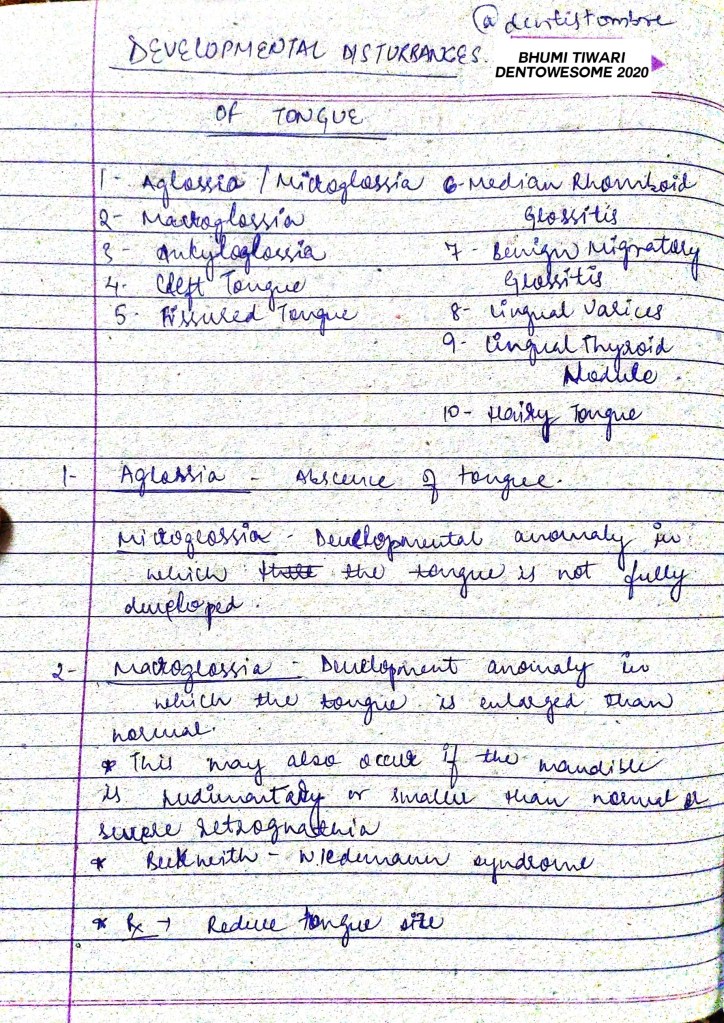
Syncope

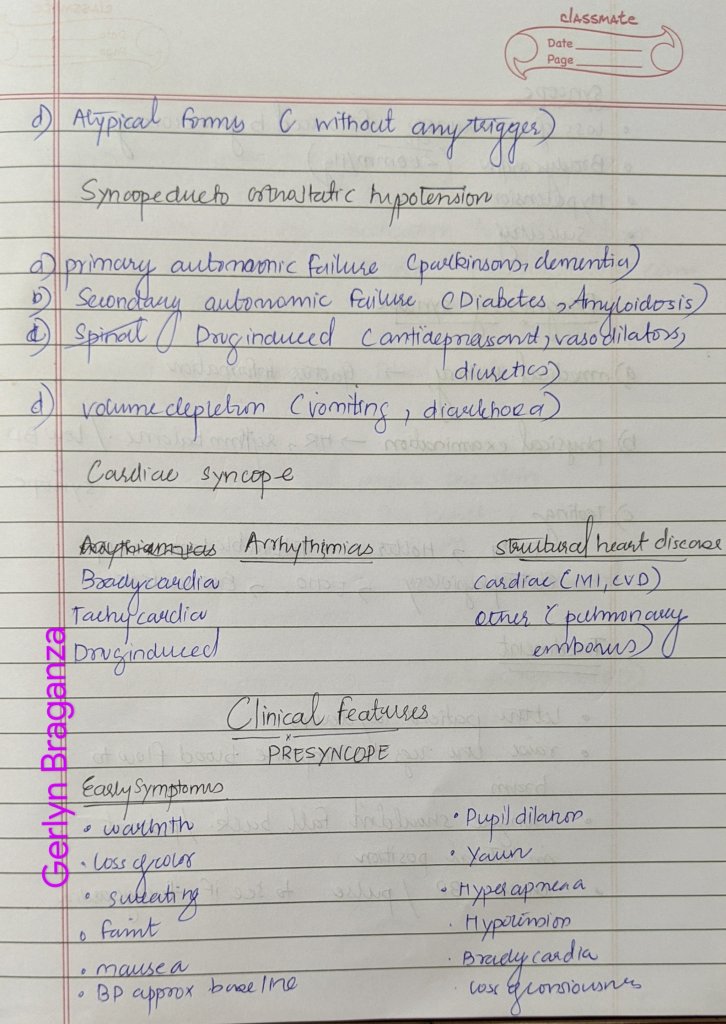
Syncope refers to generalised weakness of muscles, loss of postural tone , inability to maintain erect posture and loss of consciousness.

If u find it difficult to remember the causes here is a MNEMONIC
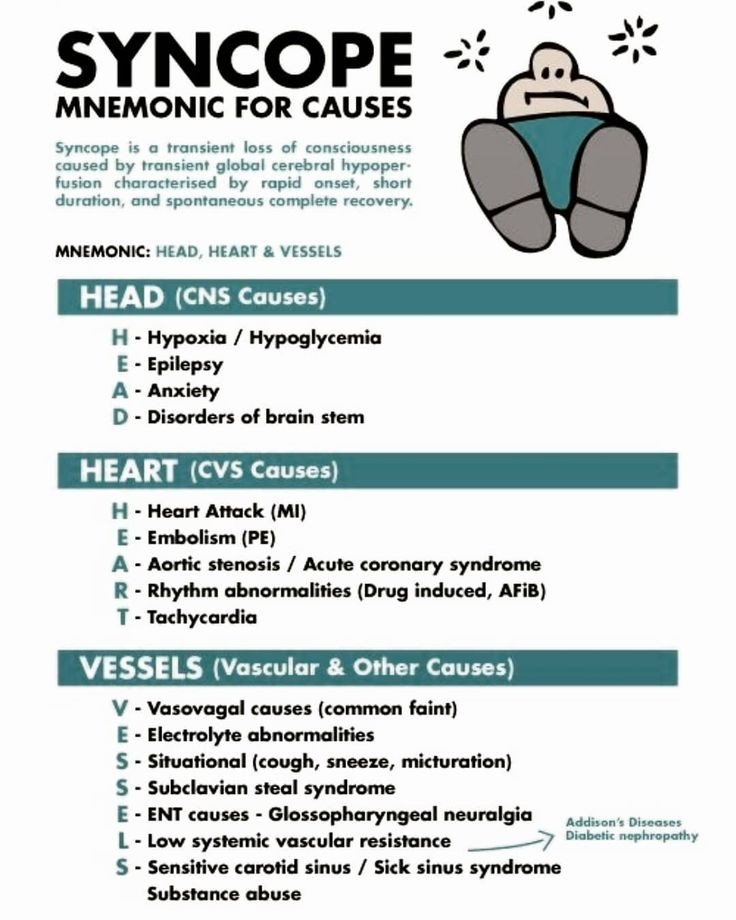
Source- textbook of general medicine for dental students SN Chugh and pinterest images .

Oral manifestations of systemic diseases-II

Hematologic Diseases :-
• Hematologic diseases are disorders which
primarily affect the blood.
• Anemia is usually defined as a decrease
in the amount of red blood cells (RBCs) or
hemoglobin in the blood.

• Oral Manifestations:–
– folate and vit. B12 deficiency
– iron deficiency
– glossitis
• red colour
• athrophic papilae
• recurrent aphthae
– candidal infection
– angular stomatitis
– oral pain

• Leukemia is a group of cancers that
usually begins in the bone marrow and
results in high numbers of abnormal white
blood cells.

*Oral Manifestations:-

– gingival hypertrophy
– petechiae
– mucosal ulcers
– hemorrhage
Treatment of leukemia
– reactivation of herpes simplex virus – oral mucosistis.

References:-

1.Google- slideshare.

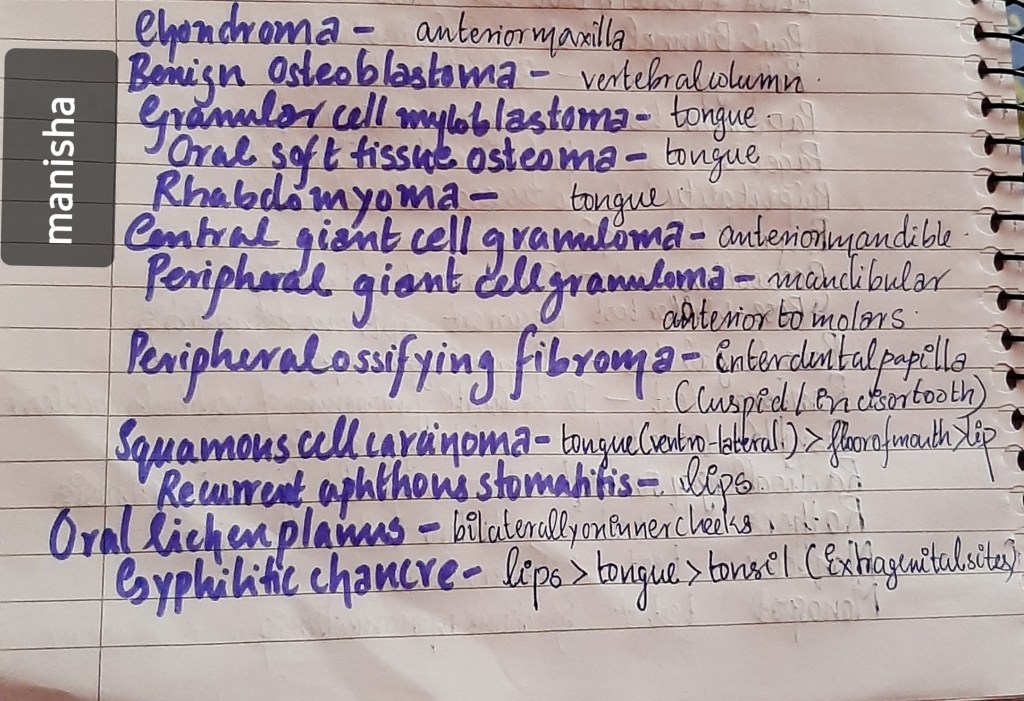
COMMON SITES

Correct and early diagnosis of a lesion / abnormality in the oral cavity is very crucial as these could be vital indicators to some of the underlying systemic diseases or other chronic conditions. Most of the oral conditions show a peculiar pattern of occurrence only on specific sites.Hence,knowledge of these common sites can help to some extent in proper identification, differentiation from other similar conditions and treatment planning.A few of such conditions and findings has been mentioned here.
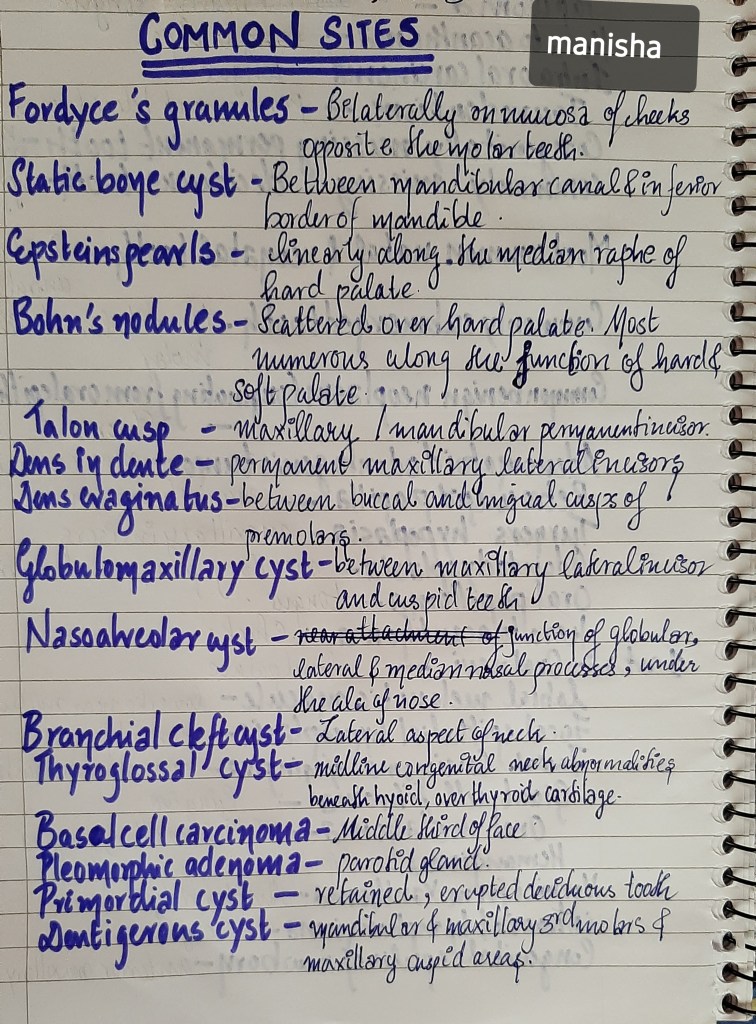
Sources:Shafers textbook of oral pathology ,burkets oral medicine ,www.aurametrix.weebly.com

Oral manifestations of systemic diseases – I

Careful examination of the oral cavity may
reveal findings indicative of an underlying
systemic condition, and allow for early diagnosis
and treatment. Examination should include
evaluation for mucosal changes, periodontal
inflammation and bleeding, and general
condition of the teeth.

I.GIT Diseases
• Gastrointestinal diseases refer to diseases involving
the gastrointestinal tract, namely the esophagus,
stomach, small intestine, large intestine and rectum,
and the accessory organs of digestions, the liver,
gallbladder, and pancreas.

• Crohn’s disease, also known as Crohn
syndrome and regional enteritis, is a type of
inflammatory bowel disease (IBD).
• Ulcerative colitis is a form of inflammatory
bowel disease (IBD) that causes inflammation
and ulcers in the colon.
• Gastroesophageal reflux is a chronic symptom
of mucosal damage caused by stomach acid
coming up from the stomach into the
esophagus.
• Chronic liver disease in the clinical context is a
disease process of the liver that involves a
process of progressive destruction and
regeneration of the liver parenchyma leading to
fibrosis and cirrhosis.

1. Crohn disease:–
– diffuse labial, gingival or mucosal swelling
– „cobblestoning“ of buccal mucosa and
gingiva
– aphtous ulcers
– mucosal tags
– angular cheilitis
– oral granulomas

2.Ulcerative colitis:-
– oral signs are present in periods of
exacerbation of disease
– aphtous ulceration or superficial
hemorrhagic ulcers
– angular stomatitis
– pyostomatitis vegetans, pyostomatitis
gangrenosum.

3.Gastroesophageal reflux:-
– reduction of the pH of the oral cavity below
5,5

– enamel damage
– damage of the dentin – higher sensitivity (to
temperature..), caries

4. Chronic liver diseases:-
– jaundice
– petechiae or gingival bleeding (hemostasis
disorder)

RREFERENCES:-

1.Google -slideshare

2.Davidson-22nd edition