

Source White Pharaoh textbook
Source White Pharaoh textbook


Cigarettes contain nicotine and by smoking regularly and for long hours, your body becomes dependent on it. Giving up smoking can cause nicotine withdrawal symptoms which are :
Stop smoking medicines along with nicotine replacement therapy are effective aid to tobacco cessation & can help control these symptoms.
What are these?
3 types –

How does it work?
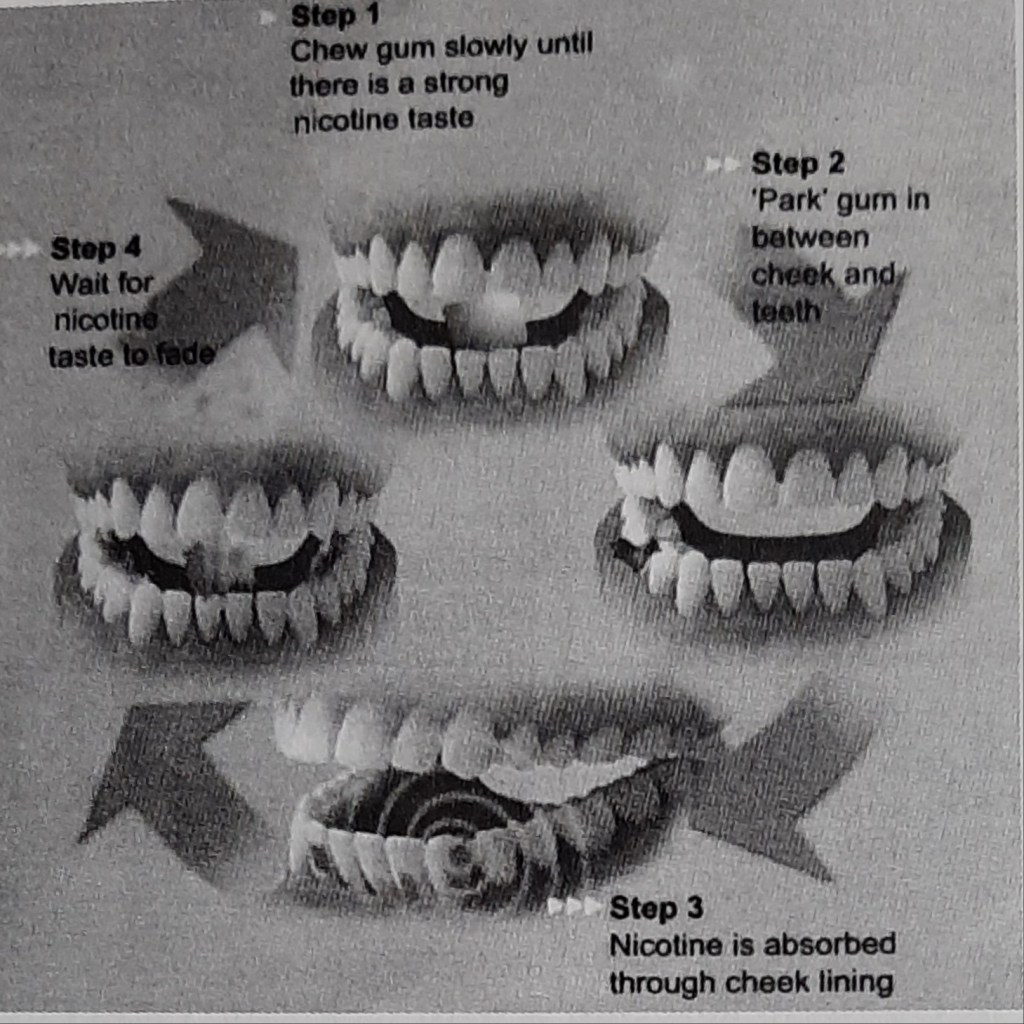
Tobacco intakers who are motivated to quit the habit & are dependent on nicotine should be offered NRT.

Is it safe?
NRT is safe because of the facts that the nicotine levels are low and it’s less addictive delivery mechanism (unlike smoking tobacco where the nicotine reaches the brain quickly) and also because most of the harmful problems are caused by the other components of tobacco smoke ,not by the nicotine.
NRT is safe for most adults and in people with stable cardiac diseases, but caution needed in unstable,acute cardiovascular disease,pregnancy,or breastfeeding or in those aged under 18 years.
Brownie points-reduces the constant urge to munch on food,thus reducing weight gain.😊
When should one stop using NRT?
Most courses of NRT recommend use for about 12 weeks.This is because it takes this much time for the brain to adjust to working without the high doses of nicotine that the cigarettes supply.However there is no hard and fast rule.After starting the therapy,most people mistake the lack of discomfort for the belief that the addiction is over,leading to stop using the product too soon. This can result only in reappearing of the symptoms.
The best method is to take the help of the health professional when you start the therapy and keep them updated about the progress.
Lastly ,we all are not the same….each tobacco smoker’s tendency & pattern to quit may vary & it depends on different factors like age,gender,environment, general physical and mental health.
Sources:S.S Hiremath textbook of preventive and community dentistry, http://www.healthunlocked.com(Quit Support)
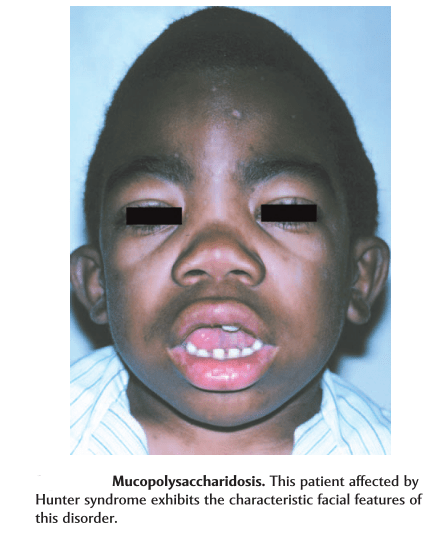
Features of Mucopolysaccharidosis Syndromes– Hunter syndrome:-
Differs from Hurler’s syndrome in –
Clinical features :-
I- Type A is he severe form, which usually is diagnosed in children aged 18-36 months.
Symptoms in type A may include:
coarse facial features and short stature.
enlarged liver and spleen.
progressive and profound mental retardation.
ivory-colored skin lesions on the upper back and sides of the upper arms and thighs.skeletal changes, joint stiffness, short neck, broad chest, and too-large head.
progressive deafness.
atypical retinitis pigmentosa and visual impairment.

II.Type B Hunter syndrome is much milder than type A
Diagnosis:-
Treatment:-
References:-
1.SHAFERS 8th edition
2.NEVILLE ‘S 3rd edition

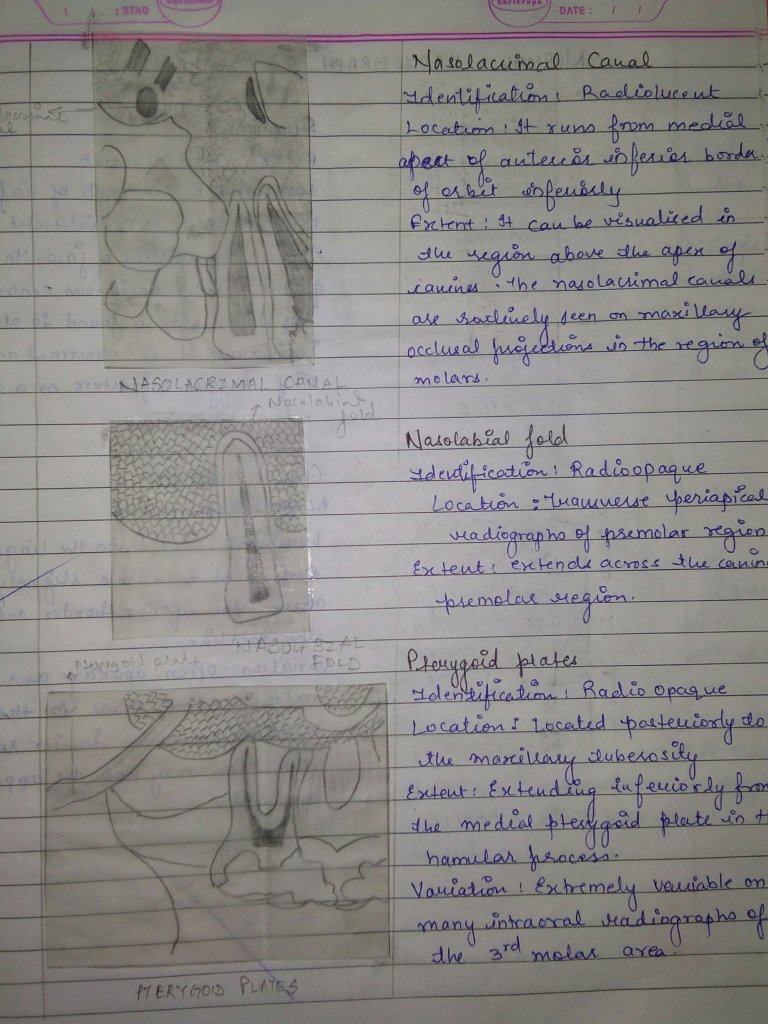
Source White Pharaoh textbook
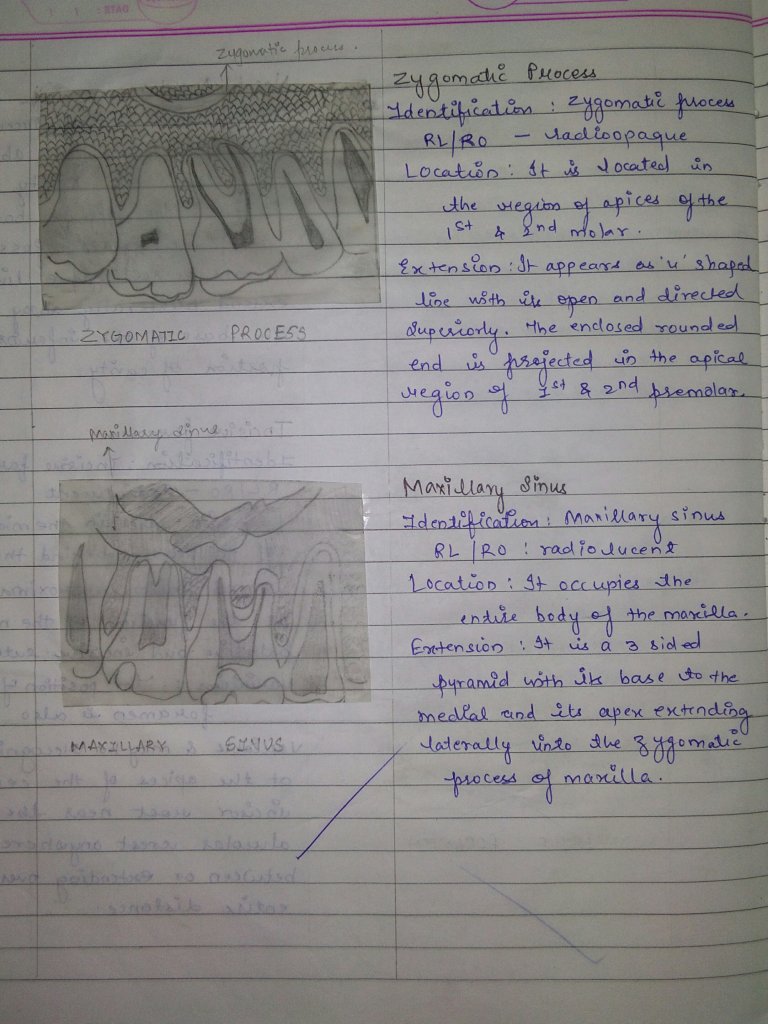

Source White Pharaoh textbook
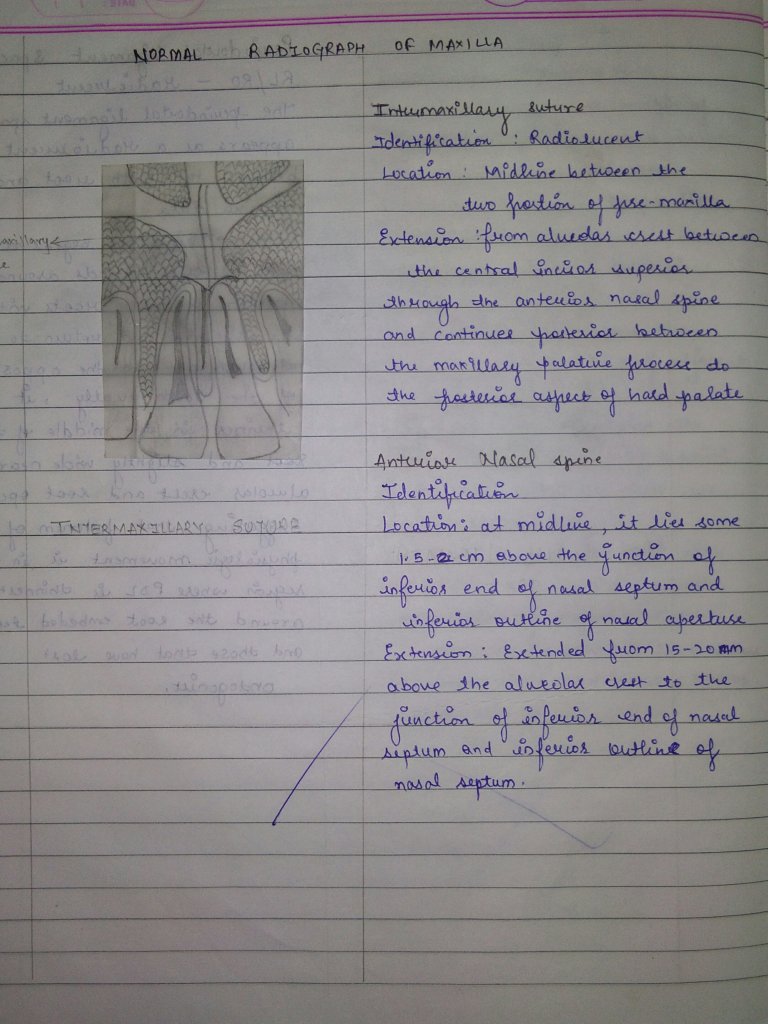
Source White Pharaoh textbook

