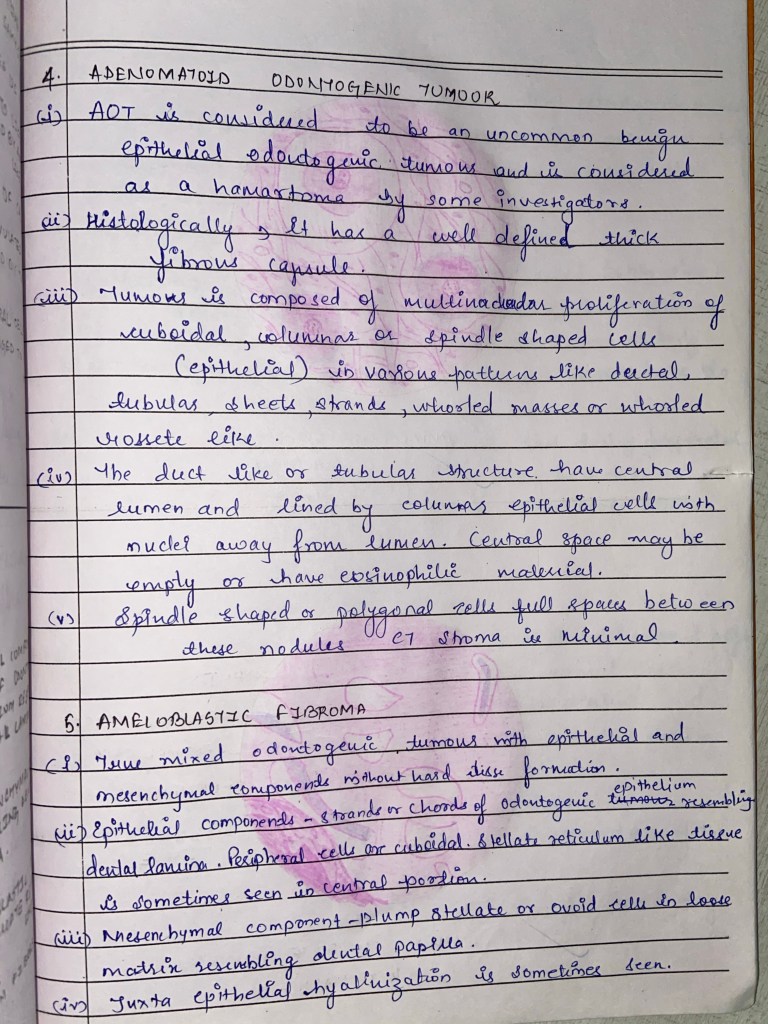
Written by Sanjana Agrawal
Source Shafers textbook
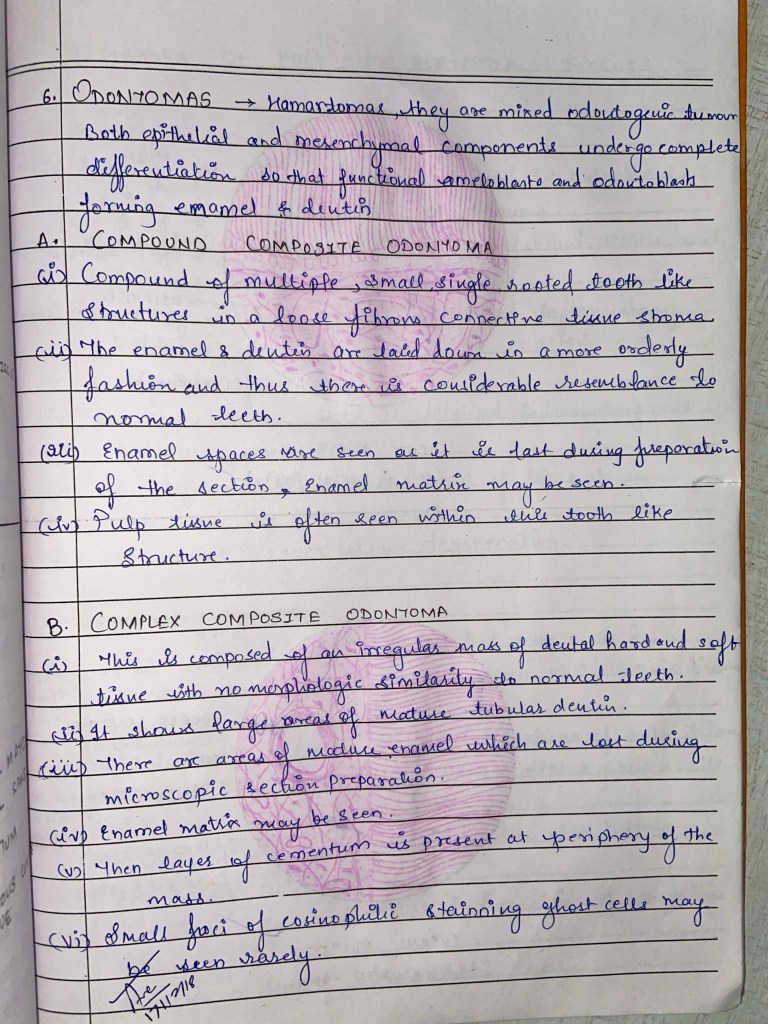
Written by Sanjana Agrawal
Source Shafers textbook

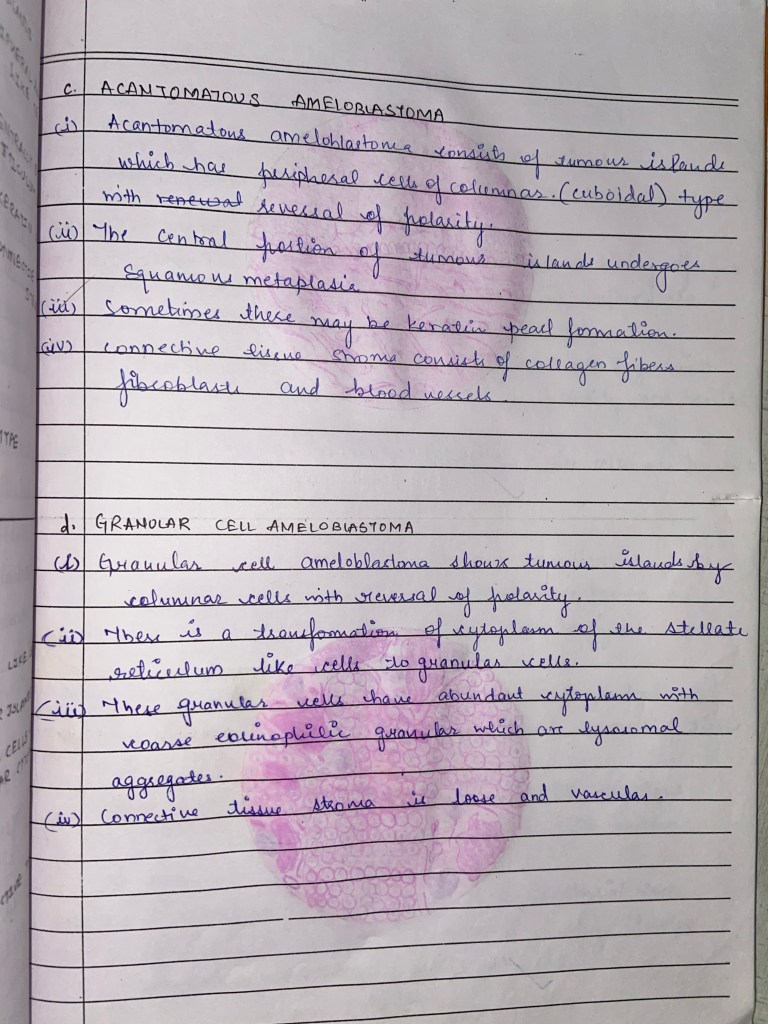

Written by Sanjana Agrawal
Source Shafers textbook
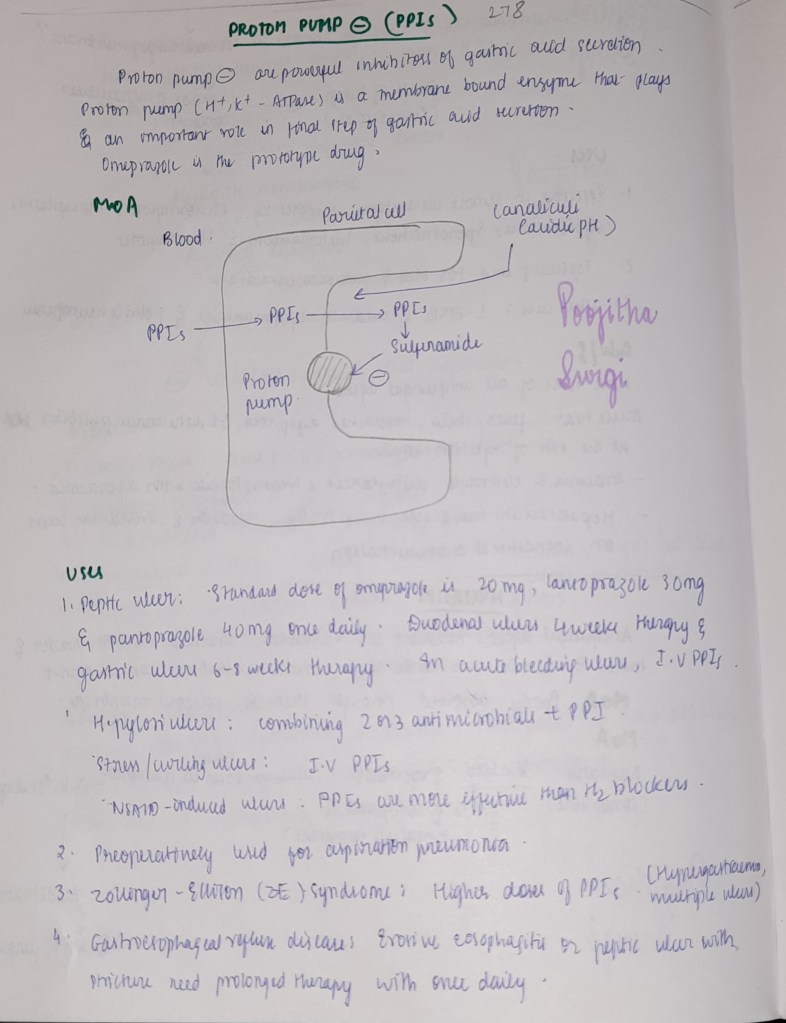
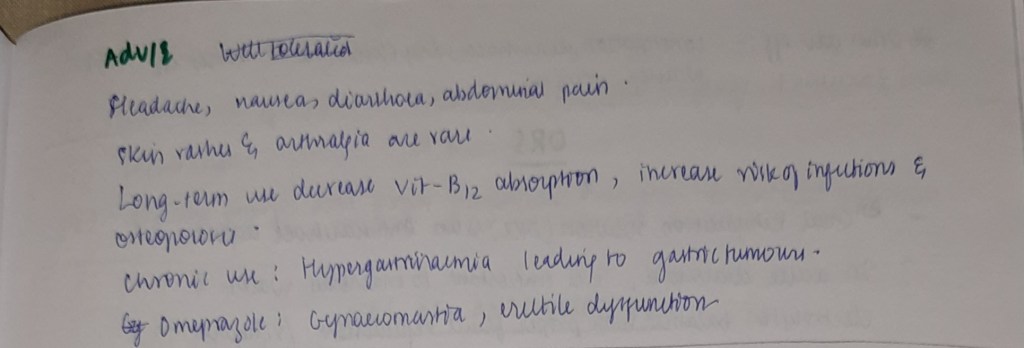
Pharmacology 4th Ed: Tara V Shanbhag, Smita Shenoy
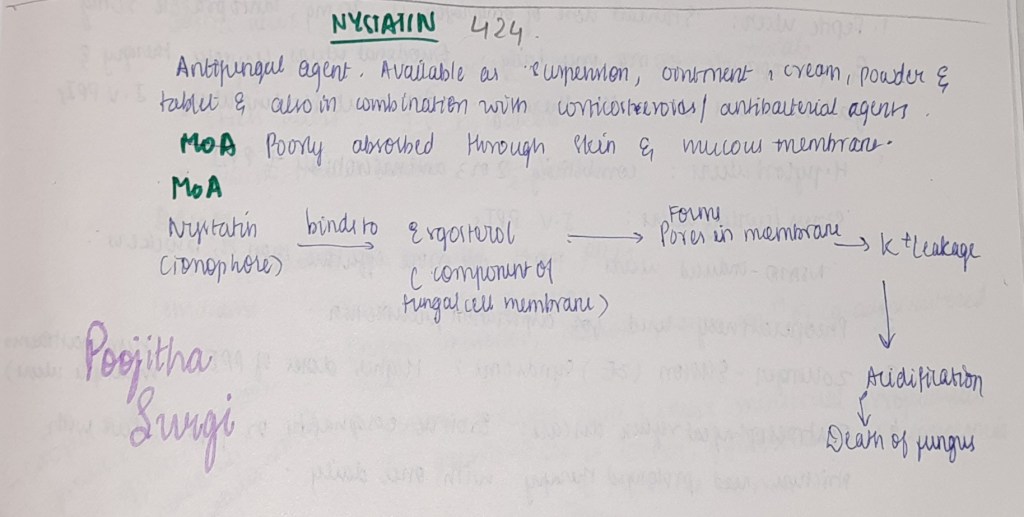

Pharmacology 4th Ed: Tara V Shanbhag, Smita Shenoy
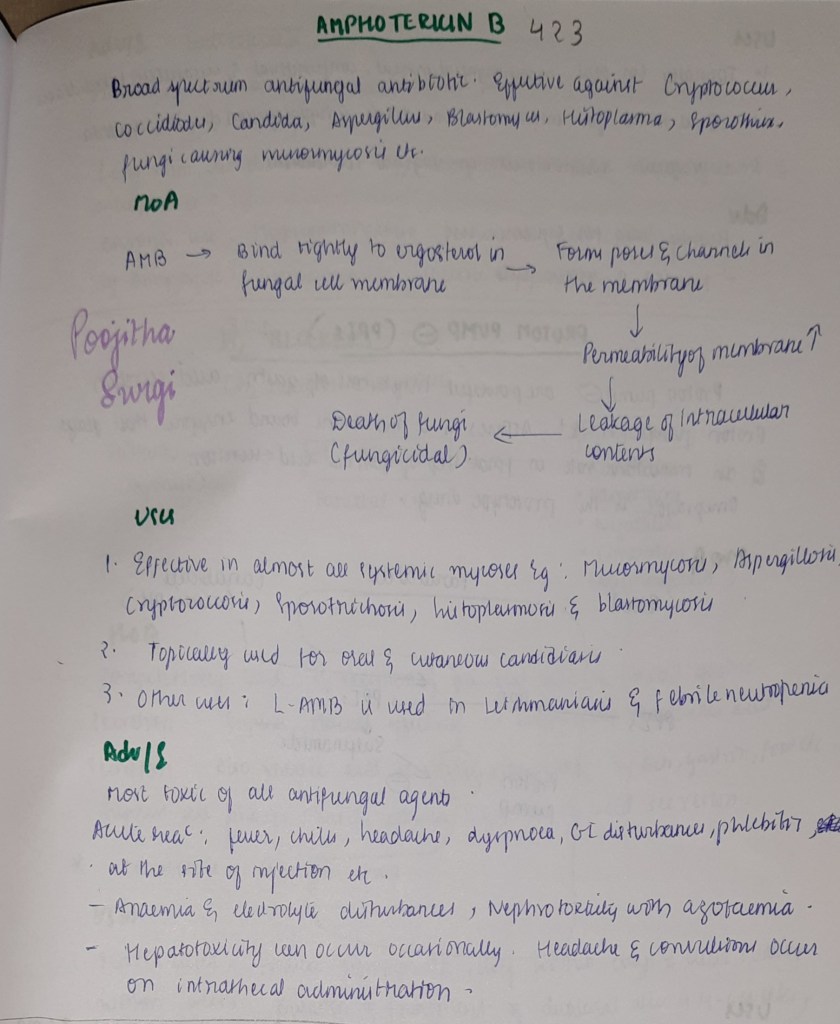
Pharmacology 4th Ed: Tara V Shanbhag, Smita Shenoy
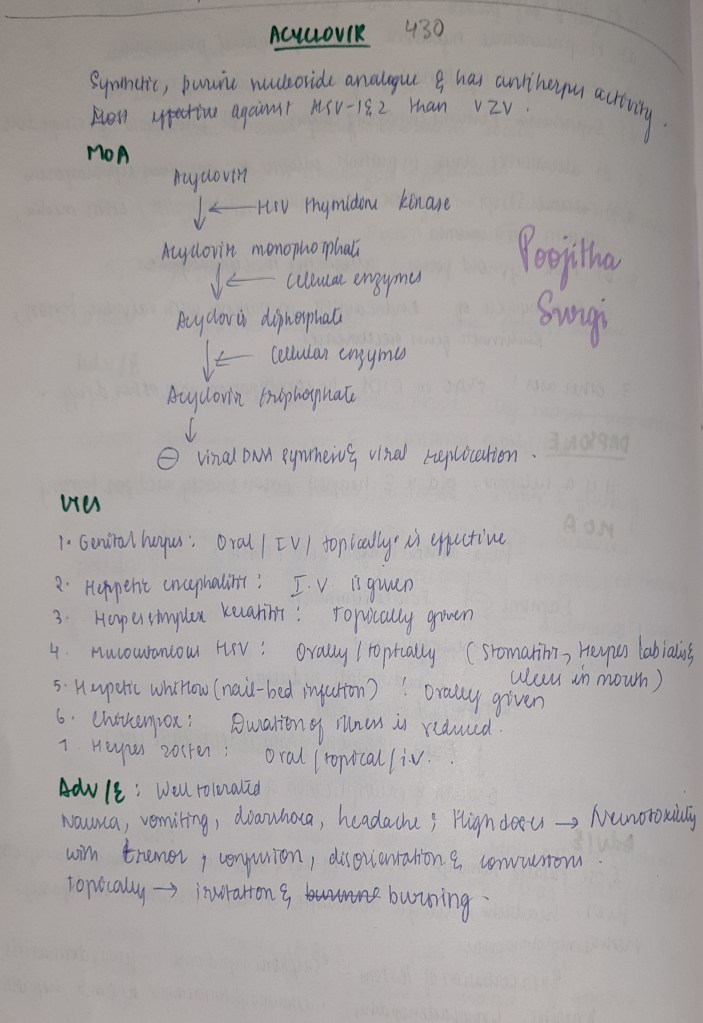
Pharmacology 4th Ed: Tara V Shanbhag, Smita Shenoy
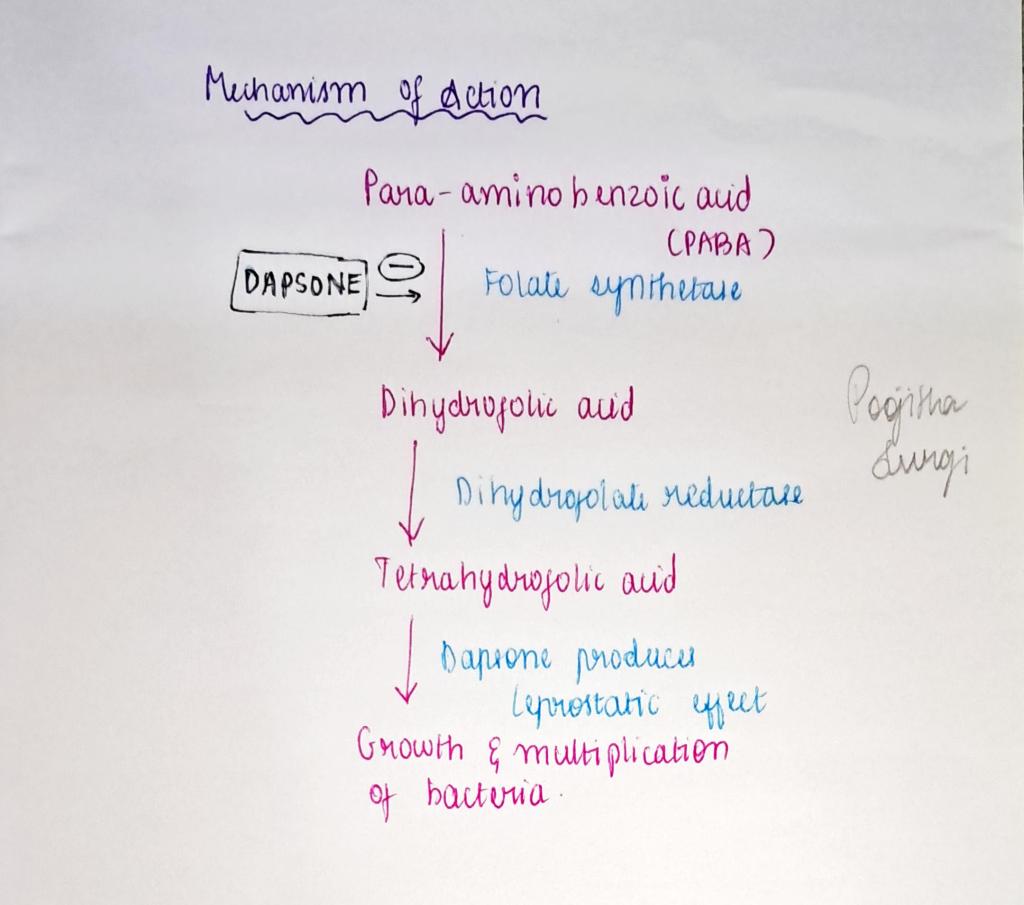
It is a sulphone, oldest and cheapest ; most widely used for leprosy
MECHANISM OF ACTION
ADVERSE EFFECTS
Dose related hemolytic anemia in G6PD deficiency,
OTHERS: Anorexia, Nausea, Vomiting, Fever, Headache, Allergic dermatitis, Itching, Peripheral neuropathy, Methaemoglobin
Exacerbation of lesions- ‘ sulphone syndrome‘:- fever, dermatitis, pruritis, lymphadenopathy, methaemoglobinaemia, anemia, hepatitis
PHARMACOKINETICS
🟡 Given orally
🟡 almost completely absorbed from gut
🟡 bound to plasma proteins
🟡 widely distributed in in body and concentrated in infected skin, muscle, liver, kidney
🟡 partly secreted in bile and undergoes enterohepatic cycling
🟡 metabolized by acetylation and metabolites are excreted in urine
Reference:
Pharmacology 4th Ed: Tara V Shanbhag, Smita Shenoy

REFERENCE:
Pharmacology 4th Ed: Tara V Shanbhag, Smita Shenoy
Pharmacology 4th Ed: Tara V Shanbhag, Smita Shenoy
Given by Addlestone in 1959.
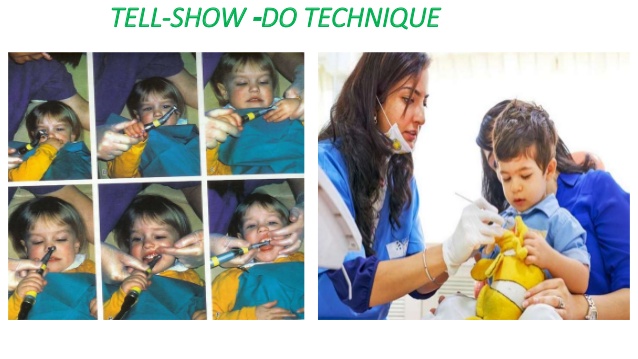
TELL: The technique involves verbal explanation of procedures in phrases appropriate to the development level of the patient.
SHOW: Demonstrations for the patient of the visual, auditory, olfactory & tactile aspects of the procedure in a carefully defined, non threatening sett.
DO: And then, without deviating from the explanation & demonstration, completion of the procedure.
This technique is used with communication skills (verbal and nonverbal) & positive reinforcement.
( Positive reinforcement is the presentation of reinforces which increases the frequency of desired behavior)
Poojitha Surgi- Team dentowesome

