Hypothyroidism

• Decrease Thyroid hormones

Classification

• primary hypothyroidism – due to cause within the thyroid gland itself.

• secondary hypothyroidism – due to failure of TSH production following pituitary or hypothalamic disease.

Causes

• spontaneous atropic thyroidism

• iodine deficiency

• iodine therapy

• thyroidectomy

• hashimoto’s thyroiditis

• dyshormonogenesis

• drug-induced ( lithium , amiodrone etc)

• radiation therapy

clinical features

A. Thyroid gland enlargement

B. Gastrointestinal

• weight gain

• decrease in appetite

• constipation

• acsite

C. Cardiorespiratory

• angina

• bradycardia

• hypertension

• pericardial effusion

• Pleural effusion

• cardiac failure

D. Neuromuscular

•ache and pain

•muscle stiffness

•carpal tunnel syndrome

•delayed relaxation of tendon reflex • •depression

•psychosis

•cerebral ataxia

•myotonia

•deafness

E. Dermatological

• mycoderma(non- pitting edema of skin of hands , feet and eyelid)

• dry flaky skin and hair

• Alopecia

• purplish lips

• malar flush

• xanthelasma

• carotenaemia

F. Reproduction

• menorrhagia

• infertility

• galacoma

• impotence

G. Haemtological & miscellaneous

• macrocytosis

• anaemia

• cold intolerance

• tiredness

• harseness of voice

• low pitched sound

Slurred speech

Investigation

• serum T4 decrease; TSH increase ( > 20mU/l)

• serum cholesterol & triglycerides increase

• serum LDH, Ck increase

• serum Na+ decrease

• ECG – sinus bradycardia, low voltage QRS complex, ST – T wave abnormalities

• chest radiograph – Enlargement of cardiac shadow

Treatment

D.o.c – Thyroxine – 50 microgram/day for 3 weeks

then

100microgram/day for 3weeks

then

150microgram/day for maintenance dose

• pt with heart disease angina may worsen with thyroxine therapy -treated with beta block and vasodilators or CABG
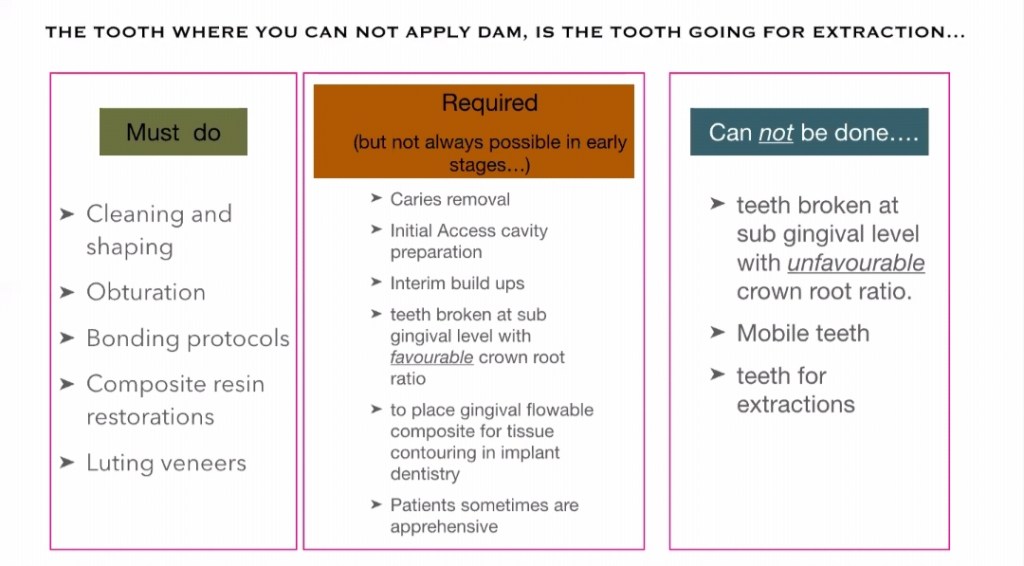
RUBBER DAM

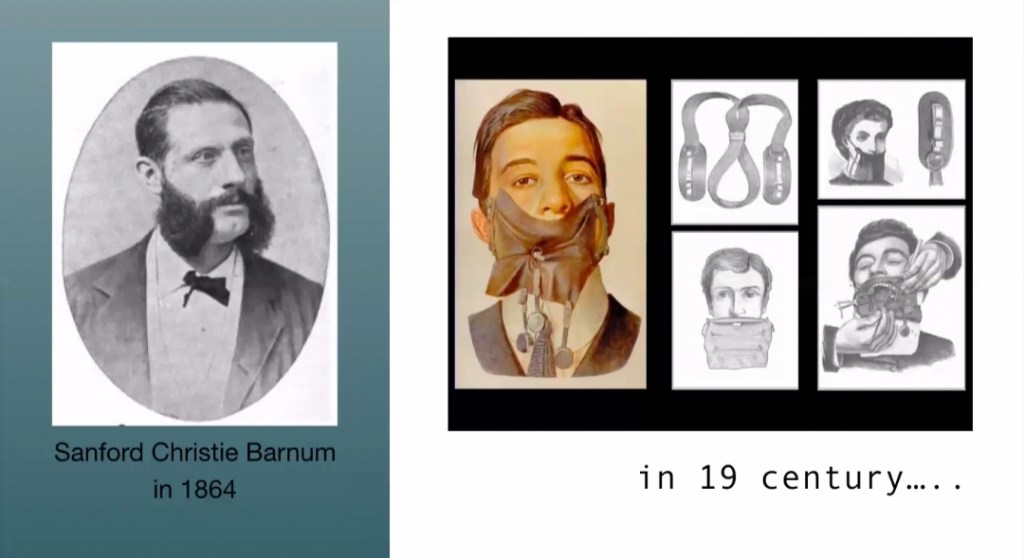
It’s hard to believe that a sheet of rubber can make you feel more comfortable during a dental treatment and allow dentists to do better, but a “RUBBER DAM” can . S.C. BARNUM

It is a direct method of isolation. It is a safeguard against the bacterial contamination from saliva and accidental swallowing of instruments.

HISTORY :

ADVANTAGES:

  • Dry , aseptic working field
  • Patient and operator protection
  • Improved visibility and access to working area.
  • Minimum interference of saliva
  • Prevents aspiration of instruments .
  • Maximum tissue retraction.

INDICATIONS:

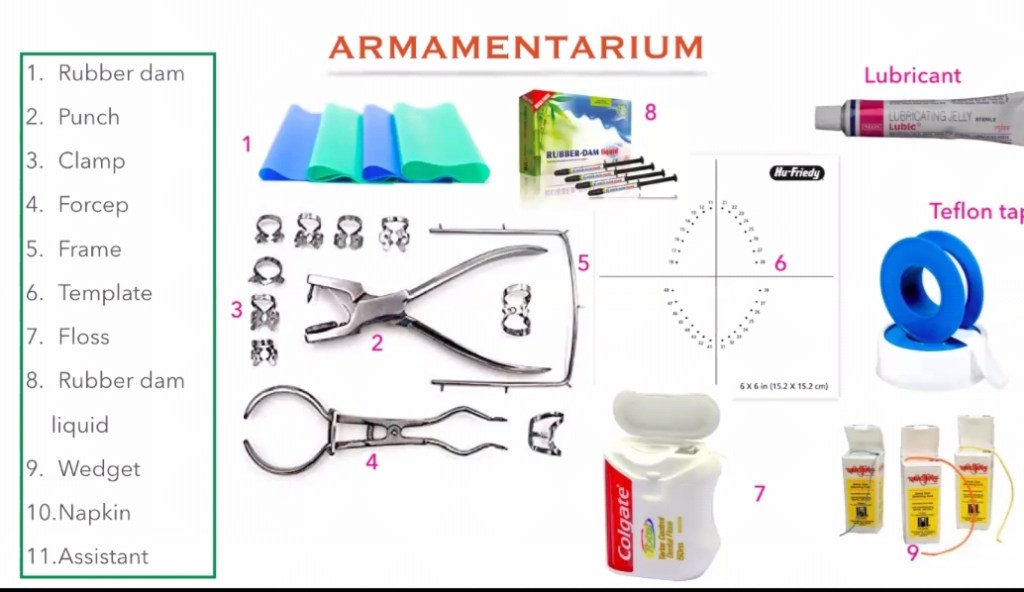
ARMAMENTARIUM:

  1. RUBBER DAM SHEET:
  • SIZE: “5*5” and “6*6”
  • COLOR: black ,blue , green , translucent
  • SURFACES: Shiny (tissue), dull(occlusal)
  • MATERIAL : Latex or non latex
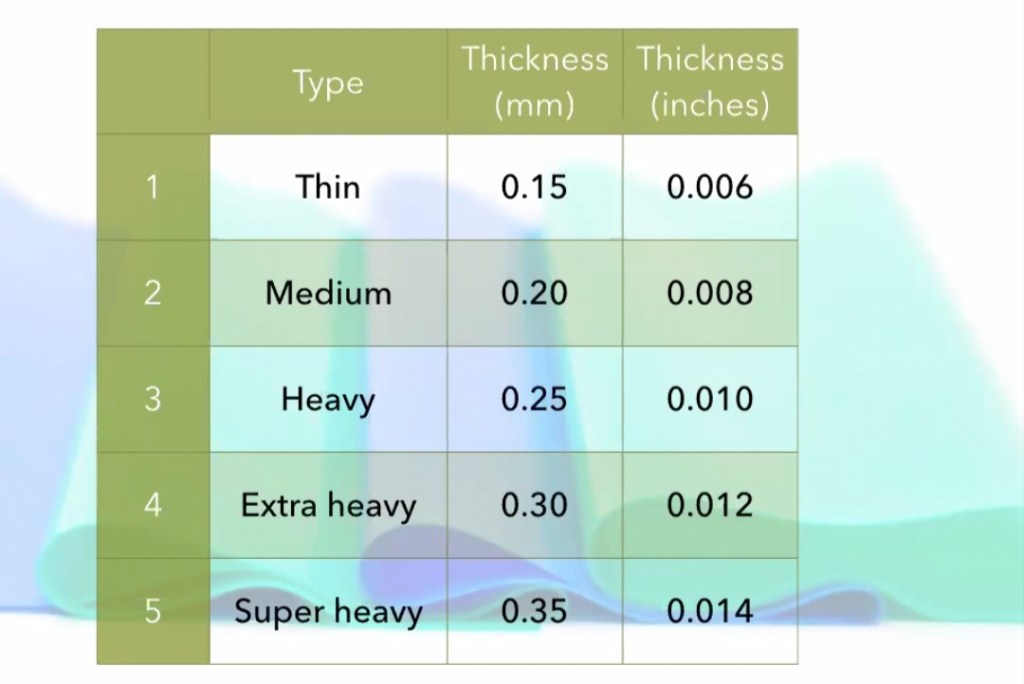
  • THICKNESS:

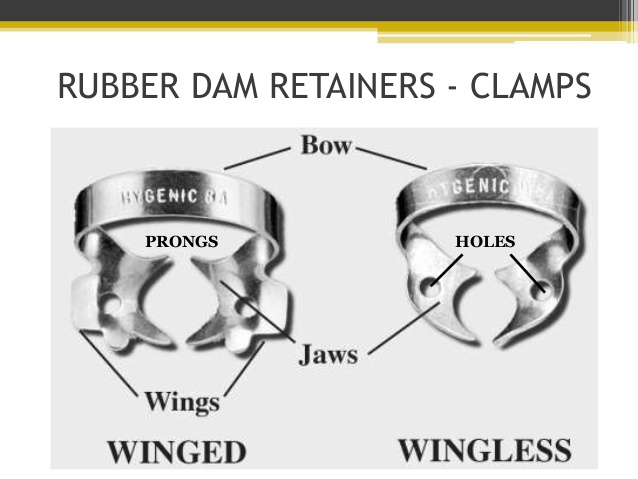
2, RUBBER DAM CLAMPS:

  • Devices that hold the rubber dam in place .
  • TYPES: winged and wingless.
  • winged have projections at the jaw whereas wingless dont

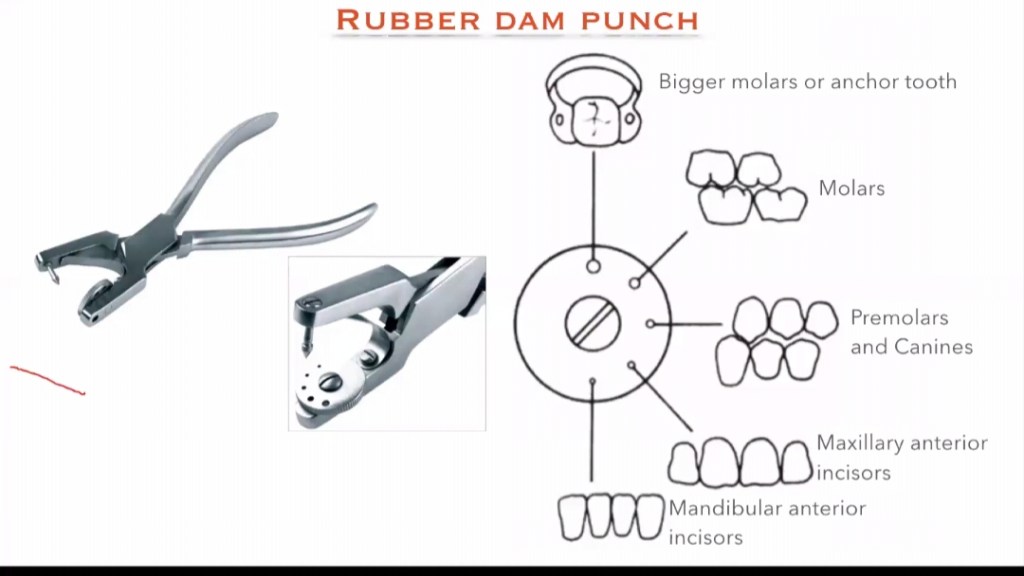
3. RUBBER DAM PUNCH :

It is an instrument which have a metal table and a tapered , sharp, pointed plunger to produce clear cuts holes on the rubber dam sheet so that the teeth can be isolated. It is of 2 types: Single hole punch and multi hole punch.

4. RUBBER DAM FRAME:

  • Retracts soft tissues
  • Improves access
  • Maintains borders of rubber dam in position.
  • TWO TYPES : Plastic and Stainless steel

5. RUBBER DAM FORCEPS:

  • Used to carry the rubber dam clamp to the tooth.
  • DESIGNS USED : Ash or stokes pattern, Ivory pattern, Washington pattern.

6. RUBBER DAM TEMPLATE:

  • It provides a very efficient and convenient way of marking the dam for punching of a particular tooth .
  • The holes in the rubber dam should be made approximately over the centre of the incisal or occlusal surface of the teeth to be engaged using a rubber dam template under the rubber dam sheet.

7. RUBBER DAM NAPKIN :

  • Placed between rubber dam and the patient’s skin .
  • Avoid allergic reactions.

8. WEDGET CORDS:

  • Elastic, flexible cord
  • Used to stabilize inter-proximal area of rubber dam .

9. FLOSS:

  • Required for testing inter-dental contacts
  • Aids in flossing the rubber dam through tight contacts.
  • Safety measure during removal of clamp.

REFERENCE: GROSS-MAN’S ENDODONTIC PRACTICE 13TH EDITION .

CLINICAL CONSIDERATION OF PULP

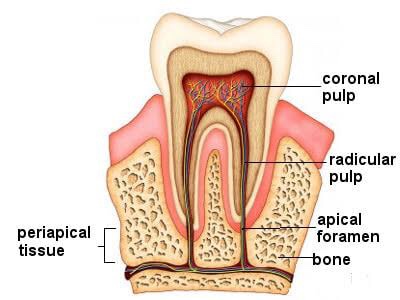
Image source: info.dentis

➡️ For all operative procedures, the shape of pulp chamber & its extensions into the cusps, pulpal horns is important.

➡️ In some developmental disturbances the pulpal horn projects high into the cusps & exposure of pulp can occur when it is least anticipated.

➡️ Pulpitis is the response of the traumatized pulp with trauma being the result of a bacterial infection as in dental caries or physical trauma to tooth structure.

➡️ Pulpitis in milder form could result in focal reversible pulpitis & may progress if left unchecked to acute & chronic forms of pulpitis.

➡️ Well vascularized pulpal tissue may at times in carious molar teeth of young adults & children with open apex exhibit a form of hyperplasia seen clinically in exposed pulp chamber as a protruding red mass of granulation tissue called pulp polyp or chronic hyperplastic pulpitis.

➡️ Inflammation within pulp may also sometimes result in a condition called pulp polyp, internal resorption or pink tooth.

➡️ Pulp infection can spread apically into PDL causing granuloma, abscess, cysts.

➡️ Pulp stones lying at the opening of the root canal may cause difficulty to locate the root canals.

➡️ A necrotic pulp can cause spread of disease to periodontium through an accessory canal.

➡️ Pulp capping is successful in non-infected or minimally infected accidentally exposed pulp in individuals of any age.

Source: Internet, Grossman’s Textbook of Endodontics


Dentowesome 2020 @ dr.mehnaz

HISTOPATHOLOGY OF BONE LESIONS

BY Dr. KRITI NAJA JAIN :-

1. FIBROUS DYSPLASIA :-

Def:- Fibrous dysplasia is an uncommon nonhereditary, developmental anomaly of the bone due to a defect in osteoblastic differentiation and maturation.

HISTOPATHOLOGY:

  • Microscopic finding of fibrous dysplasia show irregularly shaped trabeculae of immature (woven) bone in a cellular, loosely arranged fibrous stroma.
  • The bone trabeculae are not connected to each other . They often assume curvilinear shapes.
  • which have been likened to CHINESE script writing.
  • The bone trabeculae are considered to arise by metaplasia and are not  surrounded by plum appositional osteoblasta.

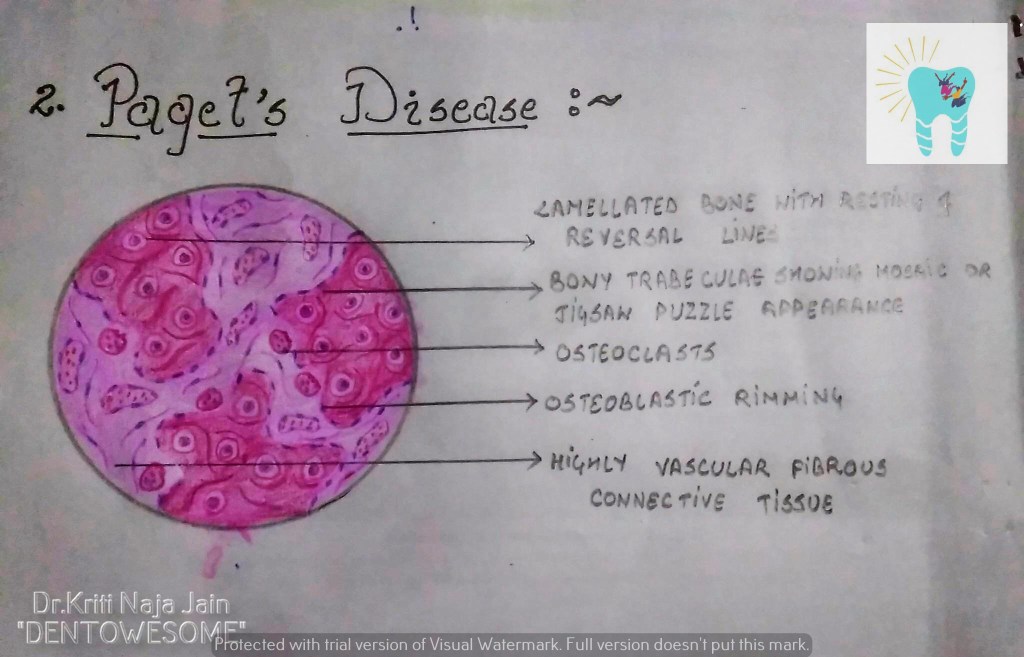
2. PAGET’S DISEASE (OSTEITIS DEFORMANS):-

Def:- Paget’s disease of bone is a condition characterized by abnormal and anarchic resorption and deposition of bone, resulting in distortion and weakening of the
affected bones.

HISTOPATHOLOGY:-

  • Microscopic examination shows an apparent uncontrolled alternating resorption and formation of bone.
  • in the active resorption stages, numerous osteoclasts surround bone trabeculae and show evidence of resorption activity.
  • Simultaneously ,osteoclastic activity is seen with formation of osteoid rims around bone trabeculae .
  • A highly vascular fibrous C.T. replaces the marrow .
  • A characteristic microscopic feature is the presence of basophilic reversal lines in the bone.
  • These lines indicate the junction between alternating resorptive and formative phase of the bone and result in a ” JIGSAW PUZZLE” or “MOSAIC” appearance of the bone.
  • In the less active phases ,large masses of dense bone showing prominent reversal lines are present.

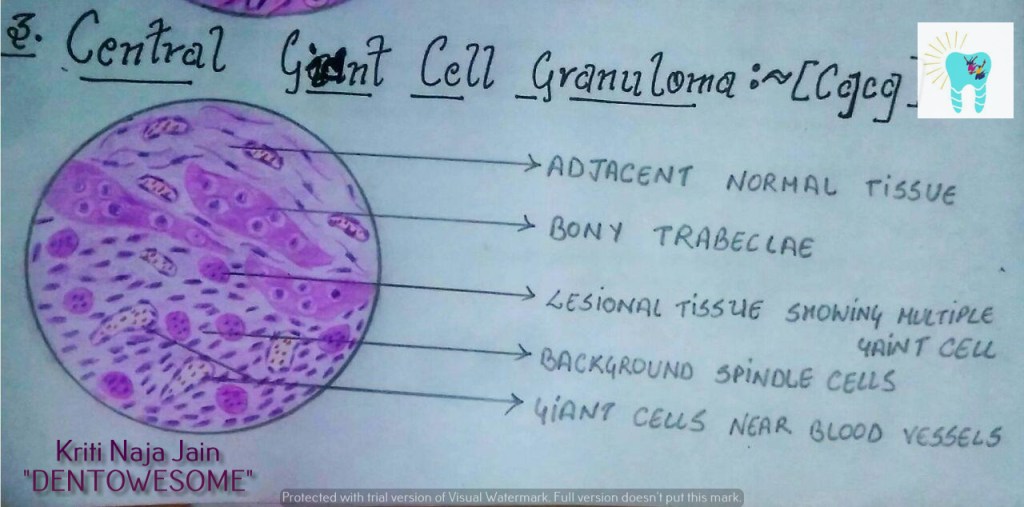
3. CENTRAL GAINT CELL GRANULOMA(GIANT CELL LESION; GIANT CELL TUMOR):-

Def :- Central giant cell granuloma (CGCG) is an uncommon, benign and proliferative lesion whose aetiology is not defined. Central giant cell granuloma is a relatively common benign intraosseous destructive giant cell lesion, which often affects the anterior part of the jawbone. By seeing clinical and radiographically , CGCG is divided into two types:-

1. Nonaggressive lesions make up most cases, exhibit few or no symptoms, demonstrate slow growth, and do not show cortical perforation or root resorption of teeth involved in the lesion.
2. Aggressive lesions are characterized by pain, rapid growth, cortical perforation, and root resorption. They show a marked tendency to recur after treatment, compared with the nonaggressive types.

HISTOPATHOLOGY:-

  • Lesional tissue is composed of highly cellular connective tissue stroma with numerous spindle shaped cells.
  • Multinucleated giant cells are distributed in this C.T.
  • Mesenchymal cells
  • Gaint cells are large with many nuclei upto 20 or more.
  • Gaint cells are usually aggregated close to the blood vessels.

REFERENCE:-

1.Maji Jose 2nd edition

NEET MDS – How to prepare for Oral Pathology & Medicine?

In NEET MDS Preparation process, your Oral pathology knowledge needs to be sound. Without knowledge in oral pathology, a lot of your final year may not make sense. A lot of overlaps exist between oral pathology, oral medicine, periodontics, and endodontics. In this article, we bring you the standard books to refer & most important topics which cater under the topic Oral Pathology & Medicine along with few preparation tips.

Given below are the list of Questions MERITERS experts will answer that are essential for an effective and efficient preparation:

  1. What is the subject wise Weightage?
  2. Which Books to refer?
  3. How much Time should be allocated to the subject?
  4. How much Time should be allocated to each Topic?
  5. How many times should the subject be Revised?
  6. What is the Ideal time to Start the subject?
  7. What are the Important Topics for NEET MDS?
  8. Types of Questions asked?

What is the subject wise Weightage?

20-22/240 Questions (9%)

Standard books to refer:

Shafer’s Textbook of Oral Pathology

Author : B Sivapathasundharam

INR 1,750 Buy on Amazon

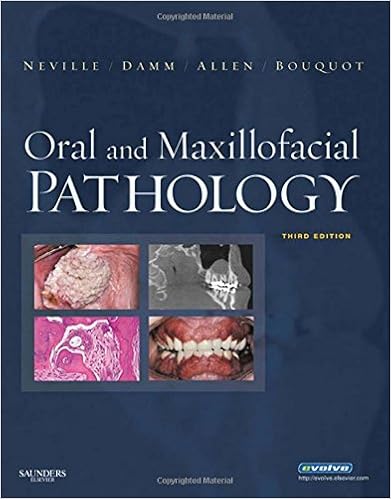
Oral and Maxillofacial Pathology, 3e (Neville, Oral and Maxillofacial Pathology)

Author : Brad W. Neville DDS, Douglas D. Damm DDS, Carl M. Allen DDS MSD, Jerry Bouquot DDS MSD 

INR 1,995 Buy on Amazon

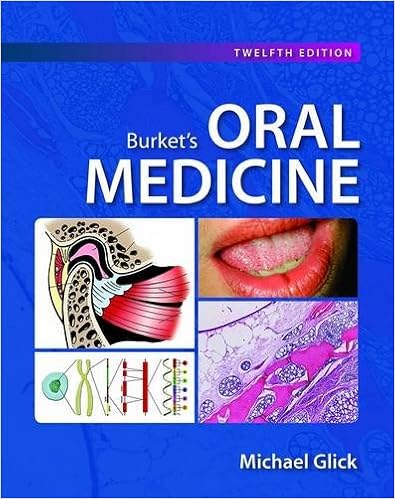
Burket’s Oral Medicine 

Author : Michael Glick

INR 1,753 Buy on Amazon

How much Time should be allocated for the Subject?

  • Theory reading – 4 Days
  • MCQ Practice- 20 Days

How much Time should be allocated to each Topic?

  • Theory reading – 4-5 Hours
  • MCQ Practice-  8-10 Hours

How many Times should the subject be Revised?

  • 8-10 times revision is required

What is the Ideal time to Start the subject?

  • Mid way in the preparation 
  • After completing 7-10 subjects

Oral Pathology & Medicine – Important Topics

UNITMOST IMPORTANT TOPICS
Developmental DisturbancesDevelopmental disturbances of TeethDevelopmental disturbances sizeShape Developmental disturbances of FaceDevelopmental disturbances of TongueTongueDevelopmental disturbances of FaceDevelopmmental disturbances of Jaw
Benign And Malignant Tumours Of Oral CavityGeneral considerationPrecancerous lesions and conditions Basal cell carcinoma Squamous cell carcinoma TNM staging Treatment modalities Verrucous carcinoma Hemangioma KAPOSI ‘s sarcoma Nevi Melanoma Neoplasm of Muscles, Nerve tissue Multiple myeloma Connective tissue tuomours of Jaw Burkitt’s lymphoma 
Diseases Of Salivary GlandsMucocele and Ranula Mickulz’s disease and Sjogren syndrome Pleomorphic adenoma Warthin’s tumor Cylindroma Oncocytic adenoma 
Dental CariesTheories of dental caries Etiologies of dental caries Stephan’s curve Classification of dental caries Histopathological zones of Dentine Histopathology od dental caries (Enamel caries)
Pulp And Periapical InfectionsClassification of periapical infection Cellulitis Ludwig’s angina Osteomyelitis 
Physical And Chemical InjuriesPhysical And Chemical InjuriesPigmentationsRegressive alterations of teethMucocele Other physical and Chemical Injuries.
Diseases Of Bones & jointsOsteogenesis imperfectaOsteopetrosis Achondroplasia Osteoporosis CherubismFibrous dysplasia Paget’s disease Cleidocranial dysplasia CGCGSyndromes associated with bone Osteosarcoma 
Diseases Of Nerves & MusclesTrigeminal Neuralgia Glossopharyngela neuralgia Bells palsy Syndromes associated with nerve pathology Disease of  Muscular or connective tissue origin
Skin And Vesiculobullous LesionsSkin lesions Ectodermal dysplasia Lichen planus Erythema multiforme Classification of vesiculobullous lesions 5Psoriasis Miscellaneous
Bacterial InfectionsSinus Botryomycosis Sarcoidosis Syphilis Actinomycosis Leprosy
Viral InfectionsHerpes Simplex Virus Herpes Zoster Cox sackie virus Paramyxovirus Apthous ulcers
Mycotic InfectionsCandidiasis Histoplasmosis Mucormycosis Phycomycosis
Oral Aspects Of Metabolic DiseasesVitamin D deficiency HyperparathyroidismHyperpituitarism Hand Schullar christian disease Hypophosphatasia Amyloidoisosi and other disease
Tongue DisordersTongue Disorders
PigmentationPigmentation
Diseases Of BloodHemophilia Von Willebrand’s diseaseTypes of anaemia Aplastic anaemia Thrombocytopenic purpura Leukemia Miscellaneous
MiscellaneousMiscellaneous

What Type of Questions were asked in NEET?

1. Single best answer

  • Case Based
  • Fact Based (Memory)
  • Concept based
  • Numerical/Value Based

2. Image based questions

3. True or false type questions

Please watch the above featured video for more detailed explanation about this article.

We hope this blog will assist you in preparing this subject meticulously for MDS entrance exams.
Prepare judiciously..


SOURCE: MERITERS!!

Author Note: Kriti Naja Jain

Hello everyone 🤗,
MY SELF KRITI NAJA JAIN 🙂

I’m privileged to join this wonderful platform where I interact with so many beautiful, hardworking and ambitious souls. Here, the atmosphere is friendly, the ambience motivating. Students like me are able to make humble contributions by writing articles which means a lot to us.

I’m a 3rd year undergraduate student pursuing BDS from Teerthankar Mahaveer Dental College and Research Center. Since childhood, I was fascinated with the white coat that epitomises dentists. I belong to a family of successful doctors who are serving mankind with all their heart. The way society appreciates their work, even giving them the position next to God inspires me to follow their path and earn that precious respect.

It amazes me how scientists, physicians and inventors must think, be inspired to do something different, and how unique their work ethic must be. This motivates me, and I wish to do my best in achieving even a small percentage of what these legends have done for mankind.

I find politics, religion, current affairs and Indian history fascinating. In my free time I sketch. But my primary interest lies in science and, of course, the most incredible creation of nature: the human body.

Dentistry is a combination of art and science which I realized after entering the field. This is different from the general stereotype about dentistry in our society. I want to change this perspective and show the world that dentists are as important as other doctors.

“Writing is a struggle against silence.” With these words, I’d like to thank you for taking out time to read my words. Hope you will like my articles and provide me with honest feedback.

Author’s Note: Sanjana Agarwal

Good Day,

I am Sanjana Agrawal Final Year BDS student from VSPM Dental College, Maharashtra, India

I am a author and honoured to jot down so many  posts for the weblog. These days i’ve finished through 100 posts for blog. I’m additionally head of our you tube channel named Dentoawesome.

Speaking about myself to you, know me better.. 

I love to dance, to do shopping, cooking and read books and I have immense interest in doing research also. I have published my 3 articles in Indian Journals of Dentistry.  As research is of my keen interest which enhances my knowledge, creativity and my write as well. 

 Visiting different countries, states, cities meeting new people, learning about different cultures, languages makes be euphoric. Attempting  something new or out of the box brings the real me out. 

 As learning is that no one can take it away from you, so why not we share it with others. 

It fills me with immense pleasure to write for you all and share my knowledge and information with you and helping you through. 

The more you share the more you explore, the more you grow… So why not to share… 

You can even follow me on instagram @sanjanaa1710 and facebook at Sanjana Agrawal.

Thank you

Author’s Note: Dr Mehnaz Memon

Hello Readers,
Reading is the key to learning and Dentowesome team will help you master dentistry in a much simplified manner. I, Dr. Mehnaz Memon is been writing for Dentowesome from a couple of months & it feels great to share my knowledge to help guide dental students. You will further discover my articles and notes on dental topics @dr.mehnaz presented in simplified and creative way to help you all through your exams.!

About Me:
I, Dr. Mehnaz Memon, resident of Kachchh, India run my private practice and I am also member of Dental Club of Bhuj. I completed doctorate degree of dental sciences(BDS) from M.A.R.D.C, Pune. I also did Master Diploma in Emergency Medical Services from IMH, Pune & currently take sessions on emergency first aid at one of the educational institutes of Kachchh. I also undertake oral health awareness campaigns to promote Rural health. You can further contact me on Facebook Page: Dr. Mehnaz Memon | Instagram: @info.junction

“All roads that lead to success have to pass through hardwork Boulevard.” I sincerely believe that we must use our own skills and endeavors to fulfill the awesome responsibility and be good travel companions for people through the journey we call ‘Life’

I would like to address my lovely audience to dream big & become successful at both Professional as well as humanitarian level!

Regards,
Dr. Mehnaz Memon

Author’s Note: Dr Natasha Unani

‘ Excellence is a continuous process and not an accident’ – APJ Abdul Kalam .

Hey !
I am Dr Natasha Unani working as an associate dentist at a private clinic in Pune, Maharashtra. I passed my BDS in 2018 and then took up a post graduation course in emergency medical services from Symbiosis Institute of Health Sciences which I passed in March 2020.

When I started learning biology in school I was very fascinated by it and would read multiple articles and books about it beyond the examination level. I knew then I wanted to learn more about human biology. Since there are no dentist/doctors in my family , I didn’t know where to draw guidance from . I went to my local family doctor and gathered some information which pushed me out of my comfort zone. Within no time I took my admission in dental school and passed with good grades.

My main motto is keeping the notes in my blogs as simple as possible for eveyone to understand the content.

It gives me immense pleasure to write these blogs and sharing valuable information which helped me during my UG days ! They are written in an easy to read format which helps clear your theoretical doubts as well as to apply it in your clinical practice.

As a dentist it’s my belief that dentistry not only comprises of treatment aspects but also education, motivation and prevention of dental diseases.

When I am not working , I enjoy travel adventures, tasting different cuisines and reading .
I like to travel and explore places , I like airports and packing , the smell of a new city and hotel breakfasts and doing cute touristy stuff 🙂 That’s why I was very keen for looking into a travelling dentist job which sadly isn’t much of a practice in India . As it is said ‘ Don’t just like a place on Instagram. Go there ! ‘

I also enjoy clicking pictures mostly of raw nature , the things we see around in our day to day life but fail to appreciate. Also , one of the picture’s I clicked has been published in the Pune Mirror newspaper.

My ultimate life goal is to help people in need , who do not even have access to the basic necessities required to lead a healthy lifestyle.

I am glad to write these blogs and to contribute to medicine in my own small way! Thank you 🙂