EPINEPHRINE

EPINEPHRINE- EPIPEN, ADRENALIN

  • Mode of Action:alpha and beta receptor agonist
  • DOSE: :ACLS: 1 mg 1:10,000 IV PALS: 0.01 mg/kg 1:10,000 IV
  • Anaphylaxis: 0.1-0.5 mg 1:1,000 IM/SQ (IM preferred)
  • Peds anaphylaxis/asthma: 0.01 mg/kg 1:1,000 IM/SQ (max single dose 0.3 mg)
  • Hypotension refractory to IVF: 1-10 mcg/min IV 
  • EMERGENT INDICATIONS: anaphylaxis, ACLS arrest, PALS/NRP arrest, severe asthma
  • WARNINGS:  dosing errors (10 fold errors), tissue necrosis (needs to administered via central venous line), dysrhythmias, Preg C
  • Reference:Dental ghoms Textbook Of Oral Medicine

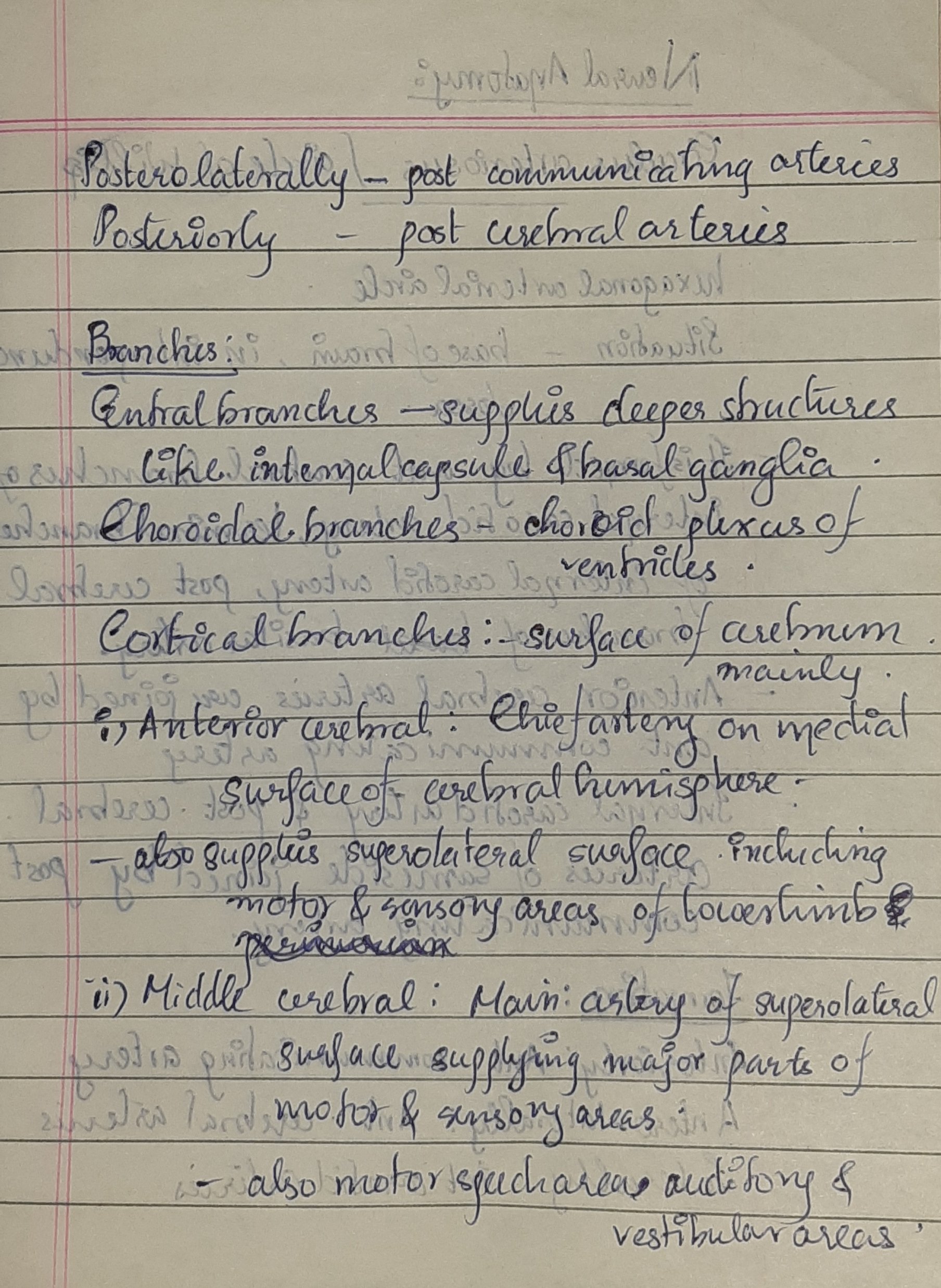
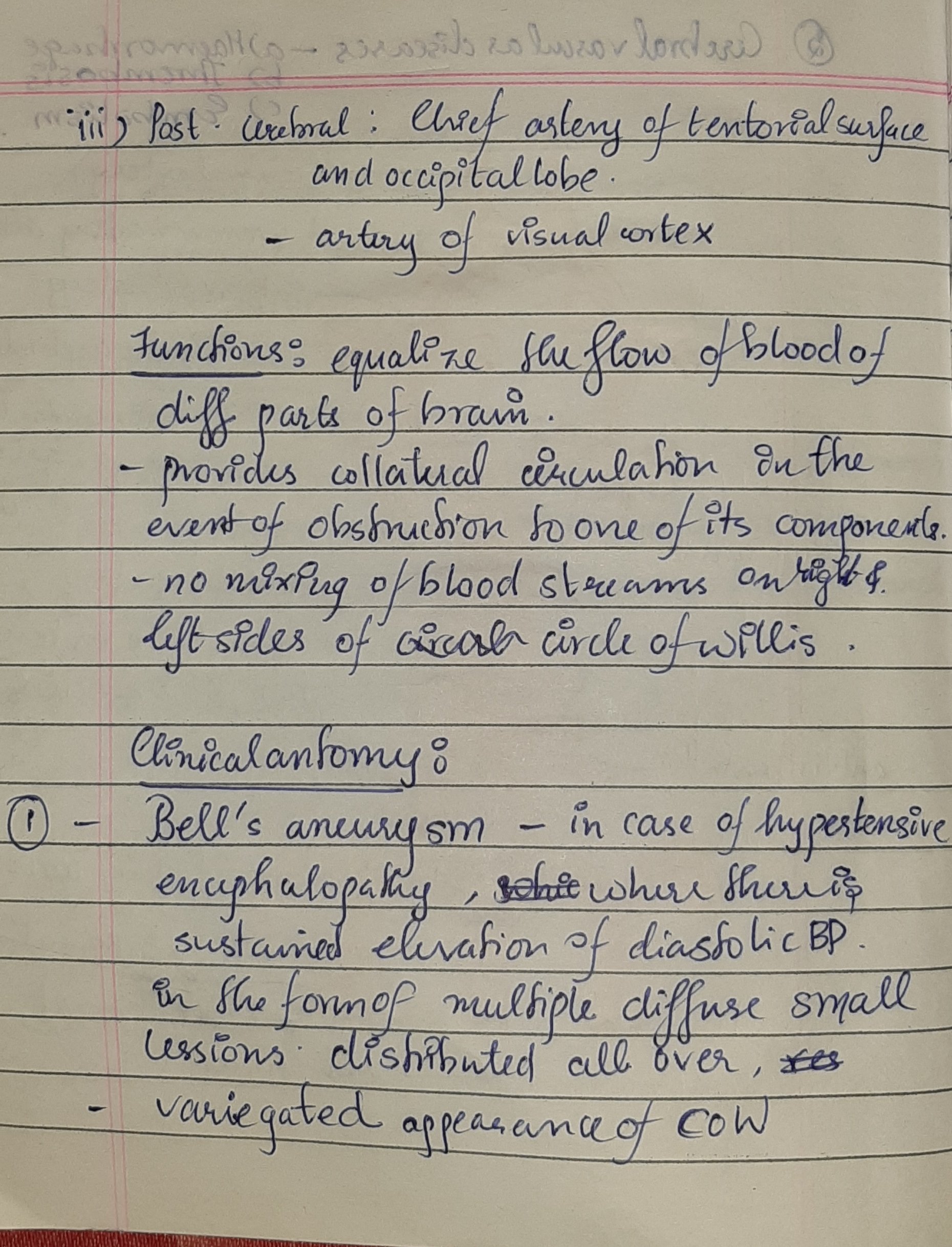
CIRCLE OF WILLIS(Circulus arteriosus cerebri)

The only weapon with which the unconscious patient can immediately retaliate upon the incompetent surgeon is hemorrhage -William S Halsted.

Also known as loop of Willis,Willis polygon and cerebral arterial circle.

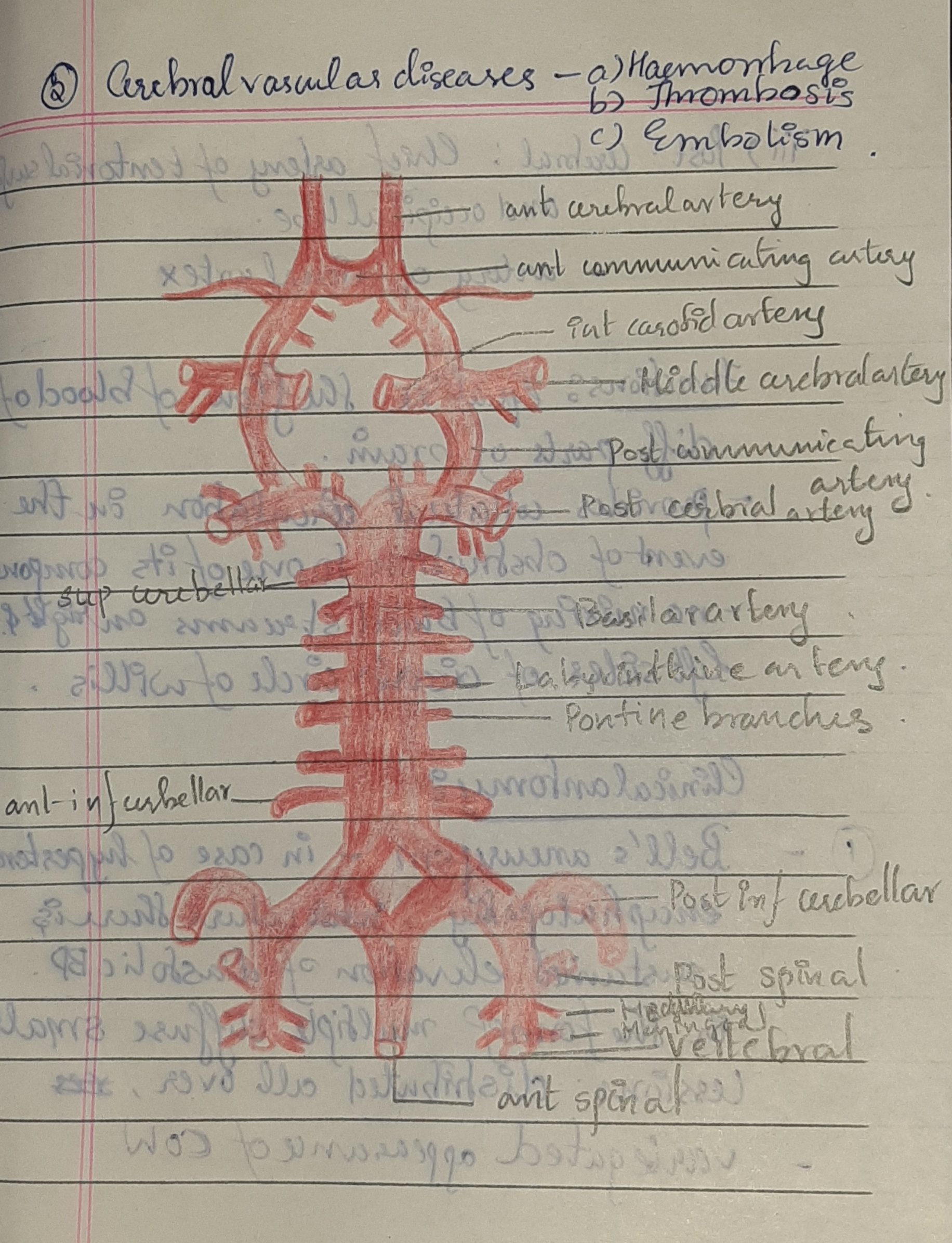
Blood vessels supplying the brain consists of 2 separate vascular systems:

  • Internal carotid arteries
  • Vertebral arteries

In the base of the brain both systems are connected bilaterally by posterior communicating arteries and left to right side by anterior communicating arteries forming the “Circle of Willis”(COW).

Other key points:

  • In subclavian steal syndrome ,blood is “stolen” from COW to preserve blood flow to upper limb.
  • This syndrome results from a proximal stenosis of the subclavian artery.
  • Variations in the shape of COW is also seen in mentally ill and migraine patients which include hypoplasia of component vessels,absence of posterior communicating arteries,duplication/triplication of anterior communicating arteries,etc.

Mnemonics:

Cell is Clearly Circulating

C-Cortical branches

C-Central branches

C-Choroidal branches

Sources: BD Chaurasia’s Human anatomy 7th edition-volume 4

Slideshare.net -Circle of Willis by Luiz Roberto Meier Update 2


RESEARCH SUMMARY: Acceptability of silver diamine fluoride as interim measure towards untreated dental caries and its impact on ohrqol among children with HIV: Pilot study


*Background* : Children with HIV are a special group with limited access to care and high prevalence of dental caries. Silver Diamine Fluoride (SDF) is approved universally for the management of asymptomatic carious lesions but research on the psychological impact of black staining is scarce. 

*Aims* : Effect of silver diamine fluoride (SDF) application as an interim caries management on the child’s oral health-related quality of life of children with HIV over a period of 4 months until definitive care was provided. 

*Settings and Design* : A pilot study conducted among children with HIV in a care home. It was a pilot trial to check the acceptability of SDF among these children. 

*Methods and Material* : Forty-two children (12.3 ± 3.5 years) participated in this pilot study. Prevalence of caries (DMFT), candidiasis, gingival inflammation, and cervical lymphadenitis was evaluated. OHRQoL inventory (COHIP-SF) was completed by the students at baseline, immediately, 4 months after SDF application. 

*Statistical Analysis Used:* One-way ANOVA with post hoc Tukey HSD test. 

*Results and Conclusion* : Poor oral hygiene was universal and mean DMFT was 3.2 ± 2.5. OHRQoL was not significantly affected at baseline (26.2 ± 6.4), but immediately following SDF application, OHRQoL was significantly poor (48.7 ± 8.2), remained poor even after 4 months (42.6 ± 6.1). Emotional wellbeing was significantly impacted negatively following SDF application (p < 0.001); whereas oral health, functional wellbeing dimensions were not impacted. SDF should be used with caution among special children as the black discoloration of the teeth can cause emotional trauma and negatively impacting their OHRQoL while trying to improve the same.