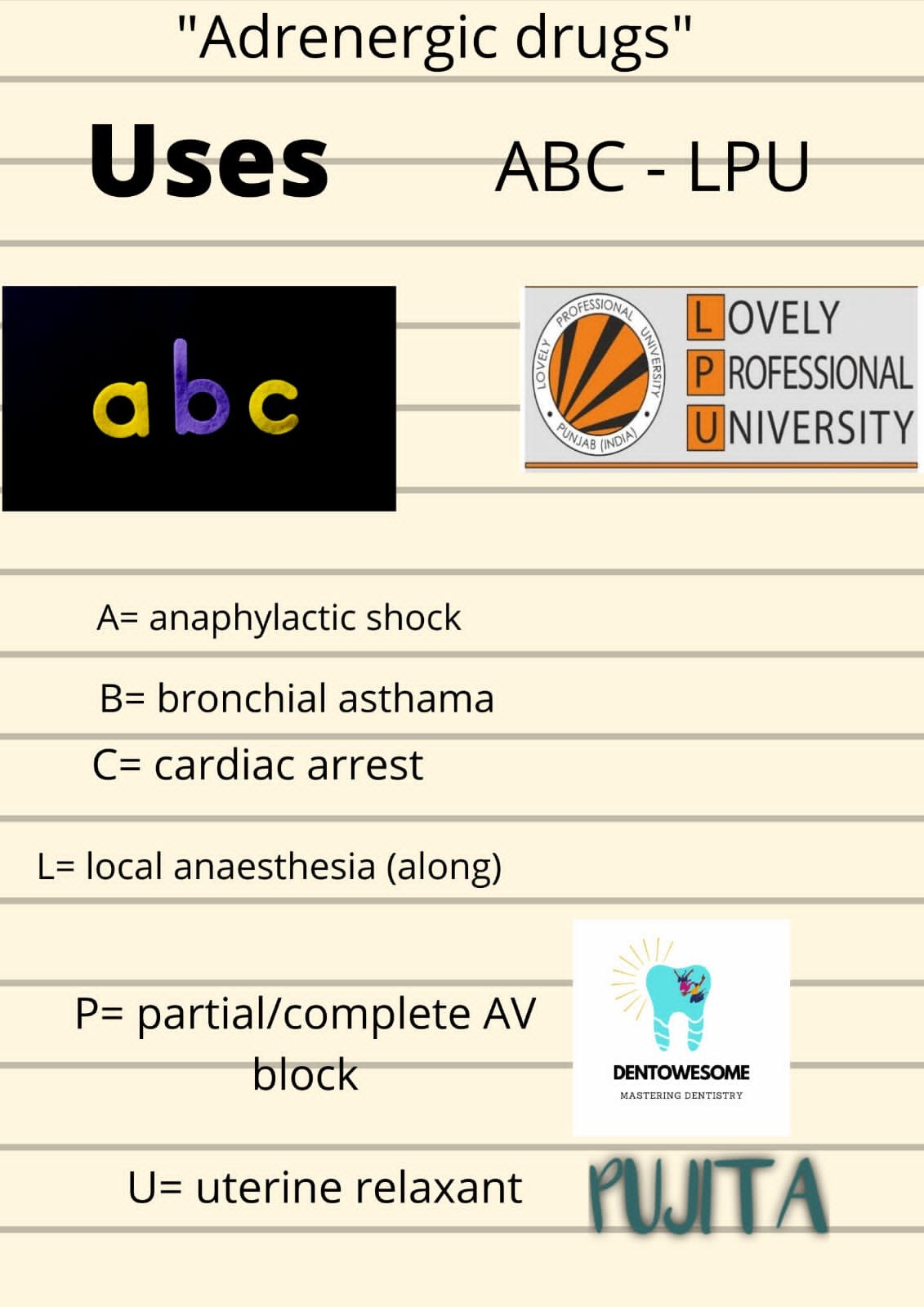
Mnemonic on adrenergic drugs
Cytokines are soluble protiens/polypeptides, produces by a variety of hematopoetic and non hematopoetic cell types. They are responsible for the regulation of immunological, inflammatory and reparative host responses.
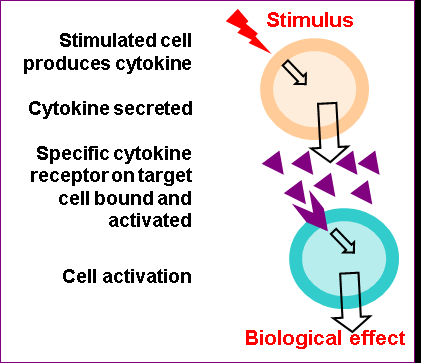
Cytokines tend to bind to high affinity receptors and the target cells and mediate their effects. Specific cytokines mediate specific reactions.

Cytokines basically mediate immune response. But some cytokines are also pro inflammatory.
These are:-
Il-1, TNF alpha and IL-6.
IL-1 is the most important pro inflammatory cytokine.
Anti inflammatory cytokines are involved in the resolution of inflammation. These include:
IL-4, IL-10 IL-13 and TGF beta.
IL-4 has mainly anti-inflammatory properties with some pro-inflammatory properties.
TGF-beta is the most important fibrogenic factor.




• Baroodontalgia refers to baro- pressure odonto – teeth Algia- pain. It’s also called as Aerodontalgia or flyers tooth or tooth squeeze
• It is the pain in the teeth caused due to changes in pressure which may be seen in case of high altitude as seen in pilots and in deep sea divers who also see severe changes in pressure which lead to pain in the tooth.
• Baroodontalgia is usually seen in teeth which have pre existing dental pathology or have improper dental treatments such as chronic pulpitis is the primary culprit; Restored teeth are more likely to be involved ; Maxillary sinusitis; Improper fillings Carious teeth and periapical cysts
• Note that normal teeth without any underlying pathologies are not affected by any change in pressure.
• Baroodontalgia occurs during initial pressure from 14.7psi to 12- 18 psi.
Why there is pain in tooth due to pressure change?
• Due to change in external pressure there will be expansion of gas with compensatory increase in pressure within the pulp chamber and root canal of the tooth which is defective due to any underlying pathology
• Direct pressure in the exposed nerve endings and microleakage of Restorative material from a faulty restoration
• pain is most seen in maxillary posteriors and results from compromised blood supply to the tooth
• In pulpitis – pain on ascent and relief on descent and in Necrosis – pain on decent and relief on ascent
TREATMENT :
– Hyperbaric oxygen therapy is the treatment to avoid baroodontalgia where the person is put in a 100% compressed oxygen chamber which prepares the body for high pressures and compression
– Identification of underlying dental pathology and getting treated properly.
Source:- healthline.com
India is the world’s largest producer, consumer and exporter of spices. We use spices in culinary art to impart taste but do you know that these spices also aid in maintaining oral health? Let us quickly go through few of them and spice up our knowledge!!

Turmeric :
Ginger :
Black pepper :
Cardamom :

Cinnamon :

Clove :
Fenugreek :

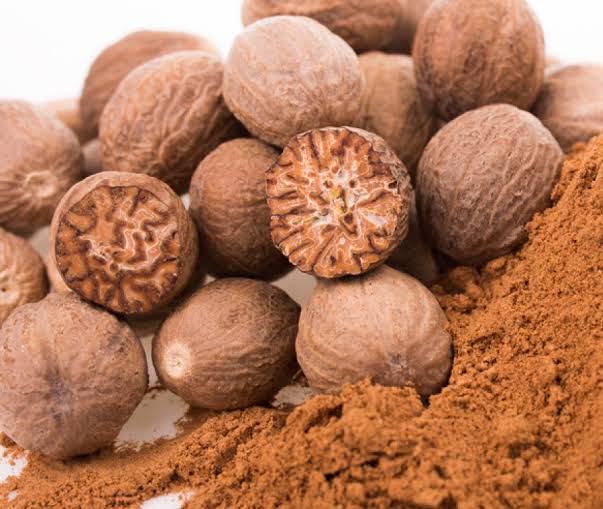
Nutmeg :
Corriander seeds :
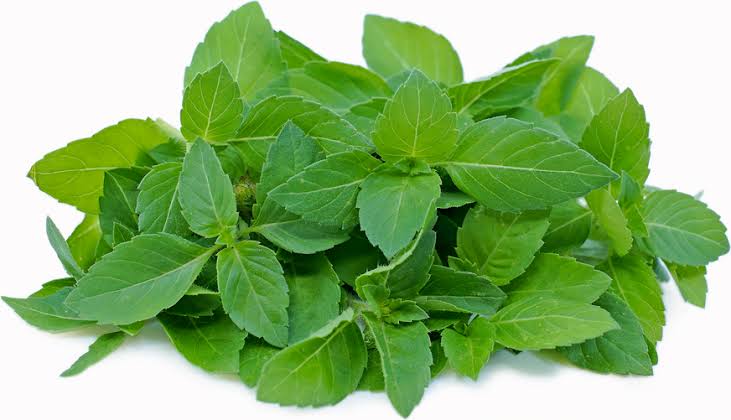
Holy basil :
Rosemary :

Herbs such as green tea (prevents dental caries, gum diseases and also prevents halitosis), neem (antimicrobial, antioxidant, prevents dental caries and oral infections), sage (antibacterial,antiviral, antifungal), thyme (antiseptic,antifungal) and peppermint leaf (in low concentrations produces cooling sensation, in higher concentrations produces local anaesthesia and irritation; chewing leaf makes a very effective reliever to dental pain) also get added to the list of those help in maintaining dental hygiene.
Source : ncbi.nlm.nih.gov
How does Botox work?
Intramuscular administration of botulinum toxin acts at neuromuscular junction to cause muscle paralysis by inhibiting the release of acetylcholine from presynaptic motor neurons. Botulinum toxin acts at four different sites in the body : The neuromuscular junction, autonomic ganglia, postganglionic parasympathetic nerve endings and postganglionic sympathetic nerve endings that release acetylcholine.
Applications of botulinum toxin in maxillofacial region :
Cosmetic applications :

Temporalis and masseter muscle hypertrophy : This hypertrophy is generally associated with clenching or other parafunctional use of the jaws. The results of BT use in such cases appears to be effective in treating chronic facial pain associated with masticatory hyperactivity.
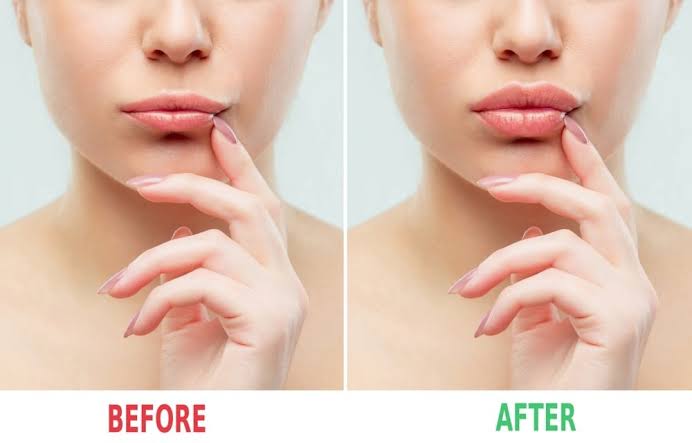
Lip flip : fast and easy procedure that takes just 30 minutes, leaving lips looking full and soft. Botox injections around the lips relax those muscles, allowing the lip to roll slightly outward. This reveals more of the lip surface, making them look larger
Gummy smile : Botox is injected in the area between upper lip and nose to temporarily freeze the muscles that contract or elevate smile which allows to smile without showing gums.
Dropping corners of the mouth : Hyperactivity of depressor anguli oris can lead to dropping of the corner of the mouth. The site of injection is on the trajectory of nasolabial fold to the jaw line.
Therapeutic applications :
Source : ncbi.nlm.nih.gov
• laser dentistry potentially offers a more comfortable treatment option for number of dental procedures
• The term LASER stands for “light amplification by stimulated emission of radiation”. Use of laser proved to be an effective tool to increase efficiency , specificity, ease, cost and comfort of the dental treatment.
• The instrument creates light energy in a very narrow and focused beam. This laser light produces a reaction when it hits tissue allowing it to remove or shape the tissue.
• Types of lasers used in dental practice can be classified by various methods . According to laser medium used gas laser, solid laser ; According to tissue applicability hard and soft tissues ; According to range of Wavelength.
• Common hard tissue procedures include :-
-Cavity detection. Lasers can detect cavities early by finding evidence of tooth decay.
-Tooth preparations and dental fillings. Local anesthesia and traditional drills are often not needed with laser treatments. Lasers can kill bacteria in a cavity, which can aid in the long-term health of a tooth.
– Treating tooth sensitivity. Teeth that have sensitivity to hot and cold can be treated with dental lasers that seal tubules on the tooth’s root.
• Common soft tissue procedures include :-
-Treating a “gummy smile.” Lasers are used to reshape gum tissue associated with “gummy smile,” in which the gums’ length covers much of the tooth.
-Crown lengthening. This procedure reshapes both gum tissue and bone for healthier tooth structure, which helps with placing restorations on the teeth. Treating tongue frenulum attachment. Those with a thick or tight frenulum (the fold of skin under the front part of tongue that anchors to the mouth floor) may benefit from a laser frenectomy. This treatment helps children whose restricted frenulum causes them to be tongue-tied, have difficulty breastfeeding, or have a speech impediment.
-Removing soft tissue folds. Lasers can remove soft tissue folds from ill-fitting dentures without pain or sutures.
•Other laser procedures include:-
-Optical coherence tomography allows a doctor to safely see inside a tooth or gum tissue.
-Removing benign tumors. Lasers can remove tumors from the palate, gums, and sides of the lips and cheeks through a pain- and suture-free method.
-Treating obstructive sleep apnea. Lasers can reshape the throat and relieve associated breathing problems when sleep apnea is caused by tissue overgrowth in the throat.
-TMJ (temporomandibular joint) treatment. Lasers can help reduce pain and inflammation in the joint.
– Nerve regeneration. Lasers can help regenerate damaged blood vessels, nerves, and scars.
-Treating cold sores. Lasers can minimize healing time and reduce pain from cold sores.
-Teeth whitening. Lasers speed up the bleaching process
Benefits of laser dentistry over other methods :-
– There is potentially a decreased need for sutures with soft tissue lasers.
-Bleeding is minimized in treated soft tissues, as the laser promotes blood clotting.
-With some procedures, anesthesia is unnecessary.
– The chance for bacterial infections is lower because the laser sterilizes the area.
-Wounds can heal faster, and it’s possible for tissue to regenerate. The procedures may involve less damage to the surrounding tissues.
Disadvantages of laser :-
– Lasers can’t be used on teeth that already have certain types of filling, such as metal amalgam.
-Hard lasers can sometimes injure tooth pulp.
-Some laser procedures still require anesthesia.
– Drills are still sometimes needed to complete fillings, including shaping, adjusting the bite, and polishing the filling.
Source:- http://www.healthline.com
Lumineers : also called Da Vinci veneers, emprethin, empress veneers are thin porcelain material, custom made for the patient and applied with a permanent bonding agent to the tooth.
Main difference between conventional veneers and Lumineers is very thin thickness of Lumineers, like ultra thin and material of construction which is called cerinate porcelain which is very strong one and much thinner than the traditional veneers. Their thickness is comparable to contact lenses.

Advantages :
Disadvantages :
Indications :

Contraindications :
Lumineers need no tooth structure removal, thus bonded directly on the tooth surface (minimally invasive technique). Lumineers bind directly to the surface tooth making it a conservative cosmetic approach. They are very durable, 10 years or longer with good oral hygiene.
Tooth jwellery : it is an adornment that is set on the labial aspect of the teeth. A little diamond or precious metal appeal can be bonded to a tooth and it can either be there temporarily or can be kept going as long as one needs it.
A tooth jwellery applied on a natural tooth will absolutely continue to remain for 6 months upto a couple of years. These are just 0.4 mm or 0.9 mm thick and 1.8 mm to 3 mm wide, hence patient gets used to this new addition in a couple of days after the application. The presence of jewel won’t have any effect on routine dental cleanliness and hygiene measures.
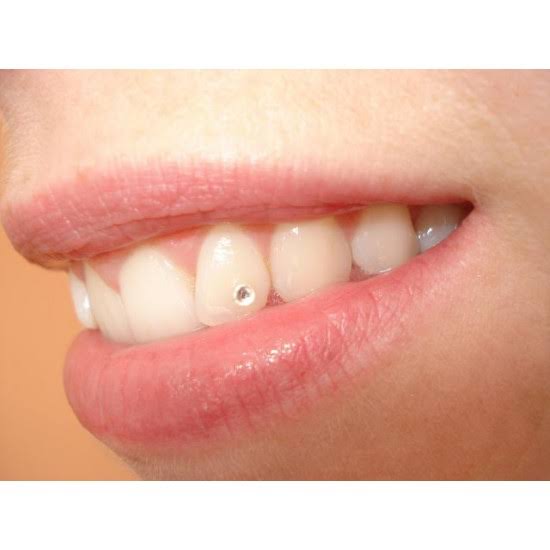
Source : topnotchdentalclinic.com
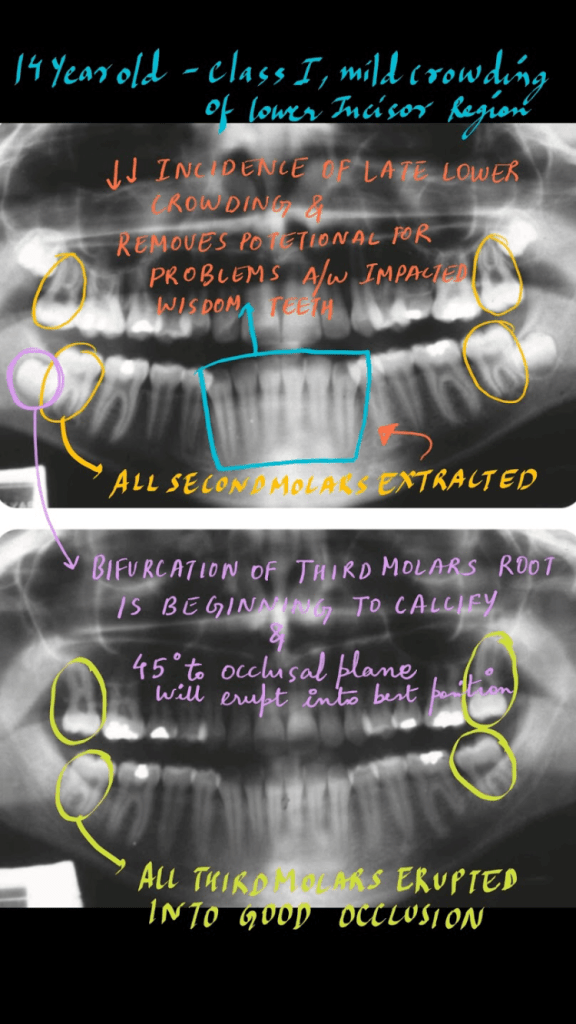
A 14-year-old male with a class I occlusion complicated by mild crowding of the lower incisor teeth
We know that we need to extract second permanent molars. What are it’s disadvantages if we go ahead with this option? Is there an optimum time to extract lower second permanent molars to obtain the best eruptive position for the third molar?
In the same way, if there was crowding in the anterior region of the maxilla. Then, What are the indications for extracting a maxillary second permanent molar?
Link: https://drive.google.com/file/d/1G4n6TZ_EOFozexnRWh08cBvncUZQ1OjS/view?usp=drivesdk
 Dentowesome