Category: orthodontics


Ortho Case 3.3
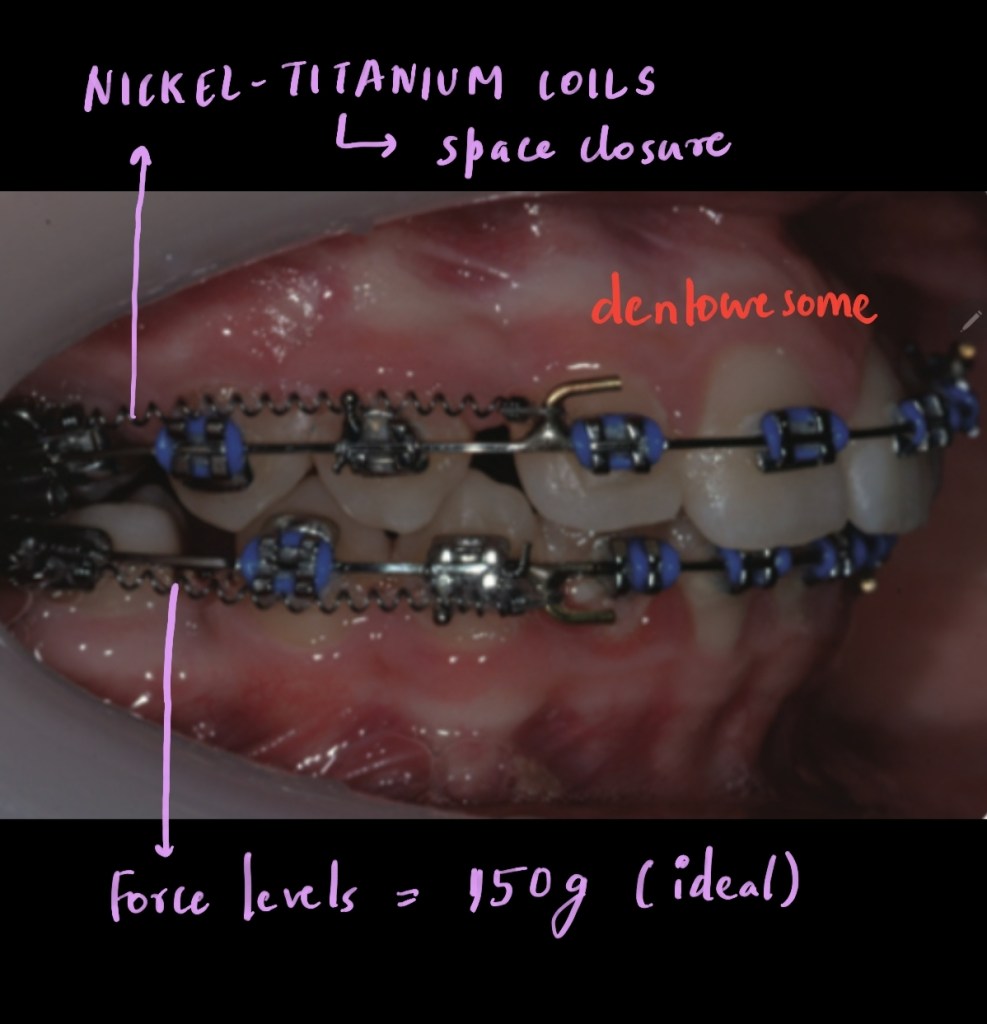
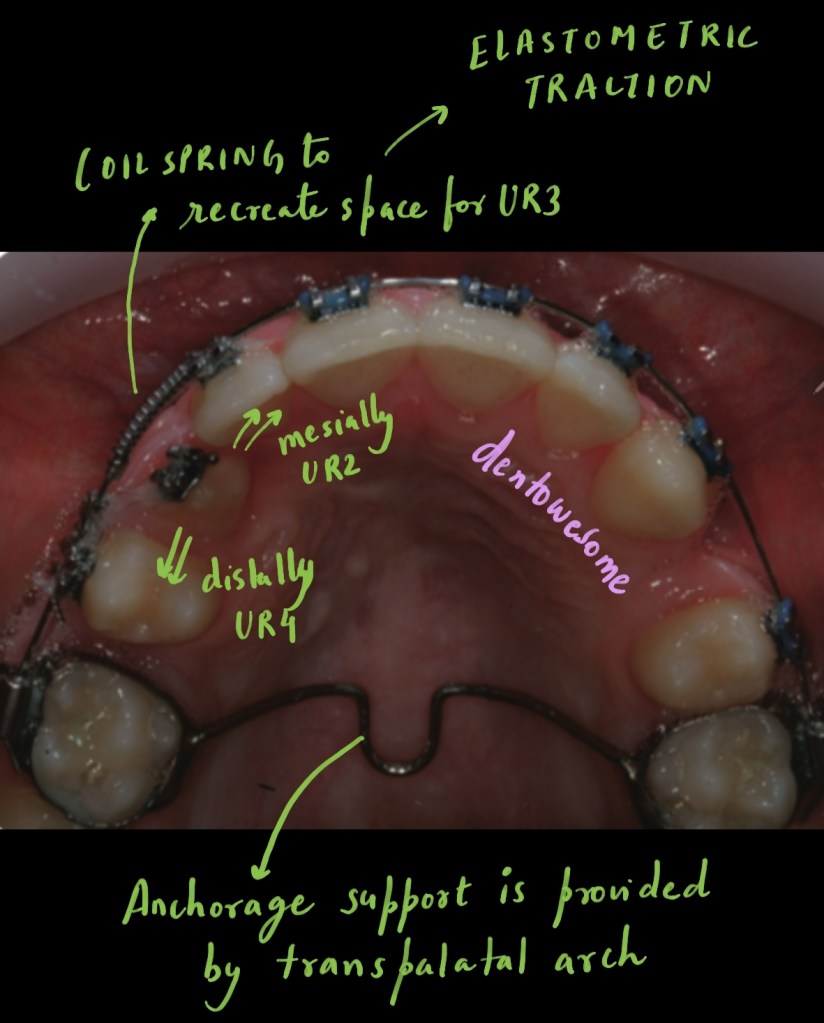
A 14-year-old male presented with a class I malocclusion on a skeletal class I base with average vertical dimensions complicated by an ectopic and mesially-angulated UR3, crowding of both arches and centre line discrepancies.
What will be the treatment for creating space for canine and correcting central line discrepancies? Which teeth will be extracted? What appliances will be used and what force level should be used during space closure?
To understand this and more, read the pdf attached to the link. I have also tried to explain the case via digital images. I have attached 5 images. Do check it out 🙂
Happy Reading Friends!
LINK: https://drive.google.com/file/d/1cfWNTyZVX7IISDGJvJIZ8rjuXZ3fR2Hd/view?usp=sharing


Ortho Case 3.2
Link: https://drive.google.com/file/d/1htUo39ZpGIdf5XGRcSmcn3RAsYzJEY6k/view?usp=sharing
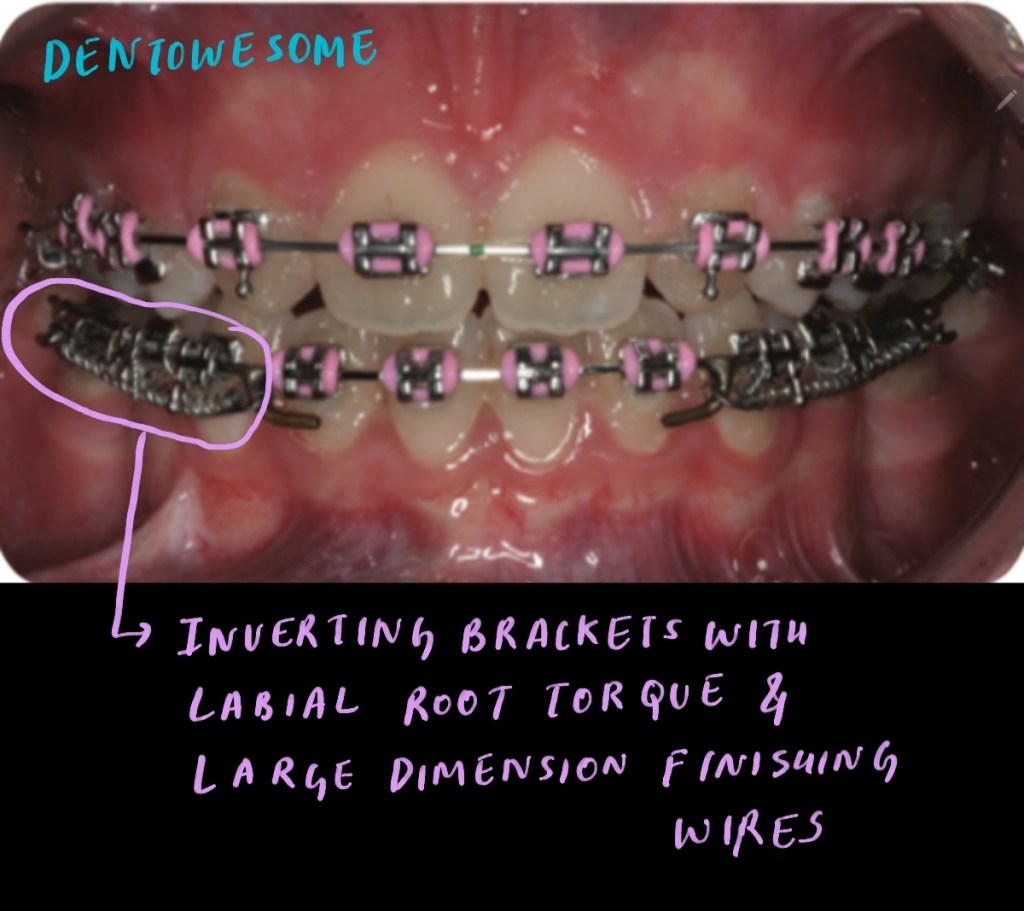
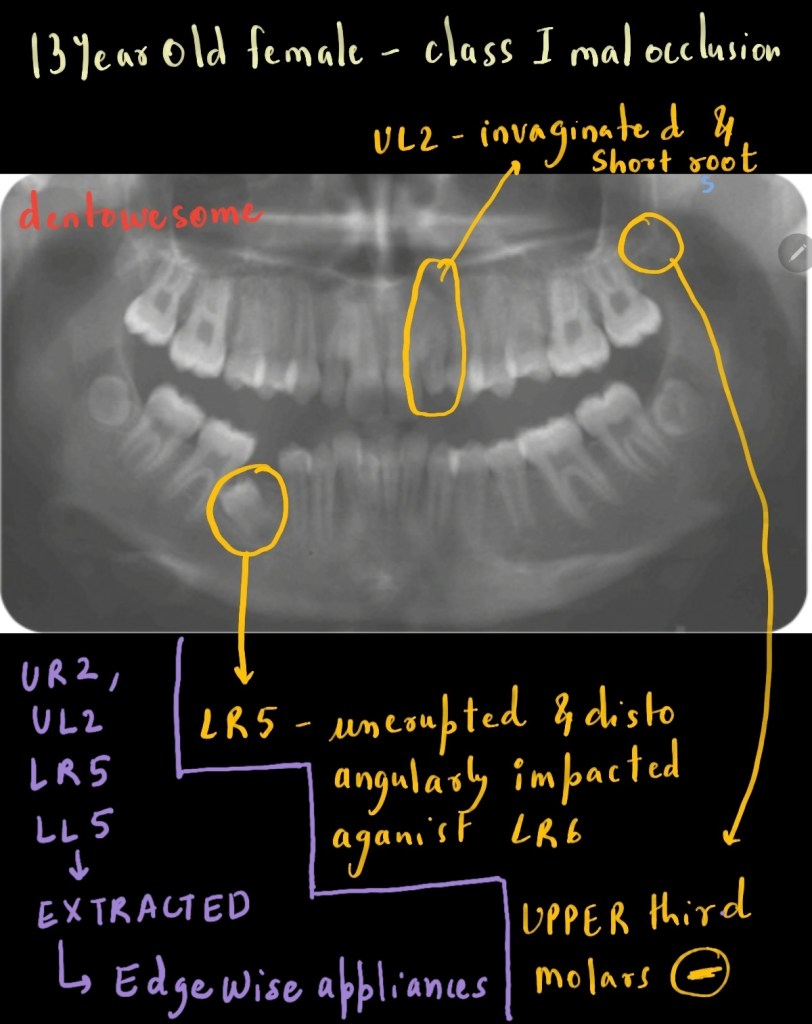
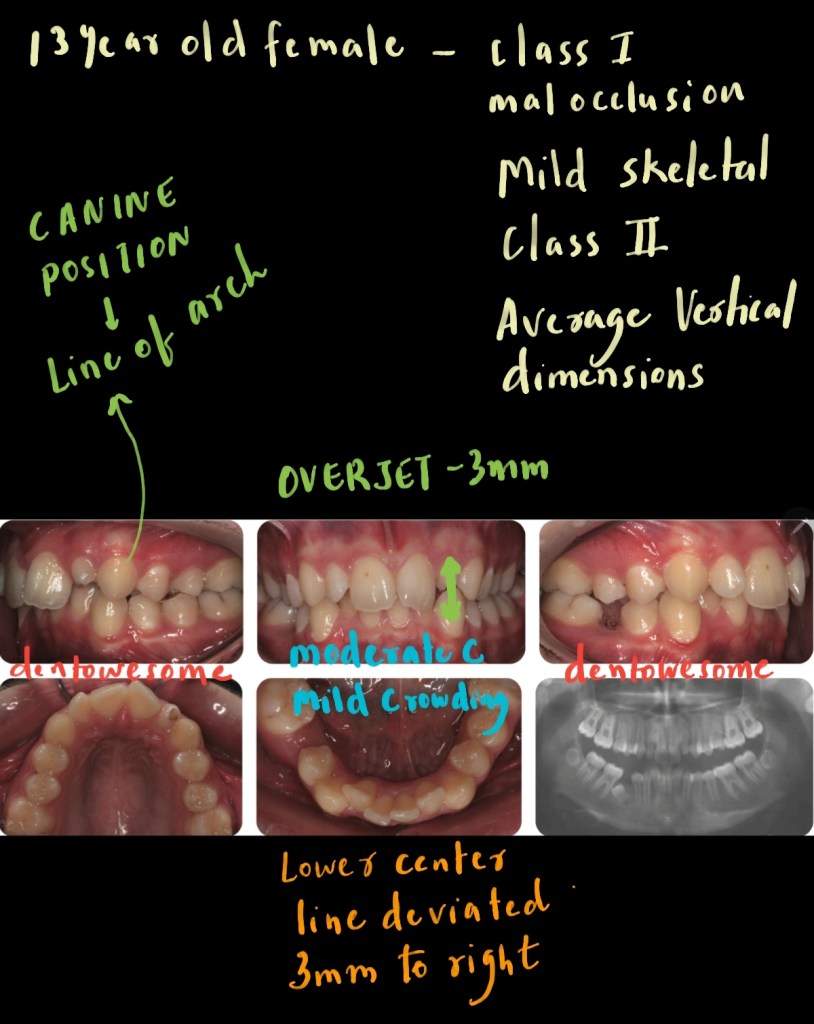
A 13-year-old female presented with a class I malocclusion on a mild skeletal class II pattern with average vertical dimensions complicated by impaction of the LR5 and an invaginated UL2
What is treatment plan? Which tooth will be extracted? What factors need to be considered when substituting a maxillary canine for a lateral incisor?
I have attached following images for easy read! Happy Reading Friends 🙂
Ortho Case 3.1
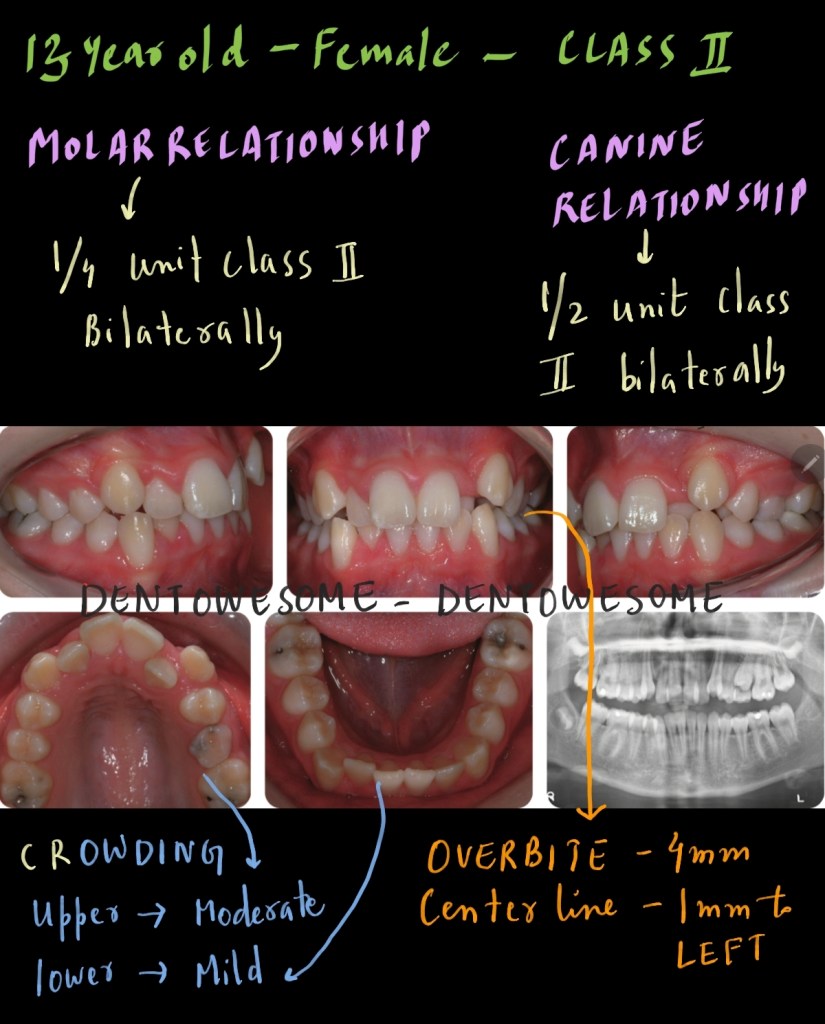
A 13-year-old female presented with a class I malocclusion on a mild skeletal class II pattern with average vertical dimensions complicated by moderate upper arch crowding, palatal displacement of the UL2 and a localized crossbite
Initially, Headgear was used but compliance was poor. It was therefore decided to remove both maxillary second premolars to recreate space for maxillary arch alignment.
Therefore, Self-ligating brackets (SLBs) were used in this case after extractions. What are SLBs and what are the advantages of these systems? Why has glass ionomer cement been placed on the maxillary first molars? What is the final buccal segment relationship
link: https://drive.google.com/file/d/1YaucTBr47omt-lD1Ok5kM-BMXc3R3c72/view?usp=sharing

Growth Theories #UniversityDigitalNotes

Growth and Development Concepts in Orthodontics – Part One #UniversityDigitalNotes
I hope you find the notes useful!
LINK: https://drive.google.com/file/d/1A-6UTN5TvHsDJtnkcDWz3aC1c-mNjsHM/view?usp=sharing

Introduction to Orthodontics #UniversityDigitalNotes
Hello friends, I hope you find these notes useful!
LINK: https://drive.google.com/file/d/19vBz6UBVOMA8vp3XMCkK8YAu9EtCgD8M/view?usp=sharing

AIMS OF ORTHODONTIC TREATMENT

It can be simpliflied into 3 popularly known as JACKSON’S TRIAD
FUNCTIONAL EFFICIENCY
STRUCTURAL BALANCE
AESTHETIC HARMONY
The orthodontist should try to fulfill this Jackson’s triad by his/her treatment.
FUNCTIONAL EFFICIENCY : Firstly the orthodontist must try to improve the function of the oro-facial apparatus .
Many malocclusions affect the function of the stomatognathic system
STRUCTURAL BALANCE : The oro-facial region has 3 systems .
Stable best orthodontic treatment is achieved by maintaining balance between the 3 given below :
- Dento-alveolar system
- Skeletal tissue
- Soft tissue including musculature .

AESTHETIC HARMONY :
- Most common reason to turn to orthodontist is to improve the appearance of the teeth and face.
- Aesthetics affect individual’s self confidence .
- Affects success in society .
- Indispensable part of orthodontic treatment .
Article Reference taken from S.I.BHALAJHI , 7th Edition
Ortho case 29
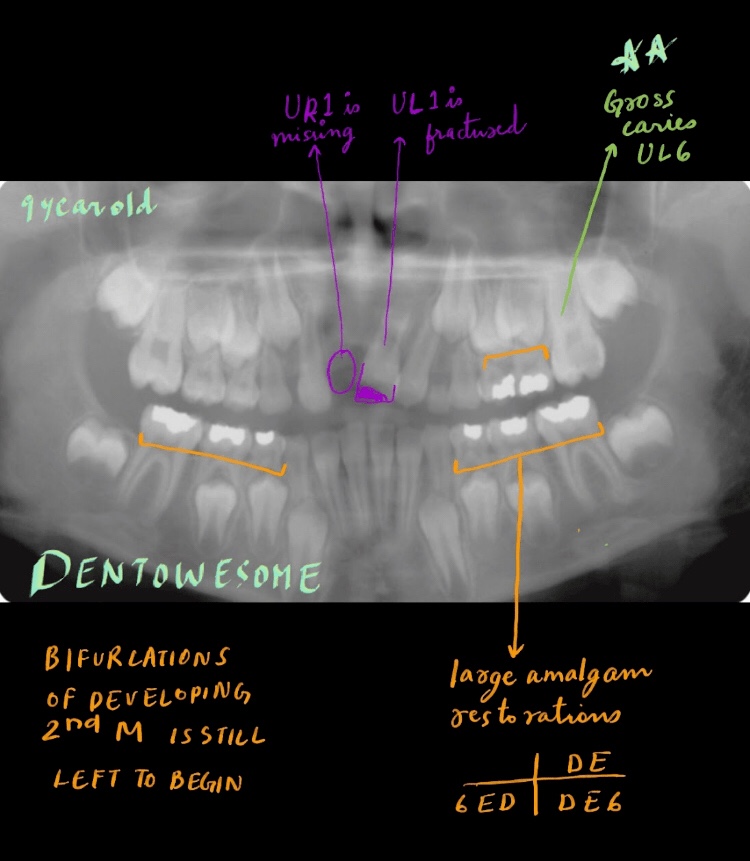
Link: https://drive.google.com/file/d/1UJ0ejZMn-KvpFL_Y5jmrx_hSel-acwlB/view?usp=drivesdk
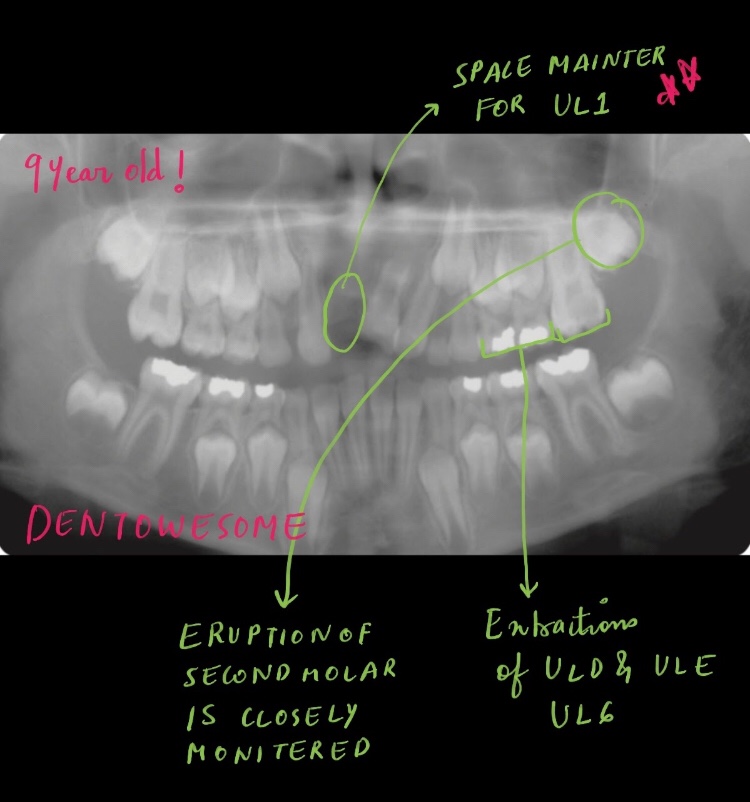
This child presented with significant pain in his upper left dental quadrant. He has an overjet of 8mm, a mild skeletal class II pattern and average vertical proportions, and is still sucking his thumb.
RETENTION-Theories
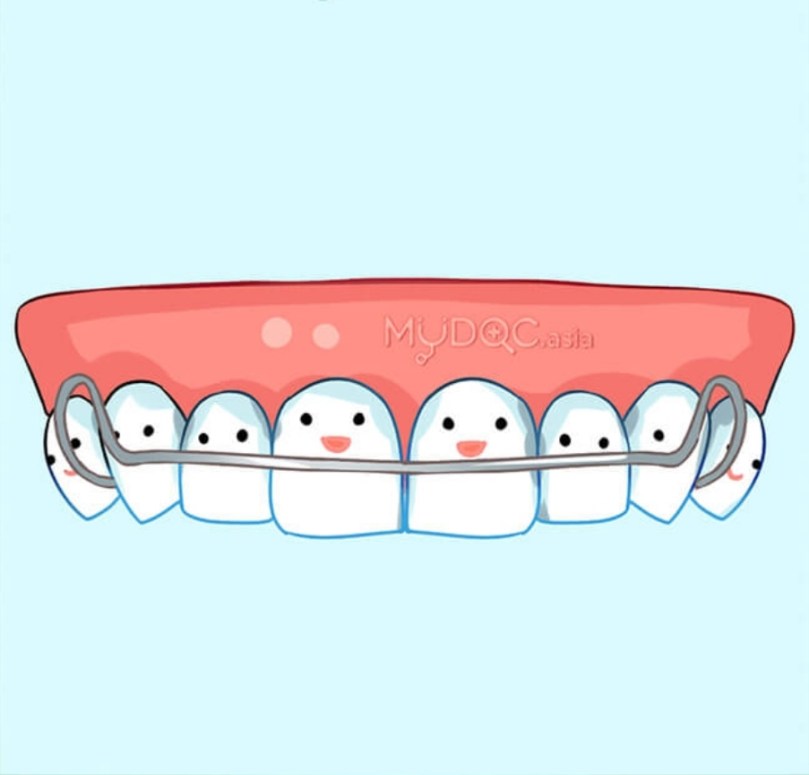
Getting or having braces is quite a big deal for sure with the long treatment period, follow-ups & the discomfort faced during and after adjustments made which includes dull soarness or throbbing pain along with some amount of restrictions on munching your favorite food during this period. 😦
But the end result of all this is an improved facial appearance with properly aligned teeth aiding in speech & mastication ; in short – A healthy new smile :).
Is that the end of the story ?? Certainly not !!
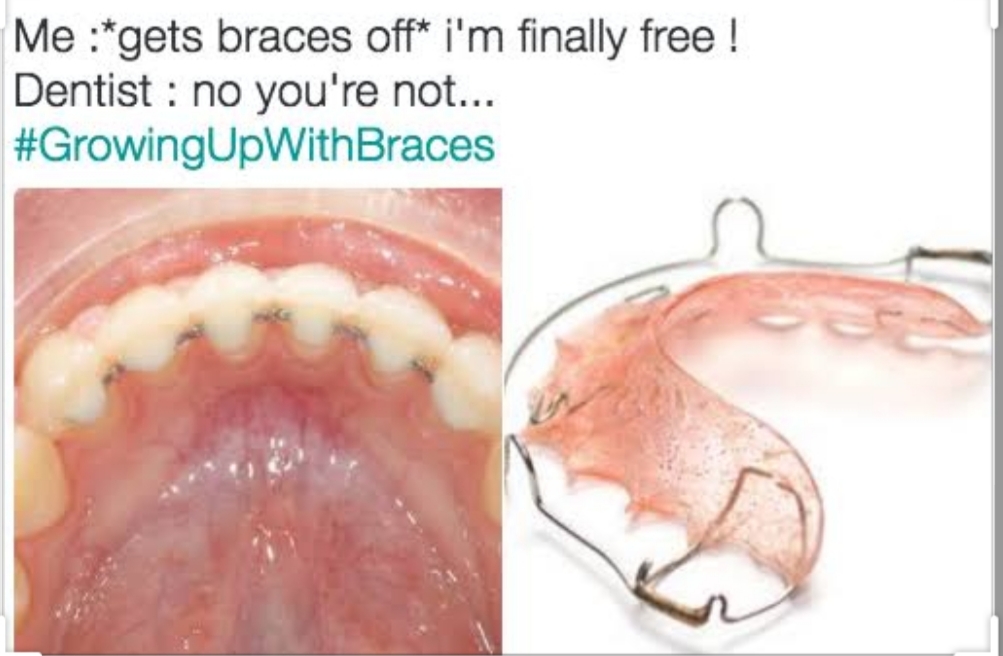
The main part of the whole treatment is how you maintain the corrections made & retain it for future.
Here’s where terms like retention & relapse come into picture.
What is retention?
Maintaining newly moved teeth in position,long enough to aid in stabilizing their correction.-Moyers
Why do patients need retention?
Because of the post treatment changes that occur leading to relapse.
Relapse-Loss of any correction achieved by orthodontic treatment. Causes of relapse:
- Periodontal ligment traction
- Due to growth related changes
- Bone adaptation
- Muscular forces
- Failure to eliminate the cause of malocclussion
- Eruption of third molars
- Role of occlusion
Schools of retention:
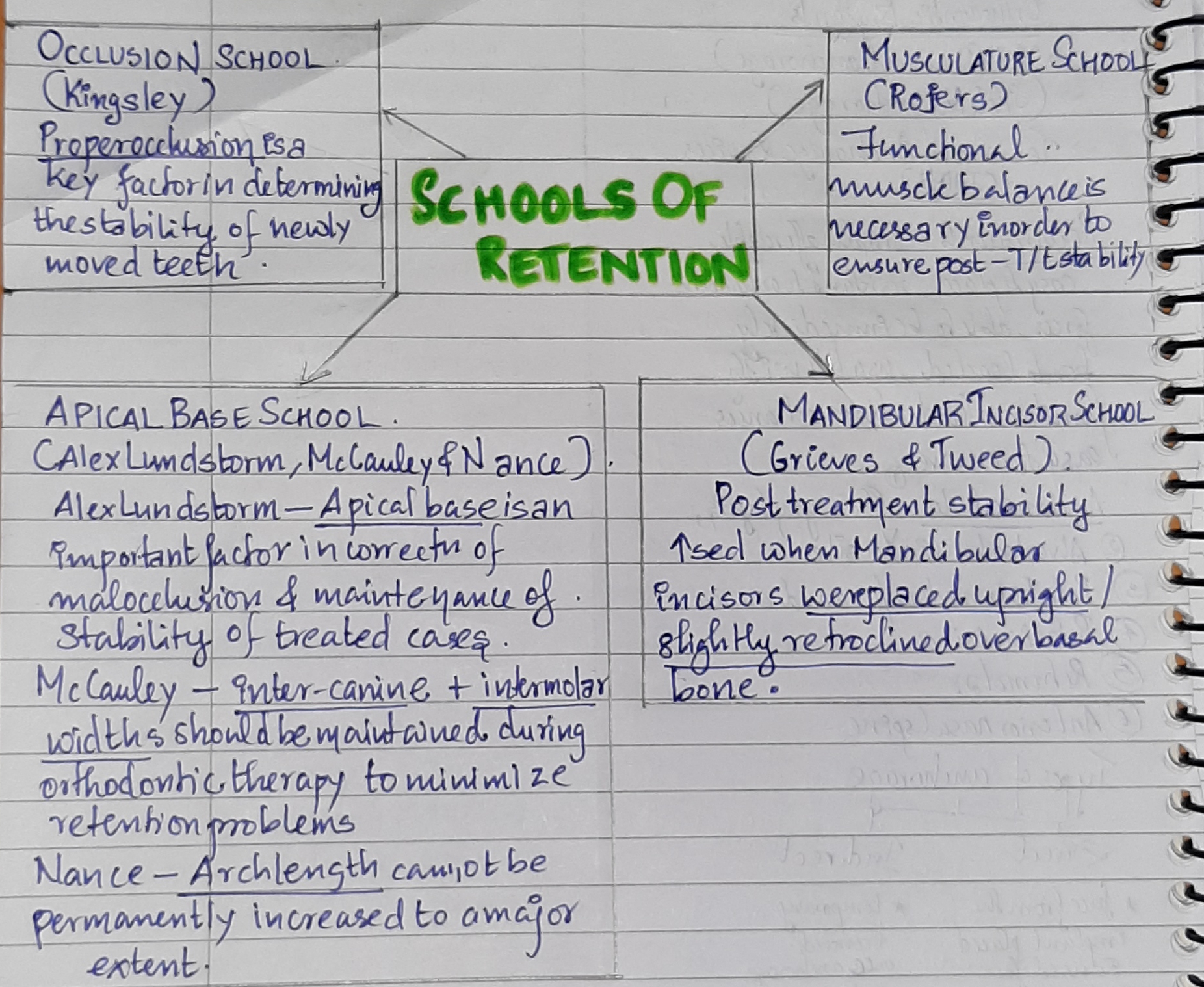
Theories of retention:
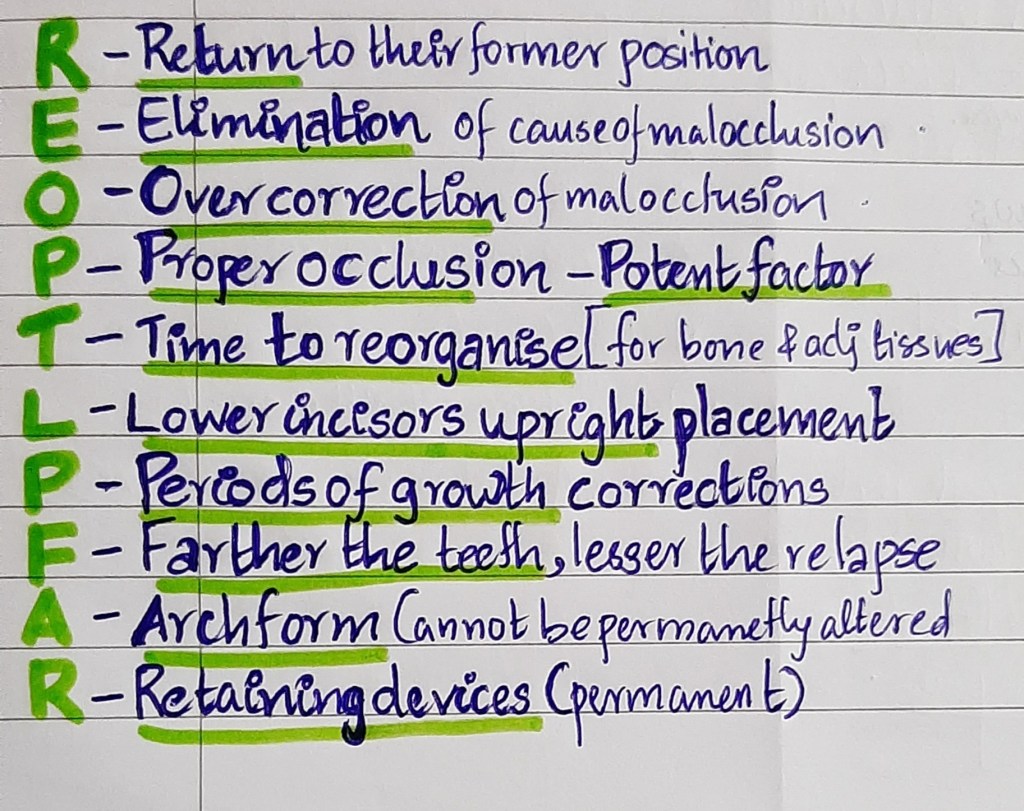
Riedel summarized the nine theories and Moyers added another theory which is the tenth theory mentioned here.
- Theorem 1: Teeth that have been moved tend to return to their former position
- Theorem 2:Elimination of the cause of malocclussion will prevent relapse
- Theorem 3:Malocclussion should be over-corrected as a safety factor
- Theorem 4: Proper occlusion is a potent factor in holding teeth in their corrected positions
- Theorem 5:Bone & adjacent tissues must be allowed time to reorganize around newly positioned teeth
- Theorem 6: If the lower incisors are placed upright over basal bone they are more likely to remain in good alignment
- Theorem 7: Corrections carried out during the periods of growth are less likely to relapse
- Theorem 8: The farther the teeth have been moved ,the lesser is the risk of relapse
- Theorem 9: Arch form,particularly in the mandibular arch,cannot be permanently altered by appliance therapy
- Theorem 10: Many treated malocclussion require permanent retaining devices
Remember as : REOP TLP FAR (REOPening To Let Patients Follow And Retain)
✒Manisha
Sources: Bhalaji -Orthodontics the art and science,www.erufucare.com, http://www.buzzfeed.com
 Dentowesome