

References-ortho bhalajhi
References-ortho bhalajhi
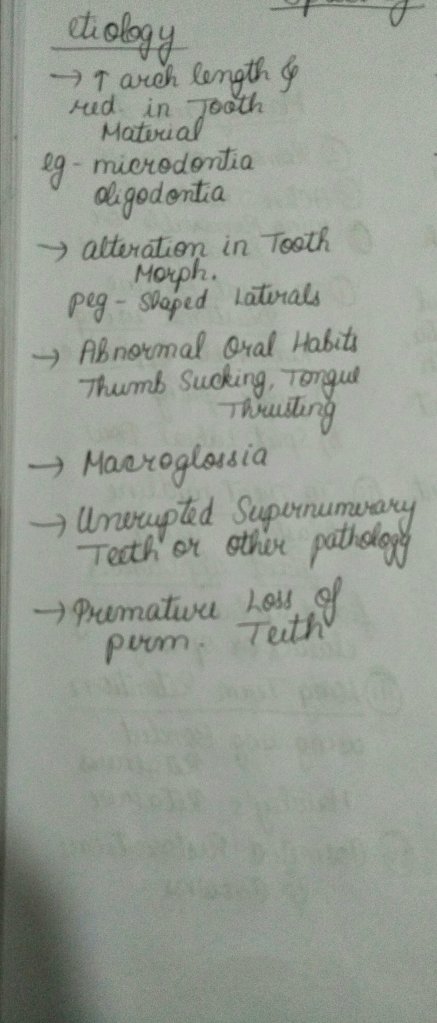

References- Bhalajhi orthodontics


Continuous force- active force that decreases little in magnitude betwwen appointments.
Intermittent force- active force that decays to zero before next appointment.
Interrupted force- inactive for intervals of time between appointments

Reference- orthodontics bhalajhi
Can be categorized into 3 categories-
1. Tipping- single force applied results into movement of crown in direction of force and movement of root in opposite direction.
A) Controlled tipping- When tooth tips about centre of rotation at apex. Lingual movement of crown with minimal movement of root in opposite direction.
B) Uncontrolled Tipping- when movement of tooth occurs about centre of rotation close to centre of resistance. Crown moves in lingual direction and root in opposite direction.
2.Torquing – reverse tipping characterized by lingual movement of root.
3. Bodily movement- All points on tooth will move equal distance in the direction of applied force. Line of action of force is through centre of resistance.
3. Intrusion- bodily displacement of tooth in apical direction along longitudinal axis of tooth.
4. Extrusion- bodily displacement of tooth in coronal direction along longitudinal axis of tooth.
5. Rotational- labial or lingual movement of tooth around long axis
6. Uprighting- when crowns are tipped in mesiodistal direction roots tipped in opposite direction. Tipping the roots back to get parallel orientation is called uprighting.
Reference- ortho bhalajhi

Clasps are the retentive components of the removable appliances.

Mode of action-
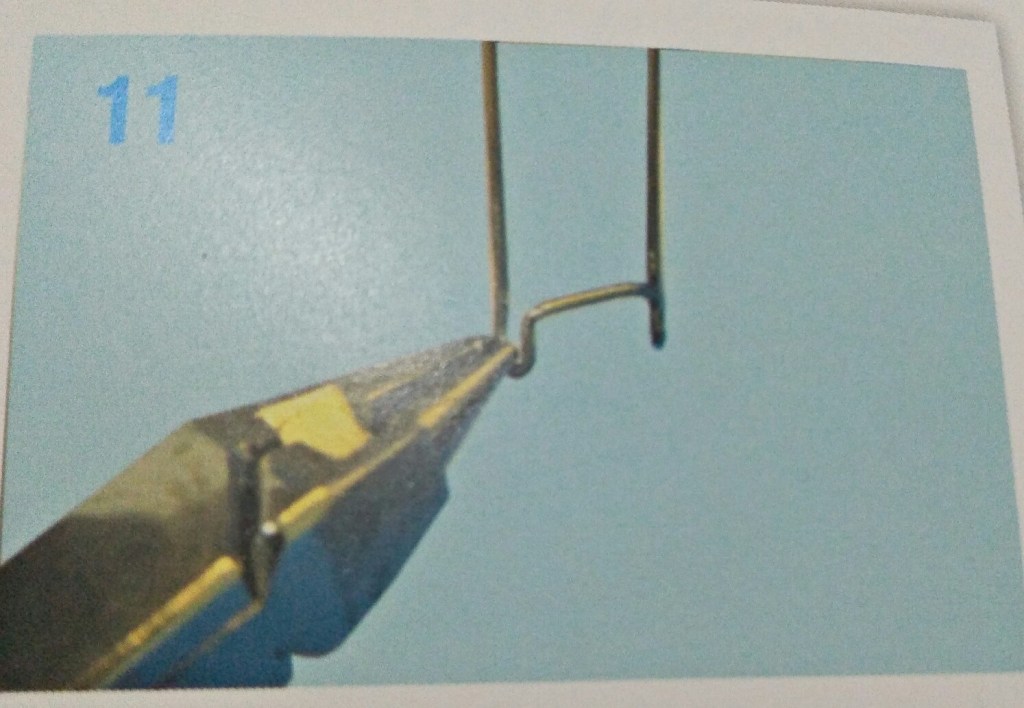
Adams clasp also called as universal clasp, liverpool clasp and modified arrowhead clasp.
Parts of adams clasp-
Advantages of adams clasp-
Modifications of adams clasp-
Reference- Bhalajhi 7th edition
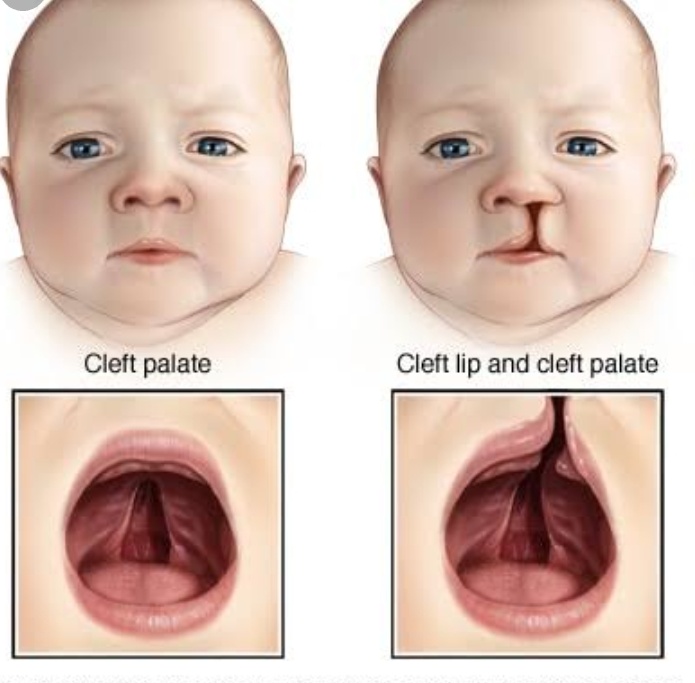
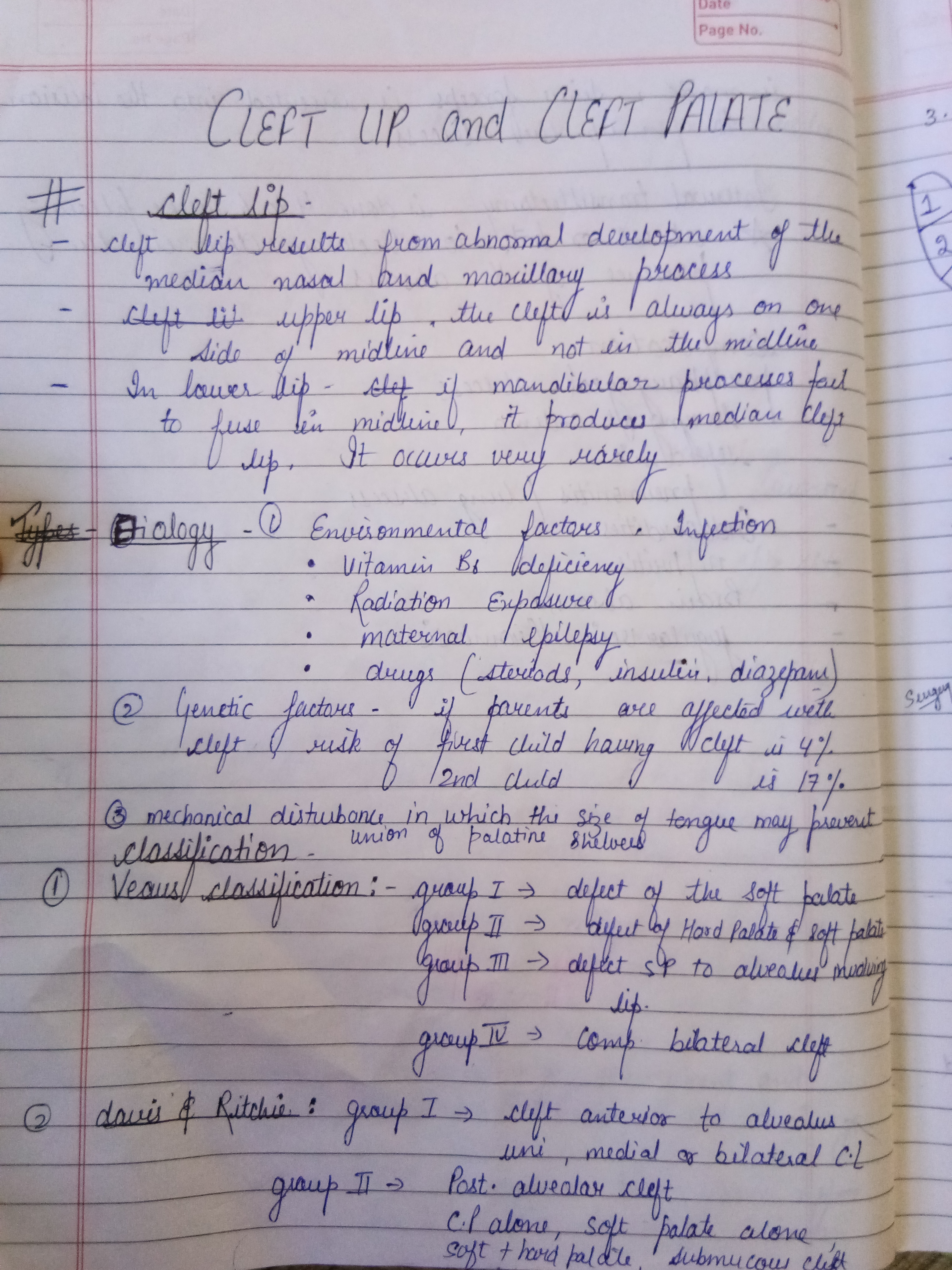
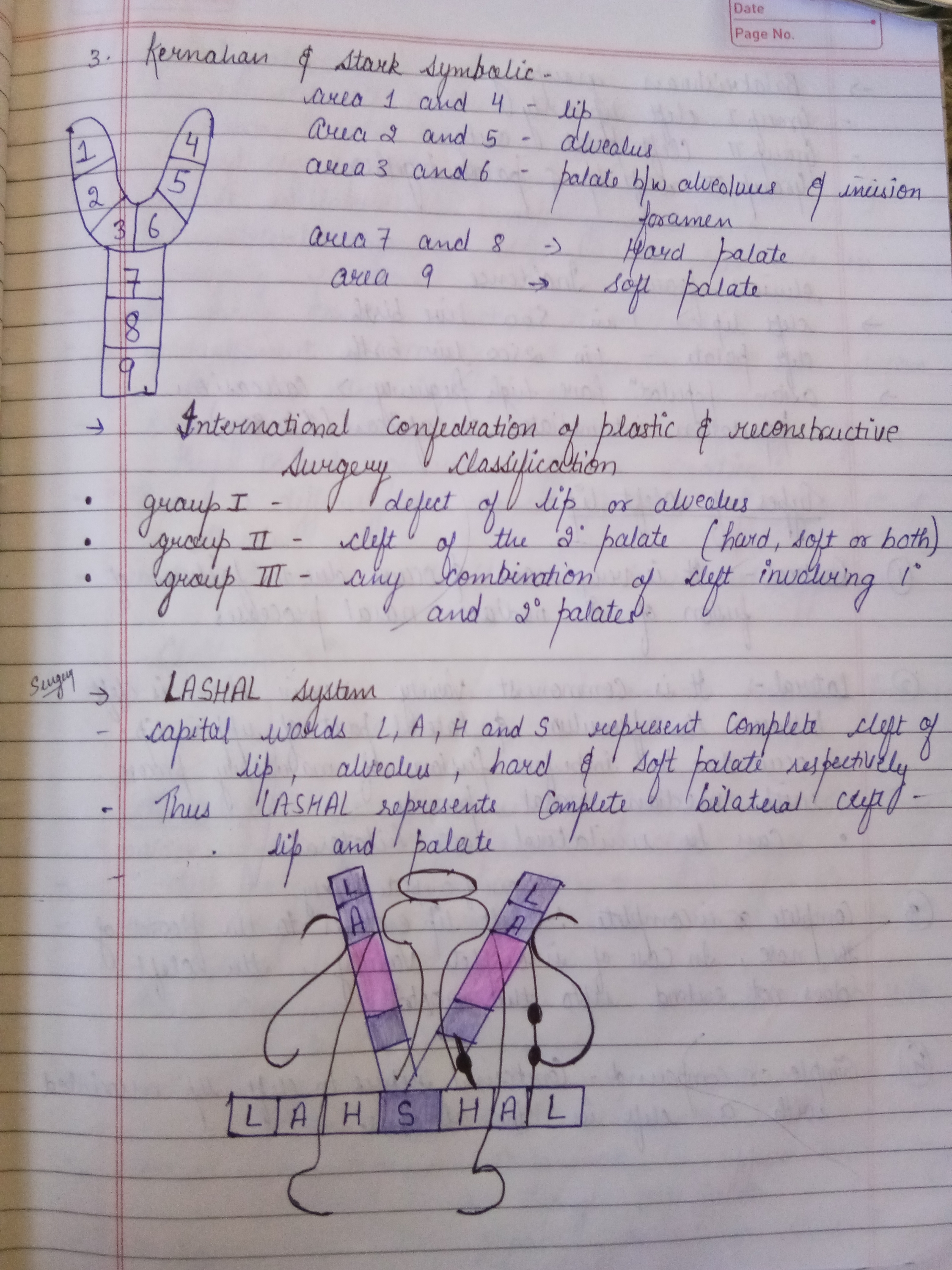


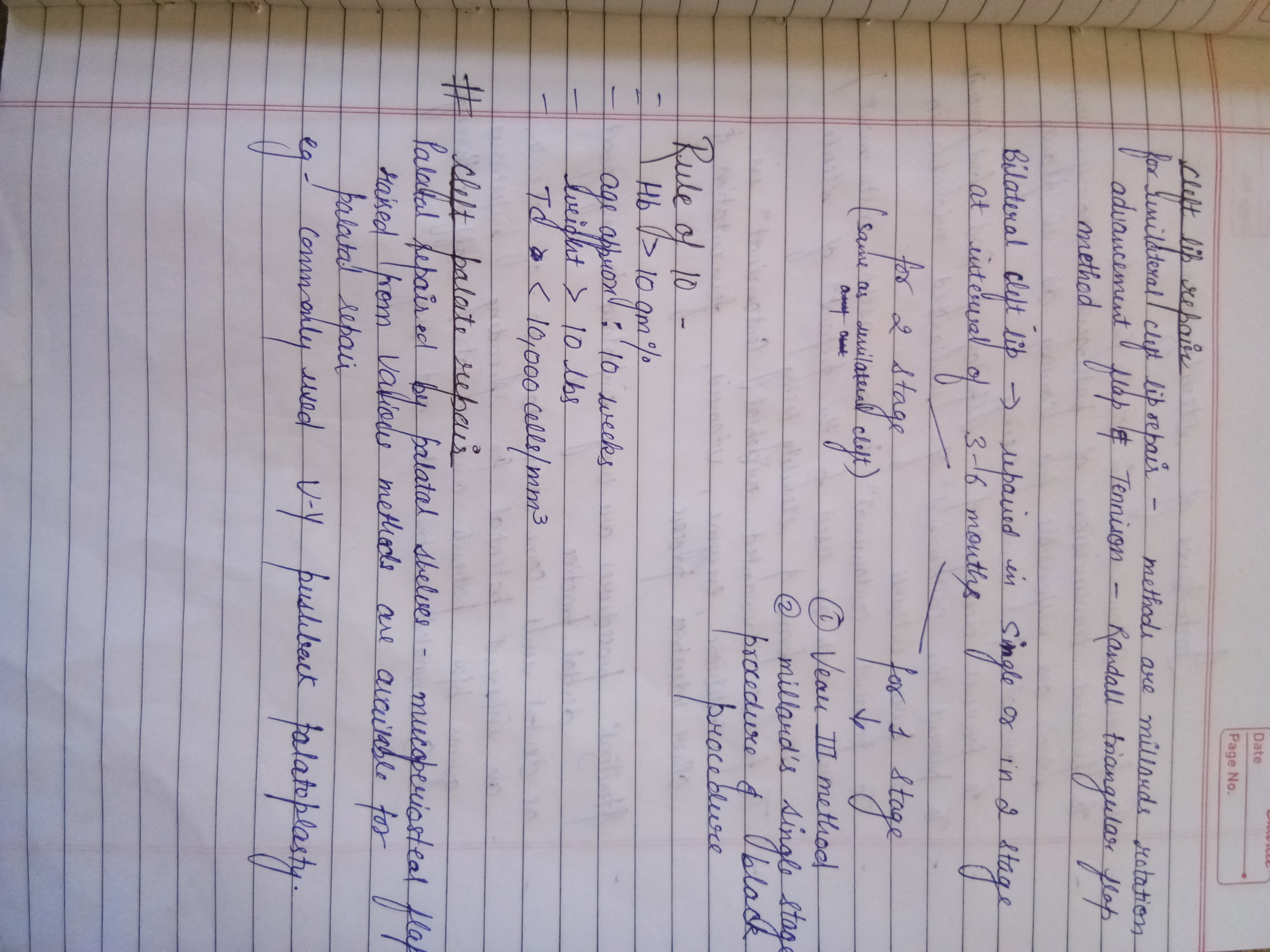

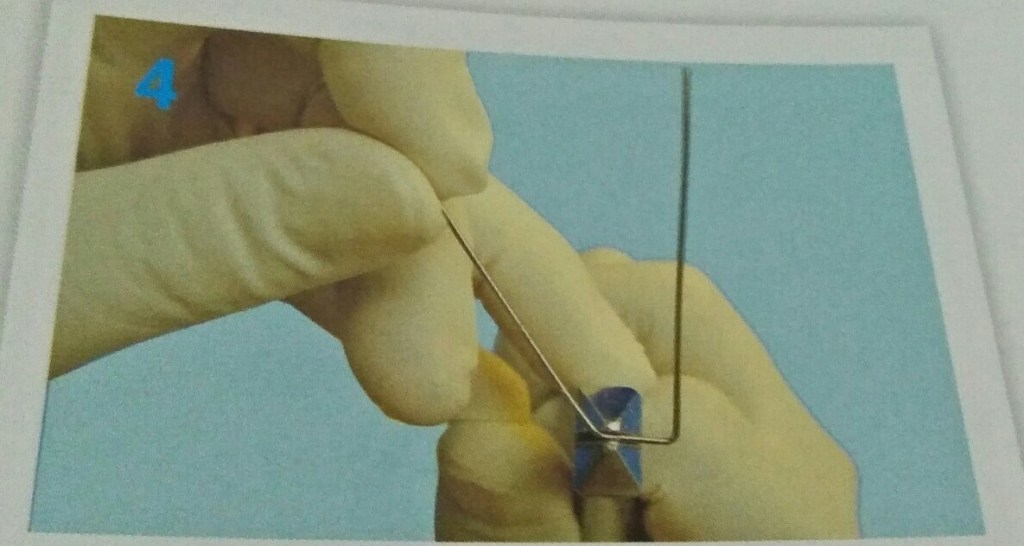


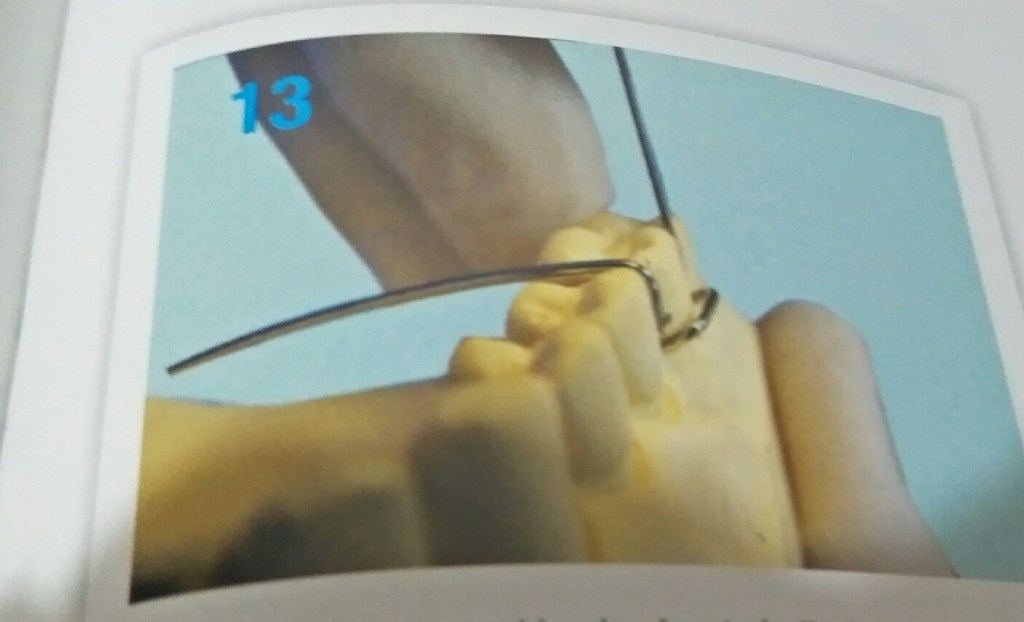

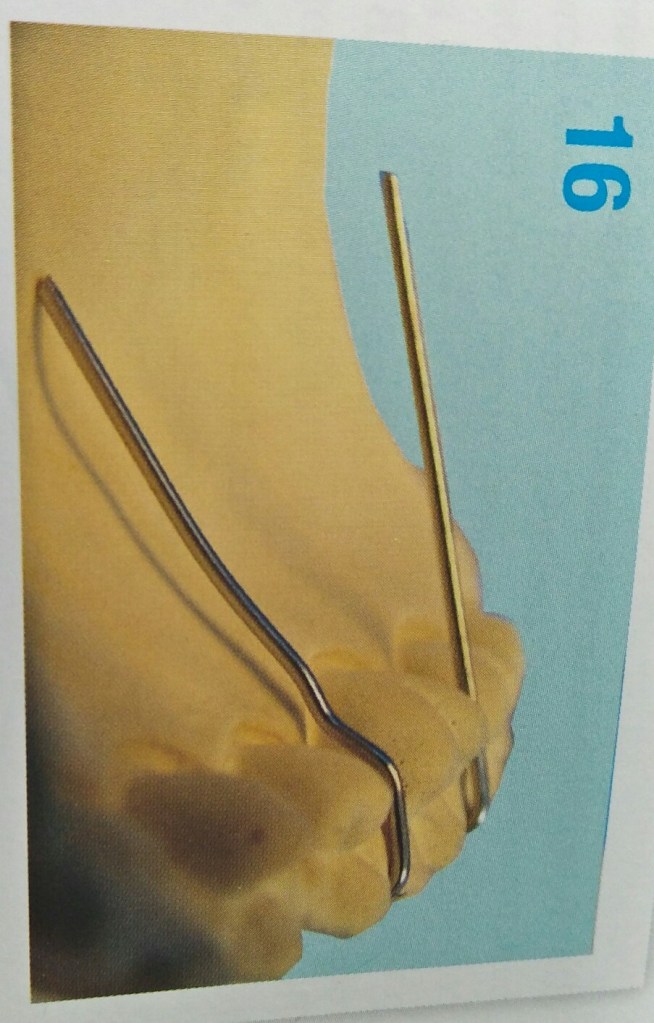
3 things to be noted after the clasp is placed on tooth:-
Reference- bhalajhi ortho
 Dentowesome