EMERGENCY INSTRUMENTS-II

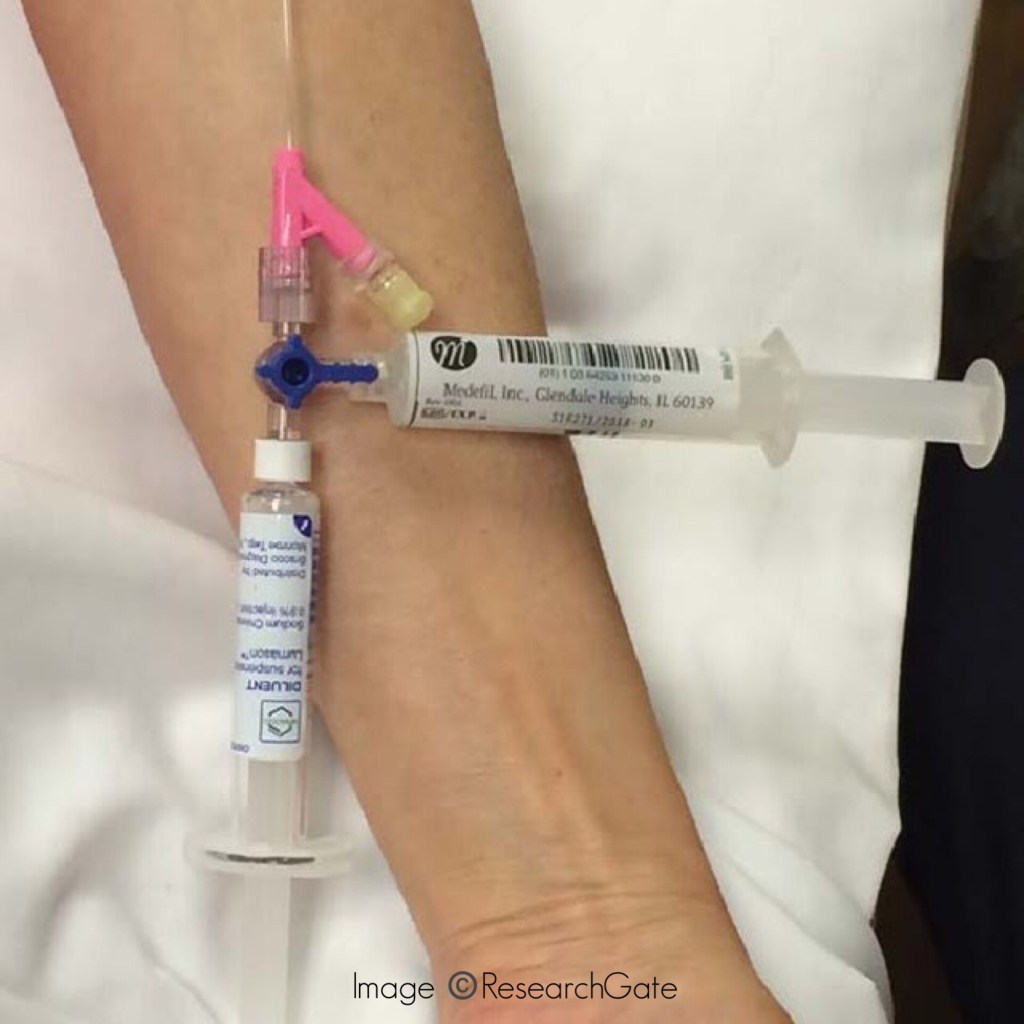
1) 3-way: It consists of two inlets & one outlet.
Uses:
  1. It is commonly connected to the IV cannula where through one inlet IV fluids pass and through the other inlet medications can be given or Central venous pressure(CVP) can be monitored.
  2. Aspirating fluid from the body cavities.
  3. Exchange transfusion.
2) IV cannulas:

Size: 14G – 24G (Smaller the no., larger the bore of the needle)

Use:

  • Venous access for longer period.
  • IV fluids
  • Drugs administration
  • Collection of blood samples

Source: Internet


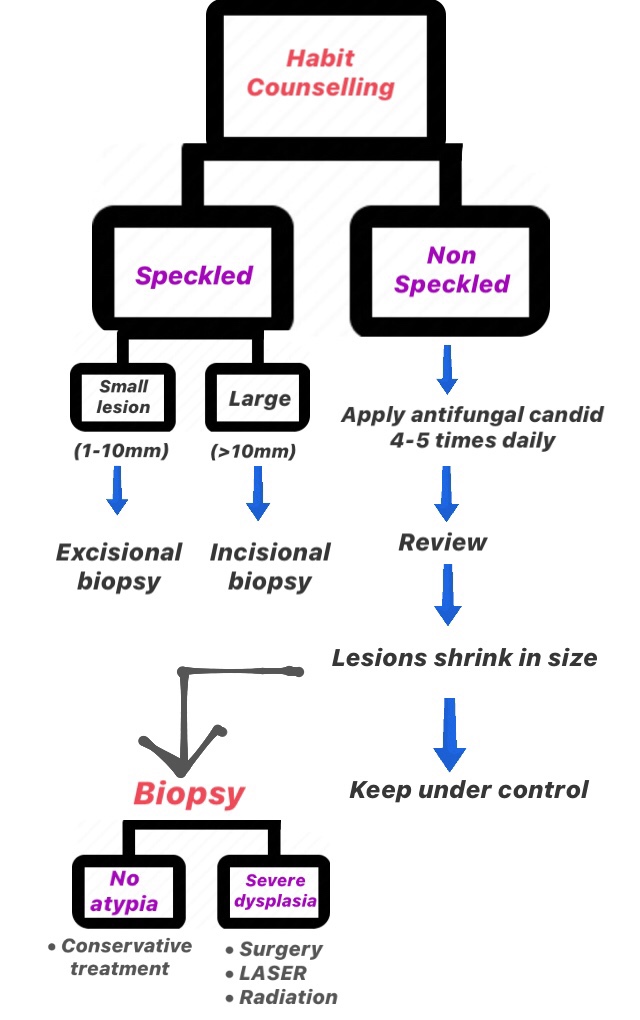
MANAGEMENT OF LEUKOPLAKIA

LEUKOPLAKIA

  1. Habit counselling: Removal of etiology
  2. Conservative therapy:
  • Vitamin therapy – Protective effect on epithelium (Vitamin A)
  • Vitamin A + Vitamin E: inhibit metabolic degradation
  • Retinyl palmitate is used as an antioxidant and a source of vitamin A added to low fat milk and other dairy products to replace the vitamin content lost through the removal of milk fat.
  • Isotretinoin, also known as 13-cis-retinoic acid with dosage of 1.5 – 2mg/kg body wt. for 3 months.
  • Vitamin A can be sourced from the food we eat, through beta carotene, for example, or in supplement form.
  • Antifungal medication Nystatin can be used for candidal Leukoplakia
  • Vitamin B complex for commissural leukoplakia
  • Vitamin A can be found in: Carrots, Citrus fruits, hard cheese, spinach, milk, eggs, fish

3) Surgical Approach

References: Ghoms, Textbook of Oral Medicine


Dr. Mehnaz Memon🖊

MULTIPLE MYELOMA

🔹Most common primary neoplasm of skeletal system.

  • A disease of bone marrow
  • A malignancy of plasma cells
  • Monoclonal malignancies

🔹Clinical Features:

  1. Age: 60 – 65 years
  2. Sex: M>F
  3. Site: Vertebra, Ribs, Skull, Pelvis, Femur bone.
  4. Symptom: Bone pain (due to compression fractures)
  5. Signs:
  • Lytic bone lesions
  • Anemia
  • Azotemia
  • Hypercalcaemia
  • Recurrent infection

🔹Oral Manifestations:

  1. Jaw: Mandible>Maxilla
  2. Site: Ramus & Angle of mandible at Molar area
  3. Signs:
  • Intraosseous
  • Pain
  • Swelling
  • Numbness
  • Mobility of teeth
  • Extraosseous one’s resemble epulis/gingival enlargement.

🔹Radiographic features: Punched out areas

🔹 Lab. findings:

  1. Hyperglobulinemia
  2. Bence Jones protein in urine – Also seen in leukemia, polycythemia
  3. ⬆️ ESR
  4. ⬆️ Alkaline phosphatase
  5. Hyperuricemia

🔹Histological Features:

1. Cells are closely packed in large sheets..👇🏻

  • Round/Ovoid
  • Nuclei – eccentric placed
  • Chromatin clumping in a cart wheel/checkerboard pattern
  • Perinuclear halo (Golgi complexes)

2. Russell bodies: Russell bodies are multiple round cytoplasmic hyaline inclusions that are frequently seen in bone marrow aspirates in myeloma. They are composed of immunoglobulin molecules within vesicular structures derived from rough endoplasmic reticulum. Plasma cells containing them are sometimes referred to as Mott cells.

🔹Treatment:

  1. Bisphosphonate therapy
  2. Chemotherapy

References: Shafer’sTextbook Of Oral Pathology

Dr. Mehnaz Memon🖊