Understanding Herbst Appliance Mechanics: The Game-Changing Research Every Orthodontic Student Should Know 🦷⚙️

Hey future orthodontists! 👋 Ready to dive deep into one of the most fascinating pieces of research in functional orthodontics? Today we’re breaking down Voudouris et al.’s groundbreaking study on condyle-fossa modifications during Herbst treatment. This isn’t just another research paper – it’s a paradigm shift that changes how we understand functional appliances!

Why This Research Matters 🎯

For decades, we’ve been taught that functional appliances work through lateral pterygoid muscle hyperactivity. But what if that’s completely wrong? This study flips the script and introduces the revolutionary Growth Relativity Theory.

Study Overview 📊

Study ComponentDetails
Sample Size56 subjects total
Primate Subjects15 cynomolgus monkeys (Macaca fascicularis)
Human Subjects17 Herbst patients + 24 controls
Key Focus8 juvenile primates (24-36 months)
Treatment Duration6, 12, and 18 weeks
Activation Amount4-8mm progressive advancement

The Revolutionary Methodology 🔬

What made this study special? Three cutting-edge techniques that previous research lacked:

1. Permanent EMG Electrodes 📡

  • Old method: Temporary, transcutaneous electrodes
  • New method: Surgically implanted permanent electrodes
  • Muscles monitored: Superior and inferior lateral pterygoid, masseter, anterior digastric

2. Tetracycline Vital Staining 💡

  • Intravenous tetracycline injection every 6 weeks
  • Fluorescence microscopy with UV light
  • Result: Crystal-clear visualization of new bone formation

3. Computerized Histomorphometry 🖥️

  • Quantitative analysis of bone formation
  • Measured area and thickness of new bone
  • Statistical validation of results

The Shocking Results That Changed Everything 😱

What Everyone Expected vs. What Actually Happened

Traditional TheoryActual Findings
⬆️ Lateral pterygoid hyperactivity⬇️ DECREASED muscle activity
Muscle-driven growthViscoelastic tissue-driven growth
Unpredictable resultsConsistent, reproducible changes

Key Findings Summary 📈

  1. Super Class I Malocclusion Development: All experimental subjects developed severe Class I relationships
  2. Glenoid Fossa Remodeling: Forward and downward growth (opposite to natural backward growth)
  3. Condylar Growth Enhancement: Increased mandibular length in all subjects
  4. Muscle Activity Paradox: Growth occurred with DECREASED EMG activity

The Growth Relativity Theory Explained 🧠

Think of it like this: Imagine the retrodiskal tissues as a giant elastic band 🎸 stretched between the condyle and fossa.

Displaced Condyle ←→ [Stretched Retrodiskal Tissues] ←→ Glenoid Fossa
↓ ↓
Radiating Growth Radiating Growth

Clinical Scenario 💭

Patient: 14-year-old with severe Class II, mandibular retrognathism
Traditional thinking: “The Herbst will make the lateral pterygoid muscles work harder to grow the condyle”
Reality: The Herbst creates reciprocal stretch forces that stimulate bone formation through mechanical transduction, not muscle hyperactivity!

Treatment Contributions Breakdown 📊

The researchers found that achieving a 7mm change along the occlusal plane involved multiple factors:

Contributing FactorPercentage Contribution
Condylar Growth22-46%
Glenoid Fossa Modification6-32%
Maxillary ChangesVariable
Dental Changes~30%
Total Orthopedic Effect~70%
Total Orthodontic Effect~30%

Flowchart: Treatment Outcomes by Age

    Patient Age Assessment

┌─────────┴─────────┐
↓ ↓
Juvenile/Mixed Adolescent/Adult
Dentition Dentition
↓ ↓
High Condylar Limited Condylar
Growth Potential Growth Potential
↓ ↓
Significant Fossa Mainly Fossa
+ Condylar Changes Changes Only

Clinical Implications by Age 👶👦👨

Age GroupCondylar ResponseFossa ResponseClinical Recommendation
Juvenile (Mixed Dentition)High ✅High ✅Optimal treatment timing
AdolescentModerate ⚠️High ✅Good treatment timing
AdultLimited ❌Moderate ⚠️Consider alternatives

The Herbst-Block Design Innovation 🔧

Key design feature: 1.5mm posterior occlusal overlays

Why This Matters:

  • Vertical distraction of condyle from articular eminence
  • Prevents condylar resorption
  • Avoids TMJ compression
  • Optimizes stretch forces on retrodiskal tissues

Treatment Timeline and Bone Formation 📅

Progressive Changes Over Time

Time PointBone Formation AreaKey Observations
6 weeksEarly changesExtensive cartilage proliferation
12 weeks1.2mm averagePeak bone formation rate
18 weeksMaximum responseDoubled postglenoid spine thickness

Correlation: r = 0.95 between treatment time and bone formation! 📈

Clinical Decision-Making Flowchart 🗺️

  Class II Patient Evaluation

Age Assessment

┌─────────┴─────────┐
↓ ↓
Mixed Dentition Permanent Dentition
↓ ↓
Herbst with Consider Herbst vs
Occlusal Coverage Alternative Treatment
↓ ↓
Continuous Monitor for:
Activation - Condylar resorption
1-2mm every - Disk displacement
10-15 days - Relapse potential

Key Clinical Takeaways for Practice 💡

Do’s and Don’ts

✅ DO❌ DON’T
Use continuous activationRely on intermittent wear
Include occlusal coverageIgnore vertical dimension
Monitor for 6+ monthsExpect immediate results
Plan retention carefullyAssume permanent changes

Red Flags to Watch For 🚩

  1. Condylar resorption – prevented by proper vertical dimension
  2. TMJ pain – indicates excessive compression
  3. Rapid relapse – inadequate retention period
  4. Disk displacement – poor appliance design

The Retention Challenge 🔄

Critical Finding: Without adequate retention, positive condyle-fossa changes can relapse due to:

  • Return of anterior digastric muscle function
  • Perimandibular connective tissue pull
  • Natural tendency for condyle to seat posteriorly

Retention Protocol Recommendations:

  • Minimum 6 months active retention
  • Progressive reduction of appliance wear
  • Monitor muscle reattachment process
  • Long-term follow-up essential

Clinical Scenario Application 🎯

Case: 13-year-old female, Class II Division 1, severe mandibular retrognathism

Treatment Plan Based on Research:

  1. Herbst with occlusal coverage (NOT standard Herbst)
  2. Progressive activation 1.5mm every 2 weeks
  3. 12-week minimum treatment duration
  4. Expect 70% orthopedic response
  5. Plan extended retention phase

Expected Outcomes:

  • Forward fossa remodeling
  • Increased mandibular length
  • Super Class I result requiring finishing
  • Need for comprehensive retention protocol

Future Implications 🔮

This research suggests that functional appliances should be renamed “dentofacial orthopedic appliances” because they work through:

  • Viscoelastic tissue forces
  • Mechanical transduction
  • Growth modification, NOT muscle function

Study Limitations and Considerations ⚖️

Strengths:

  • Rigorous methodology with multiple validation techniques
  • Control groups and statistical analysis
  • Novel technological approaches

Limitations:

  • Animal model – translation to humans requires validation
  • Small sample size – justified but limits generalizability
  • Short-term follow-up – long-term stability unknown

Conclusion: Changing Clinical Practice 🎯

This groundbreaking research fundamentally changes how we understand functional appliances. The key shifts in thinking:

  1. From muscle hyperactivity → To tissue stretch forces
  2. From unpredictable results → To consistent orthopedic changes
  3. From simple tooth movement → To complex TMJ remodeling
  4. From empirical treatment → To evidence-based protocols

Memory Aid for Boards 📚

“VOUDOURIS RULES” 🧠

  • Viscoelastic forces drive change
  • Occlusal coverage prevents resorption
  • Undermining old muscle theories
  • Decreased EMG activity during growth
  • Orthopedic effects dominate (70%)
  • Underaged patients respond best
  • Retention critical for stability
  • Inferior-anterior fossa growth
  • Super Class I results expected

Questions for Self-Assessment 🤔

  1. What percentage of Herbst treatment effects are orthopedic vs orthodontic?
  2. Why does EMG activity decrease during successful treatment?
  3. What prevents condylar resorption in Herbst appliances?
  4. At what age is condylar growth potential highest?
  5. What is the Growth Relativity Theory?

Remember: This research doesn’t just change what we know about Herbst appliances – it revolutionizes our understanding of functional orthodontics entirely! 🚀

Keep studying, future orthodontists! The field is constantly evolving, and staying current with research like this will make you better clinicians. 📖✨

The effects of Le Fort I osteotomies on velopharyngeal and speech functions in cleft patients

If you’ve ever had a conversation with an orthodontic or maxillofacial surgeon, you’ve probably heard the term “Le Fort I osteotomy” thrown around like it’s a casual brunch topic. But don’t worry—this isn’t some medieval torture technique (though patients might beg to differ post-op). It’s actually a routine and life-changing surgical procedure used to correct conditions like vertical maxillary excess, midface hypoplasia, and anterior open bite. Basically, it’s the orthodontic equivalent of upgrading from a flip phone to a smartphone—function meets aesthetics in the best way possible.

As surgeons started routinely repositioning the maxilla in the late ’70s, they noticed something peculiar—some patients who had undergone cleft palate repairs started experiencing changes in their speech post-surgery. And not just a “my voice sounds weird on a voicemail” kind of change, but significant alterations that could be temporary or, in some cases, permanent. This led to an influx of studies trying to figure out exactly what was happening and why. Because let’s face it, no one signs up for surgery expecting to sound like they just inhaled helium for life.

The Root of the Problem: It’s All About the Muscles (and Scars)

Speech issues in cleft patients boil down to a mix of developmental malformations, scarring, and structural obstacles in the oral and pharyngeal regions. Picture a team of musicians where half the instruments are missing, and the rest are playing in the wrong key—yeah, not great for clear articulation. The muscles involved in lifting the soft palate (like the levator veli palatini) and their antagonists (like the palatoglossus) often develop improperly, leading to speech challenges. Add in post-surgical scar tissue, oronasal fistulas, and crossbites, and you have a recipe for some serious phonetic acrobatics.

VPI: When Airflow Has a Mind of Its Own

One of the biggest speech-related concerns in cleft patients is velopharyngeal insufficiency (VPI)—a fancy way of saying the velum (soft palate) and pharyngeal wall aren’t sealing off the nasopharynx properly during speech. This results in excess air escaping through the nose, making speech sound overly nasal, like someone permanently stuck in the middle of a bad cold. On the flip side, some patients with severe midface deficiency develop hyponasality, where the nasal passage is too blocked, making them sound like they have a clothespin on their nose.

Then there are articulation defects, where certain consonants refuse to cooperate. Think of sibilants (like ‘s’ and ‘sh’), fricatives (like ‘f’ and ‘v’), and plosives (like ‘p’ and ‘b’) suddenly staging a rebellion. These errors can result from anatomical misalignment, making the production of crisp, clear sounds a daily challenge.

So, What Does Surgery Actually Do to Speech?

Studies have tried to pin down exactly how maxillary surgery impacts speech, but results have been all over the place—partly because speech is complicated and partly because patient samples have been small and assessment methods inconsistent. However, some trends are clear:

  • Maxillary advancement can improve speech for some patients by providing better tongue space and articulation.
  • Others may experience temporary speech regression as their muscles adjust to the new positioning.
  • For cleft patients with pre-existing VPI, surgery might actually worsen velopharyngeal function, requiring additional speech therapy or even secondary surgeries.

📊 Study Breakdown: The Who, What, and How

👥 Patients: The Speech Test Subjects

Total Patients Enrolled80
Patients with Complete Data54
Gender Distribution37 Male, 17 Female
Age Range at Surgery8 – 33 years

💡 Fun Fact: Speech evaluations were taken anywhere from 3 months to 6 years post-op—because, let’s face it, speech takes its sweet time adjusting.

🛠️ Surgery Types: The Maxillary Makeover

Surgical ProcedurePatients (n=54)
Le Fort I Advancement Only34
Le Fort I + BSSO (Mandibular Setback)20

💬 Translation: 34 patients got a one-way ticket to maxillary forward town, while 20 had their mandible set back to balance the whole look. 😁

🗣️ Speech Evaluation: The Verbal Verdict

To keep things scientific (but still understandable), speech was assessed using a system developed in 1979 by McWilliams and Phillips at the University of Pittsburgh. And yes, it’s been around longer than most of us.

🔎 What Was Measured?

1️⃣ Hypernasality (aka the unintentional nose filter)

  • Scored from 0 (normal) to 4 (severe hypernasality)

2️⃣ Hyponasality (think: permanently stuffed nose sound)

  • Rated as: 0 = none, 2 = moderate/severe

3️⃣ Articulation Errors 🎙️

  • Measured in sibilants, fricatives, and plosives (aka the sounds that make or break clear speech)

4️⃣ Velopharyngeal Valve Function 🚪

  • Classified as:
    • 0 = Normal
    • 1-2 = Borderline competent
    • 3-6 = Borderline incompetent
    • 7+ = Incompetent (oops…)

📉 Speech Score Breakdown

Speech ScoreVP Valve Status
0Normal 🟢
1-2Borderline competent 🟡
3-6Borderline incompetent 🟠
7+Incompetent 🔴

💡 The Big Question: Did the surgery help or hurt speech? Well…

  • Some patients improved 🎉
  • Some stayed the same 🤷‍♂️
  • And a few had new speech issues 🤦‍♀️

📉 Speech at 3 Months Post-Surgery: The Plot Thickens

The biggest shocker? A general decline in velopharyngeal competence. Before surgery, 42% of patients had normal VP function. Three months later? Just 18%! 🚨

🔍 VP Mechanism Changes Post-Surgery

VP StatusPre-Surgery (%)Post-Surgery (%)
Competent 🟢42% (23)18% (10)
Borderline Incompetent 🟡9% (5)22% (12)
Complete VPI 🔴13% (7)20% (11)

💬 Translation: Speech went from “I got this” to “Houston, we have a problem.” 🚀

Overall speech scores? Worse. 😬

  • Pre-surgery average: 2.46
  • Post-surgery average: 4.24
  • And yes, it was statistically significant (P < .05).

🎤 Articulation: A Silver Lining?

Not all was lost! Articulation defects—like trouble with fricatives, plosives, and sibilants—actually improved slightly.

Articulation DefectsPre-Surgery (%)Post-Surgery (%)
Any Speech Defect84% (46)73% (40) ✅
Errors Related to Anterior Dentition64% (35)47% (26) ✅

💡 Moral of the story? If you’re struggling with anterior sounds before surgery, you might get a speech upgrade. But if your VP function is already on the edge… buckle up.

🔄 Hypernasality vs. Hyponasality: The Great Speech Shuffle

One of the quirks of Le Fort I advancement? Some patients swap speech issues like a game of Uno. 🎭

Speech ConditionPre-Surgery (n)Post-Surgery (n)
Hyponasality (Stuffed Nose Sound)188 ✅
Mild Hypernasality (Nasal Twang)1016 ❌
Moderate Hypernasality28 ❌
Severe Hypernasality21 ✅

🔄 So if you went in sounding blocked, there’s a chance you walked out with a bit too much air coming through instead!

👥 Does the Type of Surgery Matter?

Group 1: Le Fort I Only

  • Pre-surgery articulation defects: 88% 🗣️
  • Post-surgery: 74% ✅

Group 2: Le Fort I + BSSO (Mandibular setback included)

  • Pre-surgery articulation defects: 75%
  • Post-surgery numbers cut off (sorry, suspense lovers!)

👉 Moral of the story? It doesn’t seem to matter if you just advance the maxilla or combine it with a mandibular setback—speech still takes a hit!

🔬 Pharyngeal Flaps: Helping or Hurting?

18 patients had a pharyngeal flap before surgery. Here’s how they fared:

  • 9 got worse 😵
  • 8 stayed the same 🤷
  • 1 got better 🎉

Not exactly an inspiring success rate.

📖 The Great Speech Debate: Who Said What?

Team “Maxillary Advancement Worsens VPI” 🚨

  • Schwartz & Gruner (1980s): 84% of cleft patients had worse velopharyngeal function at 4 months post-op. 😬
  • Mason et al. (1980): Cleft patients are at higher risk of hypernasality due to their unique anatomy.
  • Witzel (1990s): If you were borderline VPI before surgery, you’re at major risk afterward.

🔎 Translation? If your velopharyngeal valve was iffy before surgery, it might throw in the towel afterward.

Team “Speech Stays the Same (or Improves)!” 🎉

  • McCarthy et al. (1980s): No increase in VPI, but yes, articulation changed.
  • Dalston & Vig (1984): No articulation improvement (speech therapists, you can relax).
  • Witzel et al. (University of Pittsburgh, 1990s): Dental occlusion affects articulation, and correcting the bite can help!
  • Ruscello et al. (1990s): 85% of patients with pre-op articulation defects improved within 6 months.
  • Vallino (1987): 88.2% of patients saw speech improvements post-op.

🔎 Translation? If your main issue is articulation errors from a bad bite, then surgery could be your speech therapist in disguise.

Our 54-patient study found:
1️⃣ More patients developed borderline incompetence or full-blown VPI post-op 🤦
2️⃣ Reduced intraoral air pressure made sibilants, fricatives, and plosives harder to pronounce
3️⃣ Velar closure during speech became incomplete, leading to nasal air leakage

So, we’re leaning toward maxillary advancement potentially worsening VP function. But does this mean doom for all cleft patients? Not necessarily!

🎭 The Balancing Act: Beauty vs. Speech?

🦷 Pros of Le Fort I Advancement:
✅ Better bite & occlusion 🦷
✅ Improved articulation (for some) 🎤
✅ Aesthetically pleasing results ✨

🚨 Cons of Le Fort I Advancement:
❌ Higher risk of hypernasality 🗣️
❌ VPI might worsen (especially in cleft patients) 😷
❌ Some sounds (like “s” and “p”) might become trickier

🤔 So, Should We Be Worried?

Not necessarily! Here’s what to consider:
🔹 If your velopharyngeal function is already borderline, be cautious.
🔹 If you have articulation issues from malocclusion, surgery might help!
🔹 Speech therapy post-op can help retrain articulation and airflow.

🎤 The Curious Case of Pharyngeal Flaps

If you’re one of the lucky 18 who had a pharyngeal flap before maxillary advancement, congratulations! 🎉

💡 Key Findings for Pharyngeal Flap Patients:
👉 50% of them improved or retained their pre-surgical speech function.
👉 67% were already in the “competent or borderline competent” speech category pre-op.
👉 Hyponasality cases dropped. (Since advancing the maxilla opened things up.)

🎯 Moral of the story? If you’re prone to VPI, a pharyngeal flap might be your best friend before Le Fort I surgery. But don’t rush into it post-op! Give it at least a year before considering further surgery.

🤔 To Advance or Not to Advance?

Maxillary advancement surgery is a balancing act—you win in aesthetics & occlusion but might lose a bit in speech function. 😵‍💫

👑 Winners:
✔️ People with articulation errors from a bad bite (Your “s” sounds are about to get crisp! 🍏)
✔️ Those suffering from hyponasality (Breathing free at last! 😮‍💨)

🚨 Potential Strugglers:
❌ Patients already borderline for VPI (Things might get worse. 🙈)
❌ Those at risk for hypernasality (Your voice might sound like it’s permanently in helium mode. 🎈)

Le Fort I is like buying a new, expensive phone—better features, but you might drop a few calls (aka speech issues). 📱📉

👂 Key Takeaways:
1️⃣ Articulation = Likely to improve.
2️⃣ Hypernasality = May get worse.
3️⃣ VPI = Can be a concern, especially for cleft patients.
4️⃣ Pharyngeal flaps = Might help, but timing is key!

Braces-Friendly Diet: Foods You Can Enjoy

So you’ve got the braces thing going on, huh? A journey to a stellar smile, no doubt! But let’s face it, chomping down on everything from apples to samosas can be a real drag with those metal friends attached. Fear not, fellow food enthusiasts, for this guide will turn you into a braces-wearing, balanced-diet boss!

Carbs: Your Chapatti and Rice BFFs

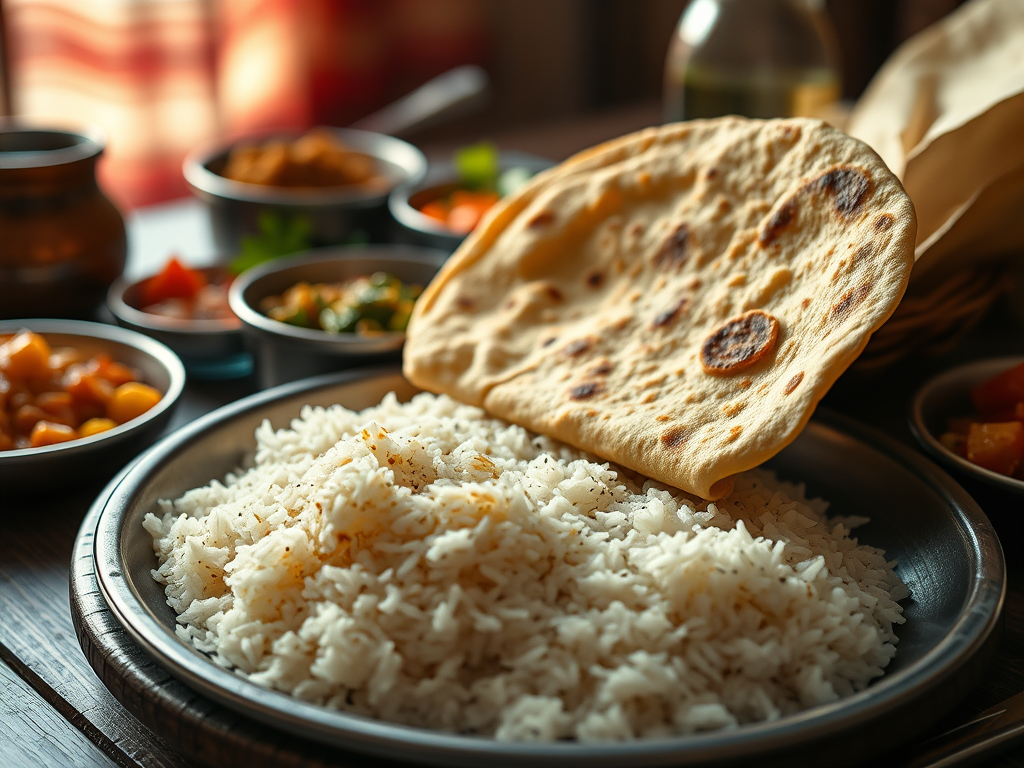
Lucky you! Most grains are soft and chew-friendly. Pile on the fluffy rice, indulge in those melt-in-your-mouth rotis (dunk ’em in dal for extra protein power!), and enjoy that breakfast bread (just maybe avoid the rock-hard baguettes for now). Discomfort? Mash those chapattis into a delightful curry and rice symphony – your taste buds and braces will thank you.

Dairy: Your Calcium Cavalry

Milk, yogurt, cheese – the holy trinity of strong teeth and happy braces! They’re soft, delicious, and pack a calcium punch. Bonus points for milkshakes (because, hello, who doesn’t love a good milkshake?), but go easy on the sugar. Think of yourself as a calcium crusader, venturing forth with every spoonful of yogurt!

Veggies: Your Mashed Marvels

Ah, vegetables – the dietary champions! Most Indian meals involve cooked veggies, which are a breeze for braces. Feeling a bit adventurous? Mash them up for extra comfort. Need a raw veggie fix? Grate those carrots or chop your salad into bite-sized pieces. Just remember, you’re not a superhero (yet!), so skip the superhero-sized bites.

Fruits: Your Juicy Jewels (with a Few Caveats)

Fruits – the colorful crew that adds sweetness to life! But with braces, things can get a little tricky. Apples? Unless you’re feeling like a dental daredevil, cut them up. Unripe pears and peaches? Give them a side-eye. Feeling extra tender after a wire change? Citrus fruits and berries are your new best friends. Remember, if all else fails, fruit juice is always a healthy option. Just a heads-up, though, chomping on icy-cold fruits might not be the most pleasant experience with all that metal in your mouth. Let your food warm up a bit for a friendlier feast.

Nuts & Seeds: Your Sneaky Saboteurs (But We Can Work With Them)

Okay, nuts and seeds – they’re delicious, nutritious, but a real challenge for braces. Here’s the deal: during your orthodontic adventure, swap those whole nuts for nut butters (think creamy peanut butter heaven!) or coarsely grind your favorite seeds. This way, you get the goodness without the potential for a braces breakdown.

Meat: Your Tender and Chopped Champs

Meat – the protein powerhouse! Unfortunately, it can be a bit fibrous and tough on braces. Here’s the golden rule: avoid gnawing on meat straight off the bone (think of your teeth, not your inner caveman). Tofu and cottage cheese are great protein alternatives, but if you must have meat, choose lean, tender cuts and chop them into bite-sized pieces.

The Absolute No-Nos: Your Braces’ Nightmares

Now, let’s talk about the foods that would make your braces weep. Gum (both sugary and sugarless) is a big no-no. Sticky candies? Forget about it. Hard foods like whole nuts (unless grinded), popcorn, corn on the cob, pizza crusts (sorry!), ice, and cookies are strictly off-limits. Think of them as villains in your quest for a perfect smile.

Remember: Consistency is key! Stick to this guide, embrace some creativity in the kitchen, and you’ll be a braces-wearing, balanced-diet pro in no time. Now go forth and conquer that delicious, nutritious world, one bite at a time (and maybe cut that bite in half)!