Complications of Local Anesthesia

🔷 Local Complications:

  • Needle breakage
  • Persistant anesthesia or paresthesia
  • Facial Nerve Paralysis
  • Trismus
  • Soft-tissue injury
  • Hematoma
  • Pain on injection
  • Burning on injection
  • Infection
  • Edema
  • Sloughing of tissues
  • Post-anesthetic intraoral lesions

🔷 Systemic Complications:

  • Vasodepressor syncope
  • Over dosage (toxic reaction)
  • Allergy
  • Psychogenic reactions

Clinical Tip💡

👉🏻Several preventive measures can be followed:📝

1) Select a local anesthetic with a duration of action that is appropriate for the length of the planned procedure.

2) Advise the patient and accompanying adult about the possibility of injury if the patient bites, sucks or chews on the lips, tongue and cheek. They should delay eating and avoid hot drinks until the effects of the anesthesia are totally dissipated.

3) Reinforce the warning with patient stickers and by placing a cotton roll or rolled up gauze (“Bite on the ghost”) in the mucobuccal fold if anesthesia symptoms persist.

4) The management of soft tissue trauma involves reassuring the patient and parent (it’s okay if the tissue turns white), allowing up to a week for the injury to heal, and lubricating the area with petroleum jelly or antibiotic ointment to prevent drying, cracking and pain.

References: Internet; Handbook of LA, 6e by Stanley F Malamed


Dr. Mehnaz Memon🖊

MULTIPLE MYELOMA

🔹Most common primary neoplasm of skeletal system.

  • A disease of bone marrow
  • A malignancy of plasma cells
  • Monoclonal malignancies

🔹Clinical Features:

  1. Age: 60 – 65 years
  2. Sex: M>F
  3. Site: Vertebra, Ribs, Skull, Pelvis, Femur bone.
  4. Symptom: Bone pain (due to compression fractures)
  5. Signs:
  • Lytic bone lesions
  • Anemia
  • Azotemia
  • Hypercalcaemia
  • Recurrent infection

🔹Oral Manifestations:

  1. Jaw: Mandible>Maxilla
  2. Site: Ramus & Angle of mandible at Molar area
  3. Signs:
  • Intraosseous
  • Pain
  • Swelling
  • Numbness
  • Mobility of teeth
  • Extraosseous one’s resemble epulis/gingival enlargement.

🔹Radiographic features: Punched out areas

🔹 Lab. findings:

  1. Hyperglobulinemia
  2. Bence Jones protein in urine – Also seen in leukemia, polycythemia
  3. ⬆️ ESR
  4. ⬆️ Alkaline phosphatase
  5. Hyperuricemia

🔹Histological Features:

1. Cells are closely packed in large sheets..👇🏻

  • Round/Ovoid
  • Nuclei – eccentric placed
  • Chromatin clumping in a cart wheel/checkerboard pattern
  • Perinuclear halo (Golgi complexes)

2. Russell bodies: Russell bodies are multiple round cytoplasmic hyaline inclusions that are frequently seen in bone marrow aspirates in myeloma. They are composed of immunoglobulin molecules within vesicular structures derived from rough endoplasmic reticulum. Plasma cells containing them are sometimes referred to as Mott cells.

🔹Treatment:

  1. Bisphosphonate therapy
  2. Chemotherapy

References: Shafer’sTextbook Of Oral Pathology


Dr. Mehnaz Memon🖊

Nutrition, Diet & Dental Caries

  • Nutritional effects – systemically
  • Dietary effects – Locally

Vitamin D :-

➡️ Vit. D along with Parathyroid hormones & calcitonin play primary roles in regulating the concentration of Calcium & inorganic phosphate in plasma & ECF and in controlling mineralization of bones & teeth.

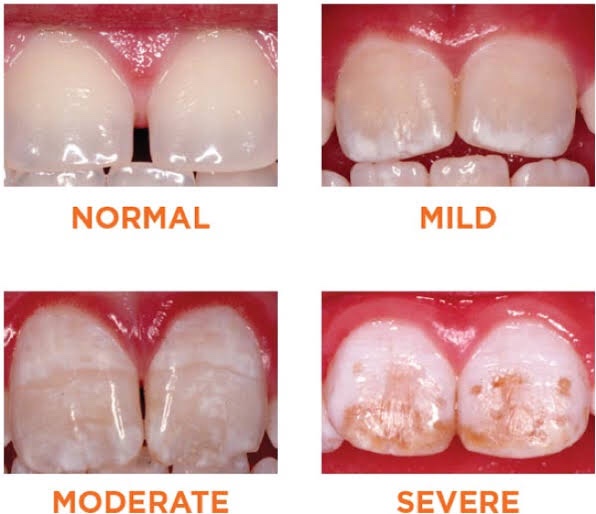
➡️ Quantitive defect in enamel tissue from metabolic injury to Ameloblasts – ENAMEL HYPOPLASIA

Source: Google
  • Clinical Significance: Roughened surface with discrete pitting / circumferential band like irregularities which post eruptively acquire a yellow brown stain.

Carbohydrate intolerance & Dental Caries:

➡️ Intolerance occurs because of deficiency of a specific enzyme involved in metabolism of sugar.

Hereditary fructose intolerance: (Froesch,1959)

  • Inborn error of fructose metabolism transmitted by an autosomal recessive gene.
  • Episodes of pallor, nausea, vomitting, coma & convulsions following ingestion of fruit containing fructose/cane sugar.
  • ⬇️ Dental caries.

Diet Modification:

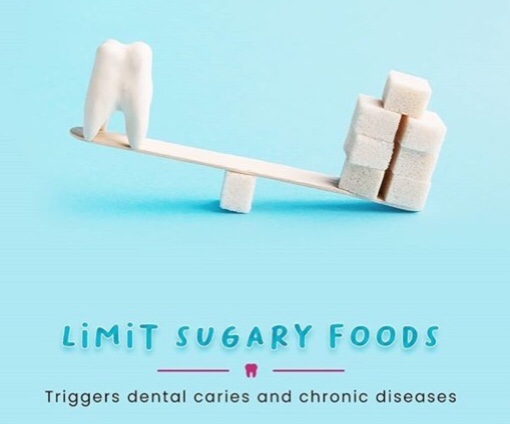
➡️ Dietary sucrose has 2 effects on plaque:

  1. Frequent ingestion – S. Mutans colonization ⬆️
  2. Mature plaque exposed to sucrose metabolizes to organic acids – ⬇️ pH

Dietary Measures:

Source: mfine
  1. No. of meals + snacks as low as possible.
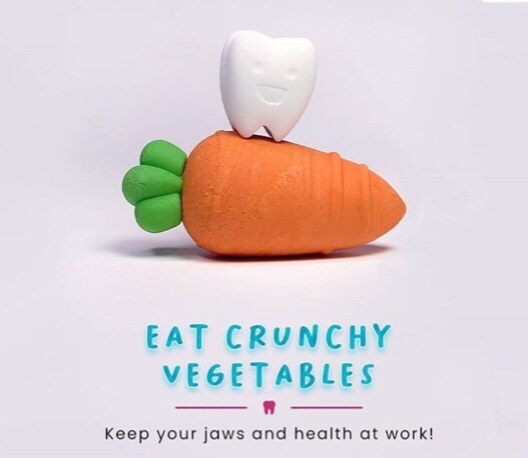
  2. Sugars – eliminated; Active chewing foods ➡️ desirable
  3. Fermentable Carbs.
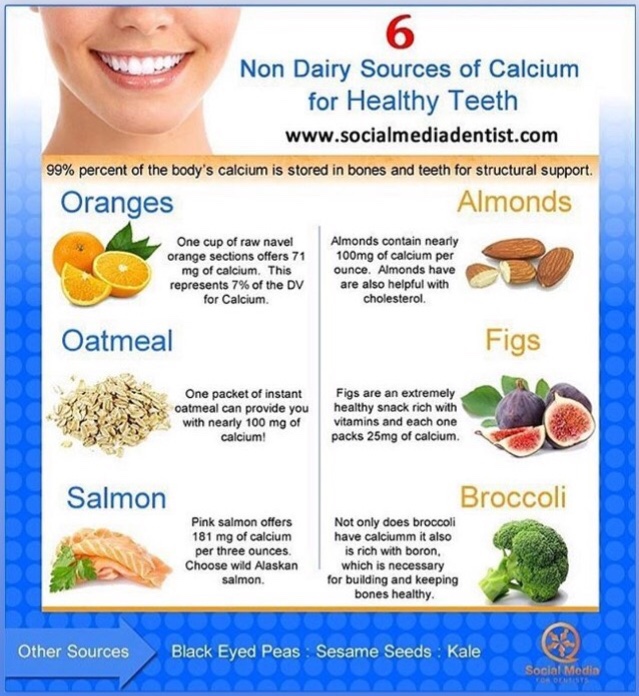
  4. Flouride, Calcium, Phosphate, fats & proteins – in diet.
  5. Sugar substitutes – ⬇️ acid formation.

Adequacy of Diet:

Source: mfine
  1. Fats, oils, sweets – use sparingly.
  2. Milk, yogurt, cheese group: 2-3 servings
  3. Vegetable group: 3-5 servings
  4. Fruit group: 2-4 servings
  5. Meat, fish, eggs, nuts: 2-3 servings
  6. Bread, Rice, Pasta, Cereal: 6-11 servings.

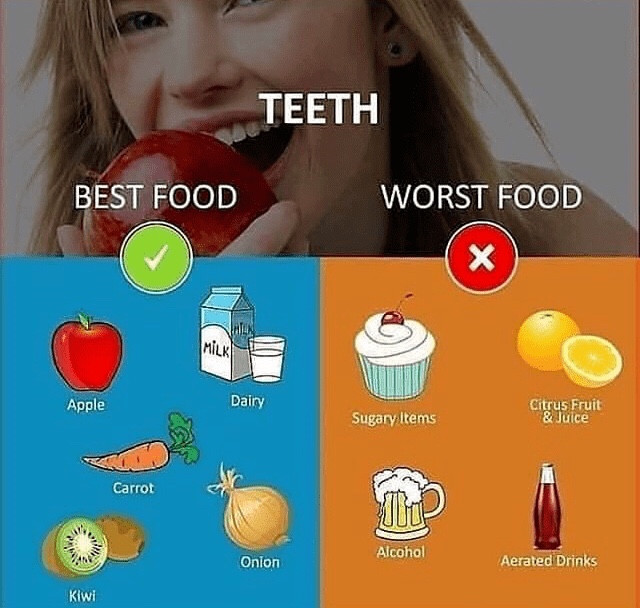
Anti-cariogenic foods:

Source: Foodsmix
  1. Milk – least cariogenic
  2. Cheese – casein phosphatase
  3. Fibrous foods
  4. Tea
  5. Chewing gum – Salivary stimulant
  6. Xylitol👇🏻
  • Bacteriostatic
  • ⬆️ salivary flow
  • ⬆️ concentration of Amino acids & NH3 – Neutralize plaque acids.
  • Prevents S. Mutans binding to sucrose.

➡️ Dietary and nutrition education appropriate for dental settings are an essential component of guidelines or standards of practice that determine successful management of dental caries and the patient’s quality of life accross time.

Nutrition, Diet & Dental Caries:
Dr. Mehnaz Memon

References: Practical manual guide by CM Marya, Internet