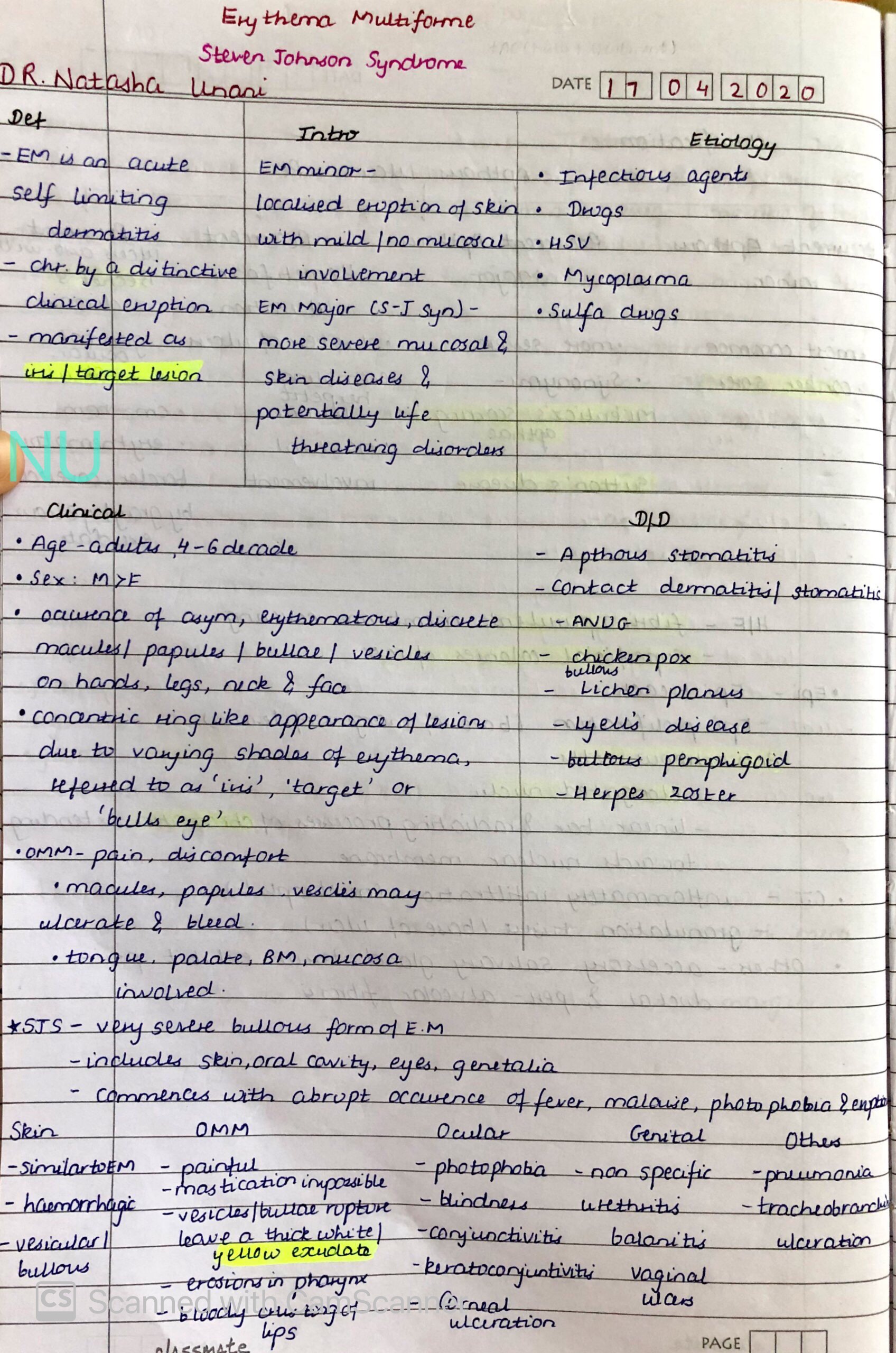
source – don’t remember, had written it long back
Category: Uncategorized
DEADLY DOZEN (threats from chest injury )

SOURCE – Nancy 13th edition
OBJECGIVES OF CLEANING AND SHAPING OF ROOT CANALS

SOURCE – NISHA GARG TEXTBOOK
ACINIC CELL CARCINOMA
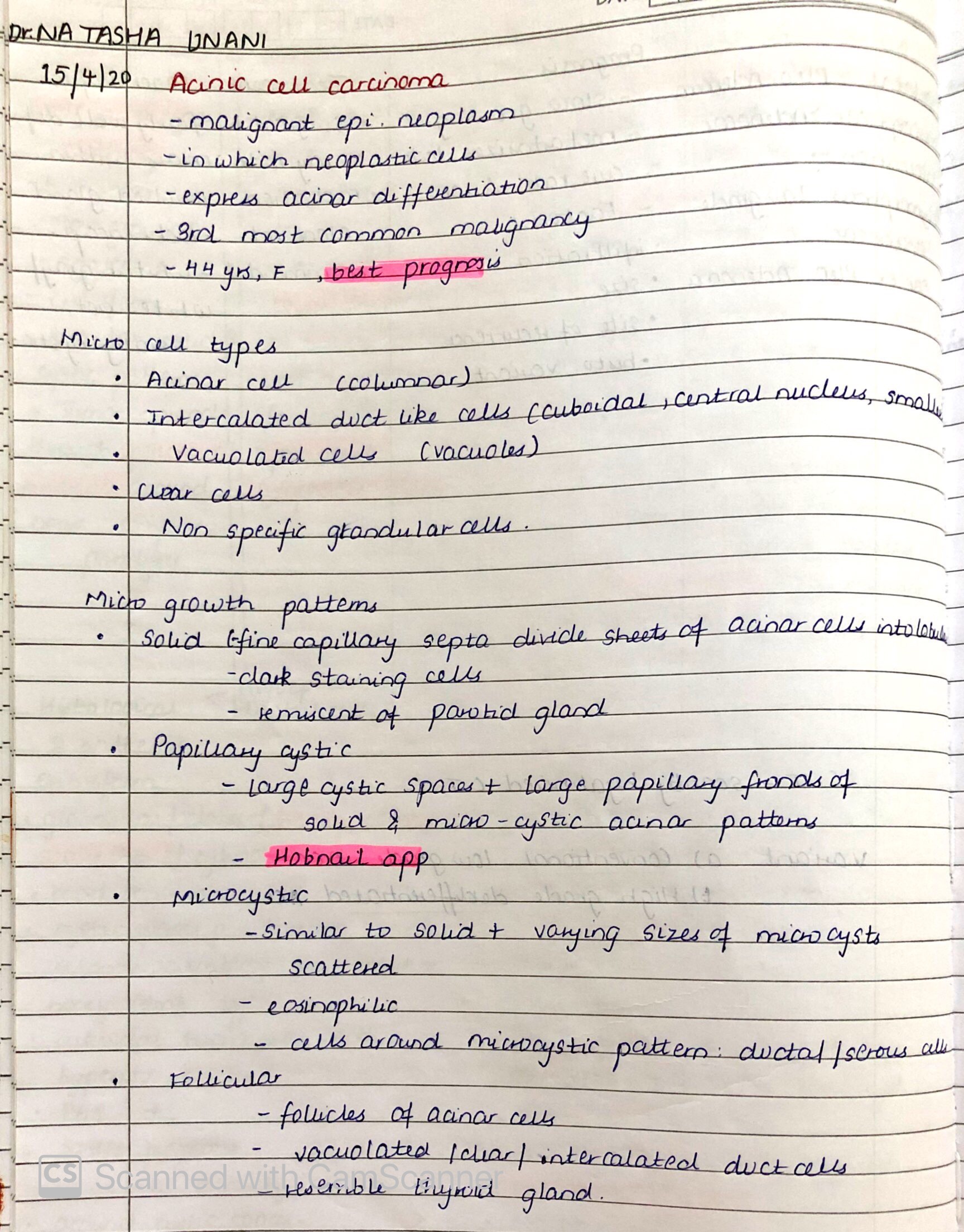
source – don’t remember, had written it long back
Adenoid cystic carcinoma
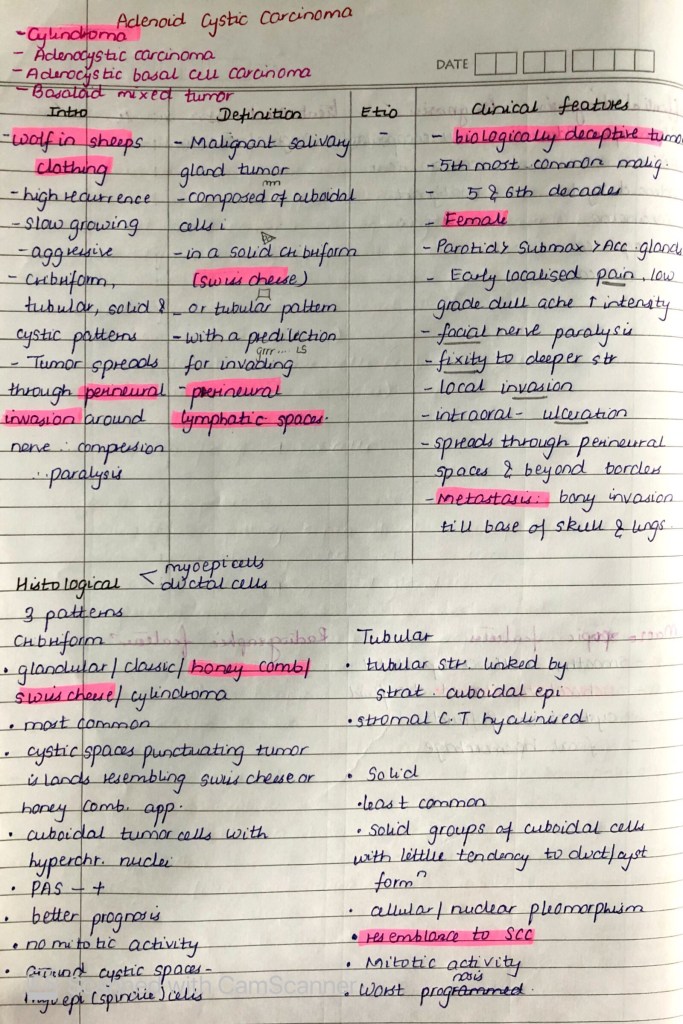
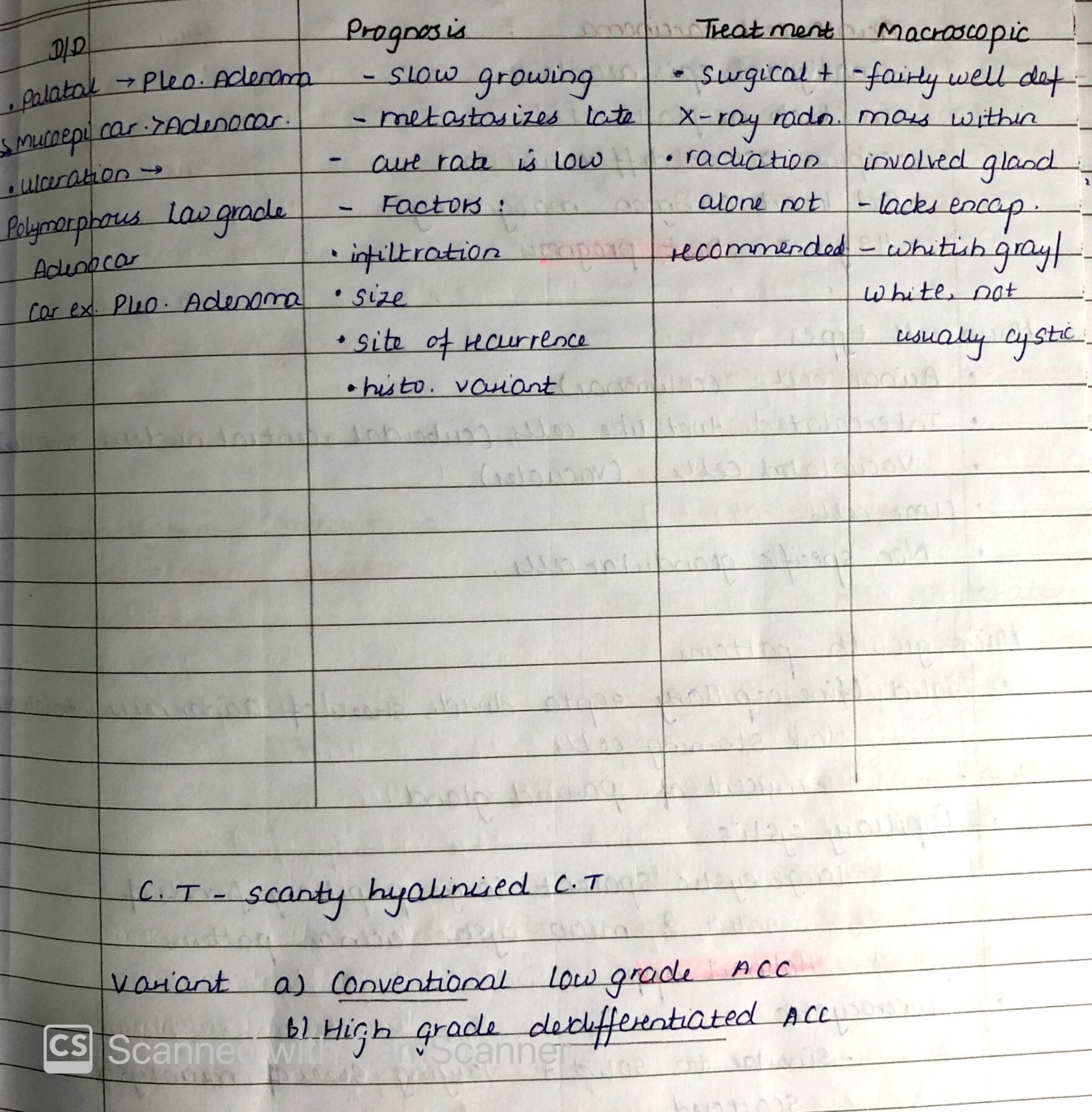
DR NATASHA UNANI
source – don’t remember, had written it long back
INFLUENCE OF AGING ON PULP


SOURCE – NISHA GARG TEXTBOOK
NEWER IRRIGATING SOLUTIONS

SOURCE – NISHA GARG TEXTBOOK
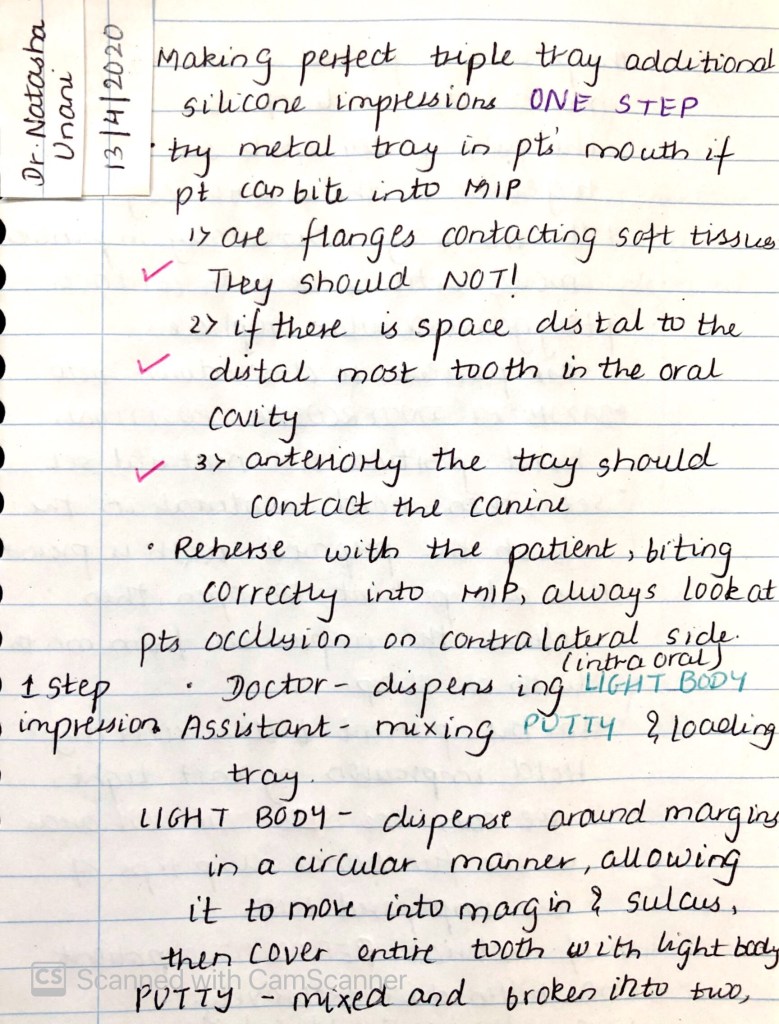
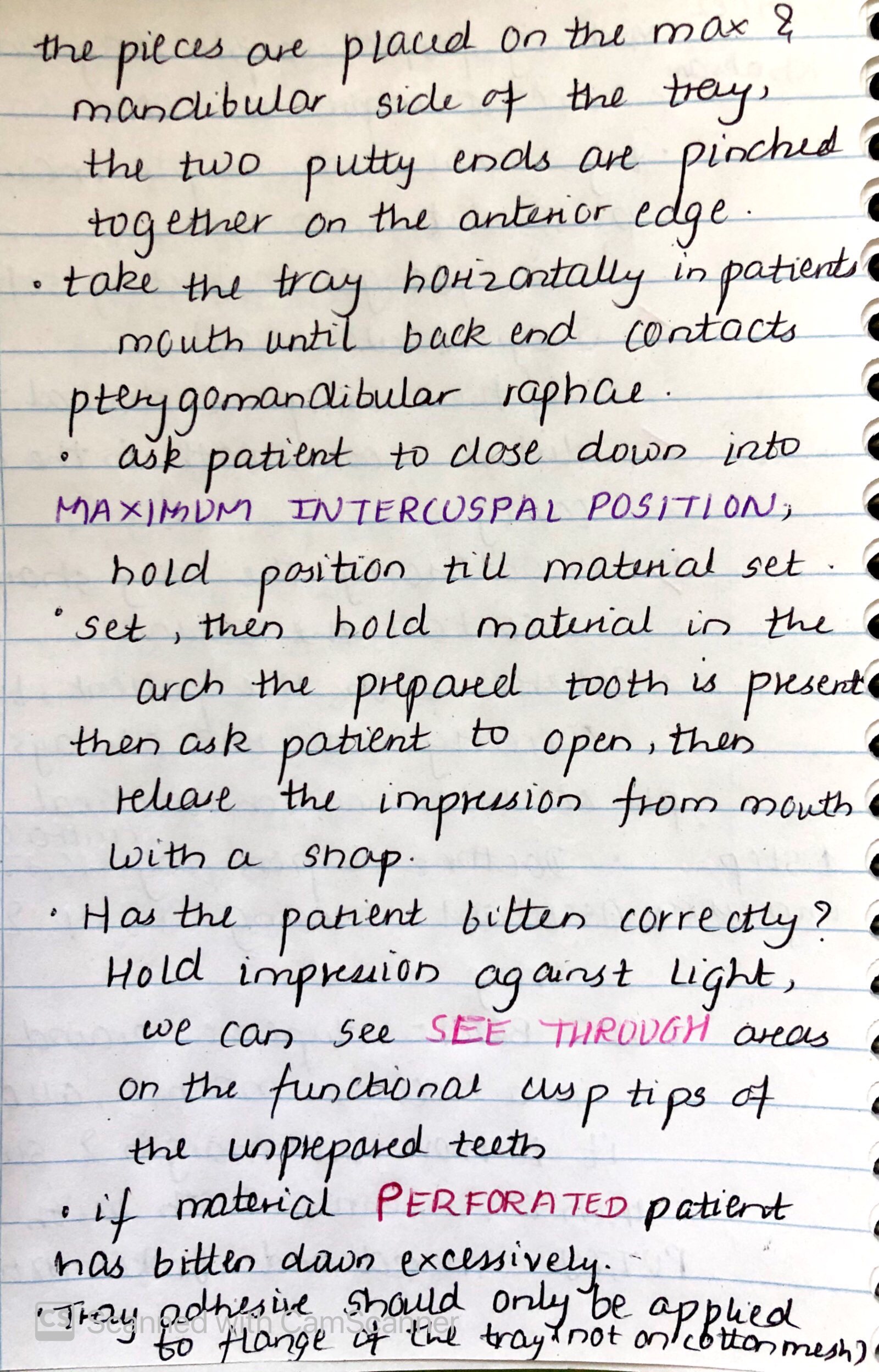
Making the perfect triple tray addition silicone impression
DR NATASHA UNANI
source – don’t remember, had written it long back
Updates on Treatment and Management of Patients with COVID-19 Infection

Recommendation 1: hydroxychloroquine/chloroquine in the context of a clinical trial. (Knowledge gap)
Recommendation 2: hydroxychloroquine/chloroquine plus azithromycin only in the context of a clinical trial. (Knowledge gap)
Recommendation 3: the combination of lopinavir/ritonavir only in the context of a clinical trial. (Knowledge gap)
Recommendation 4: COVID-19 pneumonia, the IDSA guideline panel suggests against the use of corticosteroids.
Recommendation 5: ARDS due to COVID-19, the IDSA guideline panel recommends the use of corticosteroids in the context of a clinical trial. (Knowledge gap)
Recommendation 6: tocilizumab only in the context of a clinical trial. (Knowledge gap)
Recommendation 7: COVID-19 convalescent plasma in the context of a clinical
trial. (Knowledge gap)
RESULTS OF RECOMMENDATION 1 and 2
- HCQ failed to demonstrate a beneficial effect of HCQ on clinical progression of COVID-19 or on viral clearance by PCR tests
- Addition of azithromycin to HCQ provided indirect comparisons of failure of virologic clearance to historical controls.
- HCQ+AZ experienced numerically fewer cases of virologic failure
- Relying on intermediary outcomes, such as viral clearance to determine patient-important outcomes add another layer of imprecision.
- HARM: significant QT prolongation in 10 of 95 treated patients. Hence, Baseline and follow-up ECG monitoring would be indicated.
- Conclusions and research needs for this recommendation: The guideline panel recommends that the use of HCQ or the HCQ+AZ combination only be used in the context of a clinical trial.
RESULTS OF RECOMMENDATION 3
- No effect on mortality and clinical improvement
- Side effects: (GI and skin)
- anorexia, nausea, abdominal discomfort, or diarrhoea, as well as two serious adverse episodes of acute gastritis.
- Self-limited skin eruptions
- Conclusions and research needs for this recommendation: The guideline panel recommends the use of lopinavir/ritonavir only in the context of a clinical trial.
RESULTS OF RECOMMENDATION 4 and 5
- Delayed viral clearance associated with corticosteroid use.
- One small RCT in 24 patients using lower dose methylprednisolone for two days showed possible improvement of ARDS; however, two larger trials showed little or no effect in critically ill patients with pulmonary failure.
- Small subset of patients progresses from COVID-19 pneumonia to develop ARDS.
- Based on limited data from other coronaviruses, there is no clear benefit and potential harm from corticosteroids.
- If a person is on a steroid (inhaled or systemic) for another indication (e.g., asthma), the steroid should be continued.
RESULTS OF RECOMMENDATION 6
- Tocilizumab may have reduced mortality since there were no deaths reported
- Patients receiving tocilizumab are often at an increased risk of serious infections (bacterial, viral, invasive fungal infections, and tuberculosis) and hepatitis B reactivation
- Elevated IL-6 levels seen in inflammatory states have been shown to inhibit these enzymes thereby slowing the metabolism of drugs through these pathways
- Administration of IL-6 inhibitors like tocilizumab may result in enhanced metabolism in drugs utilizing the cytochrome P450 system
RESULTS OF RECOMMENDATION 7
- This looks benefecial
- Compared with a 30% mortality rate in the historical control (3/10), no deaths were reported among patients receiving COVID-19 convalescent plasma.
- No. serious adverse reactions or safety events were recorded following COVID-19 convalescent transfusion.
- Continuation of mechanical ventilation was used as a surrogate for failure of clinical improvement
- Given the limited information provided about time of extubation, the panel recognized an additional knowledge gap with the assessment of this outcome.
SOURCE:
Last updated April 11, 2020 at 10:58 AM EDT and posted online at http://www.idsociety.org
Article name: Infectious Diseases Society of America Guidelines on the Treatment and Management of Patients with COVID-19 Infection.
Please check website for most updated version of these guidelines.
COVID-19 and Water transmission
Can the virus exist in drinking water?
Conventional water treatment methods that use filtration and disinfection, such as those in most municipal drinking water systems, should remove or inactivate the SARS-CoV-2 virus that causes COVID-19.
Can the SARS-CoV-2 virus spread through pools and hot tubs?
Proper operation, maintenance, and disinfection (e.g., with chlorine and bromine) of pools and hot tubs should remove or inactivate the virus that causes COVID-19. However, chlorinated pools do not decrease your risk of droplet transmission of the virus (being coughed or sneezed on) and we recommend to practice social isolation and quarantine as recommended by the health authorities in your country during this pandemic.
What about sewers, gutters, and feces?
The virus that causes COVID-19 has been detected in the feces of some patients diagnosed with COVID-19. The risk of transmission is expected to be low. There have been no reports of fecal-oral transmission of COVID-19 to date.
Transmission of COVID-19 through sewage may be possible, there is no evidence to date that this has occurred. SARS, a similar coronavirus, has been detected in untreated sewage for up to 2 to 14 days. In the 2003 SARS outbreak, there was documented transmission associated with sewage aerosols. Therefore, wastewater and sewage workers should use standard practices, practice basic hygiene precautions, and wear personal protective equipment.
Source:
Water Transmission and COVID-19
https://www.cdc.gov/coronavirus/2019-ncov/php/water.html
 Dentowesome