Biotransformation

Chemical alteration of the drug in a living organism is called biotransformation.

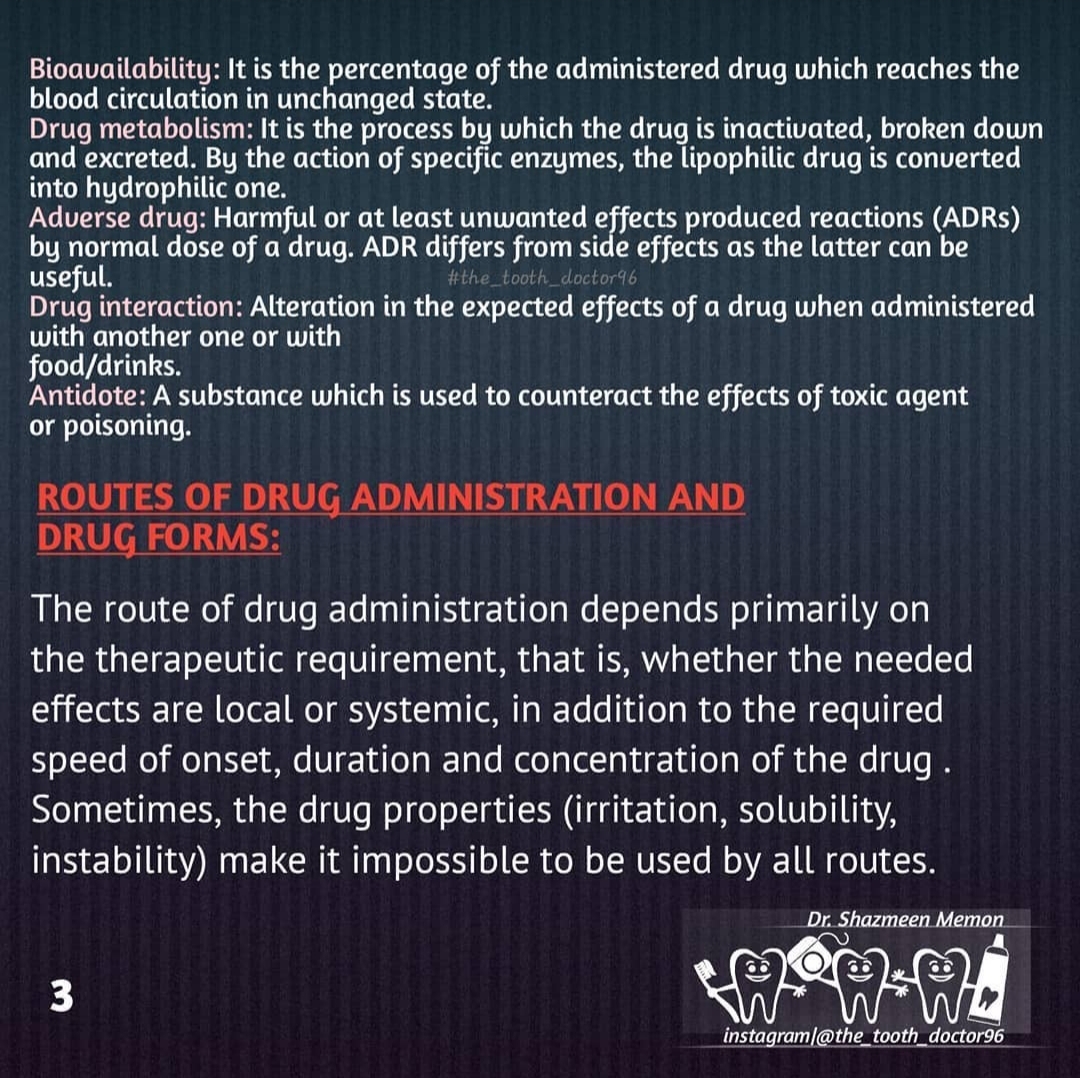
The metabolism of a drug usually converts the lipid-soluble and unionized compounds into water-soluble and ionized compounds.

They are not reabsorbed in the renal tubules and are excreted. If the parent drug is highly polar (ionized), it may not get metabolized and is excreted as such.

Sites: Liver is the main site for drug metabolism: other sites are GI tract, kidney, lungs, blood, skin and placenta.

1.Active drug to inactive metabolite: This is the most common type of metabolic transformation

Phenobarbitone – Hydroxy Phenobarbitone

Phenytoin- P-Hydroxy Phenytoin

2.Active drug to active metabolite

Codeine – Morphine

Diazepam — Oxazepam

3. Inactive drug to active metabolite

Prednisone -Prednisolone

Levodopa- Dopamine

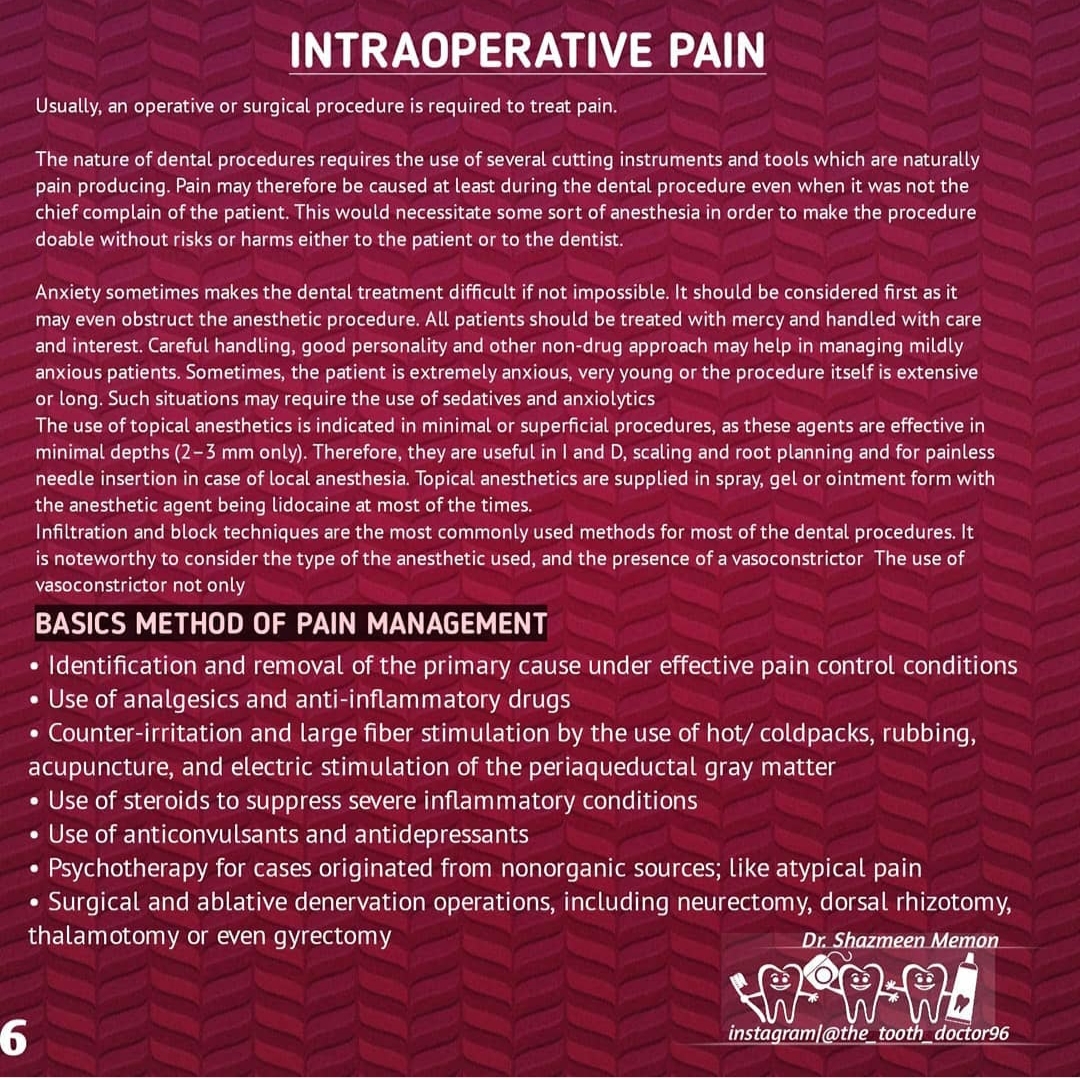
CONSIOUS SEDATION

Source – pinterest

Conscious Sedation

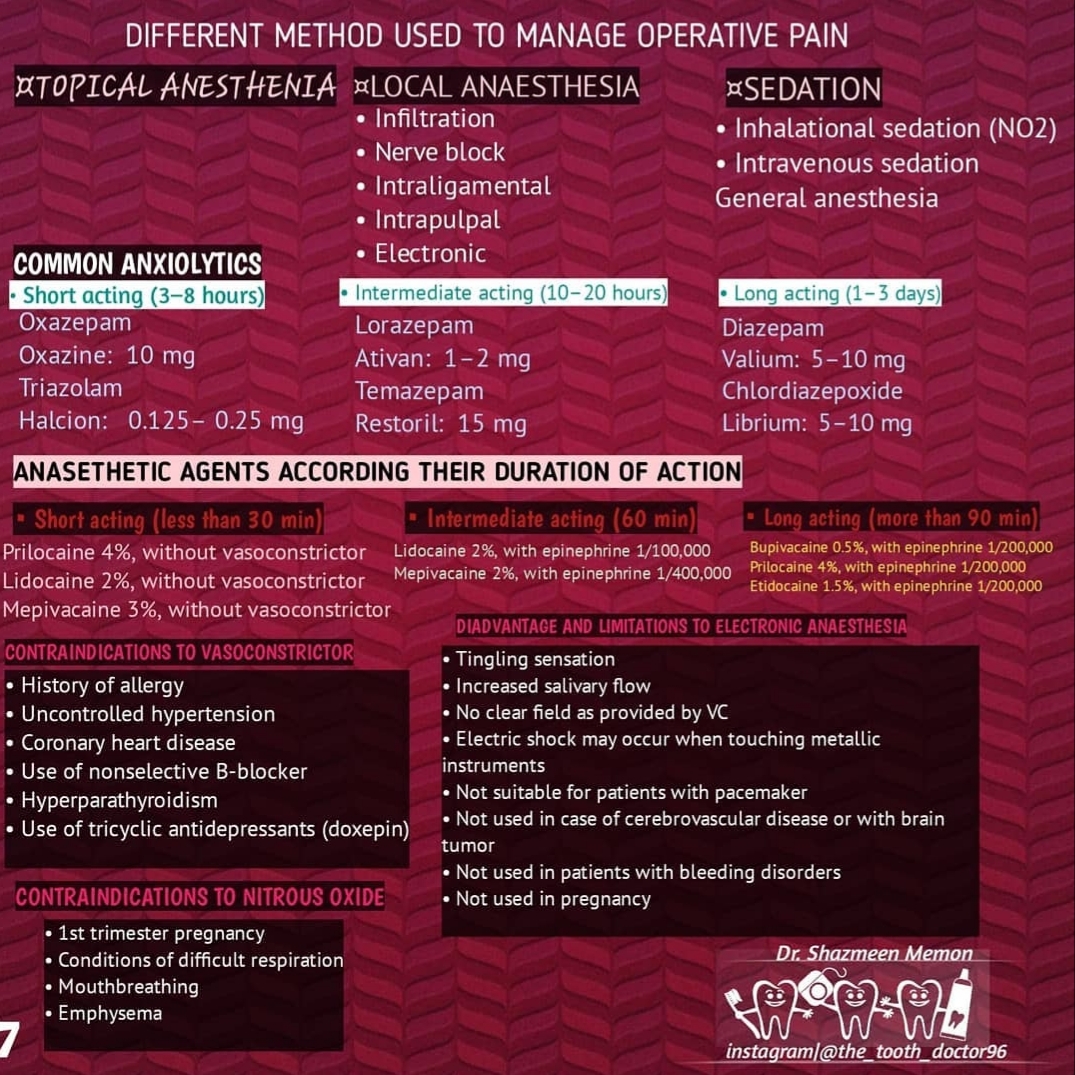
Conscious sedation is a level of CNS depression where a patient does not lose consciousness but is able to communicate and cooperate during the procedure/treatment.

Indications

•Uncooperative patients.

• Anxious patients.

• Emotionally compromised patients.

Conscious sedation should be avoided in:

• Chronic obstructive pulmonary disease.

• Pregnancy

• Prolonged surgery.

• Psychoses

Drugs used

Drugs used

  1. Benzodiazepines
  • Diazepam is the most commonly used drug for conscious sedation.
  • Small doses (1-2 mg) of diazepam is administered intravenously slowly. It can also be administered orally.
  • Midazolam is a short-acting BZD given intravenously. Temazepam is given orally. It is safe and has better patient compliance.
  1. Nitrous oxide + oxygen: Nitrous oxide is given by inhalation route along with 100% oxygen.
  1. Propofol( i.v. infusion), fentanyl (i.v.), etc. can also be used for conscious sedation.

Precautions

• Written informed consent should be obtained from the patient prior to the procedure.

• Conscious sedation should be administered by trained personnel.

• Constant monitoring of the vital signs should be done during and after the procedure.

• The procedure should be documented. Postoperative instructions should be in written form.

• Equipment and emergency drugs should be kept ready to tackle any emergency • Patient should be escorted by an attendant.

Source- textbook of pharmacology for dental students – Tara V Shanbhag

Status asthmaticus

Treatment of Acute Severe Asthma (Status Asthmaticus)

  • Humidified oxygen inhalation
  • Nebulized beta 2 Adrenergic agonist (salbutamol 5 mg/terbutaline 10 mg) + cholinergic agent ipratropium bromide 0.5 mg
  • Systemic glucocorticoids: Intravenous hydrocortisone 200 mg i.v stat followed by a hydrocortisone 100mg or oral prednisolone 30-60 mg day, depending on the patient’s condition
  • Intravenous fluids to correct dehydration
  • Potassium supplement: To correct hypokalemia produced by repeated dose of salbutamol or terbutaline.
  • Sodium bicarbonate to treat acidosis
  • Antibiotics to treat infection

Paracetamol poisoning

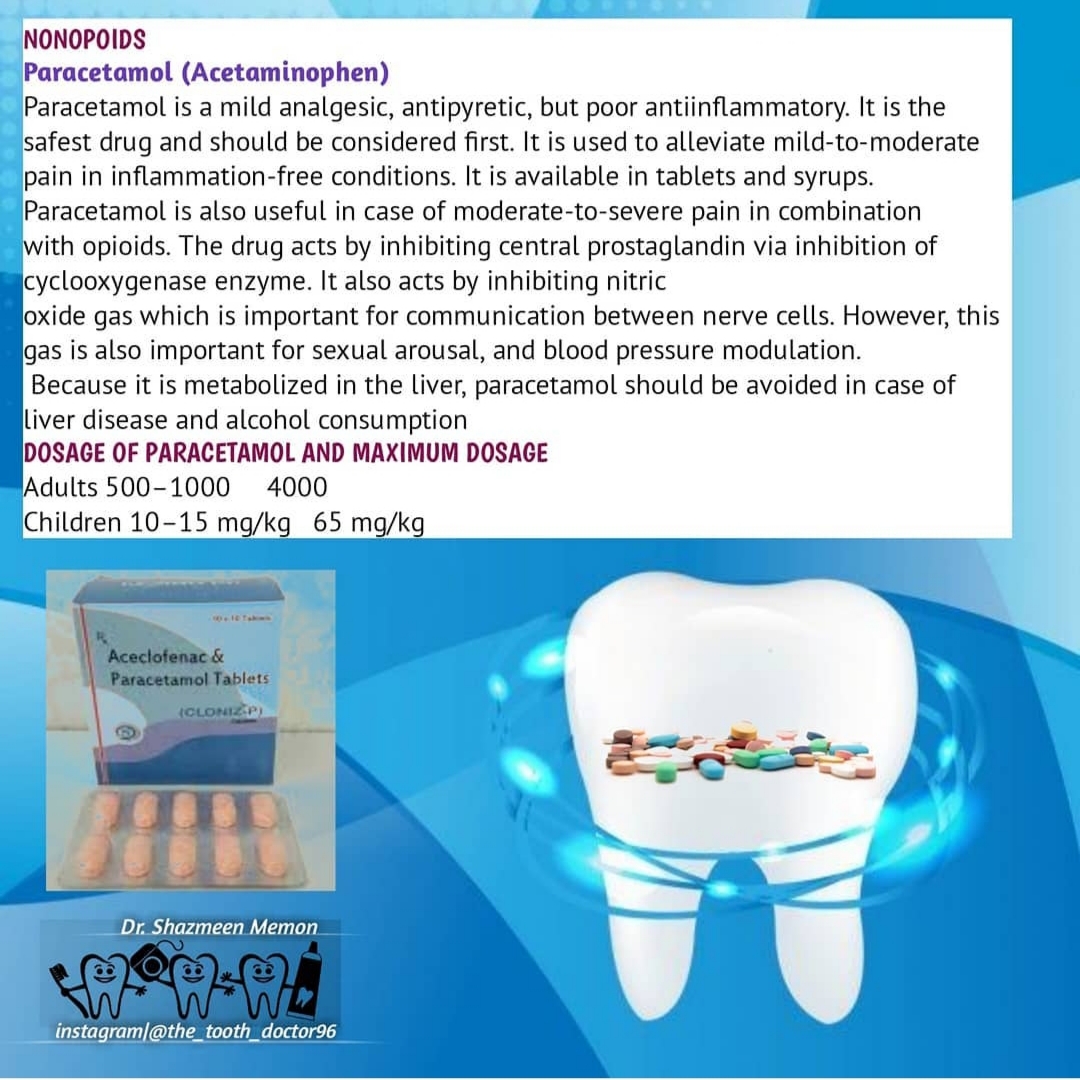
Paracetamol (acetaminophen)

Paracetamol is effective by oral and parenteral routes. It is well absorbed, widely distributed all over the body, metabolized in liver by sulphate and glucuronide conjugation. The metabolites are excreted in urine.

Uses

1.As an antipyretic– reduces body temperature

2.as an analgesic to relieve headache , toothache, bodyache

2. Preferably used in asthmatics patients with peptic ulcers , hemophilia

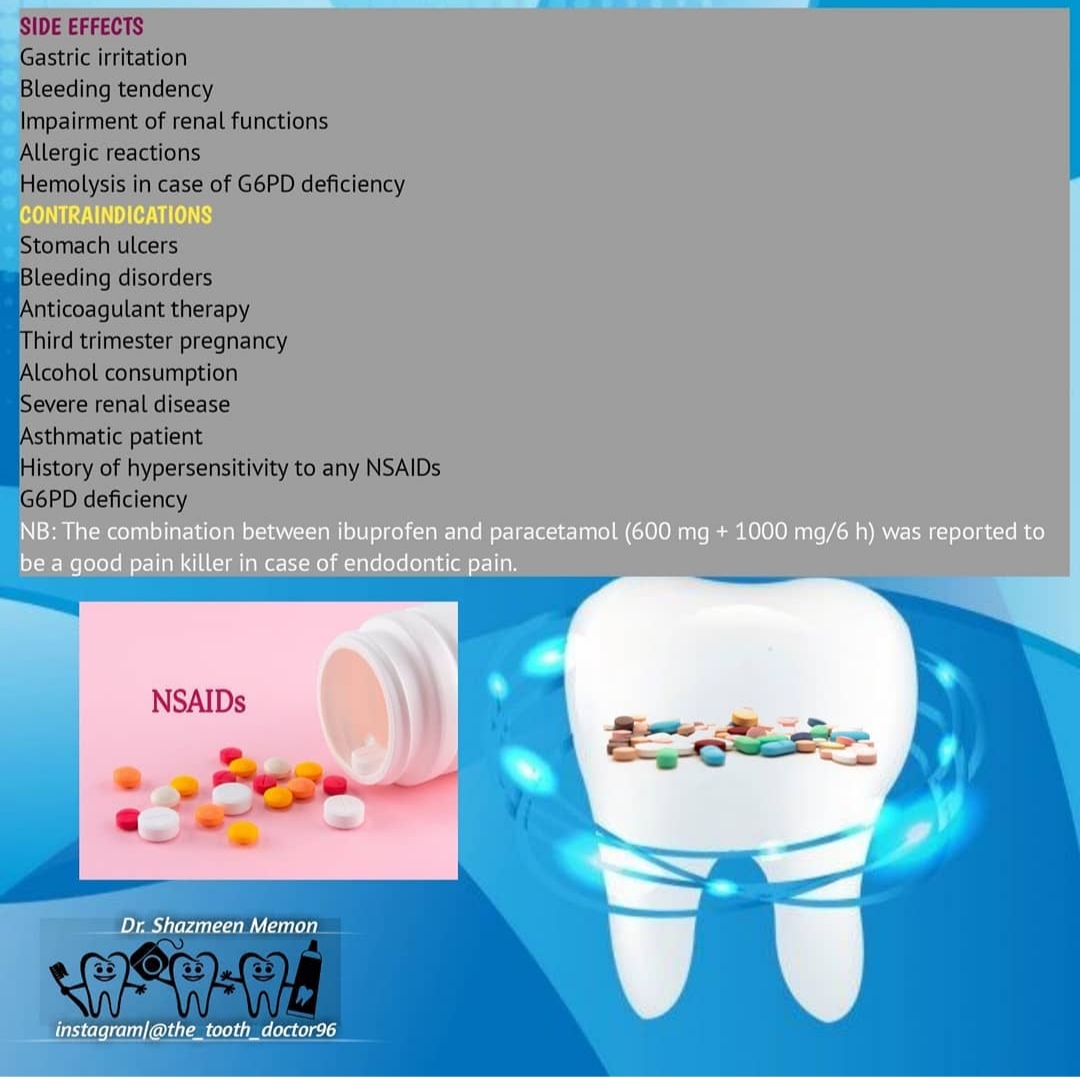
Adverse effects

  • Side effects are rare, occasionally causes skin rashes and nausea.
  • Hepatotoxicity: with acute overdose or chronic use.
  • Nephrotoxicity is commonly seen on chronic use.

Acute paracetamol poisoning

Acute overdose mainly causes hepatotoxicity the symptoms are –

nausea, vomiting, diarrhea abdominal pain, hypoglycaemia, hypotension, hypoprothrombinemia, coma, etc.

Death is usually due to hepatic necrosis.

Mechanism of toxicity and treatment

1.The toxic metabolite of paracetamol is detoxified by conjugation with glutathione and gets eliminated.

2.High doses of paracetamol cause depletion of glutathione levels. In the absence of glutathione, toxic metabolite (NAPQI) binds covalently with proteins in the liver and kidney and causes necrosis. Alcoholics and premature infants are more prone to hepatotoxicity.

3.N-Acetylcysteine or oral methionine replenishes the glutathione stores of the liver and protects liver cells.

4.Activated charcoal is administered to decrease the absorption of paracetamol from the gut. renal failure.

5.Haemodialysis may be required in cases with acute renal failure.

Source – textbook of pharmacology for dental students- Tara Shanbhag

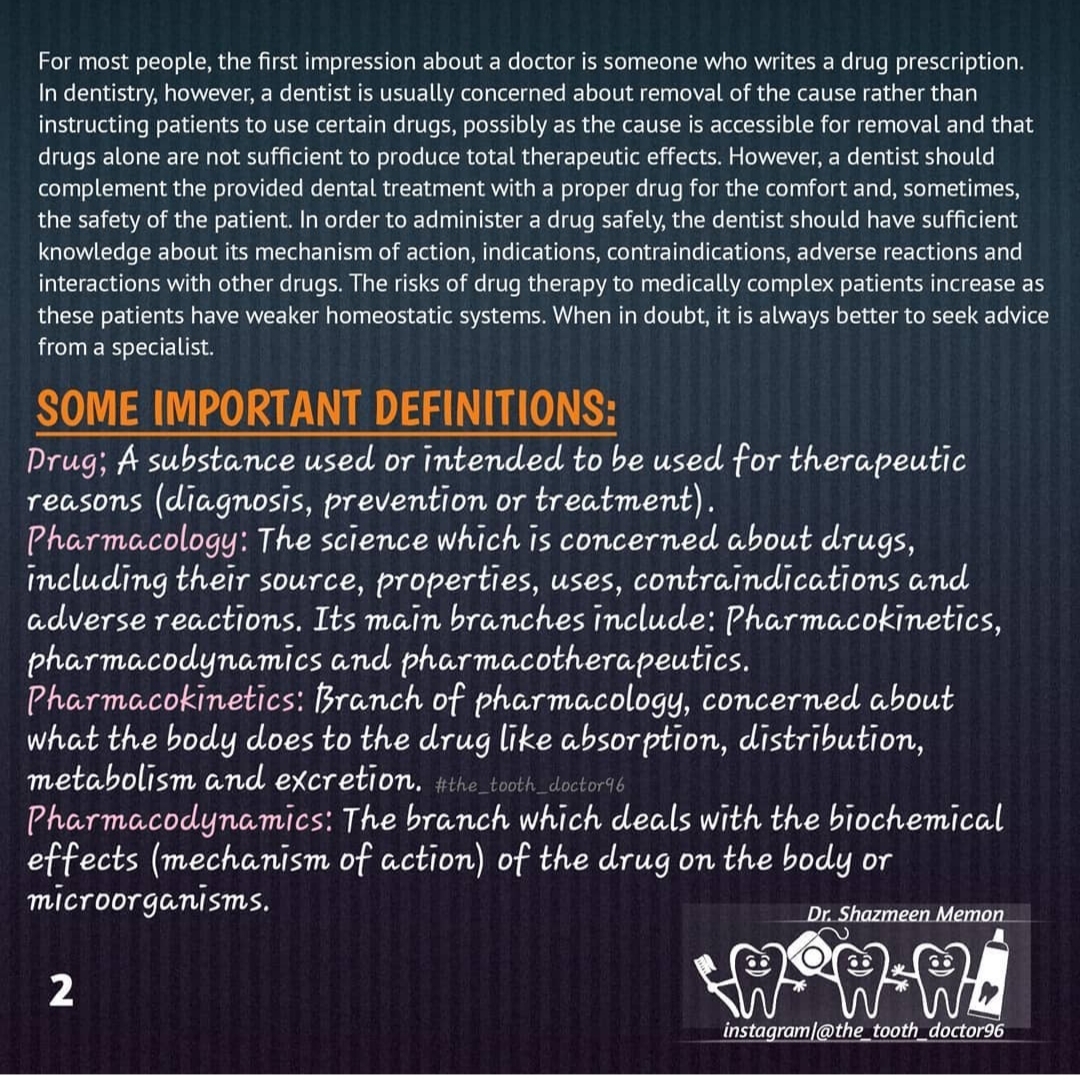
Pharmacokinetics: Bioavailability & Metabolism

Absorption

  • Drug absorption into the systemic circulation from the administration site.

Distribution

  • Distribution to the site of action.

Elimination

  • Drug elimination from the body.

Additional, commonly used terminology includes:

  • Molecular movement (permeation)
  • Metabolism
  • Disposition is used to describe the combined effects of both metabolism and elimination.

BIOAVAILABILITY FORMULA

  • Let’s start with the formula for bioavailability and then illustrate features of each of the variables.

Formula

  • F = f x (1 – ER)

Variables

  • F = Systemic Bioavailability
  • f = Extent of Absorption
  • ER = Extraction Ratio

INTRAVENOUS & ORAL ADMINISTRATION: PHYSIOLOGIC DIAGRAM

  • To understand what is meant by these variables, let’s diagram the physiology of intravenous absorption and oral absorption, so we can better imagine how various factors influence the bioavailability that comes from these two modes of administration.
  • First draw an outline of a human body and establish our target site as an arm muscle.
    • We can imagine a patient who is having painful muscle spasms in the arm and we must get drug to the arm muscle membrane to reduce contractility.
  • Draw the heart and show direct arterial circulation to the muscle (the target site).

INTRAVENOUS ADMINISTRATION

  • Indicate that we can administer the medication (eg, diazepam) intravenously.
  • Show that the venous circulation empties into the heart and then passes into the arterial circulation to reach the target site.
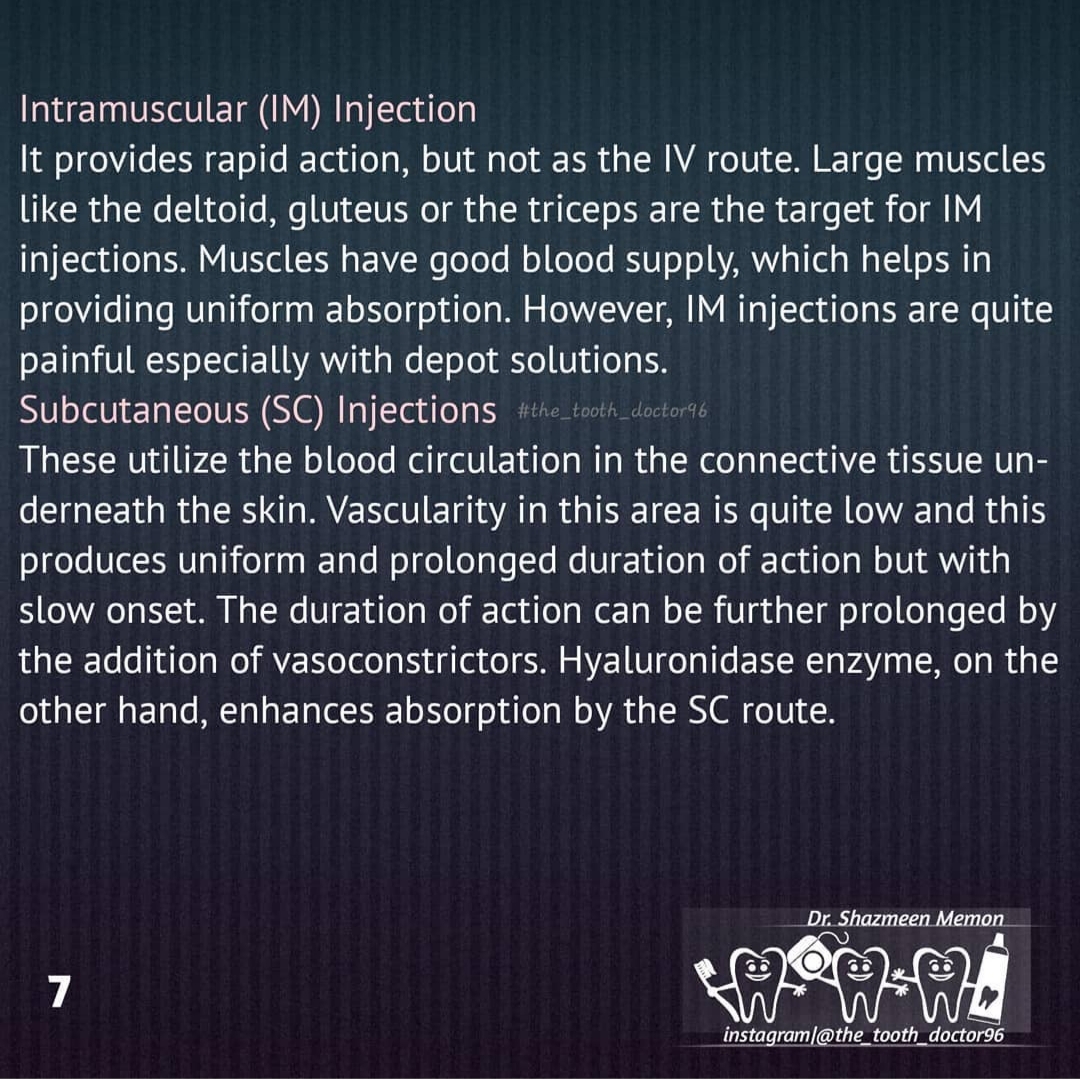
  • In this situation, the drug immediately enters the systemic circulation without any barriers or metabolism and so the bioavailability is 100%.
    • 100% of the drug reaches the systemic circulation unchanged.

IV Biovailability

  • By definition, IV bioavailability is always 100%.

ORAL ADMINISTRATION (PO)

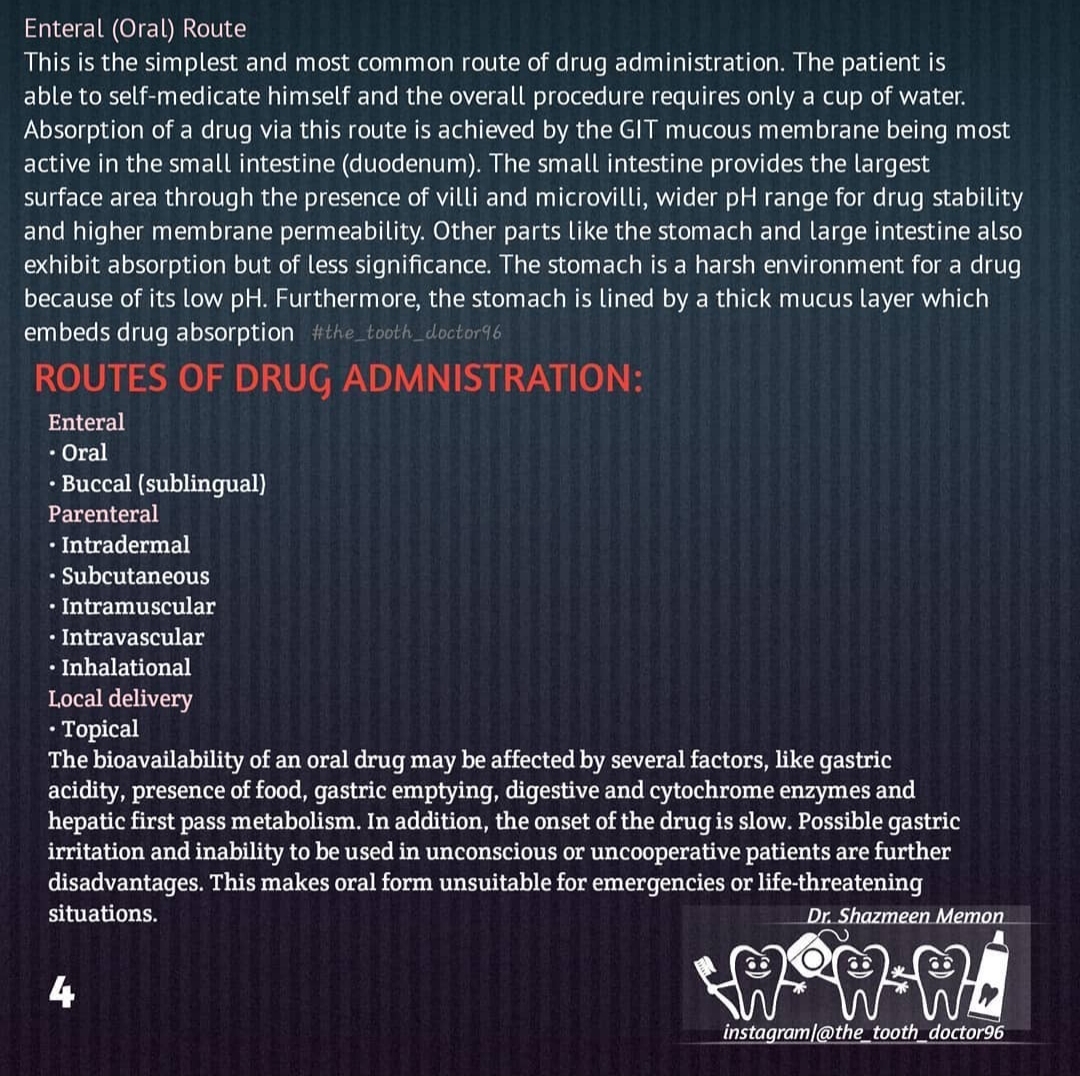
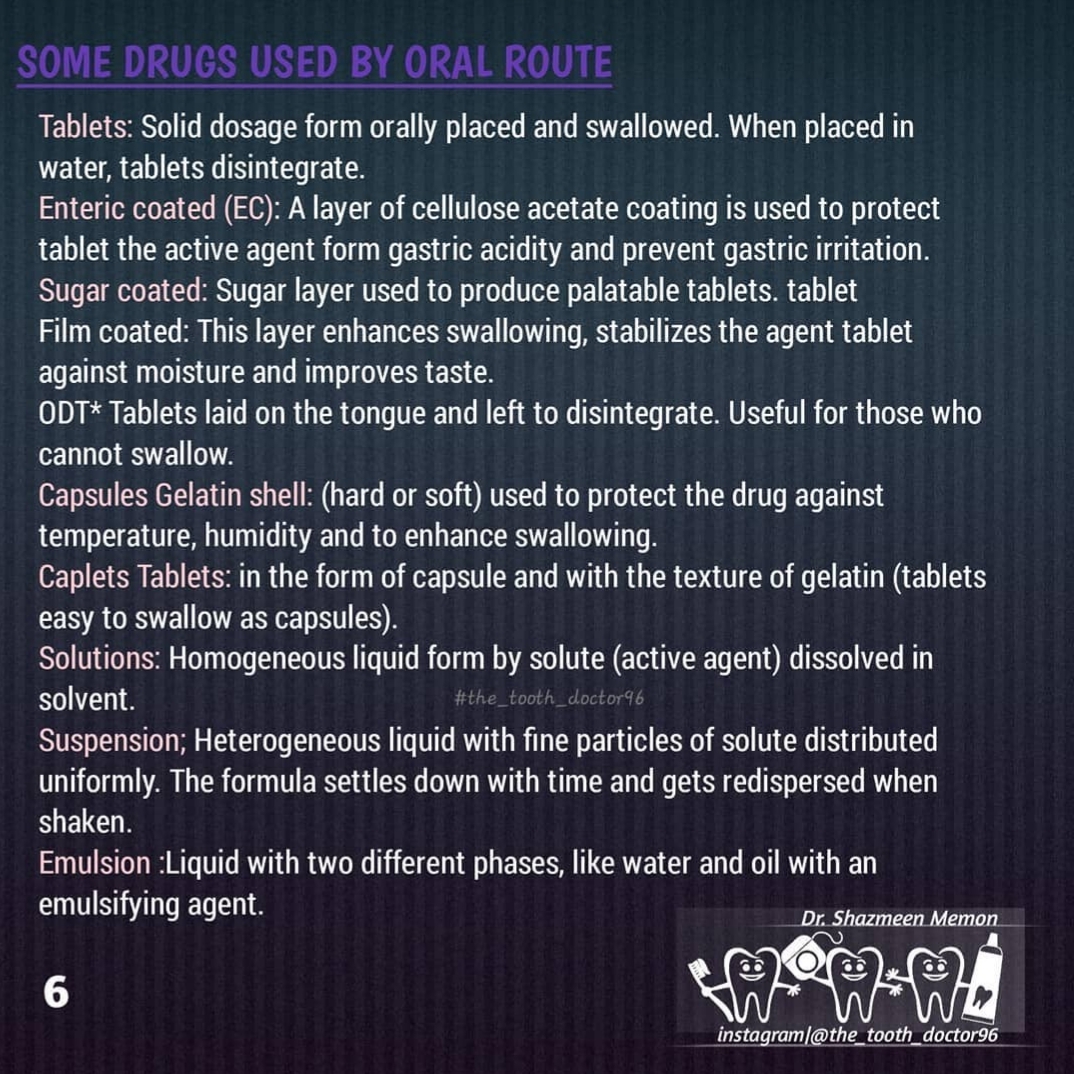
  • Now, let’s address oral bioavailability (we focus on oral administration in this tutorial).

GI absorption

  • First, GI absorption. We’ll skip the oral cavity where some absorption can happen via the mucosal membranes and instead draw the stomach, small intestine, and pancreas. These organs are key to GI absorption. Later, we’ll address why the small intestine is so well suited for absorption.

First Pass Effect

  • Next, draw a liver and gallbladder and indicate that they are important modulators of bioavailability because of the first pass effect, wherein the drug undergoes hepatic metabolism and gallbladder excretion (we address the extraction ratio formula soon).

Hepatic Portal Vein

  • Now, show that the pill is absorbed PO and passes via the hepatic portal vein through the liver and then via the inferior vena cava into the heart.
  • From there it will reach to the target site via arterial circulation (like the IV administration).
    • Thus, hepatic portal circulatory issues will affect drug delivery to systemic circulation.

Gut Absorption Factors

  • Indicate some basic factors that can affect gut absorption:
    • Gastric emptying will effect drug delivery to the small intestine and thus affect pharmacokinetics.
    • GI blood flow will impact pharmacokinetics.
    • Stomach pH impacts drug diffusion across membranes (we’ll see why later)
    • Interactions between the drug and other drugs and inert substances will impact its absorption.

Oral Bioavailability

  • Let’s summarize some key factors we can visualize in bioavailability:
    • Gut absorption
    • First pass effect
    • Hepatic portal blood flow
  • Oral bioavailability is wide-ranging; from minimal bioavailability (5%) to great (95%).
    • For diazepam (Valium), there is ~ 98% PO bioavailability, thus we administer a similar dose orally as we do IV (eg, typically 5-10 mg IV or PO) because the bioavailabilities are roughly the same.
    • The main difference is the time of action: IV administration takes 5-10 minutes whereas oral administration takes 1-2 hours.

EXTRACTION RATIO (THE FIRST PASS EFFECT)

Extraction Ratio (*The First Pass Effect*)

  • Let’s see how we can quantify the affect of liver metabolism, gallbladder excretion, and hepatic portal flow with the extraction ratio.
    • Metabolism refers to the activation and deactivation of drugs, as well as their generation of active metabolites. (See Nitrogen Handling Tutorial).

Extraction Ratio Formula

  • ER = CL(liver)/Q
    • ER = Extraction Ratio
    • Q = Hepatic (liver) blood flow
    • CL(liver) = Liver clearance

Extraction Ratio and Bioavailability

  • We see that the greater the liver clearance, the higher the extraction ratio.
  • The higher the extraction ratio, the lower the percentage of systemic bioavailability.

Circumventing the First-Pass Effect

  • We can circumvent the first-pass effect via alternative administration routes:
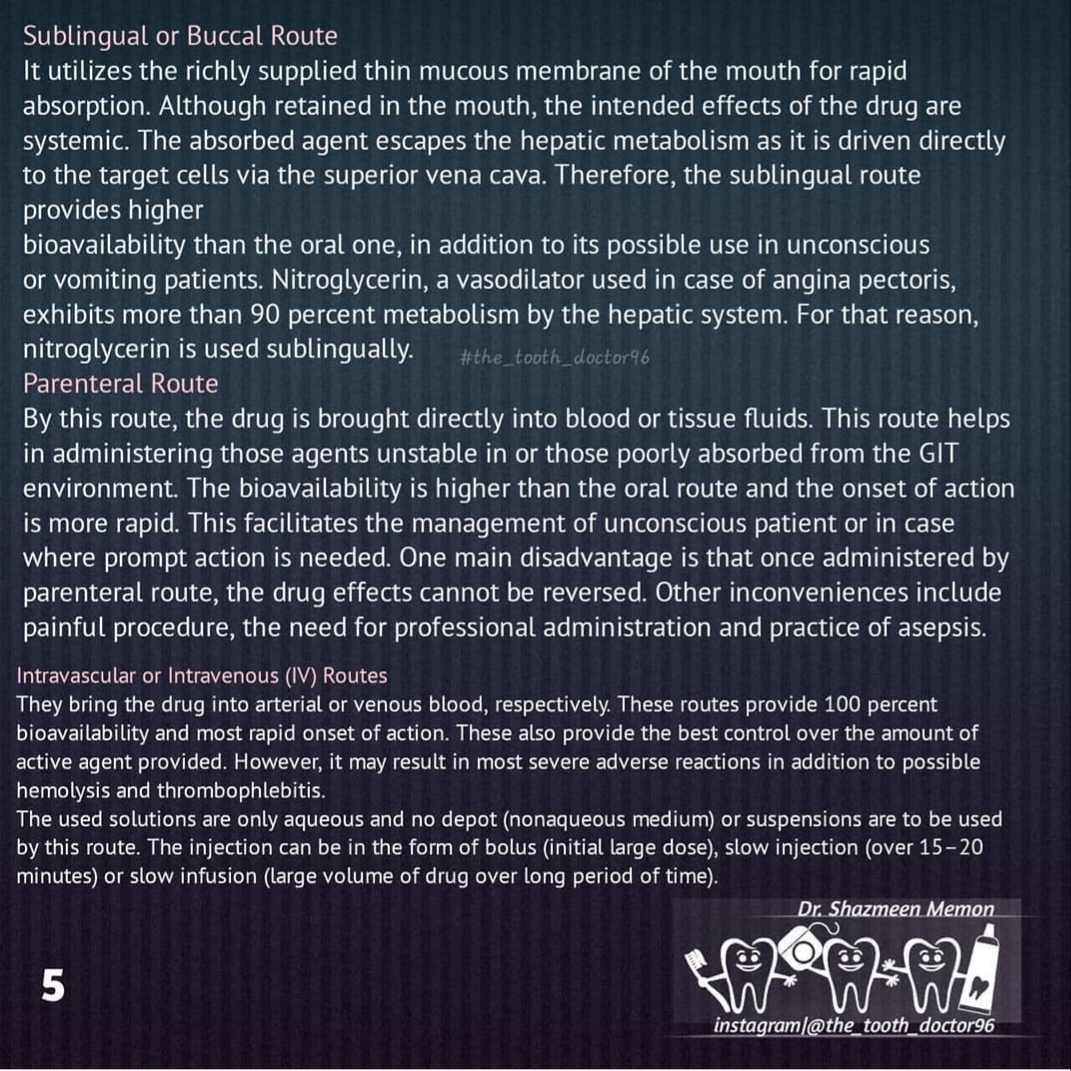
    • Sublingual
    • Transdermal
    • Rectal suppositories
    • Inhalation (however there is pulmonary extraction with first-pass loss)

DISTRIBUTION

  • Distribution refers to several determinants, such as how body organ characteristics, for instance their size, blood flow uptake, lipid vs aqueous cellular makeup effect drug delivery.
  • As well, it references how the concentration of macromolecules (eg, albumin) effect drug delivery.
  • And it covers an important, commonly clinically cited value: the volume of distribution (Vd), which predicts the ratio of drug that will distribute to body tissue vs blood plasma. We address this in detail in our Pharmacokinetics Calculations tutorial.

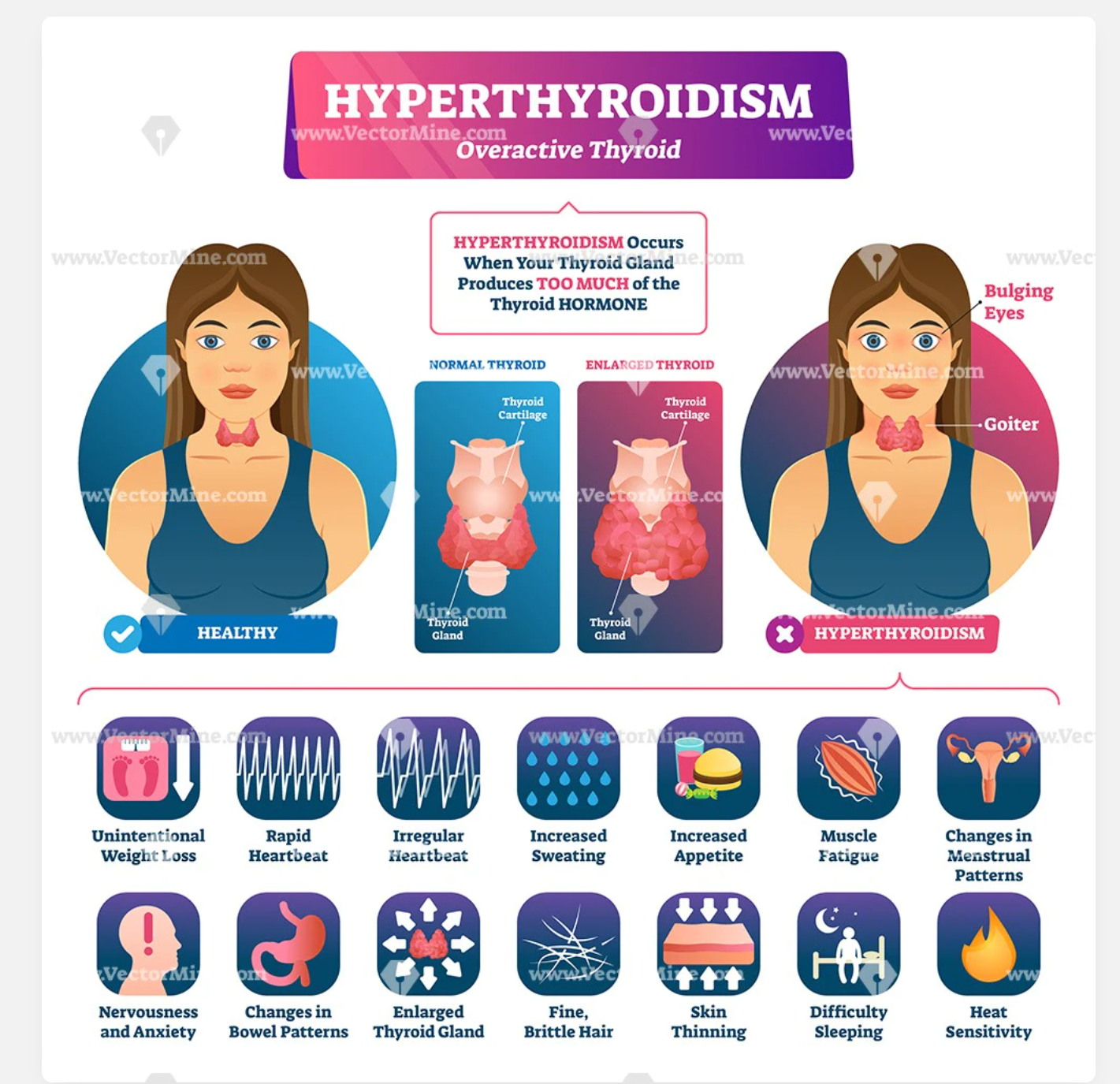
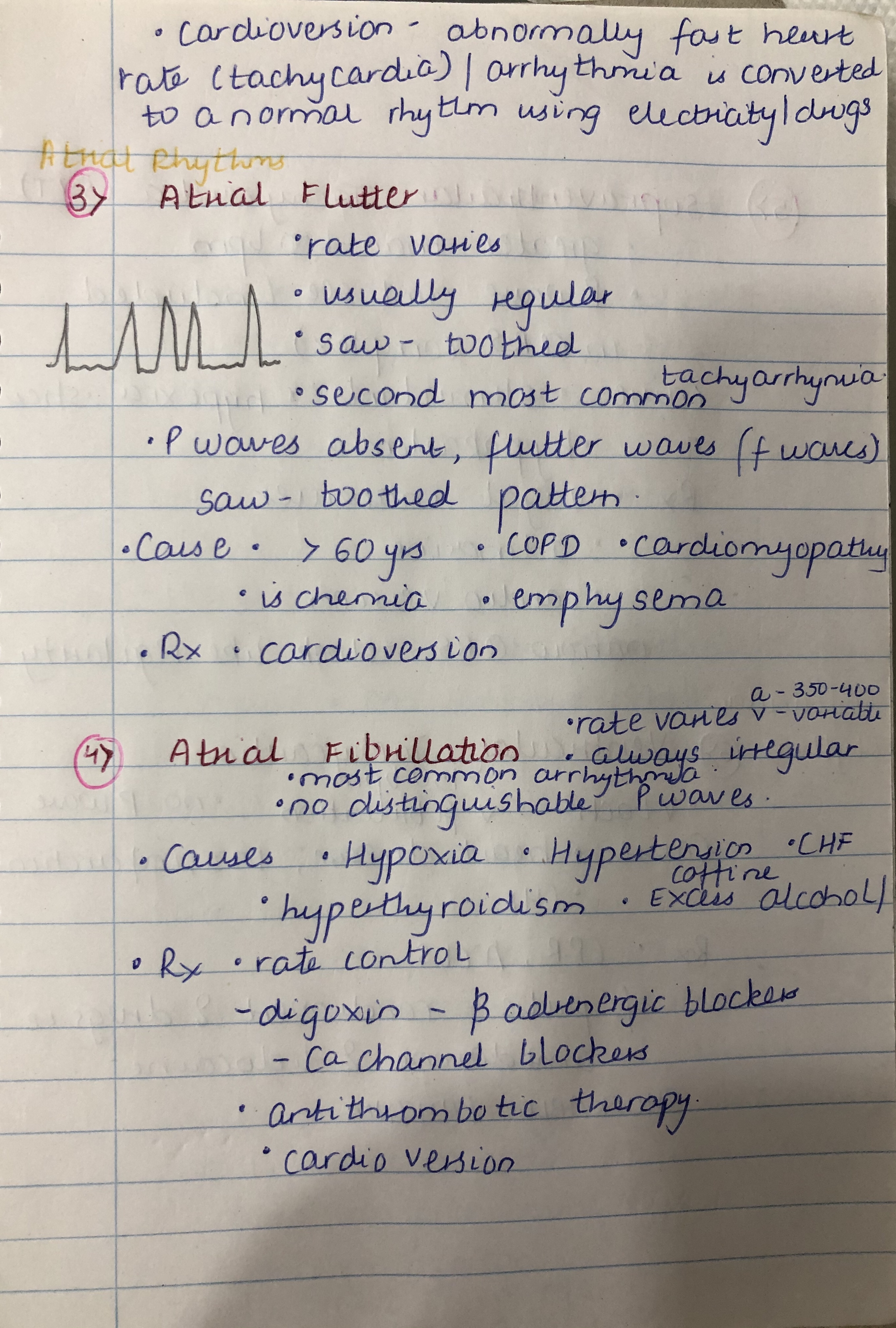
Hyperthyroidism

Also called thyrotoxicosis .

Hyperthyroidism is caused due to to hyposecretion of thyroid hormones like thyroxin, triiodothyronin and calcitonin .

Systemic changes seen-

1. In the metabolism: increase metabolic rate (BMR)

•lipid – decrease in cholesterol and triglycerides.

•carbohydrate – increase glycogenolysis and gluconeogenesis ( hyperglycemia)

•protein – wasting of muscle and negative nitrogen balance

2. CVS- increase in heart rate , stroke volume , cardiac output

decrease in the peripheral vascular resistance

Angina , arrhythmias and cardiac failure

3. CNS – Nervousness and anxiety

4. Musculoskeletal system – weakness, muscle fatigue , increased in deep tendon reflexes , osteoporosis and hypercalcaemia

5. GIT- increase in appetite and diarrhoea

6 . Reproductive system- menstrual irregularities and decrease in fertility

7. Eyes and face – lid retraction, periorbital edema and exophthalmos

8 . Skin and appendages – warm moist skin , heat intolerance and thin hair

What is thyrotoxic storm ?

Also called as thyroid storm.

Occurs due to very high levels of circulating thyroid hormones. Besides the usual features there is-

1.Hyperpyrexia

2. Nausea

3. Vomiting

4. Diarrhoea

5. Mental confusion

It’s precipitated by infection, trauma and surgery .

Treatment-

Propylthiouracil, iodides , propranolol, hydrocortisone

Note :

• local anaesthetic with adrenaline is avoided in hyperparathyroidism

SOURCE – Tara V Shanbhag |Smita Shenoy|Veena Nayak – pharmacology for dentistry