Angina:
A medical term that refers to the chest pain or discomfort that is caused by reduced blood flow to the heart

Drugs of choice for angina💊
References: KD TripathiEssentials of Medical Pharmacology 7th Edition
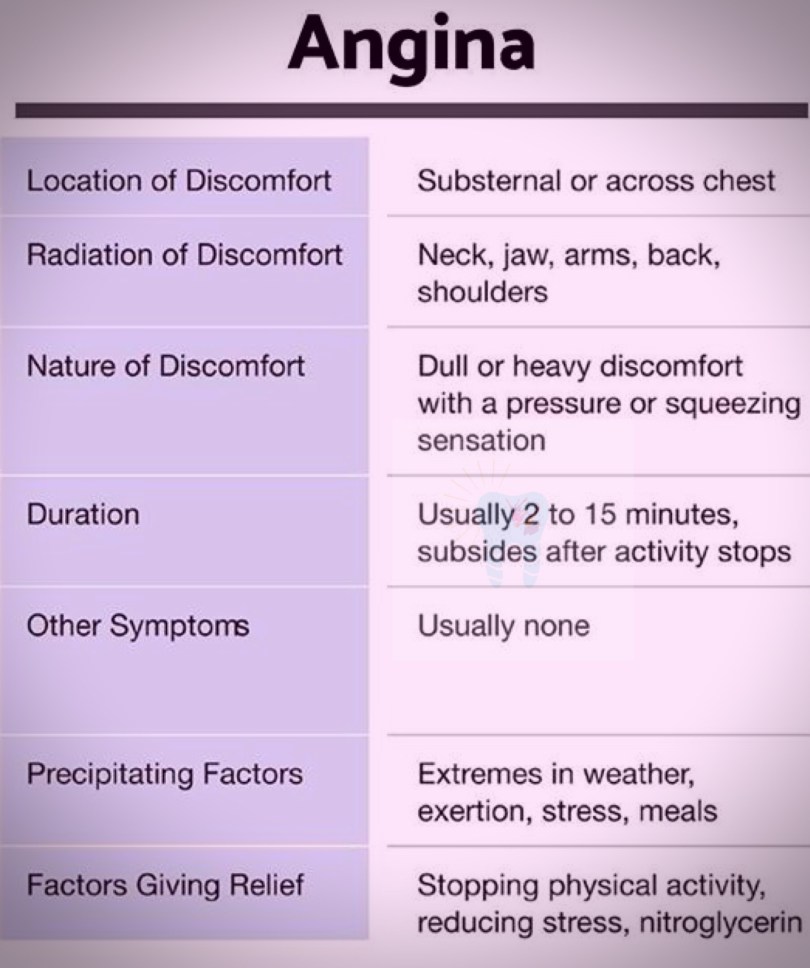
Angina:
A medical term that refers to the chest pain or discomfort that is caused by reduced blood flow to the heart
Drugs of choice for angina💊
References: KD TripathiEssentials of Medical Pharmacology 7th Edition

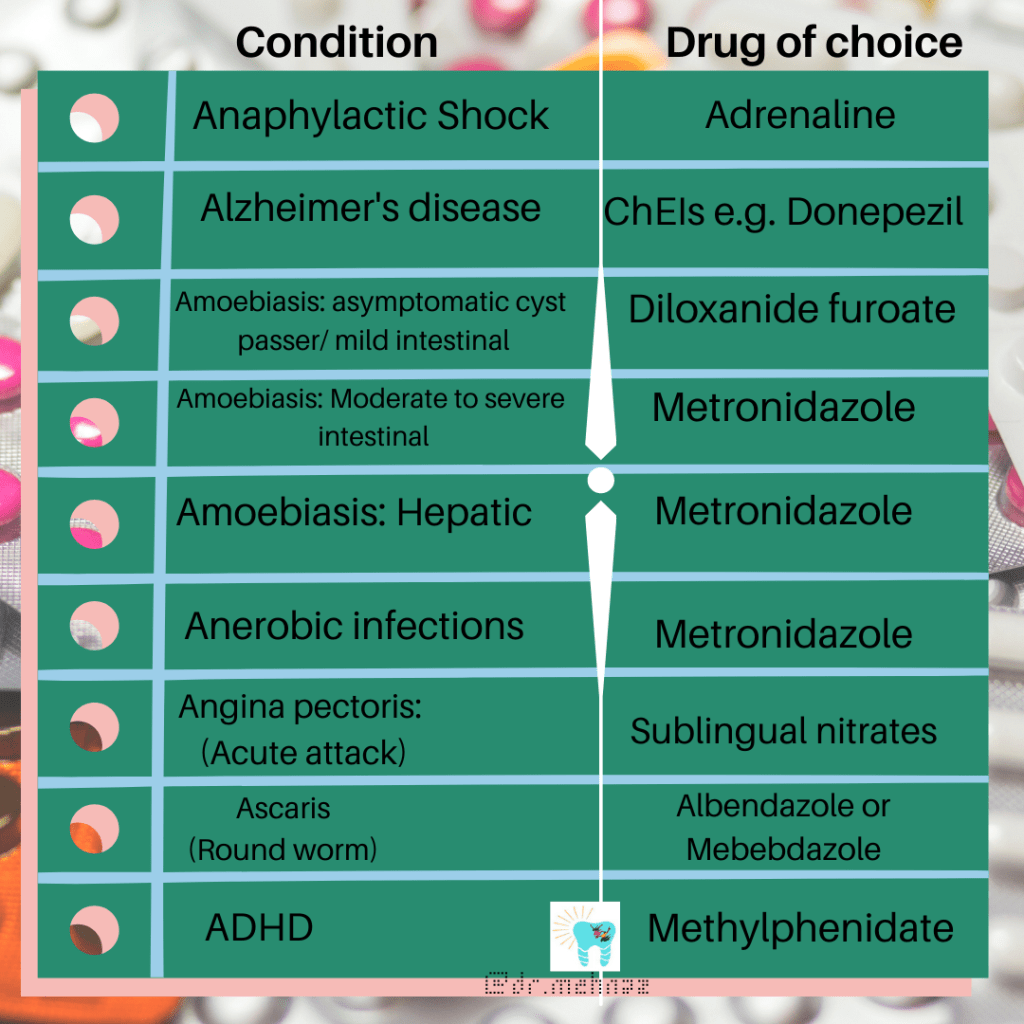
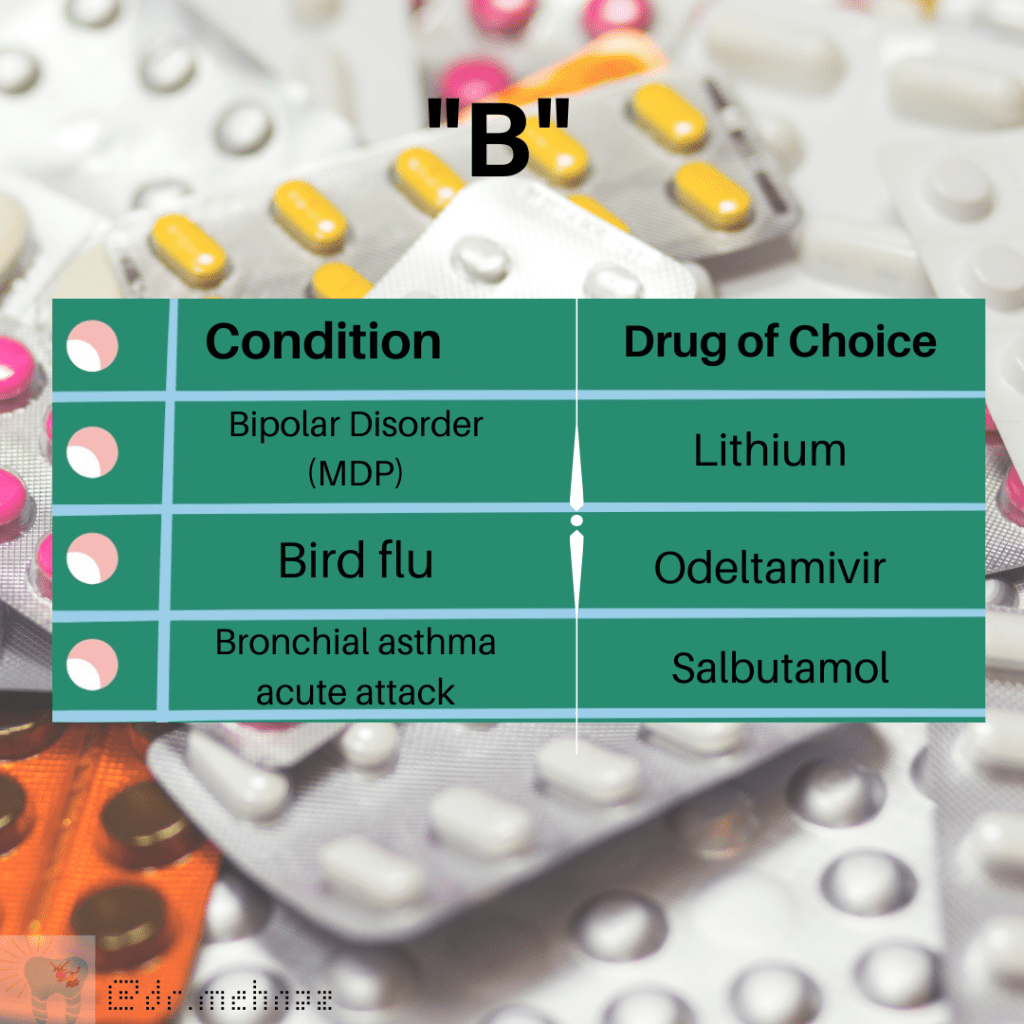
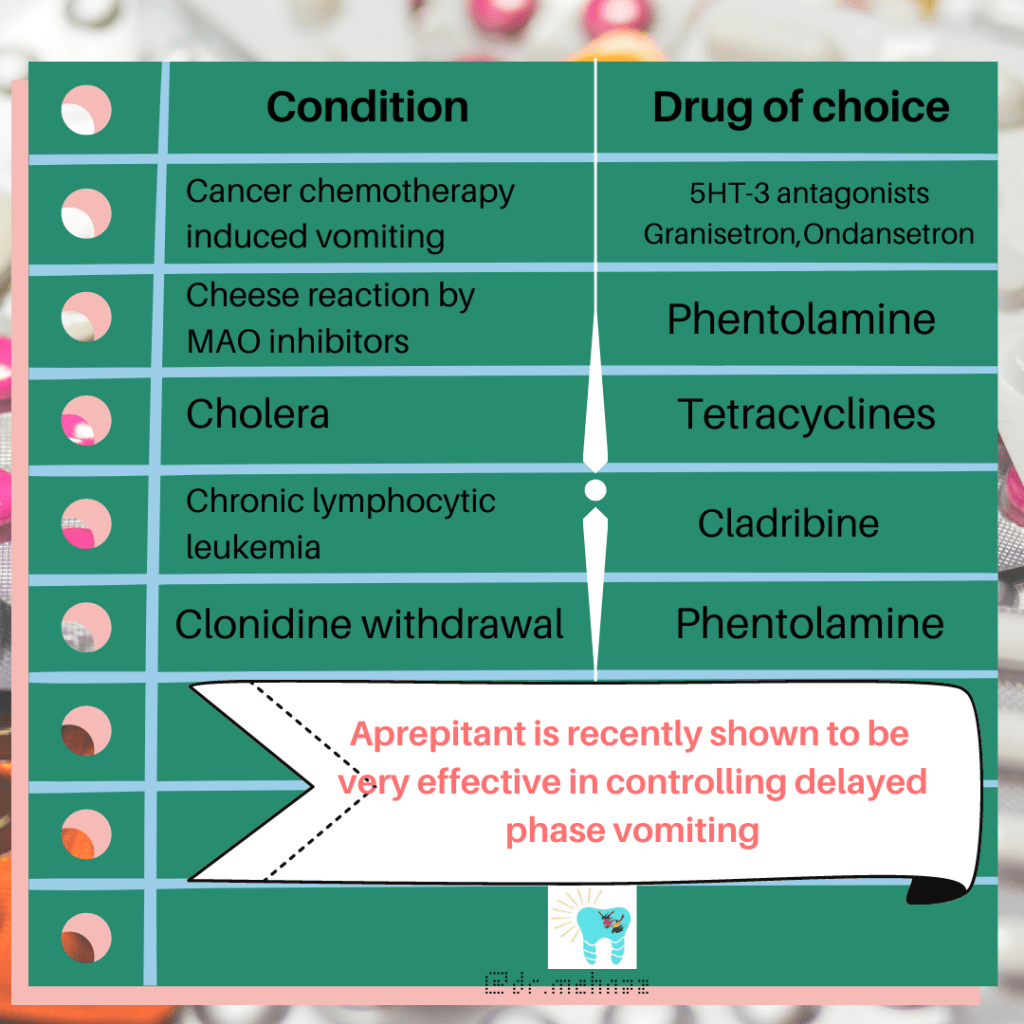
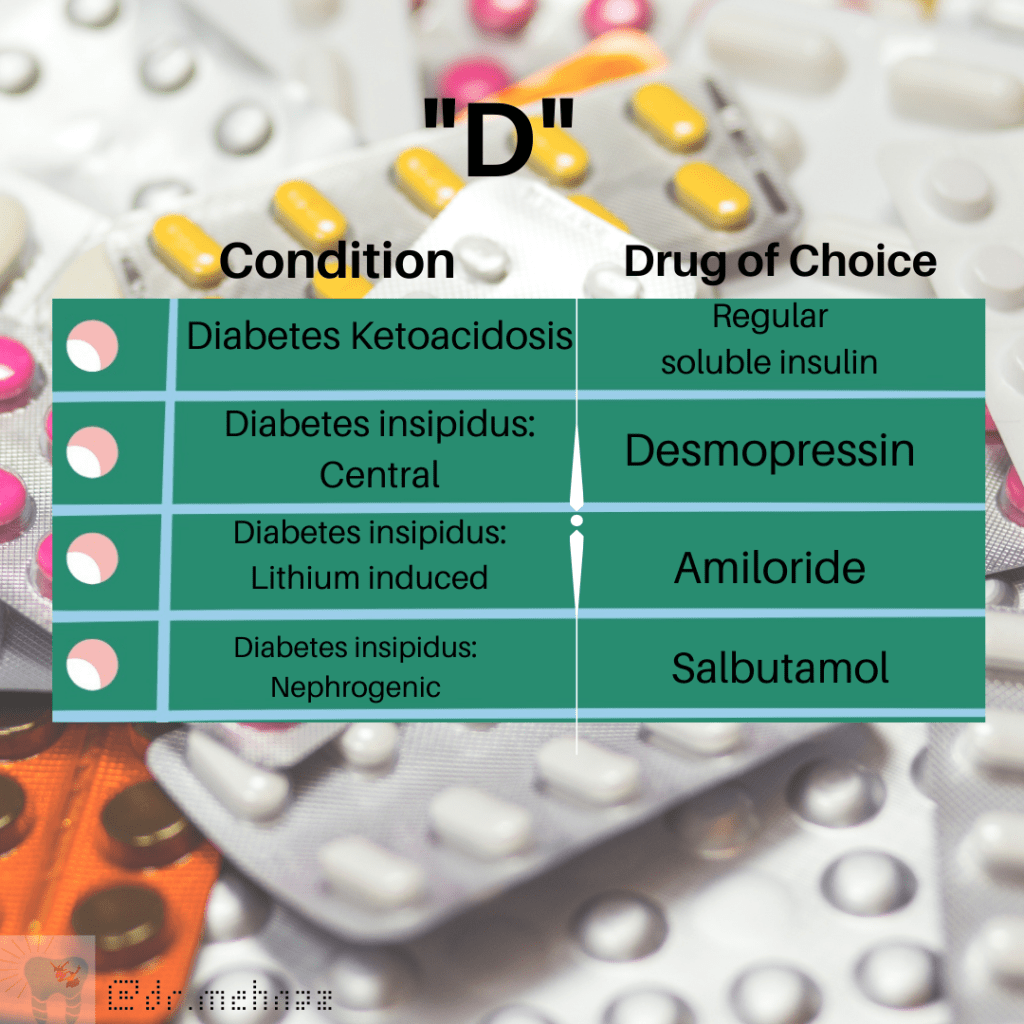
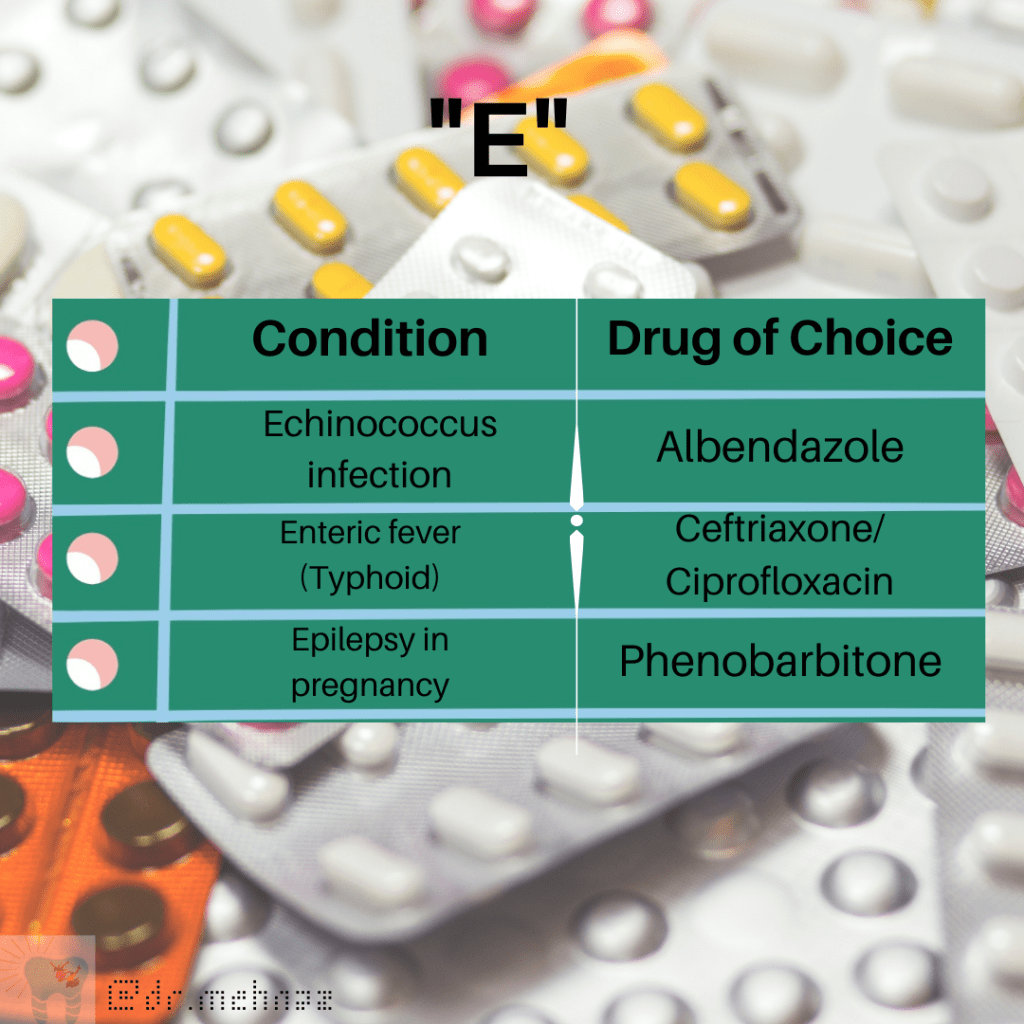
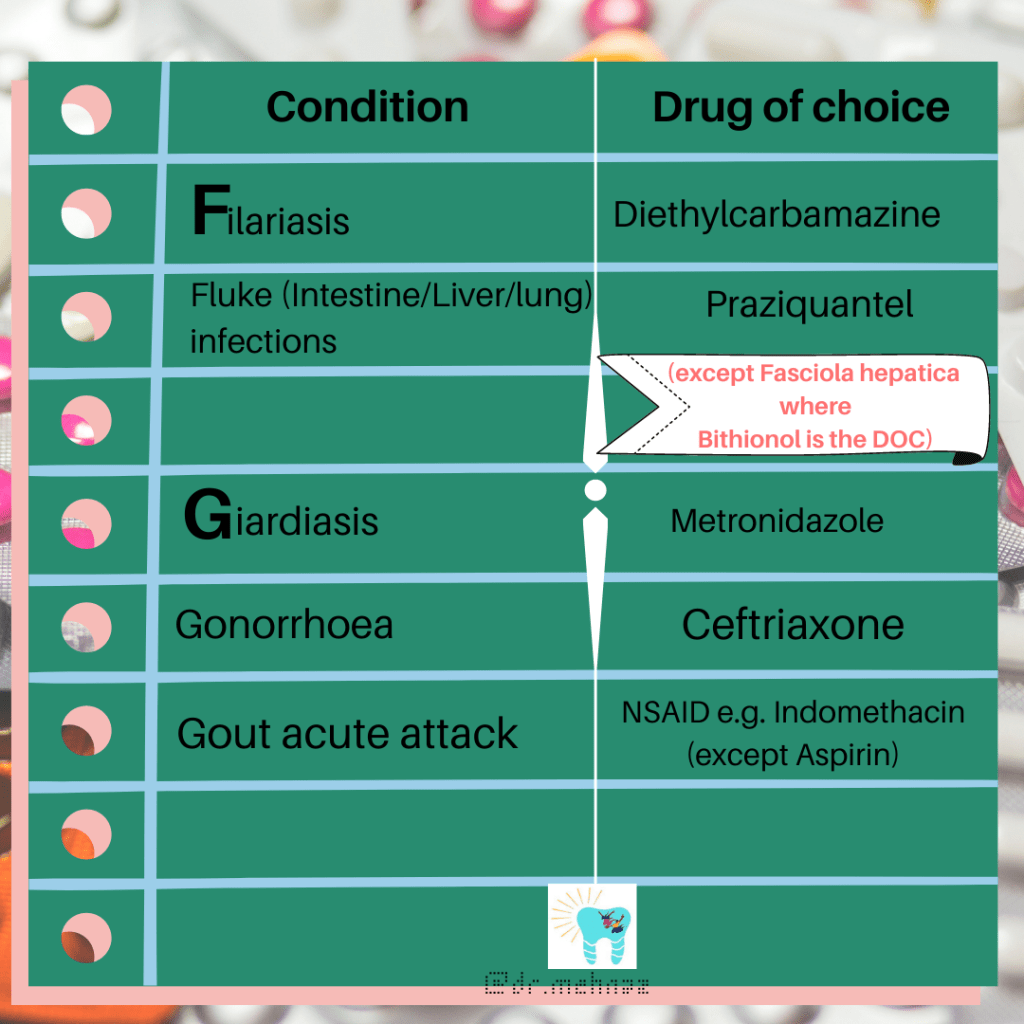
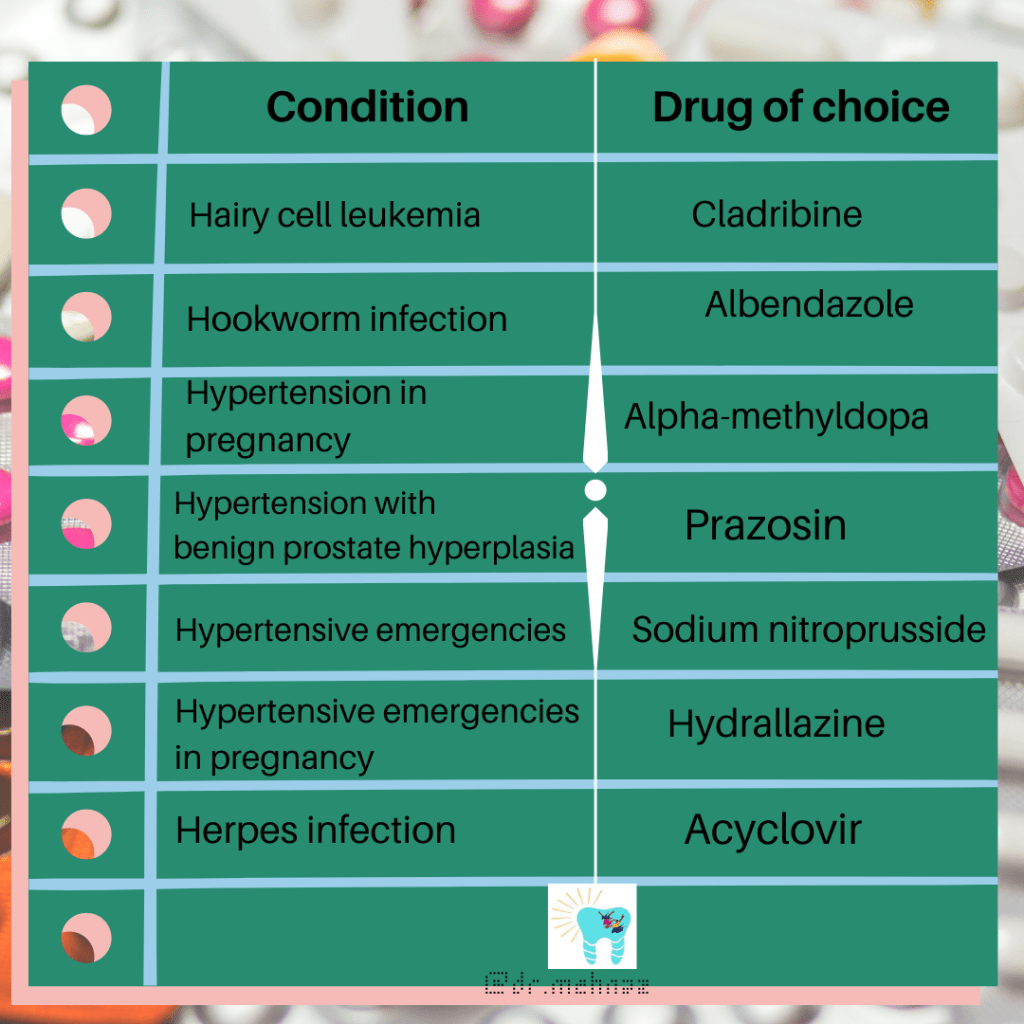
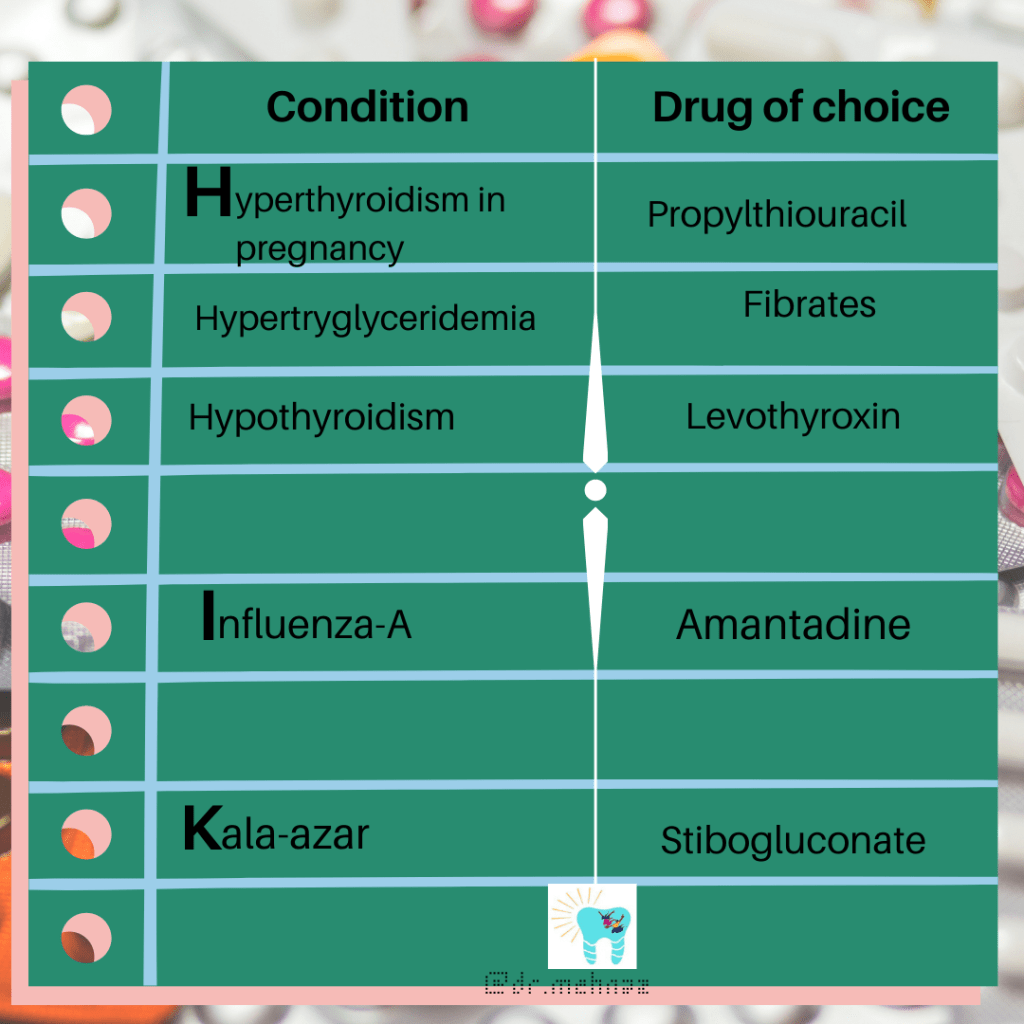
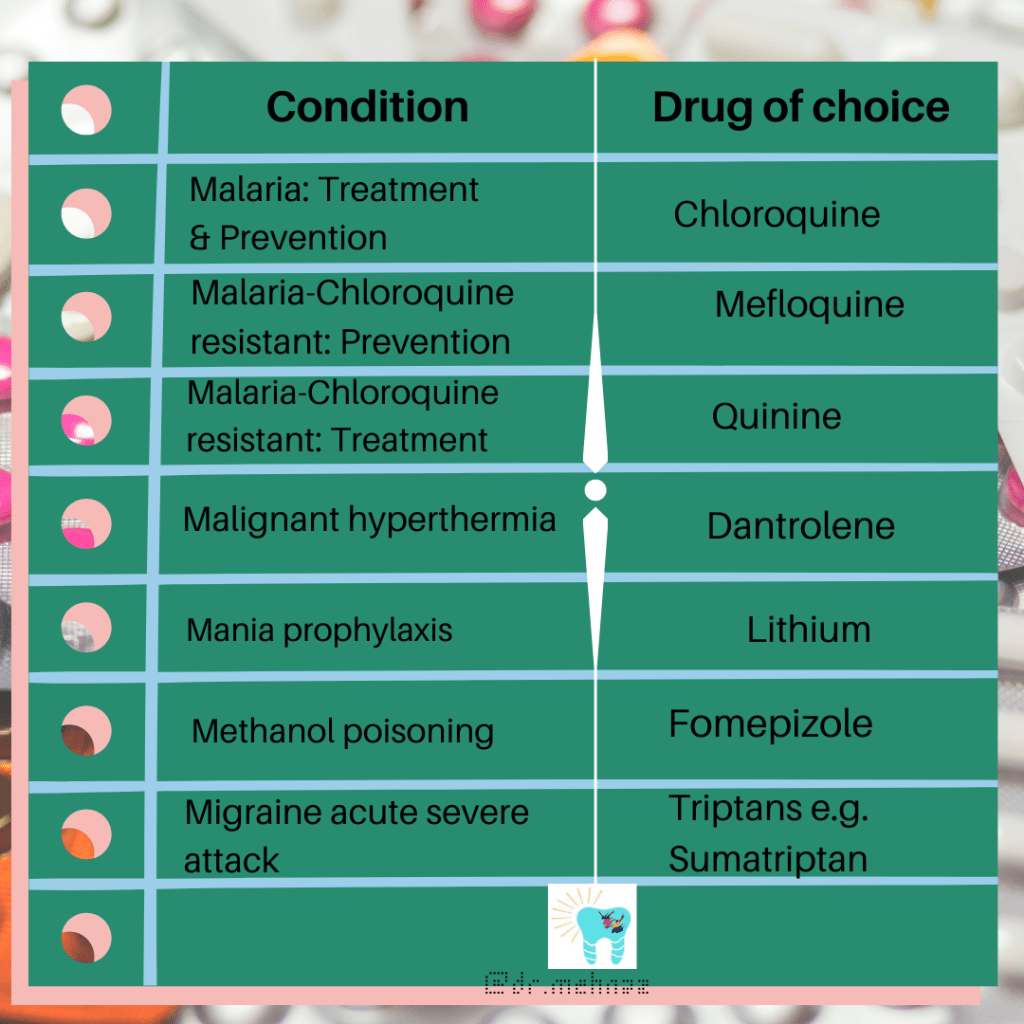
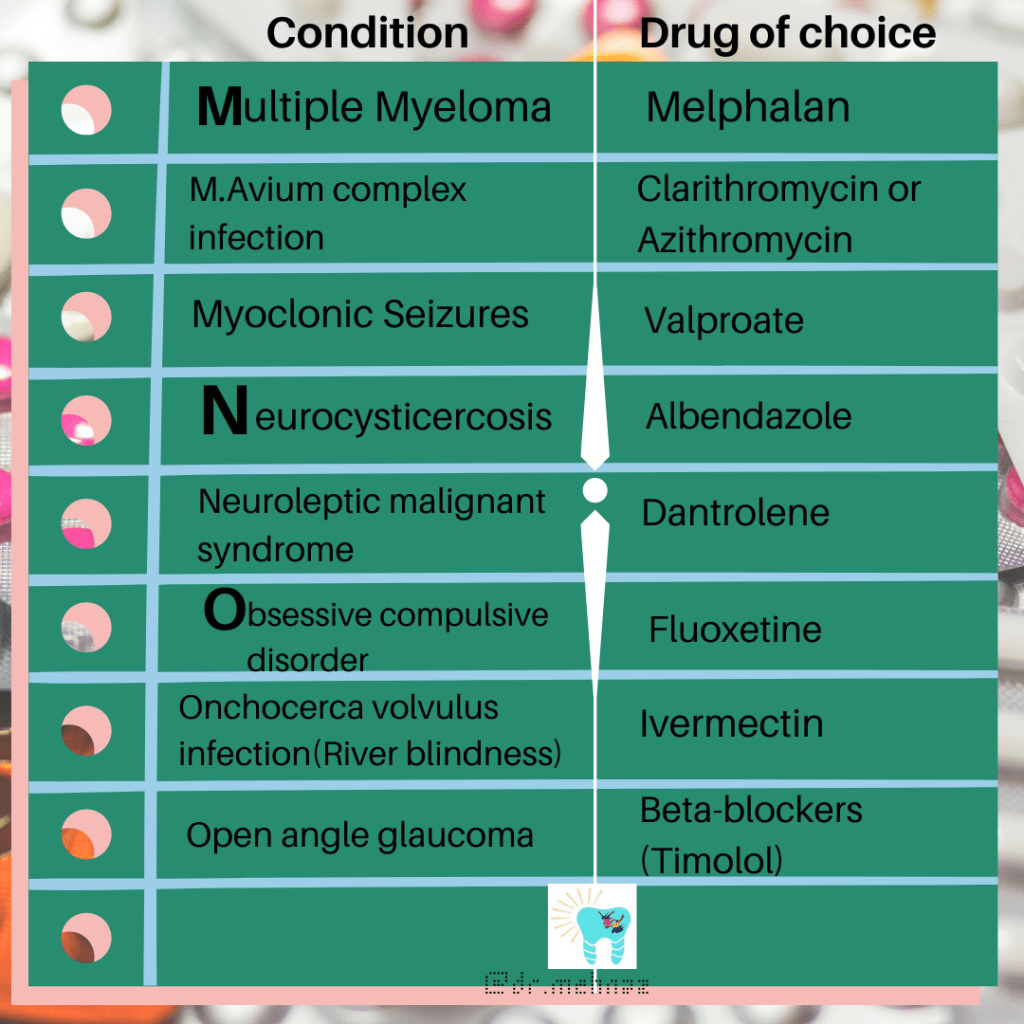
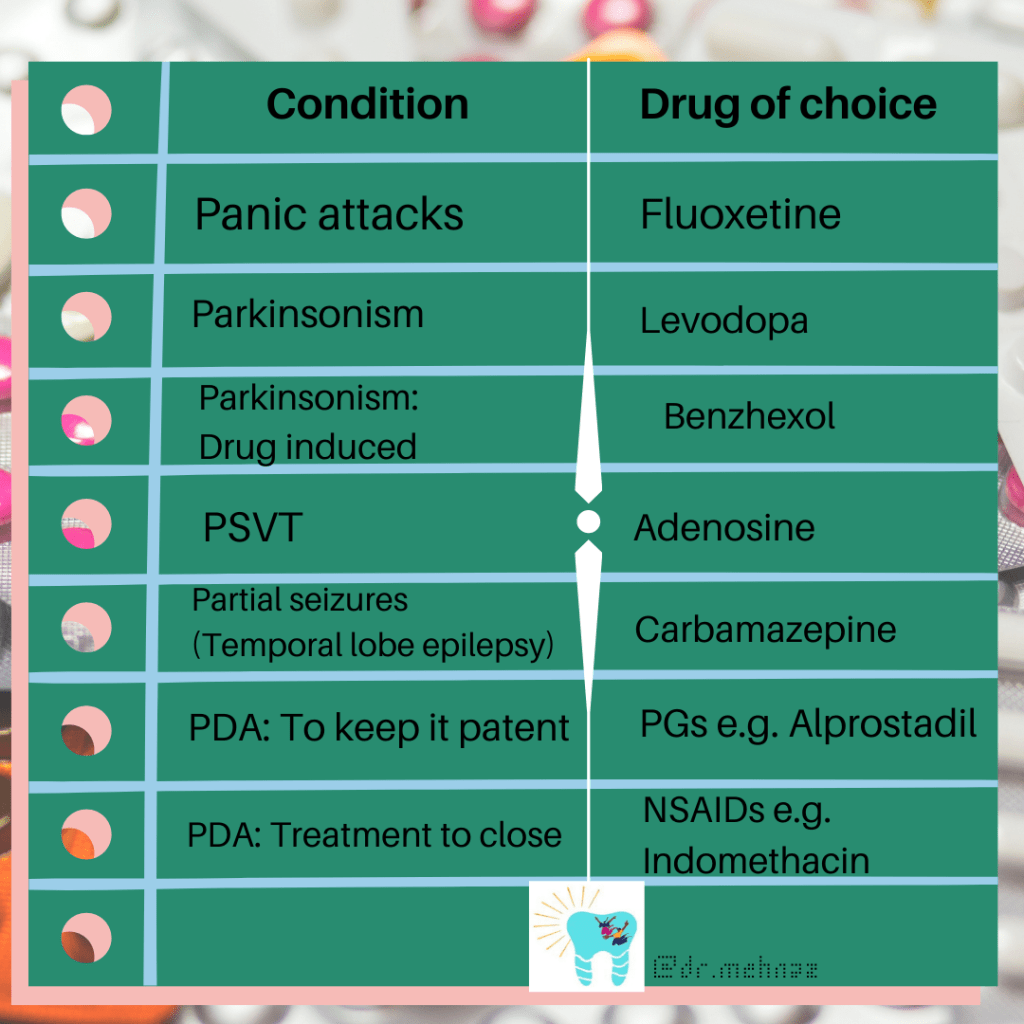
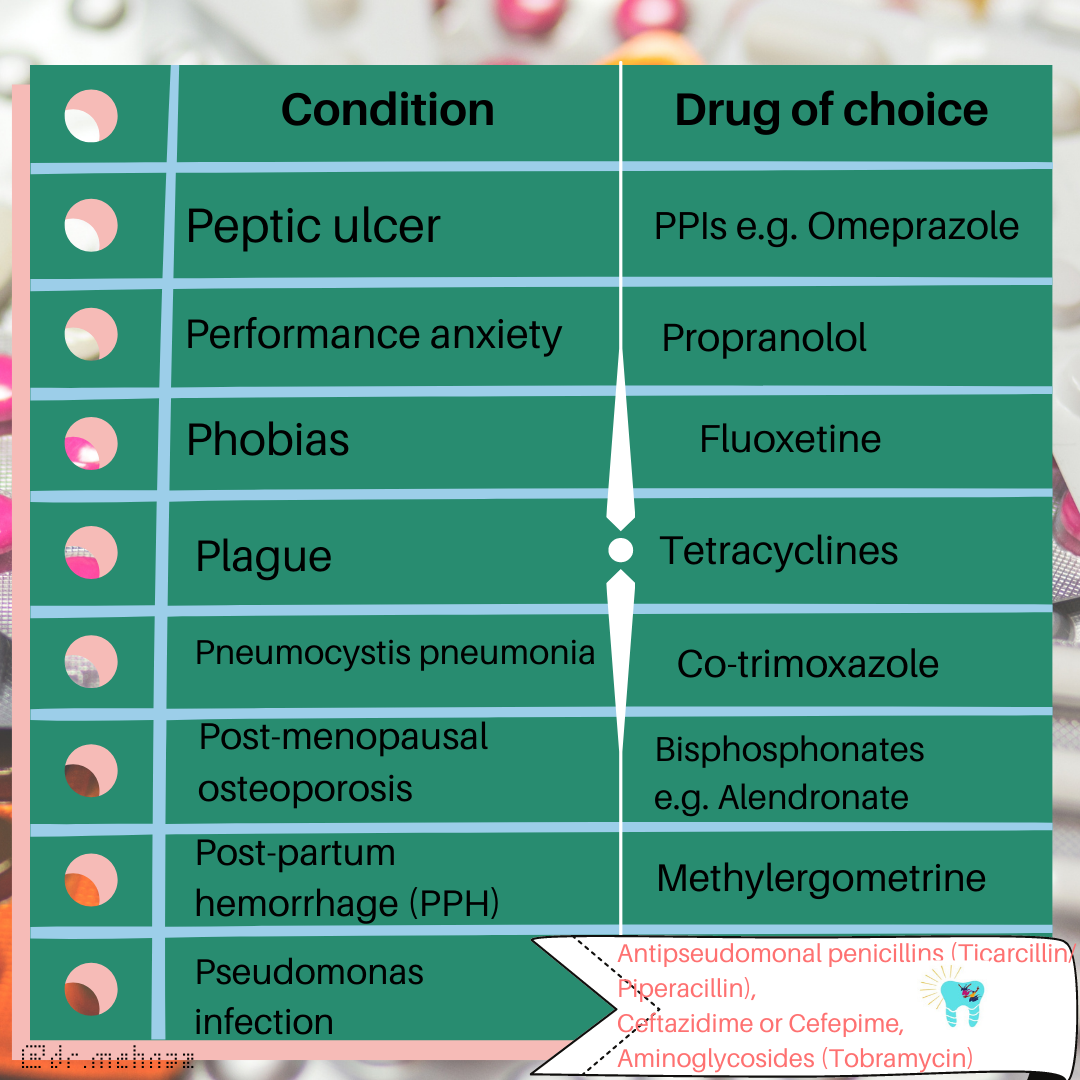
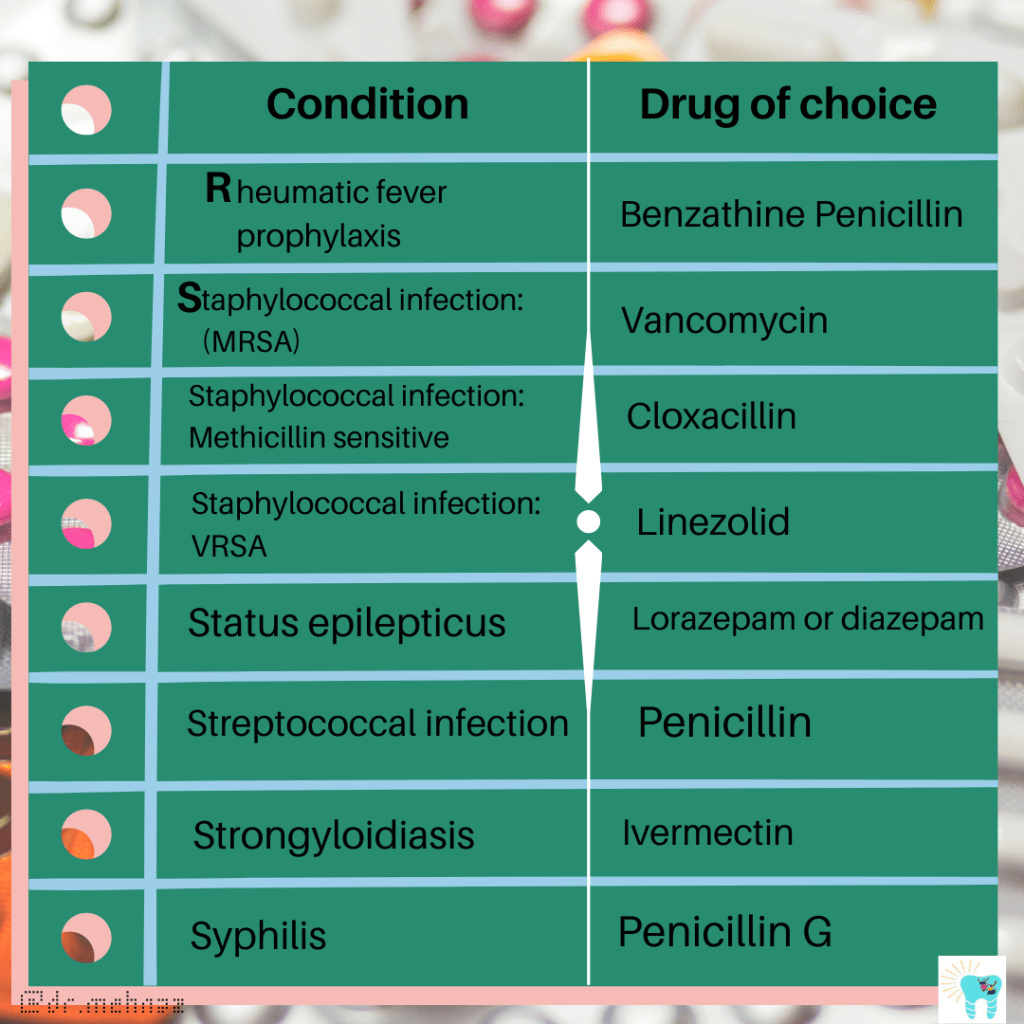
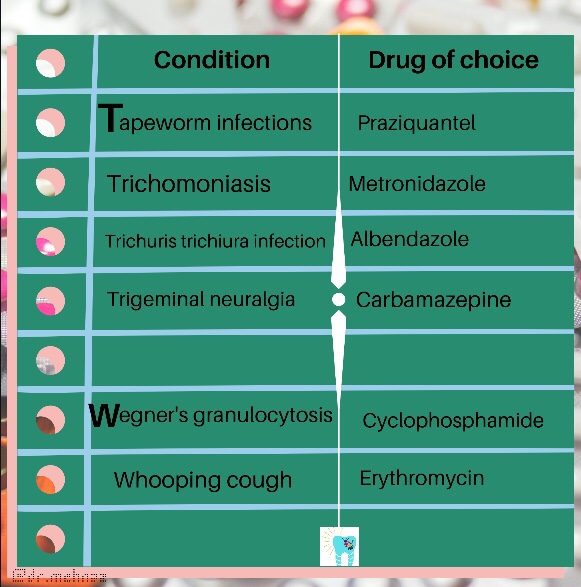
Dr. Mehnaz Memon🖊
References:
Bisphosphonates are first-line drugs used to treat a wide range of bone disorders, including:
Bisphosphonates are easily identifiable drugs, too. They all contain either of the following two suffixes – –dronate or –dronic acid.

Bisphosphonates act on bone – where they inhibit cells called osteoclasts.
The function of osteoclasts is to break down bone, an essential function for the bone maintenance and repair. However, in diseases such as osteoporosis, osteoclasts can play a pathological role and so, by intervening in how osteoclasts work, it can reduce bone loss and improve bone mass.
Bisphosphonates have a similar structure to naturally occurring pyrophosphate and so are readily absorbed into bone. There, bisphosphonates accumulate in osteoclast cells – triggering cell death. Fewer osteoclast cells lead to reduced bone turnover and an increase in bone mass and reduction in bone loss.
One of the most common side effects of orally administered bisphosphonates is esophagitis – or inflammation of the esophagus. To reduce the risk of esophagitis, patients are counseled to take bisphosphonates in a more cautionary manner compared to other drug classes.
Patients are counselled to take these drugs whilst remaining upright, first thing in the morning and 30 minutes before food/medicines and taken with a full glass of water. Patients should remain upright for 30-minutes post-administration. By taking these steps, the risk of esophagitis or irritation to the esophagus, is substantially reduced.
Other side effects of bisphosphonates include:
Bisphosphonates may also be associated with other side effects not listed in this guide.
Source – PTCB guide to pharmacology
Muhad Noorman P – Final year -Team Dentowesome
Most often we get frustrated by studying for days before exams, often we fail to recollect or forget while writing exams. It’s a quite natural process for a human body to forget.
However there are tricks to master our hippocampus and remember for long. Excelling in exams are only possible based on how much you remember topics.
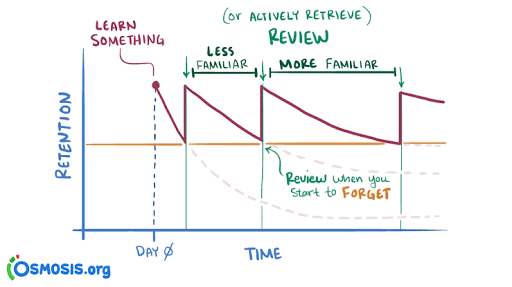
According to Ebbinghaus curve of forgetting information is lost from brain and we’re inable to recollect it.A typical graph of the forgetting curve purports to show that humans tend to halve their memory of newly learned knowledge in a matter of days or weeks unless they consciously review the learned material.

In oder to master long term memorization, we need to practice following methods
Revision : You still remember, A for apple and mitochondria is power house of cell. Constant and frequent revison makes your hippocampus to convert short term memory to long term memory.
Spaced repetition learning technique
Review Your Notes. Within 20-24 hours of the initial intake of information, make sure the information is written down in notes and that you have reviewed them.
Recall the Information for the First Time. Recall the Materials Again.
Study It All Over Again
Difficult topics are checked regularly while easy topics could be reviewed occasionally

Take a break method
Study for 20 minutes take a 5 minute break repeat pattern for 3 to 4 hours. It helps to gain more focus, At the end you’ll be happy for the productive hours. Without break in intervals your brains rejects input eventually your output becomes non productive. Mastering this techinque daily, your graph of productivity hits up.
Use body movements while learning,helps to Tigger muscle memory.
Make a story to memorize long topics. Pieces of information are always connected each other when a story link is given.
Organise your study table. Neat study table and fresh environment boost your intake . Bright light, fresh air, erect spine enhance brain functioning. Feel comfortable stay away from cluttered environment
Try to understand what you learn, things you understand and studied are memorised 9 times.
Learn opposite things .
Switch your topics frequently. Similiar memory get’s intermixed (interference theory).
Things learned at the beginning and end are most memorized. Plan your topics accordingly.
Dicatate your topics and record in dictaphone you can download in your phone. Hear audios before you sleep, going to a beach or restaurant… Brain makes short term memory to long term memory while relaxed.
Visualise your topics. You still remembers the colour of precipitate and titration from your 12th chemistry lab practicals. Visualized memory is far beyond your imaginations.
Read first from books, 2 or 3 days later watch related topics videos from Youtube or any informative apps. Audio+ video learning brushes your previous stored information
Always make use of Sticky notes of alternating colours (prefer light colours- eye rejects dark colour for long time. Use sticky notes apps In your phone screen ( numericals, years etc.could be written in it).
Last days before your exams should be used for rough reading or revison not for studying. Brain rejects things learned in stressed or a state of anxiety .( Your neurotransmitters makes it mess. Respect them 🤣)
Credits : 1) Forgetting curve definition:Wikipedia. Image : Internet. 2) Spaced repetition technique images from Internet and Osmosis.org website . Spaced repetition method content from Google.

Source- textbook of pharmacology for dental students padmaja and Google images
What is malaria ?
•Malaria is a life-threatening disease.
• It’s typically transmitted through the bite of an infected Anopheles mosquito.
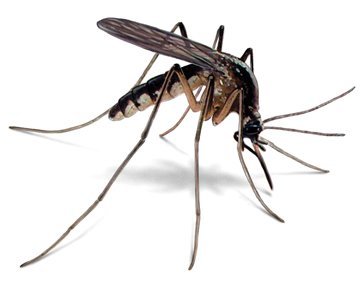
•Infected mosquitoes carry the Plasmodium parasite.
•When this mosquito bites you, the parasite is released into your bloodstream.
•Once the parasites are inside your body, they travel to the liver, where they mature. After several days, the mature parasites enter the bloodstream and begin to infect red blood cells.
•Within 48 to 72 hours, the parasites inside the red blood cells multiply, causing the infected cells to burst open.
•The parasites continue to infect red blood cells, resulting in symptoms that occur in cycles that last two to three days at a time.
AREAS WHERE MALARIA IS FOUND –
Malaria is typically found in tropical and subtropical climates where the parasites can live.

Drugs used in malaria
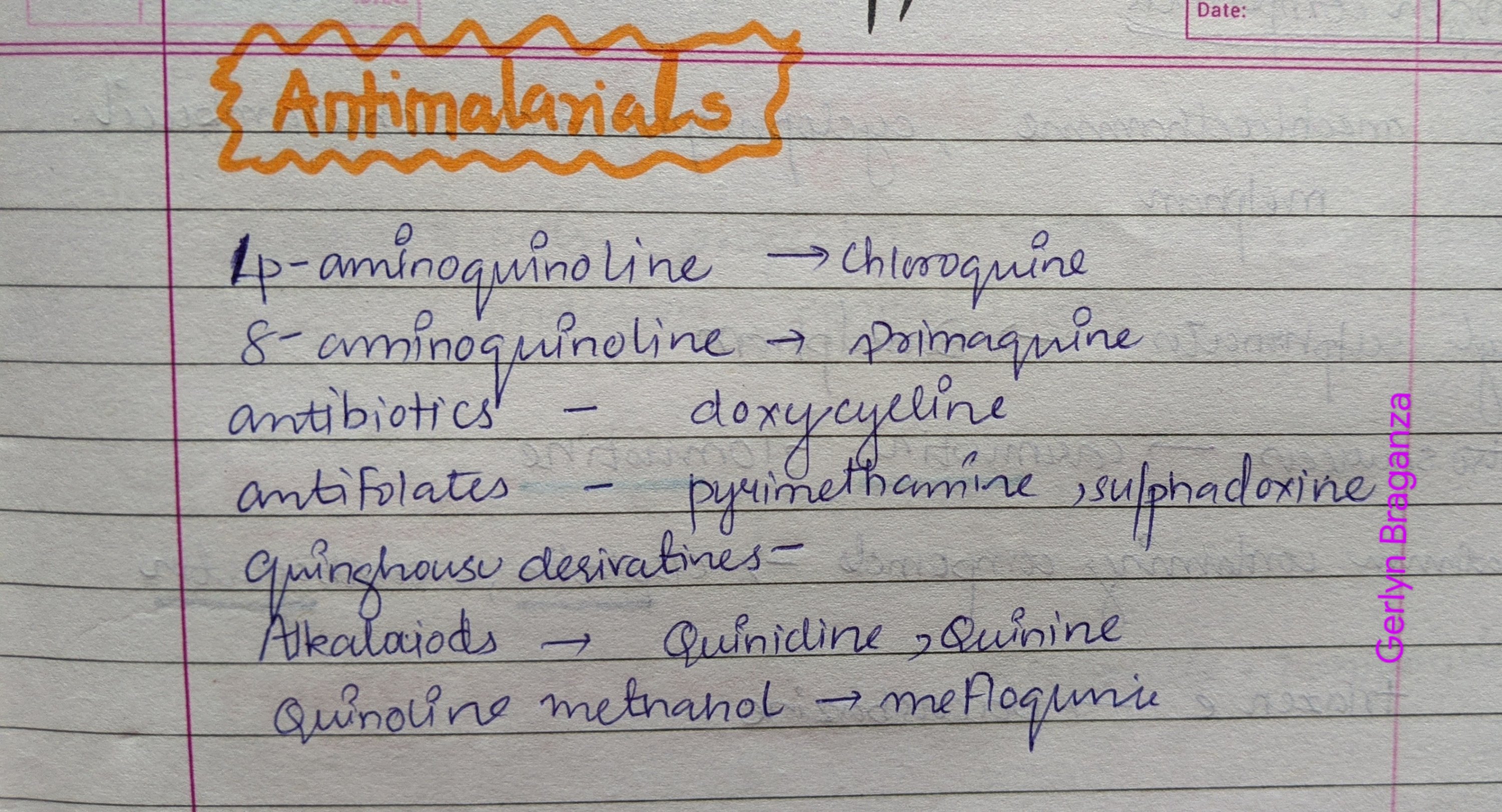
Source – 1.textbook of pharmacology for dental students tara shanbhag
2. Healthline
3 pinterest and Google images
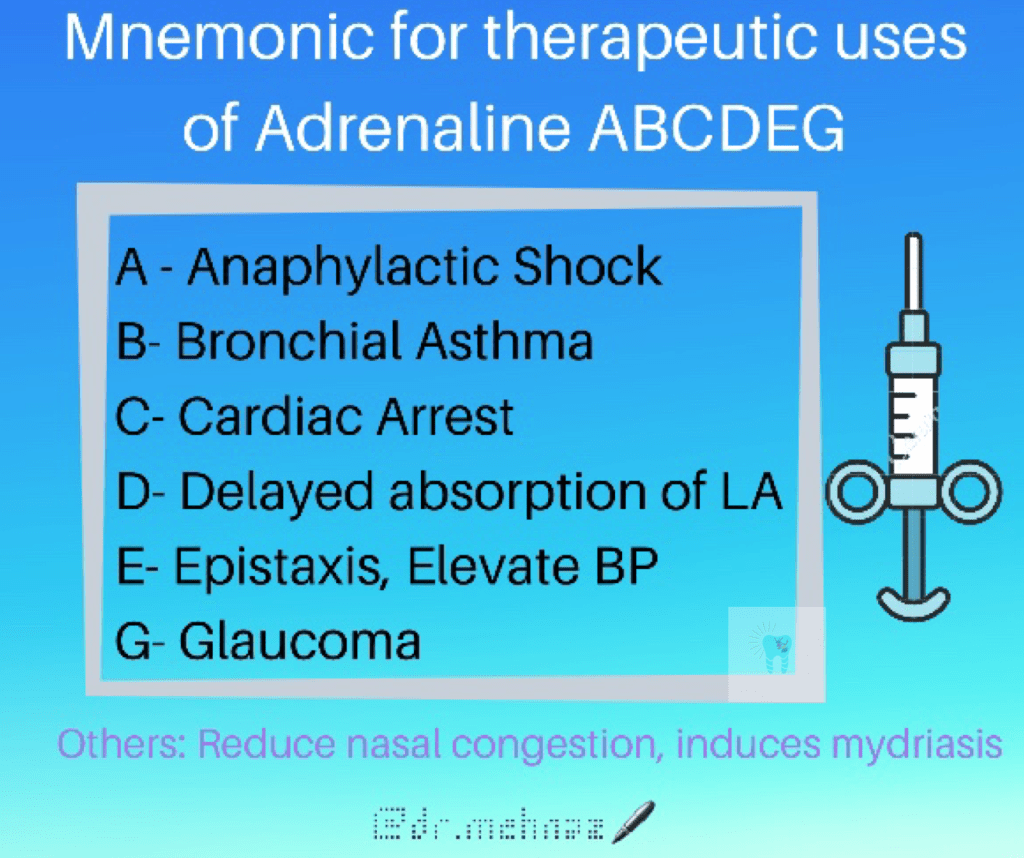
(i) Hypotensive States: (Shock, Spinal Anaesthesia)
➡️ In case of anaphylactic shock or angioedema of Larynx or for bronchospasm attending drug hypersensitivity (Adrenaline + sub-class of gluco-corticoids) is recommended.
(ii) Along with local anaesthetic:
➡️ Adrenaline 1 in 2,00,000 to 1 in 1,00,000 for infilteration, nerve block, spinal anaesthesia
🔅Effects:
(iii) Control of local bleeding: (Skin, mucous membrane eg. Epistaxis)
➡️ Compresses of adrenaline 1 in 10,000 can control arteriolar & capillary bleeding
🔅Cardiac Arrest (Drowning, Stokes-Adam syndrome)
👉🏻 Adrenaline is used to stimulate the heart, i.v infusion with external cardiac massage
👉🏻 The ester prodrug of adrenaline – Dipivefrine is an adjuvant drug for open angle glaucoma
👉🏻 Adrenaline can be used as an expedient measure but glucose should be given as soon as possible.
Dr. Mehnaz Memon🖊
References: Essentials of Medical pharmacology, KD Tripathi (7th Ed)
Written by : Dr. Urusa I Inamdar
Paracetamol and acetaminophen are two official names of the same chemical compound derived from its chemical name : N-acetyl-para-aminophenol . It is an aniline derivative and the most extensively used over-the-counter and prescription analgesic worldwide . It has analgesic and anti-pyretic properties similar to non – steroidal antiinflammatory drugs (NSAIDS) but contrary to them , it does not possess any antiinflammatory properties .
It acts mainly in the CNS by inhibiting cyclo oxygenase ( COX-2 ) . It acts by preventing the oxidation of inactive COX to active COX and thereby preventing prostaglandins synthesis through an active metabolite influencing cannabinoid receptors .
It is rapidly absorbed from the gastrointestinal tract . The peak plasma concentrations are reached in about 2-3 hrs after rectal administration and reaches total serum concentrations of 5-20 micro g/ml . It is primarily metabolized in the liver by conjugation to gluconide and sulfate .
Paracetamol interacts with enzyme inducing substances , such as isoniazid , carbamazepine , phenytoin or barbiturates , as well as chronic alcohol excess which increases N-acetyl-p-benzoquinone imine production and the risk of toxicity .
As directed by the physician
Each suppository contains Paracetamol 125 mg
Written by : Dr. Urusa I Inamdar
Written by : Dr. Urusa I Inamdar
 Dentowesome