💊A proper medication (drug) history is important as part of the patient assessment.
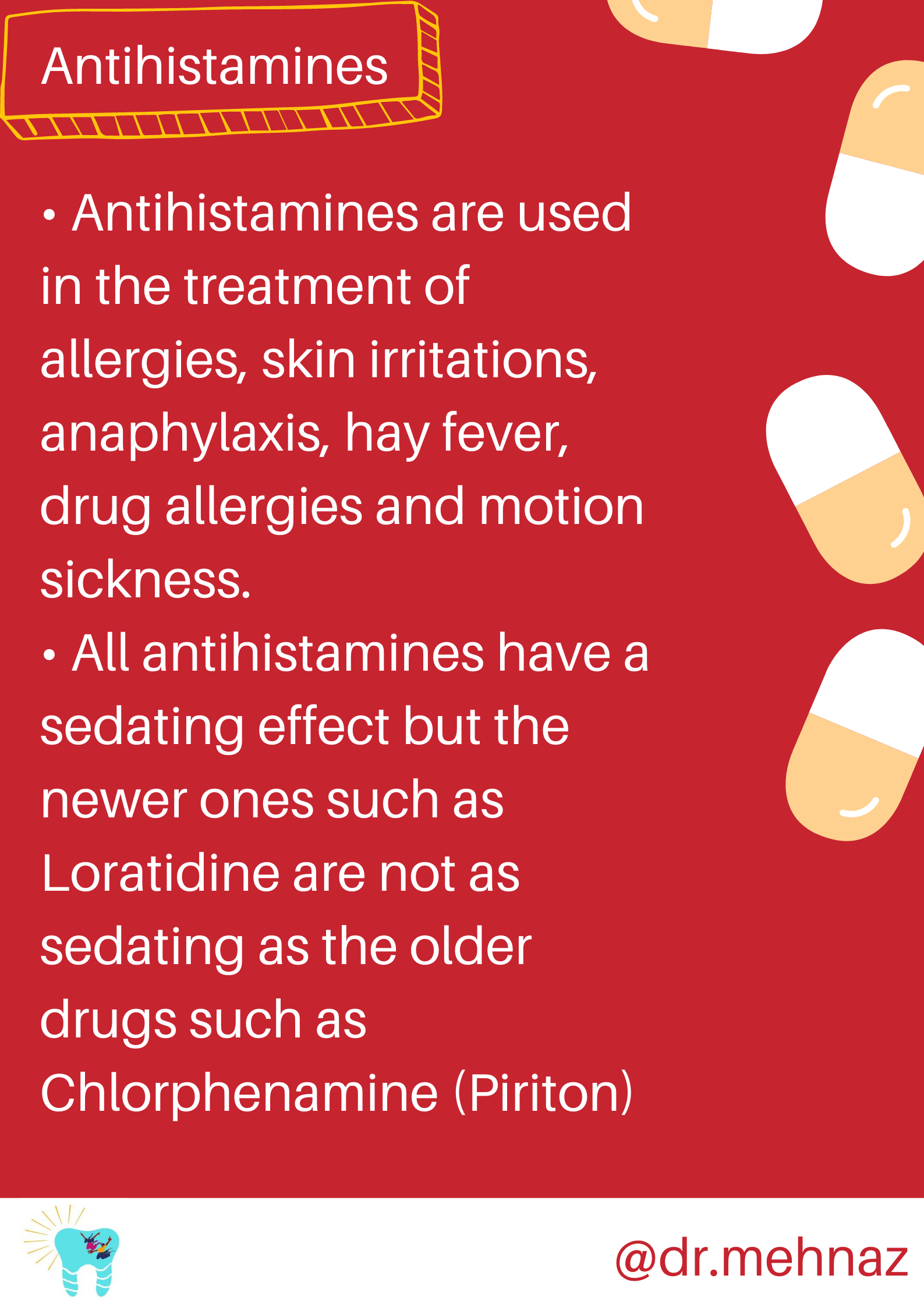
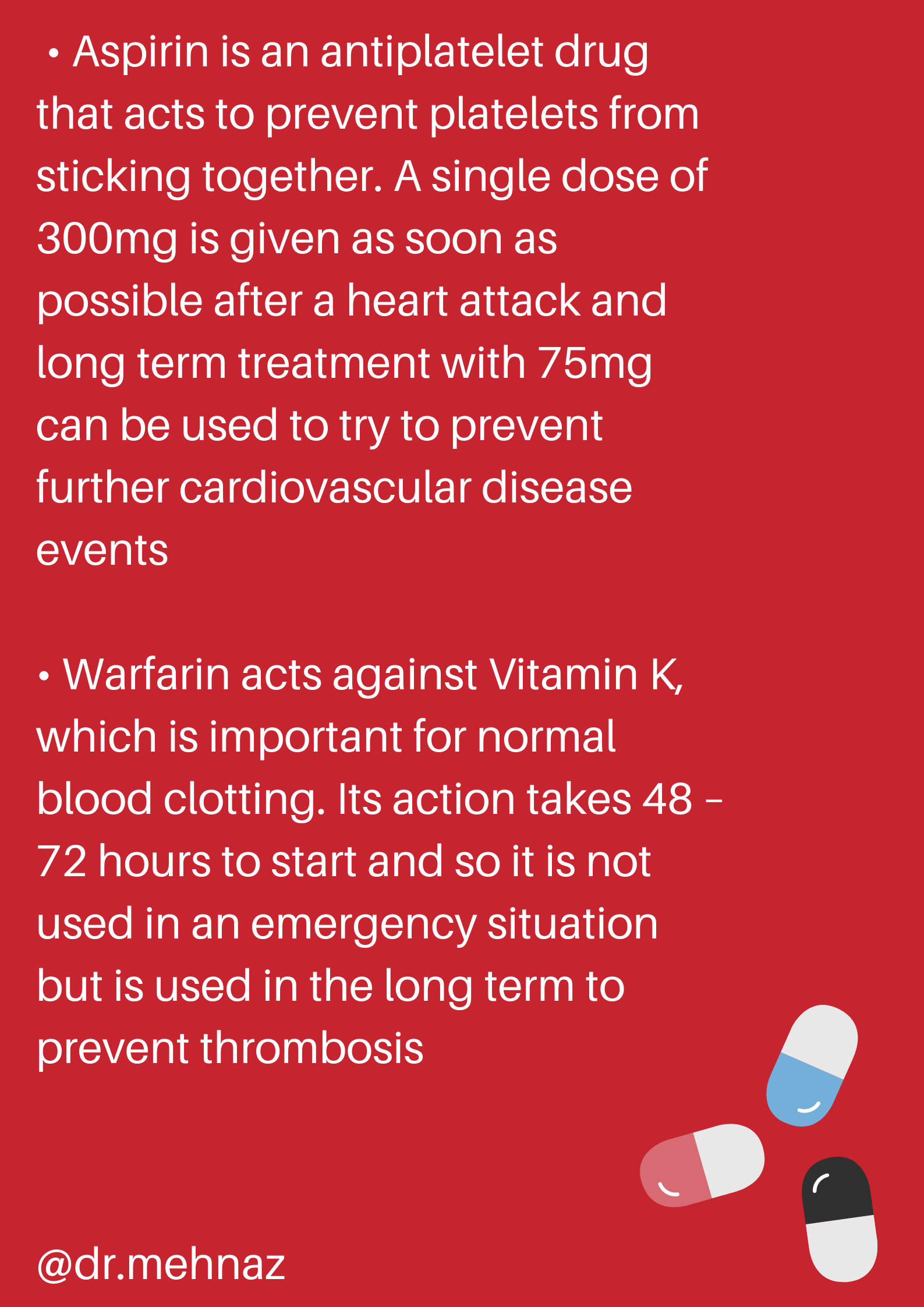
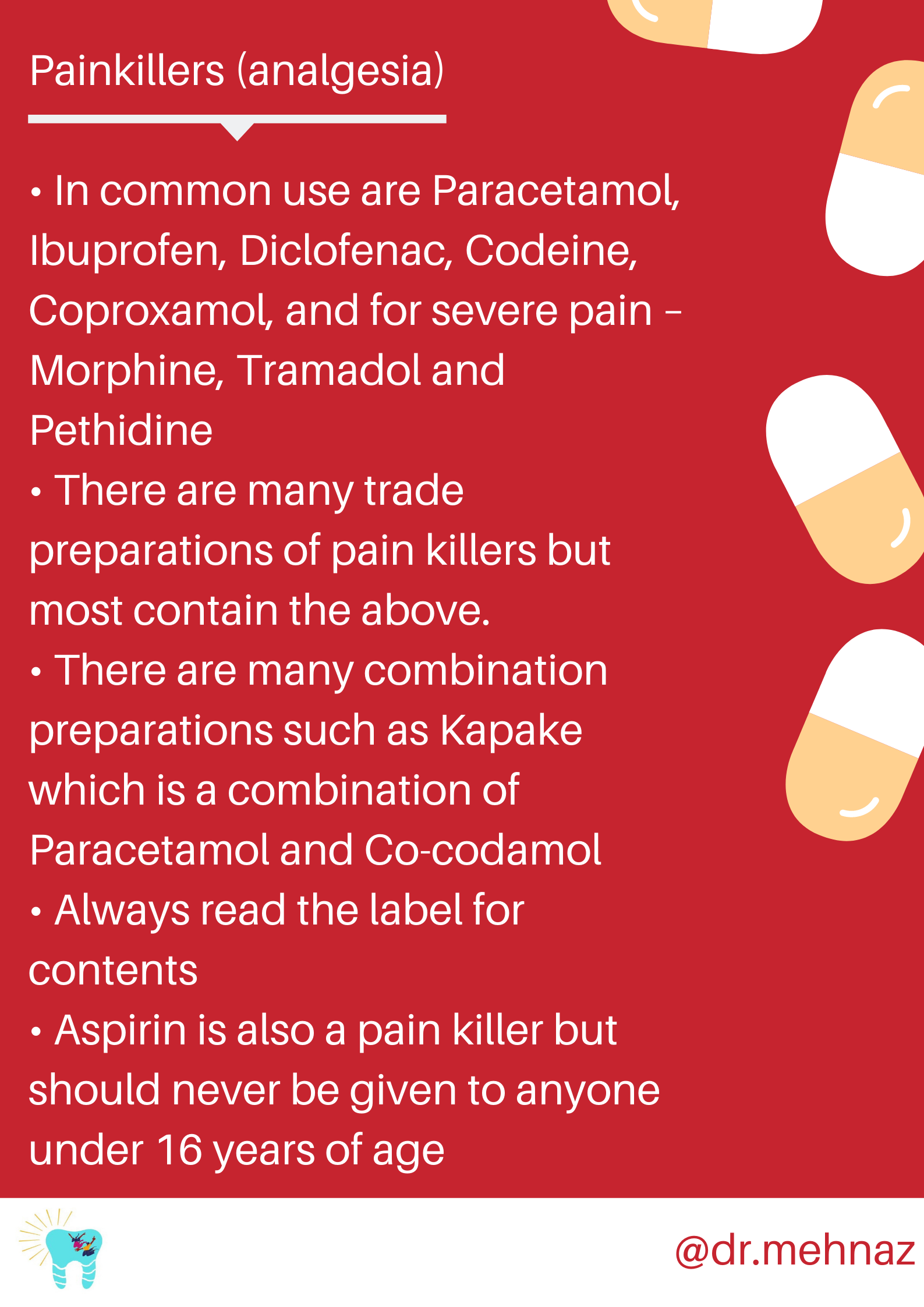
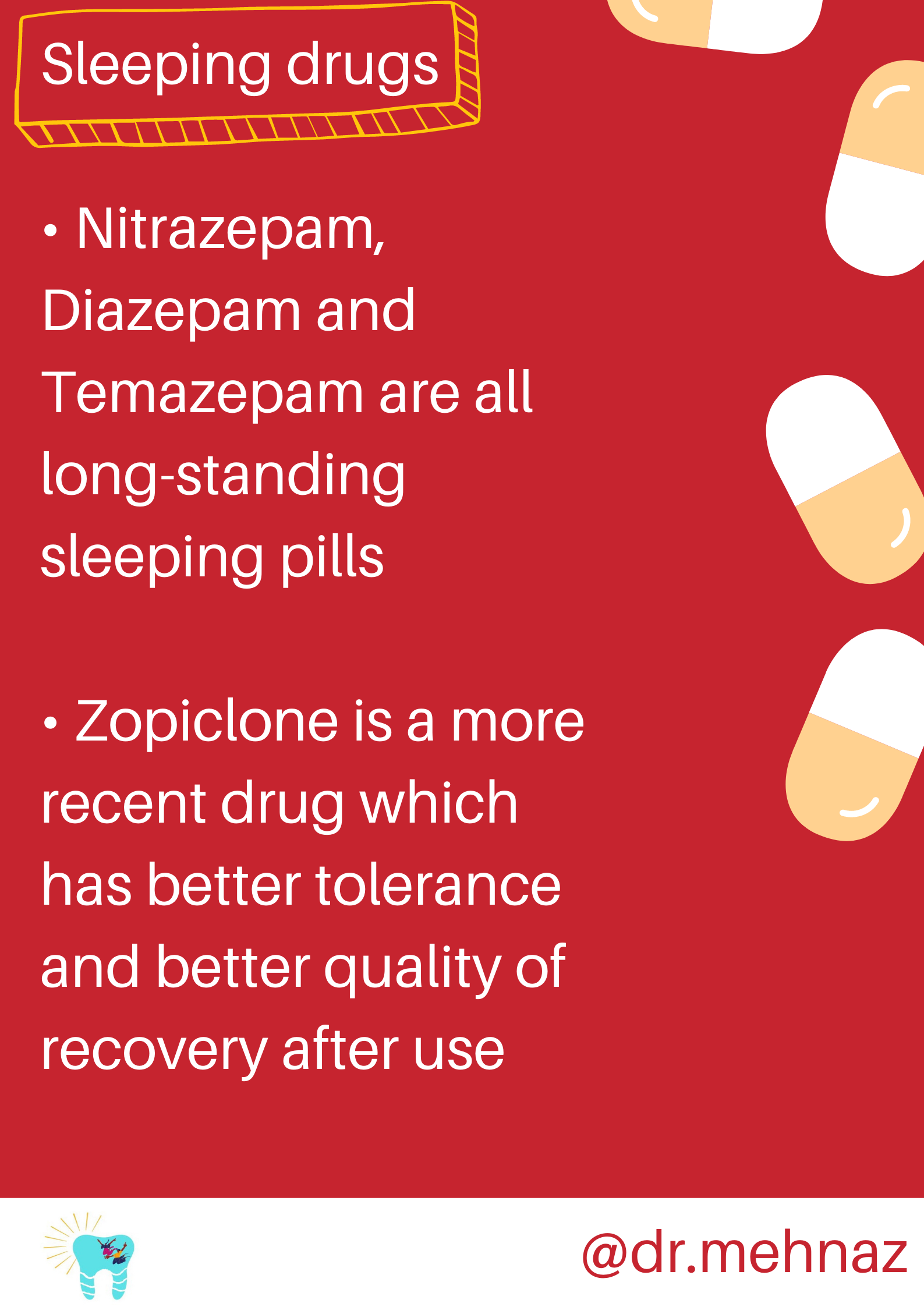
💊In this blog post, we will cover some of the most commonly prescribed medications and their indications/mechanisms of action.
References: 2020 firstaidforfree.com
💊A proper medication (drug) history is important as part of the patient assessment.
💊In this blog post, we will cover some of the most commonly prescribed medications and their indications/mechanisms of action.










References: 2020 firstaidforfree.com

Pharmacology 4th Ed – Tara V Shanbhag, Smita Shenoy


Pharmacology 4th Ed- Tara V Shanbhag, Smita Shenoy
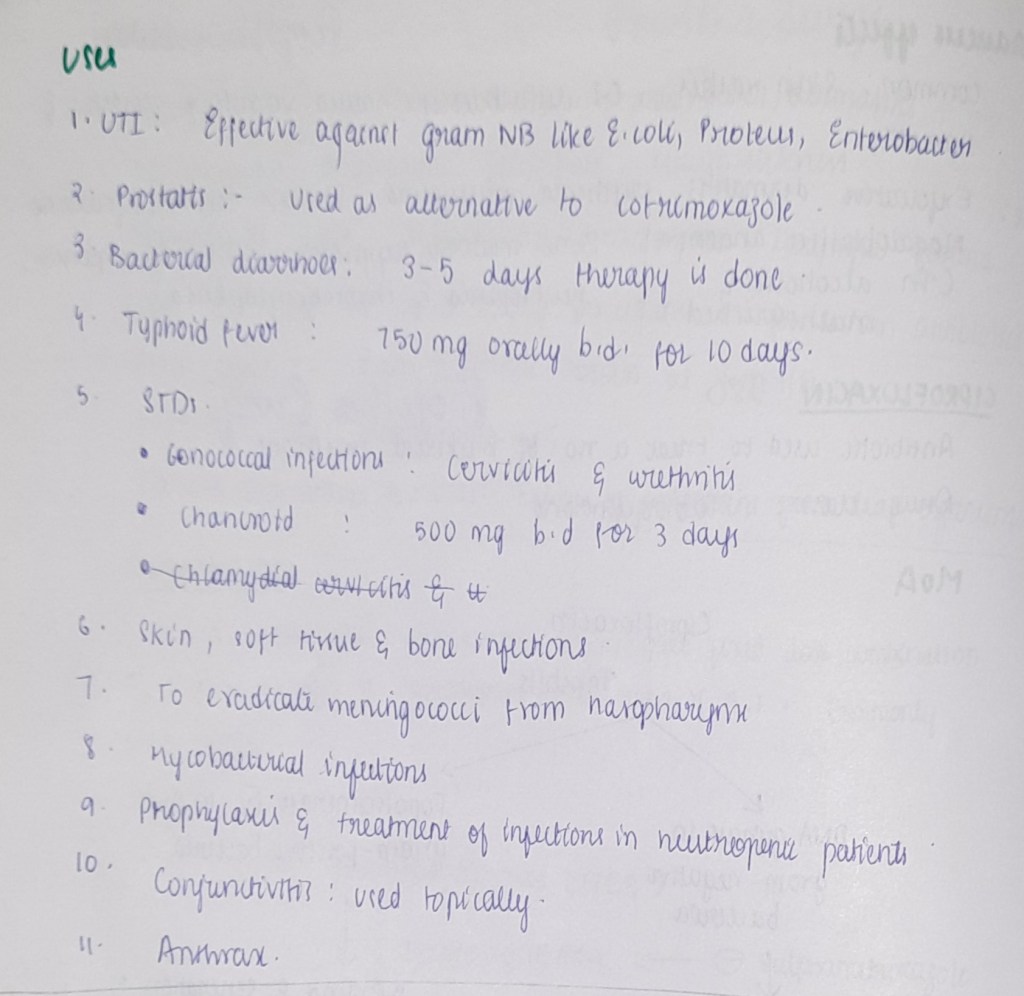
Pharmacology 4th Ed – Tara V Shanbhag, Smita Shenoy
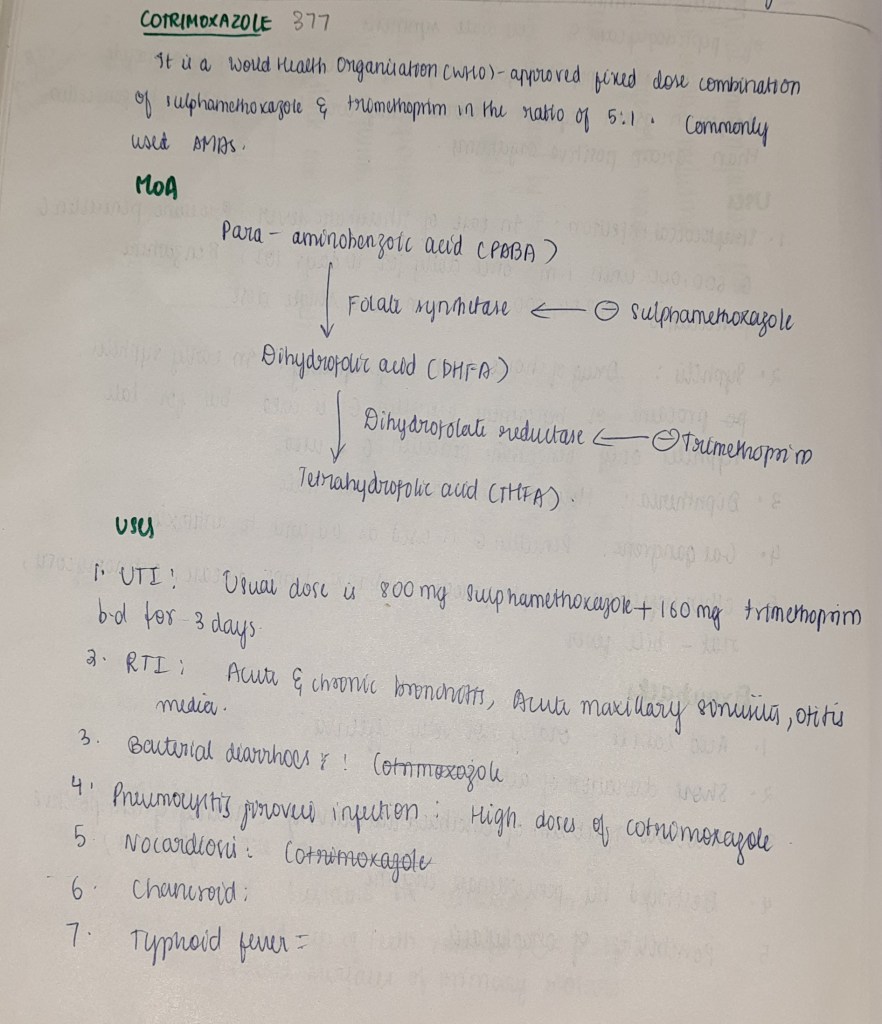
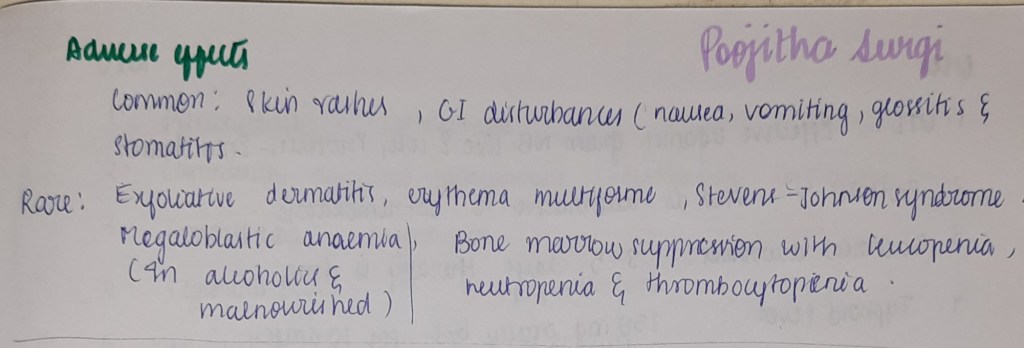
Pharmacology 4th Ed – Tara V Shanbhag, Smita Shenoy
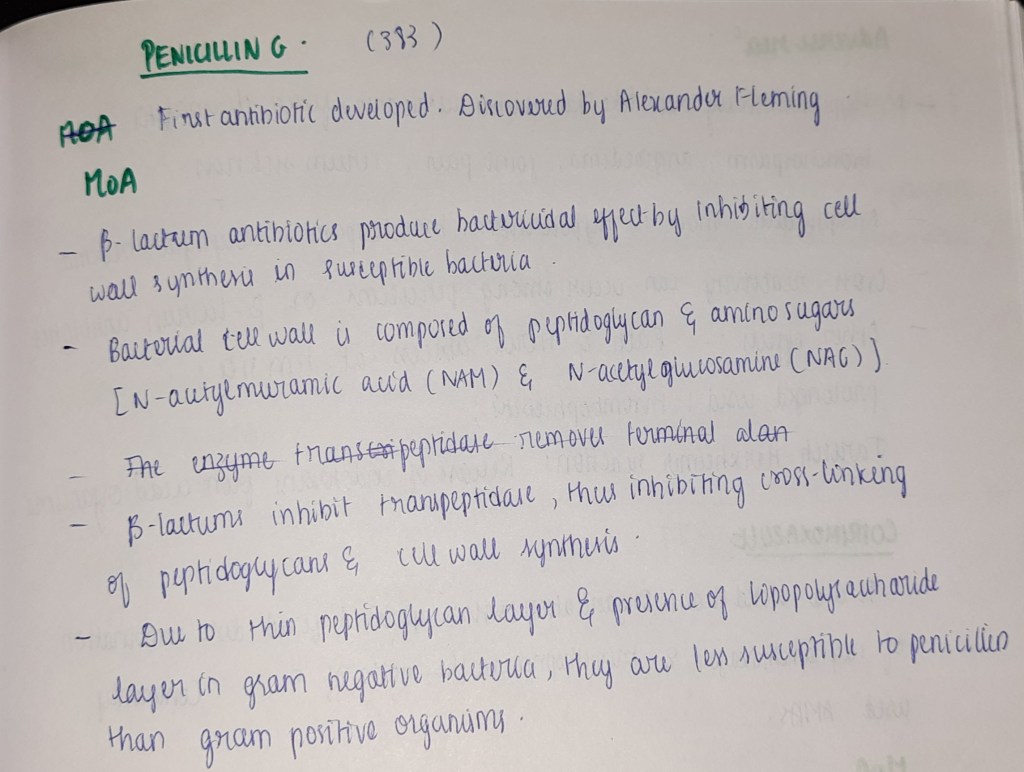
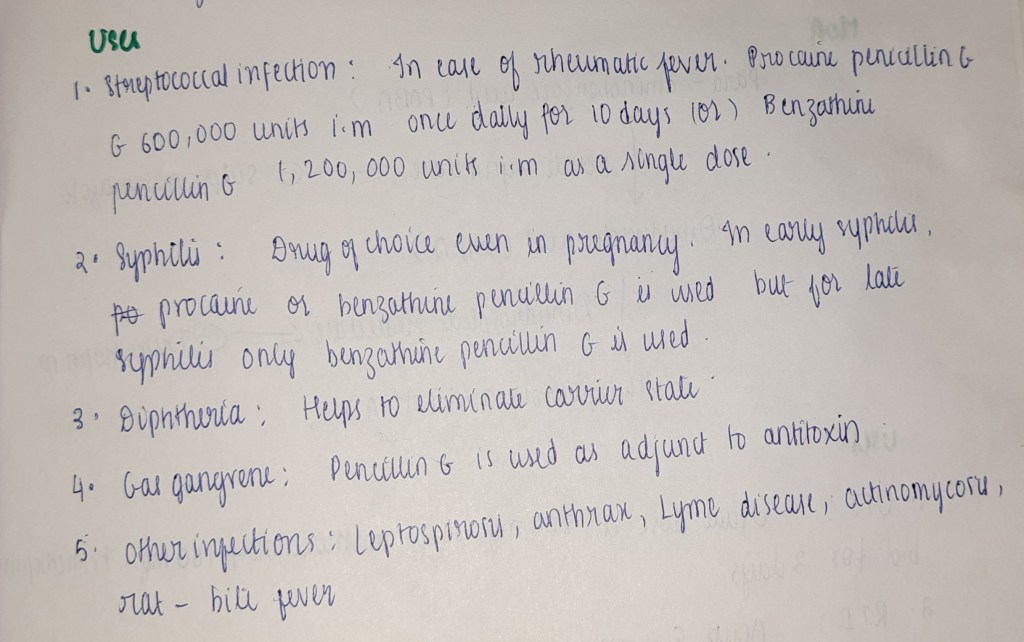
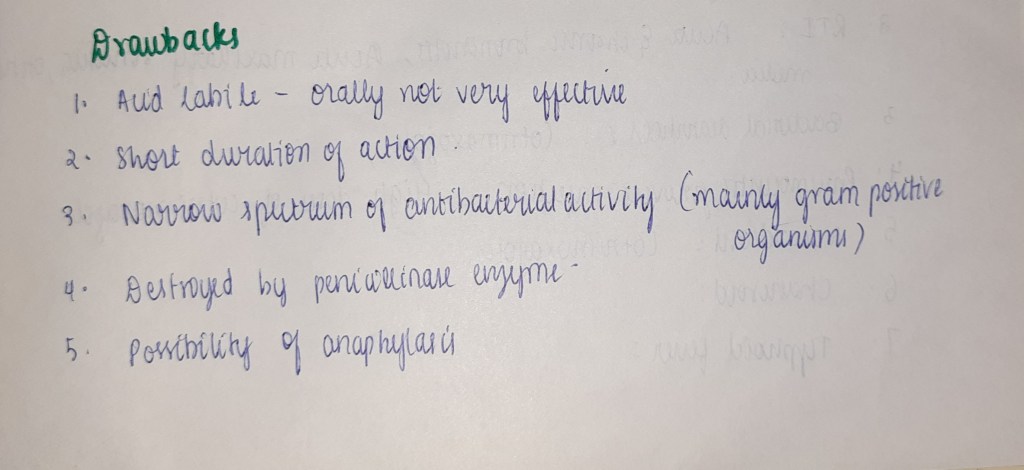
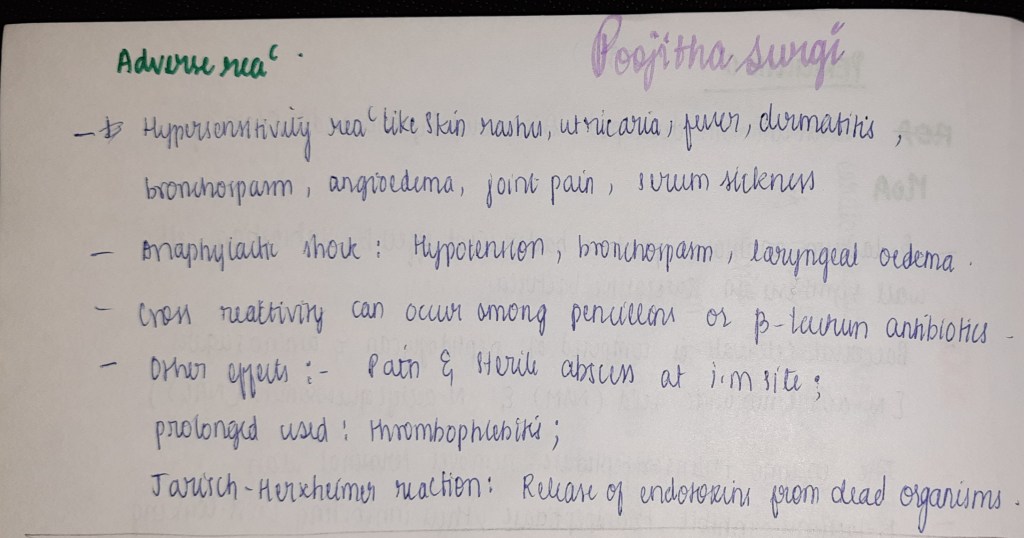
Pharmacology 4th Ed – Tara V Shanbhag, Smita Shenoy

Antidotes available for the treatment of specific poisonings:
☠️ Anticoagulants – 💊 Vitamin K, Fresh frozen plasma
☠️ Beta-blockers – 💊 Glucagon, Adrenaline
☠️ Calcium channel blockers – 💊 Calcium gluconate
☠️ Cyanide – 💊 Oxygen, Dicobalt edetate, nitrites, sodium thiosulphate, hydroxocobalamin
☠️ Ethylene glycol/Methanol – 💊 Ethanol, 4-methylpyrazole
☠️ Lead – 💊 DMSA (2,3-dimercaptosuccinic acid), disodium calcium edetate
☠️ Mercury – 💊 DMPS (2,3-dimercapto-1-propane sulphonate)
☠️ Iron salts – 💊 Desferroxamine
☠️ Opioids – 💊 Naloxane
☠️ Organophosphorus insecticides, nerve agents – 💊 Atropine, pralidoxime (P2S)
☠️ Paracetamol – 💊 N-acetylcysteine, methionine
☠️ Cardiac glycosides – 💊 Digoxin-specific antibody fragments
REFERENCE:
Professor Severus Snape 🖤
Davidson’s Principles and Practice of Medicine (19th edition)
~Sunantha✍️

| Drug/Poison | Antidote |
| Atropine (Belladona poisoning) | Physostigmine |
| Benzodiazepins (e.g. Diazepam) | Flumazenil |
| Beta-adrenoceptor antagonists | Glucagon, Adrenaline |
| Calcium channel blockers | Calcium gluconate |
| Carbamate | Atropine |
| Cyanide | Sodium nitrite/ Amyl nitrite, oxygen, dicobalt edetate, sodium thiosulphate, hydroxocobaamine |
| Digoxin (Digitalis) | Digoxin-specific antibody fragments (Digibind) |
| Ethylene glycol/ Methanol | Fomepizole, Ethanol |
| Fibrinolytics (e.g. Streptokinase) | EACA (Epsilon amino caproic acid) |
| Heparin | Protamine |
| Iron salts | Desferrioxamine |
| Lead | Succimer (DMSA 2,3-dimercaptosuccinic acid), disodium calcium edetate, Dimercaprol(BAL) |
| Mercury or Arsenic | Dimercaprol, d-Penicillamine |
| Opioids (e.g. Morphine) | Naloxone |
| Oral Anticoagulants (e.g. Warfarin, rodenticides) | Vitamin K, fresh frozen plasma |
| Organophosphorus- insecticides, nerve gases | Atropine, Pralidoxime |
| Paracetemol (Acetaminophen) | N-acetylcysteine, Methionine |
| Copper (or Wilson’s disease) | d-Penicillamine |
References: KD TripathiEssentials of Medical Pharmacology 7th Edition

🔗Refer Asthma First Aid & Prevention tips on Page 2‼️
ASTHMA
Mild intermittent
💊 Short acting β2-agonists (e.g. Salbutamol, Terbutaline) inhalations when needed.
💊 Anticholinergics (e.g. Ipratropium, Tiotropium) inhalations when needed, alone or in addition to beta-2 agonists
💬 Patient is asymptomatic between the dyspnoea episodes, so no daily medication required!
ASTHMA
Mild persistent
💊 Short acting β2-agonists (e.g. Salbutamol, Terbutaline) inhalations ➕ Corticosteroid inhalation (low dose)
💊 Short acting β2-agonists ➕ Mast cell stabilizer or Leukotriene antagonist or Theophylline sustained release
💬 Beta-2 agonist inhalation is needed every day, so once daily corticosteroid inhalation if given for asthma control.
ASTHMA
Moderate persistent
💊 Long acting beta-2 agonists (e.g. Salmeterol, Formeterol) inhalations ➕ Corticosteroid inhalation (low to high dose)
💊 Long acting beta-2 agonist tablets or Theophylline sustained release ➕ Corticosteroid inhalation (medium dose)
💬 The dose of corticosteroid inhalations depends on the severity of symptoms.
ASTHMA
Severe persistent
💊 Long acting beta-2 agonists (e.g. Salmeterol, Formeterol) inhalations ➕ Corticosteroid inhalation (high dose) ➕ Corticosteroid tablets/syrup
💊 Long acting beta-2 agonist tablets or Theophylline sustained release ➕ Corticosteroid inhalation (high dose) ➕ Corticosteroid tablets/syrup
💬 Systemic corticosteroids have significant adverse effects, so after adequate asthma control, are gradually withdrawn.*
ASTHMA
Acute severe asthma
💊 Oxygen 60% ➕ Nebulized beta-2 agonists (e.g. Salbutamol) in high dose ➕ Systemic corticosteroids
💬 An emergency condition, earlier called as status asthmatics. Aminophylline is no longer recommended.
* After adequate control of severe persistent asthma, systemic corticosteroids are withdrawn, and the patient then would be managed as moderate persistent type. This is called "step down" approach of management. In this approach, it is considered better to manage patients assuming in the next higher type and then, after reviewing in 1-6 months, to step-down, instead of "step-up" after failure in asthma control.
Aspirin induced
asthma
💊 Leukotriene antagonists (e.g. Montelukast, Zafirlukast)
Exercise induced
asthma
For Prophylaxis: Mast cell stabilizers or beta-2 agonists or Leukotriene antagonists💊
COPD
Dry cough
💊 Cough suppressants (e.g. Dextromethorphan) + Treat the cause e.g. post nasal drip by antihistaminics and decongestants.
Productive cough
💊 Expectorants (e.g. Pot iodide) &/or Mucolytics (e.g. Acetylcysteine) ➕ Treat the cause e.g. allergy by antihistaminics and bacterial infection by antibiotics
References: CLASSIFICATION OF DRUGS WITH DRUGS OF CHOICE 3RD EDITION BY VIKAS SETH

 Dentowesome