SOURCE- RAMYA RAGHU AND STUDERVANT TEXTBOOK
SOURCE- RAMYA RAGHU AND STUDERVANT TEXTBOOK

SOURCE- NISHA GARG AND GROSSMAN TEXTBOOK
SOURCE- NISHA GARG AND GROSSMAN TEXTBOOK
SOURCE- RAMYA RAGHU TEXTBOOK
SOURCE- RAMYA RAGHU AND STUDERVANT TEXTBOOK
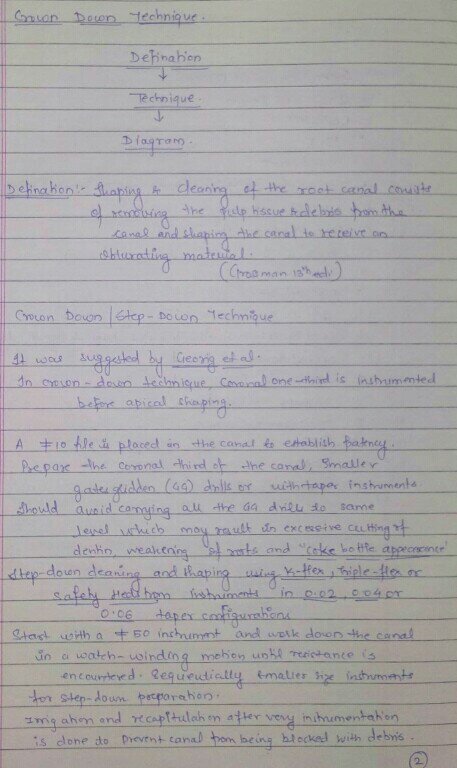
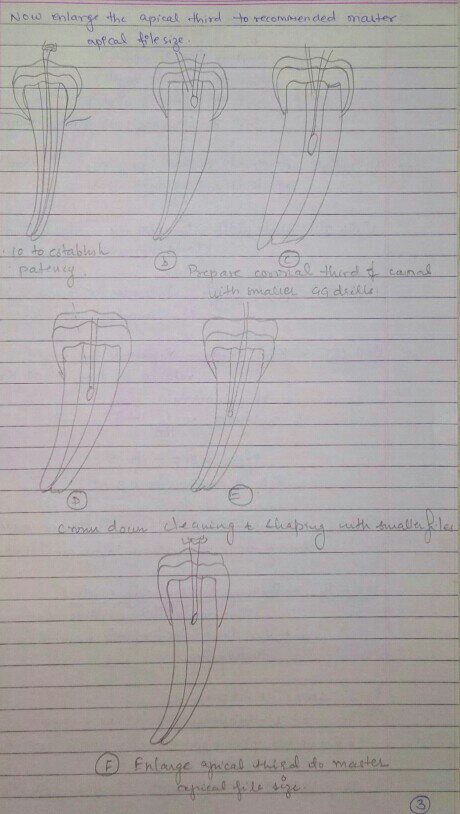
SOURCE- NISHA GARG AND GROSSMAN TEXTBOOK
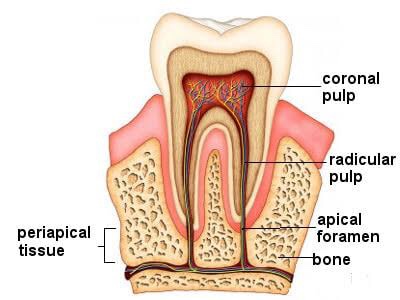
➡️ For all operative procedures, the shape of pulp chamber & its extensions into the cusps, pulpal horns is important.
➡️ In some developmental disturbances the pulpal horn projects high into the cusps & exposure of pulp can occur when it is least anticipated.
➡️ Pulpitis is the response of the traumatized pulp with trauma being the result of a bacterial infection as in dental caries or physical trauma to tooth structure.
➡️ Pulpitis in milder form could result in focal reversible pulpitis & may progress if left unchecked to acute & chronic forms of pulpitis.
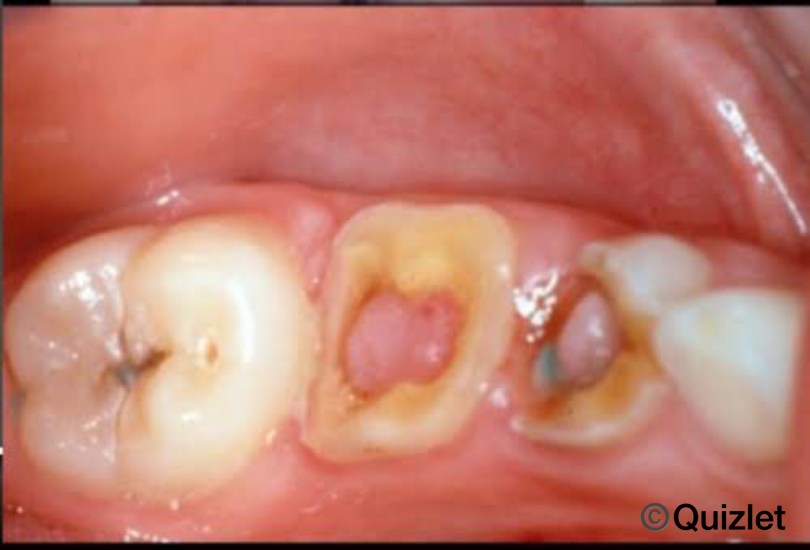
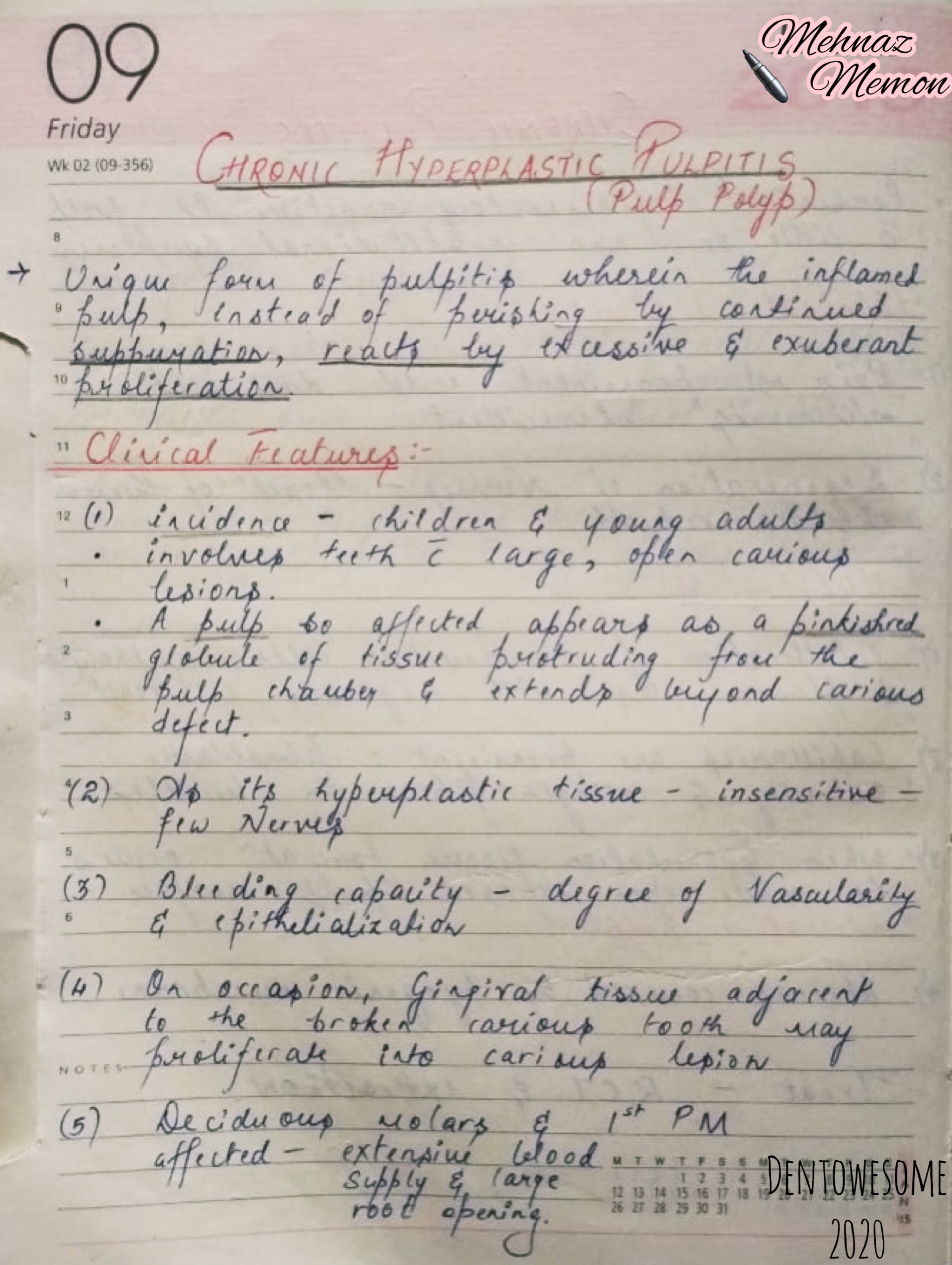
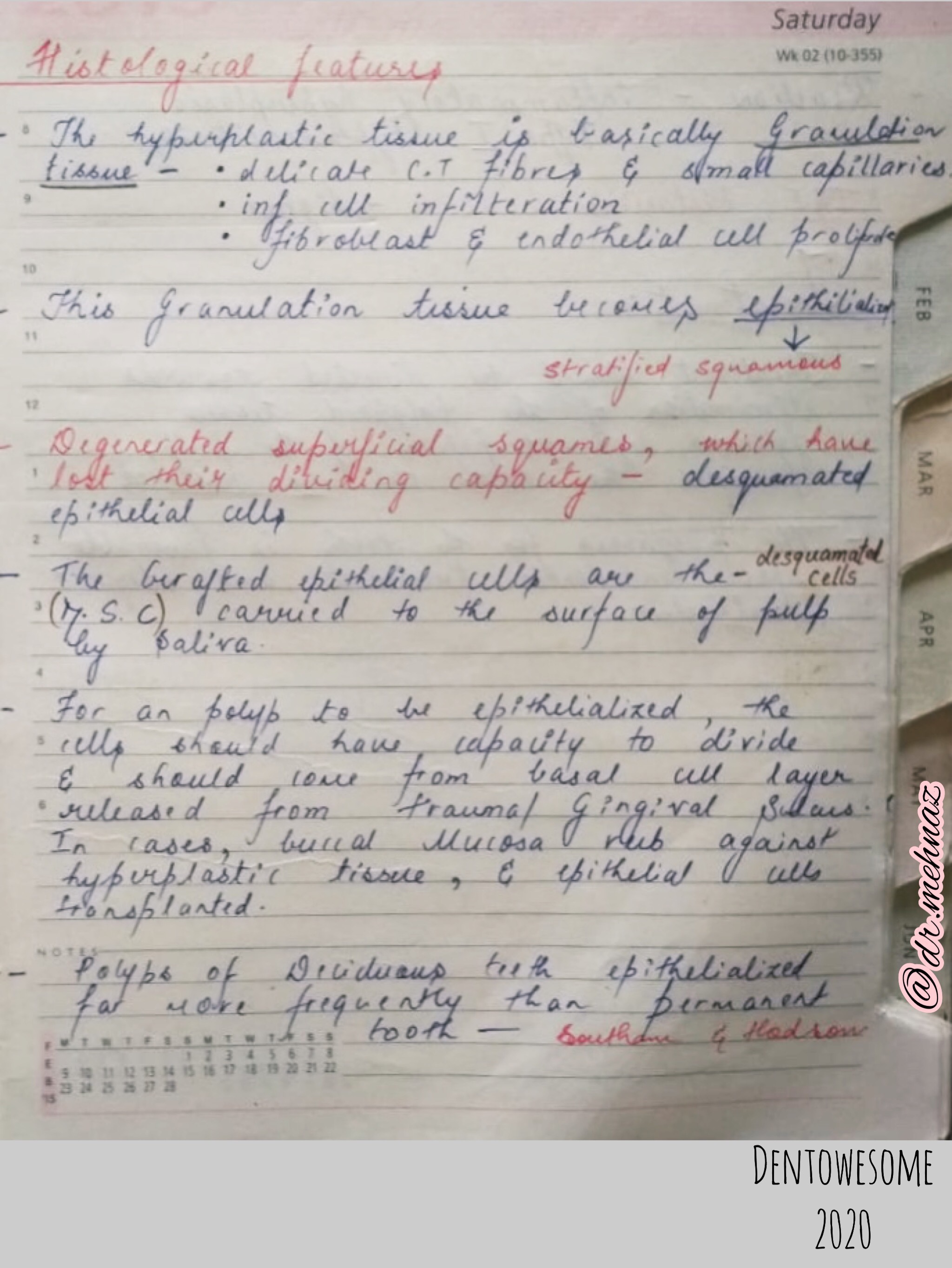
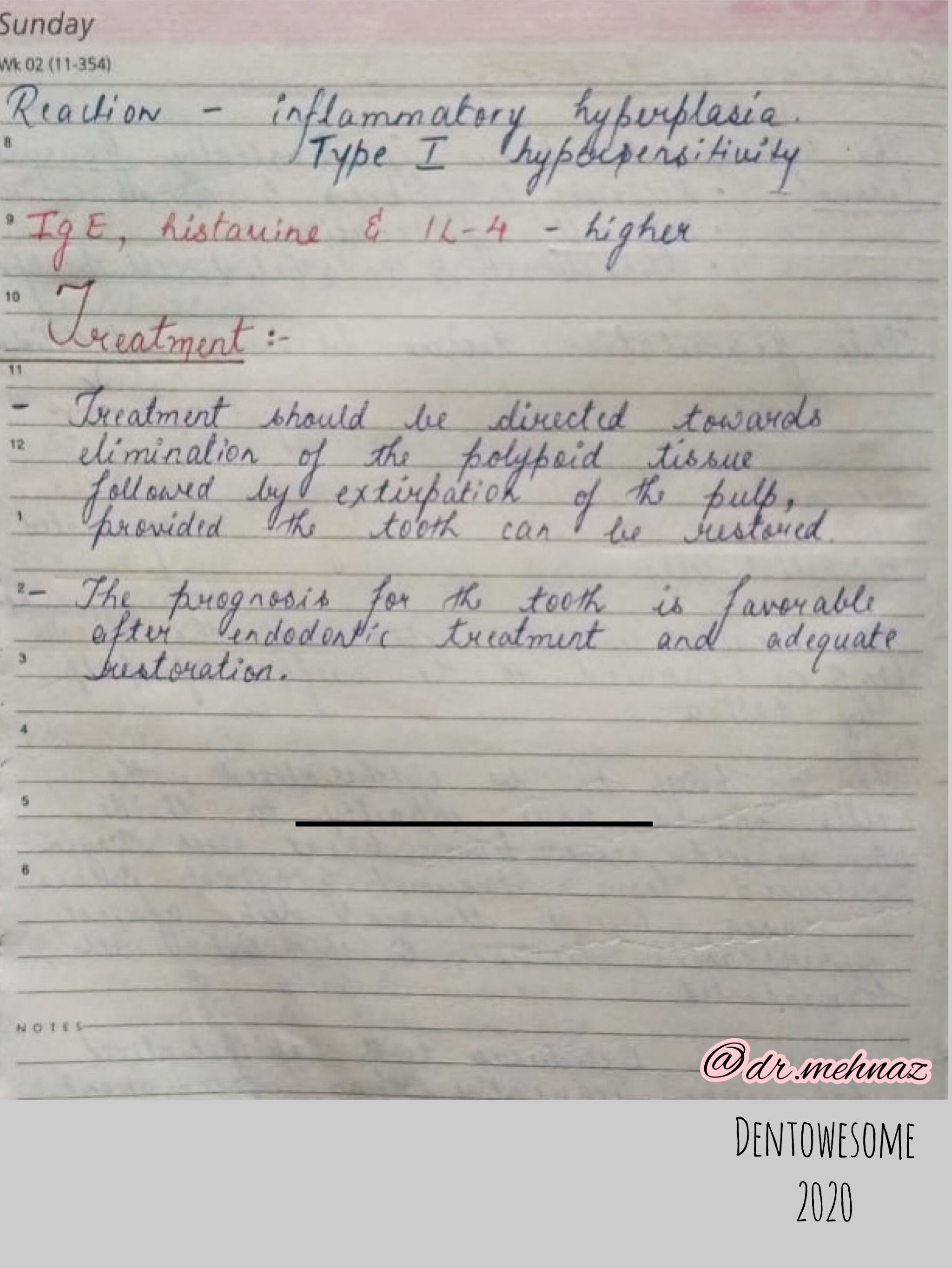
➡️ Well vascularized pulpal tissue may at times in carious molar teeth of young adults & children with open apex exhibit a form of hyperplasia seen clinically in exposed pulp chamber as a protruding red mass of granulation tissue called pulp polyp or chronic hyperplastic pulpitis.
➡️ Inflammation within pulp may also sometimes result in a condition called pulp polyp, internal resorption or pink tooth.
➡️ Pulp infection can spread apically into PDL causing granuloma, abscess, cysts.
➡️ Pulp stones lying at the opening of the root canal may cause difficulty to locate the root canals.
➡️ A necrotic pulp can cause spread of disease to periodontium through an accessory canal.
➡️ Pulp capping is successful in non-infected or minimally infected accidentally exposed pulp in individuals of any age.
Source: Internet, Grossman’s Textbook of Endodontics
Dentowesome 2020 @ dr.mehnaz
source – don’t remember, had written it a lot time ago
1
2
3
References: Shafer’sTextbook Of Oral Pathology, Grossman’s Endodontic practice

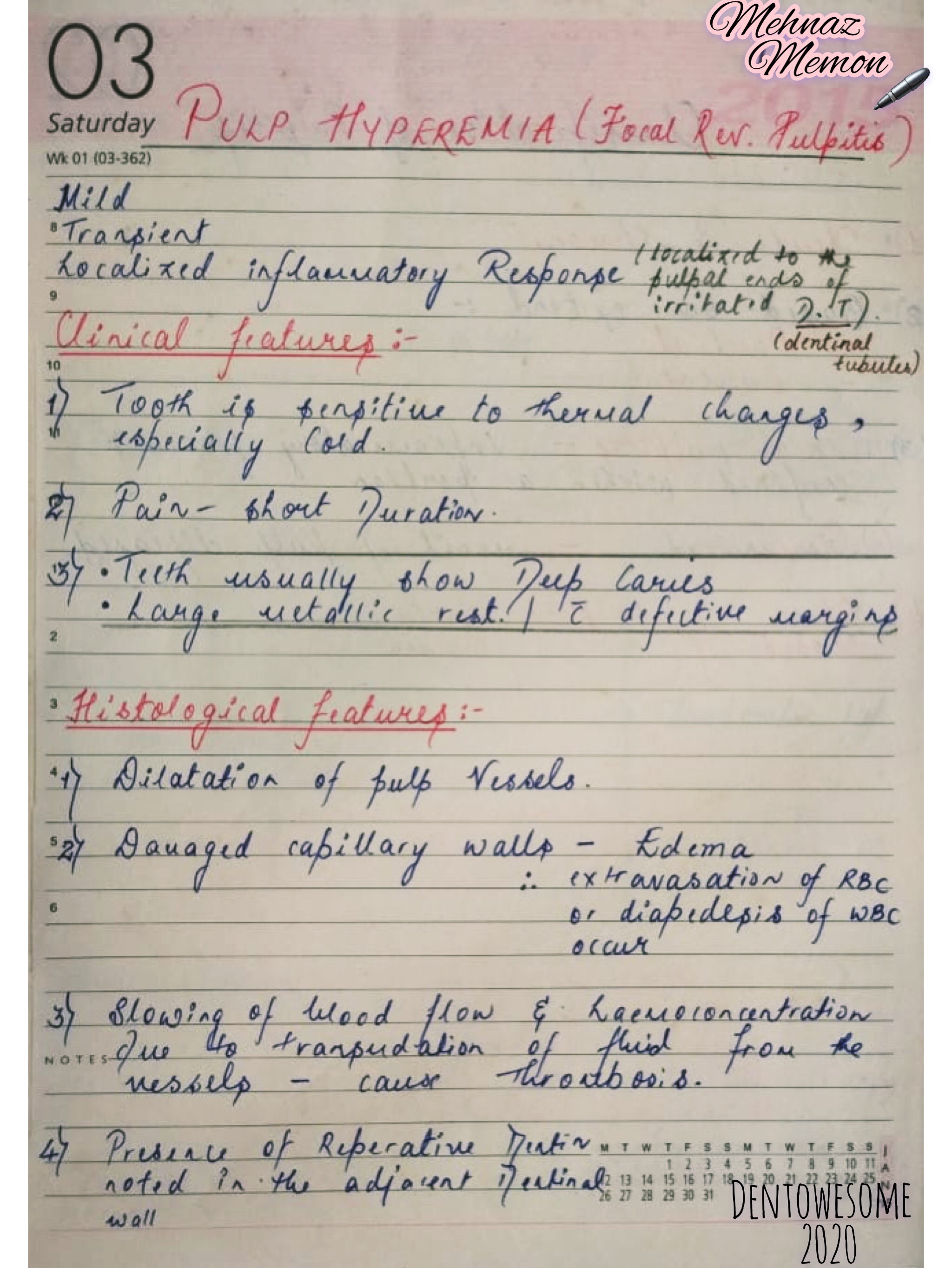
1) Pulp Hyperemia (Focal Reversible Pulpitis)
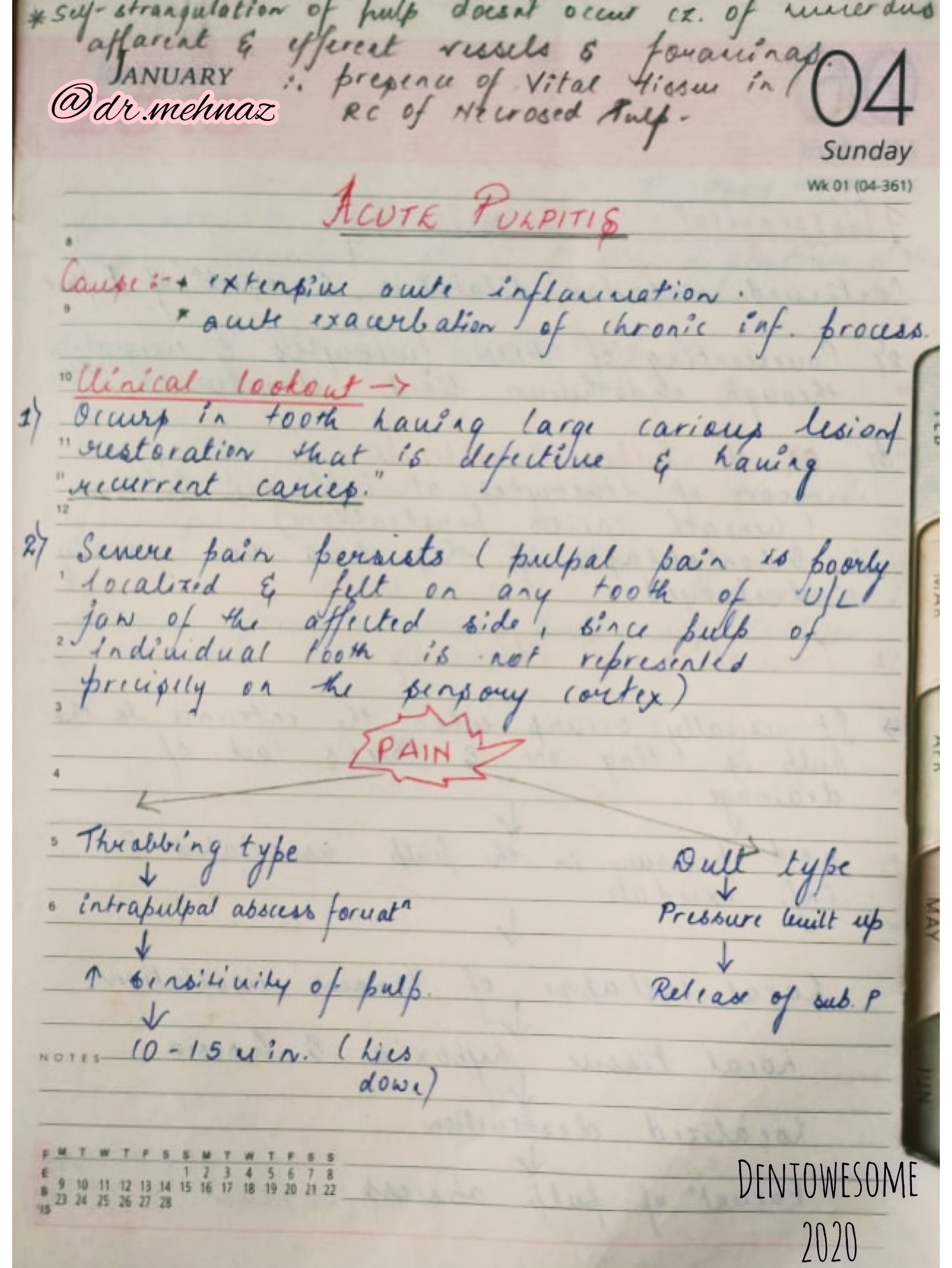
2) Acute Pulpitis


3) Chronic Pulpitis
References: Shafer’sTextbook Of Oral Pathology
 Dentowesome