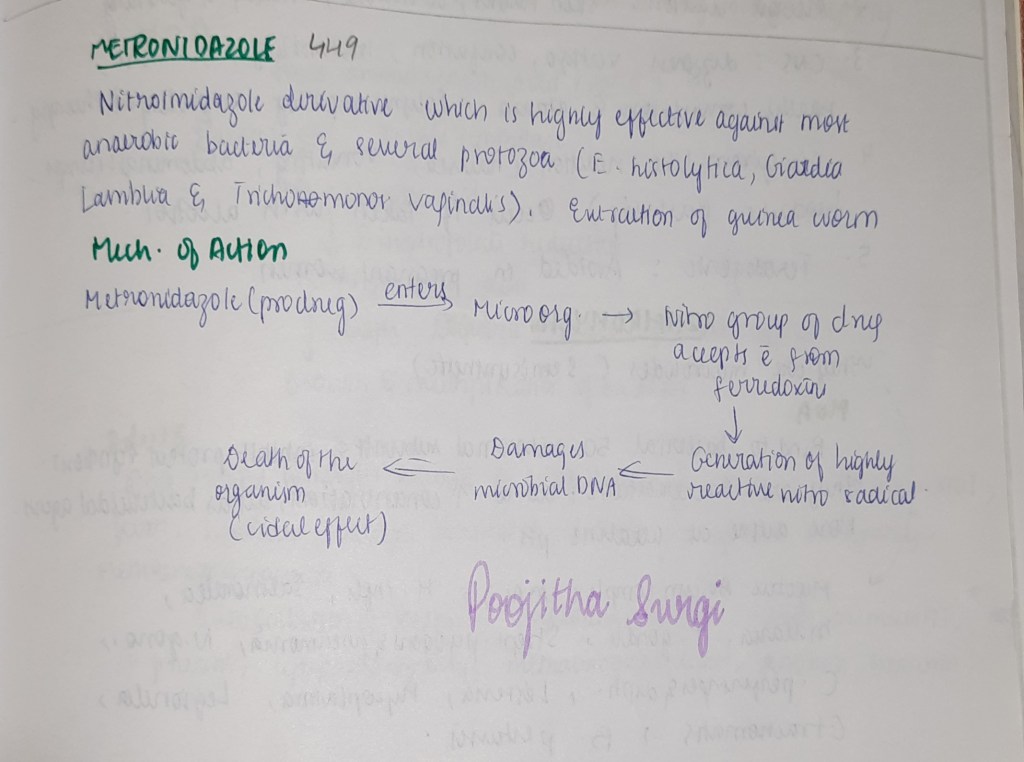
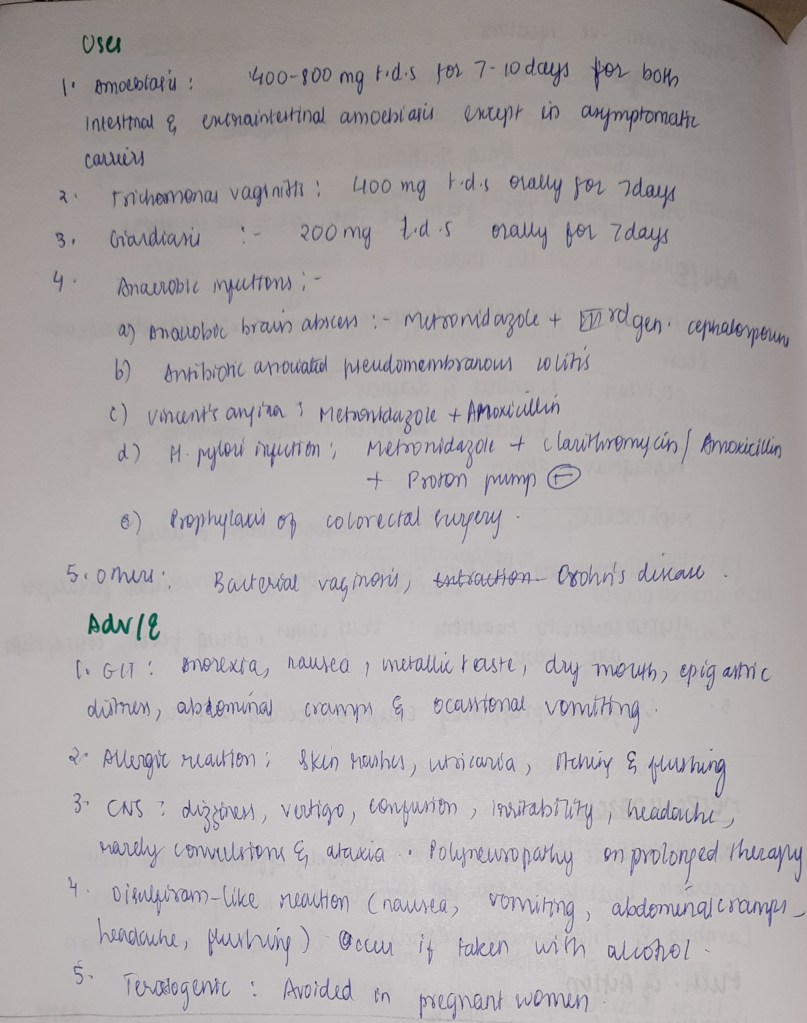
Pharmacology 4th Ed: Tara V Shanbhag, Smita Shenoy
Pharmacology 4th Ed: Tara V Shanbhag, Smita Shenoy
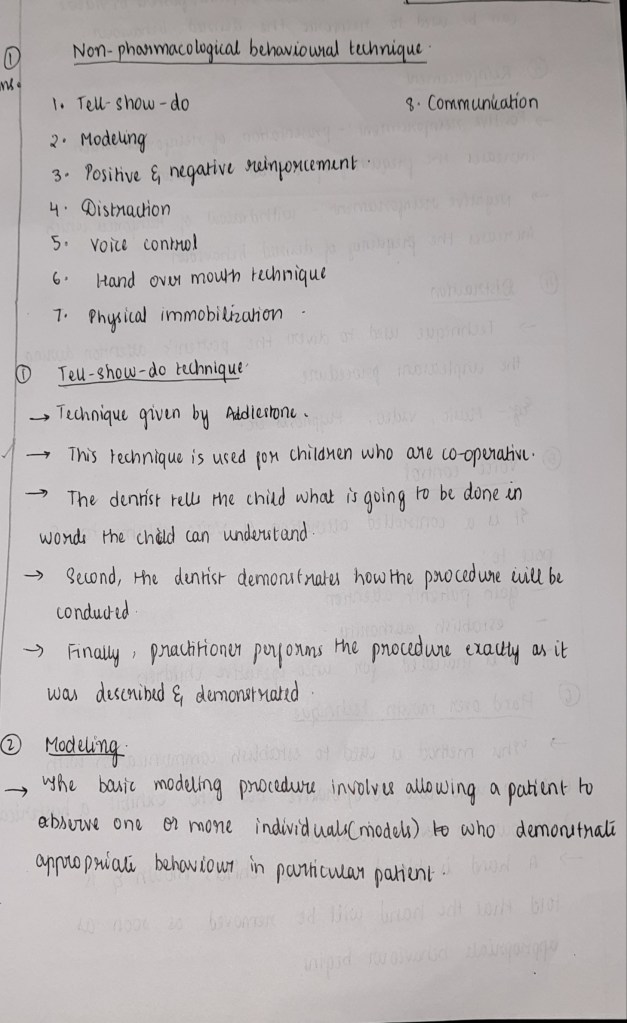
Given by Addlestone in 1959.
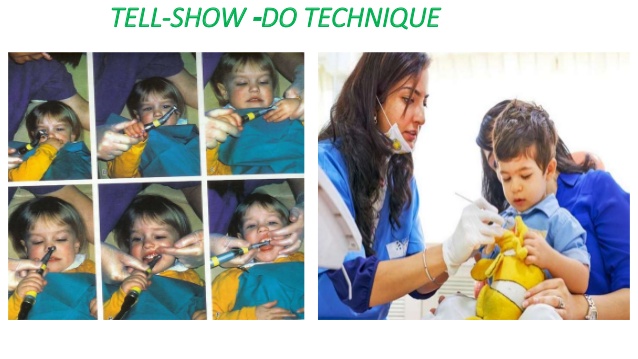
TELL: The technique involves verbal explanation of procedures in phrases appropriate to the development level of the patient.
SHOW: Demonstrations for the patient of the visual, auditory, olfactory & tactile aspects of the procedure in a carefully defined, non threatening sett.
DO: And then, without deviating from the explanation & demonstration, completion of the procedure.
This technique is used with communication skills (verbal and nonverbal) & positive reinforcement.
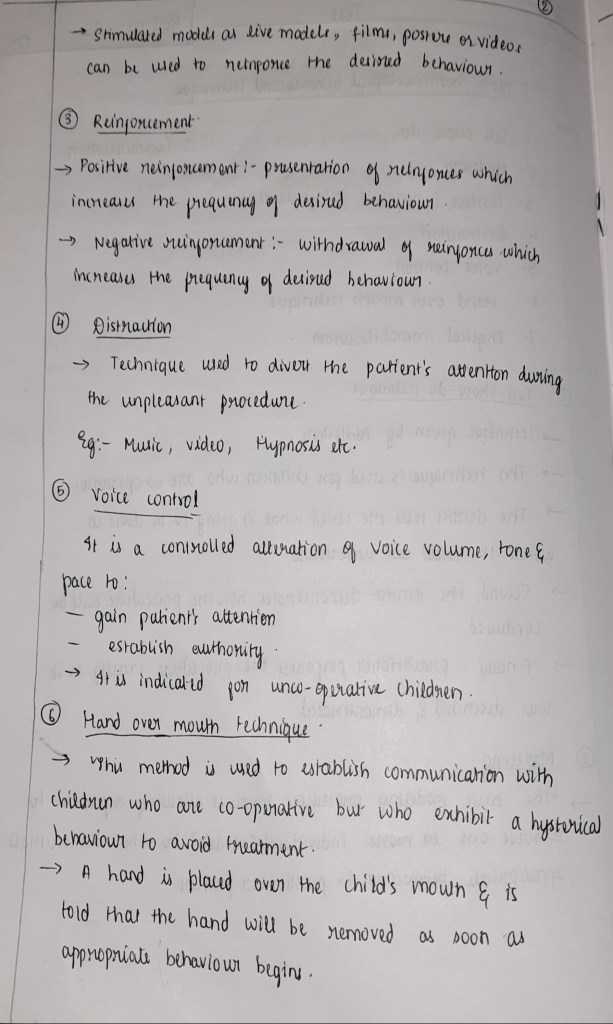
( Positive reinforcement is the presentation of reinforces which increases the frequency of desired behavior)
Poojitha Surgi- Team dentowesome
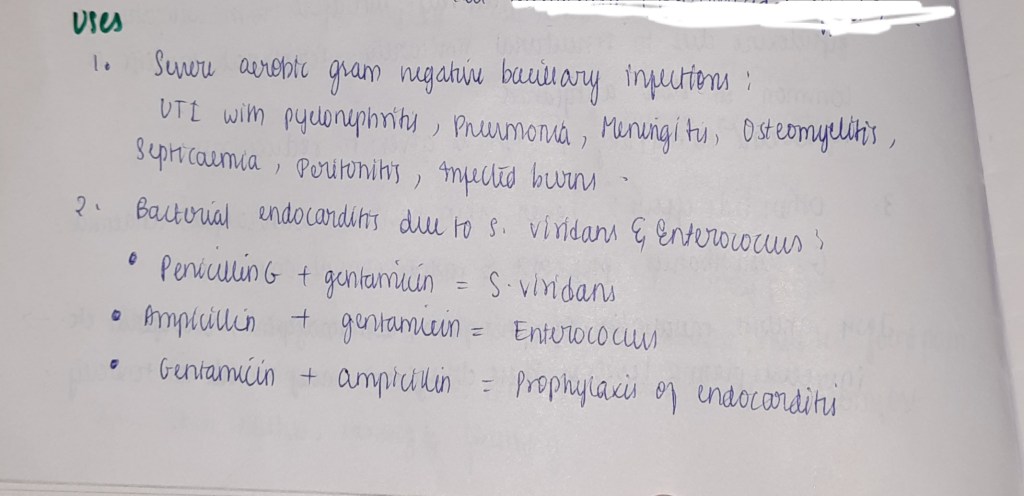
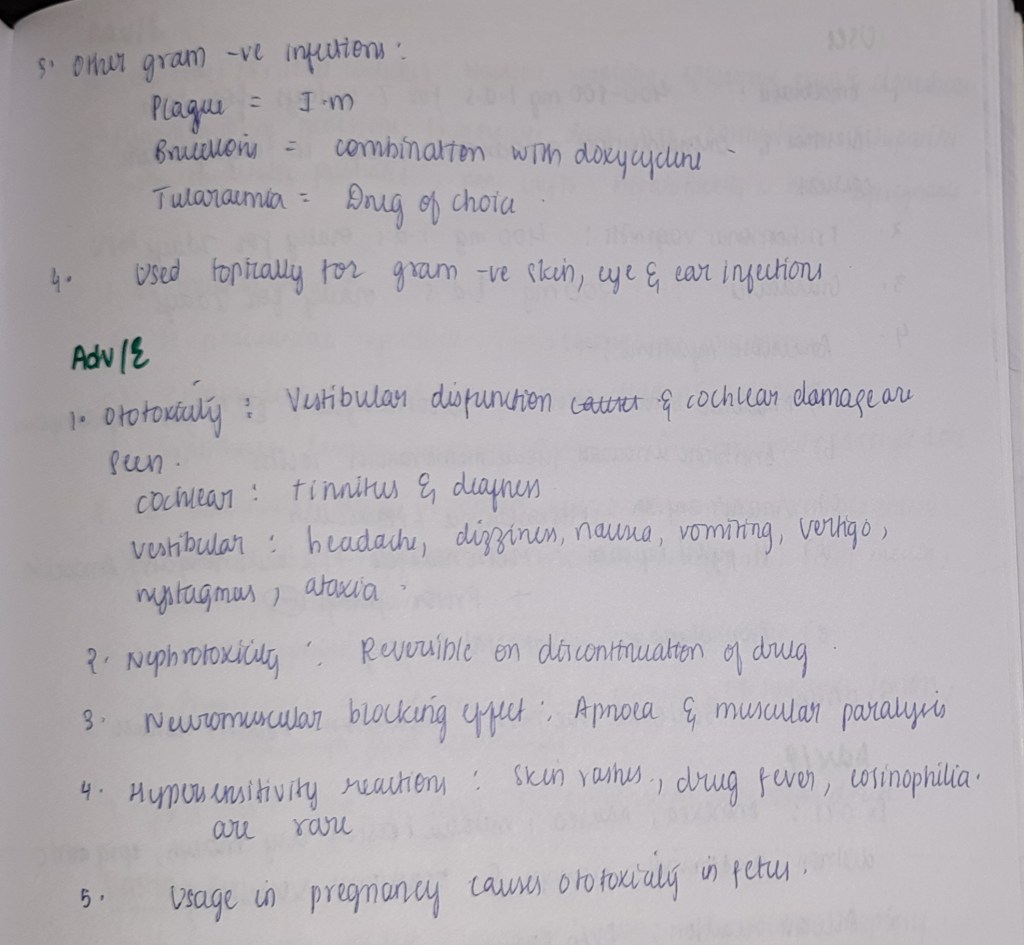
Bactericidal, aminoglycoside antibiotic; available for parenteral and topical administration.

Pharmacology 4th Ed: Tara V Shanbhag, Smita Shenoy
Isonicotinic acid hydrazide (INH)
Highly effective and most widely used antitubercular agent.
MoA
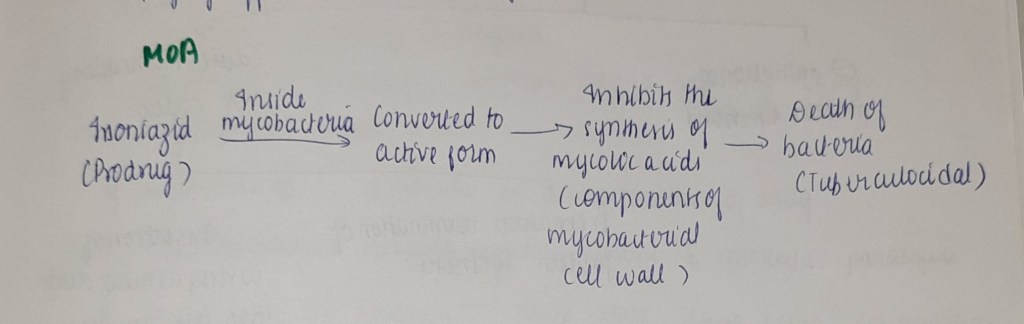
Uses
First- line drug for treatment of TB. Used for chemo prophylaxis of TB.
Adv. E
Pyridoxine 10mg/day + INH is given to reduce risk
3. Other side effects : Fever, skin rashes, arthralgia, anemia, GI disturbances, psychosis and rarely convulsions.
INH inhibits metabolism of pheytoin, carbamazepine, warfarin etc. ➡️ increases plasma levels of these drugs ➡️ may result in toxicity.
REFERENCE:
Pharmacology 4th Ed: Tara V Shanbhag, Smita Shenoy
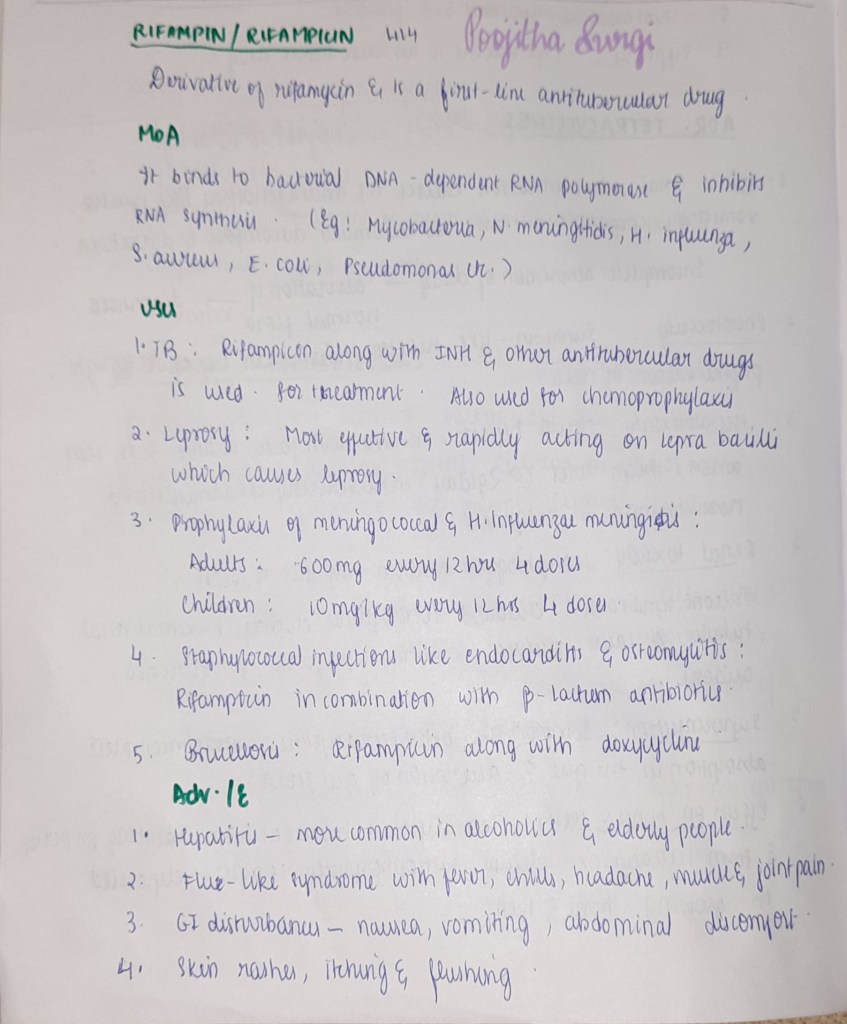
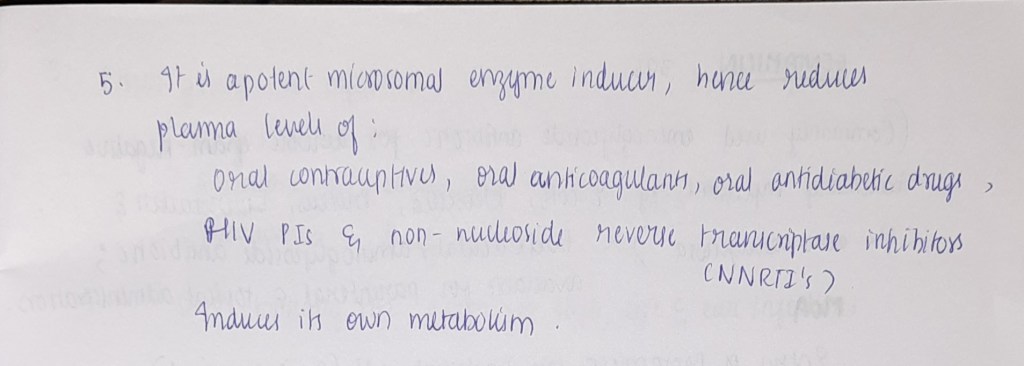
Pharmacology 4th Ed – Tara V Shanbhag, Smita Shenoy

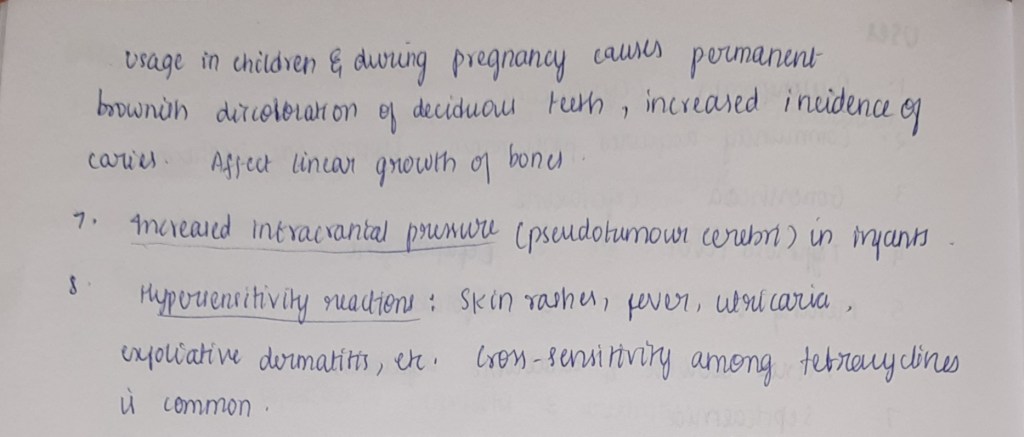
Pharmacology 4th Ed – Tara V Shanbhag, Smita Shenoy


Pharmacology 4th Ed- Tara V Shanbhag, Smita Shenoy
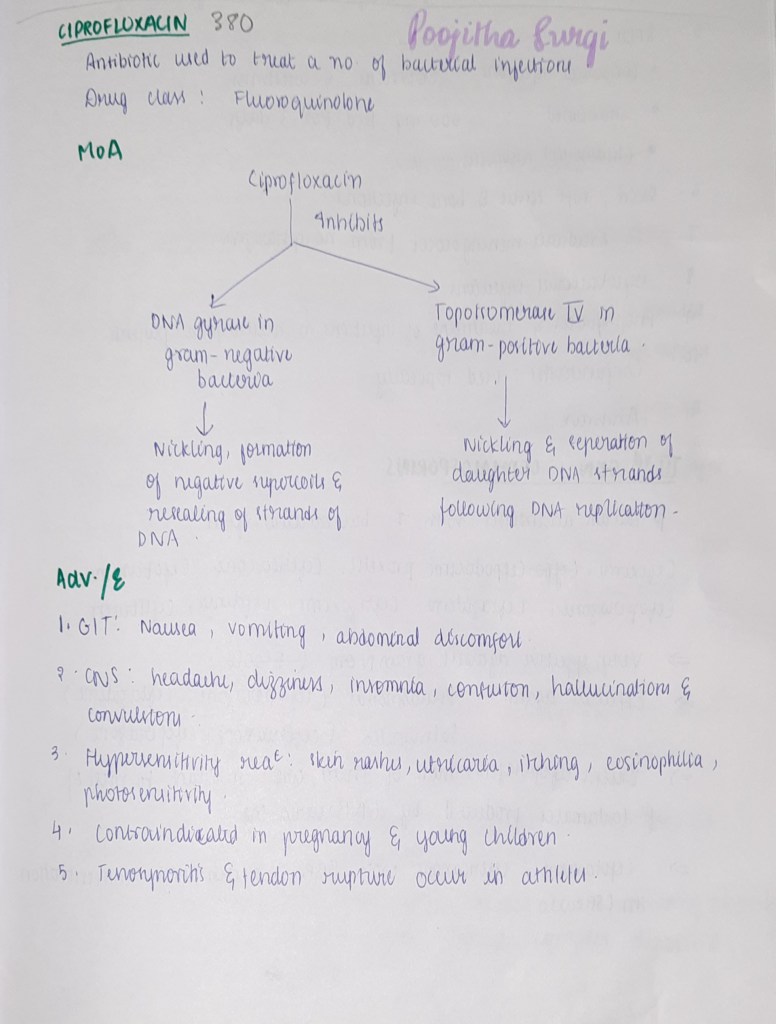
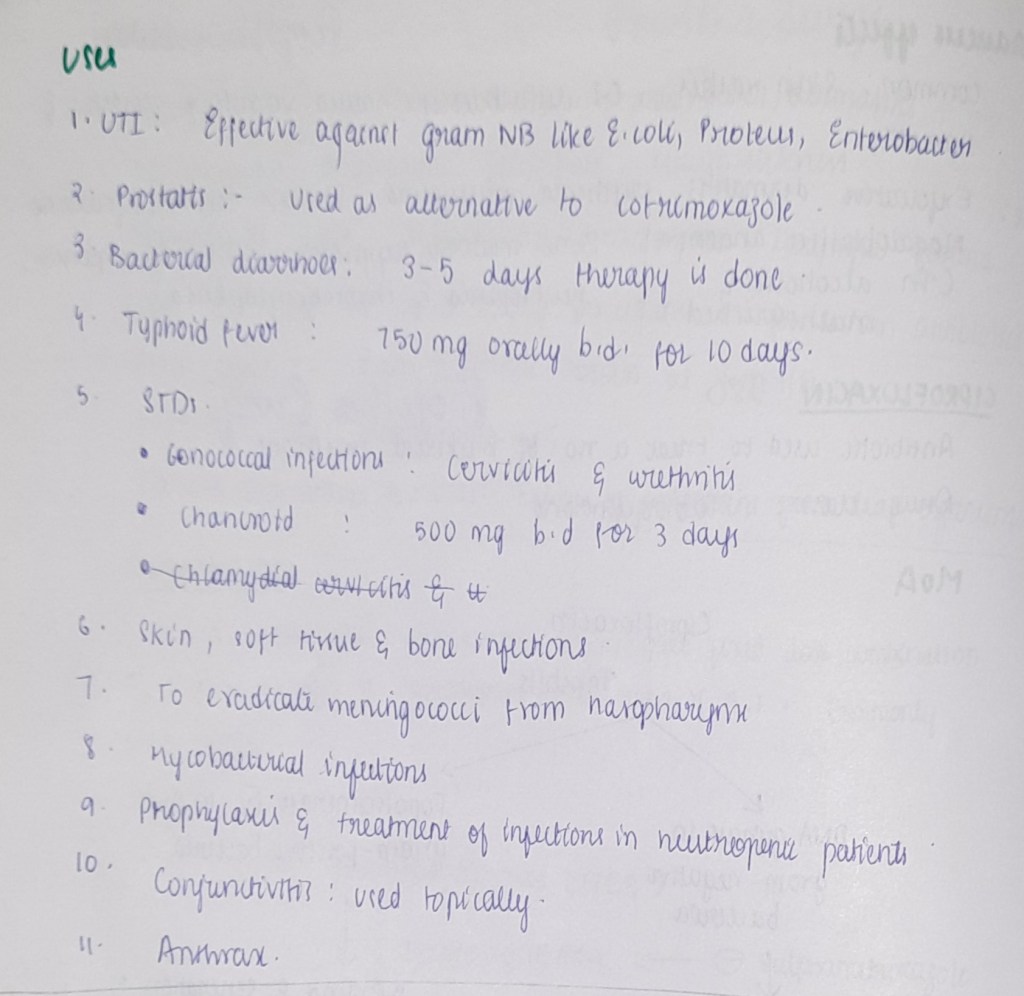
Pharmacology 4th Ed – Tara V Shanbhag, Smita Shenoy
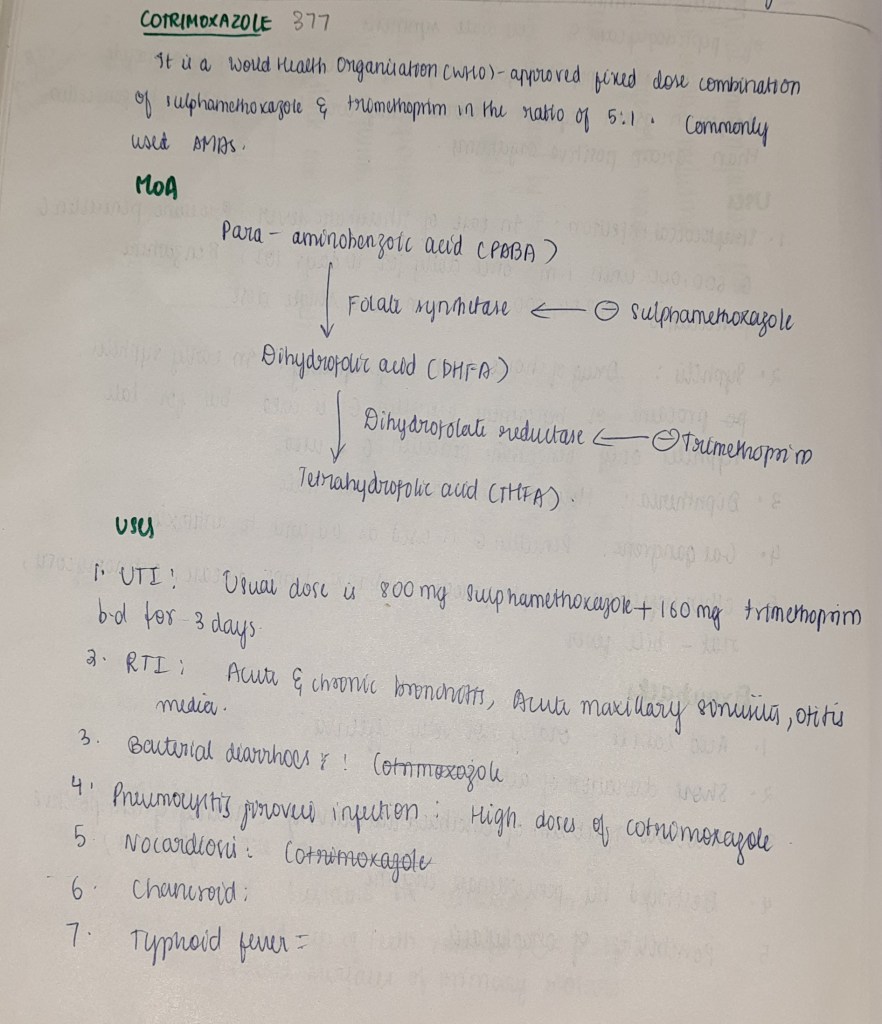
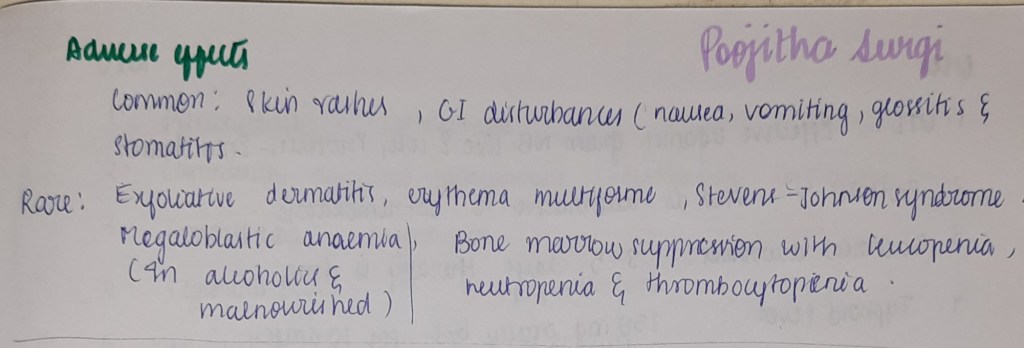
Pharmacology 4th Ed – Tara V Shanbhag, Smita Shenoy
 Dentowesome