Comparative evaluation of postoperative pain following chemomechanical preparation of single-rooted nonvital teeth with symptomatic apical periodontitis with and without laser irradiation

Hey, peeps! 🌟 Let’s talk about postoperative pain in those endodontic procedures! 😫 Ouch, right? But guess what? There are some cool ways to reduce that pain! 🙌💙 One factor is how they clean and shape those root canals – it can release irritants and cause inflammation! 🔍😓 But fear not, studies have looked into different techniques to make it less painful! 😎 Like keeping the apical patency during the cleaning process – it didn’t make a big difference in pain! 🚫🦷 And using laser irradiation as an add-on – whoa, it actually helped reduce post-op pain! 🔥💡 Even the form of sodium hypochlorite (NaOCI) they use matters! But whether it’s gel or solution, post-op pain is kinda similar! 🤷‍♀️💦 Also, the size of apical preparation – it didn’t affect pain much either! 😅🔄 So, it’s like a puzzle, fam! There’s no one-size-fits-all solution, and they need to pick the best pain relief for each case! 🧩💊

Postoperative pain is a common concern in endodontic procedures, and various factors can contribute to its occurrence. One important factor is the chemomechanical preparation of the root canals, which can lead to the release of irritants and induce an acute inflammatory response in periapical tissues (Machado et al., 2022; Uysal et al., 2022; Adigüzel et al., 2019). The presence of residual infection after chemomechanical preparation can also contribute to postoperative pain (Shivangi et al., 2022). Therefore, it is crucial to evaluate different techniques and adjuncts that can potentially reduce postoperative pain in endodontic procedures.

One study compared the effect of maintaining apical patency during chemomechanical preparation on postoperative pain in posterior teeth with necrotic pulps and apical periodontitis. The study found that maintaining apical patency had no significant influence on postoperative pain in these cases (Arora & Duhan, 2015). Another study compared the postoperative pain intensity after using reciprocating and continuous rotary glide path systems for glide path preparation. The study found that there was no significant difference in postoperative pain intensity between the two systems (Adigüzel et al., 2019).

Laser irradiation has also been investigated as an adjunct to reduce postoperative pain in endodontic procedures. A double-blind randomized placebo-controlled clinical trial compared postoperative pain following chemomechanical preparation with and without laser irradiation in nonvital teeth with symptomatic apical periodontitis. The study found that laser irradiation led to a significant reduction in postoperative pain (Machado et al., 2022; Shivangi et al., 2022).

The form of sodium hypochlorite (NaOCI) used during chemomechanical preparation has also been studied in relation to postoperative pain. A randomized clinical trial compared the effect of using gel and solution forms of NaOCI on postoperative pain. The study found that the use of the gel form of NaOCI showed similar postoperative pain compared to the solution form (Özlek et al., 2021).

Furthermore, the size of apical preparation has been investigated in relation to postoperative pain. One study evaluated postoperative pain after endodontic treatment of necrotic teeth submitted to large apical preparation using oscillatory kinematics. The study found no significant difference in postoperative pain between teeth with and without large apical preparation (Machado et al., 2022; Machado et al., 2021).

In addition to the techniques and adjuncts used during chemomechanical preparation, the choice of analgesics can also affect postoperative pain. A study compared local and systemic ibuprofen for the relief of postoperative pain in symptomatic teeth with apical periodontitis. The study aimed to determine the most effective method for relieving postoperative pain due to chemomechanical preparation (Uysal et al., 2022).

Overall, the management of postoperative pain in endodontic procedures is a multifactorial process. Factors such as the technique and adjuncts used during chemomechanical preparation, the form of irrigants, the size of apical preparation, and the choice of analgesics can all influence postoperative pain. It is important for clinicians to consider these factors and tailor their approach to each individual case to minimize postoperative pain and improve patient comfort.

REFERENCES

Adigüzel, M., Yılmaz, K., Tufenkci, P. (2019). Comparison Of Postoperative Pain Intensity After Using Reciprocating and Continuous Rotary Glide Path Systems: A Randomized Clinical Trial. Restor Dent Endod, 1(44). https://doi.org/10.5395/rde.2019.44.e9 Arora, M., Duhan, J. (2015). Effect Of Maintaining Apical Patency On Endodontic Pain In Posterior Teeth With Pulp Necrosis and Apical Periodontitis: A Randomized Controlled Trial. Int Endod J, 4(49), 317-324. https://doi.org/10.1111/iej.12457 García-Font, M., Duran-Sindreu, F., Calvo, C., Basilio, J., Abella, F., Ali, A., … & Olivieri, J. (2017). Comparison Of Postoperative Pain After Root Canal Treatment Using Reciprocating Instruments Based On Operator’s Experience: a Prospective Clinical Study. J Clin Exp Dent, 0-0. https://doi.org/10.4317/jced.54037 Machado, R., Comparin, D., Ignácio, S., Mx, N. (2022). Postoperative Pain After Endodontic Treatment Of Necrotic Teeth Submitted To Large Apical Preparation Using Oscillatory Kinematics. J Clin Exp Dent, e158-e167. https://doi.org/10.4317/jced.58726 Machado, R., Comparin, D., Ignácio, S., Neto, U. (2021). Postoperative Pain After Endodontic Treatment Of Necrotic Teeth With Large Intentional Foraminal Enlargement. Restor Dent Endod, 3(46). https://doi.org/10.5395/rde.2021.46.e31 Opacic-Galic, V., Zivkovic, S. (2011). Postoperative Pain After Primary Endodontic Treatment and Retreatment Of Asimptomatic Teeth. SERBIAN DENT J, 2(58), 75-81. https://doi.org/10.2298/sgs1102075p Shivangi, S., Rao, R., Jain, A., Verma, M., Guha, A., Langade, D. (2022). Comparative Evaluation Of Postoperative Pain Following Chemomechanical Preparation Of Single-rooted Nonvital Teeth With Symptomatic Apical Periodontitis With and Without Laser Irradiation: A Double-blind Randomized Placebo Controlled Clinical Trial. J Conserv Dent, 6(25), 610. https://doi.org/10.4103/jcd.jcd_276_22 Uysal, İ., Eratilla, V., Topbaş, C., Çelik, Y. (2022). Comparison Of Local and Systemic Ibuprofen For Relief Of Postoperative Pain In Symptomatic Teeth With Apical Periodontitis. Med Sci Monit, (28). https://doi.org/10.12659/msm.937339 Özlek, E., Gunduz, H., Kadi, G., Tasan, A., Akkol, E. (2021). The Effect Of Solution and Gel Forms Of Sodium Hypochlorite On Postoperative Pain: A Randomized Clinical Trial. J. Appl. Oral Sci., (29). https://doi.org/10.1590/1678-7757-2020-0998
Ozone: An Adjunct in Dental Treatment

Ozone therapy has gained attention in the field of dentistry as a potential adjunct treatment for various dental conditions. Ozone, a colorless gas with a characteristic odor, has been shown to have antimicrobial, disinfectant, biocompatibility, and healing properties (Naik et al., 2016). It is being explored as a potential atraumatic, biologically-based treatment for conditions encountered in dental practice (Nogales et al., 2008). Ozone therapy has been used in dentistry for a range of applications, including the prevention and management of dental caries, teeth remineralization, control of infection, disinfection of periodontal pockets, teeth bleaching, management of pain, biofilm removal, enhancement of healing, tissue regeneration, and control of halitosis (Mostafa & Zakaria, 2018).

One of the advantages of ozone therapy is its antimicrobial effect. Ozone has been found to have a rapid microbicidal effect on oral microorganisms in pure culture (Nagayoshi et al., 2004). It has been shown to kill oral microorganisms at a concentration of 2-4 mg/l (Nagayoshi et al., 2004). Ozone has also been found to be effective in disinfecting medical instruments and similar equipment (Baysan et al., 2000). It can be used as a soaking solution for dental instruments (Nagayoshi et al., 2004). Ozone therapy has been proposed as an alternative non-medication therapy for the management of oral lichen planus (Mostafa & Zakaria, 2018). It has also shown success in managing wound healing, gingivitis, periodontitis, osteonecrosis of the jaw, and dentin hypersensitivity (Suh et al., 2019).

In addition to its antimicrobial properties, ozone therapy has been found to have anti-inflammatory effects. Locally applied ozone has been shown to alleviate painful conditions and reduce inflammatory responses (AL-Omiri et al., 2018). Ozone therapy has been explored for its potential to improve the healing of infected wounds, necrotic or poorly oxygenated tissue, and facial nerve regeneration (Özbay et al., 2017). It has also been studied for its potential to enhance the healing of peri-implant mucositis and promote tissue repair in periapical lesions (Butera et al., 2023; Silva et al., 2022).

The use of ozone therapy in dentistry is still evolving, and more research is needed to establish safe and well-defined parameters for its use. Randomized controlled trials are necessary to determine the precise indications and guidelines for ozone therapy in dental practice (Nogales et al., 2008). Despite its potential benefits, the application of ozone therapy in dentistry is limited due to possible side effects (Naik et al., 2016). Therefore, dental practitioners need to have a proper understanding of ozone therapy and its proper usage to provide better patient care and reduce the time and cost of treatment (Naik et al., 2016).

In conclusion, ozone therapy has shown potential as an adjunct treatment in dental practice. It has antimicrobial, disinfectant, anti-inflammatory, and healing properties that make it a promising option for various dental conditions. However, further research is needed to establish safe and well-defined parameters for its use in dental practice. Dental practitioners should stay updated with the latest evidence and guidelines regarding ozone therapy to provide optimal care to their patients.

REFERENCES

AL-Omiri, M., Nazeh, A., Kielbassa, A. (2018). Randomized Controlled Clinical Trial On Bleaching Sensitivity and Whitening Efficacy Of Hydrogen Peroxide Versus Combinations Of Hydrogen Peroxide And Ozone. Sci Rep, 1(8). https://doi.org/10.1038/s41598-018-20878-0 AlMogbel, A., Albarrak, M., AlNumair, S. (2023). Ozone Therapy In the Management And Prevention Of Caries. Cureus. https://doi.org/10.7759/cureus.37510 Anzolin, A., Silveira-Kaross, N., Bertol, C. (2020). Ozonated Oil In Wound Healing: What Has Already Been Proven?. Med Gas Res, 1(10), 54. https://doi.org/10.4103/2045-9912.279985 Barczyk, I., Masłyk, D., Walczuk, N., Kijak, K., Skomro, P., Gronwald, H., … & Lietz-Kijak, D. (2023). Potential Clinical Applications Of Ozone Therapy In Dental Specialties—a Literature Review, Supported By Own Observations. IJERPH, 3(20), 2048. https://doi.org/10.3390/ijerph20032048 Baysan, A., Whiley, R., Lynch, E. (2000). Antimicrobial Effect Of a Novel Ozone– Generating Device On Micro–organisms Associated With Primary Root Carious Lesions In Vitro. Caries Res, 6(34), 498-501. https://doi.org/10.1159/000016630 Butera, A., Pascadopoli, M., Gallo, S., Martínez, C., Val, J., Parisi, L., … & Scribante, A. (2023). Ozonized Hydrogels Vs. 1% Chlorhexidine Gel For the Clinical And Domiciliary Management Of Peri-implant Mucositis: A Randomized Clinical Trial. JCM, 4(12), 1464. https://doi.org/10.3390/jcm12041464 Grillo, R., Campos, F., Jodas, C. (2022). Alternative Approach To Treating Dark Circles: a Case Report. J of Cosmetic Dermatology, 12(21), 6909-6912. https://doi.org/10.1111/jocd.15349 Jain, M., Mishra, R., Mishra, R., Ghritlahare, H., Pathak, A., Shukla, S. (2021). Ozone Therapy-new Innovation In Dentistry. ijhs, 444-452. https://doi.org/10.53730/ijhs.v5ns2.5866 Kazancioglu, H., Ezirganli, S., Demirtaş, N. (2013). Comparison Of the Influence Of Ozone And Laser Therapies On Pain, Swelling, And Trismus Following Impacted Third-molar Surgery. Lasers Med Sci, 4(29), 1313-1319. https://doi.org/10.1007/s10103-013-1300-y Marconcini, S. (2023). The Effect Of Ozonized Water Irrigation In the Circuits Of Professional Ultrasonic Scalers For Causal Therapy Of Stage I Periodontitis: A Randomized Clinical Study. J Dent Hyg Sci, 1(23), 13-19. https://doi.org/10.17135/jdhs.2023.23.1.13 Meira, A., Santos, A., Lima, C., Milhomens, F., Araujo-Silva, G., Cardoso, M., … & Filho, J. (2022). Use and Applicability Of Ozone Therapy In Clinical Practice In Dentistry: An Integrative Review. Int. J. Odontostomat., 4(16), 468-474. https://doi.org/10.4067/s0718-381×2022000400468 Mithun, D., Moses, J., Sharanya, N. (2022). Ozone Therapy In Management and Prevention Of Dental Caries- A Review. IJPedoR, 2(7), 25-29. https://doi.org/10.56501/intjpedorehab.v7i2.579 Mostafa, B., Zakaria, M. (2018). Evaluation Of Combined Topical Ozone and Steroid Therapy In Management Of Oral Lichen Planus. Open Access Maced J Med Sci, 5(6), 879-884. https://doi.org/10.3889/oamjms.2018.219 Mousa, H. (2023). Clinical and Radiographic Evaluation Of Ozone Therapy In Odontectomy Of Impacted Mandibular Third Molar. Int. J. Appl. Dent. Sci., 1(9), 307-311. https://doi.org/10.22271/oral.2023.v9.i1e.1697 Nagayoshi, M., Fukuizumi, T., Kitamura, C., Yano, J., Terashita, M., Nishihara, T. (2004). Efficacy Of Ozone On Survival and Permeability Of Oral Microorganisms. Oral Microbiol Immunol, 4(19), 240-246. https://doi.org/10.1111/j.1399-302x.2004.00146.x Naik, S., Rajeshwari, K., Kohli, S., Zohabhasan, S., Bhatia, S. (2016). Ozone- a Biological Therapy In Dentistry- Reality Or Myth?????. TODENTJ, 1(10), 196-206. https://doi.org/10.2174/1874210601610010196 Nogales, C., Ferrari, P., Kantorovich, E., Lage-Marques, J. (2008). Ozone Therapy In Medicine and Dentistry. The Journal of Contemporary Dental Practice, 4(9), 75-84. https://doi.org/10.5005/jcdp-9-4-75 Roth, A., Maruthamuthu, M., Nejati, S., Krishnakumar, A., Selvamani, V., Sedaghat, S., … & Rahimi, R. (2022). Wearable Adjunct Ozone and Antibiotic Therapy System For Treatment Of Gram-negative Dermal Bacterial Infection. Sci Rep, 1(12). https://doi.org/10.1038/s41598-022-17495-3 Rusdy, H. (2023). The Disinfection Effectiveness Of Ozone Water and 4.8% Chloroxylenol Against The Number Of Bacterial Colonies In Dental Extraction Instruments At The Usu Dental And Oral Hospital In October-december 2022. F1000Res, (12), 726. https://doi.org/10.12688/f1000research.132941.1 Saini, R. (2011). Ozone Therapy In Dentistry: a Strategic Review. J Nat Sc Biol Med, 2(2), 151. https://doi.org/10.4103/0976-9668.92318 Sen, S., Sen, S. (2020). Ozone Therapy a New Vista In Dentistry: Integrated Review. Med Gas Res, 4(10), 189. https://doi.org/10.4103/2045-9912.304226 Silva, E., Morais, B., Vivacqua, F. (2022). Association Of Ozoniotherapy To Endodontics, Aiming At the Tissue Repair Of Periapical Lesions – A Literature Review / Associação Da Ozonioterapia à Endodontia, Visando O Reparo Tecidual De Lesões Periapicais – Uma Revisão De Literatura. BASR, 4(6), 1292-1304. https://doi.org/10.34115/basrv6n4-005 Srikanth, A., Sathish, M., Harsha, A. (2013). Application Of Ozone In the Treatment Of Periodontal Disease. J Pharm Bioall Sci, 5(5), 89. https://doi.org/10.4103/0975-7406.113304 Suh, Y., Patel, S., Kaitlyn, R., Gandhi, J., Joshi, G., Smith, N., … & Khan, S. (2019). Clinical Utility Of Ozone Therapy In Dental and Oral Medicine. Med Gas Res, 3(9), 163. https://doi.org/10.4103/2045-9912.266997 Özbay, İ., Ital, I., Kucur, C., Akcılar, R., Deger, A., Aktas, S., … & Oghan, F. (2017). Effects Of Ozone Therapy On Facial Nerve Regeneration. Brazilian Journal of Otorhinolaryngology, 2(83), 168-175. https://doi.org/10.1016/j.bjorl.2016.02.009

Bioactive Glass in Dentistry

Hey peeps! 🌟 Let’s talk about the coolest thing in dentistry right now – bioactive glass! 🦷💎 This stuff is like magic – it bonds to living tissues and helps regenerate bones and teeth! 😮💪 Made of fancy ingredients like silicon dioxide, calcium oxide, and fluoride, it’s like a superhero dental material! 🦸‍♂️✨ Bioactive glass toothpaste? Yep, it exists! It protects our pearly whites from dental bleaching damage! 🙅‍♀️😁 And get this – it’s used in dental restorations, root canals, and even implants! 😎🚀 Plus, it’s rocking the world of tissue engineering too! 🧪🧬 But hold up, we need more research to unlock its full potential and make sure it’s safe! 💡🔍 So, brace yourselves for the future of dentistry with bioactive glass! 💙🦷

Bioactive glass has gained significant attention in the field of dentistry due to its unique properties and potential applications. Bioactive glass refers to a group of materials that can bond to living tissues and promote the regeneration of hard tissues such as bone and teeth (Skallevold et al., 2019). It is composed of silicon dioxide, sodium dioxide, calcium oxide, and phosphorus pentoxide (Al-Harbi et al., 2021). The addition of fluoride to bioactive glasses has been of great interest in the development of dental biomaterials (Brauer et al., 2009). Fluoride-containing bioactive glasses combine the bone-bonding ability of bioactive glasses with the anticariogenic protection provided by fluoride ions (Pedone et al., 2012). These glasses have been used in various dental applications, including dental restorative materials, mineralizing agents, coating materials for dental implants, pulp capping, root canal treatment, and air abrasion procedures (Skallevold et al., 2019).

The use of bioactive glass in dentistry has been driven by the need for improved dental materials that are biocompatible, regenerative, and compatible with advanced technologies (Montazerian & Zanotto, 2016). Dental glass-ceramics, which are easy to process and have outstanding properties, have gained significant importance in the field (Montazerian & Zanotto, 2016). Bioactive glass-based toothpaste has been developed to protect enamel against the deleterious effects of dental bleaching (Vieira-Junior et al., 2016). Bioactive glass nanoparticles have also been used to modify glass ionomer cement, resulting in increased compressive, tensile, and flexural strengths (Leung et al., 2022). However, further studies are needed to determine the long-term effects of these nanoparticles on the human body before their widespread clinical application in dentistry (Leung et al., 2022).

Bioactive glass has shown promising results in the remineralization of demineralized enamel and dentin, making it a potential material for the management of dental caries (Mei & Chu, 2019). It has been incorporated into toothpastes as a mineralizing and desensitizing agent (Gjorgievska et al., 2013). The release of fluoride ions from acrylic resin modified with bioactive glass has also been studied, highlighting its potential for preventing tooth decay and promoting remineralization (Raszewski et al., 2021).

In addition to its applications in restorative dentistry, bioactive glass has been used in endodontics as a direct pulp capping agent and in periodontology for the regeneration of periodontal bone support (Hanada et al., 2018; Curtis et al., 2010). It has also been incorporated into scaffolds and coatings for tissue engineering purposes, including bone tissue engineering (Covarrubias et al., 2018; Erol-Taygun et al., 2013). The use of bioactive glass in dental implants has been explored, with bioactive glass coatings being applied to zirconia substrates to promote bone bonding and accelerate healing (Zhang & Le, 2020).

Overall, bioactive glass has shown great potential in various dental applications, including restorative materials, mineralizing agents, dental implants, pulp capping, and tissue engineering. Its unique properties, such as biocompatibility, bioactivity, and regenerative capabilities, make it a promising material for the advancement of dentistry. However, further research is needed to fully understand its long-term effects and optimize its properties for specific applications.

REFERENCES

Al-Harbi, N., Mohammed, H., Al-Hadeethi, Y., Bakry, A., Umar, A., Hussein, M., … & Nune, M. (2021). Silica-based Bioactive Glasses and Their Applications In Hard Tissue Regeneration: A Review. Pharmaceuticals, 2(14), 75. https://doi.org/10.3390/ph14020075 Alizadeh-Osgouei, M., Li, Y., Wen, C. (2019). A Comprehensive Review Of Biodegradable Synthetic Polymer-ceramic Composites and Their Manufacture For Biomedical Applications. Bioactive Materials, (4), 22-36. https://doi.org/10.1016/j.bioactmat.2018.11.003 Benetti, F., Queiroz, Í., Oliveira, P., Conti, L., Azuma, M., Oliveira, S., … & Cintra, L. (2019). Cytotoxicity and Biocompatibility Of A New Bioceramic Endodontic Sealer Containing Calcium Hydroxide. Braz. oral res., (33). https://doi.org/10.1590/1807-3107bor-2019.vol33.0042 Brauer, D., Karpukhina, N., Law, R., Hill, R. (2009). Structure Of Fluoride-containing Bioactive Glasses. J. Mater. Chem., 31(19), 5629. https://doi.org/10.1039/b900956f Cannio, M., Bellucci, D., Roether, J., Boccaccini, D., Cannillo, V. (2021). Bioactive Glass Applications: a Literature Review Of Human Clinical Trials. Materials, 18(14), 5440. https://doi.org/10.3390/ma14185440 Covarrubias, C., Cádiz, M., Maureira, M., Celhay, I., Cuadra, F., Marttens, A. (2018). Bionanocomposite Scaffolds Based On Chitosan–gelatin and Nanodimensional Bioactive Glass Particles: In Vitro Properties And In Vivo Bone Regeneration. J Biomater Appl, 9(32), 1155-1163. https://doi.org/10.1177/0885328218759042 Curtis, A., West, N., Su, B. (2010). Synthesis Of Nanobioglass and Formation Of Apatite Rods To Occlude Exposed Dentine Tubules And Eliminate Hypersensitivity. Acta Biomaterialia, 9(6), 3740-3746. https://doi.org/10.1016/j.actbio.2010.02.045 Erol-Taygun, M., Zheng, K., Boccaccini, A. (2013). Nanoscale Bioactive Glasses In Medical Applications. Int J Appl Glass Sci, 2(4), 136-148. https://doi.org/10.1111/ijag.12029 Gjorgievska, E., Nicholson, J., Slipper, I., Stevanovic, M. (2013). Remineralization Of Demineralized Enamel By Toothpastes: a Scanning Electron Microscopy, Energy Dispersive X-ray Analysis, And Three-dimensional Stereo-micrographic Study. Microsc Microanal, 3(19), 587-595. https://doi.org/10.1017/s1431927613000391 Guduric, V., Belton, N., Richter, R., Bernhardt, A., Spangenberg, J., Wu, C., … & Gelinsky, M. (2021). Tailorable Zinc-substituted Mesoporous Bioactive Glass/alginate-methylcellulose Composite Bioinks. Materials, 5(14), 1225. https://doi.org/10.3390/ma14051225 Hanada, K., Morotomi, T., Washio, A., Yada, N., Matsuo, K., Teshima, H., … & Kitamura, C. (2018). in Vitro and in Vivo Effects Of A Novel Bioactive Glass‐based Cement Used As A Direct Pulp Capping Agent. J. Biomed. Mater. Res., 1(107), 161-168. https://doi.org/10.1002/jbm.b.34107 Leung, G., Wong, A., Chu, C., Yu, O. (2022). Update On Dental Luting Materials. Dentistry Journal, 11(10), 208. https://doi.org/10.3390/dj10110208 Mei, M., Chu, C. (2019). Mechanisms Of Bioactive Glass On Caries Management: a Review. Materials, 24(12), 4183. https://doi.org/10.3390/ma12244183 Montazerian, M., Zanotto, E. (2016). Bioactive and Inert Dental Glass-ceramics. J. Biomed. Mater. Res., 2(105), 619-639. https://doi.org/10.1002/jbm.a.35923 Pedone, A., Charpentier, T., Menziani, M. (2012). The Structure Of Fluoride-containing Bioactive Glasses: New Insights From First-principles Calculations and Solid State Nmr Spectroscopy. J. Mater. Chem., 25(22), 12599. https://doi.org/10.1039/c2jm30890h Raszewski, Z., Nowakowska, D., Więckiewicz, W., Nowakowska-Toporowska, A. (2021). Release and Recharge Of Fluoride Ions From Acrylic Resin Modified With Bioactive Glass. Polymers, 7(13), 1054. https://doi.org/10.3390/polym13071054 Skallevold, H., Rokaya, D., Khurshid, Z., Zafar, M. (2019). Bioactive Glass Applications In Dentistry. IJMS, 23(20), 5960. https://doi.org/10.3390/ijms20235960 T, L. (2013). Bioglass: a Novel Biocompatible Innovation. J Adv Pharm Tech Res, 2(4), 78. https://doi.org/10.4103/2231-4040.111523 Vieira-Junior, W., Lima, D., Tabchoury, C., Ambrosano, G., Aguiar, F., Lovadino, J. (2016). Effect Of Toothpaste Application Prior To Dental Bleaching On Whitening Effectiveness and Enamel Properties. Operative Dentistry, 1(41), E29-E38. https://doi.org/10.2341/15-042-l Wang, Z. (2015). Bioceramic Materials In Endodontics. Endod Topics, 1(32), 3-30. https://doi.org/10.1111/etp.12075 Wang, Z., Jiang, T., Sauro, S., Wang, Y., Thompson, I., Watson, T., … & Haapasalo, M. (2011). Dentine Remineralization Induced By Two Bioactive Glasses Developed For Air Abrasion Purposes. Journal of Dentistry, 11(39), 746-756. https://doi.org/10.1016/j.jdent.2011.08.006 Wei, L., Li, Z., Li, J., Zhang, Y., Yao, B., Liu, Y., … & Huang, S. (2020). An Approach For Mechanical Property Optimization Of Cell-laden Alginate–gelatin Composite Bioink With Bioactive Glass Nanoparticles. J Mater Sci: Mater Med, 11(31). https://doi.org/10.1007/s10856-020-06440-3 Wu, C., Gaharwar, A., Schexnailder, P., Schmidt, G. (2010). Development Of Biomedical Polymer-silicate Nanocomposites: a Materials Science Perspective. Materials, 5(3), 2986-3005. https://doi.org/10.3390/ma3052986 Yudaev, P., Chuev, V., Klyukin, B., Rizos, A., Mezhuev, Y., Chistyakov, E. (2022). Polymeric Dental Nanomaterials: Antimicrobial Action. Polymers, 5(14), 864. https://doi.org/10.3390/polym14050864 Zhang, K., Le, Q. (2020). Bioactive Glass Coated Zirconia For Dental Implants: a Review. jcc, 1(2), 10-17. https://doi.org/10.29252/jcc.2.1.2

Lesion Sterilization Tissue Repair

Lesion Sterilization Tissue Repair (LSTR) is a therapeutic approach used in dentistry for the treatment of oral infectious lesions, including dentinal, pulpal, and periradicular lesions (Vijayaraghavan et al., 2012). It involves the use of a combination of antibacterial drugs to disinfect the affected pulp and periapical tissues (Tedesco et al., 2021). The concept of LSTR was developed by the Cariology Research Unit of Niigata University School of Dentistry in Japan (Sain et al., 2018).

The antibacterial drugs used in LSTR therapy may vary, but commonly used combinations include metronidazole, ciprofloxacin, and minocycline (Vijayaraghavan et al., 2012). These drugs have been shown to have bactericidal activity against selected microorganisms (Nalawade et al., 2015). The mixture of three antibacterial drugs, known as 3Mix, has been found to effectively sterilize carious lesions, necrotic pulps, and infected root dentine of primary teeth (Nakornchai et al., 2010). The use of 3Mix in LSTR therapy has been shown to promote tissue repair and regeneration (Nanda et al., 2014).

LSTR therapy is considered a non-instrumentation endodontic treatment, as it does not involve mechanical instrumentation of the root canal system (Duanduan et al., 2013). This approach helps prevent over-enlargement of the root canal and unnecessary irritation of periapical tissue (Duanduan et al., 2013). Instead, LSTR therapy focuses on disinfecting the affected pulp and periapical tissues with an antibacterial paste (Tedesco et al., 2021). The antibacterial paste is typically applied to the lesion and left in place for a certain period to allow for disinfection and tissue repair (Doneria et al., 2017).

The success of LSTR therapy has been demonstrated in various studies. It has been shown to be effective in the treatment of infected primary molars (Nakornchai et al., 2010), pulpotomies of infected primary molars (Daher et al., 2015), and non-vital pulp treatment in primary teeth (Duanduan et al., 2013). LSTR therapy has been found to increase the longevity of deciduous teeth in young children (Sain et al., 2018). It has also been shown to be a suitable alternative to conventional pulpectomy in primary molars (Agarwal et al., 2011).

In addition to its effectiveness, LSTR therapy offers several advantages. It preserves tooth structure by avoiding excessive instrumentation of root canals (Singhal et al., 2021). It also promotes tissue repair and regeneration through the host’s natural tissue responses (Sain et al., 2018). LSTR therapy has been found to have a high success rate and can be considered a reliable treatment option (Malu & Khubchandani, 2022).

However, it is important to note that LSTR therapy may be associated with some limitations. Discoloration of the treated tooth has been reported as a potential side effect of LSTR therapy (Prasad et al., 2017). Antibiotic resistance can also decrease the efficacy of endodontic filling pastes used in LSTR therapy (Rivera-Albarrán et al., 2021). Further research is needed to explore the clinical applications and long-term outcomes of LSTR therapy (Garrocho-Rangel et al., 2021).

In conclusion, Lesion Sterilization Tissue Repair (LSTR) is a therapeutic approach used in dentistry for the treatment of oral infectious lesions. It involves the use of a combination of antibacterial drugs to disinfect the affected pulp and periapical tissues. LSTR therapy has been shown to be effective in various dental conditions, including infected primary molars and non-vital pulp treatment in primary teeth. It offers advantages such as preserving tooth structure and promoting tissue repair and regeneration. However, it may be associated with limitations such as tooth discoloration and antibiotic resistance. Further research is needed to explore the clinical applications and long-term outcomes of LSTR therapy.

References:

Agarwal, A., Das, U., Vishwanath, D., Praveen, B. (2011). A Comparative Evaluation Of Noninstrumentation Endodontic Techniques With Conventional Zoe Pulpectomy In Deciduous Molars: An In Vivo Study. World Journal of Dentistry, 3(2), 187-192. https://doi.org/10.5005/jp-journals-10015-1081 Betal, S. (2022). Antibiotic Usage In Pediatric Dentistry: a Review. JDP, 2(4), 64-69. https://doi.org/10.18231/j.jdp.2022.013 Castro, M., Lima, M., Lima, C., Moura, M., Moura, L., Moura, L. (2023). Lesion Sterilization and Tissue Repair With Chloramphenicol, Tetracyline, Zinc Oxide/eugenol Paste Versus Conventional Pulpectomy: A 36‐month Randomized Controlled Trial. Int J Paed Dentistry. https://doi.org/10.1111/ipd.13056 Daher, A., Viana, K., Leles, C., Costa, L. (2015). Ineffectiveness Of Antibiotic-based Pulpotomy For Primary Molars: a Survival Analysis. Pesqui. bras. odontopediatria clín. integr., 1(15), 205-215. https://doi.org/10.4034/pboci.2015.151.22 Desai, A., Jathar, P., Kulkarni, S., Panse, A., Salunkhe, B., Jathar, M. (2022). Treatment Of Pulpally Involved Primary Molars Utilizing Lstr: Report Of Two Cases. Int. J. Appl. Dent. Sci., 3(8), 118-123. https://doi.org/10.22271/oral.2022.v8.i3b.1595 Dias, G., Tramontin, J., Santos, P., Rossi, F., Rigoni, M. (2021). Evaluation Of Pulping Therapy In Deciduous Teeth Using Chlorhephenicol Tetracycline and Zinc Oxide. RGO, Rev. Gaúch. Odontol., (69). https://doi.org/10.1590/1981-863720210004920200008 Doneria, D., Thakur, S., Singhal, P., Chauhan, D., Keshav, K., Uppal, A. (2017). In Search Of a Novel Substitute: Clinical And Radiological Success Of Lesion Sterilization And Tissue Repair With Modified 3mix-mp Antibiotic Paste And Conventional Pulpectomy For Primary Molars With Pulp Involvement With 18 Months Follow-up. Contemp Clin Dent, 4(8), 514. https://doi.org/10.4103/ccd.ccd_47_17 Duanduan, A., Sirimaharaj, V., Chompu-inwai, P. (2013). Retrospective Study Of Pulpectomy With Vitapex® and Lstr With Three Antibiotics Combination (3mix) For Non-vital Pulp Treatment In Primary Teeth. CMUJNS, 2(12). https://doi.org/10.12982/cmujns.2013.0012 Garrocho-Rangel, A., Jalomo-Ávila, C., Rosales-Berber, M., Pozos-Guillén, A. (2021). Lesion Sterilization Tissue Repair (Lstr) Approach Of Non-vital Primary Molars With a Chloramphenicol-tetracycline-zoe Antibiotic Paste: A Scoping Review. Journal of Clinical Pediatric Dentistry, 6(45), 369-375. https://doi.org/10.17796/1053-4625-45.6.1 Hossain, I., Choudhury, N., Alam, S., Beauty, S., Uddin, F. (2020). Evaluation Of Lstr 3 MIX Mp Therapy For Healing Of Periapical Pathosis Of Nonvital Teeth. TAJ: J of Teachers Assoc, 2(33), 76-84. https://doi.org/10.3329/taj.v33i2.51343 Hossain, I., Parveen, M., Choudhury, N., Wakia, T., Uddin, F., Rahman, S. (2020). Evaluation Of Conventional Root Canal Treatment For Healing Of Periapical Pathosis Of Nonvital Teeth. TAJ: J of Teachers Assoc, 1(33), 25-30. https://doi.org/10.3329/taj.v33i1.49821 Kharadly, D., Tawil, S., Nasr, R., Beshlawy, D. (2022). Triple Antibiotic Paste and Simvastatin In The Treatment Of Non-vital Primary Molars With Inflammatory Root Resorption. ijhs, 3715-3728. https://doi.org/10.53730/ijhs.v6ns6.10439 Malu, K., Khubchandani, M. (2022). Triple Antibiotic Paste: a Suitable Medicament For Intracanal Disinfection. Cureus. https://doi.org/10.7759/cureus.29186 Nakornchai, S., Banditsing, P., Visetratana, N. (2010). Clinical Evaluation Of 3mix and Vitapex®as Treatment Options For Pulpally Involved Primary Molars. International Journal of Paediatric Dentistry, 3(20), 214-221. https://doi.org/10.1111/j.1365-263x.2010.01044.x Nalawade, T., Bhat, K., Sogi, S. (2015). Bactericidal Activity Of Propylene Glycol, Glycerine, Polyethylene Glycol 400, and Polyethylene Glycol 1000 Against Selected Microorganisms. J Int Soc Prevent Communit Dent, 2(5), 114. https://doi.org/10.4103/2231-0762.155736 Nanda, R., Koul, M., Srivastava, S., Upadhyay, V., Dwivedi, R. (2014). Clinical Evaluation Of 3 MIX and Other Mix In Non-instrumental Endodontic Treatment Of Necrosed Primary Teeth. Journal of Oral Biology and Craniofacial Research, 2(4), 114-119. https://doi.org/10.1016/j.jobcr.2014.08.003 Parakh, K., Kothari, S., Daga, P., Harsha, G., Sarda, R., Tamrakar, A. (2021). Lesion Sterilization and Tissue Repair Therapy Using Gam Antibiotic Paste. ijhs, 453-458. https://doi.org/10.53730/ijhs.v5ns2.6189 Prasad, M., Ramakrishna, J., Babu, D. (2017). Allogeneic Stem Cells Derived From Human Exfoliated Deciduous Teeth (Shed) For the Management Of Periapical Lesions In Permanent Teeth: Two Case Reports Of A Novel Biologic Alternative Treatment. J Dent Res Dent Clin Dent Prospects, 2(11), 117-122. https://doi.org/10.15171/joddd.2017.021 Rai, R., Shashibhushan, K., Babaji, P., Chandrappa, P., Reddy, V., Ambareen, Z. (2019). Clinical and Radiographic Evaluation Of 3mix And Vitapex As Pulpectomy Medicament In Primary Molars: An In Vivo Study. International Journal of Clinical Pediatric Dentistry, 6(12), 532-537. https://doi.org/10.5005/jp-journals-10005-1686 Rivera-Albarrán, C., Morales-Dorantes, V., Ayala-Herrera, J., Castillo-Aguillón, M., Soto-Barreras, U., Cabeza-Cabrera, C., … & Domínguez-Pérez, R. (2021). Antibiotic Resistance Decreases the Efficacy Of Endodontic Filling Pastes For Root Canal Treatment In Children′s Teeth. Children, 8(8), 692. https://doi.org/10.3390/children8080692 Sain, S., Reshmi, J., Anandaraj, S., George, S., Issac, J., John, S. (2018). Lesion Sterilization and Tissue Repair–current Concepts And Practices. International Journal of Clinical Pediatric Dentistry, 5(11), 446-450. https://doi.org/10.5005/jp-journals-10005-1555 Singhal, Y., Srivastava, N., Rana, V., Kaushik, N. (2021). Changing Perception Of Pediatric Dental Practice During Global Covid-19 Pandemic: the New Normal. Int. J. Appl. Dent. Sci., 2(7), 229-236. https://doi.org/10.22271/oral.2021.v7.i2d.1213 Taneja, S. (2011). Use Of Triple Antibiotic Paste In the Treatment Of Large Periradicular Lesions. Journal of Investigative and Clinical Dentistry, 1(3), 72-76. https://doi.org/10.1111/j.2041-1626.2011.00082.x Tedesco, T., Reis, T., Mello-Moura, A., Silva, G., Scarpini, S., Floriano, I., … & Raggio, D. (2021). Management Of Deep Caries Lesions With or Without Pulp Involvement In Primary Teeth: A Systematic Review And Network Meta-analysis. Braz. oral res., (35). https://doi.org/10.1590/1807-3107bor-2021.vol35.0004 Vijayaraghavan, R., Mathian, V., Sundaram, A., Karunakaran, R., Vinodh, S. (2012). Triple Antibiotic Paste In Root Canal Therapy. J Pharm Bioall Sci, 6(4), 230. https://doi.org/10.4103/0975-7406.100214

Prosthodontic Strategies for Bruxism Management and Dental Protection

Bruxism, which is characterized by the repetitive clenching or grinding of teeth, is a common phenomenon that can have negative consequences on oral health and overall well-being (Yap & Chua, 2016). It is important to manage bruxism to prevent dental problems such as tooth wear, fractures of dental restorations, and pain in the oro-facial region (Koyano et al., 2008). The management strategies for bruxism mainly focus on reducing the potential negative consequences and controlling the symptoms associated with bruxism (Gouw et al., 2018).

One approach to managing bruxism is through the use of occlusal splints or oral appliances. Occlusal splints are commonly used for the diagnosis and treatment of bruxism, and they work by providing a protective barrier between the upper and lower teeth, reducing the impact of grinding and clenching (Ali et al., 2023). These splints can be effective in preventing tooth wear and reducing muscle pain and headaches associated with bruxism (Raby et al., 2018). However, it is important to note that occlusal splints do not eliminate bruxism, but rather serve as a means of managing its consequences (Raby et al., 2018).

Another management strategy for bruxism is the use of botulinum toxin injections into the masseter muscles. This treatment temporarily reduces the frequency of bruxism events and can provide relief from symptoms such as muscle pain and headaches (Serrera-Figallo et al., 2020). However, it is important to note that the current treatment modalities for bruxism are not effective and feasible for most patients with sleep bruxism (Gouw et al., 2018). Therefore, a multimodal approach that combines different treatment modalities may be recommended for managing bruxism (Gouw et al., 2018).

In addition to these treatment modalities, it is important to consider the underlying causes and contributing factors of bruxism. Bruxism is believed to be regulated centrally, with pathophysiological and psychosocial factors playing a role in its development (Yap & Chua, 2016). Stress sensitivity and anxious personality traits have been identified as potential factors that may contribute to bruxism activities and temporomandibular pain (Manfredini et al., 2017). Therefore, addressing these factors through stress management techniques, relaxation training, and behavioral therapy may be beneficial in managing bruxism (Kumar et al., 2022).

Furthermore, the management of bruxism should also take into consideration the potential impact on dental restorations and implants. Bruxism is considered a contraindication for dental implants, as it may cause overload and failure of the implants (Lobbezoo et al., 2006). Therefore, careful consideration should be given to the use of dental implants in patients with bruxism, and protective measures such as occlusal guards may be recommended to minimize the risk of implant failure (Yang et al., 2022).

It is worth noting that the management of bruxism should be tailored to the individual patient, taking into account their specific needs and circumstances. The use of observational and non-interventional management strategies may be appropriate for younger children, as the majority of bruxist children do not continue to brux during adolescence and adulthood (Manfredini et al., 2013). On the other hand, adults with bruxism may require more comprehensive management strategies to address the consequences of bruxism and alleviate symptoms (Manfredini et al., 2019).

In conclusion, the management of bruxism involves a combination of strategies aimed at reducing the negative consequences of bruxism and controlling its symptoms. These strategies may include the use of occlusal splints, botulinum toxin injections, stress management techniques, and behavioral therapy. It is important to tailor the management approach to the individual patient and consider the potential impact on dental restorations and implants. Further research is needed to better understand the underlying causes of bruxism and develop more effective treatment modalities.

References:

Ali, F., Alsheri, M., Shami, S., Mohana, A., Abujamilah, E., Alshehri, F. (2023). A Case Report Of Bruxism and Its Management With The Help Of Occlusal Splints.. Int J Life Sci Pharm Res. https://doi.org/10.22376/ijlpr.2023.13.2.l27-l30 Ali, S., Alqutaibi, A., Aboalrejal, A., Elawady, D. (2021). Botulinum Toxin and Occlusal Splints For The Management Of Sleep Bruxism In Individuals With Implant Overdentures: A Randomized Controlled Trial. The Saudi Dental Journal, 8(33), 1004-1011. https://doi.org/10.1016/j.sdentj.2021.07.001 Gouw, S., Wijer, A., Kalaykova, S., Creugers, N. (2018). Masticatory Muscle Stretching For the Management Of Sleep Bruxism: A Randomised Controlled Trial. J Oral Rehabil, 10(45), 770-776. https://doi.org/10.1111/joor.12694 Koyano, K., Tsukiyama, Y., Ichiki, R., T, K. (2008). Assessment Of Bruxism In the Clinic. J Oral Rehabil, 7(35), 495-508. https://doi.org/10.1111/j.1365-2842.2008.01880.x Kumar, A., Nair, A., Faizal, F., S, S., Prasad, M. (2022). Diagnosis and Management Of Sleep Bruxism. JPID. https://doi.org/10.55231/jpid.2022.v05.i02.04 Lobbezoo, F., Brouwers, J., Cune, M., Naeije, M. (2006). Dental Implants In Patients With Bruxing Habits. J Oral Rehabil, 2(33), 152-159. https://doi.org/10.1111/j.1365-2842.2006.01542.x Manfredini, D., Ahlberg, J., Winocur, E., Lobbezoo, F. (2015). Management Of Sleep Bruxism In Adults: a Qualitative Systematic Literature Review. J Oral Rehabil, 11(42), 862-874. https://doi.org/10.1111/joor.12322 Manfredini, D., Colonna, A., Bracci, A., Lobbezoo, F. (2019). Bruxism: a Summary Of Current Knowledge On Aetiology, Assessment And Management. Oral Surg, 4(13), 358-370. https://doi.org/10.1111/ors.12454 Manfredini, D., Restrepo, C., Díaz-Serrano, K., Winocur, E., Lobbezoo, F. (2013). Prevalence Of Sleep Bruxism In Children: a Systematic Review Of The Literature. J Oral Rehabil, 8(40), 631-642. https://doi.org/10.1111/joor.12069 Manfredini, D., Serra-Negra, J., Carboncini, F., Lobbezoo, F. (2017). Current Concepts Of Bruxism. Int J Prosthodont, 5(30), 437-438. https://doi.org/10.11607/ijp.5210 Minervini, G., Fiorillo, L., Russo, D., Lanza, A., D’Amico, C., Cervino, G., … & Francesco, F. (2022). Prosthodontic Treatment In Patients With Temporomandibular Disorders and Orofacial Pain And/or Bruxism: A Review Of The Literature. Prosthesis, 2(4), 253-262. https://doi.org/10.3390/prosthesis4020025 Raby, I., Quiroz, D., Galleguillos, P. (2018). Freely Available or Over-the-counter Occlusal Splints Obtainable In Commercial Outlets: A Reality Dentists Should Know. J Oral Res, 7(7), 219-226. https://doi.org/10.17126/joralres.2018.063 Serrera-Figallo, M., Ruiz-de-León-Hernández, G., Torres-Lagares, D., Castro-Araya, A., Torres-Ferrerosa, O., Hernández-Pacheco, E., … & Gutiérrez-Pérez, J. (2020). Use Of Botulinum Toxin In Orofacial Clinical Practice. Toxins, 2(12), 112. https://doi.org/10.3390/toxins12020112 Sriharsha, P., Gujjari, A., Dhakshaini, M., Prashant, A. (2018). Comparative Evaluation Of Salivary Cortisol Levels In Bruxism Patients Before and After Using Soft Occlusal Splint: An In Vivo Study. Contemp Clin Dent, 2(9), 182. https://doi.org/10.4103/ccd.ccd_756_17 Yang, J., Siow, L., Zhang, X., Wang, Y., Wang, H., Wang, B. (2022). Dental Reimplantation Treatment and Clinical Care For Patients With Previous Implant Failure—a Retrospective Study. IJERPH, 23(19), 15939. https://doi.org/10.3390/ijerph192315939 Yap, A., Chua, A. (2016). Sleep Bruxism: Current Knowledge and Contemporary Management. J Conserv Dent, 5(19), 383. https://doi.org/10.4103/0972-0707.190007

Injectable Platelet Rich Fibrin in Periodontal Regeneration

Revolutionizing Periodontal Regeneration: The Power of Platelet-Rich Fibrin (PRF)”

Platelet-rich fibrin (PRF) is an autologous platelet concentrate that has been studied for its potential in improving the effect of periodontal regeneration (Chen et al., 2021). PRF is a type of platelet concentrate that is easy to obtain and cost-effective (Chen et al., 2021). It has been validated as an entirely autologous, injectable cell delivery system that overcomes histocompatibility issues related to synthetic scaffolds (Chen & Liu, 2016). PRF is non-cytotoxic, biocompatible, and non-immunogenic, making it suitable for use in tissue engineering (Chen & Liu, 2016). It has been characterized morphologically, in terms of cell content and protein composition, to better understand its clinical effects and improve clinical guidelines for various medical applications (Varela et al., 2018).

PRF has been investigated for its antimicrobial efficacy in the treatment of periodontal soft- and hard-tissue regeneration (Kour et al., 2018). It has been compared to other platelet concentrates, such as platelet-rich plasma (PRP) and plasma rich in growth factors (PRGF), and has shown similar effectiveness in periodontal bone regeneration (Lei et al., 2019). The use of PRF in combination with other agents, such as 1% alendronate, has been proposed to enhance bone formation and reduce bone resorption in regenerative periodontal treatment (Li et al., 2019). However, there is a lack of evidence-based studies to determine the superiority of this concurrent application (Li et al., 2019).

PRF has been shown to promote craniofacial bone regeneration through the activation of the Runx2 pathway (Li et al., 2014). It is a second-generation platelet concentrate that is prepared from centrifuged blood and is strictly autologous (Li et al., 2014). PRF has been investigated as a wound healing promoter in various clinical applications, including periodontal regeneration (Tavelli et al., 2022). It is one of the autologous platelet concentrates that are generated after the centrifugation of the patient’s blood to obtain fractions containing a supraphysiologic concentration of platelets and growth factors (Tavelli et al., 2022).

Injectable platelet-rich fibrin (I-PRF) is a liquid autologous platelet concentrate that has been introduced as a low-cost alternative to PRF (Alshoiby et al., 2023). It has been used in combination with demineralized freeze-dried bone allograft (DFDBA) in the treatment of intrabony defects in patients with stage-III periodontitis (Alshoiby et al., 2023). I-PRF contains growth/differentiation factors, including bone morphogenetic proteins (BMPs), which promote periodontal repair and regeneration (Alshoiby et al., 2023).

PRF has been studied in the context of dental tissue engineering, where it has shown potential for use in tooth rejuvenation and the enhancement of osteogenic differentiation (Zhao & Gao, 2023). It has been injected into the root canal of necrotic teeth and has been found to promote dentinal wall thickening, root extension, reduction of periapical lesions, and apical closure (Zhao & Gao, 2023). Additionally, PRF has been used in combination with collagen chitosan hydrogel to promote alkaline phosphatase activity and calcium deposition in osteoblast-like cell lines (Sidharta et al., 2023).

The efficacy of PRF in periodontal regeneration has been evaluated in various clinical trials and systematic reviews. A systematic review and meta-analysis assessed the use of PRF in the treatment of periodontal intrabony defects and found positive effects on clinical and radiological outcomes (Chen et al., 2021). Another systematic review and meta-analysis evaluated the clinical efficacy of PRF in periodontal regeneration and found significant improvements in probing pocket depth and clinical attachment level (Oza et al., 2023). A randomized controlled clinical trial compared the use of injectable PRF with demineralized freeze-dried bone allograft to demineralized freeze-dried bone allograft alone in intrabony defects and found significant improvements in pocket probing depth, clinical attachment level, and bone fill with the combination treatment (Alshoiby et al., 2023).

In conclusion, PRF is an autologous platelet concentrate that has been studied for its potential in periodontal regeneration. It has been characterized morphologically, in terms of cell content and protein composition, and has been shown to be non-cytotoxic, biocompatible, and non-immunogenic. PRF has been compared to other platelet concentrates and has shown similar effectiveness in periodontal bone regeneration. It has been used in combination with other agents, such as 1% alendronate and demineralized freeze-dried bone allograft, to enhance bone formation and reduce bone resorption. PRF has been investigated in various clinical trials and systematic reviews, which have demonstrated its positive effects on clinical and radiological outcomes in periodontal regeneration.

References:

Alshoiby, M., El-Sayed, K., Elbattawy, W., Hosny, M. (2023). Injectable Platelet-rich Fibrin With Demineralized Freeze-dried Bone Allograft Compared To Demineralized Freeze-dried Bone Allograft In Intrabony Defects Of Patients With Stage-iii Periodontitis: a Randomized Controlled Clinical Trial. Clin Oral Invest, 7(27), 3457-3467. https://doi.org/10.1007/s00784-023-04954-y Chen, F., Liu, X. (2016). Advancing Biomaterials Of Human Origin For Tissue Engineering. Progress in Polymer Science, (53), 86-168. https://doi.org/10.1016/j.progpolymsci.2015.02.004 Chen, L., Ding, Y., Wang, W., Meng, S. (2021). Use Of Platelet-rich Fibrin In the Treatment Of Periodontal Intrabony Defects: A Systematic Review And Meta-analysis. BioMed Research International, (2021), 1-13. https://doi.org/10.1155/2021/6669168 Kour, P., Pudakalkatti, P., Vas, A., Das, S., Padmanabhan, S. (2018). Comparative Evaluation Of Antimicrobial Efficacy Of Platelet-rich Plasma, Platelet-rich Fibrin, and Injectable Platelet-rich Fibrin On The Standard Strains Of Porphyromonas Gingivalis And Aggregatibacter Actinomycetemcomitans. Contemp Clin Dent, 6(9), 325. https://doi.org/10.4103/ccd.ccd_367_18 Lei, L., Yu, Y., Han, J., Shi, D., Sun, W., Zhang, D., … & Chen, L. (2019). Quantification Of Growth Factors In Advanced Platelet‐rich Fibrin and Concentrated Growth Factors And Their Clinical Efficacy As Adjunctive To The Gtr Procedure In Periodontal Intrabony Defects. J Periodontol, 4(91), 462-472. https://doi.org/10.1002/jper.19-0290 Li, F., Jiang, P., Pan, J., Liu, C., Zheng, L. (2019). Synergistic Application Of Platelet-rich Fibrin and 1% Alendronate In Periodontal Bone Regeneration: A Meta-analysis. BioMed Research International, (2019), 1-12. https://doi.org/10.1155/2019/9148183 Li, Q., Reed, D., Min, L., Gopinathan, G., Li, S., Dangaria, S., … & Diekwisch, T. (2014). Lyophilized Platelet-rich Fibrin (Prf) Promotes Craniofacial Bone Regeneration Through Runx2. IJMS, 5(15), 8509-8525. https://doi.org/10.3390/ijms15058509 Oza, D., Dhadse, D., Bajaj, D., Bhombe, D., Durge, D., Subhadarsanee, D., … & Hassan, D. (2023). Clinical Efficacy Of Titanium Prepared Platelet Rich Fibrin In Periodontal Regeneration: a Systematic Review And Meta-analysis. F1000Res, (12), 393. https://doi.org/10.12688/f1000research.131461.1 Sidharta, K., Suryono, -., Murdiastuti, K., Pritia, M. (2023). Effect Of Collagen Chitosan Hydrogel With Injectable Platelet-rich Fibrin On Alkaline Phosphatase Activity and Calcium Deposition An In Vitro Study On Osteoblast-like Cell Line Mg63.. https://doi.org/10.21203/rs.3.rs-2948824/v1 Tavelli, L., Chen, C., Barootchi, S., Kim, D. (2022). Efficacy Of Biologics For the Treatment Of Periodontal Infrabony Defects: An American Academy Of Periodontology Best Evidence Systematic Review And Network Meta‐analysis. Journal of Periodontology, 12(93), 1803-1826. https://doi.org/10.1002/jper.22-0120 Varela, H., Souza, J., Nascimento, R., Júnior, R., Vasconcelos, R., Cavalcante, R., … & Araújo, A. (2018). Injectable Platelet Rich Fibrin: Cell Content, Morphological, and Protein Characterization. Clin Oral Invest, 3(23), 1309-1318. https://doi.org/10.1007/s00784-018-2555-2 Zhao, Z., Gao, L. (2023). Stem Cells, Scaffolds, and Growth Factors In Dental Tissue Engineering.. https://doi.org/10.1117/12.2673569

Vitamin D deficiency as an etiological factor in delayed eruption of primary teeth

Vitamin D deficiency has been implicated as an etiological factor in the delayed eruption of primary teeth. Several studies have shown that vitamin D deficiency can lead to delayed tooth eruption, incomplete calcification of dentin, and unclear lamina dura in primary and permanent teeth (Kim et al., 2018; Swapna & Abdulsalam, 2021). Vitamin D plays a crucial role in tooth and bone mineralization, and its deficiency can result in hypocalcified dentin and enamel hypoplasia (Swapna & Abdulsalam, 2021; Alshukairi, 2019). The formation of primary teeth is normal in individuals with vitamin D deficiency, but the eruption process is delayed (Jensen & Kreiborg, 1990; Kim et al., 2018).

Delayed eruption of primary teeth can also be caused by other factors such as mechanical obstruction from supernumerary teeth (Pan et al., 2017). Cleidocranial dysplasia (CCD) is a condition characterized by delayed eruption of permanent teeth and the presence of supernumerary teeth (Jensen & Kreiborg, 1990; Pan et al., 2017). In a study of patients with CCD, it was found that all patients except one had supernumerary permanent teeth, which could contribute to the delayed eruption of primary teeth (Jensen & Kreiborg, 1990). However, it is important to note that delayed eruption of primary teeth is relatively rare compared to permanent teeth (Matsuyama et al., 2015).

In addition to vitamin D deficiency, other systemic factors can also affect the eruption timing of primary teeth. Maternal factors such as smoke exposure during pregnancy, gestational age, and vitamin D levels have been found to possibly affect the eruption timing of the first deciduous tooth (Georgiadou et al., 2021). Malnutrition and growth stunting in children have been associated with delayed eruption of primary teeth (Fadilla et al., 2022; Setiawan et al., 2022). Chronic malnutrition can lead to hypoplasia and delayed eruption of primary teeth (Setiawan et al., 2022). Furthermore, maternal intake of vitamin D during pregnancy has been associated with the risk of childhood wheezing/asthma and the development of early childhood caries (Bener et al., 2011; Schroth et al., 2014).

It is important to consider the role of vitamin D in tooth development and eruption, as well as the potential impact of other systemic and local factors. Further research is needed to fully understand the mechanisms underlying the relationship between vitamin D deficiency and delayed eruption of primary teeth. However, the available evidence suggests that maintaining adequate vitamin D levels and addressing other potential contributing factors may help prevent or mitigate delayed eruption of primary teeth.

An In-Vitro Evaluation of Occlusal Fissure Morphology in Primary Molars

The occlusal surfaces of molars, particularly the permanent first molars, are commonly affected by caries (Demirci et al., 2010). This is consistent with the findings of a study that reported over two-thirds of permanent first molars being affected by caries (Demirci et al., 2010). Additionally, the occlusal surfaces of permanent second molars also contribute significantly to caries development (Demirci et al., 2010). The high caries rates in the permanent dentition are primarily limited to the pit and fissure surfaces of molars (Demirci et al., 2010).

The pattern of caries in primary molars, specifically the maxillary incisors and first molars, is thought to be related to the eruption times of primary teeth and the acquisition of cariogenic bacteria (Xu et al., 2014). Children who develop caries before 2.5 years of age typically exhibit decay on the smooth surfaces of maxillary incisors and occlusal fissures of the first molar teeth (Xu et al., 2014).

The progression of caries lesions in primary molars is more frequent in second molars compared to first molars (Guedes et al., 2015). This is consistent with previous studies that have reported a higher probability of progression in occlusal surfaces, both in primary and permanent teeth (Guedes et al., 2015).

Sealants are effective in preventing and arresting pit-and-fissure occlusal caries lesions in primary and permanent molars in children and adolescents (Prabakar et al., 2018). A systematic review conducted by the American Dental Association Council on Scientific Affairs and the American Academy of Pediatric Dentistry recommended the use of pit-and-fissure sealants on the occlusal surfaces of primary and permanent molars (Prabakar et al., 2018).

The morphology of occlusal fissures in molars plays a significant role in caries prevention (Dindar & Atay, 2022). Understanding the types of fissure morphology is important for preventing caries on the occlusal surfaces of molars and premolars (Dindar & Atay, 2022). The presence of deep occlusal pits and fissures increases the risk of plaque accumulation and subsequent decay (Alqahtani et al., 2022).

The retention of sealants on primary molars is generally lower compared to permanent molars (AL-Sultani et al., 2020). However, there is conflicting evidence regarding the effectiveness of sealants on primary molars compared to permanent molars (AL-Sultani et al., 2020). Some studies have reported that sealants are more effective in permanent molars, while others have found no significant difference in retention between primary and permanent molars (AL-Sultani et al., 2020).

The morphology of the pulp chamber in primary molars can be evaluated using spiral computed tomography (SCT) (Selvakumar et al., 2014). SCT can provide information on the distance between the central fissure and furcation, the distance between the central fissure and the floor of the pulp chamber, the height of the pulp chamber, and the distance between the floor of the pulp chamber and the furcation (Selvakumar et al., 2014).

The use of self-etching self-adhesive flowable composite for fissure sealing in primary molars has been studied (Шхагошева et al., 2021). This material has shown efficiency in sealing fissures and preventing caries in primary molars (Шхагошева et al., 2021).

The impact of occlusal tooth morphology on the penetration of fissure sealants has been investigated (Petrovic et al., 2006). The study found that the type of occlusal tooth morphology can affect the penetrating abilities of different types of sealants (Petrovic et al., 2006).

The retention of fissure sealants in primary molars can be influenced by various factors, including etching time (Duggal et al., 2009). Different etching times have been shown to affect the retention of sealants in primary molars (Duggal et al., 2009).

The efficacy of glass ionomer sealant (GIS) and fluoride varnish (NaFV) in preventing occlusal caries in primary molars has been compared (Lam et al., 2021). Both GIS and NaFV have shown effectiveness in preventing and arresting occlusal caries in primary second molars among preschool children (Lam et al., 2021).

The microtensile bond strength of bioactive pit and fissure sealants bonded to primary and permanent teeth has been evaluated (Alqahtani et al., 2022). The study found that the bond strength of sealants can vary between primary and permanent teeth (Alqahtani et al., 2022).

In conclusion, the occlusal surfaces of molars, particularly the permanent first molars, are commonly affected by caries. The pattern of caries in primary molars is related to the eruption times of primary teeth and the acquisition of cariogenic bacteria. The progression of caries lesions is more frequent in second molars compared to first molars. Sealants are effective in preventing and arresting pit-and-fissure occlusal caries lesions in primary and permanent molars. The morphology of occlusal fissures and the retention of sealants can be influenced by various factors. Understanding the occlusal morphology and evaluating the pulp chamber morphology in primary molars can provide valuable information for caries prevention and treatment.

References:

AL-Sultani, H., Al-Janabi, W., Hasan, H., Al-Murib, N., Alam, M. (2020). Clinical Evaluation Of Pit and Fissure Sealants Placed By Undergraduate Dental Students In 5-15 Years-old Children In Iraq. Pesqui. Bras. Odontopediatria Clín. Integr., (20). https://doi.org/10.1590/pboci.2020.004 Alqahtani, A., Al-Dlaigan, Y., Almahdy, A. (2022). Microtensile Bond Strength Of Bioactive Pit and Fissure Sealants Bonded To Primary And Permanent Teeth. Materials, 4(15), 1369. https://doi.org/10.3390/ma15041369 Demirci, M., Tuncer, S., Yuceokur, A. (2010). Prevalence Of Caries On Individual Tooth Surfaces and Its Distribution By Age And Gender In University Clinic Patients. Eur J Dent, 03(04), 270-279. https://doi.org/10.1055/s-0039-1697839 Dindar, M., Atay, M. (2022). Microscopic Evaluation Of Fissure Patterns Of Posterior Permanent Teeth: An In Vitro Study. Int Dent Res, 3(12), 107-111. https://doi.org/10.5577/intdentres.2022.vol12.no3.1 Duggal, M., Tahmassebi, J., Toumba, K., Mavromati, C. (2009). The Effect Of Different Etching Times On the Retention Of Fissure Sealants In Second Primary And First Permanent Molars. International Journal of Paediatric Dentistry, 2(7), 81-86. https://doi.org/10.1111/j.1365-263x.1997.tb00283.x Guedes, R., Piovesan, C., Floriano, I., Emmanuelli, B., Braga, M., Ekstrand, K., … & Mendes, F. (2015). Risk Of Initial and Moderate Caries Lesions In Primary Teeth To Progress To Dentine Cavitation: A 2-year Cohort Study. Int J Paediatr Dent, 2(26), 116-124. https://doi.org/10.1111/ipd.12166 Lam, P., Sardana, D., Luo, W., Ekambaram, M., Lee, G., Chu, C., … & Yiu, C. (2021). Glass Ionomer Sealant Versus Fluoride Varnish Application To Prevent Occlusal Caries In Primary Second Molars Among Preschool Children: a Randomized Controlled Trial. Caries Res, 4(55), 322-332. https://doi.org/10.1159/000517390 Petrovic, B., Markovic, D., Blagojevic, D. (2006). The Impact Of Occlusal Morphology On Fissure Sealant Penetration. SERBIAN DENT J, 2(53), 87-94. https://doi.org/10.2298/sgs0602087p Prabakar, J., John, J., Arumugham, I., Kumar, R., Srisakthi, D. (2018). Comparative Evaluation Of Retention, Cariostatic Effect and Discoloration Of Conventional And Hydrophilic Sealants – A Single Blinded Randomized Split Mouth Clinical Trial. Contemp Clin Dent, 6(9), 233. https://doi.org/10.4103/ccd.ccd_132_18 Selvakumar, H., Kavitha, S., Vijayakumar, R., Eapen, T., Bharathan, R. (2014). Study Of Pulp Chamber Morphology Of Primary Mandibular Molars Using Spiral Computed Tomography. The Journal of Contemporary Dental Practice, 6(15), 726-729. https://doi.org/10.5005/jp-journals-10024-1606 Xu, H., Hao, W., Zhou, Q., Wang, W., Xia, Z., Liu, C., … & Chen, F. (2014). Plaque Bacterial Microbiome Diversity In Children Younger Than 30 Months With or Without Caries Prior To Eruption Of Second Primary Molars. PLoS ONE, 2(9), e89269. https://doi.org/10.1371/journal.pone.0089269 Шхагошева, А., Маслак, Е., Фурсик, Д. (2021). The Results Of Self-etching Self-adhesive Flowable Composite Application For Primary Molars Fissure Sealing In Children. jour, 2(21), 113-117. https://doi.org/10.33925/1683-3031-2021-21-2-113-117

Indirect Sinus Lift with autogenous graft material reconstituted with Platelets rich plasma

The indirect sinus lift procedure, combined with autogenous graft material reconstituted with platelet-rich plasma (PRP), has been shown to produce positive outcomes.

The use of PRF during the procedure has been found to enhance bone regeneration (Choudhary et al., 2022). The present study aimed to evaluate the outcomes of indirect sinus lift with hydraulic pressure and the simultaneous placement of implant using platelet-rich fibrin (PRF)

Additionally, the combination of autogenous bone and PRP is effective in sinus lift bone grafting (Ogawa et al., 2015). Sinus lift (SL) using cultured autogenous periosteal cells (CAPCs) combined with autogenous bone and platelet‐rich plasma (PRP) was performed to evaluate the effect of cell administration on bone regeneration, by using high‐resolution three‐dimensional computed tomography (CT). Materials and Methods – SL with autogenous bone and PRP plus CAPC [CAPC(+)SL] was performed in 23 patients

There are various grafting materials used in sinus floor augmentation procedures, including autogenous bone and PRF (Elbalka et al., 2020). Several grafting materials have been used in the sinus floor augmentation procedures including autogenous bone (AB), Xenograft (Bio-Oss), inorganic bovine bone (ABB), platelet-rich fibrin (PRF), plasma-rich fibrin (PRF), hydroxy apatite (HA), calcium sulfate and pegen P15 used AB as a comparator and the other six materials as interventions.

The use of platelet-rich plasma in sinus lift augmentation has been found to be effective in increasing the height of residual alveolar bone (Riaz et al., 2010). Maxillary sinus lift procedure using a mixture of hydroxyapatite crystals and platelet rich plasma was found to be very effective in increasing the height of residual alveolar bone when compared to the use of autografts alone

However, there are alternative techniques such as sinus membrane elevation without adding any graft material, which has also shown positive clinical and radiologic results (Lundgren et al., 2004). The aim of the present study was to investigate the clinical and radiologic results of a new surgical technique by which endosseous implants are inserted in a void space created by elevating the sinus membrane without adding any graft material.

It should also be noted that maxillary sinus lift procedures have been performed with different grafting materials, including autogenous bone grafts and xenografts (Hegde et al., 2016). The direct maxillary sinus lift procedure has been performed with different grafting materials (autogenous bone grafts, alloplasts, allografts, and xenografts) and without grafting material, having new bone formation around the implant

Overall, a variety of procedures and grafting materials have been utilized to address sinus lift and bone augmentation in the maxillary sinus.

References

Choudhary, S., Bali, Y., Kumar, A., Singh, V., Singh, R., Nayan, K. (2022). Outcomes Following Hydraulic Pressure Indirect Sinus Lift In Cases Of Simultaneous Implant Placement With Platelet-rich Fibrin. Cureus. https://doi.org/10.7759/cureus.28087 Elbalka, A., Abdallah, I., El-Ghareeb, T. (2020). A Histomorphometric Meta-analysis Of Sinus Elevation With Various Grafting Materials. Egyptian Dental Journal, 4(66), 2147-2152. https://doi.org/10.21608/edj.2020.39328.1208 Hegde, R., Prasad, K., Shroff, K. (2016). Maxillary Sinus Augmentation Using Sinus Membrane Elevation Without Grafts – a Systematic Review. J Indian Prosthodont Soc, 4(16), 317. https://doi.org/10.4103/0972-4052.191289 Lundgren, S., Anderson, S., Gualini, F., Sennerby, L. (2004). Bone Reformation With Sinus Membrane Elevation: a New Surgical Technique For Maxillary Sinus Floor Augmentation. Clin Implant Dent Rel Res, 3(6), 165-173. https://doi.org/10.1111/j.1708-8208.2004.tb00224.x Ogawa, S., Hoshina, H., Nakata, K., Yamada, K., Uematsu, K., Kawase, T., … & Nagata, M. (2015). High‐resolution Three‐dimensional Computed Tomography Analysis Of the Clinical Efficacy Of Cultured Autogenous Periosteal Cells In Sinus Lift Bone Grafting. Clinical Implant Dentistry and Related Research, 4(18), 707-716. https://doi.org/10.1111/cid.12356 Riaz, R., Ravindran, C. (2010). Efficacy Of Platelet Rich Plasma In Sinus Lift Augmentation. J. Maxillofac. Oral Surg., 3(9), 225-230. https://doi.org/10.1007/s12663-010-0033-8

Diagnosis Demystified- Case 11

A 26-year-old patient presented with a rapidly growing lesion that expanded the maxilla. There was bone destruction on the radiograph and therefore malignancy was suspected. On biopsy, the lesion was intraosseous and was cavitated. There was profuse bleeding and a small biopsy of the lining was taken. The pathologist reported osteoclast-like giant cells and granulation tissue with blood clots.

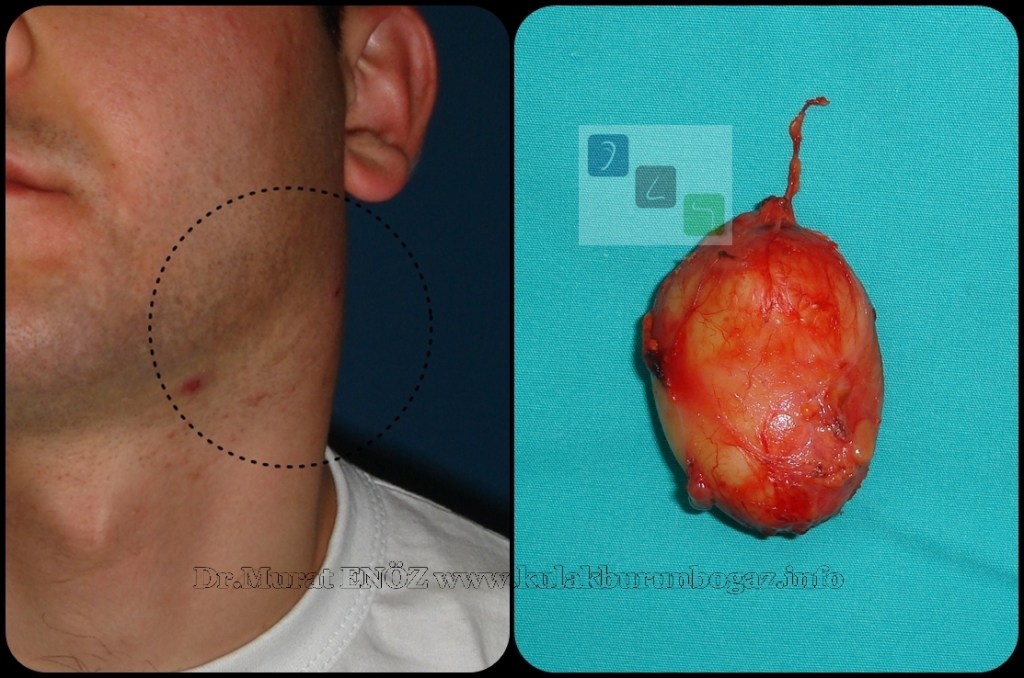
Branchial or lymphoepithelial cysts are typically present in the second and third decades after slow enlargement. They are lined by squamous epithelium and have lymphoid tissue with prominent follicles in the wall. In older patients, they may be confused with cystic metastatic squamous carcinoma in a lymph node. Metastatic thyroid cancer can also mimic branchial cysts. The cyst must be carefully examined by the pathologist.

RESEARCH PAPERS

  • Branchial or lymphoepithelial cysts are a type of congenital neck pathology that can occur due to the remnants of a branchial arch developing into a cyst, causing swelling [9].
  • These cysts are also known as branchial cleft cysts [1][3][6][7][9][10].
  • The prevalence of branchial cysts in children is reported to be around 24.2% [2].
  • They can occur in various locations, including the submandibular gland, parotid gland, and palatine tonsil [1][4][8][10].
  • The etiopathogenesis of these cysts is still a subject of debate, and various postulations have been made regarding the matter [8].
  • Thyroid lymphoepithelial cysts are reported to originate from follicular cells and are unrelated to solid cell nests and lateral cervical cysts arising from branchial-derived remnants [5].
  • There is no specific reference available that discusses branchial cysts in the maxilla. However, branchial cysts are typically found in the lateral neck region, deep to the sternocleidomastoid muscle, and are derived from remnants of the branchial apparatus [13][15][16].
  • They are congenital anomalies that usually present as a cystic mass in the neck [17].
  • In rare cases, branchial cysts can arise in the posterior mediastinum [11].
  • The classification of branchial cysts depends on the branchial cleft they originated from, with locations ranging from the external auditory canal to the lower part of the neck [12].
  • Branchial cysts are typically diagnosed based on clinical examination and imaging studies, such as ultrasound or computed tomography [13].
  • Treatment usually involves surgical excision of the cyst [14].

REFERENCES

  • [1] Ahamed, Kannan, Velaven, Sathyanarayanan, Roshni, E (2014). Lymphoepithelial cyst of the submandibular gland. J Pharm Bioall Sci, 5(6), 185. https://doi.org/10.4103/0975-7406.137464
  • [2] Irani, Zerehpoush, Sabeti (2016). Prevalence of Pathological Entities in Neck Masses: A Study of 1208 Consecutive Cases. Avicenna J Dent Res, 1(8), 4-4. https://doi.org/10.17795/ajdr-25614
  • [3] Delantoni, Onder, Orhan (2022). B-mode and color Doppler imaging of different types of branchial cleft cysts in children. A multicenter study and review of the literature. J Ultrason, 90(22), 174-178. https://doi.org/10.15557/jou.2022.0028
  • [4] Som, Brandwein, Silvers (1995). Nodal inclusion cysts of the parotid gland and parapharyngeal space: A discussion of lymphoepithelial, aids-related parotid, and branchial cysts, cystic warthin’s tumors, and cysts in sjogren’s syndrome. Laryngoscope, 10(105), 1122-1128. https://doi.org/10.1288/00005537-199510000-00020
  • [5] Suzuki, Hirokawa, Ito, Takada, Higuchi, Hayashi, … & Miyauchi (2018). Derivation of thyroid lymphoepithelial cysts from follicular cells. Endocr J, 5(65), 579-586. https://doi.org/10.1507/endocrj.ej17-0402
  • [6] Najib, Berrada, Lahjaouj, Oukessou, Rouadi, Abada, … & Mahtar (2021). Cervical lymphoepithelial cyst: Case report and literature review. Annals of Medicine and Surgery, (61), 185-187. https://doi.org/10.1016/j.amsu.2020.12.041
  • [7] Gill, Chhabra, Singh, Mehrotra, Rawat (2020). Lymphoepithelial Cyst, A Diagnostic Dilemma: Case Report. Ann of Pathol and Lab Med, 10(7), C137-140. https://doi.org/10.21276/apalm.2824
  • [8] Gurka (2020). Case Report of a Parotid Benign Lymphoepithelial Cyst. ADOH, 3(12). https://doi.org/10.19080/adoh.2020.12.555836
  • [9] Park, Yoon, Bang, Ahn (2019). Branchial cleft cyst in the parotid gland in a human immunodeficiency virus-negative patient. Arch Craniofac Surg, 3(20), 191-194. https://doi.org/10.7181/acfs.2019.00031
  • [10] Bingöl, Balta, Bingöl, Mazlumoglu, Kilic (2016). Lymphoepithelial Cyst in the Palatine Tonsil. Case Reports in Otolaryngology, (2016), 1-3. https://doi.org/10.1155/2016/6296840
  • [11] Han, Shang (2023). Branchial cleft cyst arising in posterior mediastinum: A case report. Front. Surg., (9). https://doi.org/10.3389/fsurg.2022.1088142
  • [12] Park, Yoon, Bang, Ahn (2019). Branchial cleft cyst in the parotid gland in a human immunodeficiency virus-negative patient. Arch Craniofac Surg, 3(20), 191-194. https://doi.org/10.7181/acfs.2019.00031
  • [13] Reynolds, Yap, Marikar, Roland (2019). Fifteen-minute consultation: The infant with a neck lump. Arch Dis Child Educ Pract Ed, 5(105), 258-261. https://doi.org/10.1136/archdischild-2019-316827
  • [14] Dhoke, Khadakkar, Dhote, Choudhary, Harkare, Kamal (2012). Type III Second Branchial Cleft Cyst. International Journal of Head and Neck Surgery, 2(3), 112-114. https://doi.org/10.5005/jp-journals-10001-1107