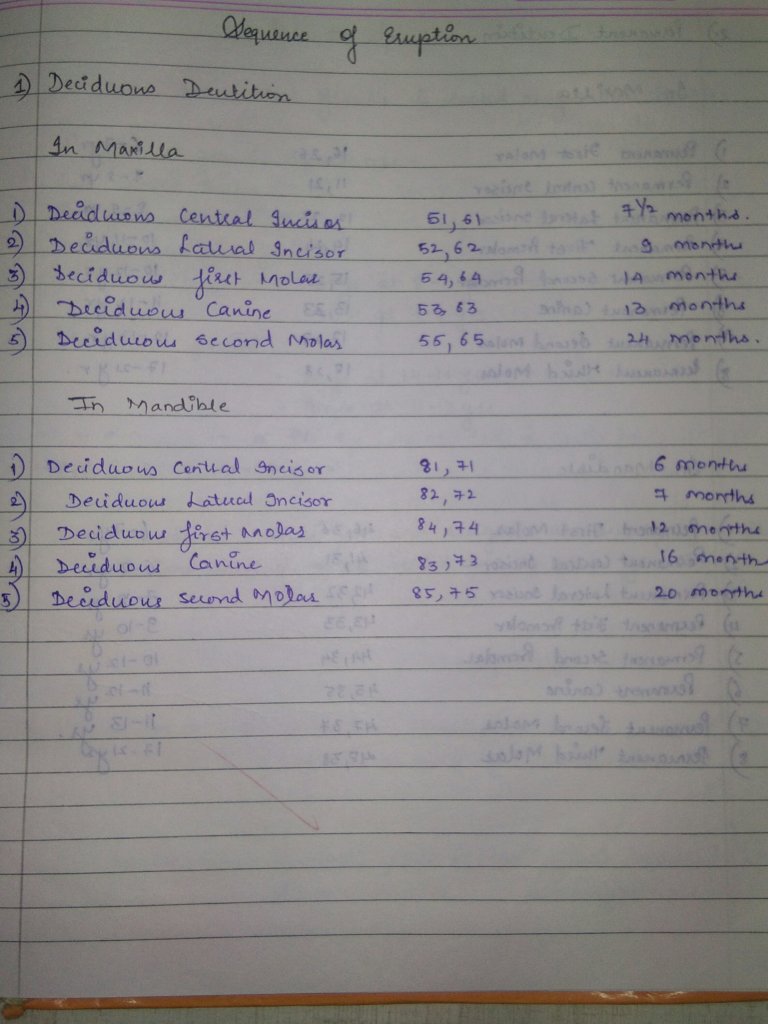
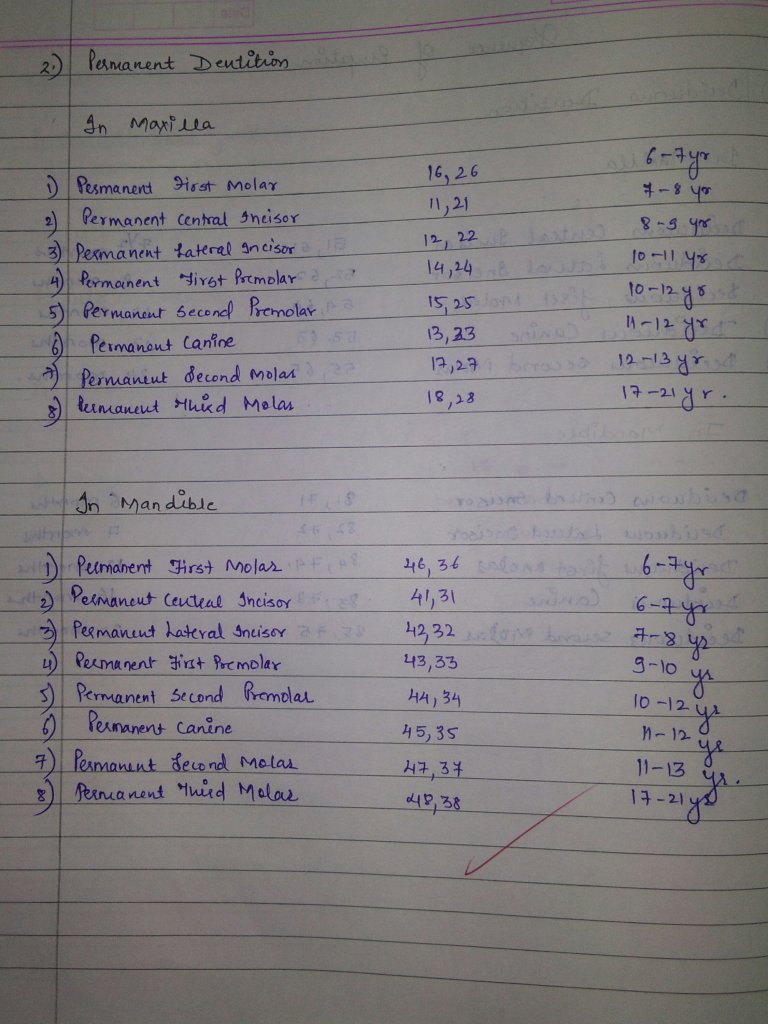
Source Nikhil Marva textbook
Source Nikhil Marva textbook
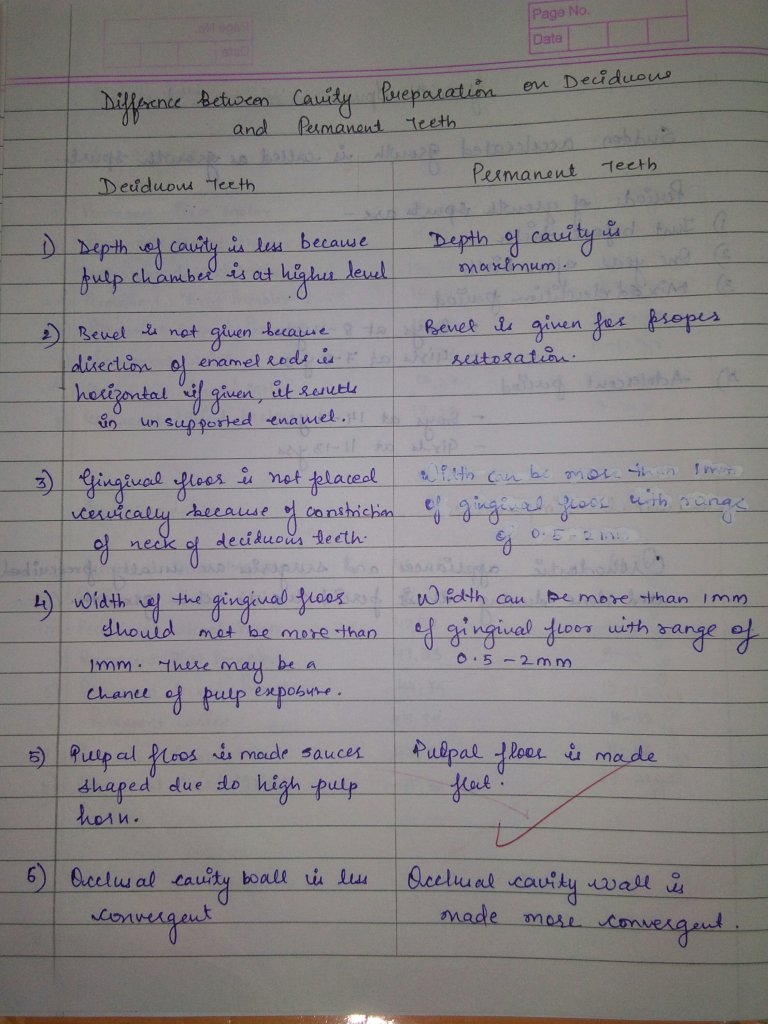

Source Nikhil Marva textbook
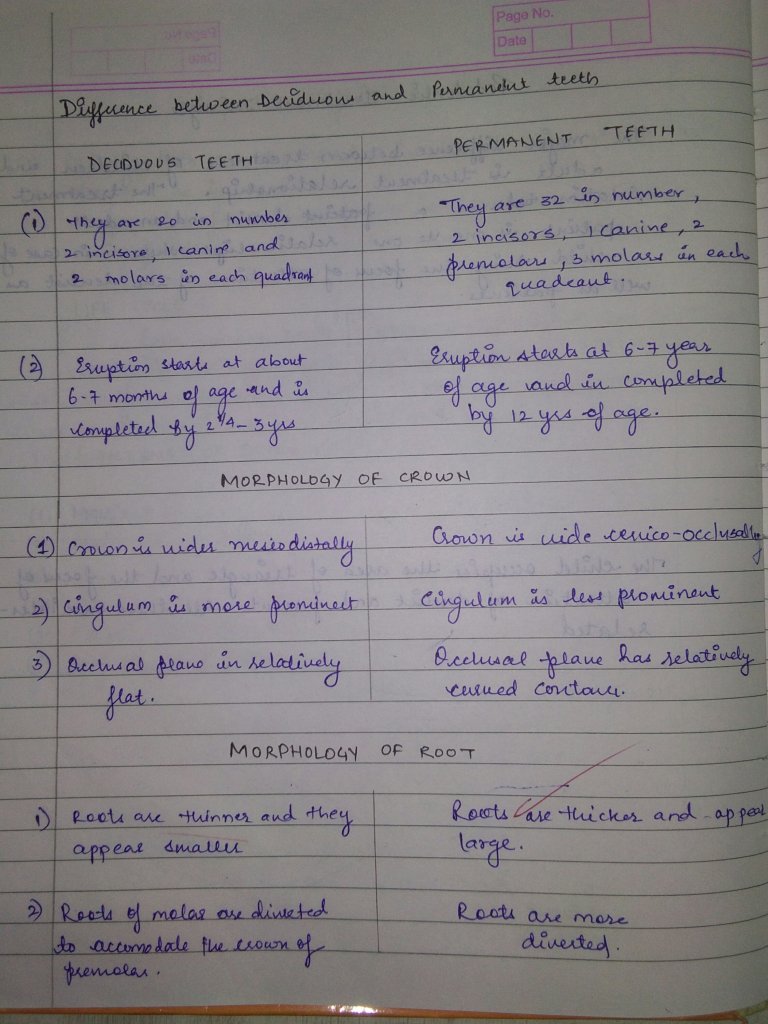
Source Nikhil Marva textbook
Source Nikhil Marva textbook

Source Nikhil Marva textbook
Source Nikhil Marva textbook
Source Nikhil Marva textbook
Source Nikhil Marva textbook
Source Nikhil Marva textbook
Rubber dam was introduced byBarnum, a New York dentist in 1863
Advantages of using a rubber dam
• It is raincoat for the teeth
• It helps in improving accessibility and visibility of the working area
• It gives a clean and dry aseptic field while working
• It protects the lips, cheeks and tongue by keeping them out of the way
• It helps to avoid unnecessary contamination through infection control
• It protects the patient from inhalation or ingestion of instruments and medicaments
• It helps in keeping teeth saliva free while performing a root canal so that tooth does not get decontaminated by bacteria present in saliva
• It improves the efficiency of the treatment
• It limits bacterial laden splash and splatter of saliva and blood
• It potentially improves the properties of dental material.
• It provides protection of patient and dentist.
Disadvantages of using a rubber dam
• Takes time to apply
• Communication with patient can be difficult
• Incorrect use may damage porcelain crowns/crown margins/ traumatize gingival tissues
• Insecure clamps can be swallowed or aspirated.Contraindications of use of rubber dam
• Asthmatic patients
• Allergy to latex
• Mouth breathers
• Extremely malpositioned tooth • Third molar (in some cases).
Rubber dam equipment
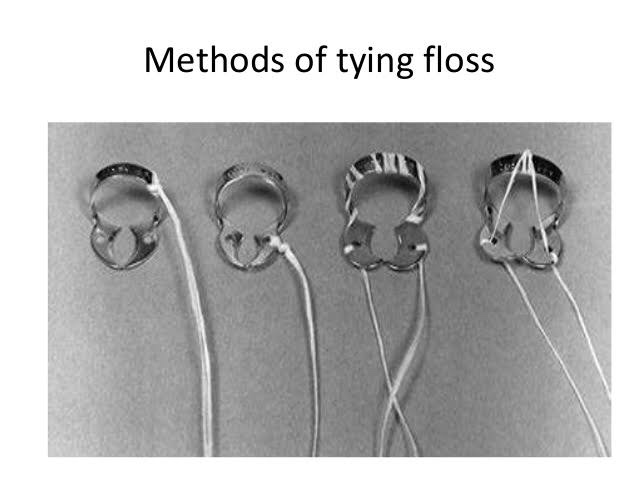
• Rubber dam sheet• Rubber dam clamp • Rubber dam forceps• Rubber dam frameRubber dam accessories•Lubricant/petroleum jelly• Dental floss• Rubber dam napkin.

Rubber Dam Sheet

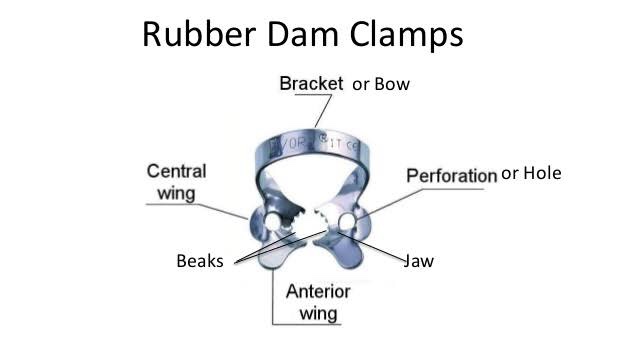
Rubber Dam Clamps
Rubber Dam Forceps

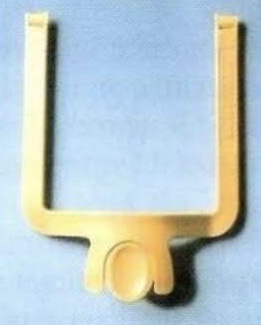
Rubber Dam Frame
Rubber dam frame supports the edges of rubber dam .Frames have been improved dramatically since their old style with the huge ‘butterflies’.Modern frames have sharp pins which easily grip the dam. These are mainly designed with the pins that slope backwards.
• Rubber dam frames are available in either metal or plastic.
• Plastic frames have advantage of being radiolucent.
• When taut, rubber dam sheet exerts too much pull on the rubber dam clamps, causing them to come loose,especially clamps attached to molars.
• To overcome this problem, a new easy-to-use rubber dam frame (Safe-T-Frame) has been developed that offers a secure fit without stretching the rubber dam sheet. Instead, its “snap-shut” design takes advantage of the clamping effect on the sheet, which is caused when its two mated frame members are firmly pressed together. In this way, the sheet is securely attached, but without being stretched. Held in this manner, the dam sheet is under less tension, and hence, exerts less tugging on clamps—especially on those attached to molars.

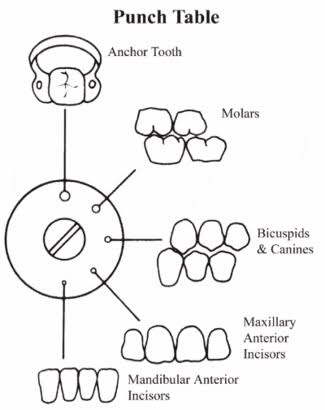
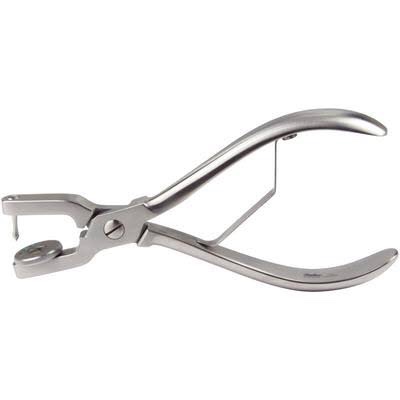
Rubber Dam Punch

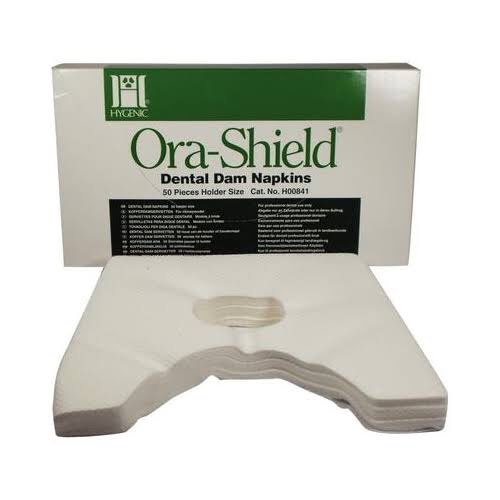
Rubber Dam Napkin
• This is a sheet of absorbent materials usually placed between the rubber sheet and soft tissues.
• It is generally not recommended for isolation of single tooth.
REFERENCE – NISHA GARG TEXTBOOK OF ENDODONTICS AND GROSSMAN’S TEXTBOOK OF ENDODONTICS
 Dentowesome