FRACTURE HEALING

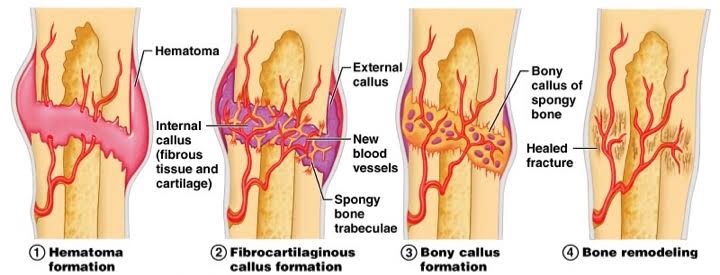
There are four stages in the repair of a broken bone:👇🏻😀

Dr. Mehnaz Memon🖊


Summary💡

🔅What are the 4 stages of bone healing?

•Hematoma formation
•Fibrocartilaginous callus formation
•Bony callus formation
•Bone remodeling
🔅What is callus formation in bone healing?

Bone production begins when the clotted blood formed by inflammation is replaced with fibrous tissue and cartilage (known as soft callus). As healing progresses, the soft callus is replaced with hard bone (known as hard callus), which is visible on x-rays several weeks after the fracture.
🔅What foods heal bones faster?

•Iron helps your body make collagen to rebuild bone. It also plays a part in getting oxygen into your bones to help them heal.
Good sources: Red meat, dark-meat chicken or turkey, oily fish, eggs, dried fruits, leafy green veggies, whole-grain breads, and fortified cereals.
🔅How long does it take for a broken bone to fully heal?

•A broken bone and the surrounding soft tissue damage need a minimum of six to eight weeks to heal. However, depending on your general health and the condition of your bone and soft tissue, healing can take much longer.
References:

  1. Image: orthobullets.com
  2. Internet

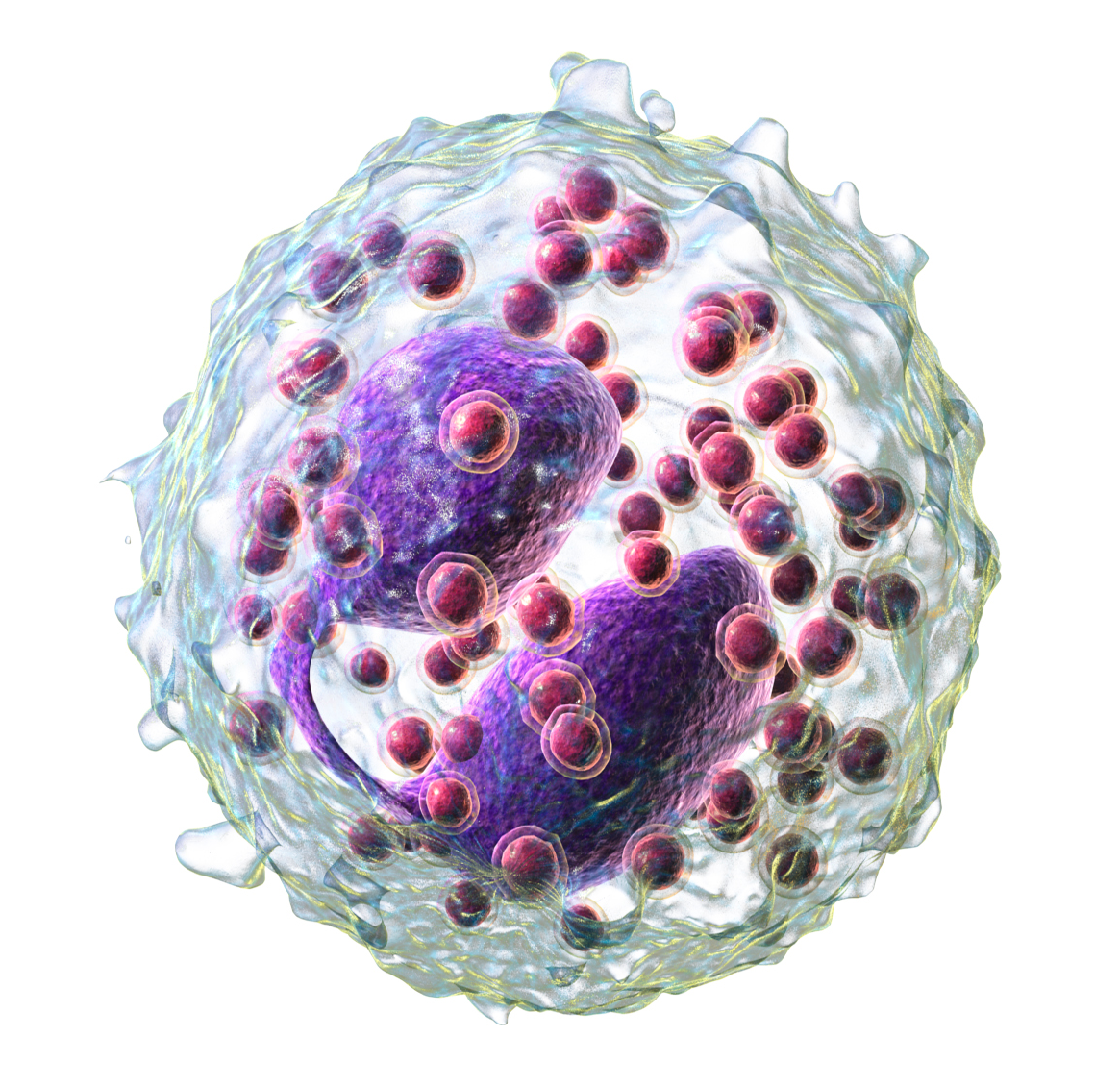
Eosinophilia

What are eosinophils ?

Components of blood

Eosinophils are WBCs. And they are the components of the blood .

The Normal range 1-6%(0.02-0.5 × 10^9/L)

How does it help the human body ?

  1. They control mechanisms associated with allergy and asthma.
  2. Help in combating multicellular parasites and certain infections 

What causes eosinophilia ?

If eosinophil count is more that 450/cu mm

Causes –

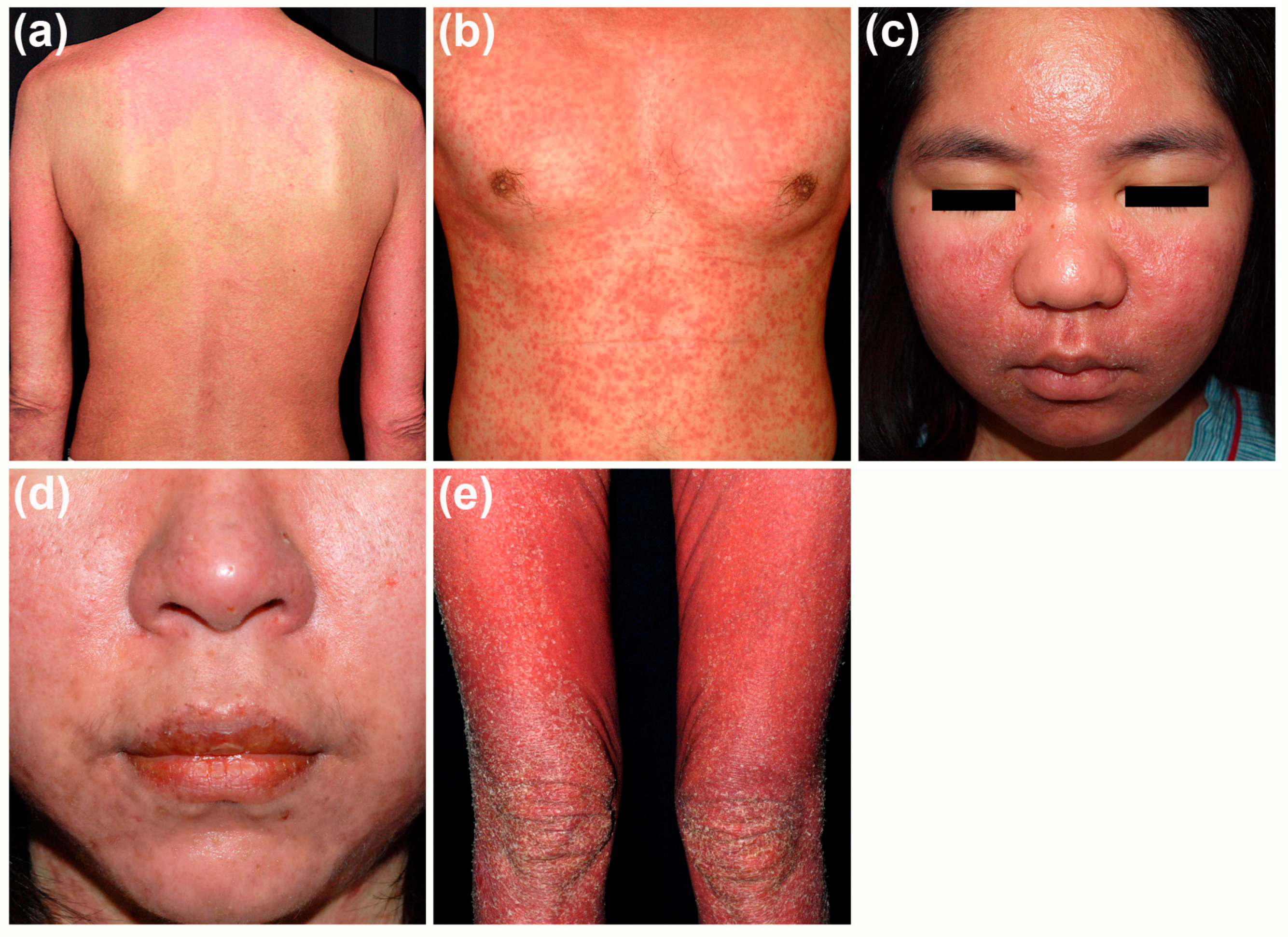
Drug reaction seen in eosinophilia

Source- textbook of pathology for dental students Ramdas Nayak , Wikipedia

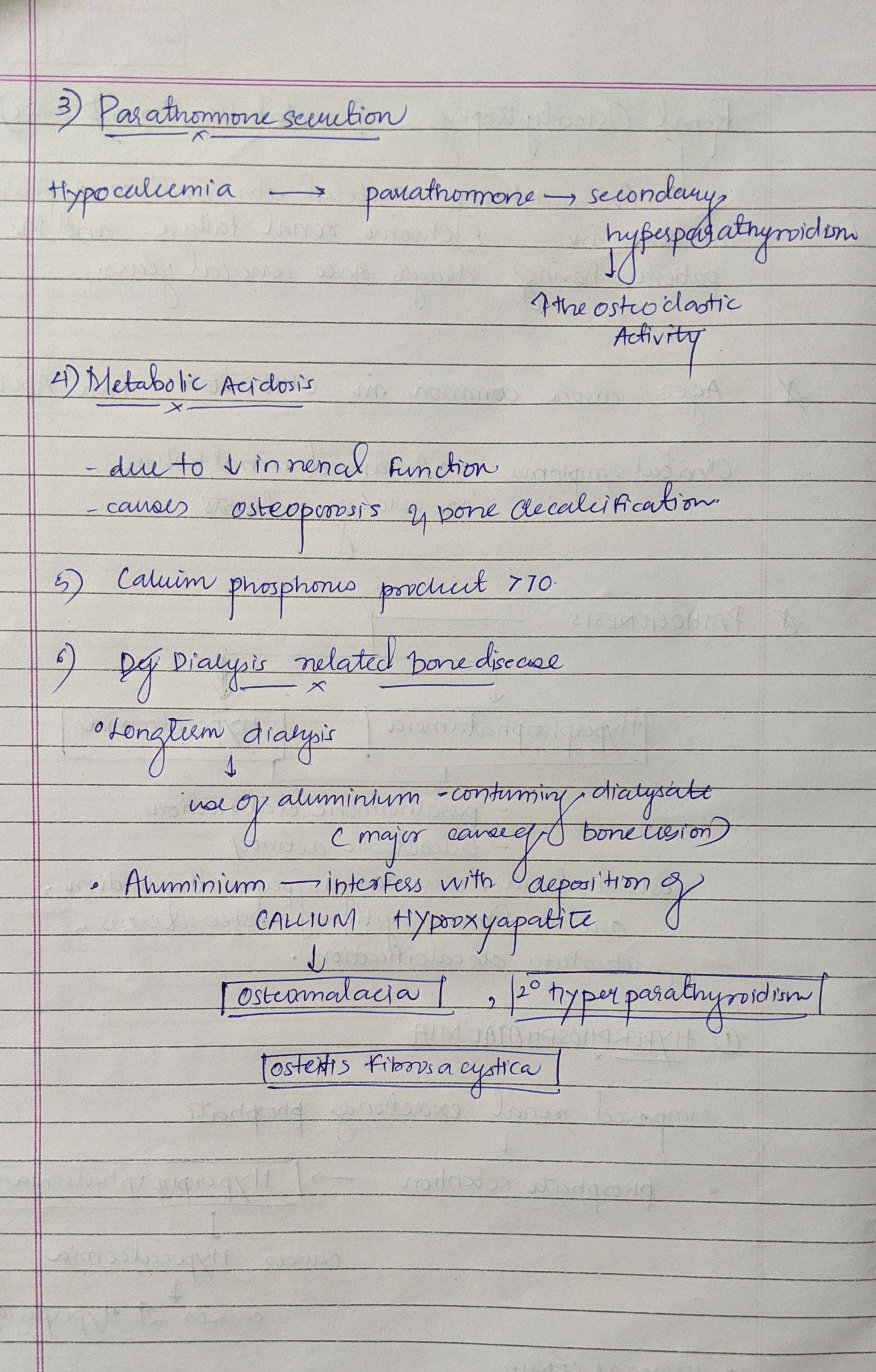
Renal osteodystrophy ( metabolic bone disease)

So what is renal osteodystrophy?

Renal Osteodystrophy: Definition, Treatment, Causes, Symptoms ...
Renal Osteodystrophy

MORPHOLOGIC FEATURES.

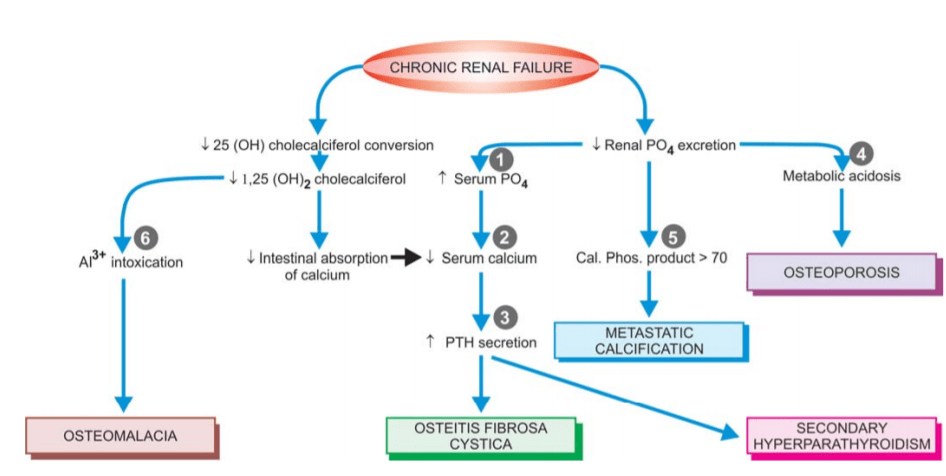
The following skeletal lesions can be identified in renal osteodystrophy:

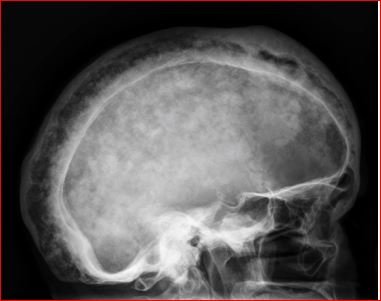
  1. Mixed osteomalacia-osteitis fibrosa is the most common manifestation of renal osteodystrophy resulting from
    disordered vitamin D metabolism and secondary hyperparathyroidism.
  2. Pure osteitis fibrosa results from metabolic complications of secondary hyperparathyroidism.
  3. Pure osteomalacia of renal osteodystrophy is
    attributed to aluminium toxicity.
  4. Renal rickets resembling the changes seen in children
    with nutritional rickets with widened osteoid seams
    may occur .
  5. Osteosclerosis is characterised by enhanced bone
    density in the upper and lower margins of vertebrae.
  6. Metastatic calcification is seen at extraosseous sites
    such as in medium-sized blood vessels, periarticular
    tissues, myocardium, eyes, lungs and gastric mucosa.
12DaysinMarch, Renal Osteodystrophy for the USMLE Step One - YouTube

source -textbook of pathology for dental students c p baveja and image source- Google

Squamous cell carcinoma

Oral cavity and oropharyngeal squamous cell carcinoma—an update ...
SCC of the oral cavity

Oral cancer is a disease with very poor prognosis because it is not recognised and treated when small and early.


INCIDENCE.

-Squamous cell (epidermoid) carcinoma comprises 90% of all oral malignant tumours and 5% of all human malignancies.

-The peak incidence in the UK and the USA is from 55 to 75 years of age, whereas in India it is from 40 to 45 years of age.

-Oral cancer is a very frequent malignancy in India, Sri Lanka and some Eastern countries, probably related to habits of betel-nut chewing and reversed smoking .

– There is a definite male preponderance.
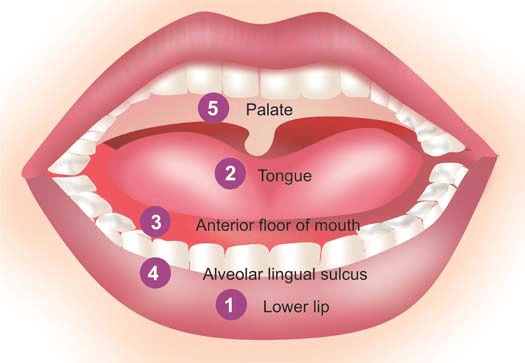
-It can occur anywhere in the mouth but certain sites are more commonly involved.

-These sites, in descending
order of frequency, are: the lips (more commonly lower),
tongue, anterior floor of mouth, buccal mucosa in the region
of alveolar lingual sulcus, and palate
.

sites of scc in decending order

ETIOLOGY.

As with other forms of cancer, the etiology of squamous cell carcinoma is unknown. But a number of etiological factors have been implicated:
Strong association:
i) Tobacco smoking and tobacco chewing causing leukoplakia is the most important factor .

ii) Chronic alcohol consumption.
iii) Human papilloma virus infection, particularly HPV 16, 18 and 33 types.

Weak association:
i) Chronic irritation from ill-fitting denture or jagged teeth.
ii) Submucosal fibrosis as seen in Indians consuming excess of chillies.
iii) Poor orodental hygiene.
iv) Nutritional deficiencies.
v) Exposure to sunlight (in relation to lip cancer).
vi) Exposure to radiation.
vii) Plummer-Vinson syndrome, characterised by atrophy
of the upper alimentary tract.

The most common molecular alterations in oncogenes
seen in squamous cell carcinoma of the oral cavity are in
p16, p53, cyclin D, p63, PTEN, and EGFR.

MORPHOLOGIC FEATURES.

Grossly, squamous cell carcinoma of oral cavity may have the following types

i) Ulcerative type—is the most frequent type and is
characterised by indurated ulcer and firm everted or
rolled edges.

ii) Papillary or verrucous type—is soft and wart-like growth.
iii) Nodular type—appears as a firm, slow growing submucosal nodule.
iv) Scirrhous type—is characterised by infiltration into
deeper structures.


*All these types may appear on a background of leukoplakia or erythroplasia of the oral mucosa.
Enlarged cervical lymph nodes may sometimes be
present.

Histologically.

– squamous cell carcinoma ranges from well-differentiated keratinising carcinoma to highly undifferentiated neoplasm . -Changes of epithelial dysplasia are often present in the surrounding
areas of the lesion.

Carcinoma of the lip and intraoral squamous carcinoma are usually always well-differentiated

source -textbook of pathology for dental students harsh mohan

Oral Leukoplakia

DEFINITION- Leukoplakia (white plaque) may be clinically
defined as a white patch or plaque on the oral mucosa, exceeding 5 mm in diameter, which cannot be rubbed off nor can be classified into any other diagnosable disease.

the term ‘leukoplakia’ is reserved for epithelial thickening which may range from completely benign to atypical and to premalignant cellular changes.

INCIDENCE

1. It occurs more frequently in males than
females.

2.The lesions may be of variable size and appearance.

3. The sites of predilection, in descending orderof frequency, are: cheek mucosa, angles of mouth, alveolar mucosa, tongue, lip, hard and soft palate, and floor of the mouth.

4.In about 4-6% cases of leukoplakia, carcinomatous
change is reported
.

ETIOLOGY-

1. It has the strongest association with the use of tobacco in various forms, e.g. in heavy smokers (especially in pipeand cigar smokers) and improves when smoking is discontinued, and in those who chew tobacco as in paan, paan masaala, zarda, gutka etc.

2.The condition is also known by other names such as smokers keratosis and stomatitis nicotina.

3. Other etiological factors implicated are chronic friction such as with ill-fitting dentures or jagged teeth, and local irritants like excessive consumption of alcohol and very hot and spicy foods and beverages.

4. A special variety of leukoplakia called ‘hairy leukoplakia’ has
been described in patients of AIDS
and has hairy or corrugated surface but is not related to development of
oral cancer.

Oral leukoplakia in the right buccal mucosa | Download Scientific ...
leukoplakia seen on the buccal mucosa
MORPHOLOGIC FEATURES.

1.Grossly, the lesions of leukoplakia may appear white, whitish-yellow, or redvelvety of more than 5 mm diameter and variable in appearance.
2. They are usually circumscribed, slightly elevated, smooth or wrinkled, speckled or nodular.

Histologically, leukoplakia is of 2 types:

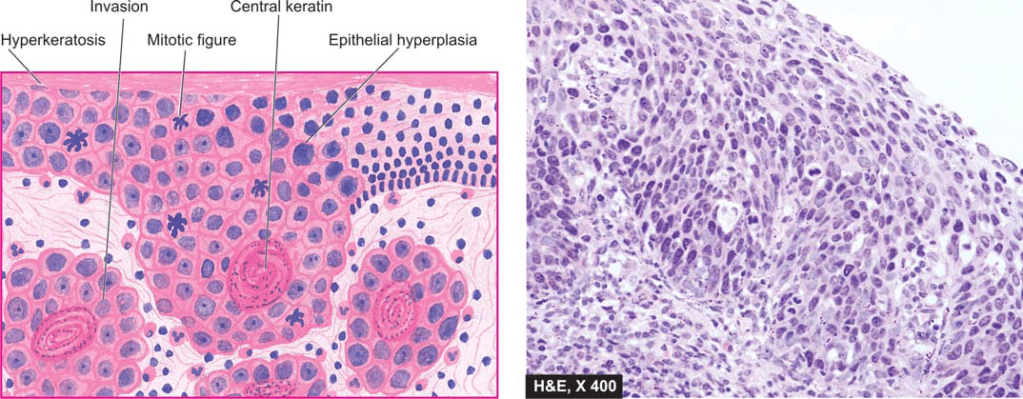
  1. The hyperkeratotic type- This is characterised by an orderly and regular hyperplasia of squamous epithelium with hyperkeratosis on the surface.
  1. Dysplastic type- When the changes such as irregular stratification of the epithelium, focal areas of increased and abnormal mitotic figures, hyperchromatism, pleomorphism, loss of polarity and individual cell keratinisation are present, the lesion is considered as epithelial dysplasia

-The subepithelial tissues usually show an inflammatory infiltrate composed of lymphocytes and plasma cells.

– The extent and degree of the epithelial changes indicate the degree of severity of the epithelial dysplasia.

-Usually, mild dysplasia may revert back to normal if the offending etiologic factor is removed, whereas severe dysplasia indicates that the case may progress to carcinoma.

source – textbook of pathology for dental students harsh mohan

GINGIVAL INFLAMMATION

Pathologic changes in gingivitis are associated with the presence of oral microorganisms attached to the tooth and perhaps in or near the gingival sulcus.

STAGE I GINGIVITIS: THE INITIAL LESION

The first manifestations of gingival inflammation are vascular changes consisting of dilated capillaries and increased blood flow. These initial inflammatory changes occur in response to microbial activation of resident leukocytes and the subsequent stimulation of endothelial cells. Clinically, this initial response of the gingiva to bacterial plaque is not apparent.

Changes can also be detected in the junctional epithelium and perivascular connective tissue at this early stage. For example, the perivascular connective tissue matrix becomes altered, and there is exudation and deposition of fibrin in the affected area. Also, lymphocytes soon begin to accumulate. The increase in the migration of leukocytes and their accumulation within the gingival sulcus may be correlated with an increase in the flow of gingival fluid into the sulcus.

The character and intensity of the host response determine whether this initial lesion resolves rapidly, with the restoration of the tissue to a normal state, or evolves into a chronic inflammatory lesion. If the latter occurs, an infiltrate of macrophages and lymphoid cells appears within a few days.

STAGE II GINGIVITIS: THE EARLY LESION

The early lesion evolves from the initial lesion within about 1 week after the beginning of plaque accumulation.Clinically, the early lesion may appear as early gingivitis, and it overlaps with and evolves from the initial lesion with no clear-cut dividing line. As time goes on, clinical signs of erythema may appear, mainly because of the proliferation of capillaries and increased formation of capillary loops between rete pegs or ridges . Bleeding on probing may also be evident.1 Gingival fluid flow and the numbers of transmigrating leukocytes reach their maximum between 6 and 12 days after the onset of clinical gingivitis.

The amount of collagen destruction increases 70% of the collagen is destroyed around the cellular infiltrate. The main fiber groups affected appear to be the circular and dentogingival fiber assemblies. Alterations in blood vessel morphologic features and vascular bed patterns have also been described.

PMNs that have left the blood vessels in response to chemo- tactic stimuli from plaque components travel to the epithelium,

cross the basement lamina, and are found in the epithelium, emerg- ing in the pocket area. PMNs are attracted to bacteria and engulf them in the process of phagocytosis . PMNs release their lysosomes in association with the ingetion of bacteria.Fibroblasts show cytotoxic alterations, with a decreased capacity for collagen.

Meanwhile, on the opposite side of molecular events, collagen degradation is related to matrix metalloproteins (MMPs). Different MMPs are responsible for extracellular matrix remodeling within 7 days of inflammation, which is directly related to MMP-2 and MMP-9 production and activation.

STAGE III GINGIVITIS: THE ESTABLISHED LESION

Over time, the established lesion evolves, characterized by a predominance of plasma cells and B lymphocytes and probably in conjuncation with the creation of a small gingival pocket lined with a pocket epithelium.The B cells found in the established lesion are pre- dominantly of the immunoglobulin G1 (IgG1) and G3 (IgG3) subclasses.

In chronic gingivitis, which occurs 2 to 3 weeks after the beginning of plaque accumulation, the blood vessels become engorged and congested, venous return is impaired, and the blood flow becomes sluggish .The result is localized gingival anoxemia, which superimposes a somewhat bluish hue on the reddenedgingiva.18 Extravasation of erythrocytes into the connective tissue and breakdown of hemoglobin into its component pigments can also deepen the color of the chronically inflamed gingiva. The established lesion can be described as moderately to severely inflamed gingiva.

An inverse relationship appears to exist between the number of intact collagen bundles and the number of inflammatory cells.Collagenolytic activity is increased in inflamed gingival tissue17 by the enzyme collagenase. Collagenase is normally present in gingival tissues5 and is produced by some oral bacteria and by PMNs.

Enzyme histochemistry studies have shown that chronically inflamed gingivae have elevated levels of acid and alkaline phos- phatase, β-glucuronidase, β-glucosidase, β-galactosidase, esterases, aminopeptidase, and cytochrome oxidase. Neutral mucopolysaccharide levels are decreased, presumably as a result of degradation of the ground substance.

Established lesions of two types appear to exist; some remain stable and do not progress for months or years and others seem to become more active and to convert to progressively destructive lesions. Also, the established lesions appear to be reversible in that the sequence of events occurring in the tissues as a result of successful periodontal therapy seems to be essentially the reverse of the sequence of events observed as gingivitis develops. As the flora reverts from that characteristically associated with destructive lesions to that associated with periodontal health, the percentage of plasma cells decreases greatly, and the lymphocyte population increases proportionately.

STAGE IV GINGIVITIS: THE ADVANCED LESION

Extension of the lesion into alveolar bone characterizes a fourth stage known as the advanced lesion or phase of periodontal break- down.

Gingivitis will progress to periodontitis only in individuals who are susceptible. Patients who had sites with consistent bleeding had 70% more attachment loss than at sites that were not inflamed consistently (GI = 0). Teeth with noninflamed sites consistently had a 50-year survival rate of 99.5%, whereas teeth with consistently inflamed gingiva had a 63.4% survival rate over 50 years. Based on this longitudinal study on the natural history of periodontitis in a well-maintained male population, per- sistent gingivitis represents a risk factor for periodontal attachment loss and for tooth loss.

Reference- Caranza textbook of periodontology 11th edition