Flash cards (Part 2): Diseases of Nerves and Muscles

Hortons syndrome: vascular headache
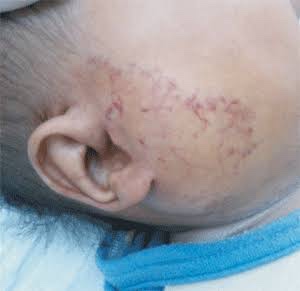
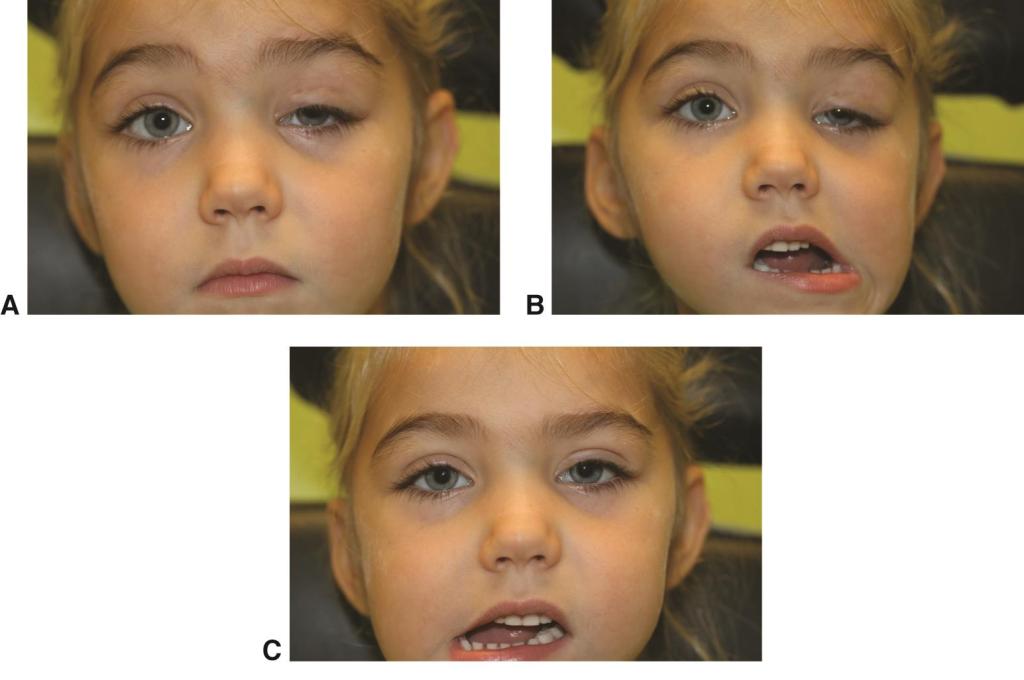
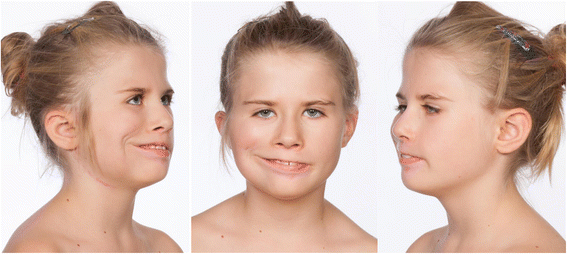
Mobius Syndrome: partial or complete facial paralysis, drooling of saliva, difficulty in mastication, and congenital facial diplegia.
Floppy infant syndrome: generalized weakness due to hypotonia, inability to sit, stand and walk.
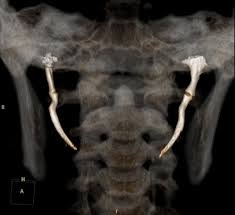
Eagles syndrome: Dysphagia (pain during mandibular movement and the pain is subsided when the Jaws are closed), sore throat, otalgia and glossodynia. Due to elongation of styloid process and calcification of stylohyoid ligament.
Trotters syndrome : Tumors of nasopharaynx, producing pain similar to trigeminal neuralgia and middle ear deafness.
Horner’s syndrome: Ptosis, miosis, anhidrosis, enophthalmos, vasodilation
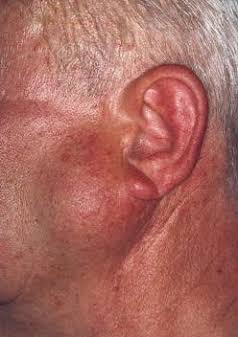
Freys syndrome (Auriculotemporal syndrome) : gustatory sweating.
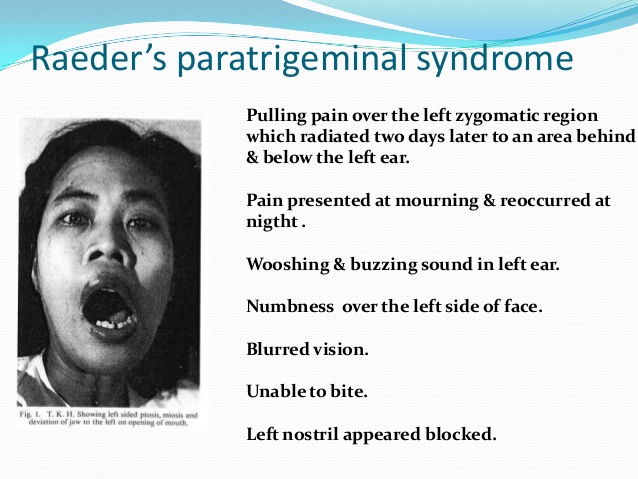
Reader’s syndrome (Paratrigeminal syndrome) : severe headache, signs of ocular sympathetic paralysis.
Jaw winking syndrome: Ptosis, rapid elevation of the ptotic eyelid occurring on movement of the mandible to the contralateral side.

Definition of syndromes are extracted from Dental pulse 13th edition.
HISTOPATHOLOGY OF CONNECTIVE TISSUE TUMORS

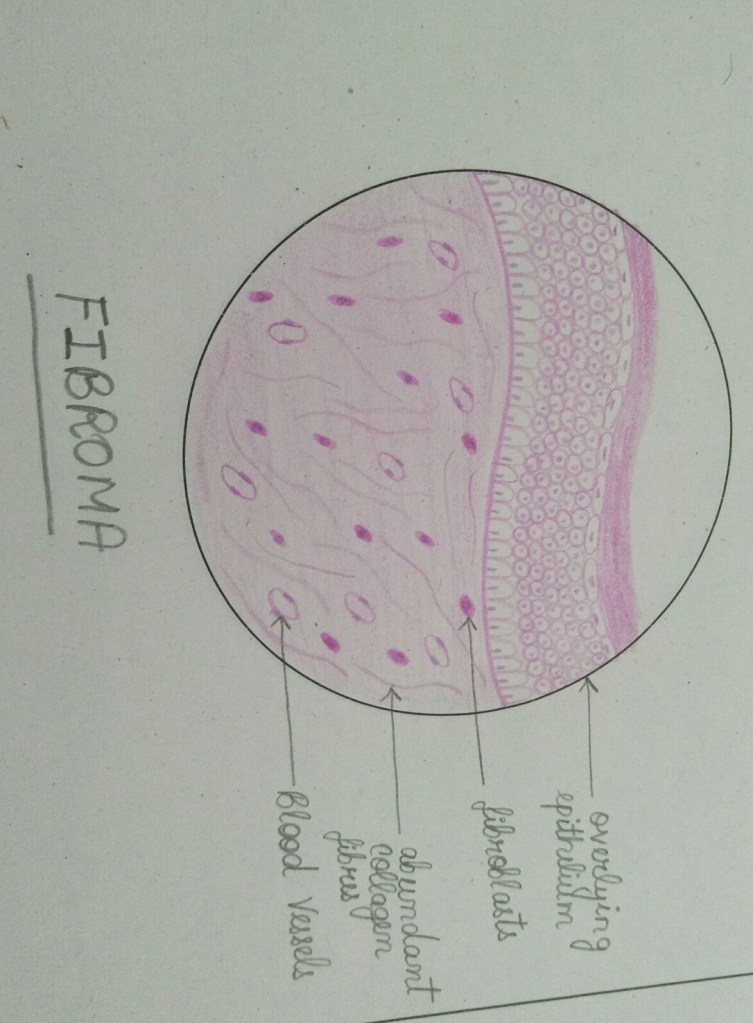
FIBROMA

  • Overlying epithelium is of St.Squamous epithelium and is flat devoid of rete pegs.
  • Connective tissue contains bundles of collagen fibres interspersed with many fibroblasts and blood vessels.
  • Inflammatory cell infiltate present in cases of infection and trauma.

LIPOMA

  • It is composed of mature adipocytes mixed with connective tissue septa.
  • Adipocytes are round to oval with flat nuclei giving rise to “signet ring” appearance
  • Thin fibrous capsule seen.
  • Lipomas can be classified as classical lipoma and variants.
  • Classical lupoma and fibrolipoma-most common
  • Intramuscular and spindle cell variant- second most common.

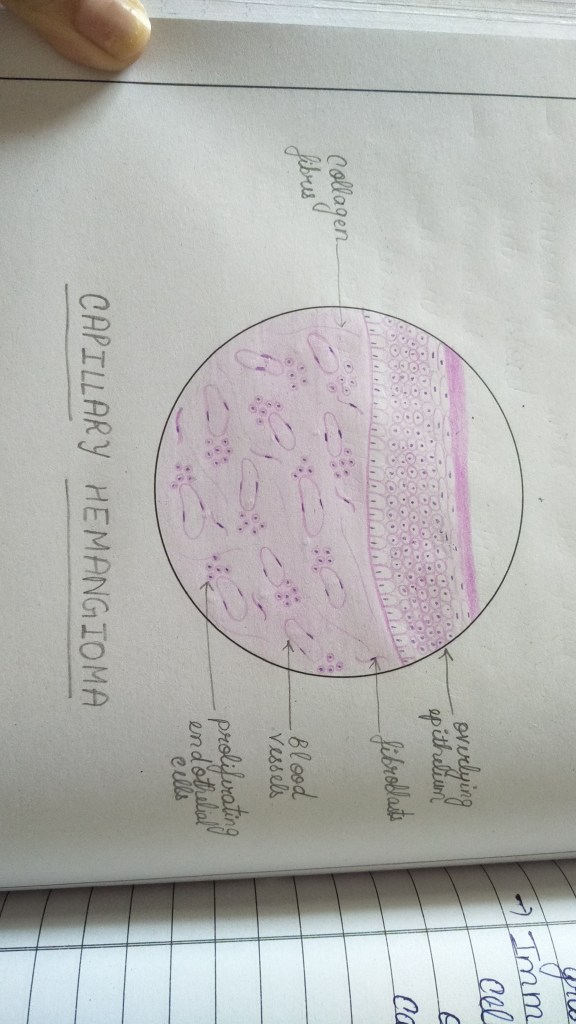
CAPILLARY HEMANGIOMA

  • It contains minute,numerous endothelial lined capillaries.
  • The endolial cell lining is single layered.
  • Endothelial cells are flat,elongated or plump.
  • Endothelial cells form aggregates or rosette around capillaries.

CAVERNOUS HEMANGIOMA

  • It contains large dilated endothelial lined sinuses.
  • These sinuses contain erythrocytes.
  • Flattened endothelial cells and single layered.
  • Fibrous conn tissue stroma
  • Focal areas of haemorrhage and hemosiderin seen.

LYMPHANGIOMA

  • It contains large dilated lymphatics with flat single layered endothelial cells.
  • These lymphatics contain lymph.
  • The lymphatics replace the connective tissue papillae.
  • Cavernous type mostly seen.

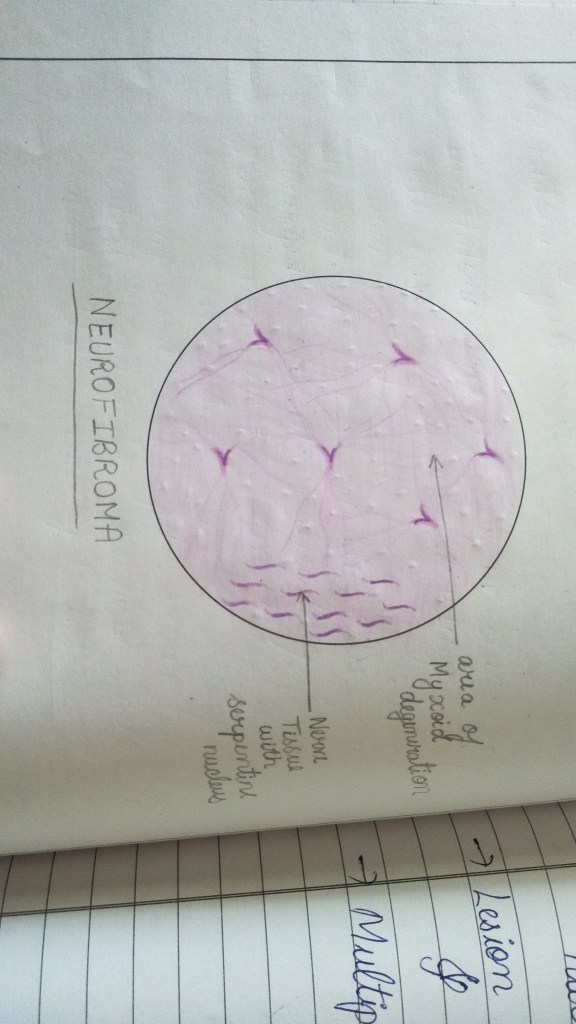
NEUROFIBROMA

  • It contains wavy, elongated cels with dark staining nuclei in a collagenous stroma.
  • Appears as “shredded carrot” like appearance.
  • Cells arranged in fascicles or stripriform pattern.
  • Connective tissue shows myxomatous area.

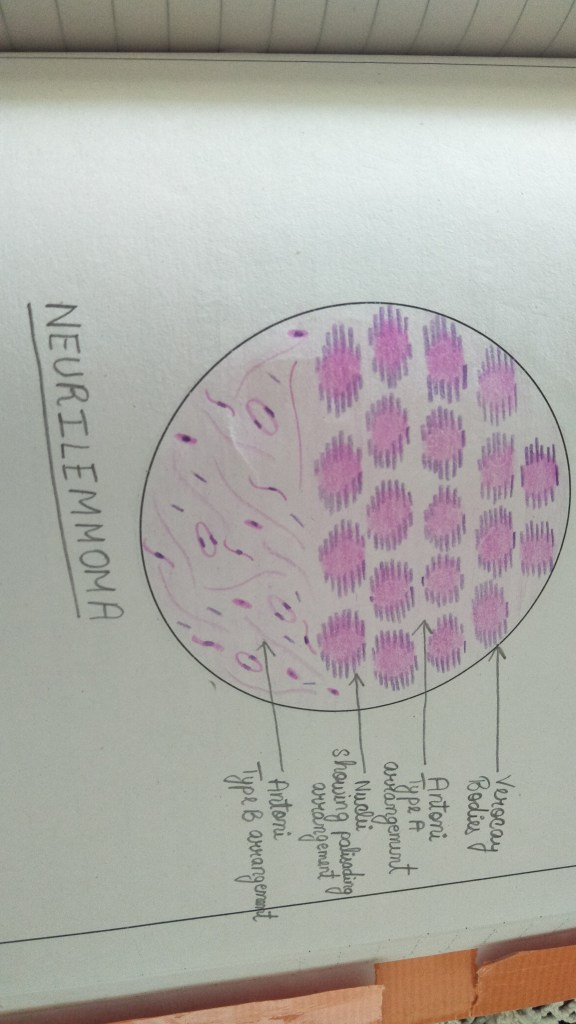
NEURILEMMOMA(SHWANNOMA)

  • Tumor derived from shwann cells.
  • Two types of arrangement seen.
  • Antoni type A- made of cells with elongated or spindle shaped nucleus which are arranged parallel with their intacellular fibres arranged parallel between the rows of nuclei to form characteristic palisading pattern.
  • The cells are around eosinophilic acellular area called Verocay bodies.
  • Antoni type B- disorganized arrangement of cells and fibres. No palisading pattern.

OSTEOMA

  • Maybe compact or cancellous.
  • Compact osteoma made up of dense cortical bone with lamellar pattern.
  • Both circumferential and interstitial lamellae seen arranged around a central haversian system.
  • Osteocytes seen in lacunae.
  • Cancellous osteoma made up of trabecular bone with osteocytes,osteoclasts and osteoblasts.

REFERENCES- Shafer’s textbook of oral pathology 9th edition

The black fungus

❇️We have been hearing some terrible stories of Black Fungus and how it is spreading and causing an epidemic. This is scary. This has to be stopped and it can only be done by self care.

❇️The cause for the development of black fungus is largely attributed to the unhygienic usage of masks, yes you read that right. Each person has bacteria and virus within themselves that don’t cause any harm. There is enough evidence that the Covid recovered patients when use unhygienic masks, let the bacteria develop and grow into a fungus when it meets moisture in the mask. This gets inhaled again and thus becomes fatal.

🦷What are categorized as unhygienic masks: 1. Reusage of one time use masks 2. Sharing masks

❇️Let’s wake up now before things get worse. Let’s follow these simple steps to contain the epidemic in its initial phase.
  1. Reusable masks to be washed and sun dried after each use
  2. One time use masks to be disposed in a safe way
  3. Stop sharing masks
  4. Avoid prolonged usage of masks by reaching home as soon as you can or taking a fresh breather when it’s safe to do so.

– by Dr. Sneha poeghal BDS from Malla Reddy institute of dental sciences ,hyd.
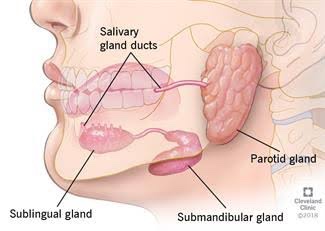
Swellings in the angle of Mandible, Floor of Mouth & Palate

Swellings at the angle of Mandible include: ✍🏻👇🏻

🔅Congenital disease

• Branchial Cleft Cyst

🔅Neoplasm

(i) Benign

  • Hemangioma
  • Lymphangioma, Cystic hygroma
  • Pleomorphic adenoma (mixed tumor)
  • Warthin tumor
  • Neurofibroma
  • Angiolipoma
  • Adenoma
  • Hamartoma
  • Lipoma
  • Oncocytoma

(ii) Malignant

  • Mucoepidermoid carcinoma
  • Squamous cell carcinoma
  • Adenoid cystic carcinoma
  • Acinic cell carcinoma
  • Adenocarcinoma
  • Rhabdomyosarcoma
  • Lymphoma, leukemia
  • Metastatic adenopathy

🔅Inflammation/Infection

  1. Parotitis
  2. Parotid Abscess
  3. Tuberculosis
  4. Sarcoidosis
  5. Sjögren disease
  6. HIV

Detailed View🔍

1) Branchial Cleft Cyst:

  • Failure of involution of clefts and pouches lead to cysts, fistulas or sinus tracts.
  • Its a painless fluctuant swelling
  • First branchial cleft cysts are rare usually located at parotid gland or periparotid region.
  • Second branchial cleft cyst – Type II are the most common
  • Typically, second branchial cleft cysts present as a rounded swelling just below the angle of mandible, anterior to the sternocleidomastoid

2) Hemangiomas:

They are the most common benign salivary gland mass. Capillary hemangiomas involve parotids

3) Lymphangiomas

They are congenital malformations of the lymphatic system that may involve the parotid gland (Soft asymptomatic neck mass associated with facial asymmetry)

4) Pleomorphic Adenoma:

Hard painless slow growing mass

5) Warthin Tumor:

Incorporation of heterotopic salivary gland ductal epithelium within intraparotid & periparotid nodes

6) Parotitis & Parotid Abscess:

  • Most common in children
  • Mumps is the most common viral cause of parotitis
  • The condition manifests tender swelling at the angle of Mandible
  • Sialadenitis is most commonly due to bacterial infections caused by Staphylococcus aureus.
  • Premature neonates and immunosuppressed individuals are affected.

Swellings in the floor of Mouth: 👇🏻✍🏻

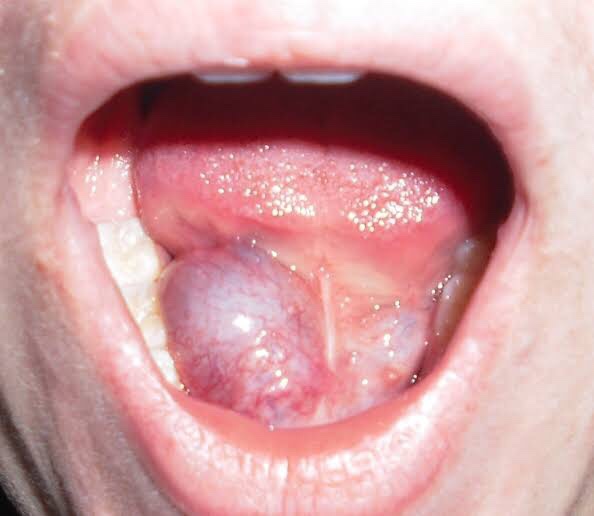
Ranula presents as a translucent blue, dome-shaped fluctuant swelling & contains viscid, glairy jelly like fluid
  1. Ranula – a type of mucocele found on the floor of the mouth. Present as a swelling of connective tissue consisting of collected Mucin from a ruptured salivary gland by local trauma.
  2. Swellings in the floor of the mouth are more likely to arise from structures above the Mylohyoid muscle. The commonest swellings in the floor of the mouth are denture induced hyperplasia & salivary calculus.
  3. Swellings in the floor of the mouth may inhibit swallowing & speech.
  4. Mandibular tori produce bony hard swelling lingual to the lower premolars.

Differential diagnosis of swellings of the floor of the mouth or neck (Jham et al., 2007): https://www.researchgate.net/figure/Differential-diagnosis-of-swellings-of-the-floor-of-the-mouth-or-neck-Jham-et-al-2007_tbl1_287206404


Swellings on the Palate: 👇🏻✍🏻

  1. Torus palatinus is an intrinsic bone lesion whereas a dental abscess pointing on the palate (usually from the palatal roots of the 1st & 2nd maxillary molars or from upper lateral incisors) is extrinsic.
  2. Salivary neoplasms
  3. Invasive carcinoma from the maxillary sinus may produce a palatal swelling.
  4. Kaposi’s sarcoma, typical of HIV/AIDS may also present as lump on palate.
  5. Paget’s disease.

Differential diagnosis of palatal swellings: https://www.researchgate.net/figure/Differential-diagnosis-of-palatal-swellings_tbl1_221967546

Dentowesome|@drmehnaz🖊


Image source: Google.com

Odontogenic infection

Odontogenic infection is an infection that originates within a tooth or in the closely surrounding tissues. The term is derived from Greek words “odonto” meaning “tooth” and “genic” meaning “birth”.

Odontogenic infection has plagued human kkind for as long as the human species has existed. Generally, in the orofacial region, most bacterial infections involve either a disturbance of normal flora or a displacement of the normal organisms to the site, where they are usually not seen.

Routes of odontogenic infection :

  • By direct continuity through tissues
  • By lymphatics to the regional nodes
  • By bloodstream

Causes of odontogenic infection :

  1. Dental caries : plaque on tooth surface above the gingival margin consists of acidogenic and aciduric bacteria which cause dental caries and may invade the pulp, infection eventually spreading to the alveolar process.
  2. Deep fillings : if the seal between the tooth enamel and the filling breaks down, food particles and decay causing bacteria can work their way under the filling. Additional decay develops in the tooth. Decay that is left untreated can progress to infect the dental pulp and may cause an abscessed tooth.
  3. Failed root canal treatment : if there is an extended delay between root canal procedure and crown placement, bacteria can re-enter the tooth. Additionally, a crown can suffer a crack or other damage long after the procedure is complete. This damage allows new bacteria to enter the tooth and create decay.
  4. Pericoronitis and periodontal diseases

Odontogenic infections are usually polymicrobial involving both strict anaerobes and facultative bacteria within unique ecosystems of the dental plaque and gingival crevice.

The most prevalent anaerobic bacteria include gram positive cocci such as Peptostreptococcus sp., and gram negative rods such as Bacterioids sp., Fusobacterium sp. The most prevalent aerobes are facultative gram positive such as Streptococcus mutans and Streptococcus viridans. Facultative gram negative bacilli and Staphylococcus aureus are uncommon in immunocompetent hosts but may be more important in immunocompromised patients.

Major symptoms of odontogenic infections :

  • Antecedent toothache
  • Facial swelling and pain
  • Fever and chill
  • Halitosis
  • Bleeding gums with minor trauma

Prominent physical findings include :

  • Dental plaques, tooth decay, gingivitis or periodontal pockets
  • Facial or neck swelling and tenderness
  • Inability to open the jaw
  • Difficulty in swallowing
  • Dyspnea with inspiratory stridor (high pitched wheezing sound caused by disrupted airflow)

Imaging studies :

  • Orthopantomogram or AP radiograph of teeth to assess periapical abscess or advanced periodontal disease
  • CT of face and neck to assess source and extension of orofacial space infection

Complications :

  • Deep facial space infections
  • Osteomyelitis of the jaws
  • Cavernous sinus thrombosis
  • Hematogenous dissemination
  • Association of poor health with cardiovascular diseases

Clinical manifestations of specific odontogenic orofacial space infections :

  • If pus perforates through either the maxillary or mandibular buccal plate inside the attachment of the buccinator muscle, infection will be intraoral; if the perforation is outside this muscle attachment, infection will be extraoral
  • When a mandibular infection perforates lingually, it presents in the sublingual space if the apices of the involved teeth lie above the attachment of the mylohyoid muscle.
  • Other superficial odontogenic orofacial space infection include the buccal, submental, masticator, canine and infratemporal spaces.

Treatment :

In normal host :

  • Penicillin G + metronidazole
  • Ampicillin – sulbactam
  • Clindamycin
  • Doxycycline
  • Moxifloxacin

In immunocompromised host :

  • Cefotaxime or ceftrioxime or cefepime each + metronidazole

Source : ncbi.nlm.nih.gov

CORTICOSTEROIDS IN DENTISTRY

🔷 Introduction:

Steroids are a group of hormones produced naturally in the body.

The adrenal cortex consists of 3 zones:
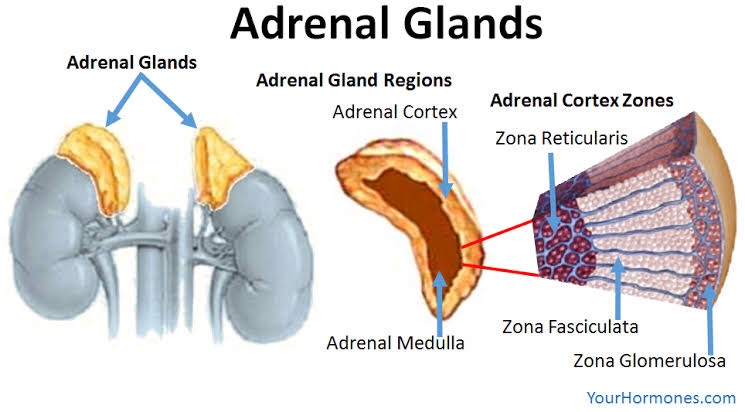
  1. Zona Glomerulosa synthesizes Aldosterone, the most potent Mineralocorticoid in humans.
  2. Zona Fasciculata – produces hydrocortisone (a glucocorticoid)
  3. Zona Reticularis produces Adrenal Androgens

• Glucocorticoid secretion is regulated by ACTH produced in the anterior pituitary. Cortisol has a -ve feedback on ACTH production.

• In Addison diseases, Glucocorticoid secretion impaired & ACTH is ⬆️

🔷 Corticosteroid Action & its regulation

  • Glucocorticoid – Hepatic Glycogen deposition
  • Mineralocorticoid – Sodium, electrolyte-fluid balance.
  • Glucocorticoid play critical role in body’s response to stress.

Stress

⬇️

Release of cytokines (IL-1)

⬇️

⬆️ cortisol levels

🔷 Classification:

Adrenocortical Hormones & Related Drugs

🔷 Steroid synthesis:

The substrate for steroid production is cholesterol. It is mobilized from the outer to the inner mitochondrial membrane by the steroidogenic acute regulatory (StAR) protein.

🔷 Glucocorticoids:

1) Hydrocortisone

Action: Anti-allergy, anti-inflammatory

Therapeutic Uses:

  • intralesional injection in dose of 20-50 mg/mL
  • Topical application
  • Tablet in dose of 100mg/day can be given systemically to relieve burning sensation.
  • Tab. Cortisol(25mg) combined with dexamethasone(90mg) can be given at biweekly interval.*

Action: Fibrinolytic,Anti-allergic, anti-inflammatory*

It causes ⬇️ fibroblastic production & deposition of collagen*

  • Topical application with orabase
  • Intralesional injection of hydrocortisone acetate (25mg/ml)
  • Topical application (0.25-0.5%) to the affected area
  • Intra-articular injection (25mg/ml)
  • 20-30mg/day in divided doses

Trade Name: CORTEF, ORABASE-HCA

• Preparation:

  1. Oral: 5 – 20 mg tab.
  2. Topical – 1% eye drop solution; 0.025 nasal drops, 0.25-2.5% skin creams

• Hydrocortisone acetate 25-50 mg/mL for soft tissue suspensions

• Hydrocortisone sodium phosphate: 50mg/mL IV, IM, SC

2) Cortisone:

• Uses:

  1. OSMF
  2. Addison disease
  3. Hodgkin lymphoma

3) Prednisolone:

Action: Anti-allergic, anti-inflammatory, immunosuppressive

• Uses:

  1. Rheumatoid arthritis: 10mg/day in divided doses
  2. Collagen disease: 1mg/kg
  3. SLE: IM/IV; Topical application 2-3 times daily
  4. Leukemia: ALL as maintenance dose
  5. Erythema multiforme, pemphigus, bullous pemphigoid, behchet’s syndrome
  6. Bronchial asthma: 40-60 mg
  7. Post-herpetic neuralgia
  8. Amyloidosis, cyclic neutropenia, purpura

Trade name: DELTA-CORTEF, PRELONE

4) Triamcinolone:

• Uses:

  1. Lichen planus: Topical application 3-4 times daily
  2. Erythema multiforme: 40-100 mg/day or inhalation doses
  3. Recurrent aphthae: Oral (2-4 mg/day)
  4. Desquamative gingivitis, OSMF, contact chelitis – intralesional (2-3 mL/day)

Trade name: Kenolog cream

5) Dexamethasone:

Uses:

👉🏻Mainly used for adrenal cortical suppression

  • Allergic diseases, serum sickness, urticaria, hay fever, angioneurotic edema: IV; topically 2-4 times a day
  • Benign migratory glossitis: Topical application
  • Shock, cerebral edema, occular diseases.

Trade name: DECADRON

6) Betamethasone:

Action: Anti-allergy, anti-inflammatory

Uses: Lichen planus, pemphigus, Aphthae ulcer

Dr. Mehnaz Memon🖊


References: Self Notes, Image chart source: Classification of Drugs with DOC by Vikas Seth (Third Edition)