Diagnosis Demystified- Case 13

A 2-week-old child had a slow-growing cystic cervical mass. The lesion had been diagnosed by ultrasound before the child was born.
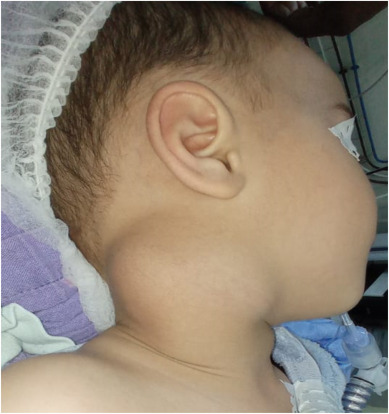
Lymphangiomatous malformations occur in the cervical region as cystic masses (cystic hygroma). The vast majority are diagnosed in the first 2 years of life.

Lymphangiomatous malformations are rare congenital tumors that primarily affect the lymphovascular system, particularly in the head and neck region [1]. These malformations can manifest as lymphangiomatous polypoid lesions, which have histological differences compared to typical lymphatic malformations [1][6]. Lymphangiomatous polyps of the palatine tonsils are particularly rare, with less than 30 reported cases in the literature [2].

When diagnosing lymphangiomatous malformations, it is essential to consider the differential diagnosis. Some conditions that may need to be distinguished from lymphangiomatous malformations include lymphangiectasia, hemangioma, arteriovenous malformation, juvenile nasopharyngeal angiofibroma, fibroepithelial polyps, and papilloma [2]. In rare cases, lymphangiomatous malformations may also present as retroperitoneal cystic lesions or vesicular oral lesions [3][5]. These malformations should be differentiated from retroperitoneal cystic lymphangiomatous malformations, retroperitoneal abscesses, ovarian neoplasms, cystic or necrotic solid tumors, and seminal vesicle cysts [3]. In some cases, lymphangiomatous malformations may be misdiagnosed as other conditions, such as benign cystic mesothelioma [7].

Lymphangiomatous malformations can present with various symptoms depending on the location and size of the lesion. For instance, lymphangiomatous polyps of the tonsils may present with sore throat and dysphagia [10]. Lymphangiomatous macroglossia, on the other hand, is characterized by the chronic enlargement of the tongue and does not spontaneously regress [8]. In terms of management, the treatment options for lymphangiomatous malformations depend on factors such as the location, size, and symptoms of the lesion. Bipolar radiofrequency-induced interstitial thermoablation has been found to be effective for the treatment of oral cavity vascular malformations, including lymphangiomatous lesions [9].

In conclusion, lymphangiomatous malformations are rare, benign tumors that primarily affect the lymphovascular system in the head and neck region. They can manifest as lymphangiomatous polypoid lesions or macroglossia and may present with various symptoms. Diagnosing these malformations can be challenging due to the differential diagnosis with other conditions. The management of lymphangiomatous malformations depends on factors such as the location and symptoms of the lesion. Further research is needed to better understand the pathogenesis and optimal treatment strategies for these rare tumors.

REFERENCES

[1] Park, E., Pransky, S., Malicki, D., Hong, P. (2011). Unilateral Lymphangiomatous Polyp Of the Palatine Tonsil In A Very Young Child: A Clinicopathologic Case Report. Case Reports in Pediatrics, (2011), 1-3. https://doi.org/10.1155/2011/451542

[2] Chen, H., Lovell, M., Chan, K. (2010). Bilateral Lymphangiomatous Polyps Of the Palatine Tonsils. International Journal of Pediatric Otorhinolaryngology, 1(74), 87-88. https://doi.org/10.1016/j.ijporl.2009.08.017

[3] Khan, R., Wahab, S., Chana, R., Fareed, R. (2010). Isolated Retroperitoneal Hydatid Cyst In a Child: A Rare Cause Of Acute Scrotal Swelling?. Journal of Pediatric Surgery, 8(45), 1717-1719. https://doi.org/10.1016/j.jpedsurg.2010.04.019

[4] Andac, S. (2022). Silhouette Lymphangioma: An Unknown Macular Form Of Cutaneous Lymphangioma. Arch Iran Med, 7(25), 456-459. https://doi.org/10.34172/aim.2022.75

[5] (2021). Newborn With Vesicular Oral Lesions. J Paediatr Child Health, 5(57), 759-759. https://doi.org/10.1111/jpc.2_15225

[6] Günbey, E., Gunbey, H., Dölek, Y., Karabulut, Y. (2014). A Rare Cause Of Dysphagia In Children. Journal of Craniofacial Surgery, 4(25), e346-e348. https://doi.org/10.1097/scs.0000000000000773

[7] Shakya, V., Agrawal, C., Karki, S., Sah, P., Poudel, P., Adhikary, S. (2011). Benign Cystic Mesothelioma Of the Peritoneum In A Child—case Report And Review Of The Literature. Journal of Pediatric Surgery, 4(46), e23-e26. https://doi.org/10.1016/j.jpedsurg.2011.01.004

[8] Kim, J., Kwon, H., Rhie, J. (2019). Reduction Glossectomy Of Congenital Macroglossia Due To Lymphangioma. Arch Craniofac Surg, 5(20), 314-318. https://doi.org/10.7181/acfs.2019.00220

[9] Civelek, S., Sayin, I., Ercan, I., Çakir, B., Turgut, S. (2012). Bipolar Radiofrequency-induced Interstitial Thermoablation For Oral Cavity Vascular Malformations: Preliminary Results In a Series Of 5 Children. Ear, Nose & Throat Journal, 11(91), 488-492. https://doi.org/10.1177/014556131209101111

[10] Bhat, S., Patla, S., Rent, N., Shetty, K. (2015). Lymphangiomatous Polyp Of the Tonsil: An Unusual Cause Of Snoring. Otorhinolaryngology Clinics – An International Journal, 2(7), 88-90. https://doi.org/10.5005/jp-journals-10003-1198
Diagnosis Demystified – Case 12

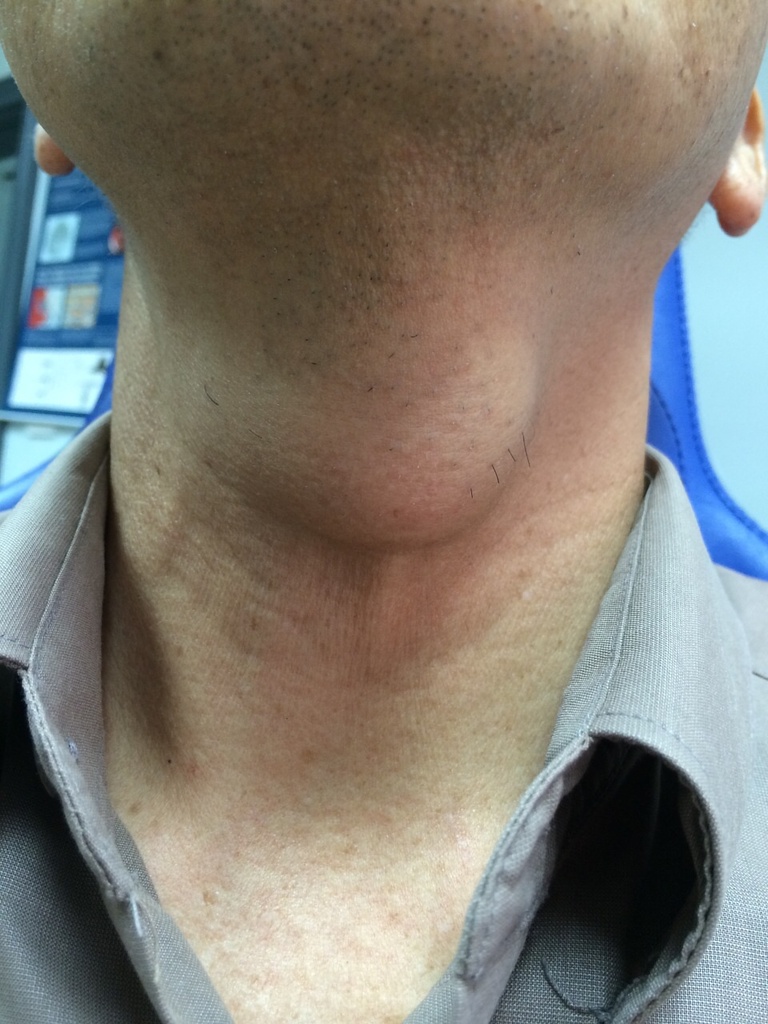
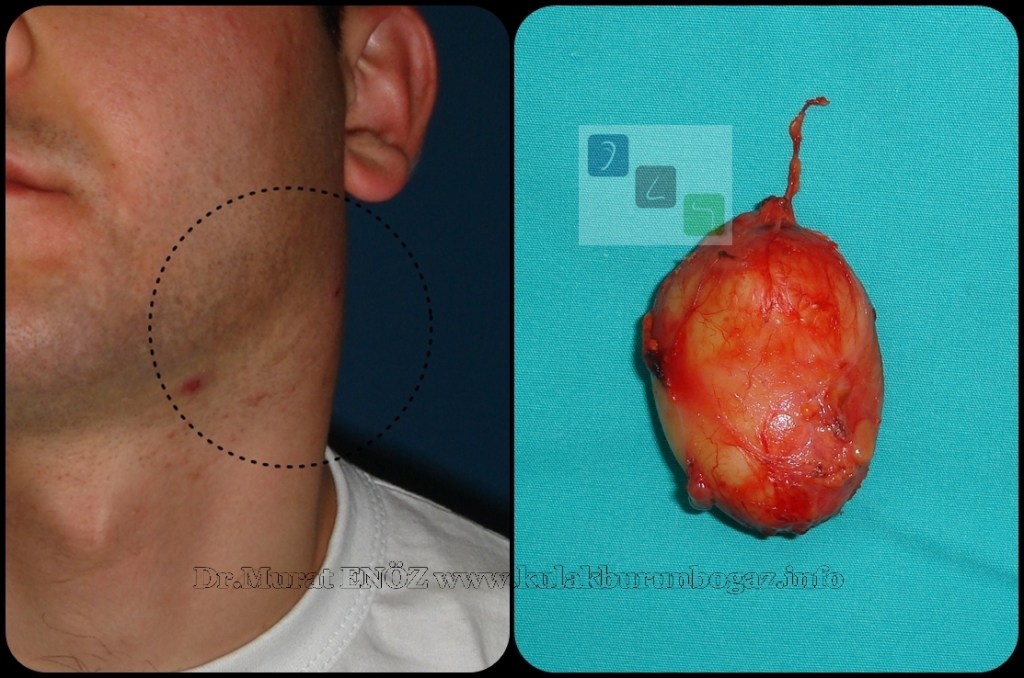
A 25-year-old man presented with an anterior midline cystic swelling in the neck. When he protruded his tongue the cyst elevated.

Thyroglossal tract cysts develop at any point from the foramen caecum to the thyroid along the line of the vestigal thyroglossal duct. Most occur below the level of the hyoid bone and in people under 30 years.

Thyroglossal tract cysts are abnormal fluid-filled sacs that develop along the path of a structure called the thyroglossal duct. To understand this, let’s break it down step by step.

  1. Thyroglossal tract: During the early stages of fetal development, the thyroid gland (a butterfly-shaped gland located in the neck) forms at the base of the tongue in an area called the foramen caecum. As the fetus grows, the thyroid gland descends down the neck to its final position in front of the trachea (windpipe). The path it takes while descending is called the thyroglossal tract.
  2. Vestigial thyroglossal duct: The thyroglossal tract is initially a duct-like structure that connects the thyroid gland to the base of the tongue. However, as the thyroid gland descends, the duct usually disappears, leaving only a remnant called the vestigial thyroglossal duct.
  3. Development of cysts: In some cases, the vestigial thyroglossal duct may not completely disappear, and remnants of it can persist. These remnants can potentially develop into cysts. Thyroglossal tract cysts usually form anywhere along the path of the vestigial thyroglossal duct, from the foramen caecum (at the base of the tongue) to the final location of the thyroid gland in front of the trachea.
  4. Location and age group: Most thyroglossal tract cysts occur below the level of the hyoid bone, which is a small U-shaped bone in the neck. They are commonly found in people who are under 30 years old. However, it’s important to note that thyroglossal tract cysts can occur at any age, including in adults.

In summary, thyroglossal tract cysts are fluid-filled sacs that develop along the vestigial thyroglossal duct, a remnant of the developmental path of the thyroid gland. They can occur anywhere from the base of the tongue to the final location of the thyroid gland. Most of these cysts are found below the level of the hyoid bone and are typically observed in individuals under 30 years of age.

Diagnosis Demystified- Case 11

A 26-year-old patient presented with a rapidly growing lesion that expanded the maxilla. There was bone destruction on the radiograph and therefore malignancy was suspected. On biopsy, the lesion was intraosseous and was cavitated. There was profuse bleeding and a small biopsy of the lining was taken. The pathologist reported osteoclast-like giant cells and granulation tissue with blood clots.

Branchial or lymphoepithelial cysts are typically present in the second and third decades after slow enlargement. They are lined by squamous epithelium and have lymphoid tissue with prominent follicles in the wall. In older patients, they may be confused with cystic metastatic squamous carcinoma in a lymph node. Metastatic thyroid cancer can also mimic branchial cysts. The cyst must be carefully examined by the pathologist.

RESEARCH PAPERS

  • Branchial or lymphoepithelial cysts are a type of congenital neck pathology that can occur due to the remnants of a branchial arch developing into a cyst, causing swelling [9].
  • These cysts are also known as branchial cleft cysts [1][3][6][7][9][10].
  • The prevalence of branchial cysts in children is reported to be around 24.2% [2].
  • They can occur in various locations, including the submandibular gland, parotid gland, and palatine tonsil [1][4][8][10].
  • The etiopathogenesis of these cysts is still a subject of debate, and various postulations have been made regarding the matter [8].
  • Thyroid lymphoepithelial cysts are reported to originate from follicular cells and are unrelated to solid cell nests and lateral cervical cysts arising from branchial-derived remnants [5].
  • There is no specific reference available that discusses branchial cysts in the maxilla. However, branchial cysts are typically found in the lateral neck region, deep to the sternocleidomastoid muscle, and are derived from remnants of the branchial apparatus [13][15][16].
  • They are congenital anomalies that usually present as a cystic mass in the neck [17].
  • In rare cases, branchial cysts can arise in the posterior mediastinum [11].
  • The classification of branchial cysts depends on the branchial cleft they originated from, with locations ranging from the external auditory canal to the lower part of the neck [12].
  • Branchial cysts are typically diagnosed based on clinical examination and imaging studies, such as ultrasound or computed tomography [13].
  • Treatment usually involves surgical excision of the cyst [14].

REFERENCES

  • [1] Ahamed, Kannan, Velaven, Sathyanarayanan, Roshni, E (2014). Lymphoepithelial cyst of the submandibular gland. J Pharm Bioall Sci, 5(6), 185. https://doi.org/10.4103/0975-7406.137464
  • [2] Irani, Zerehpoush, Sabeti (2016). Prevalence of Pathological Entities in Neck Masses: A Study of 1208 Consecutive Cases. Avicenna J Dent Res, 1(8), 4-4. https://doi.org/10.17795/ajdr-25614
  • [3] Delantoni, Onder, Orhan (2022). B-mode and color Doppler imaging of different types of branchial cleft cysts in children. A multicenter study and review of the literature. J Ultrason, 90(22), 174-178. https://doi.org/10.15557/jou.2022.0028
  • [4] Som, Brandwein, Silvers (1995). Nodal inclusion cysts of the parotid gland and parapharyngeal space: A discussion of lymphoepithelial, aids-related parotid, and branchial cysts, cystic warthin’s tumors, and cysts in sjogren’s syndrome. Laryngoscope, 10(105), 1122-1128. https://doi.org/10.1288/00005537-199510000-00020
  • [5] Suzuki, Hirokawa, Ito, Takada, Higuchi, Hayashi, … & Miyauchi (2018). Derivation of thyroid lymphoepithelial cysts from follicular cells. Endocr J, 5(65), 579-586. https://doi.org/10.1507/endocrj.ej17-0402
  • [6] Najib, Berrada, Lahjaouj, Oukessou, Rouadi, Abada, … & Mahtar (2021). Cervical lymphoepithelial cyst: Case report and literature review. Annals of Medicine and Surgery, (61), 185-187. https://doi.org/10.1016/j.amsu.2020.12.041
  • [7] Gill, Chhabra, Singh, Mehrotra, Rawat (2020). Lymphoepithelial Cyst, A Diagnostic Dilemma: Case Report. Ann of Pathol and Lab Med, 10(7), C137-140. https://doi.org/10.21276/apalm.2824
  • [8] Gurka (2020). Case Report of a Parotid Benign Lymphoepithelial Cyst. ADOH, 3(12). https://doi.org/10.19080/adoh.2020.12.555836
  • [9] Park, Yoon, Bang, Ahn (2019). Branchial cleft cyst in the parotid gland in a human immunodeficiency virus-negative patient. Arch Craniofac Surg, 3(20), 191-194. https://doi.org/10.7181/acfs.2019.00031
  • [10] Bingöl, Balta, Bingöl, Mazlumoglu, Kilic (2016). Lymphoepithelial Cyst in the Palatine Tonsil. Case Reports in Otolaryngology, (2016), 1-3. https://doi.org/10.1155/2016/6296840
  • [11] Han, Shang (2023). Branchial cleft cyst arising in posterior mediastinum: A case report. Front. Surg., (9). https://doi.org/10.3389/fsurg.2022.1088142
  • [12] Park, Yoon, Bang, Ahn (2019). Branchial cleft cyst in the parotid gland in a human immunodeficiency virus-negative patient. Arch Craniofac Surg, 3(20), 191-194. https://doi.org/10.7181/acfs.2019.00031
  • [13] Reynolds, Yap, Marikar, Roland (2019). Fifteen-minute consultation: The infant with a neck lump. Arch Dis Child Educ Pract Ed, 5(105), 258-261. https://doi.org/10.1136/archdischild-2019-316827
  • [14] Dhoke, Khadakkar, Dhote, Choudhary, Harkare, Kamal (2012). Type III Second Branchial Cleft Cyst. International Journal of Head and Neck Surgery, 2(3), 112-114. https://doi.org/10.5005/jp-journals-10001-1107

Diagnosis Demystified – Case 10/170

A 44-year-old woman presented with a swelling in the midline floor of the mouth that elevated the floor of mouth and tongue. The mucosa over the cyst was yellowish in colour.

Dermoid cysts are cystic lesions that develop from abnormal inclusion of skin tissue during embryonic development. These cysts can occur along the midline of the body, including in the oral region. In the oral cavity, they can be found either above or below the mylohyoid muscle.

When a dermoid cyst is located above the mylohyoid muscle, it causes a bulge into the floor of the mouth. On the other hand, if it is located below the mylohyoid muscle, it expands into the submental soft tissue. The mylohyoid muscle is a muscle located in the floor of the mouth that separates the oral cavity from the submental region below the chin.

Histological examination refers to the microscopic analysis of the cyst’s tissue. When a dermoid cyst is examined under a microscope, the lining of the cyst resembles epidermis, which is the outermost layer of the skin. This means that the tissue inside the cyst looks similar to the surface of the skin.

Additionally, adnexal structures are often found within dermoid cysts. These structures include hair follicles, sebaceous glands (oil glands), and smooth muscle. Hair follicles are responsible for hair growth, while sebaceous glands produce oil to moisturize the skin and hair. Smooth muscle is a type of muscle tissue that is not under voluntary control and is typically found in the walls of organs.

The presence of these adnexal structures within the lining of the cyst helps to confirm the diagnosis of a dermoid cyst. The combination of the epidermis-like lining and the presence of hair follicles, sebaceous glands, and smooth muscle is characteristic of dermoid cysts.

It’s important for dental students to be aware of dermoid cysts because they can present in the oral region and may require surgical intervention for removal. Proper diagnosis and treatment planning are crucial to ensure optimal patient care.

Diagnosis Demystified – 10/170

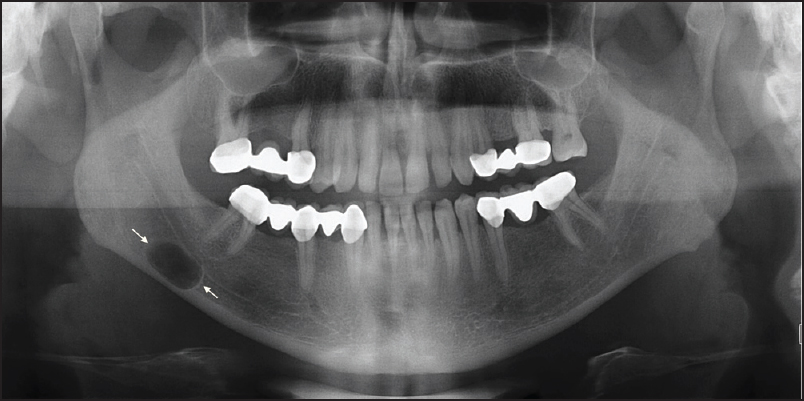
A radiolucent lesion was found incidentally on a dental panoramic radiograph in a 30-year-old man. The cyst was located in the mandible below the inferior alveolar canal. It was roughly oval in outline.

A Stafne cavity is a developmental depression or concavity that occurs in the border of the mandible, which is the lower jaw. It is important to note that Stafne cavities are not true cysts but can sometimes be mistaken for cysts on imaging studies like dental X-rays.

Stafne cavities are typically found in the posterior region of the mandible, near the angle of the jaw. They are more commonly seen in adult males and are considered to be a normal anatomical variation rather than a pathological condition.

These cavities are usually asymptomatic, which means they don’t cause any symptoms or problems for the patient. They are often discovered accidentally during routine dental X-rays or radiographic examinations.

The appearance of a Stafne cavity on an X-ray can resemble that of a cyst, but there are some differences. Unlike cysts, Stafne cavities do not cause expansion or erosion of the surrounding bone. They usually have a well-defined and smooth appearance. It’s also important to note that Stafne cavities are typically found on one side of the mandible and are usually symmetrical.

In most cases, treatment is not necessary for Stafne cavities because they are harmless and don’t cause any issues. However, if there is uncertainty about the diagnosis or if the lesion shows unusual features, further evaluation may be recommended. This can include additional imaging studies like a CT scan or even a biopsy to rule out any other potential pathological conditions.

It’s essential for dental professionals to be aware of Stafne cavities and their characteristic appearance on X-rays. This knowledge helps prevent confusion with other conditions and ensures appropriate management for the patient.

Diagnosis Demystified – Case 9/170

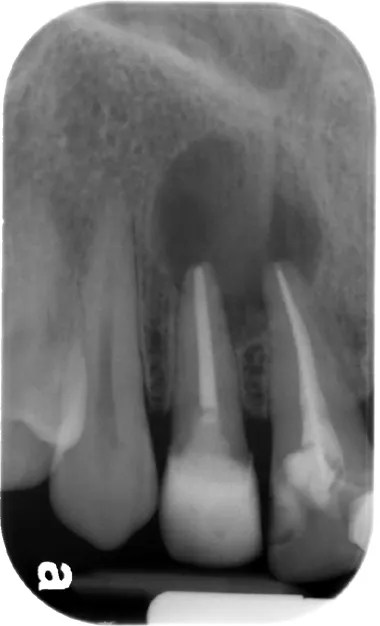
A well-circumscribed radiolucent lesion with a corticated outline was found on a radiograph related to the root of an upper lateral incisor. The tooth was not restored but was slightly discoloured.

A radicular cyst, also known as a periapical, apical, or dental cyst, is a type of cyst that develops around the root of a tooth. It is typically caused by chronic inflammation in the area, which is usually due to an infection or irritation of the dental pulp.

The development of a radicular cyst is influenced by osmotic pressure. Osmotic pressure refers to the movement of fluid from an area of lower solute concentration (inside the cyst) to an area of higher solute concentration (outside the cyst). This movement of fluid leads to the growth of the cyst, causing it to expand over time. As a result, radicular cysts are often rounded in shape and have a well-defined border or margin.

One of the common signs of a radicular cyst is tooth discoloration. The affected tooth may appear darker or grayer than the surrounding teeth. This discoloration is an indication that the tooth has lost its vitality or blood supply, which can occur when the cyst puts pressure on the nerves and blood vessels in the tooth’s pulp.

The development of a radicular cyst is usually triggered by periapical inflammation. Periapical inflammation refers to inflammation that occurs in the tissues around the apex (tip) of a tooth’s root. This inflammation can result from untreated dental caries (cavities), tooth fractures, or other factors that allow bacteria to enter the pulp and cause an infection.

It’s important to note that while radicular cysts can occur around any tooth, they are most commonly found in relation to the upper lateral incisor teeth. The exact reasons for this predilection are not entirely understood, but it may be due to the unique anatomy and susceptibility of these teeth to inflammation and infection.

Treatment of a radicular cyst typically involves removing the cyst surgically and addressing the underlying cause, such as root canal treatment or tooth extraction if necessary. It’s important for dental professionals to diagnose and manage radicular cysts promptly to prevent complications and maintain oral health.

I hope this explanation helps clarify the concept of a radicular cyst for you. If you have any further questions, feel free to ask!

Dental Caries Pathology – NEET Pearls from Dentest

  1. The widely accepted theory of dental caries is the acidogenic theory 
  2. Miller put forth the acidogenic theory of dental caries in the year = 1890
  3. The chemo-parasitic theory of dental caries is proposed by = MILLER
  4. The widely accepted theory of dental caries = Proteolytic chelation theory
  5. Environmental factors that contribute to dental caries include = nutrition, oral hygiene, fluoride and toothbrush abrasion 
  6. Sucrose = has been determined to be the most cariogenic carbohydrate 
  7. Streptococcus mutans synthesizes levans from = fructose
  8. Bacteria that adhere to tooth and cause caries is due to = the production of extracellular polysaccharides or dextrans 
  9. The extracellular polysaccharide synthesized by cariogenic streptococci in the presence of excess sucrose is best described as = dextran like glucan**
  10. Starch is considered to be less cariogenic than monosaccharides and disaccharides because = it does not diffuse through plaque
  11. Sorbitol acts in the prevention of dental caries by = microorganisms that lack the enzyme to metabolise sorbitol 
  12. Xylitol is a low-calorie sweetener that inhibits the growth of Streptococcus mutans
  13.  On average in the saliva of an adult man, the lactobacilli count is 70000 per ml 
  14. Pathology of dental caries is more closely related to = SUPRA-gingival plaque
  15. Pathology of periodontal disease is more closely related to = SUB- gingival plaque and Marginal plaque
  16.  Re-mineralisation of the tooth surface is associated with the following component of saliva = Histadine and Statherin
  17. STEPHAN’s CURVE
    1. the pH of the plaque = is related to the caries incidence and sugar intake of Stephan’s curve
    2. Stephan’s curve denotes the relationship between = plaque pH and glucose rinse 
    3. pH at 5.2-5.5 = initiation of caries begins
    4. TRUE STATEMENTS
      1. It depends on the amount of calcium and phosphorous in the saliva
      2. Bicarbonates are the chief buffer of saliva 
      3. At the highest pH, there is a net loss of minerals from the teeth
      4. pH = 5.5 
    5. The high viscosity of saliva is related to increasing caries in children is partially true 
    6. In a patient with reduced salivary flow, the caries incidence is = more than the patient with normal salivary flow 
    7. In carries free individuals, the saliva has = a high buffering capacity for acids
    8. The total caries experience in permanent teeth is greater in females than in males of the same age group. The reverse is applied to primary teeth
    9. Initiation of dental caries depends upon = the localization of acid over the tooth surface 
    10. For a bacterium to be seriously considered in the aetiology of dental caries it must = exist regularly in the dental plaque 
  18. MICROORGANISMS
    1. Streptococcus mutans
      1. It is considered to be a principal etiological agent of caries because it produces = organic acids and forms a gelatinous matrix 
      2. S. Sanguis, S.mitor, S.salivarius, S.milleri and Pepto streptococcus** = involved in the initiation of dental caries
      3. The enzyme glycosyl transferase secreted by S.mutans synthesizes glucans from = SUCROSE
    2. Lactobacillus acidophilus
      1. are numerous in caries lesions because they are = secondary invaders and help in the progression of caries, do not initiate smooth surface caries
      2. It is thought to be one of the etiological agents of dental caries because it is = both acidogenic and acidocuric
      3. The salivary peroxidase system is known to be effective against = lactobacillus acidophilus 
    3.  Organisms involved in deep smooth surface carries = Streptococcus mutans and Lactobacillus acidophilus 
    4. Actinomyces Viscosis and Lactobacillus = Initiates root surface caries***
  19. Smooth surface caries are characterized by the spread of caries in enamel and dentin as CONES, the alignment of the cone is = Apex to base 
  20. SELENIUM = Dental caries is higher in persons residing in seleniferous areas 
  21. Traces of molybdenum and vanadium in the diet may reduce the incidence of caries
  22. The anti-cariogenic mineral is = vanadium 
  23. In the early stages of the carious lesion. 
    1. Pioneer bacteria are seen in the area of = Dentinal Tubules/Dentin
    2. Early invading bacteria in carious lesion = Pioneer bacteria
    3. There is loss of = Interprismatic substance** of enamel with the increased prominence of rods 
    4. Accentuation of incremental lines of retizus is seen
    5. Clinically the earliest manifestation in an area of a calcification = resembles a smooth chalky white area 
  24. DENTINAL CARIES
    1. Microscopic zones of dentinal caries starting from DEJ = Bacterial invasion, de-calcification zone and zone of sclerosis 
    2. Miller’s liquefaction foci are present in = Dentinal caries in advanced cases
    3. The first zone to be found in dentinal caries = Miller’s liquefaction foci
    4. The clinical significance of sclerotic dentin is that = it is resistant to carries 
    5. Number of dentinal zones = 5
    6. Turbid dentin in carious tooth 
      1. Zone of bacterial invasion
      2. Zone which cannot be remineralised
      3. Zone in which collagen is irreversibly denatured
    7. Bacteria-free zone of dentinal caries = Zone of dentinal sclerosis 
  25. The lateral spread of caries is facilitated mostly by = dentino-enamel Junction 
  26. Mandibular 1st molar = Tooth in permanent dentition which is more susceptible to dental caries
  27. Mandibular 2nd Molar = Tooth in primary dentition which is more susceptible to dental caries
  28.  The maxillary arch is more frequently involved by caries than the mandible arch
  29. Probable reasons for a high incidence of dental caries in the teenage population relate more directly to = the frequency of sucrose intake
  30. The shape of the cervical form of dental caries = CRESCENT
  31. The most common surface involved in root carries in the maxillary arch is= the Proximal 
  32. Odontoclasia is = Linear enamel caries
  33. More number of microorganisms is seen = EARLY MORNING due to the long, overnight incubation period.
  34. Most pronounced effect on the oral microflora of reduction in the rate of salivary flow = Shift towards in rate of salivary flow
  35. Ammonia causes = a decrease in plaque formation
  36. Cavity formation in a tooth, due to dental caries is due to = Lateral spread of caries along DEJ and weakening of the outer covering enamel.
  37. Animals maintained in germ-free environments did not develop caries even when fed on a high carbohydrate diet given by = Orland and Fitzgerald
  38. Attachment of actinomyces species to the tooth surface is facilitated by fimbriae 
  39. The type of caries which are not clinically diagnosed but detected only on radiographs = OCCULT caries
  40. Linear enamel caries lesions in deciduous teeth predominate in = Maxillary anterior teeth

Diagnosis Mystified – Case 8/170

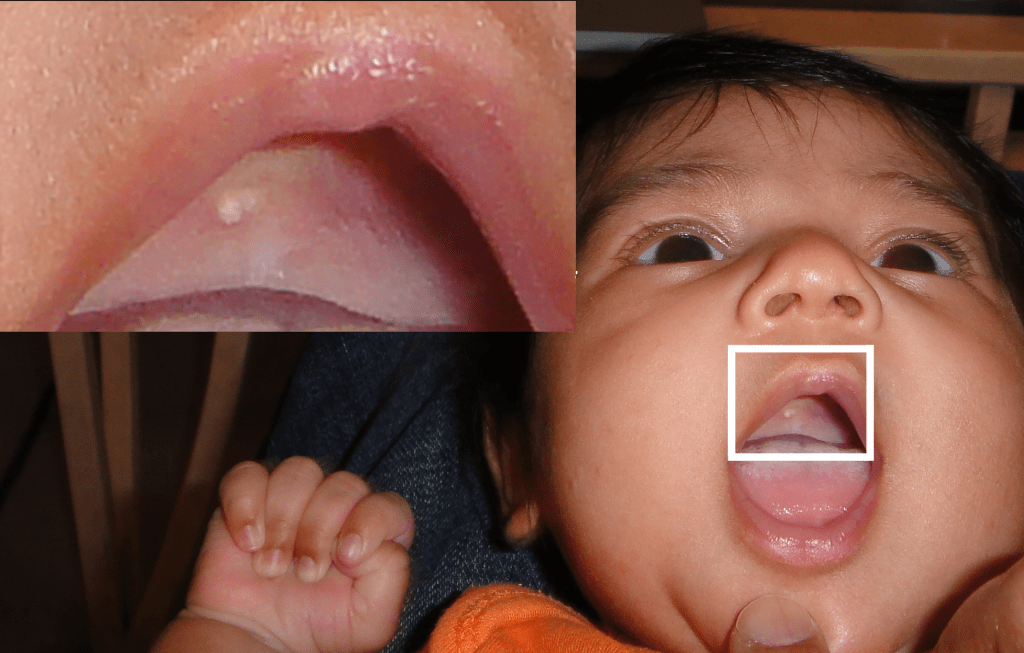
A 1-week-old girl was referred by the paediatrician because of white nodules on her mandibular alveolar ridge.

As a dental student, it’s important to learn about various oral conditions that can affect patients of different age groups. Gingival cysts are one such condition that can occur in both neonates (newborns) and adults, although they are more commonly associated with newborns.

In neonates, gingival cysts are often referred to as Epstein’s pearls. These cysts are small, white or yellowish bumps that appear along the gum line or on the roof of the mouth. They are considered a normal finding in newborns and are typically harmless. Epstein’s pearls are thought to result from the accumulation of epithelial cells (the cells that make up the outer layer of the skin) during the development of the gums. They usually resolve on their own within a few weeks or months after birth without requiring any treatment.

On the other hand, gingival cysts can also occur in adults. In adults, these cysts are usually referred to as adult gingival cysts or adult Epstein’s pearls. Adult gingival cysts are similar in appearance to neonatal Epstein’s pearls and can occur anywhere along the gum line. However, unlike neonatal Epstein’s pearls, adult gingival cysts are considered pathological and may require treatment. They are thought to develop due to various factors such as trauma, chronic irritation, infection, or the entrapment of epithelial remnants within the gum tissue.

Diagnosis Demystified – Case 8/255

A multilocular radiolucent lesion was found in the interdental bone between the upper first and second premolars. The teeth were vital and after enucleation, the pathologist reported that the cyst had features of a developmental periodontal cyst lined by squamous epithelium with focal thickened areas.

As a dental student, it’s essential to learn about various dental conditions. One specific condition you may come across is called a botryoid cyst or a lateral periodontal cyst.

Botryoid cysts develop from small pieces of tissue called odontogenic epithelial remnants, which are found in the periodontal ligament. These remnants are leftover tissue from tooth development. The term “botryoid” refers to the appearance of these cysts under a microscope, which resembles a cluster of grapes.

Unlike some other cysts caused by inflammation or infection, botryoid cysts are not primarily driven by inflammation. Instead, they are considered a developmental abnormality originating from these remaining epithelial tissues.

When examining a botryoid cyst under a microscope, you may observe focal areas where the cyst lining appears thicker or denser compared to the surrounding epithelium. These areas are known as focally thickened epithelial plaques. The presence of these plaques is a characteristic feature that helps identify botryoid cysts microscopically.

As a dental student, it’s important to keep in mind that this information is based on knowledge available until September 2021. Stay engaged in your studies, seek guidance from your professors, and consult trusted dental resources for the most up-to-date and comprehensive information on dental conditions like botryoid cysts.

Dental Caries Pathology – NEET Pearls from Dentest and Pulse

  1. The widely accepted theory of dental caries is the acidogenic theory 
  2. Miller put forth the acidogenic theory of dental caries in the year = 1890
  3. The chemo-parasitic theory of dental caries is proposed by = MILLER
  4. The widely accepted theory of dental caries = Proteolytic chelation theory
  5. Environmental factors that contribute to dental caries include = nutrition, oral hygiene, fluoride and toothbrush abrasion 
  6. Sucrose = has been determined to be the most cariogenic carbohydrate 
  7. Streptococcus mutans synthesizes levans from = fructose
  8. Bacteria that adhere to tooth and cause caries is due to = the production of extracellular polysaccharides or dextrans 
  9. The extracellular polysaccharide synthesized by cariogenic streptococci in the presence of excess sucrose is best described as = dextran like glucan**
  10. Starch is considered to be less cariogenic than monosaccharides and disaccharides because = it does not diffuse through plaque
  11. Sorbitol acts in the prevention of dental caries by = microorganisms that lack the enzyme to metabolise sorbitol 
  12. Xylitol is a low-calorie sweetener that inhibits the growth of Streptococcus mutans
  13.  On average in the saliva of an adult man, the lactobacilli count is 70000 per ml 
  14. Pathology of dental caries is more closely related to = SUPRA-gingival plaque
  15. Pathology of periodontal disease is more closely related to = SUB- gingival plaque and Marginal plaque
  16.  Re-mineralisation of the tooth surface is associated with the following component of saliva = Histadine and Statherin
  17. STEPHAN’s CURVE
    1. the pH of the plaque = is related to the caries incidence and sugar intake of Stephan’s curve
    2. Stephan’s curve denotes the relationship between = plaque pH and glucose rinse 
    3. pH at 5.2-5.5 = initiation of caries begins
    4. TRUE STATEMENTS
      1. It depends on the amount of calcium and phosphorous in the saliva
      2. Bicarbonates are the chief buffer of saliva 
      3. At the highest pH, there is a net loss of minerals from the teeth
      4. pH = 5.5 
    5. The high viscosity of saliva is related to increasing caries in children is partially true 
    6. In a patient with reduced salivary flow, the caries incidence is = more than the patient with normal salivary flow 
    7. In carries free individuals, the saliva has = a high buffering capacity for acids
    8. The total caries experience in permanent teeth is greater in females than in males of the same age group. The reverse is applied to primary teeth
    9. Initiation of dental caries depends upon = the localization of acid over the tooth surface 
    10. For a bacterium to be seriously considered in the aetiology of dental caries it must = exist regularly in the dental plaque 
  18. MICROORGANISMS
    1. Streptococcus mutans
      1. It is considered to be a principal etiological agent of caries because it produces = organic acids and forms a gelatinous matrix 
      2. S. Sanguis, S.mitor, S.salivarius, S.milleri and Pepto streptococcus** = involved in the initiation of dental caries
      3. The enzyme glycosyl transferase secreted by S.mutans synthesizes glucans from = SUCROSE
    2. Lactobacillus acidophilus
      1. are numerous in caries lesions because they are = secondary invaders and help in the progression of caries, do not initiate smooth surface caries
      2. It is thought to be one of the etiological agents of dental caries because it is = both acidogenic and acidocuric
      3. The salivary peroxidase system is known to be effective against = lactobacillus acidophilus 
    3.  Organisms involved in deep smooth surface carries = Streptococcus mutans and Lactobacillus acidophilus 
    4. Actinomyces Viscosis and Lactobacillus = Initiates root surface caries***
  19. Smooth surface caries are characterized by the spread of caries in enamel and dentin as CONES, the alignment of the cone is = Apex to base 
  20. SELENIUM = Dental caries is higher in persons residing in seleniferous areas 
  21. Traces of molybdenum and vanadium in the diet may reduce the incidence of caries
  22. The anti-cariogenic mineral is = vanadium 
  23. In the early stages of the carious lesion. 
    1. Pioneer bacteria are seen in the area of = Dentinal Tubules/Dentin
    2. Early invading bacteria in carious lesion = Pioneer bacteria
    3. There is loss of = Interprismatic substance** of enamel with the increased prominence of rods 
    4. Accentuation of incremental lines of retizus is seen
    5. Clinically the earliest manifestation in an area of a calcification = resembles a smooth chalky white area 
  24. DENTINAL CARIES
    1. Microscopic zones of dentinal caries starting from DEJ = Bacterial invasion, de-calcification zone and zone of sclerosis 
    2. Miller’s liquefaction foci are present in = Dentinal caries in advanced cases
    3. The first zone to be found in dentinal caries = Miller’s liquefaction foci
    4. The clinical significance of sclerotic dentin is that = it is resistant to carries 
    5. Number of dentinal zones = 5
    6. Turbid dentin in carious tooth 
      1. Zone of bacterial invasion
      2. Zone which cannot be remineralised
      3. Zone in which collagen is irreversibly denatured
    7. Bacteria-free zone of dentinal caries = Zone of dentinal sclerosis 
  25. The lateral spread of caries is facilitated mostly by = dentino-enamel Junction 
  26. Mandibular 1st molar = Tooth in permanent dentition which is more susceptible to dental caries
  27. Mandibular 2nd Molar = Tooth in primary dentition which is more susceptible to dental caries
  28.  The maxillary arch is more frequently involved by caries than the mandible arch
  29. Probable reasons for a high incidence of dental caries in the teenage population relate more directly to = the frequency of sucrose intake
  30. The shape of the cervical form of dental caries = CRESCENT
  31. The most common surface involved in root carries in the maxillary arch is= the Proximal 
  32. Odontoclasia is = Linear enamel caries
  33. More number of microorganisms is seen = EARLY MORNING due to the long, overnight incubation period.
  34. Most pronounced effect on the oral microflora of reduction in the rate of salivary flow = Shift towards in rate of salivary flow
  35. Ammonia causes = a decrease in plaque formation
  36. Cavity formation in a tooth, due to dental caries is due to = Lateral spread of caries along DEJ and weakening of the outer covering enamel.
  37. Animals maintained in germ-free environments did not develop caries even when fed on a high carbohydrate diet given by = Orland and Fitzgerald
  38. Attachment of actinomyces species to the tooth surface is facilitated by fimbriae 
  39. The type of caries which are not clinically diagnosed but detected only on radiographs = OCCULT caries
  40. Linear enamel caries lesions in deciduous teeth predominate in = Maxillary anterior teeth