Dysplasia :-

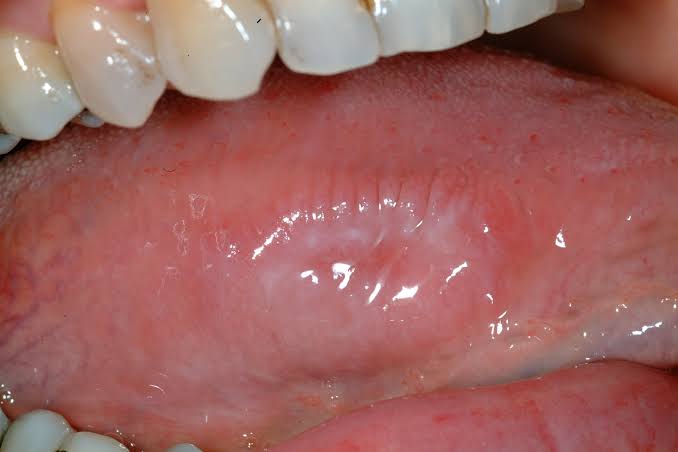
It is histological cannotation to premalignance marked by abbarent and uncoordinated cellular proliferation depicted at cellular level as atypia which is reflected as dysplasia.

An oral precancerous lesion, also called dysplasia, is a growth that contains abnormal cells confined to the lining of the oral cavity, or mouth. This lining is called the mucosa. It covers the inside of the cheeks, the inside of the lips, the gums, the tongue, and the roof and floor of the mouth.

Dysplasia can be mild moderate and severe.

Clinical features :-

  1. Increased mitosis
  2. Loss of basal polarity
  3. Hyperchromatism of cell
  4. Increased nuclear cytoplasmic ratio
  5. Nuclear atypia
  6. Large prominent nucei
  7. Epithelial pearl
  8. Individual cell keratinisation

Treatment :-

  • NSAIDs for pain and inflammation medical treatment.
  • Excision of the part which is affected along with some part of healthy tissue. This is done under anesthesia.

Reference :-

Image :- Google
Writing :- notes made from mastering bds and Sanjay Kumar Purkait books

Luxation of TMJ :-

TMJ has hinge like junction.

Luxation occurs when :-

  1. Overextension of TMJ
  2. Isolated injury or associated with maxillofacial injuries

Luxation is unilateral but bilateral Luxation also occurs.

Clinical features :-

  • Inability to close mouth
  • Head trauma
  • No deviation of mandible
  • Lower jaw deviated away from luxated side
  • Pain may occur in some cases
  • Inflammation may be seen

Treatment :-

  • NSAIDS should be the medical treatment
  • Closed reduction
  • Fulcrum should be placed
  • Open reduction or mandibular condylectomy are indicated

Reference :-

Image :- Google
Writing :- notes made from mastering bds and Sanjay Kumar Purkait books

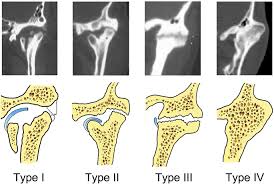
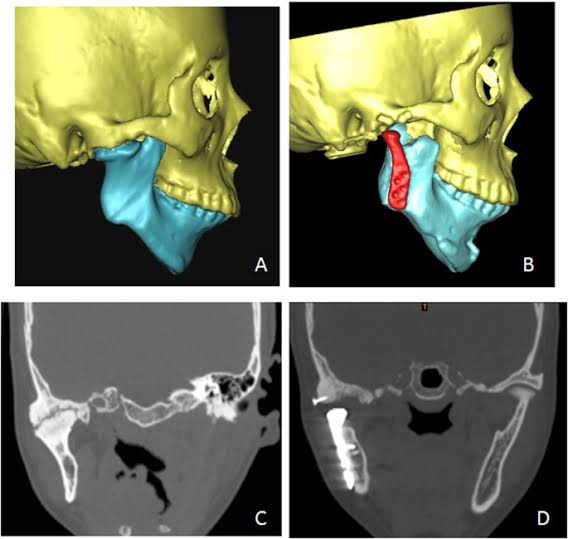
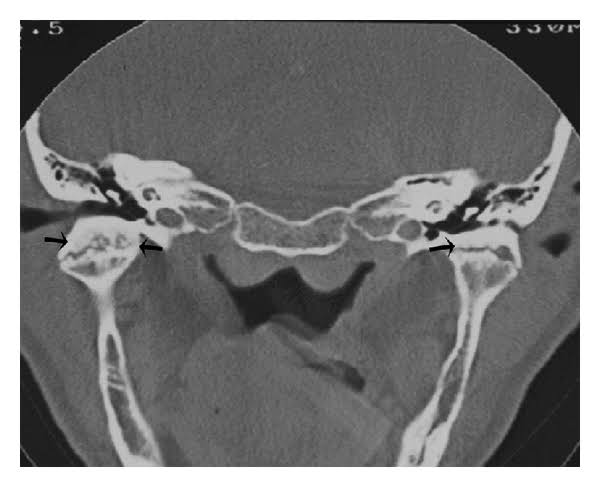
Ankylosis of TMJ :-

It is one of most incapacitating of all diseases involving this structure.

Types :-

  • In Complete Ankylosis i.e there is limitation of motion.
  • In Unilateral Ankylosis i.e chin is displaced.
  • In Intra-articular Ankylosis, joint undergoes progressive destruction.
  • In Extra-articular Ankylosis, splitting of TMJ.

Clinical features :-

  • Occurs before 10 years of age
  • Equal sex distribution
  • Restriction in opening of mouth
  • Injury at infancy or childhood, there is associated facial deformity.
  • Pain may occur in some cases
  • Inflammation may be seen

Treatment :-

  • NSAIDS can be use as medical treatment.
  • Surgical methods like condylectomy intraoral coronoidectomy, ramus osteotomy, high condylectomy, forceful opening of the jaw under general anesthesia, lysis of adhesions of the pterygoid space.

Reference :-

Image :- Google
Writing :- notes made from mastering bds and Sanjay Kumar Purkait books

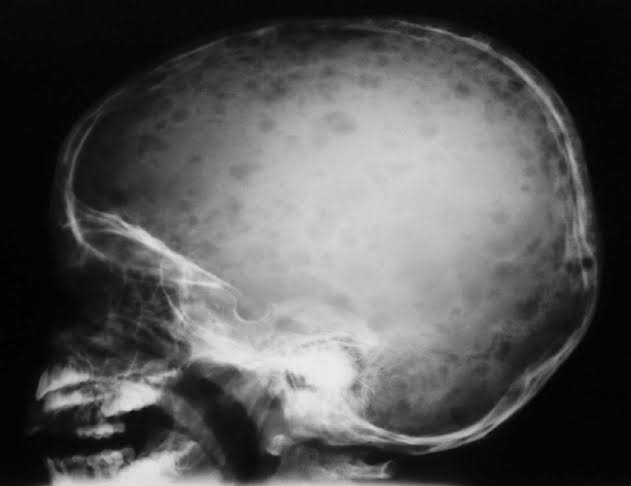
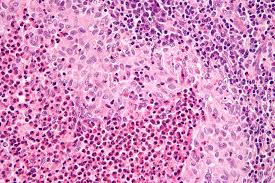
Histocytoses-X :-

It is disease that primarily affects bone but occasionally may also affect other organ system and present in multisystemic pattern.

It is a group of idiopathic disorders characterized by clonal proliferation of specialized bone marrow.

It is also known as Langerhans Cell Histiocytosis (LCH). It is dendritic cell disorder

Clinical features :-

  • Pain, swelling or lump in a bone that does not go away.
  • Broken bone from only a minor injury or for no apparent reason.
  • Loose teeth (when not expected) or swollen gums.
  • Ear infection, cysts in the ear or fluid oozing from the ear.
  • Skin rash, such as on the scalp or buttocks.

Clinical syndromes :-

  • Letterer-siwe disease
  • Eosinophilic granuloma
  • Hand-schuller-christian disease

Histopathology :-

  • Convoluted vesicular chromatin is seen
  • Small nucleolus is seen
  • Light blue dendritic is seen
  • Convoluted peripheral heterochromatin is seen

Treatment :-

  • Steroid therapy, such as prednisone, is used to treat LCH lesions.
  • Bisphosphonate therapy (such as pamidronate, zoledronate, or alendronate) is used to treat LCH lesions of the bone.
  • Local curettage or excision of lesions. Heal on it’s own. Prognosis is good.

Reference :-

Image :- Google
Writing :- notes made from mastering bds and Sanjay Kumar Purkait books

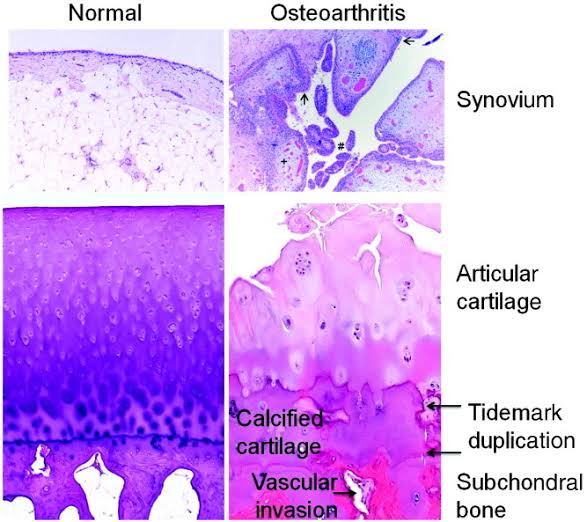
Osteoarthritis :-

It is degenerative disease of weight-bearing joints, although TMJ (tempero-mandibular joint) is not a weight bearing joint.

Clinical features :-

  • Pain rarely presents
  • Causes clicking sounds while opening and closing mouth
  • Limitation of movements of jaw
  • Sometimes inflammation can be seen

Histopathology :-

  • Vertical and horizontal cracks on articular cartilage
  • Cartilage becomes less elastic
  • Degeneration of chondrocyte
  • localised destruction of cartilage

Treatment :-

  • NSAIDs are extremely beneficial for treating patients with TMJ Osteoarthritis as they have a dual effect of reducing pain and reducing inflammation. 
  • Condylectomy should be considered in severe cases

Reference :-

Images :- Google
Writing :- notes made from mastering bds, Sanjay Kumar Purkait books

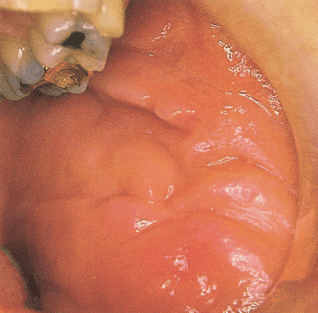
Crohn’s Disease

Crohn’s disease is an inflammatory bowel disease of unknown aetiology. However, it shares many features with the autoinflammatory diseases,and some cases are known to be associated with mutations in the gene NOD2 that controls inflammatory responses to bacteria. Mutations cause failure of the formation of the mucin and antimicrobial barrier lining the bowel and may also inhibit degradation of bacteria. Changes in bowel flora are probably also important.
Granulomatous inflammation affects the ileocaecal region, causing thickening and ulceration. Symptoms vary with the severity of the disease, but effects can include abdominal pain, variable constipation or diarrhoea and, sometimes, obstruction and malabsorption. Repeated bowel resections may ultimately be needed. Many other sites can be affected including any part of the bowel, joints and skin.
Treatment controls symptoms but is not curative. Dietary adjustment, corticosteroids, antibiotics, sulfasalazine or mesalazine, immunosuppressants and tumour necrosis factor (TNF)-alpha blockers (e.g. infliximab) are used.


Oral effects
1)Most patients have no oral signs, although aphthous ulcers and candidosis may be associated with anaemia.


2)When the disease process itself affects the mouth, the signs and symptoms are the same as those in orofacial granulomatosis.


3)Non-caseating granulomas resembling those in the intestine develop in the oral mucosa. The common sites of involvement are lips and buccal mucosa. These show prominent oedema with folds tethered to the underlying deeper tissues, producing the characteristic cobblestone mucosa appearance.

4)Linear ulcers often run along the buccal sulci, particularly the lower sulci, and have hyperplastic folds of inflamed mucosa along their margins. The gingiva show an erythematous nodular gingivitis with hyperplastic tags.


5)The granulomas are typically small, loose and contain few multinucleate giant cells and are often sited deeply in underlying muscle. They may be few in number, and a biopsy needs to extend unusually deeply to increase the chance of finding them because only by identifying granulomas can
the diagnosis be made. The granulomas are associated with vascular dilatation and tissue swelling in early disease. Later, there is dense fibrosis that fixes the tissues in their distorted shape.


These features can be the presenting features of Crohn’s disease, and occasionally oral lesions precede gastrointestinal symptoms by a long period. Oral disease is much more likely to progress to bowel disease in children than when diagnosed in an adult.

Typical orofacial features of Crohn’s disease:
• Diffuse soft or tense swelling of the lips, or mucosal thickening
• Cobblestone thickening of the buccal mucosa, with fissuring and hyperplastic folds
• Gingivae may be erythematous and swollen
• Sometimes, painful mucosal ulcers, linear in sulci or resembling aphthae
• Mucosal tags in sulcuses
• Glossitis due to iron, folate or vitamin B12 deficiency can result from malabsorption
• Orofacial granulomatosis shares many features

Management

Oral lesions may lessen in severity with treatment of systemic disease. Aggressive treatment is merited in the early stages to prevent fibrosis and permanent disfigurement.
The same drugs as are used for bowel disease are required, together with steroid injections of swollen mucosa.

Dr. Iswarya V, BDS

REFERENCE: Cawson’s Essentials of Oral Pathology and Oral Medicine – E. W. Odell
Rickets :-

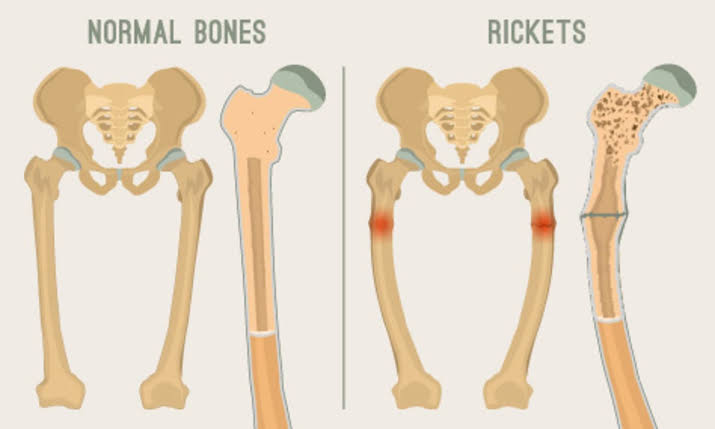
Deficiency of Vitamin D in early childhood may lead to rickets.

Skeleton is poorly developed because of defective calcification in growing bones due to decreased absorption of calcium and phosphorus.

Clinical features :-

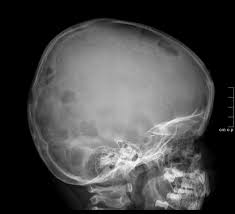
  1. Craniotabes  (softening or thinking of skull ). 
  2. Malocclusion of teeth.  
  3. Eruption of teeth is delayed.           
  4. Higher caries index. 
  5. Bow legs.                                            
  6. Pigeon chest (malformation of chest).                                                     
  7. Harisson’s sulcus ( it is a horizontal groove along the lower border of the thorax corresponding to the costal insertion of the diaphragm). 
  8. Rachitic rosary (beading of ribs).

Treatment :-

  1. Vitamin D 2000 – 3000 IU daily.
  2. Orthopedic treatment

Reference :-

Image :- Google
Writing :- notes made from mastering bds , Sanjay Kumar Purkait book , Dr S N chugh books

Effects of radiation on oral tissue :-

Effects of radiation on oral structures depends on various factors :-

  1. Source of radiation. 
  2. Total amount of radiation.                         
  3. Fractionation.                                       
  4. Type of filtration.                                  
  5. Total area of tissue irradiated.
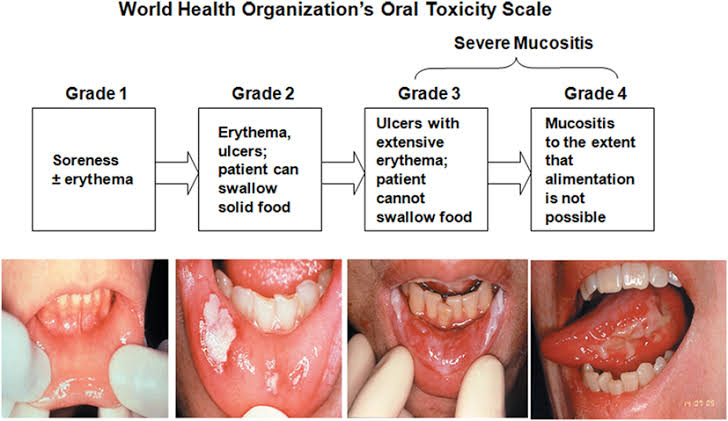
  • Initially mucosa becomes erythematous and atrophic.                 
  • Mucositis develops later on necrosis, denudation, ulceration and sloughing of epithelium.                                      
  • Pain, discomfort and secondary infections etc occur commonly. 
  • Mucositis may extend to large area of oral cavity,nasopharynx,esophagus etc.
  • Very often there is loss or alteration of taste sensation due to degeneration of taste buds.                                             
  • Pain and discomfort remains for about two weeks.                           
  • Mucosa becomes coarse and atrophic after healing in many cases.               
  • Use of prosthesis must be completely stopped till complete recovery

Image :- Google website. Writting :- Notes made from Sanjay Kumar Purkait and Mastering bds books

Mucocele :-

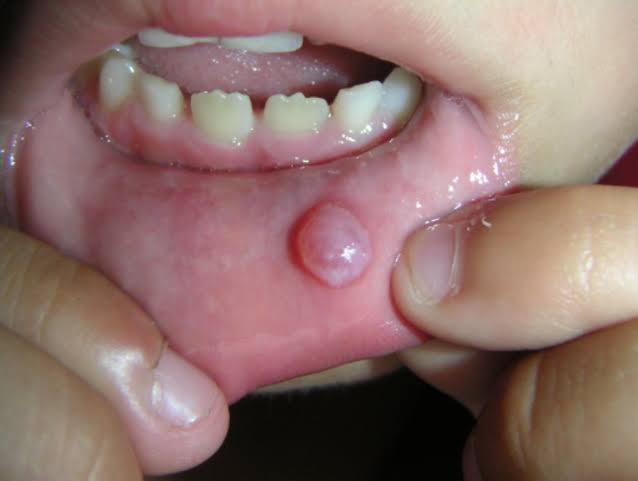
It is not true cyst, it occurs due to retention of mucous material, due to trauma, involving salivary glands and their ducts

Clinical features :-

  • It occurs on lower lip, but may also occur in palate,cheek,tongue,floor of mouth.                                                     
  • Recurrence is common.                   
  • Superficial lesion appears as raised, bluish,translucent.
  • There are two types a. Extravasation type  b. Retention type.
  • Extravasation type is far more common than retention type.

Histological features:-

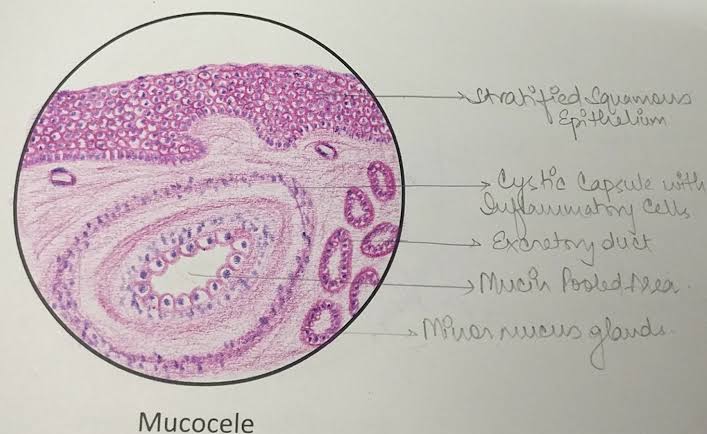
  • Cavity of mucocele is lined by stratified squamous epithelium.           
  • It’s wall is made of compressed fibrous connective tissue and fibroblast.                                               
  • Lumen is filled with eosinophilic coagulum.

Treatment :-

Excision

Reference :-

Images :- Google
Writing :- notes made from Swapan Kumar Purkait, Mastering bds books