


Differential Diagnosis of Periapical Radiolucencies

PA radiolucencies identification made easy! Happy learning..😀📖
  • Periapical radiolucencies are most commonly odontogenic. Nonodontogenic radiolucencies tend to be not localized and span across the mandible or maxilla within the alveolus and sometimes extend inter-radicularly.
  • The most common PA pathologies can be diagnosed based on the vitality responses from the teeth. Ruling out the tooth associated pathologies is an important step in securing a diagnosis from differential diagnosis panel of PA radiolucencies.
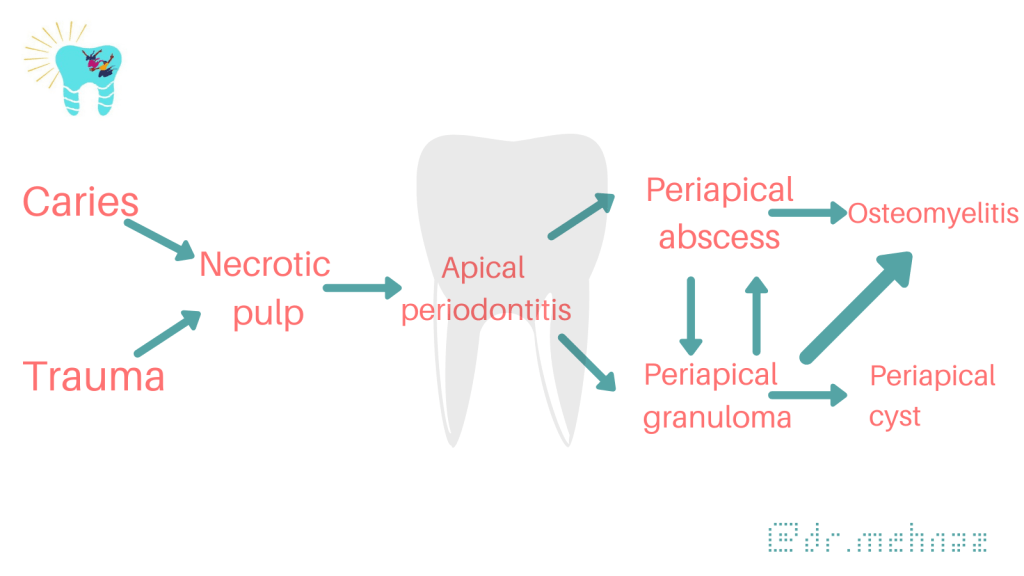
  • Inter-relationship of possible results of periapical inflammation:

When formulating radiological differential diagnosis, features should be evaluated carefully, such as

  1. location
  2. locularity
  3. relation to dentition
  4. density of lesion
  5. margin
  6. type of radiological change (radiolucent/radiopaque/mixed)
  7. periosteal reaction
  8. cortical integrity, and
  9. clinical presentation.

🌫 General Radiographic features:

Location: With periapical inflammatory lesions, which are pathological conditions of the pulp, the epicenter typically is located at the apex of a tooth.

Periphery: Ill defined

Effects on surrounding structures: Periapical lesions cause widening of PDL space at apical region of the root.

PA Radiolucencies: (Classification)

PERIAPICAL RADIOLUCENCIES

Developmental

Lateral periodontal cyst

  • Definition: lateral periodontal cysts are cystic lesions that tend to occur on the lateral aspect of vital teeth. Epidemiology: lateral periodontal cysts account for fewer than 1% of the reported cases of odontogenic cysts.
  • Clinical findings: most lateral periodontal cysts area located in the mandibular incisor-canine-premolar area.
  • Radiographic findings: radiographically, lateral periodontal cysts present as a unilocular radiolucent lesion between the roots of teeth or associated with the lateral aspect of a tooth.
  • Management: surgical enucleation with preservation of involved teeth is an appropriate treatment of lateral periodontal cysts. Recurrence is rare. The multiloculated variant called botryoid odontogenic cysts has been reported to demonstrate a higher recurrence rate than its unilocular counterpart.

Inflammatory Lesions

Apical periodontitis, periapical abscess

  • Definition: spectrum of inflammation involving the PA area of teeth that results from pulpal infection by microorganisms.
  • Epidemiology: apical periodontitis is the most frequent inflammatory lesion related to teeth in the jaws.
  • Clinical findings: apical periodontitis can be classified as either asymptomatic or symptomatic; clinical examination of percussion and palpation of the tooth yields negative results in the former and usually positive results in the latter. The results of pulp sensitivity tests for both conditions, however, are negative. In the early stage of PA inflammation, the PA PDL can exhibit acute inflammation without abscess formation. This localized alteration may or may not proceed to abscess formation.
  • Radiographic findings: in apical periodontitis, radiographs may show a thickened PDL space. If an abscess develops after a long-standing apical periodontitis, radiographs reveal a radiolucent area around the root apex.
  • Management: apical periodontitis is an inflammatory disease caused by a persistent infection of the root canal system. The recommended treatment is the removal of the dead nerve and bacteria either through extraction of the tooth or root canal treatment. Antibiotics are recommended only when there is severe infection that has spread from the tooth into the surrounding tissues.
Mandibular left molar PA radiograph showing the initial apical changes in relation to the first molar secondary to a symptomatic gross carious lesion. If the offending causes remain, this will continue to an apical osteitis, resulting in loss of trabecular bone and possibly even cortical bone before it shows up radiographically.
Cropped panoramic radiograph showing localized osteomyelitis secondary to PA infection in relation to the mandibular left first and second molars (arrows).

Cystic Lesions

Periapical (radicular) cyst

  • Definition: radicular cyst is a cyst of inflammatory origin associated with a nonvital tooth.
  • Epidemiology: radicular cysts represent the most common odontogenic cyst. Radicular cysts are most commonly associated with at the tooth apex, but a lateral radicular cyst can be associated with a lateral root canal.
  • Clinical findings: radicular cysts are always associated with a nonvital tooth, and this is an important criterion for diagnosis.
  • Radiographic findings: radiographs often show a well-defined radiolucent lesion at the apex of a tooth. Radicular cysts can displace or resorb the roots of adjacent teeth.
  • Management: the treatment of radicular cysts can include nonsurgical root canal therapy to surgical treatment, such as apicoectomy.

Odontogenic keratocyst

CBCT panoramic reconstruction of maxilla showing a large well-defined lytic area coronal to the impacted right canine. Histologically confirmed as an odontogenic keratocyst.
  • Definition: an odontogenic cystic lesion with distinctive histologic features. Recently reclassified back into a cystic category in the recent 2017 WHO Classification of Head and Neck Tumours. Current evidence seemed lacking to justify the continuation of classifying it as a tumor.
  • Epidemiology: odontogenic keratocysts are the third most common cyst of the jaws.
  • Clinical findings: most common location of odontogenic keratocysts is the mandibular molar region.
  • Radiographic findings: odontogenic keratocyst size can be variable, ranging from a unilocular radiolucent lesion surrounding the crown of an unerupted tooth, resembling a dentigerous cyst, to a large size that results in facial deformity and destruction of surrounding structures. Lesions tend to grow in a posteroanterior direction, however, that results in a lack of cortical expansion.
  • Management: odontogenic keratocysts tend to be more aggressive in its growth pattern with a higher recurrence rate than other odontogenic cysts. Recurrence may be due, however, to incomplete removal or the presence of satellite (daughter) cysts. Treatment includes enucleation (with or without peripheral ostectomy, treatment with Carnoy solution), marsupialization, or resection.

Glandular odontogenic cyst

  • Definition: a developmental cyst with features that resemble glandular differentiation.
  • Epidemiology: glandular odontogenic cysts represent less than 1% of odontogenic cysts.
  • Clinical findings: there is a predilection for the mandible.But in the maxilla, the canine seems commonly involved. Swelling and expansion were the most common presenting complaints.
  • Radiographic findings: radiographically, glandular odontogenic cysts present as a well-defined unilocular or multilocular radiolucency associated with the roots of teeth; association with impacted teeth is rare.
  • Management: glandular odontogenic cysts have a tendency to recur especially when lesions are removed with simple enucleation.

Benign Tumors

Ameloblastoma

  • Definition: benign, slow-growing epithelial odontogenic neoplasm with unmitigated growth potential.
  • Epidemiology: ameloblastomas are the most common odontogenic tumors, excluding odontomas.89 In the United States, African Americans seem to have an overall 5-fold increase risk of disease compared with whites.
  • Clinical findings: tumor often presents as an asymptomatic swelling of the posterior mandible and can be associated with an unerupted tooth. Buccal and lingual expansion often is observed.
  • Radiographic findings: radiographs commonly show corticated multilocular (soap- bubble) radiolucency.
  • Management: the unmitigated growth potential and tendency to recur require operative management involving segmental or marginal resection. When treated by enucleation alone, much higher rates of recurrence are reported.
Panoramic radiograph showing a large well-defined, multilocular radiolucency extending from the area of first molar on the left into the ramus area. Note the expansion and thinning of the cortices. Ameloblastoma was confirmed histologically.

Malignant Tumors

Ameloblastic carcinoma

  • Definition: a rare, malignant counterpart for ameloblastoma. Not to be confused with metastasizing ameloblastoma, this is a histologically benign ameloblastoma metastasizing to distant sites. In the recent WHO Classification of Head and Neck Tumours, metastasizing ameloblastoma has been separated from ameloblastic carcinoma and included as a type of conventional ameloblastoma.
  • Epidemiology: incidence rate was 1.79 per 10 million person/year with male and black population predominance. The overall survival is 17.6 years.
  • Clinical findings: the most common site is the posterior mandible. Often, pain and expansion are the first clinical manifestations. Most cases arise de novo, but some arise in preexisting ameloblastomas.
  • Radiographic findings: radiographically, ameloblastic carcinomas can present as poorly defined, irregular radiolucencies consistent with a malignancy, or indistinguish- able from a benign radiolucency.
  • Management: generally considered radio-resistant tumor, radical surgical resection is the first line of treatment.

Differential Diagnosis: 🔍

  • The 2 type of lesions that most often must be differentiated from periapical inflammatory lesions are Periapical cemental dysplasia & enostosis (dense bone island, osteosclerosis) at the apex of the tooth.
  • In the early radiolucent phase of Periapical cemental dysplasia, the D/D rely solely on clinical examination and a test of tooth vitality.
  • With long standing periapical inflammatory lesions, the pulp chamber of involved tooth may be wider than adjacent tooth.
  • More mature PCD show radio-opaque mass within radiolucent area which helps in D/D.
  • Also the common site for PCD is mandibular anterior region. External root resorption is more common with periapical inflammatory lesions than PCD.
  • When enostosis is centered on the root apex, it may mimic inflammatory lesion but the PDL space has normal width. Also the periphery of enostosis is well defined and does not blend with surrounding trabaculae.
  • Small radiolucent periapical lesions with well-defined periphery may be either granulomas/cysts.
  • Differentiation may not be possible unless other characteristics of cyst such as displacement and expansion of surrounding structure is not present.
  • Larger lesions >1cm are usually radicular cysts.
  • If the patient has had endodontic treatment or apical surgery, a periapical radiolucency may remain that resemble periapical rarefying osteitis.
  • Metastatic lesions such as leukemia may grow in periapical segment of PDL space with malignant bone destruction.
Periapical radiographs of case showing Enostosis (see arrows) in the mandibular left quadrant, in close proximity with the roots of the adjacent teeth
  • Enostosis are common findings that seldom require treatment; however, caution should be exercised when undertaking orthodontic movement in the area of a DBI due to a potential risk of root resorption. Accurate identification and multidisciplinary management are of utmost importance. Monitoring size changes is recommended until completion of patient’s growth.

Dentowesome|@drmehnaz🖊


References:

  1. https://link.springer.com/article/10.1007/s40368-020-00596-w
  2. https://www.researchgate.net/profile/Eugene-Ko-2/publication/
  3. SlideShare, Study Notes✍🏻

Differential Diagnosis of Sinus, Fistula & Abscess

Sinus

Latin: Hollow (or) a bay

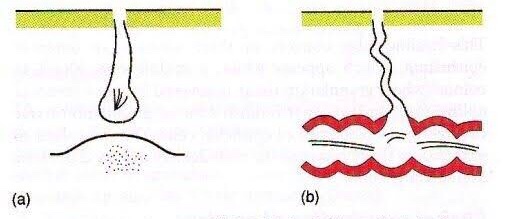
A sinus is a blind tract leading from the surface down to the tissue. There may be a cavity in the tissue which is connected to the surface through a sinus. The sinus is lined by granulation tissue which may be epithelized.

A sinus has one open draining end and the channel ends in a blind ending. An example would be a dental sinus draining from a dental abscess to either the inside of the mouth or the skin.

Fistula

Latin: flute(or) a pipe (or) a tube

It is a communicating tract between 2 epithelial surfaces commonly between hollow viscous & skin or between 2 hollow viscera. The tract is lined by granulation tissue which is subsequently epithelized. A fistula may be an abnormal communication between vessels.

An example would be from the mouth (oral cavity) to the skin surface, usually of the face or neck, and this specific type is called an orocutaneous fistula.

These defects can cause aesthetic and functional problems due to the continuous leakage of saliva.
It is an abnormal epithelized communcation between maxillary sinus and oral cavity through perforation in the sinus wall

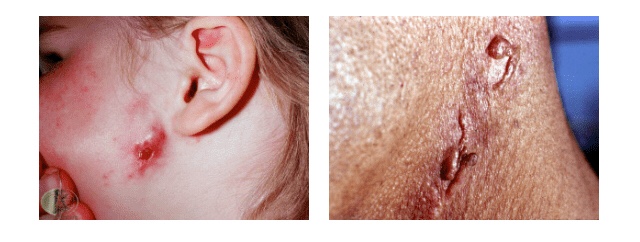
Fistulas and sinuses of the neck and face: classification

Fistulas and sinuses of the neck and face may be classified by cause.

Developmental

Fistulas and sinuses due to developmental causes are usually present at birth.

  • Thyroglossal duct cyst – the most common developmental cyst in the neck. The cyst characteristically moves upwards when the tongue is poked out or with swallowing. It may burst to form a sinus which usually opens just below the hyoid bone in the midline of the neck. It drains mucus.
  • Branchial cleft cyst – the most common developmental cyst of the side of the neck. A sinus may drain mucus or pus following rupture of an abscess. It usually opens on the side of the neck.
  • Preauricular sinus

Cysts

Cysts are lumps in the skin containing fluctuant contents. They may have an opening to the skin surface.
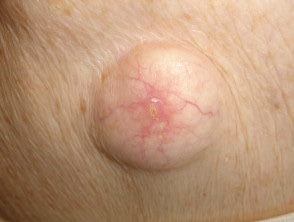
  • Dermoid cyst
  • Epidermal cyst

Traumatic

  • Accidental
  • Radiotherapy
  • Surgical

Infective

  • Actinomycosis
  • Bone infection
    Chronic osteomyelitis – most commonly associated with poorly controlled diabetes mellitus or following radiotherapy to the jaw for cancer or Paget disease of the bone. It may also complicate a chronic dental infection.
  • Dental infection
    • Chronic dentoalveolar abscess
    • Dental implant
    • Failed endodontic procedure

Lymph node

  • Cat scratch disease
  • Dental infection
  • Tuberculosis (scrofuloderma)

Neoplastic

  • Oral squamous cell carcinoma is the most common
  • Benign tumours of the mouth rarely form a fistula

Causes for persistence of sinus/fistula

  • Presence of a foreign body e.g. suture material
  • Presence of a necrotic tissue underneath e.g. sequestrum
  • Insufficient or non-dependent drainage. e.g. TB sinus
  • Distal obstruction e.g. biliary fistula
  • Persistant drainage like urine/faeces/CSF
  • Lack of rest
  • Epithelialisation of the tract e.g. AVF
  • Malignancy
  • Dense fibrosis
  • Irradiation
  • Malnutrition
  • Specific causes e.g. TB, actinomycosis
  • Ischemia
  • Drugs e.g. steroids
  • Interference by the patient

How is a fistula or sinus diagnosed?

In addition to careful history and examination, one or more of the following tests will usually be required to confirm the diagnosis and determine the cause:

  1. passing a probe into the channel
  2. radiology – may include plain x-rays, x-rays using contrast medium, CT or MRI scans
  3. microbiological assessment of swabs or biopsy material
  4. biopsy and pathology

Abscess

Collection of pus

Clinical Features & Diagnosis:

Features of acute inflammation; The four cardinal signs of inflammation are:

  • redness (Latin rubor) – below localization of abscess
  • heat (calor) – inflammed area is hot
  • swelling (tumor) – pus present inside abscess cavity
  • and pain (dolor) – throbbing type

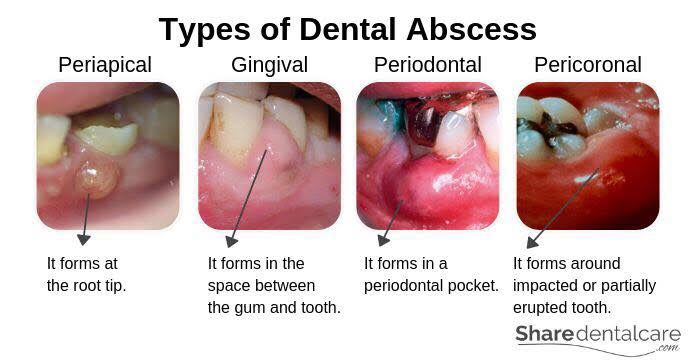
Diagnosis of Dental Abscess:

  • The location of abscess will cause tenderness with palpation test
  • The abscessed tooth will be very sensitive to percussion
  • IOPA findings will suggest slight thickening of PDL space with radiolucency at apex

Dentowesome|@drmehnaz🖊


References:

  1. dermnetnz.org
  2. SlideShare
  3. Google.com
  4. Study Notes✍🏻

EXAMINATION OF A SWELLING & ULCER

A swelling is a value term that denotes only enlargement or protuberance in body due to any cause.

According to the cause a swelling may be congenital, traumatic, inflammatory, Neoplastic or miscellaneous.

Examination of a swelling should be accompanied by a complete history of the patient. Following points should be noted:

Duration: The clinician may ask ‘when was the swelling first
noticed’? Swellings that are painful and of shorter duration are mostly inflammatory (acute), whereas those with longer duration and without pain are chronic, e.g. a chronic periapical abscess.

Mode of onset: The clinician may ask ‘how did the swelling start’? The history of any injury or trauma or any inflammation may contribute to the diagnosis and nature of the swelling.

Progression: The clinician should ask ‘has the lump changed in size since it was first noticed? Benign growths such as bony swellings grow in size very slowly and may remain static for a long period of time. If the swelling decreases in size, this suggests of an inflammatory lesion.

Site of swelling: The original site where it started must be assessed.

Other symptoms: Pain, fever, difficulty in swallowing, difficulty in respiration, disfigurement, bleeding or pus discharge are the common symptoms associated with swellings in the orofacial region.

Recurrence of the swelling: many swellings do recur after removal of the tissue, indicating the presence of precipitating factor, e.g. ranula.

LOCAL EXAMINATION🔍

(A) Inspection

  • Situation: few swellings are peculiar in their position
  • Color: Black – Naevus/Melanoma; Red/purple: Hematoma; Bluish: Ranula
  • Shape: Ovoid, pear shaped, kidney shaped, spherical or irregular
  • Size: Mention in cms. – the vertical horizontal dimension
  • Surface: Cauliflower as in Squamous Cell Carcinoma; Filliform – Papilloma
  • Edge: Sessile/pedunculated/indistinct
  • Number: Multiple/diaphyseal
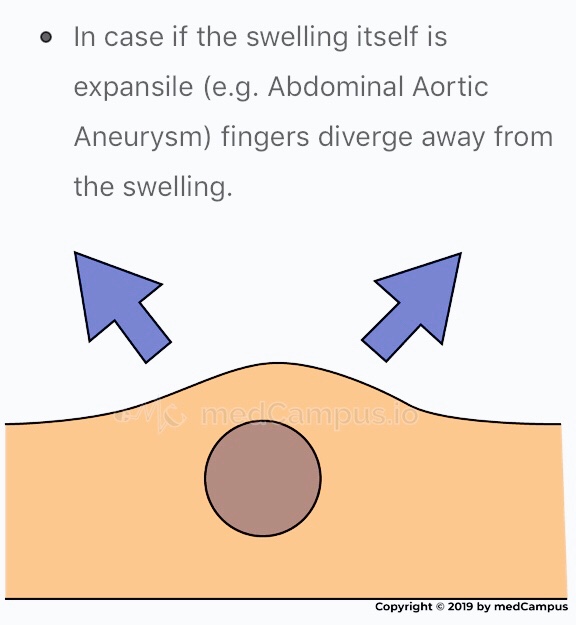
  • Pulsation: The swelling which is superficial to artery, in close relation with it will be pulsatile. Pulsatile nature of swelling is assessed with 2 fingers on mass.
Mnemonic: SETTLE
  • Skin: Red & edematous. Pigmentation of skin is seen in moles or after repeated exposure to X-rays. Skin over a growth looks like the peel of an orange.

(B) Palpation

  • Temperature: Local temperature is raised due to extensive vascularity of the swelling; best felt with back of fingers.
  • Tenderness: Patient complains of pain due to pressure exerted by swelling.
  • Size, shape & extent: Mention in cms. – the vertical horizontal dimension
  • Fluctuation: If swelling contains liquid or gas it fluctuates.
Fluctuation test is positive if the two digits are pushed away in both directions.
  • Translucency: contains clear fluid
  • Compressibility: When pressure is applied to a swelling it decreases in size and when pressure is released swelling regains its size itself. Characteristic sign of VASCULAR HEMANGIOMA
  • Reducibility: Swelling reduces and ultimately disappears when pressed upon.

Surface: Can be👇🏻

• Smooth (cystic swellings)
• Lobular with smooth lumps (lipoma)
• Nodular (multinodular goitre)
• Matted (lymph nodes)
• Irregular (carcinoma)

Margins: Well defined/indistinct👇🏻

• Malignant growth - irregular margin
• Acute inflammatory swelling - ill defined margin
• Benign tumor - swelling slips & is indistinct

Edge👇🏻

• Well defined & regular-Benign Neoplasms
• Well defined & irregular-Malignant Neoplasms
• Ill defined & diffuse - Inflammatory swellings

Consistency: 👇🏻

• Soft - lipoma
• Cystic - Cyst or chronic abscesses
• Firm - Fibroma
• Hard - Chondroma
• Bony hard - Osteoma
• Stony hard - Carcinoma
• Variable consistency - Malignancy

EXAMINATION OF ULCER:

An ulcer is break in continuity of epithelium, skin or mucous membrane. A proper
history must be taken in case of an ulcer:

Mode of onset: The clinician may ask ‘how has the ulcer developed’? The patient may provide significant information about the nature and etiology of the ulcer such as any trauma or spontaneously.

Duration: The clinician may ask ‘how long is the ulcer present here’? It determines the chronicity of the ulcer. For example, traumatic ulcers in oral cavity are acute (occurring for a short period), but if the agent persists; it may become a chronic ulcer.

Pain: The clinician may ask ‘is the ulcer painful’? Most of the ulcers, being inflammatory in nature, produce pain. Painless ulcers usually suggest nerve diseases (such as peripheral neuritis, syphilis, etc).

Discharge: Any blood, pus or serum discharge must be noted.

Associated disease: Any associated generalized systemic problem may be associated with the ulcers of oral cavity (such as
tuberculosis, squamous cell carcinoma, etc).

LOCAL EXAMINATION🔍

(A) Inspection

Size & Shape:

• Tuberculous ulcer - oval with irregular border
• Varicose ulcer - vertical & oval in shape
• Carcinomatous ulcer - irregular

Number: Tuberculous, inflammatory ulcer may be more than one in number

Position:

• Arterial ulcer: Tip of the toes, dorsum of the foot
• Varicose ulcer: lower limb
• Perforating ulcers: over the sole at pressure points
• Non-healing ulcers: over the shin
• Rodent ulcer: upper part of face

Edge: An area between margin & floor. In spreading ulcer, edge is inflamed. Undermined edges destroy subcutaneous tissue faster than skin.

Beaded: As seen in rodent ulcer

Floor: This is the part of the ulcer which is exposed or seen.

• Red granulation tissue - Healing ulcer
• Necrotic tissue, slough - spreading ulcer
• Pale, scanty granulation tissue - tuberculous ulcer
• Wash-leather slough - Gummatous ulcer

Discharge:

• Serous discharge - Healing ulcer
• Purulent discharge - Spreading ulcer
• Bloody discharge - Malignant ulcer
• Discharge with bony spicules - Osteomyelitis
• Greenish diacharge - Pseudomonas infection

(B) Palpation

Tenderness: Characteristic of infected ulcers and arterial ulcers.

Induration: The edge, base and the surrounding area should be examined for induration

• Maximum induration - Squamous cell carcinoma
• Minimal induration - Malignant melanoma
• Brawny induration - Abscess
• Cyanotic induration - Chronic venous congestion as in varicose ulcer

Mobility: Malignant ulcers are usually fixed, benign ulcers are not.

Bleeding: Malignant ulcer is friable like a cauliflower. On gentle palpation, it bleeds. Granulation tissue as in a healing ulcer also causes bleeding.

Surrounding Area:

  • Thickening and induration is found in squamous cell carcinoma.
  • Tenderness and pitting on pressure indicates spreading inflammation surrounding the ulcer.

Relevant Clinical Examination:

Dentowesome|@drmehnaz🖊


References:
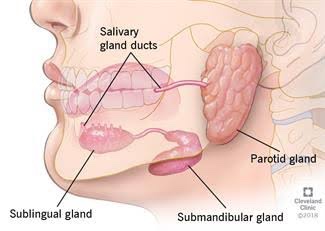
  1. A Practical Manual of Public Health Dentistry by CM Marya
  2. Slideshare.net
  3. https://www.medcampus.io/mnotes/examination-of-a-swelling-transmitted-vs-expansile-pulsations-
  4. medinaz.com, http://www.rxpg.com
  5. Study Notes✍🏻

Swellings in the angle of Mandible, Floor of Mouth & Palate

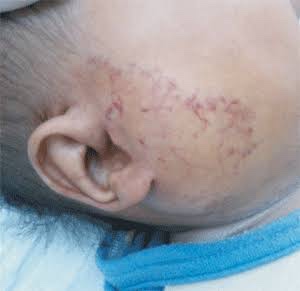
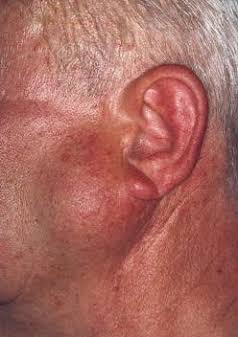
Swellings at the angle of Mandible include: ✍🏻👇🏻

🔅Congenital disease

• Branchial Cleft Cyst

🔅Neoplasm

(i) Benign

  • Hemangioma
  • Lymphangioma, Cystic hygroma
  • Pleomorphic adenoma (mixed tumor)
  • Warthin tumor
  • Neurofibroma
  • Angiolipoma
  • Adenoma
  • Hamartoma
  • Lipoma
  • Oncocytoma

(ii) Malignant

  • Mucoepidermoid carcinoma
  • Squamous cell carcinoma
  • Adenoid cystic carcinoma
  • Acinic cell carcinoma
  • Adenocarcinoma
  • Rhabdomyosarcoma
  • Lymphoma, leukemia
  • Metastatic adenopathy

🔅Inflammation/Infection

  1. Parotitis
  2. Parotid Abscess
  3. Tuberculosis
  4. Sarcoidosis
  5. Sjögren disease
  6. HIV

Detailed View🔍

1) Branchial Cleft Cyst:

  • Failure of involution of clefts and pouches lead to cysts, fistulas or sinus tracts.
  • Its a painless fluctuant swelling
  • First branchial cleft cysts are rare usually located at parotid gland or periparotid region.
  • Second branchial cleft cyst – Type II are the most common
  • Typically, second branchial cleft cysts present as a rounded swelling just below the angle of mandible, anterior to the sternocleidomastoid

2) Hemangiomas:

They are the most common benign salivary gland mass. Capillary hemangiomas involve parotids

3) Lymphangiomas

They are congenital malformations of the lymphatic system that may involve the parotid gland (Soft asymptomatic neck mass associated with facial asymmetry)

4) Pleomorphic Adenoma:

Hard painless slow growing mass

5) Warthin Tumor:

Incorporation of heterotopic salivary gland ductal epithelium within intraparotid & periparotid nodes

6) Parotitis & Parotid Abscess:

  • Most common in children
  • Mumps is the most common viral cause of parotitis
  • The condition manifests tender swelling at the angle of Mandible
  • Sialadenitis is most commonly due to bacterial infections caused by Staphylococcus aureus.
  • Premature neonates and immunosuppressed individuals are affected.

Swellings in the floor of Mouth: 👇🏻✍🏻

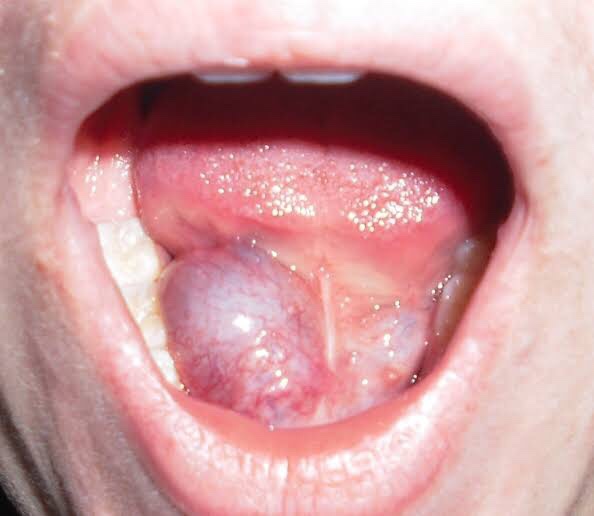
Ranula presents as a translucent blue, dome-shaped fluctuant swelling & contains viscid, glairy jelly like fluid
  1. Ranula – a type of mucocele found on the floor of the mouth. Present as a swelling of connective tissue consisting of collected Mucin from a ruptured salivary gland by local trauma.
  2. Swellings in the floor of the mouth are more likely to arise from structures above the Mylohyoid muscle. The commonest swellings in the floor of the mouth are denture induced hyperplasia & salivary calculus.
  3. Swellings in the floor of the mouth may inhibit swallowing & speech.
  4. Mandibular tori produce bony hard swelling lingual to the lower premolars.

Differential diagnosis of swellings of the floor of the mouth or neck (Jham et al., 2007): https://www.researchgate.net/figure/Differential-diagnosis-of-swellings-of-the-floor-of-the-mouth-or-neck-Jham-et-al-2007_tbl1_287206404


Swellings on the Palate: 👇🏻✍🏻

  1. Torus palatinus is an intrinsic bone lesion whereas a dental abscess pointing on the palate (usually from the palatal roots of the 1st & 2nd maxillary molars or from upper lateral incisors) is extrinsic.
  2. Salivary neoplasms
  3. Invasive carcinoma from the maxillary sinus may produce a palatal swelling.
  4. Kaposi’s sarcoma, typical of HIV/AIDS may also present as lump on palate.
  5. Paget’s disease.

Differential diagnosis of palatal swellings: https://www.researchgate.net/figure/Differential-diagnosis-of-palatal-swellings_tbl1_221967546

Dentowesome|@drmehnaz🖊


Image source: Google.com

Diagnosis of Dental Caries

Introduction:

Early detection and diagnosis of dental caries reduces irreversible loss of tooth structure, the treatment costs and the time needed for restoration of the teeth. Dental caries often initiates at the fissures in the occlusal surface of the tooth. Conventional examination for caries detection is primarily done using visual inspection, tactile sensation and radiographs. While these methods give satisfactory results in detection of cavitated lesions, they are usually inadequate for the detection of initial lesions. Because of these deficiencies, new detection methods have been developed to aid better diagnosis.

Conventional Methods Used in Diagnosis of Dental Caries

It is one of the most common diagnosis methods implemented by dentists. In order to make an accurate assessment, the teeth should be clean, dry and examined under a light source. In visual examination, changes in tooth structure such as; enamel dissolution, white spot lesions, discoloration, surface roughness and presence of cavitation are assessed. When illuminated, the carious tissues scatter the light and make enamel look whiter and opaque. This is due to increased porosity caused by demineralization. Similarly, when dentin undergoes demineralization, a shadow is observed under the intact enamel. When caries progress, the surface breaks down and a cavitation is formed.
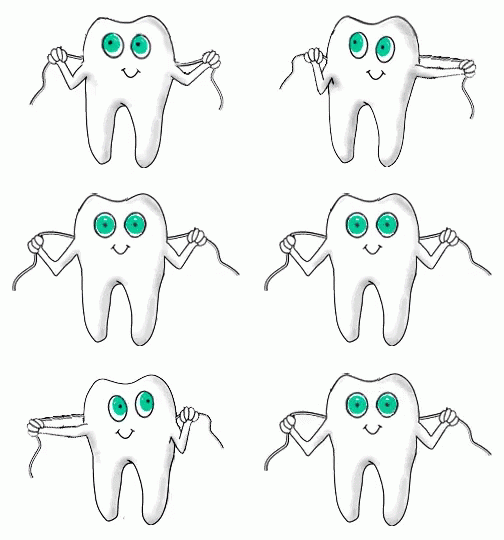
The explorer and the dental floss are used for tactile examination but the use of an explorer is not preferred because:

  1. Sharp tip of the explorer can produce traumatic defects on the enamel surface,
  2. The cariogenic bacteria may be transferred from one tooth surface to another,
  3. Probing may cause cavitation and fracture in the incipient lesions,
  4. Explorers have low sensitivity resulting in undetected lesions.

If the explorer catches or resists removal when moderate pressure is applied, and when this is accompanied by one of the following;

  • Softness at the base of the lesion,
  • Opacity adjacent to the pit or fissure,
  • The enamel is softened adjacent to the pit and fissure, we can conclude that the area is carious.

Pickard, proposed the use of dental floss for the detection of caries. When there is food packing between the teeth and the floss is frayed when passed through the contact area, this might be the indication of caries.

Clinically “sound” and apparently intact occlusal surfaces, however, may develop lesions which penetrate into the dentin, which can be observed only through radiographic examination

Radiographic examination has great value in detecting caries lesions especially when they are not clinically visible. In low caries population, as a result of fluoride use, the surface of enamel does not break down, making the caries detection harder. In recent years, the incidence of such lesions has increased dramatically. According to studies, bitewing radiography has been proven to be an effective method in the detection of proximal caries and hidden caries.
Besides its advantages, radiographs also have some limitations too. For this reason, it is advisable to use clinical evaluation along with radiographic imaging. The disadvantages of radiography are as follows:
• Proximal contacts are overlapped,
• The lesion depth may appear to be increased due to angulation and this may lead to false diagnosis,
• Occlusal lesions may not be detected because of the superposition of the buccal and lingual cusps,
• The real cause of the radiolucency can’t be determined whether it is due to caries, resorption or wear,
• The superficial demineralization of the buccal and lingual surfaces may seem like proximal caries,
• Active and arrested caries can’t be distinguished in the radiographs.
• Radiographs may give false positive results due to a phenomenon called “Mach band effect”. In this perceptual phenomenon, the contrast between the dark and lighter areas has increased, resulting in a dark demarcation band. This effect causes formation of a radiolucent area in dentin enamel junction.


Cervical burn out is another optical phenomenon where a wedge shaped radiolucent area is seen between the bone and the cemento-enamel junction. This effect is due to tissue density and the low penetration of X-rays at the cervical region.

Despite the disadvantages, radiographs are the most commonly used diagnosis tool and with the development of new techniques many of the problems are solved.
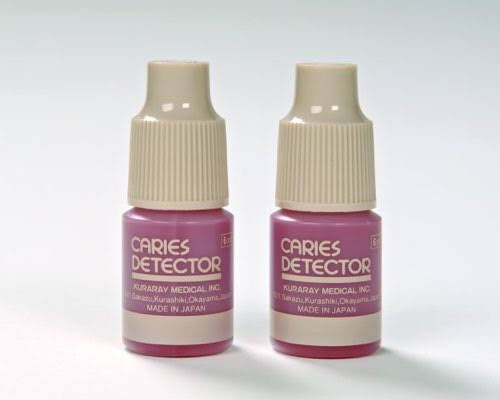
There are two layers of decalcification in carious dentin. The first one is the soft and infected layer which doesn’t have the capacity of remineralization. The second one is hard, intermediately decalcified and has the ability of remineralization. Many studies were carried out to differentiate these layers. Although there are opinions stating the benefit of caries detection dyes, there are also opinions that dyes can lead to over-reduction in the dentin.

Most clinical investigations have concluded that, caries detection dyes don’t stain bacteria but stain the less mineralized organic matrix. In a study of Demarco et al. they suggested that dye remnants that remained on the walls of the cavity may cause a decrease in the shear bond strength between the composite restorations and the enamel.

In the upcoming blog post we will learn about the Novel Methods for Caries Detection..

Happy Reading😊

References: Meandros Med Dent J 2018;19:1-8, Image source: Google

CORTICOSTEROIDS IN DENTISTRY

🔷 Introduction:

Steroids are a group of hormones produced naturally in the body.

The adrenal cortex consists of 3 zones:
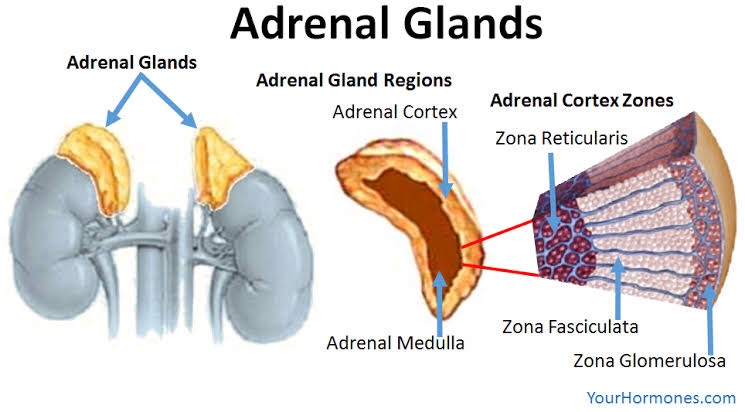
  1. Zona Glomerulosa synthesizes Aldosterone, the most potent Mineralocorticoid in humans.
  2. Zona Fasciculata – produces hydrocortisone (a glucocorticoid)
  3. Zona Reticularis produces Adrenal Androgens

• Glucocorticoid secretion is regulated by ACTH produced in the anterior pituitary. Cortisol has a -ve feedback on ACTH production.

• In Addison diseases, Glucocorticoid secretion impaired & ACTH is ⬆️

🔷 Corticosteroid Action & its regulation

  • Glucocorticoid – Hepatic Glycogen deposition
  • Mineralocorticoid – Sodium, electrolyte-fluid balance.
  • Glucocorticoid play critical role in body’s response to stress.

Stress

⬇️

Release of cytokines (IL-1)

⬇️

⬆️ cortisol levels

🔷 Classification:

Adrenocortical Hormones & Related Drugs

🔷 Steroid synthesis:

The substrate for steroid production is cholesterol. It is mobilized from the outer to the inner mitochondrial membrane by the steroidogenic acute regulatory (StAR) protein.

🔷 Glucocorticoids:

1) Hydrocortisone

Action: Anti-allergy, anti-inflammatory

Therapeutic Uses:

  • intralesional injection in dose of 20-50 mg/mL
  • Topical application
  • Tablet in dose of 100mg/day can be given systemically to relieve burning sensation.
  • Tab. Cortisol(25mg) combined with dexamethasone(90mg) can be given at biweekly interval.*

Action: Fibrinolytic,Anti-allergic, anti-inflammatory*

It causes ⬇️ fibroblastic production & deposition of collagen*

  • Topical application with orabase
  • Intralesional injection of hydrocortisone acetate (25mg/ml)
  • Topical application (0.25-0.5%) to the affected area
  • Intra-articular injection (25mg/ml)
  • 20-30mg/day in divided doses

Trade Name: CORTEF, ORABASE-HCA

• Preparation:

  1. Oral: 5 – 20 mg tab.
  2. Topical – 1% eye drop solution; 0.025 nasal drops, 0.25-2.5% skin creams

• Hydrocortisone acetate 25-50 mg/mL for soft tissue suspensions

• Hydrocortisone sodium phosphate: 50mg/mL IV, IM, SC

2) Cortisone:

• Uses:

  1. OSMF
  2. Addison disease
  3. Hodgkin lymphoma

3) Prednisolone:

Action: Anti-allergic, anti-inflammatory, immunosuppressive

• Uses:

  1. Rheumatoid arthritis: 10mg/day in divided doses
  2. Collagen disease: 1mg/kg
  3. SLE: IM/IV; Topical application 2-3 times daily
  4. Leukemia: ALL as maintenance dose
  5. Erythema multiforme, pemphigus, bullous pemphigoid, behchet’s syndrome
  6. Bronchial asthma: 40-60 mg
  7. Post-herpetic neuralgia
  8. Amyloidosis, cyclic neutropenia, purpura

Trade name: DELTA-CORTEF, PRELONE

4) Triamcinolone:

• Uses:

  1. Lichen planus: Topical application 3-4 times daily
  2. Erythema multiforme: 40-100 mg/day or inhalation doses
  3. Recurrent aphthae: Oral (2-4 mg/day)
  4. Desquamative gingivitis, OSMF, contact chelitis – intralesional (2-3 mL/day)

Trade name: Kenolog cream

5) Dexamethasone:

Uses:

👉🏻Mainly used for adrenal cortical suppression

  • Allergic diseases, serum sickness, urticaria, hay fever, angioneurotic edema: IV; topically 2-4 times a day
  • Benign migratory glossitis: Topical application
  • Shock, cerebral edema, occular diseases.

Trade name: DECADRON

6) Betamethasone:

Action: Anti-allergy, anti-inflammatory

Uses: Lichen planus, pemphigus, Aphthae ulcer

Dr. Mehnaz Memon🖊


References: Self Notes, Image chart source: Classification of Drugs with DOC by Vikas Seth (Third Edition)