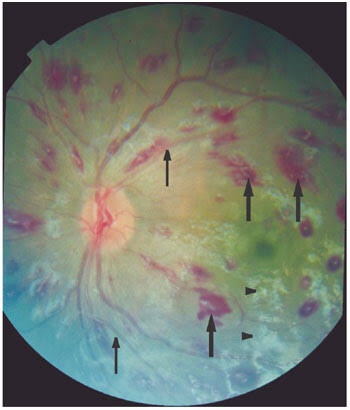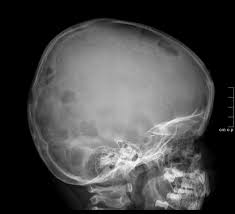
Histocytoses-X :-

It is disease that primarily affects bone but occasionally may also affect other organ system and present in multisystemic pattern.

It is a group of idiopathic disorders characterized by clonal proliferation of specialized bone marrow.

It is also known as Langerhans Cell Histiocytosis (LCH). It is dendritic cell disorder
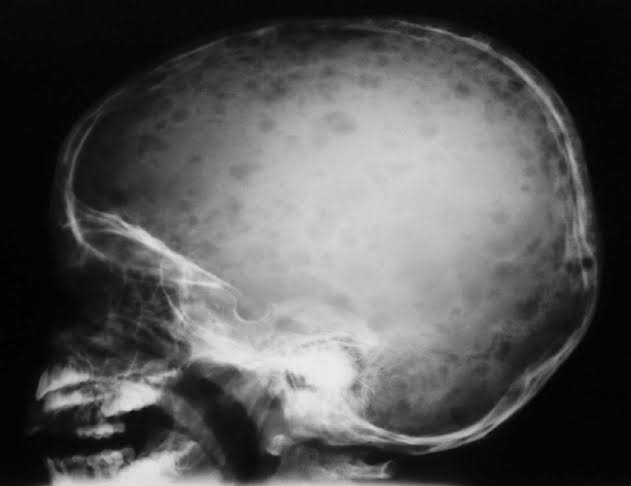
Clinical features :-

  • Pain, swelling or lump in a bone that does not go away.
  • Broken bone from only a minor injury or for no apparent reason.
  • Loose teeth (when not expected) or swollen gums.
  • Ear infection, cysts in the ear or fluid oozing from the ear.
  • Skin rash, such as on the scalp or buttocks.

Clinical syndromes :-

  • Letterer-siwe disease
  • Eosinophilic granuloma
  • Hand-schuller-christian disease

Histopathology :-
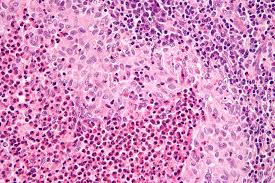
  • Convoluted vesicular chromatin is seen
  • Small nucleolus is seen
  • Light blue dendritic is seen
  • Convoluted peripheral heterochromatin is seen

Treatment :-

  • Steroid therapy, such as prednisone, is used to treat LCH lesions.
  • Bisphosphonate therapy (such as pamidronate, zoledronate, or alendronate) is used to treat LCH lesions of the bone.
  • Local curettage or excision of lesions. Heal on it’s own. Prognosis is good.

Reference :-

Image :- Google
Writing :- notes made from mastering bds and Sanjay Kumar Purkait books

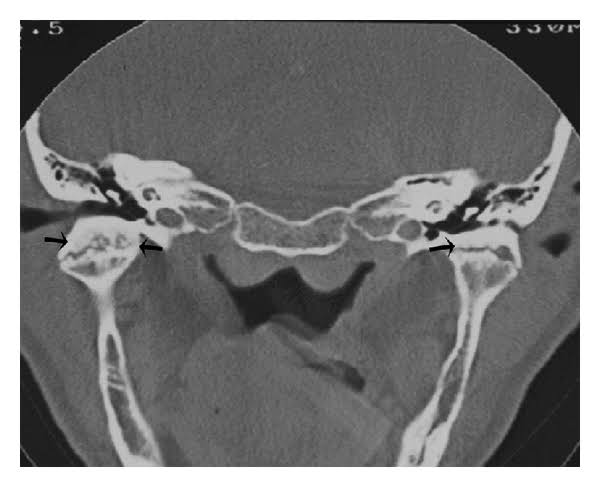
Osteoarthritis :-

It is degenerative disease of weight-bearing joints, although TMJ (tempero-mandibular joint) is not a weight bearing joint.

Clinical features :-

  • Pain rarely presents
  • Causes clicking sounds while opening and closing mouth
  • Limitation of movements of jaw
  • Sometimes inflammation can be seen

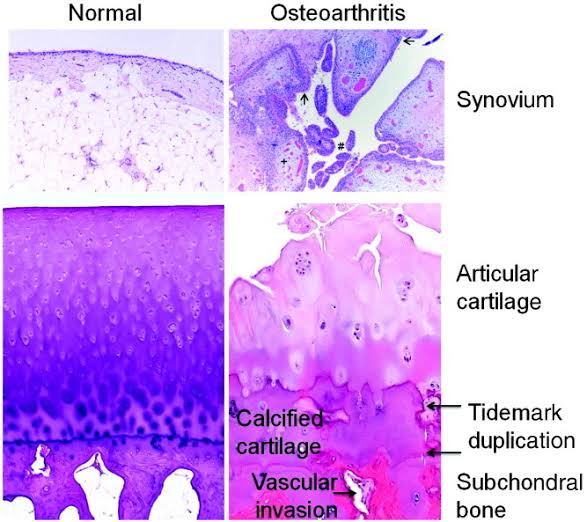
Histopathology :-

  • Vertical and horizontal cracks on articular cartilage
  • Cartilage becomes less elastic
  • Degeneration of chondrocyte
  • localised destruction of cartilage

Treatment :-

  • NSAIDs are extremely beneficial for treating patients with TMJ Osteoarthritis as they have a dual effect of reducing pain and reducing inflammation. 
  • Condylectomy should be considered in severe cases

Reference :-

Images :- Google
Writing :- notes made from mastering bds, Sanjay Kumar Purkait books

Avitaminosis :-

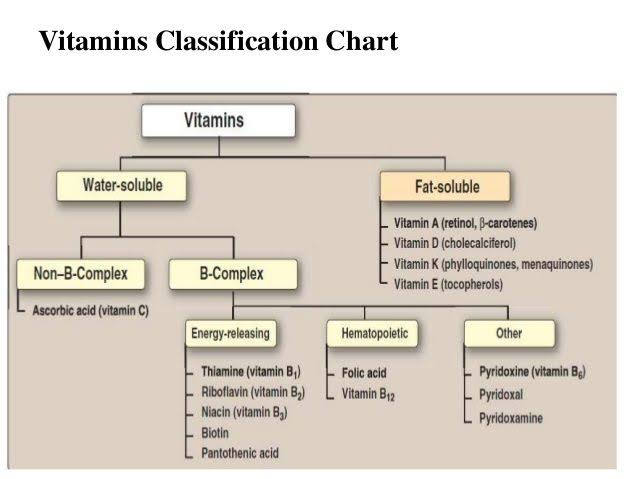
Vitamin A deficiency is one of the most common vitamin deficiency syndrome.

It is fat soluble vitamin.

It is common cause of blindness.

Clinical features :-

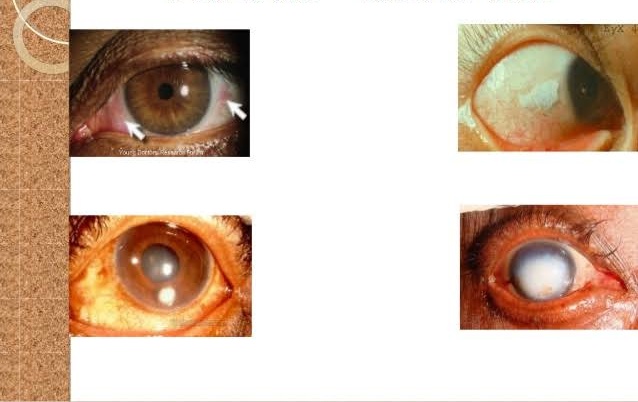
A. OCULAR FEATURES :-

  1. Night blindness.
  2. Bitot’spot.
  3. Corneal ulceration.
  4. Blindness.
  5. Xerophthalmia

B. EXTRAOCULAR FEATURES :-

  1. Hyperkeratotic skin lesions
  2. Anorexia
  3. Growth retardation
  4. Decreased SalivarySecretion.
  5. Hyperplastic gingiva.                          
  6. Periodontal disease.                            
  7. Defective formation of enamel in teeth

Treatment :-

A. Consumption of vitamin A–rich foods, such as liver, beef, chicken, eggs, fortified milk, carrots, mangoes, sweet potatoes, and leafy green vegetables.

B. Daily oral usage as supplements are as follows :-

  • Children aged 3 years or younger – 600 mcg (2000 IU)
  • Children aged 4-8 years – 900 mcg (3000 IU)
  • Children aged 9-13 years – 1700 mcg (5665 IU)
  • Children aged 14-18 years – 2800 mcg (9335 IU)
  • All adults – 3000 mcg (10,000 IU)

Consumption of multivitamins as supplements.

Reference :-

Image :- Google
Writing :- notes made from mastering bds , Dr S N chugh and Sanjay Kumar Purkait books
Rickets :-

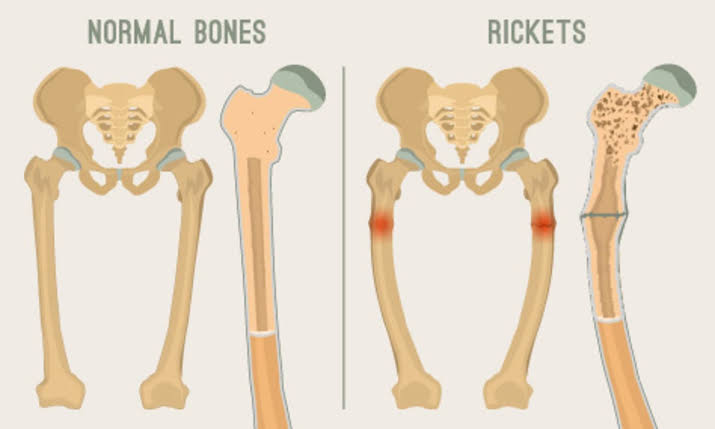
Deficiency of Vitamin D in early childhood may lead to rickets.

Skeleton is poorly developed because of defective calcification in growing bones due to decreased absorption of calcium and phosphorus.

Clinical features :-

  1. Craniotabes  (softening or thinking of skull ). 
  2. Malocclusion of teeth.  
  3. Eruption of teeth is delayed.           
  4. Higher caries index. 
  5. Bow legs.                                            
  6. Pigeon chest (malformation of chest).                                                     
  7. Harisson’s sulcus ( it is a horizontal groove along the lower border of the thorax corresponding to the costal insertion of the diaphragm). 
  8. Rachitic rosary (beading of ribs).

Treatment :-

  1. Vitamin D 2000 – 3000 IU daily.
  2. Orthopedic treatment

Reference :-

Image :- Google
Writing :- notes made from mastering bds , Sanjay Kumar Purkait book , Dr S N chugh books

MOTOR NEURON DISEASE

Stephen Hawking was diagnosed with Amyotrophic Lateral Sclerosis (ALS), a Motor Neuron Disease. But it never stopped him from becoming the greatest physicist of his time!

This is a progressive disease of unknown origin in which there is degeneration of motor neurons of the spinal cord and cranial nerve nuclei and of pyramidal neurons in the motor cortex.

CAUSES:

👉 95% of the cases – Viral infection, trauma, exposure to toxins and electric shock. (Though no Strong evidence exists)

👉 5% of the cases – Familial showing autosomal dominant inheritance. Defect lies in Chromosome 21 on the enzyme SOD1 (Superoxide dismutase)

CLINICAL FEATURES:

👩‍⚕️ Usually affects people above 50 years of age. Very uncommon before 30.

👨‍⚕️ Male predominance.

👩‍⚕️ Dysarthria and Dysphagia.

👨‍⚕️ Wasting and fasciculation of muscles.

👩‍⚕️ Weakness of tongue, face, palate and limb muscles.

👨‍⚕️ Spasticity, extensor plantar reflexes and excessive tendon reflexes are seen in case of pyramidal tract involvement.

👩‍⚕️ External ocular muscles and sphincters usually remain intact.

👨‍⚕️ No sensory deficit objectively seen.

👩‍⚕️ Intellectual impairment is not seen in most cases.

INVESTIGATIONS:

🧐 Differential diagnosis: diabetic amyotrophy, multifocal neuron disease, spinal disorders should be excluded.

🧐 Electromyography – helps confirm fasciculation and denervation.

🧐 Spinal imaging and brain scanning – to exclude focal spinal or cerebral disease.

🧐 A slightly elevated protein concentration is seen in the CSF examination sometimes.

MANAGEMENT:

💊 Riluzole 100 Mg per day appears to be modestly effective in prolonging the life of the patient.

💊 Helps the Quality of life of patients: Psychological and physical support, speech therapist, physiotherapist.

💊 Mechanical aids: Splints, wheelchairs, walking aids, communication devices.

PROGNOSIS:

⚠️ Motor Neuron Disease is progressive; the mean time from diagnosis to death is 1 year.

⚠️ Most patients die within 3-5 years after the onset of symptoms.

⚠️ Death is usually from respiratory infection and failure, and the complications of immobility.

SOURCE: Davidson’s Principles and Practice of Medicine (19th edition)


~Sunantha✍️

POISONS AND ANTIDOTES

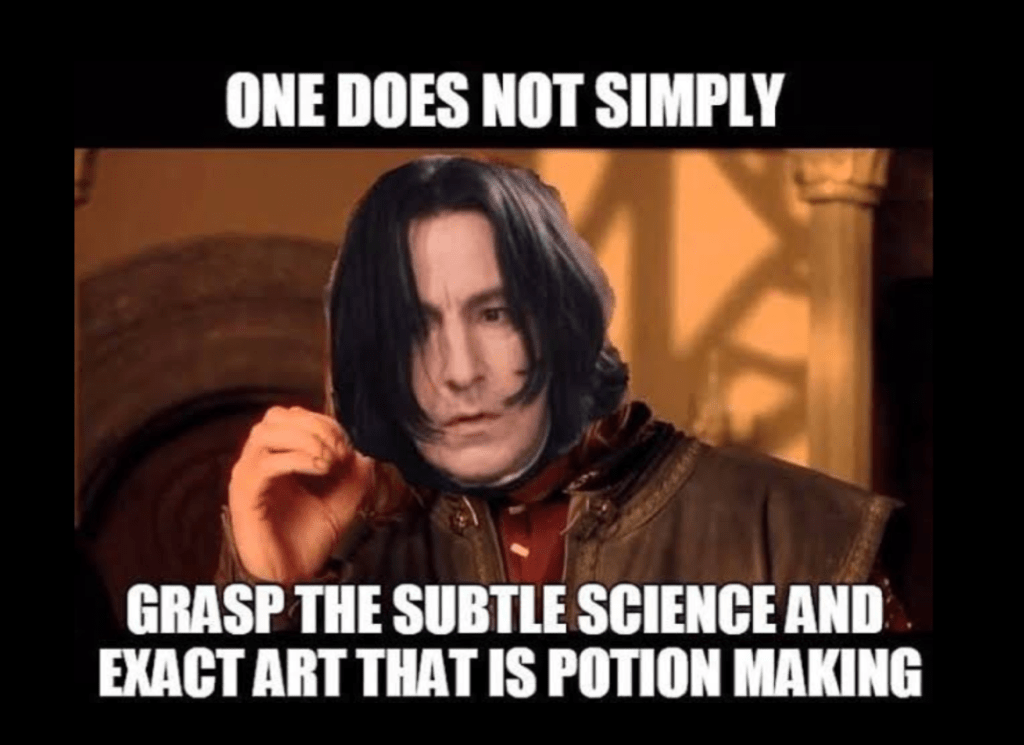
Holds good for Antidotes too! Prof. Snape is right ALWAYS! 🖤

Antidotes available for the treatment of specific poisonings:

☠️ Anticoagulants – 💊 Vitamin K, Fresh frozen plasma

☠️ Beta-blockers – 💊 Glucagon, Adrenaline

☠️ Calcium channel blockers – 💊 Calcium gluconate

☠️ Cyanide – 💊 Oxygen, Dicobalt edetate, nitrites, sodium thiosulphate, hydroxocobalamin

☠️ Ethylene glycol/Methanol – 💊 Ethanol, 4-methylpyrazole

☠️ Lead – 💊 DMSA (2,3-dimercaptosuccinic acid), disodium calcium edetate

☠️ Mercury – 💊 DMPS (2,3-dimercapto-1-propane sulphonate)

☠️ Iron salts – 💊 Desferroxamine

☠️ Opioids – 💊 Naloxane

☠️ Organophosphorus insecticides, nerve agents – 💊 Atropine, pralidoxime (P2S)

☠️ Paracetamol – 💊 N-acetylcysteine, methionine

☠️ Cardiac glycosides – 💊 Digoxin-specific antibody fragments

REFERENCE:

Professor Severus Snape 🖤

Davidson’s Principles and Practice of Medicine (19th edition)


~Sunantha✍️

Malaria (Features of P.falciparum infection)

P.falciparum infection

🤒Clinical Features:

This is the most dangerous of the malarias and patients are either ‘killed or cured’. The onset is often insidious, with malaise, headache and vomiting. Cough and mild diarrhoea are also common. The fever has no particular pattern.

🦗Neurological

  • Coma
  • Hypoglycaemia
  • Seizures
  • Cranial nerve palsies
  • Opisthotonus (a type of abnormal posture where the back becomes extremely arched due to muscle spasms)
Disconjugate gaze due to cranial nerve palsy

🦗Optic fundi

Malaria Retinopathy with Roth’s spots

🦗Respiratory

  • Pulmonary edema
  • Secondary bacterial pneumonia

🦗Cardiovascular

  • Shock
  • Cardiac failure (‘algid malaria’)
  • Dysrhythmias with Quinine

🦗Renal

  • Acute renal failure
  • Severe haemolysis results in haemoglobinuria (black water fever)

🦗Abdomen

  • Hepatic dysfunction & haemolysis lead to Jaundice
  • Tender liver edge with hepatitis
  • Pain in left upper quadrant with splenomegaly

🦗Blood

  • Parasitaemia
  • Anaemia – Normocytic Normochromic
  • Thrombocytopenia
  • Coagulopathy
Ring form in RBC

Dentowesome 2020

@dr.mehnaz🖊


References: Davidson’s Principles and Practice of Medicine Textbook; Image source: ResearchGate, Quizlet