Written by - Dr.Urusa I Inamdar
Definition:
- Fever higher than 38.3 c ( 101F ) on several occasions.
- Illness of more than 3 weeks duration.
- No diagnosis made after 1 week of inpatient investigation.
Common causes not be missed for Fever which is not subsiding after 1 week of treatment:
- enteric fever
- Tuberculosis
- viral fever
- Leptospirosis
- Scrub typhus
- urinary tract infection
- intraabdominal abscess
- hepatitis A and B
Common etiologies of Fever of Unknown Origin
- Infections
- Miliary TB
- Enteric Fever
- Intraabdominal abscess
- TB meningitis
- Brucellosis
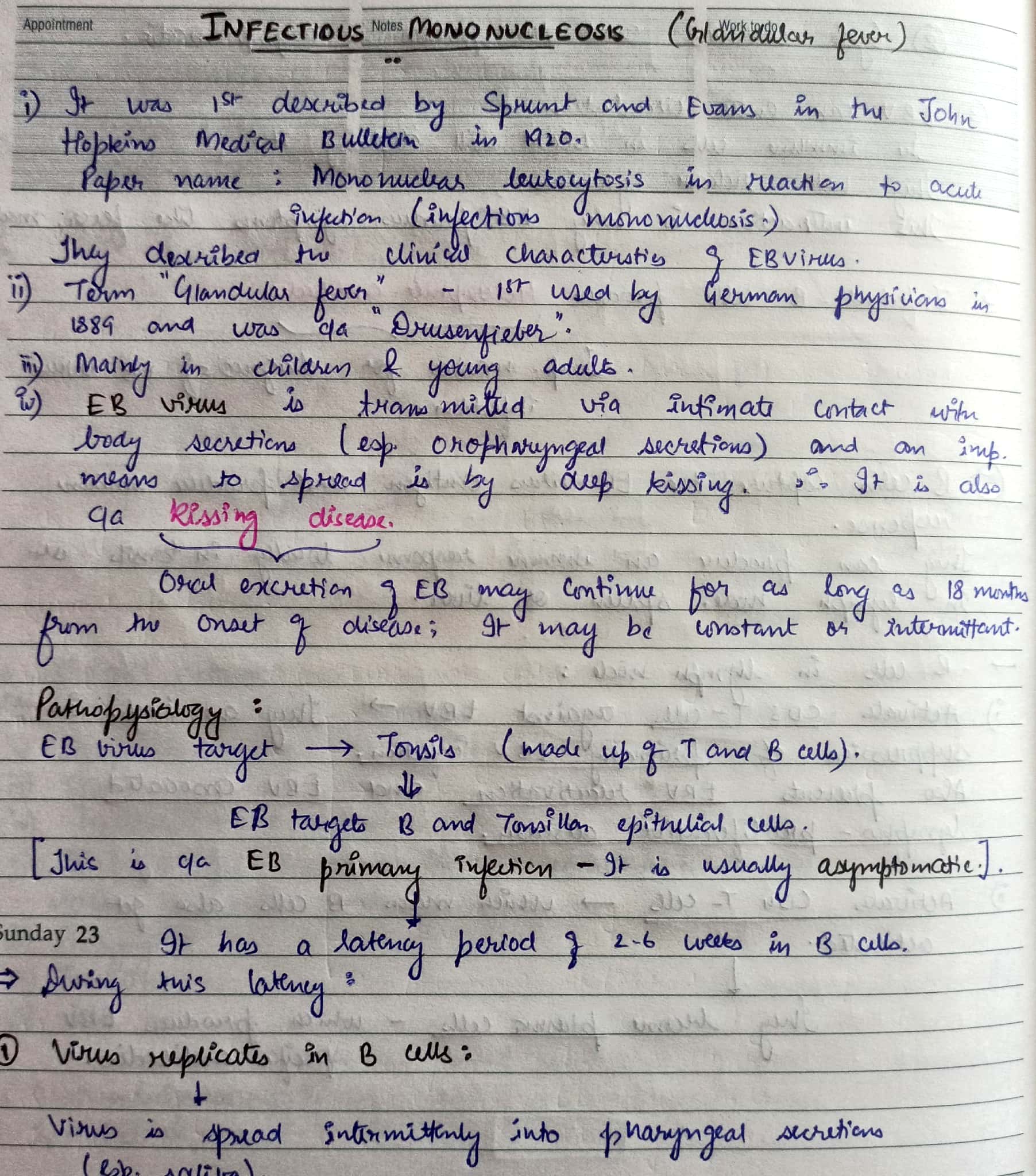
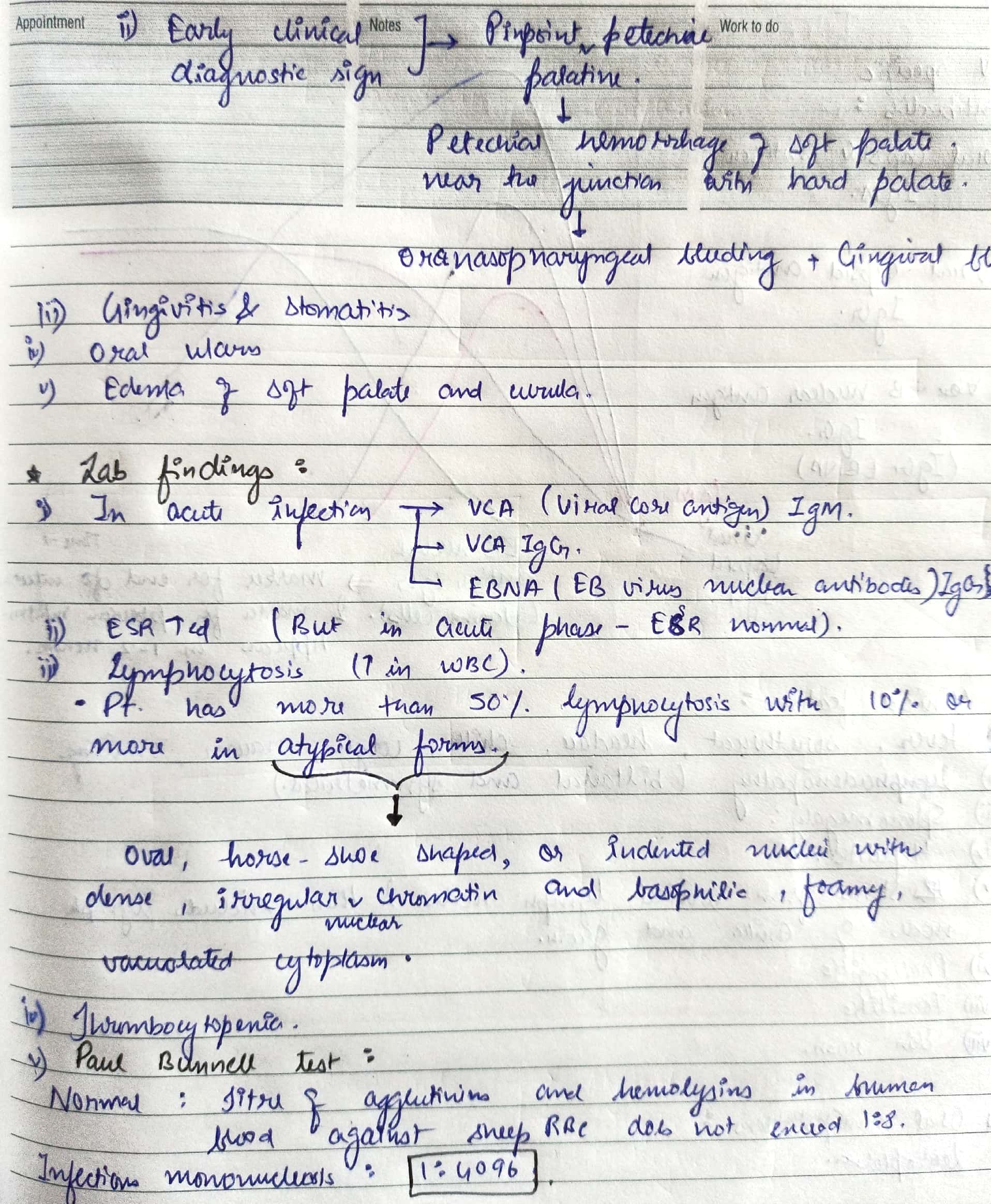
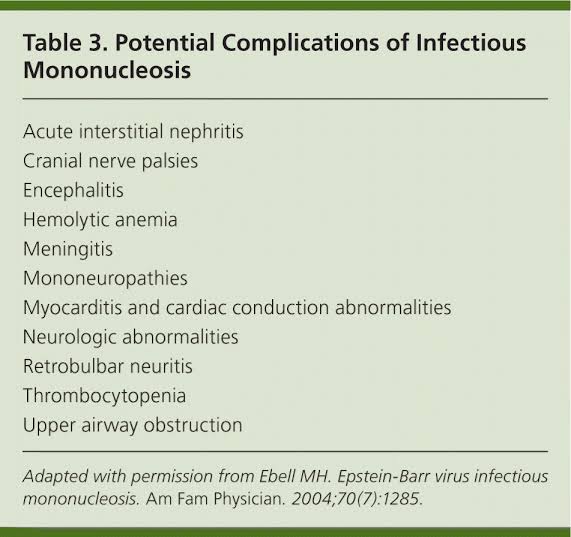
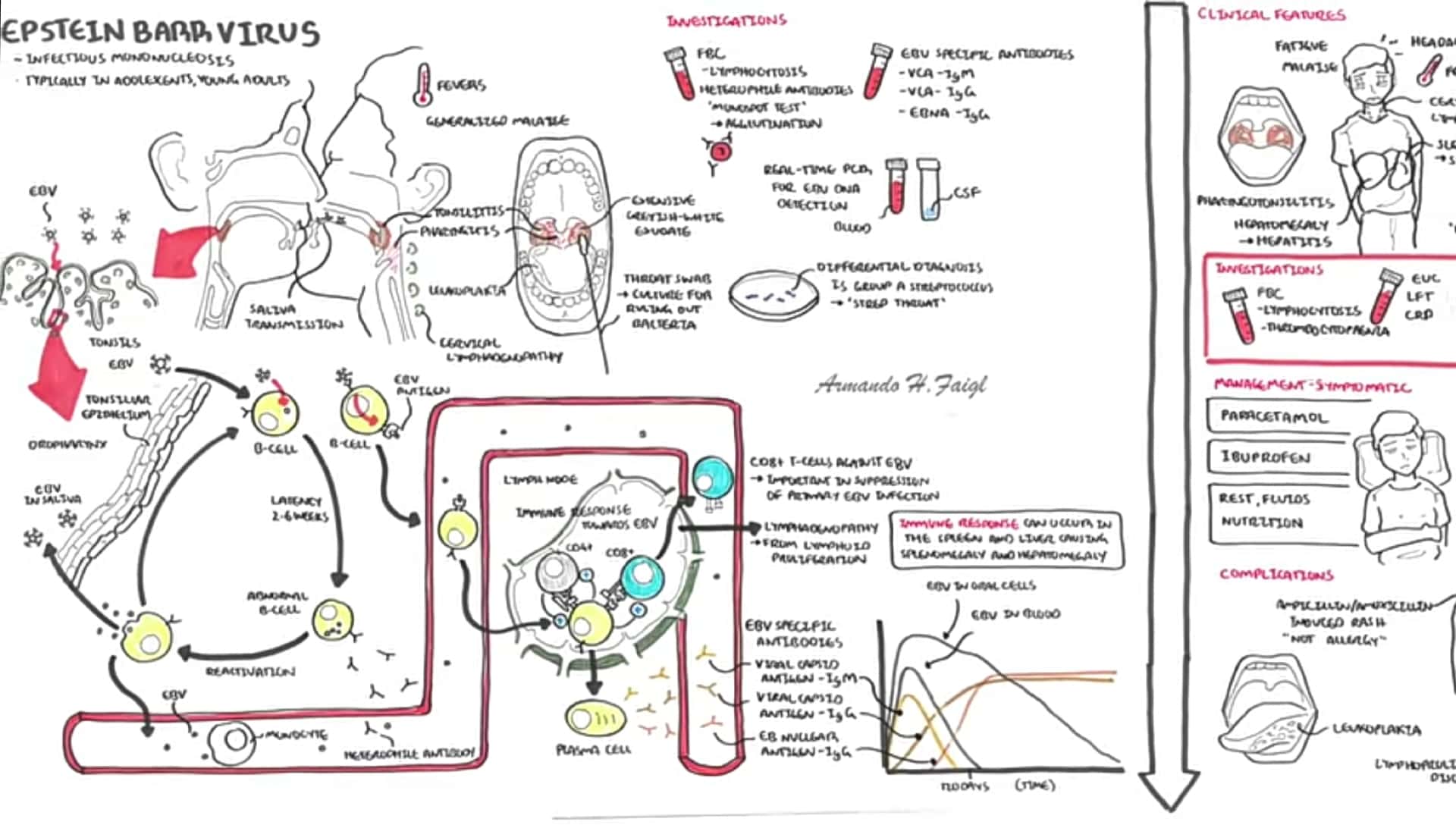
- EBV/CMV
- Complicated UTI
- Neoplastic disorders
- Lymphoma
- Hepatoma/Liver metastasis
- Colon cancer
- Myeloproliferative disorders
- Renal cell carcinoma
- CNS tumors
- Rheumatic /inflammatory disorders
- Still’s disease
- Temporal arteritis
- Rheumatic arthritis
- SLE
- Sarcoidosis
- Polyarticular gout
- Polymyalgia rheumatica
- Miscellaneous
- Drug fever
- Alcoholic cirrhosis
- Sub-acue thyroiditis
- PTE
- Inflammatory bowel disease
Classification of Fever of Unknown Origin
- Classic
duration of more than 3 weeks.
Evaluation of atleast 3 outpatient visits or 3 days on hospital.
- Infection
- Malignancy
- Collagen vascular disease
- Nosocomial
patient hospitalized more than 24 hrs but no fever or incubating on admission.
Evaluation of atleast 3 days.
- Clostridium difficile enterocolitis
- Drug induced
- Pulmonary embolism
- Septic thrombophlebitis
- Immune deficient
Neutrophil count less than 500 per mm3.
Evaluation of atleast 3 days.
- Opportunistic bacterial infection
- Aspergillosis, Candidiasis, Toxoplasmosis
- Herpes virus
- HIV associated
Duration of more than 4 weeks for outpatients.
More than 3 days for inpatient.
HIV infection confirmed.
- Cytomegalovirus
- Mycobacterium
- PCP
Reference
- Gsk – webevent console
- Dental notes
- Davidson’s – Principles and practice of Medicine



















 Dentowesome