Functions of tongue : deglutition, taste sensation, speech, mastication
Blood Supply
●Tongue is mainly supplied by lingual artery branch of external carotid artery, tonsilar branch of facial artery and Ascending pharyngeal artery branch of external carotid artery
● Venous drainage : dorsal lingual veins and deep lingual veins
● Sensory supply: lingual nerve supplies anterior 2/3rd of tongue, glossopharngeal nerve supplies posterior 1/3rd of tongue, Vagus nerve supplies posterior most part of tongue
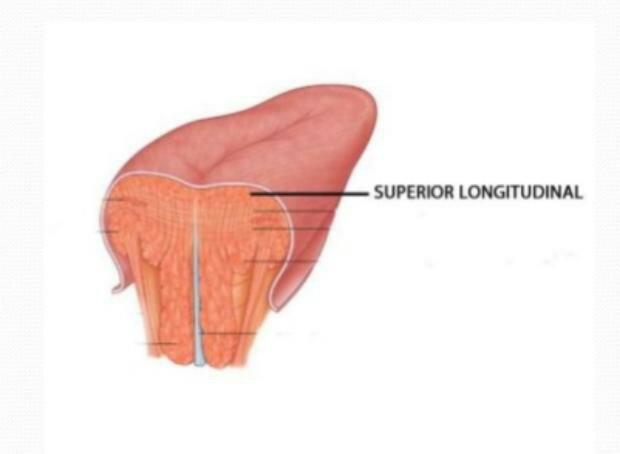
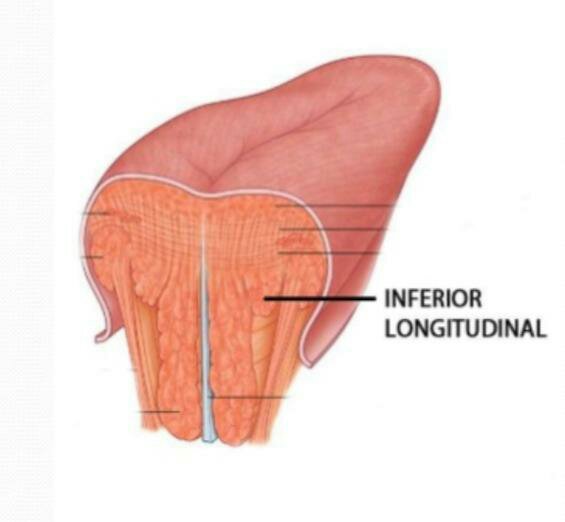
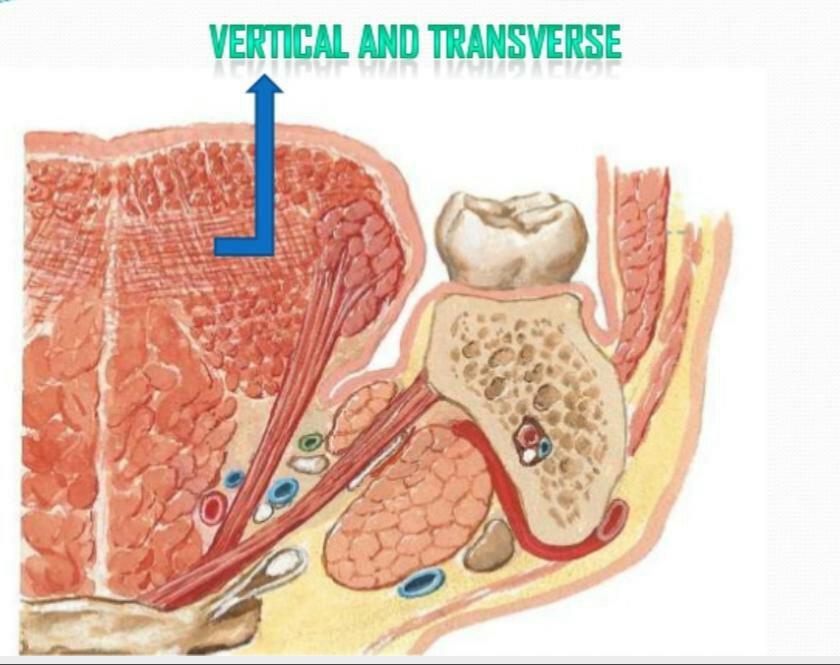
● Motor supply : All extrinsic and intrinsic muscles of the tongue are supplied by hypoglossal nerve except palatoglossus supplied by vagus nerve
Clinical significance
● Ankyloglossia (tongue tie) : Occurs due to abnormal length of frenulum that extends to the tip of the tongue . Ankyloglossia can be corrected surgically.
● Fissured tongue: Occurs when small furrows present on dorsal surface of the tongue. They are generally painless and benign and often associated with other syndromes
● Geographic tongue: asymptomatic and benign characterized by presence of red patches with greyish white border covering dorsum of tongue
Interesting facts
● An average adult has 2000- 4000 taste buds
● You cannot see your taste buds with naked eye. Those tiny pink and white bumps you see are actually papillae
● Tongue muscles are only muscles in the body working independent of the skeleton
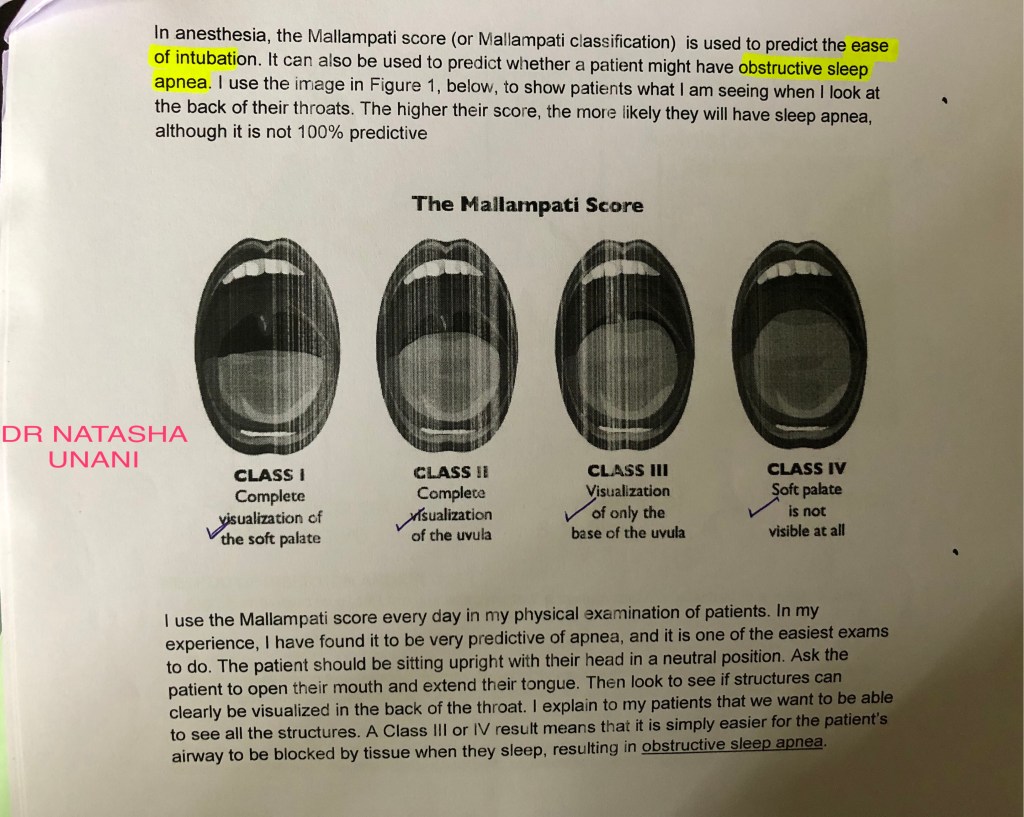
● An oversized tongue is indicative of sleep apnea disorder
● Children sense flavours more intensely compared to adults. Umami is new variant of taste , monosodium glutamate is chemical responsible for this taste
● Women have shorter tongue than men.
● Your tongue is germ free only of its pink. If it is white there is a thin film of bacteria on it
● Blue whale has largest tongue in animal kingdom and weighs 5400lbs
Reference: B.D chaurasia and interesting facts from google
















 Other key points:


 Dentowesome