Yenepoya Dental College Intern’s Work on Salivary Antibodies Sheds Light on Pandemic’s Impact
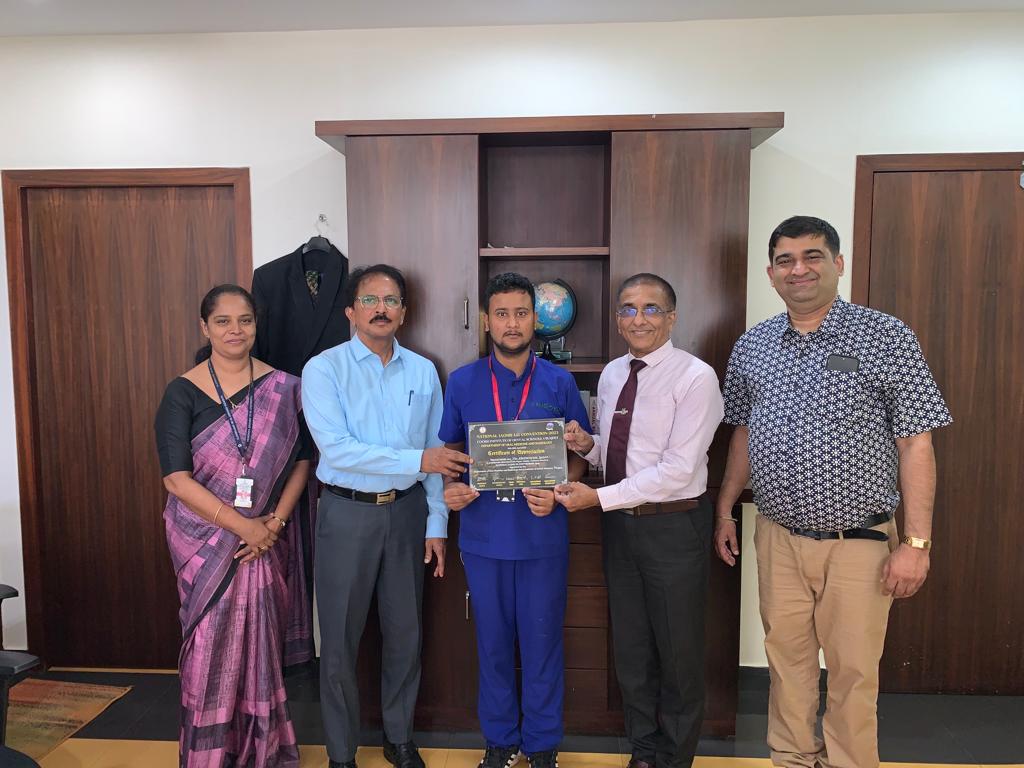
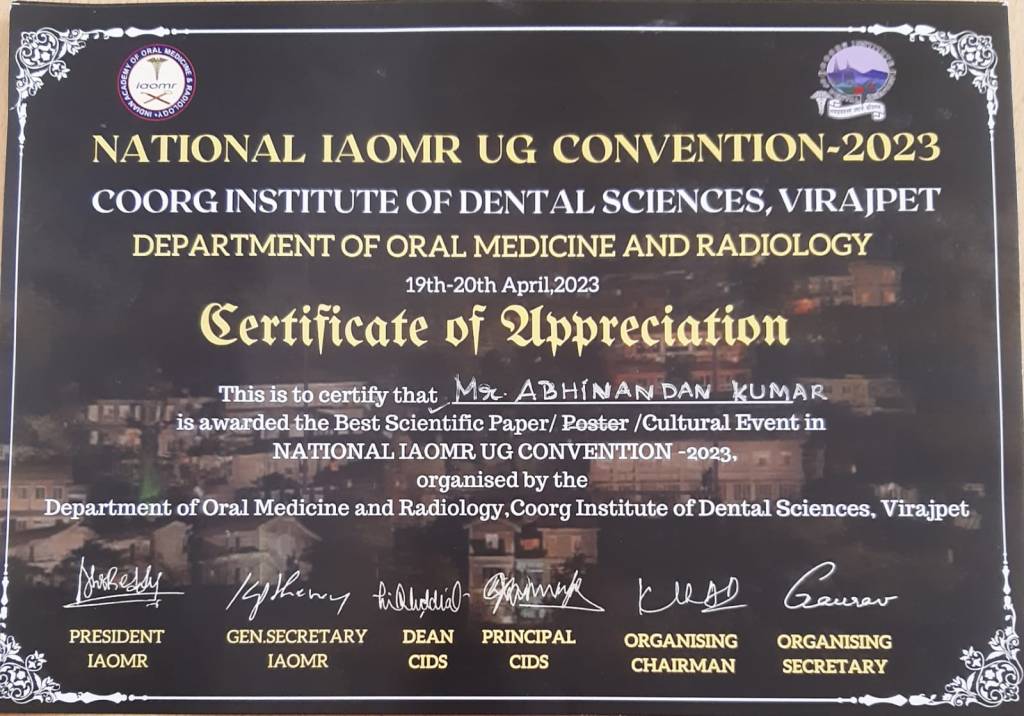
In a commendable display of scientific inquiry, Abhinandan Kumar, a dedicated intern at Yenepoya Dental College, has undertaken pioneering research on the detection of salivary antibodies in both COVID-19 vaccinated and non-vaccinated individuals. His research holds promise in understanding the immune responses to the virus and vaccines, potentially influencing public health measures during the ongoing pandemic.
1) What motivated you to choose this particular research topic?
I was drawn to this research topic due to the unique circumstances presented by the COVID-19 pandemic. The pandemic has posed significant challenges to public health, making it crucial to understand the immune response to the virus and vaccines. This research allows me to contribute to our understanding of COVID-19 and potentially influence public health measures during these unprecedented times.
2) How did you become interested in the ICMR STS program, and what was your application process like?
My interest in the ICMR STS (Indian Council of Medical Research Short-Term Studentship) program stemmed from its esteemed reputation and the opportunity it provides for students like myself to engage in meaningful medical research. The program’s focus on nurturing research skills and promoting scientific inquiry aligns perfectly with my career aspirations.
3) What was the main research question or hypothesis you aimed to address in your project?
The primary research question and hypothesis in my project revolved around comparing IgG (Immunoglobulin G) antibody levels in two distinct groups: COVID-19 vaccinated individuals and non-vaccinated individuals who had contracted COVID-19. Specifically, we aimed to investigate whether there were significant differences in IgG antibody levels between these two groups, which would provide insights into the effectiveness of vaccination and the durability of immune responses in previously infected individuals.
4) How did you design your research proposal and select your methodology?
In our study, we included 15 vaccinated and 15 non-vaccinated individuals, excluding those with recent fevers. Participants rinsed their mouths with water before providing saliva samples, which were stored at 4°C for up to 6 hours and then at -20°C. IgG levels targeting SARS-CoV-2 RBD were measured using an established ELISA method, with absorbance readings at 450 nm taken within 30 minutes of stopping the reaction.
5) Can you describe the specific methods and techniques you used to collect and analyze data?
We utilized the ELISA (Enzyme-Linked Immunosorbent Assay) method for both data collection and analysis in our study.
6) Were there any unexpected challenges or obstacles that you encountered during your research process?
Yes, we did encounter unexpected challenges during the research process, particularly when collecting samples from non-vaccinated individuals.
7) Did you collaborate with any mentors or fellow researchers during the project? How did they support you?
During the project, I had the privilege of collaborating with two esteemed mentors, Dr. Vishnu Das Prabhu and Prof. Bhandari. Their guidance and support were instrumental in the successful execution of the research.
8) Were there any surprising or noteworthy discoveries during your research?
Yes, during our research, we made a noteworthy discovery. We observed both slight changes and no change in IgG levels among the vaccinated individuals. This finding indicated that the immune response to COVID-19 vaccination can vary among individuals, with some showing slight alterations in IgG levels, while others exhibited no change.
9) Is there anyone you would like to acknowledge or express gratitude to for their support during your research project?
I would like to extend my heartfelt gratitude to several individuals who played instrumental roles in supporting and guiding me throughout my research project. Firstly, I express my sincere appreciation to our principal, Dr. Laxmikanth Chatra, for providing valuable encouragement and resources for this endeavor. I’m also deeply thankful to our dean, Dr. Sham Bhat, for his unwavering support and mentorship. Additionally, I want to acknowledge and thank Prof. Vishnu Prabhu and Prof. Bhandari for their expertise, which significantly enhanced the quality of the research. Last but not least, I express my gratitude to Maji Jos for their invaluable assistance during the project. Their collective support was indispensable in making this research a reality.


 Dentowesome