In a remarkable achievement, Raahul, a final-year BDS student at Rural Dental College, Pravara Institute of Medical Sciences, Loni, has made significant strides in dental research. His pioneering project, funded by the prestigious Indian Council of Medical Research (ICMR) Short-Term Studentship (STS) program, focuses on replicating enamel-like structures using synthetic materials through biomimetics.
Mr Raahul, a passionate problem-solver with a penchant for non-fiction literature and spreading smiles, this research journey was an opportunity to make a tangible impact in the world of dentistry.
Raahul’s journey into the world of biomimetics began with a strong desire to address dental issues by emulating the structural and functional qualities of natural enamel. His research project aimed to create synthetic materials that closely resembled the composition and properties of enamel, a substance renowned for its hardness and protective role in teeth.

- What motivated you to choose this particular research topic?
Among the various topics I considered, this particular one resonated with me strongly, as I believed that if I could emulate the structural and functional qualities of enamel closely, it could potentially address several issues. - How did you become interested in the ICMR STS program, and what was your application process like?
I came across the ICMR’s STS program on the Dentowesome page, and though I wasn’t previously aware of it, I decided to explore it further and give it a try. - What was the main research question or hypothesis you aimed to address in your project?
My primary objective was to successfully mimic the enamel-like structure using synthetic materials, and I can confidently say that I achieved this goal. - How did you design your research proposal and select your methodology?
My initial reference point was the comprehensive guidelines provided by ICMR, and I also received valuable guidance from my mentor. - Can you describe the specific methods and techniques you used to collect and analyze data?
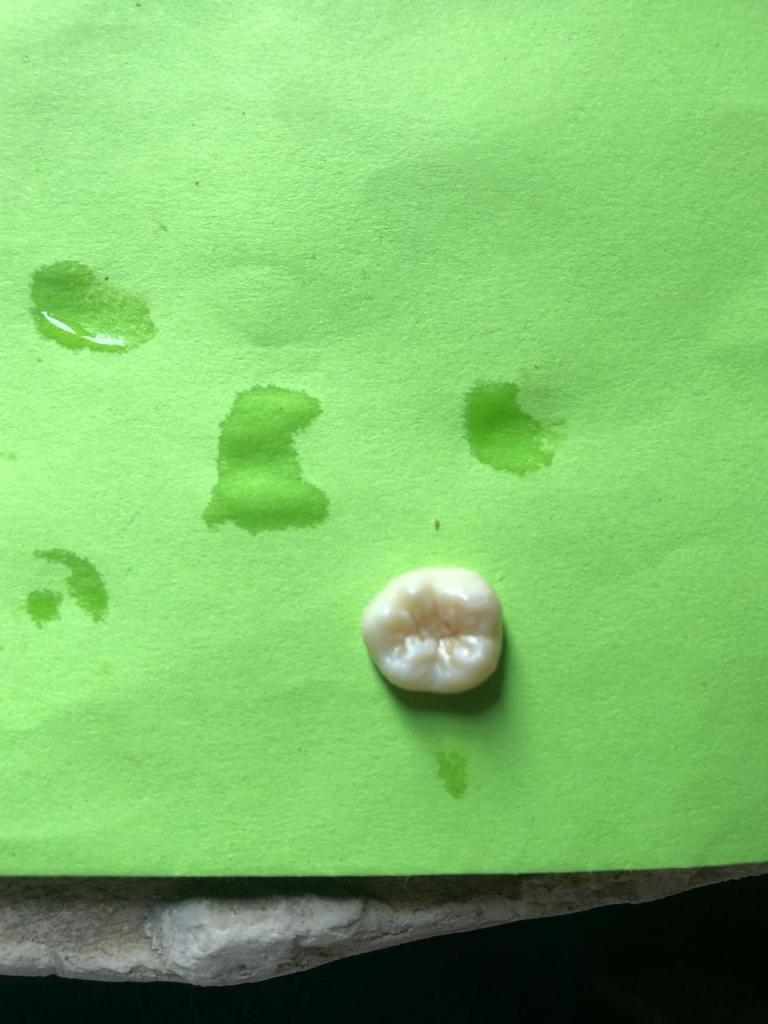
The study was conducted in vitro, involving the use of extracted third molars with intact enamel from the OMFS department in our hospital. The procedures were carried out in the biochemistry lab.
- Were there any unexpected challenges or obstacles that you encountered during your research process? How did you overcome them?
I was fairly well-prepared for potential challenges, as I had anticipated many of the issues that might arise during the course of my research. - Did you collaborate with any mentors or fellow researchers during the project? How did they support you?
Certainly, it was a collaborative effort. The OMFS residents assisted me in obtaining the tooth samples, the biochemistry faculty guided me through the procedures, and, of course, my mentor played a pivotal role. - Were there any surprising or noteworthy discoveries during your research?
Our research allowed us to comprehend the relationship between a dendrimer called PAMAM and human enamel. This has potential implications for future use as a regenerative material in enamel regeneration. - Are there any specific tips or insights you would offer to future STS applicants to increase their chances of success?
My advice is to stay true to yourself and give your absolute best. Everything will eventually fall into place, and even when facing difficult moments, don’t give up. Often, things can change for the better if you persist through those challenging times. - Is there anyone you would like to acknowledge or express gratitude to for their support during your research project?
I’m deeply grateful to my mentor, my seniors, the faculty, and particularly Dr. Anisha. Her valuable interactions and assistance in addressing various challenges have been instrumental. In conclusion, I would like to extend my heartfelt thanks to Dr. Anisha for this opportunity. While I’m uncertain of the extent of its impact, if even one student is inspired to pursue a similar path, I would consider it a success.
Raahul’s achievement stands as a testament to the potential for innovative research within the field of dentistry. His work may one day lead to transformative advancements in dental care, offering brighter smiles and healthier teeth for countless individuals.

 Dentowesome